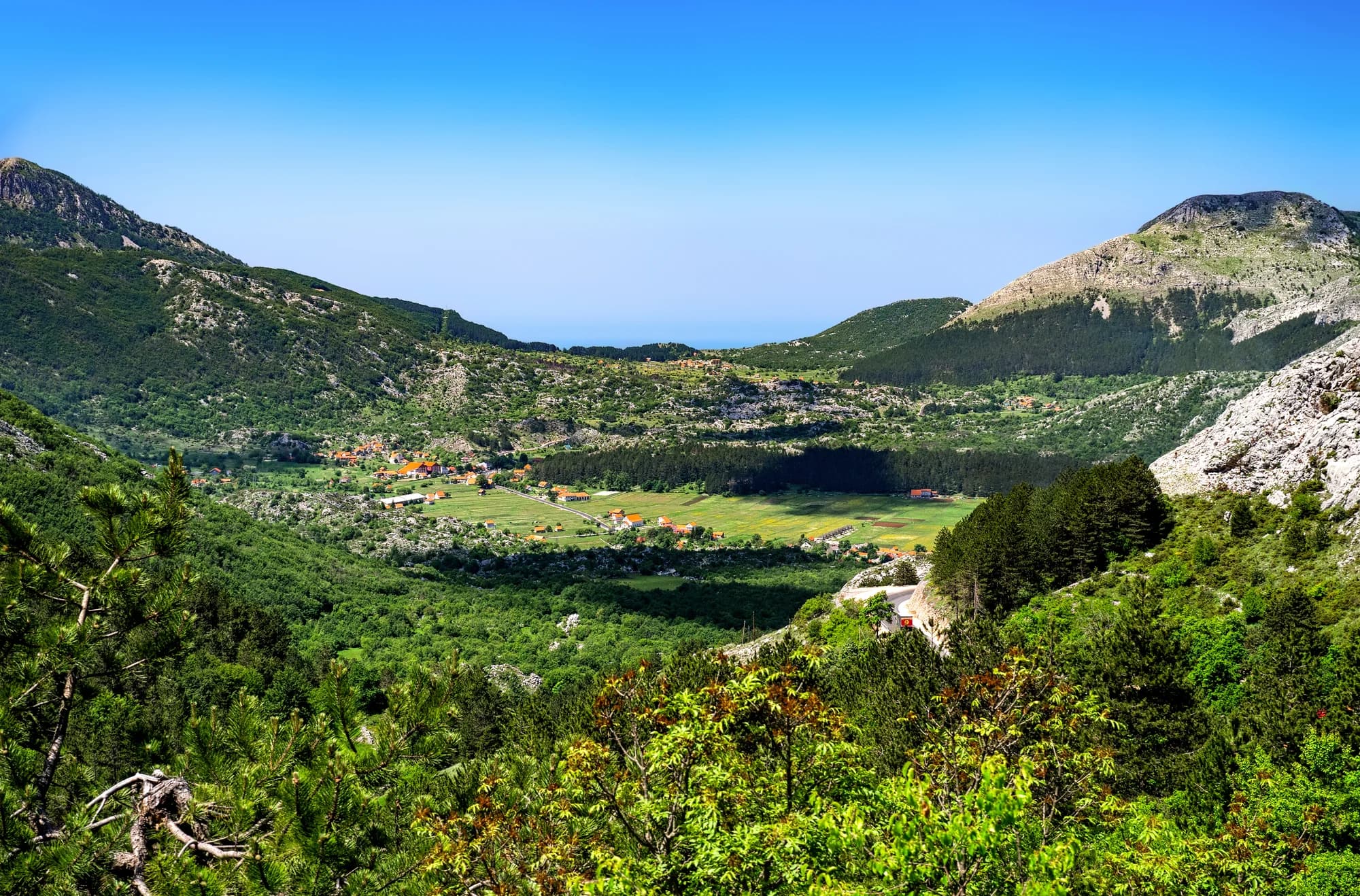
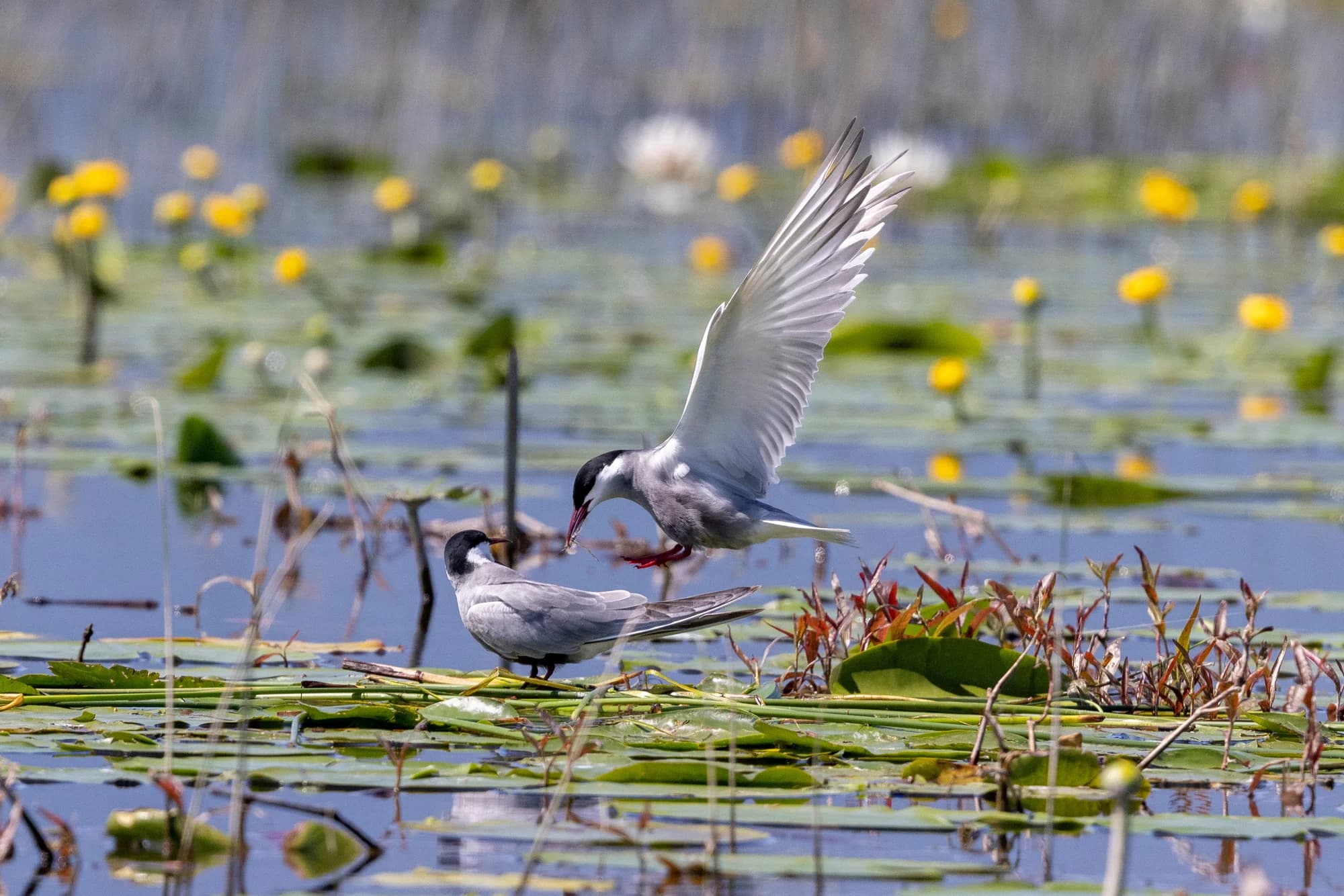
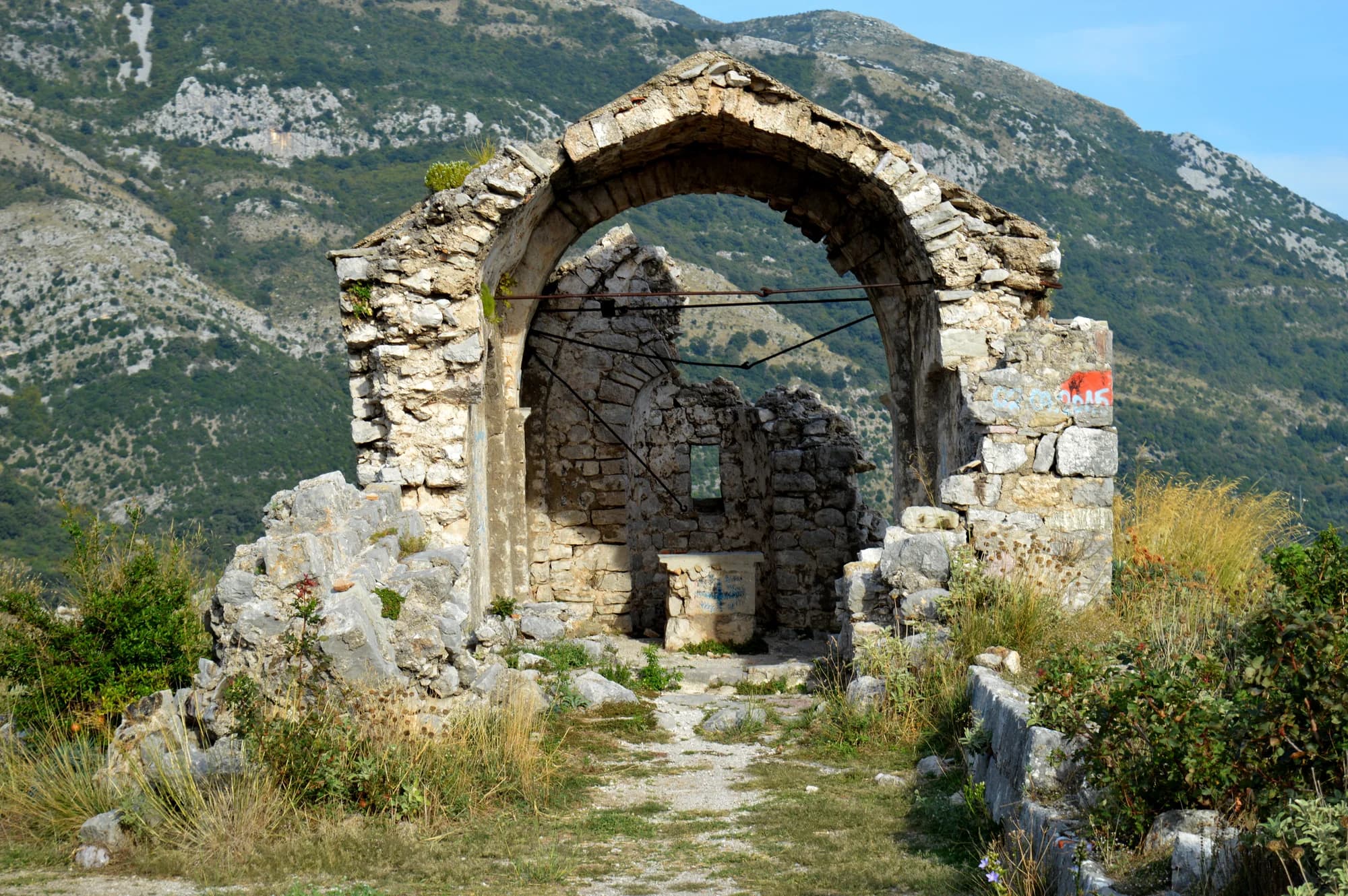
Trettitre mennesker bor i Njeguši. Sletta rundt ga Montenegro både dynastiet og den beskyttede skinken — tjuefem hårnålssvinger over Kotorbukta.
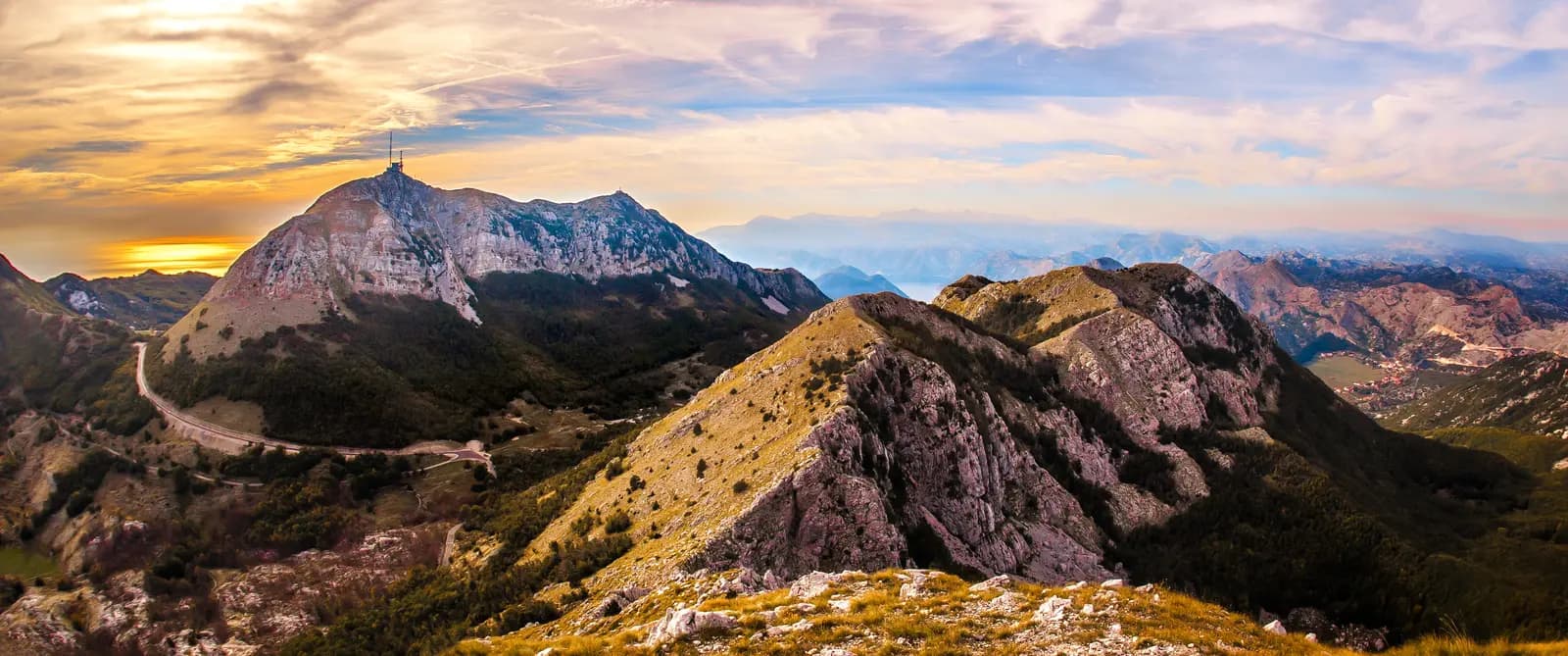
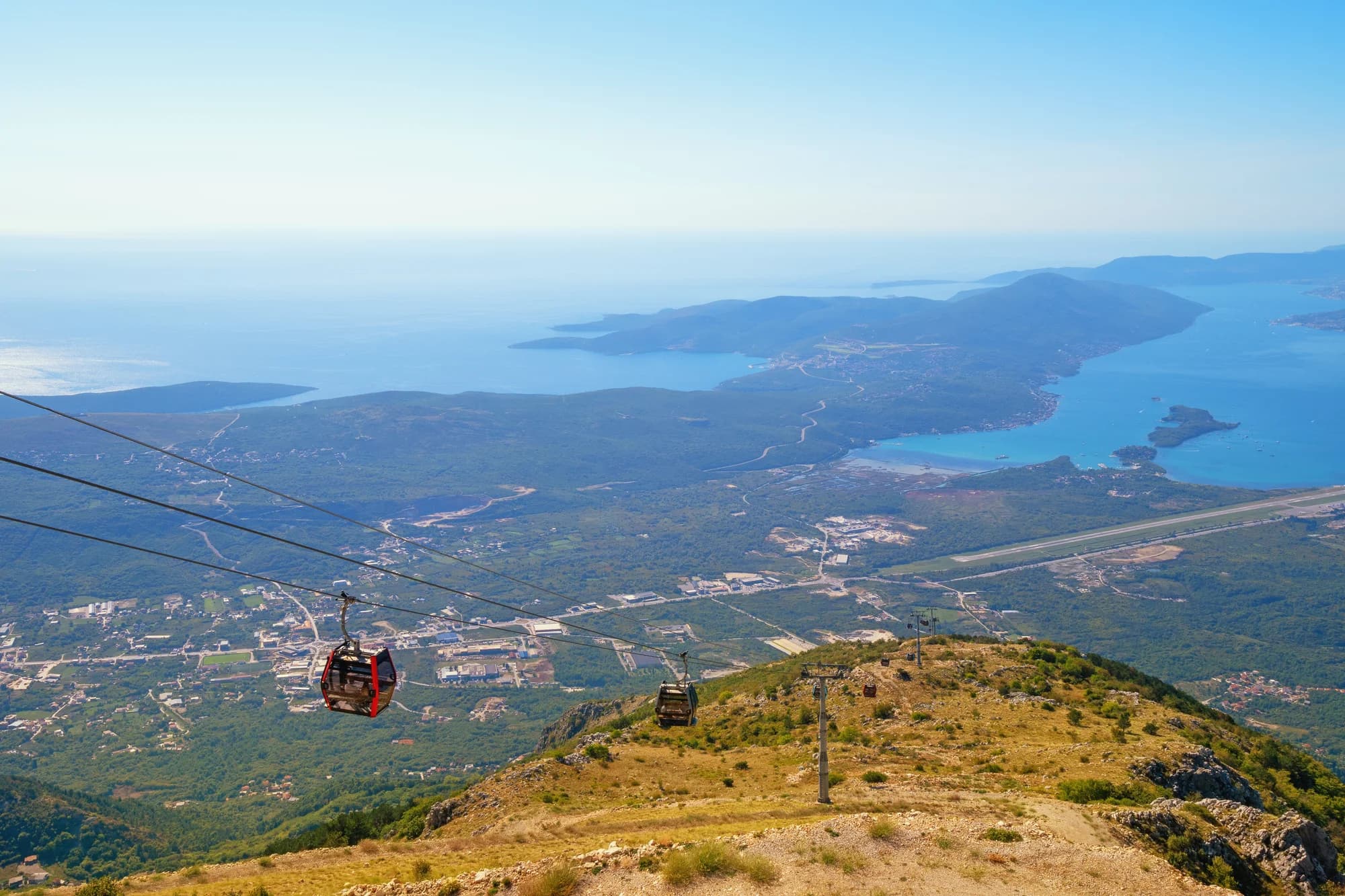
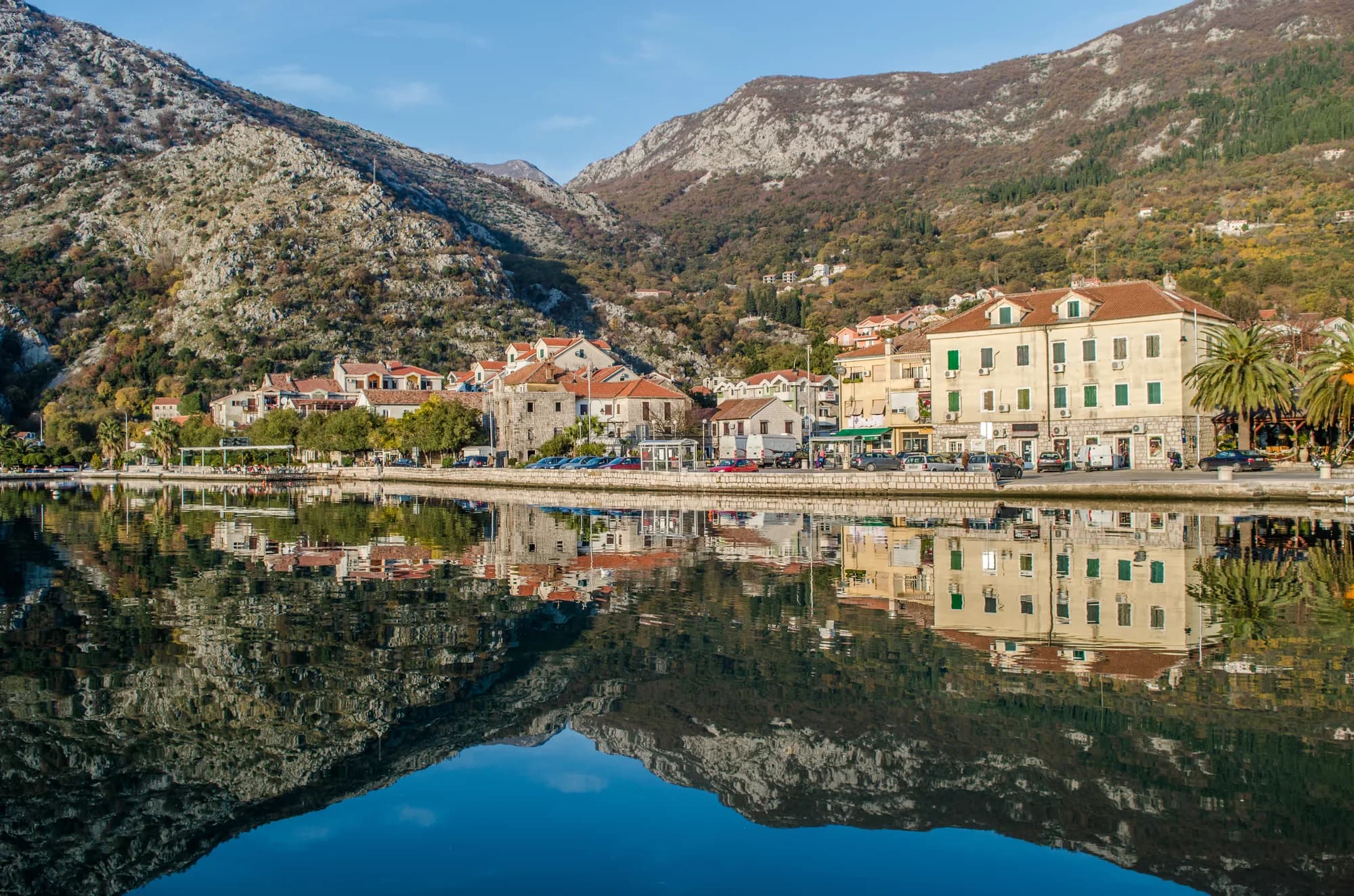
Njeguški er en fjellby som ligger mellom Mount Lovćen og Bay of Kotor, kjent som fødestedet for Petrović-Njegoš-dynastiet som styrte Montenegro i århundrer. Bygda er like berømt for sine kulinariske tradisjoner, og produserer Montenegros fineste røkt skinke (njeguški pršut) og håndlaget ost, lagret i fjellluft. Besøkende passerer gjennom på den historiske veien mellom Kotor og Cetinje, og stopper for å smake på lokale delikatesser på familiestyrte veikiosker med vidstrakt utsikt over bukten.
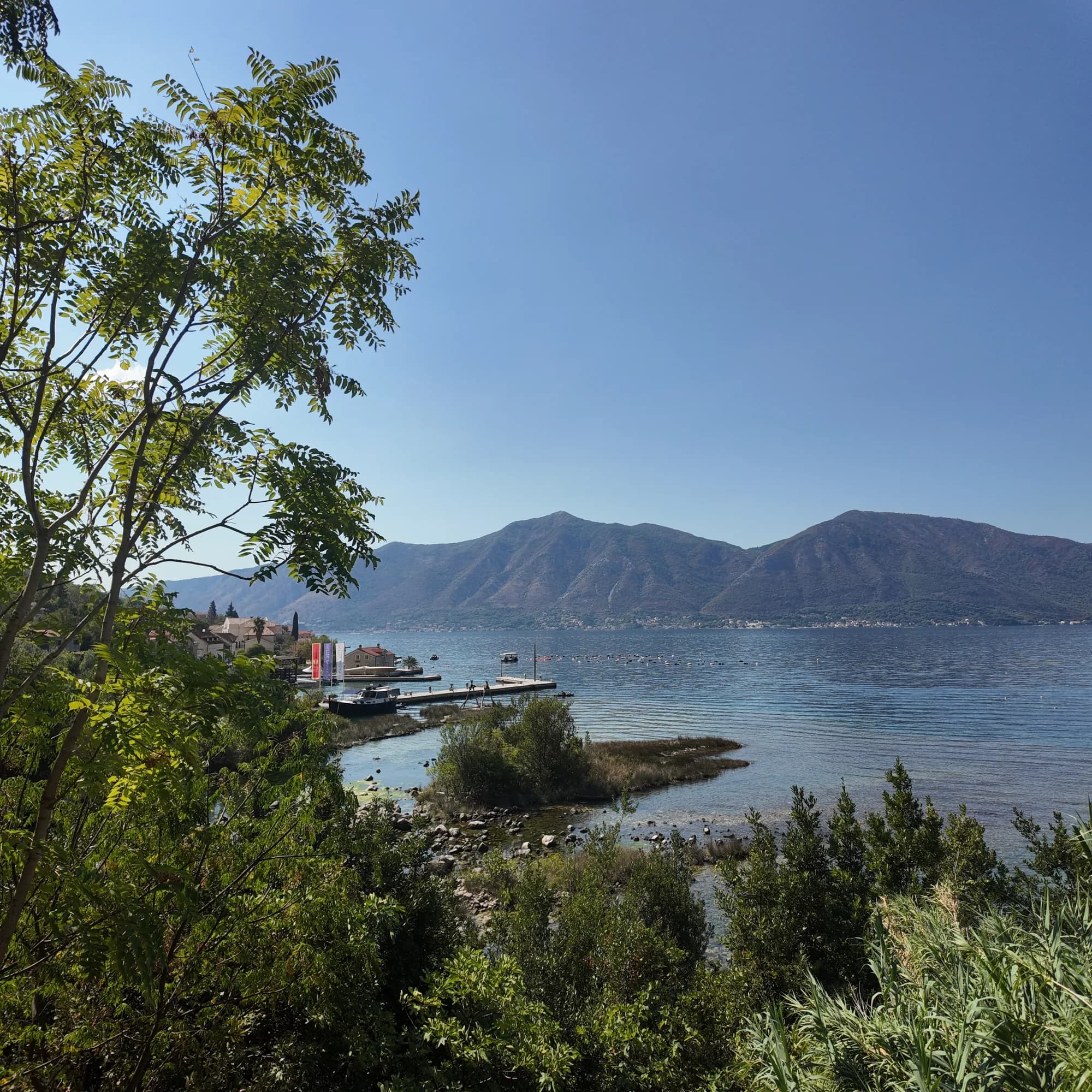
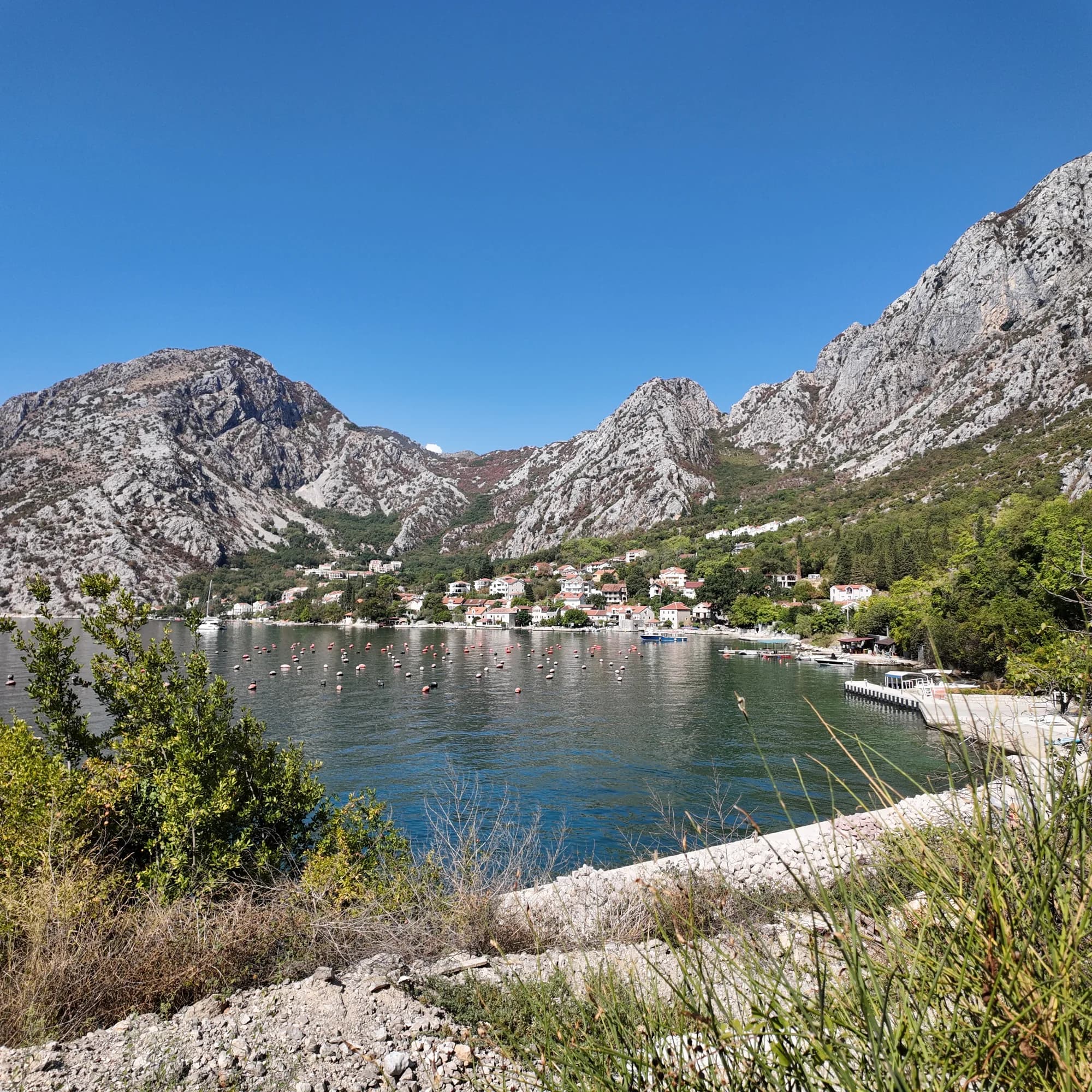
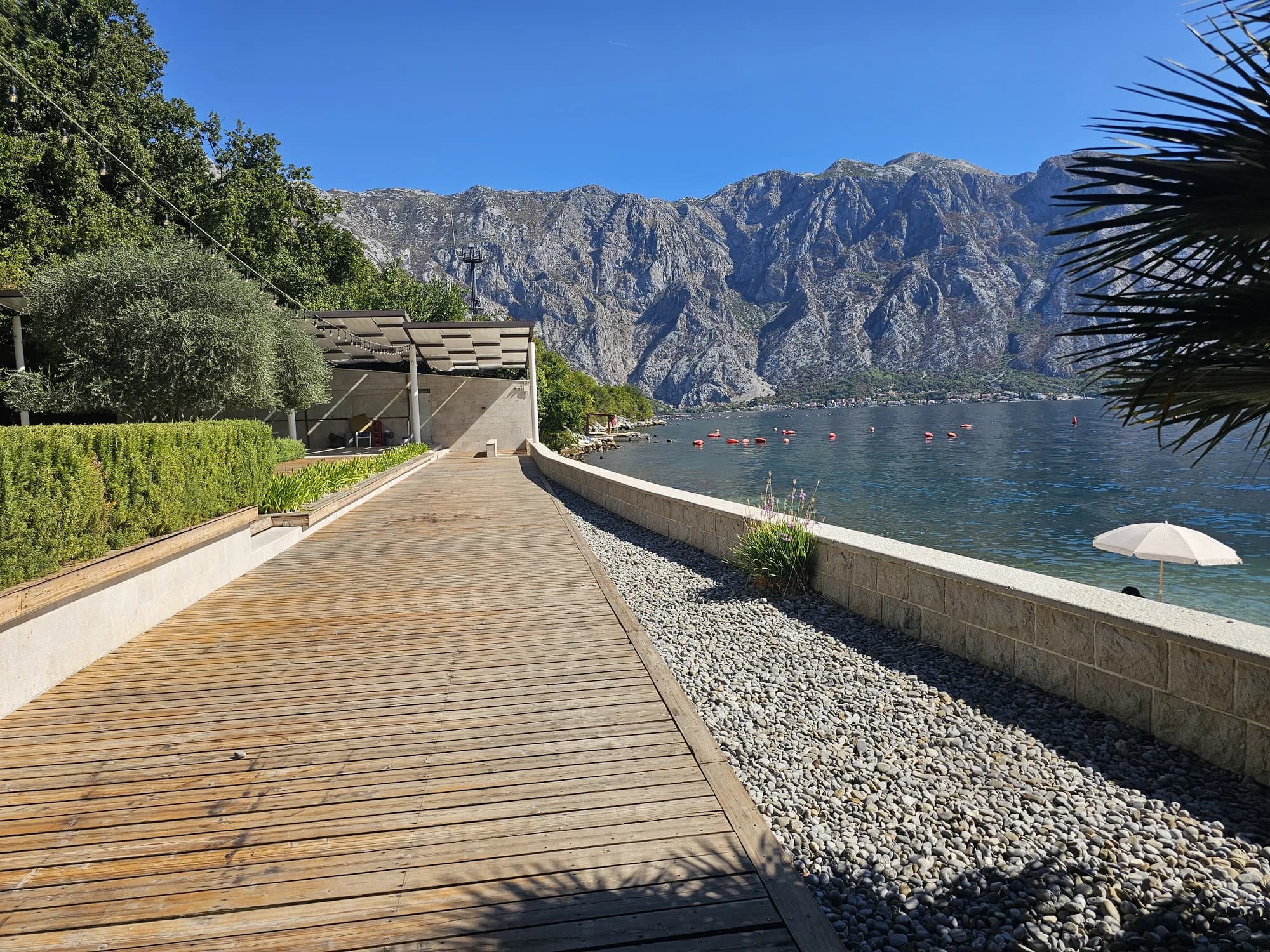
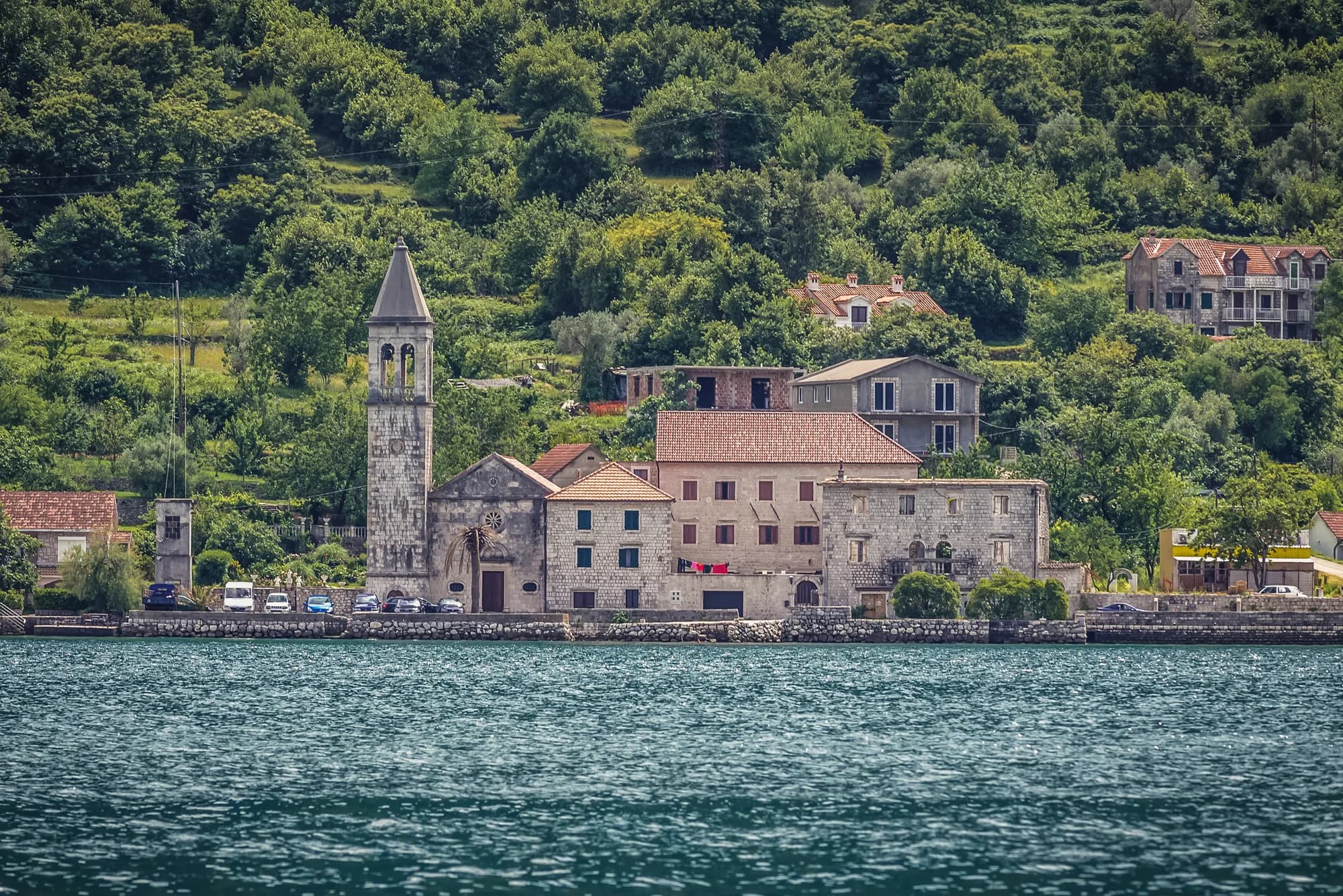
Bilder fra Njeguši
Sletta, grend for grend
Innbyggere per bosetting i Njeguško polje, folketellingen 2023
To hundre og fjorten mennesker fordelt på de fem grendene som fortsatt har et publisert tall. Dugi Do er merket «z» — loven skjuler alle tall under ti — og Majstori og Žanjev Do er registrert helt uten innbyggere. I 1927 talte stammen 450 husstander.
MONSTAT, folketelling 2023, bosettingsnivå
Hvem besøker Montenegro
Andel av utenlandske gjesters overnattinger, 2025
MONSTAT · 2025
Hvem bor her
Folketellinger, Njeguši kommune
Njeguši er én bosetting på en slette stammen en gang fylte: 450 husstander i 1927, fordelt på landsbyene på poljen og grendene over og under den. Der seks husstander utgjør en landsby, hopper kurven — 17 mennesker i 2003, 35 i 2011, 33 i 2023.
Sletta som ga landet herskerne
Det som endret seg her gjennom fem hundre år, var hvilken av slettas egne familier som ledet landet. Breddene er i målestokk: Petrović-vladikaene fra Njeguši styrte Montenegro i 155 år.
Kotor-veien: fra havnivå til Krstac-salen, så ned på sletta
Josip Šilović Slade, en ingeniør fra Trogir, anla Montenegros første kjørevei mellom 1878 og 1884: 36,3 km fra Kotor til Cetinje, høyst fem meter bred, med stigning fra én meter til nesten tusen i tjuefem 180º-svinger, ingen av dem brattere enn 8 %. Profilen er hentet fra SRTM 30 m i 21 jevnt fordelte punkter langs de 20,9 km til Njeguši, pluss Krstac-salen på 944 m.
En dag på veien
Njeguši følger Kotor-veiens timer — etter forskriften for 2026, fra 25. mai til 15. oktober, går trafikken i serpentinene bare én vei om gangen
09:00Njeguši → Kotor er forbudt fra kl. 08.00, så morgentrafikken i hårnålssvingene går bare oppover
14:00i én time er strekningen Krstac–Trojica stengt i begge retninger
16:00fødehjemmet i Erakovići stenger kl. fem, 11. april til 15. november
1813
I mellomtiden, i 1813
Året dikteren ble født på sletta
Njeguši,13. november 1813: Radivoje «Rade» Petrović blir født i Erakovići, i huset onkelen Petar I hadde bygget i 1779 — det midterste av Tomo Petrović og Ivana Prorokovićs fem barn, med en mor fra Mali Zalaz i slettas nordkant. Som tolvåring lærer munkene i Cetinje ham å lese og skrive; som sekstenåring er han fyrstebiskop av Montenegro; han dør trettisju år gammel, etter å ha skrevet Gorski vijenac.
The Boka —samme år erklærer Petar I, den regjerende vladikaen og også født i Njeguši, Kotorbukta forent med Montenegro. I 1815 har Det østerrikske keiserdømmet annektert bukta inn i Dalmatia, og ingen kjørevei forbinder sletta med den før i 1884.
Leipzig,16.–19. oktober 1813: Rundt 560 000 soldater møtes i folkeslaget ved Leipzig, det største slaget i napoleonskrigene, og Napoleon mister Tyskland.
London,28. januar 1813: T. Egerton i Whitehall utgir Stolthet og fordom i tre bind.
Stemmer
“I julen var festlighetene her uten grenser. Pølsene som hang over et svakt ildsted, havnet i flammene; i nabohuset ble servise, benker og et vindu knust, og ingen var beruset. Boller, såpe og kaker ble båret bort, spist eller gitt til fattigere hus — og ingen ble sinte eller misunte skaden, for man mente at Gud ville gjengjelde den.”
Pavle Rovinski, russisk etnograf som studerte Montenegro
Oversatt fra sammendraget av Rovinskis skildring av julen i Njeguši i bosettingens serbiske Wikipedia-artikkel, som siterer Ровински (1998), s. 126.
“Njeguši, fra Njeguš — personnavnet, av samme rot som Njegomir og Njegoslav.”
Konstantin Jireček, historiker av middelalderens Balkan
Jirečeks avledning, stilt opp mot Ilija Ruvarac’ eldre tolkning, som utledet navnet fra en grunnlegger kalt Njeguš, som opptrer i et latinsk dokument fra omkring år 1000 som Negusius Podcupica. Begge gjengis i den serbiske Wikipedia-fremstillingen av stammen.
Sammenlign alle hoteller i Njeguši
Søk blant tusenvis av hoteller og leiligheter med oppdaterte priser.
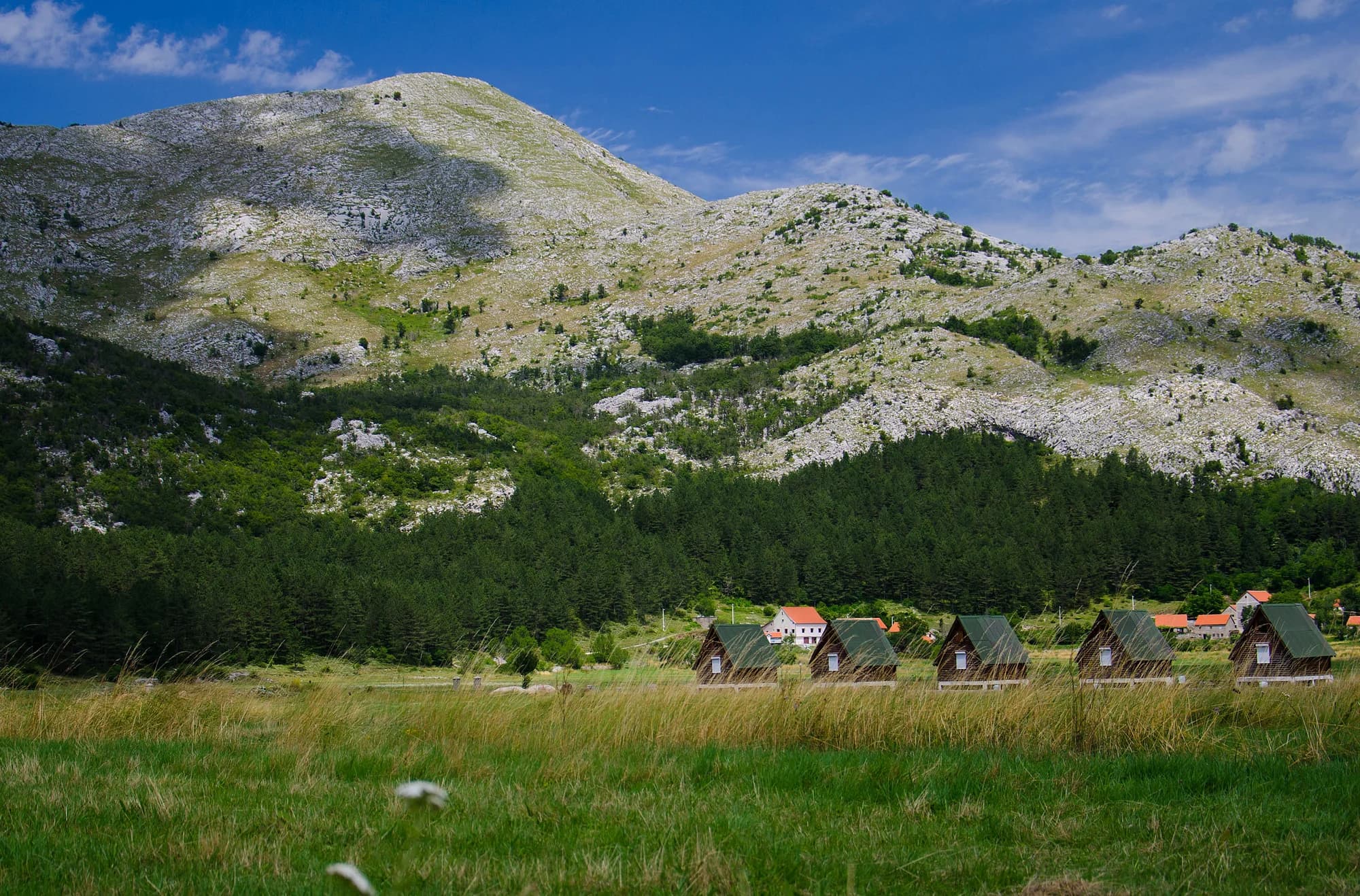
Njeguši er en landsby på Lovćen-platået på rundt 900 moh., ved den gamle veien mellom Kotor og Cetinje. Det er omtrent 45 minutter opp serpentinene fra bukta, inne i Lovćen nasjonalpark, og består av noen få steingrender rundt et grønt karstjorde.
Hvorfor er Njeguši kjent?
Av to grunner: det er stamlandsbyen til Petrović Njegoš-dynastiet som styrte Montenegro, og den har gitt navn til landets mest kjente spekeskinke. Petar II Petrović Njegoš, fyrstebiskop og dikter, ble født her i 1813.
Hva er njeguški pršut?
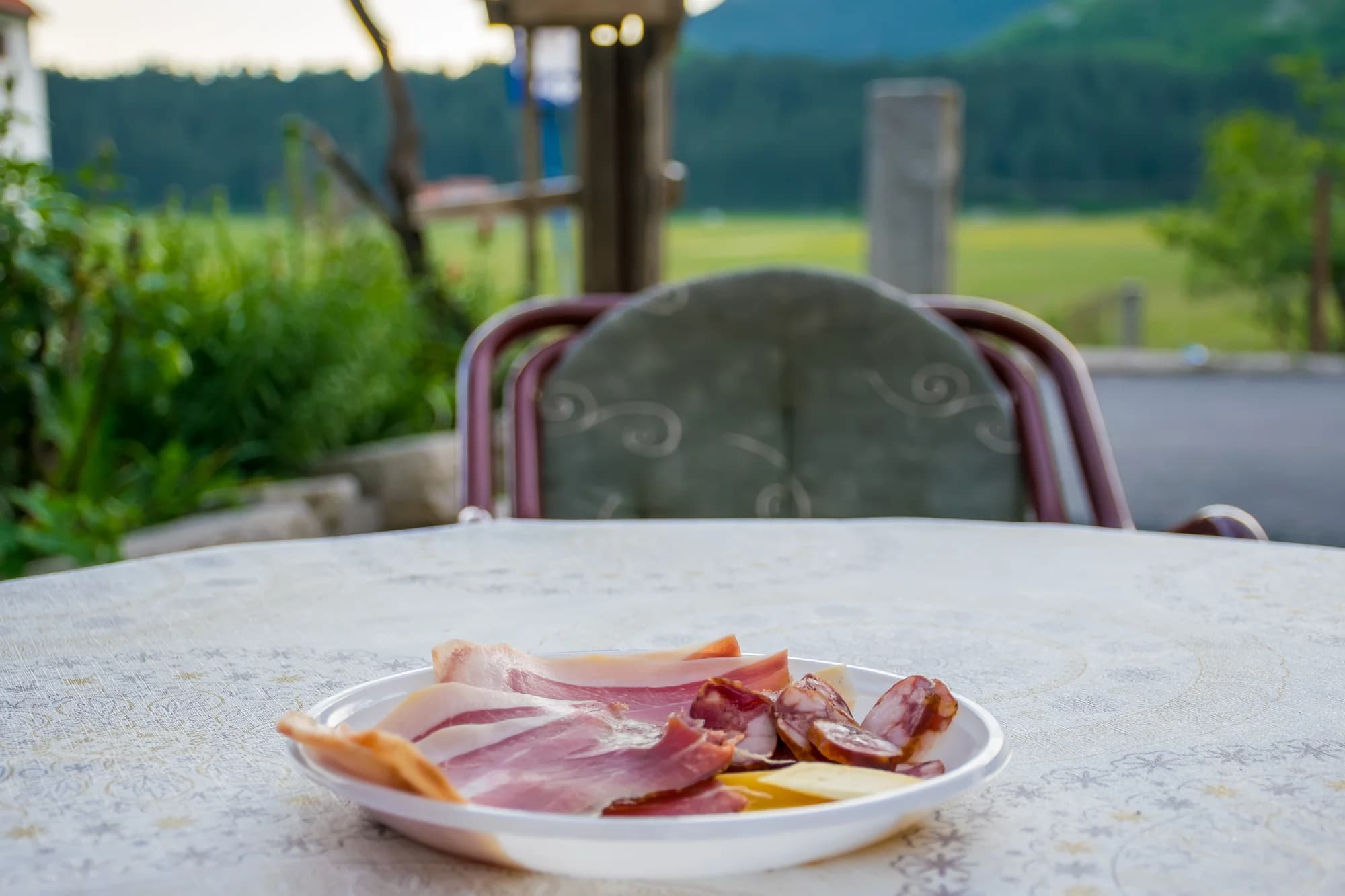
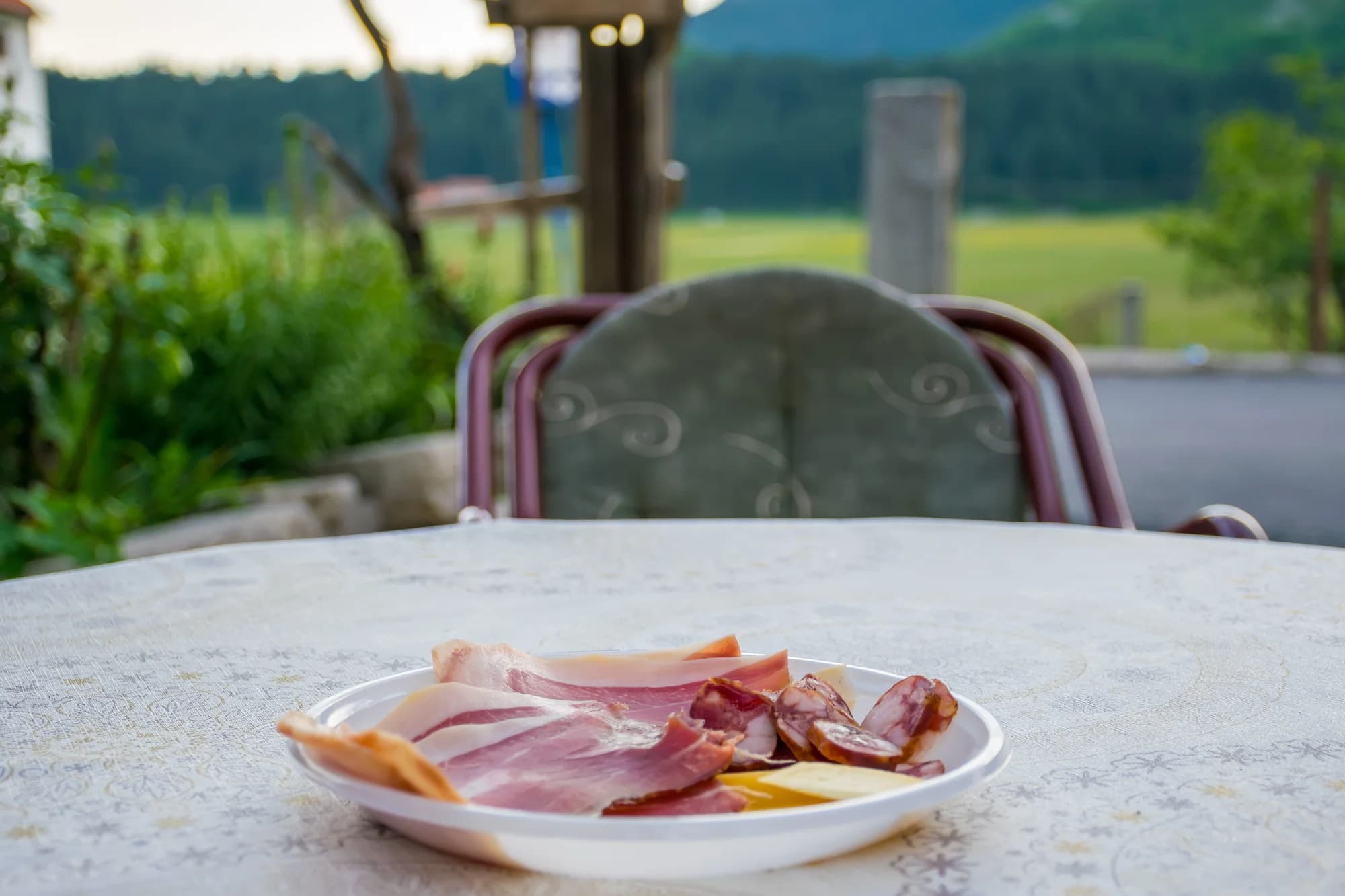
Skinke saltet, røkt over bøk og deretter lufttørket i trekken som stryker over platået — møtet mellom havluft og fjelluft får æren for smaken. Den serveres i papirtynne skiver, gjerne med den lokale osten i olje og et glass rakija.
Kan man besøke Njegoš' fødehus?
Ja. Familiehuset i landsbyen er åpent som et lite museum, med tidsriktige rom og gjenstander knyttet til dynastiet. Det er beskjedent, og nettopp det er poenget: det viser hvor enkelt Montenegros herskere faktisk levde.
Er kjøreturen opp verdt det?
Veien fra Kotor er like mye attraksjonen som landsbyen — tjuefem hårnålssvinger med bukta som åpner seg under i hver eneste. Den er smal og langsom, og kjøres helst oppover fra Kotor, slik det meste av trafikken også går.
Hvor lenge bør man stoppe?
En time eller to. Spis, se huset, gå ut på jordet, og fortsett så til Cetinje eller opp til Njegoš-mausoleet. De fleste kombinerer det med Lovćen på én dagstur fra kysten.
Har Njeguši flyplass?
Nei — den nærmeste er Tivat lufthavn (TIV), 23 km unna langs vei.
Hvor langt er det fra Njeguši til Cetinje?
9,8 km langs vei, omtrent 16 min med bil.
Er Njeguši trygt?
Det britiske utenriksdepartementet (FCDO) fraråder ikke reiser til Montenegro; rådene ble sist gjennomgått 13. august 2026. Det er deres vurdering av landet som helhet, ikke vår og ingen dom over Njeguši — les den selv før du reiser. Nødnummeret i Montenegro er 112.
Den lokale tallerkenen
Njeguški pršut
Montenegro registrerte navnet i 2016, og registreringen er en oppskrift: et svinelår med bein, skinn og fettet under, tørrsaltet med havsalt, røykt over langsom glo av tørr bøk, deretter tørket og modnet i minst ni måneder. Det beskyttede navnet tilhører bare skinker laget i Njeguši-området — landsbyene på poljen, de to Zalazi, Žanjev Do, Mirac, Majstori og grendene opp til Krstac. «Fjellskinke» på en meny er en beskrivelse, ikke betegnelsen.
Hvor Familiekonobaene langs den gamle Kotor-veien, på selve sletta
folketellingen 2023, bosettingen Njeguši — 61 mennesker bodde her i 1948
1435
Grunnlagt
Njeguši i de venetianske arkivene, med en styrke på 400 hus
901 m
Høyde over havet
bunnen av Njeguško polje, målt ved landsbyen med SRTM
23 km
Flyplass
til Tivat (TIV) på vei, en halvtime ned — Podgorica (TGD) ligger 55 km unna
1952
Parken
nasjonalparken Lovćen, 62,2 km² — landsbyen ligger innenfor den
MONSTAT, Broj stanovnika po naseljima, Popis 2023 · sr.wikipedia (Njeguši; Njeguši-stammen) · en.wikipedia (Lovćen) · veiavstander målt på OpenStreetMap-data, høyder på SRTM 30 m
Hvor lang tid trenger du i Njeguši?
Noen timer
1Opp fra Kotor på R-1 — tjuefem hårnålssvinger, fra fire meter til ni hundre, og i sesongen er oppkjøring forbudt etter kl. 14.00
2Njegošs fødehjem i Erakovići: en avdeling av Nasjonalmuseet, 09.00–17.00 fra 11. april til 15. november
3Pršut og ost på en konoba på sletta
4Velika Gospođa, stammens katedralkirke og den største på poljen
To timer, og det meste er kjøreturen — som er hele poenget.
En hel dag
1Kotor tidlig, før bussene når murene
2Serpentinene opp til Krstac-salen, 944 m
3Njeguši: fødehjemmet, deretter en lang lunsj på sletta
4Jezerski vrh på 1 657 moh. og Meštrovićs marmormausoleum, ferdig i 1974
5Ned østsiden til Cetinje, 21 km videre
Den klassiske kryssingen av fjellet — fra kysten til den gamle hovedstaden, med Njeguši som hengsel.
Hvor bo i Njeguši
Njeguško polje
Best for å våkne på selve sletta — Erakovići (93 innbyggere) og Raičevići (52) er de to grendene med over femti mennesker igjen, og begge ligger innenfor området for den beskyttede pršuten
Nasjonalparken Lovćen
Best for parkens egne bungalower og teltplasser innenfor grensen, €30 og €3 per døgn etter prislisten
Cetinje, 21 km øst
Best for den gamle kongelige hovedstaden — hoteller, museer og middag, en halvtime på veien som ble bygget om i 2018
Kotor, 21 km ned
Best for bukta og havet, med hele stigningen fortsatt foran deg om morgenen