Faith across eras
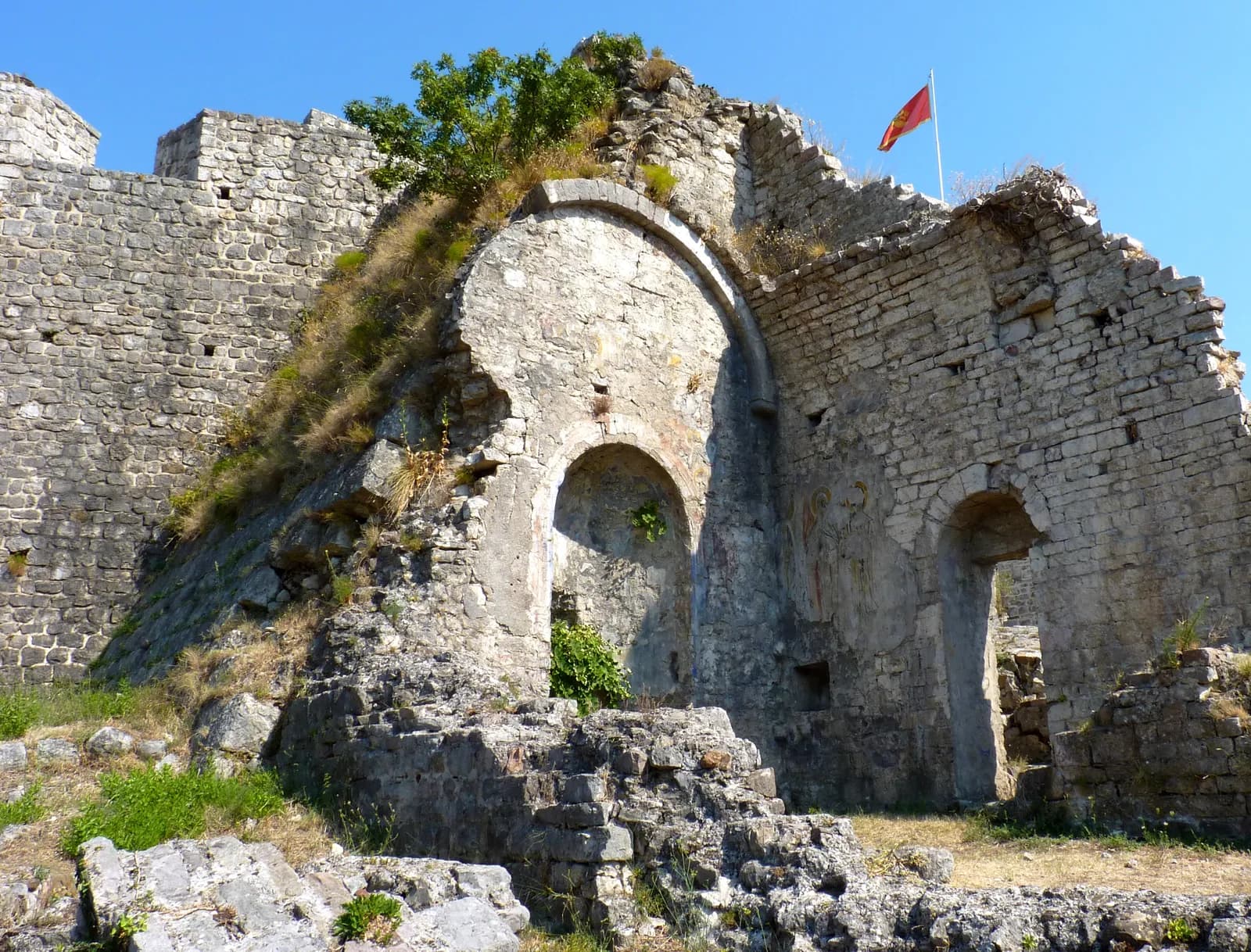
Medieval Antivari was a Catholic archiepiscopal centre in a region with Orthodox communities. Ottoman mosques, baths and houses added an Islamic layer that remains visible among the ruins.
Montenegro antes y ahora · Riviera de Bar
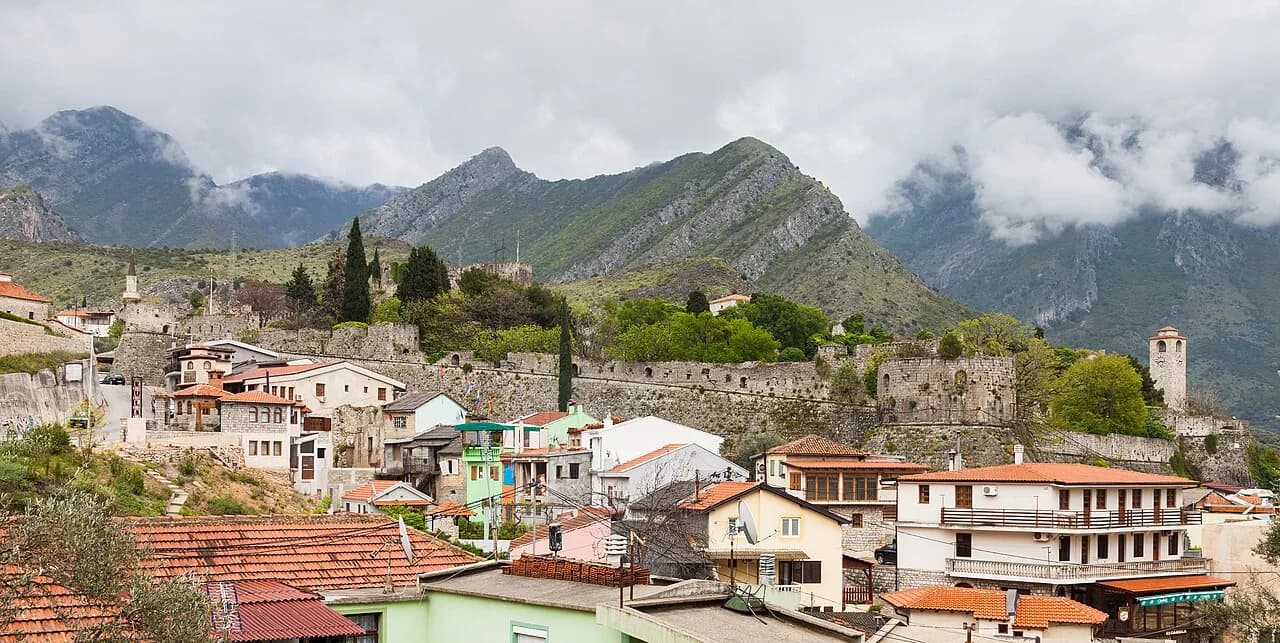
La vieja Antivari y el Bar moderno no ocupan el mismo emplazamiento urbano. La guerra, las infraestructuras hidráulicas, el terremoto y el desarrollo portuario desplazaron el centro hacia la costa.
Profundizar
Old Antivari and modern Bar are not the same urban site. War, water infrastructure, earthquake and port development shifted the centre toward the coast.
5 eras · source-linked
Selected chapter · 4 of 5
Old and new Bar are a paired city.
Move through the city’s rule
Medieval Antivari was a Catholic archiepiscopal centre in a region with Orthodox communities. Ottoman mosques, baths and houses added an Islamic layer that remains visible among the ruins.
Old Bar’s hill walls, churches, mosque remains and aqueduct preserve a multi-imperial city. The modern port and railway city grew separately on the coast after siege and abandonment.
Old and new Bar are a paired city.
Cronología histórica
Edad Media
La ciudad del interior, encaramada en la colina, se desarrolló como comuna adriática y centro episcopal mientras controlaba las rutas que subían de la costa hacia el interior.
El mar importaba incluso cuando la ciudad no lo tocaba.
1571
Bar pasó del control veneciano al otomano y su arquitectura fue acumulando nuevas capas religiosas, domésticas y defensivas.
Las ruinas conservan juntos varios mundos políticos.
1878
Las fuerzas montenegrinas tomaron Bar tras bombardearla. Los daños en el acueducto dificultaron seguir ocupándola y el asentamiento se desplazó hacia fuera.
La infraestructura, y no solo la batalla, explica el abandono.
1908–1979
El ferrocarril y, más tarde, el puerto concentraron el crecimiento en la costa; el terremoto de 1979 aceleró la reconstrucción y la conservación en Stari Bar.
El Bar viejo y el nuevo forman una ciudad doble.
Hoy
El Bar moderno mira al Adriático mientras Stari Bar funciona como recinto monumental al pie de Rumija.
Hay que ir de uno a otro para entender la ciudad entera.
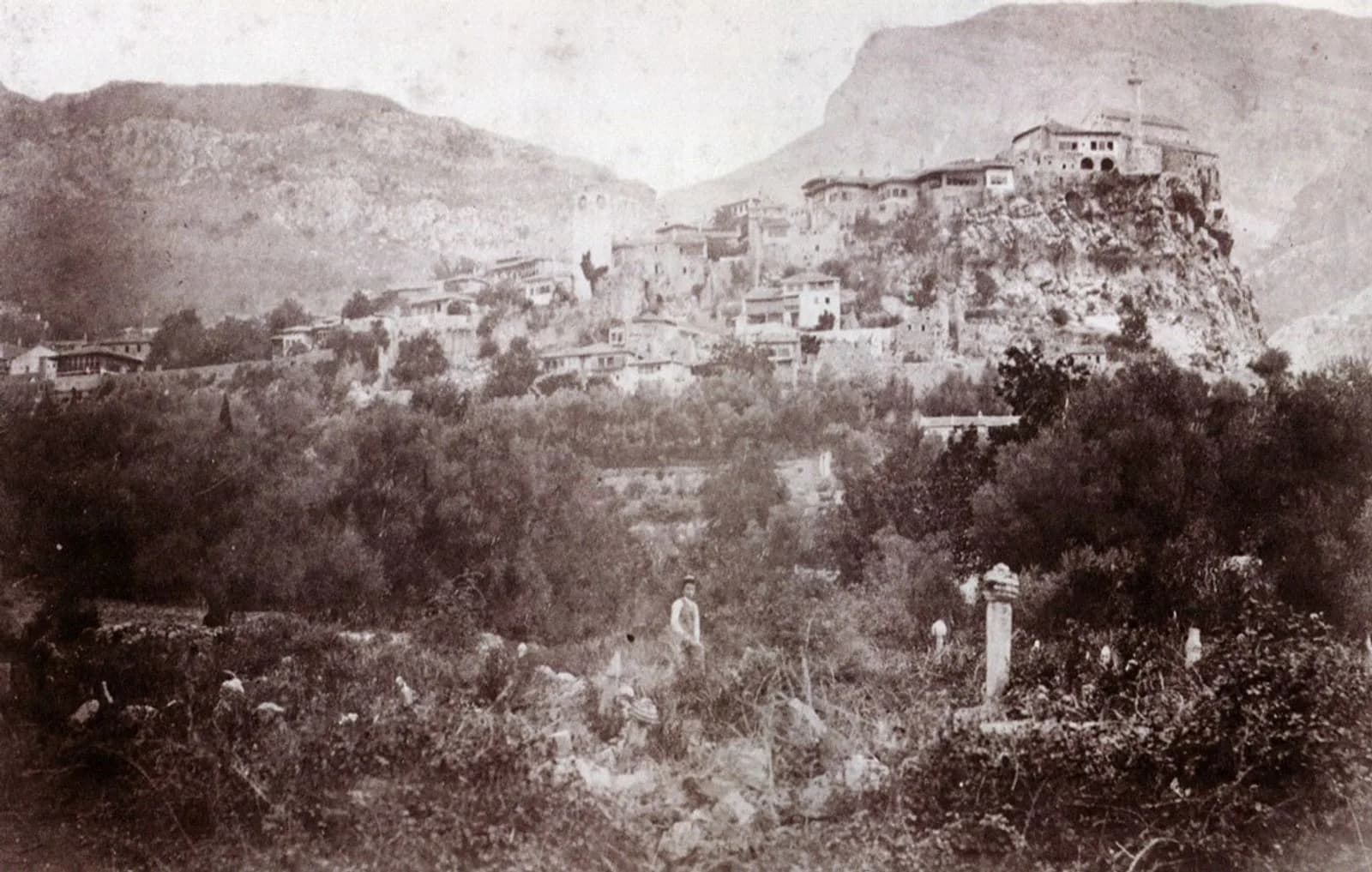
Then: Una vista documentada de la ciudad
Now: Una vista urbana o paisajística moderna de 2014
Then: Antivari crece al abrigo de sus murallas
Now: Ciudad portuaria y paisaje arqueológico conviven
Then: Leer el terreno, las rutas y los hitos heredados
Now: Fijarse en la nueva densidad, las infraestructuras y los usos
Dates and interpretations are tied to the archive and research sources below. Image limitations are disclosed in the comparison.