Pljevlja
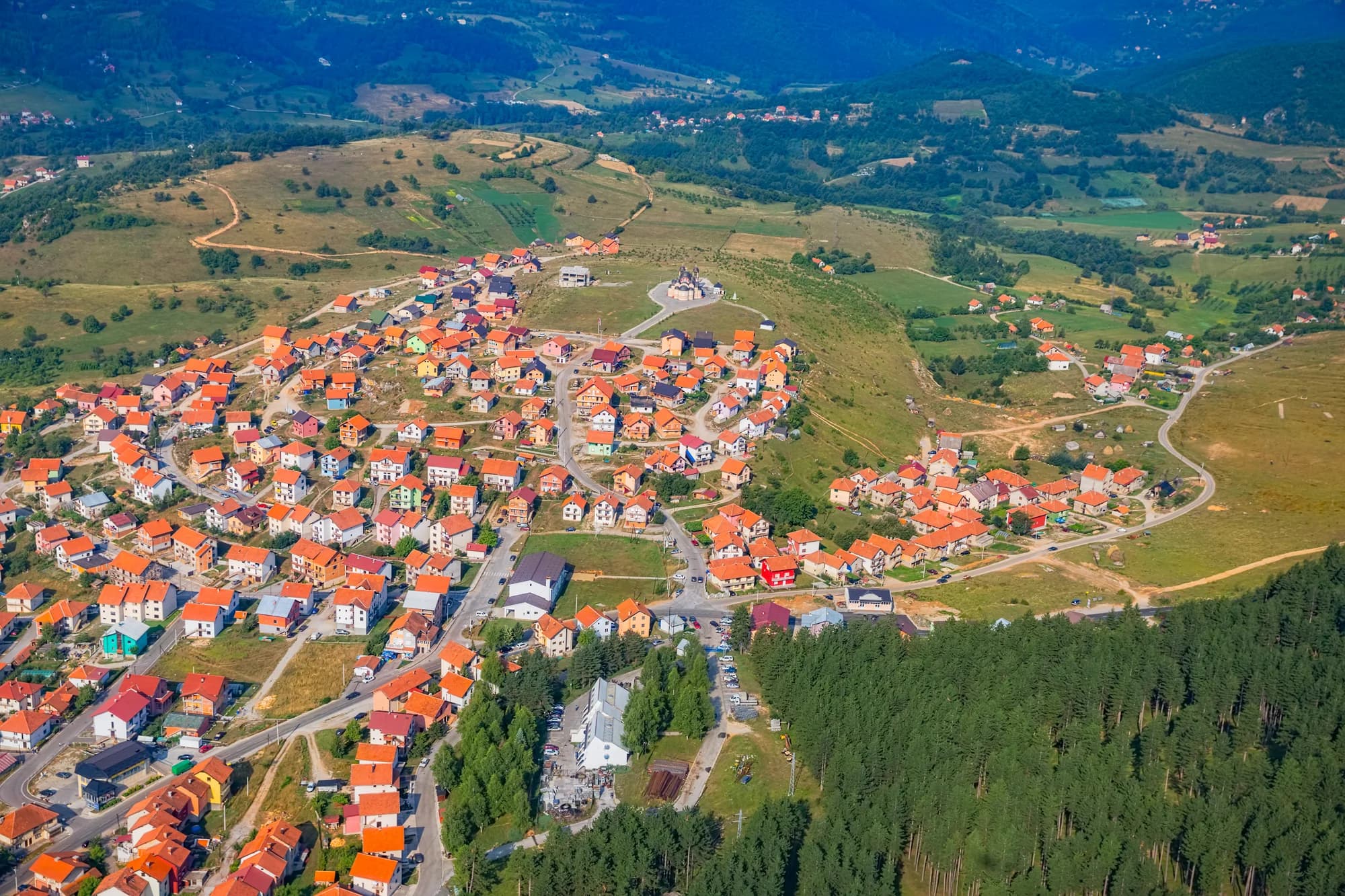
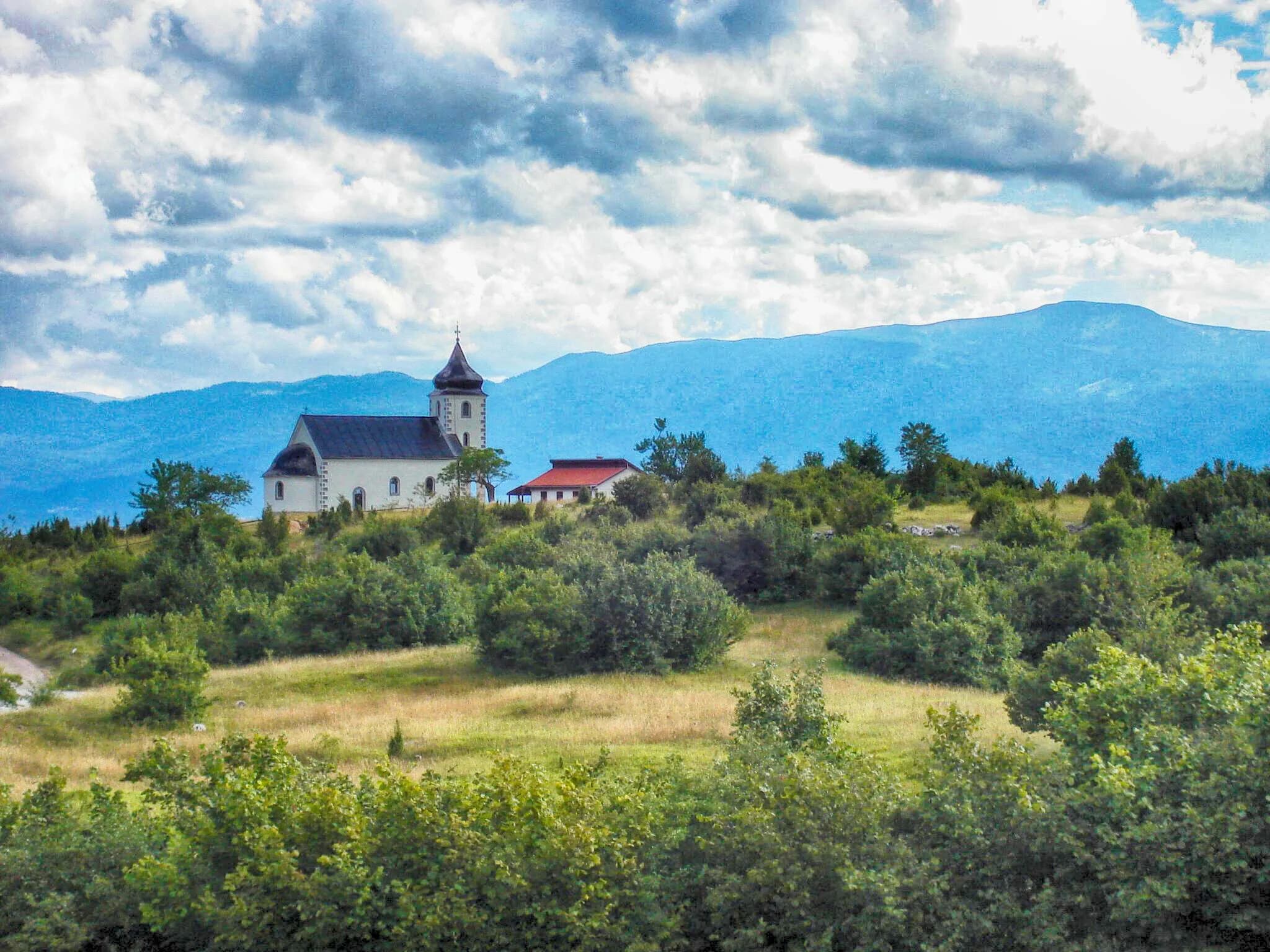
Pljevlja is Montenegro's northernmost city, set in a bowl of forested mountains close to the borders with Serbia and Bosnia and Herzegovina. It is a working town, with coal mined here for decades and a power station on its edge supplying much of the country, but it is also one of the longest continuously settled places in Montenegro, and the layers show. At nearby Komini stood a Roman municipium whose necropolis produced glassware now held in the town's heritage museum and counted among the best Roman finds in the region. The city's landmark is the Husein-paša Boljanić Mosque, built in the second half of the 16th century, its minaret the tallest in the country and its interior painted with a delicacy rare this far from the great Ottoman centres. A short distance away, the Holy Trinity Monastery holds frescoes, icons and a library of manuscripts and early printed books assembled over four centuries. The two stand within sight of the same valley, which tells you most of what you need to know about how Pljevlja was built and who built it. Outside the town the land is high, cold and thinly populated: pastures on the slopes of Ljubišnja, beech and spruce forest, deep valleys, and the upper Tara before it enters its canyon. The local cheese, matured in skins and sold by weight, is genuinely well known across the former Yugoslavia, and the cooking that goes with it leans on lamb, dairy and pies. Winters are long and properly snowy; summers are warm but rarely oppressive. This is a destination for travellers who like their sightseeing unpolished and are drawn to the meeting of Ottoman and Orthodox worlds rather than to beaches. It works well as a stop between Durmitor and Serbia, or as a base for a day on the Tara. Come between May and October for the mountains, or in winter if deep snow and wood smoke appeal more than crowds.