Pljevlja: Montenegro's Historic Gateway to the North
Pljevlja in northern Montenegro: the 16th-century Hussein Pasha Mosque, the Roman town of Municipium S, Holy Trinity monastery, where to stay and getting there.
24,134residents
1465first recorded
Jun–Augthe busy months
Updated Originally published 29 min readby Pavle Obradović
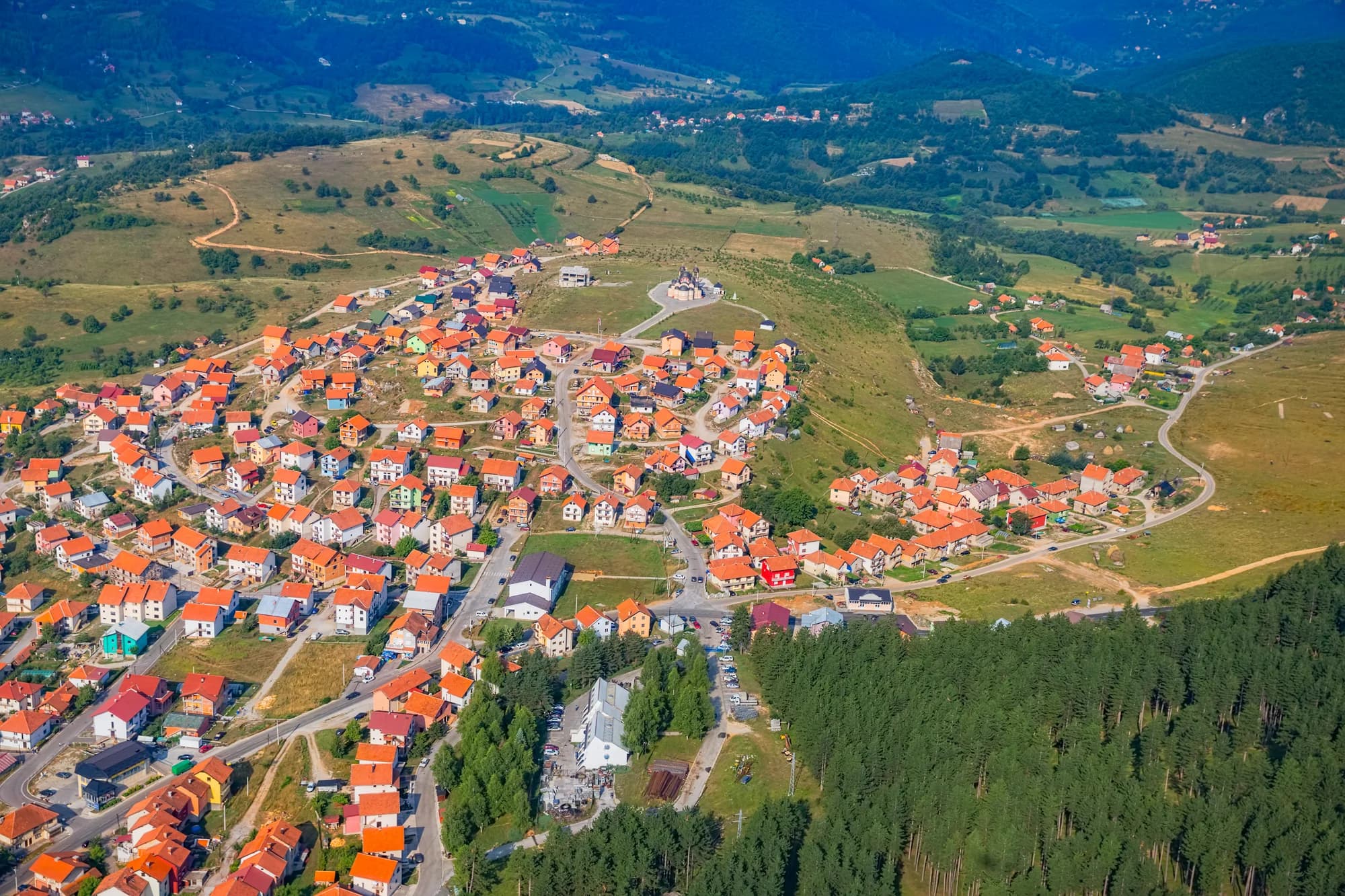
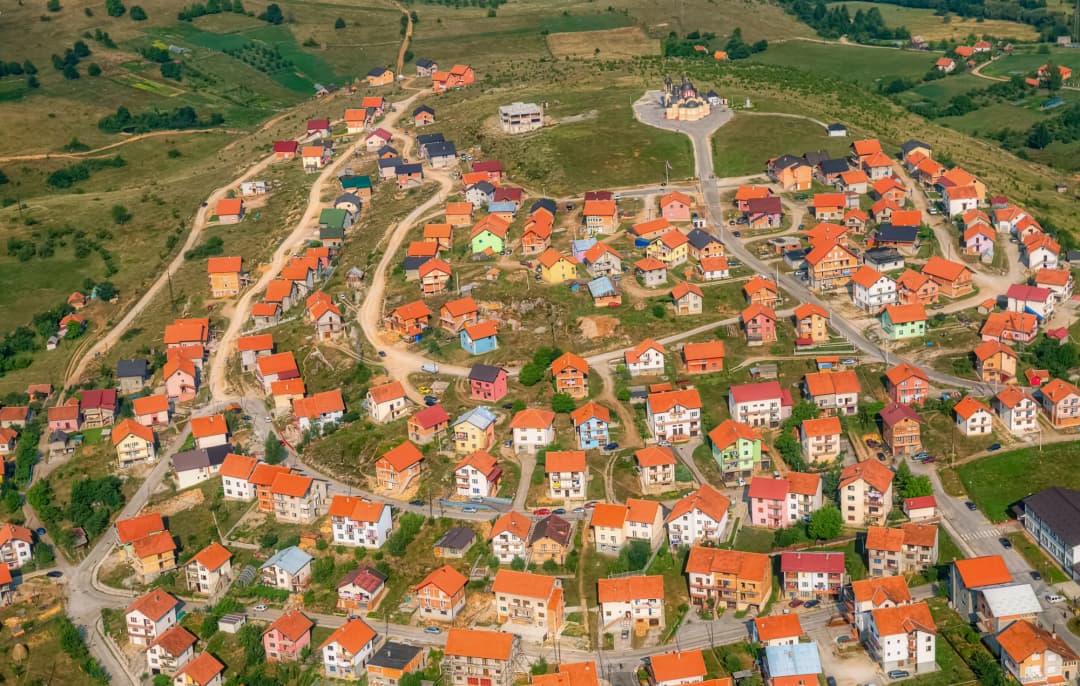
Pljevlja, nestled in the mountainous landscapes of northern Montenegro, is a town where centuries of history converge. With a unique blend of Roman heritage, Ottoman architecture, and Serbian Orthodox traditions, this often-overlooked destination offers travelers an authentic glimpse into Montenegro’s diverse cultural tapestry. As the longest Ottoman-ruled town in the country and home to significant archaeological treasures, Pljevlja stands as a testament to the many civilizations that have shaped the Balkans.
A Journey Through History
Ancient Beginnings: Municipium S
Long before Pljevlja’s modern incarnation, the area was home to the Illyric tribe of Pirust, who inhabited the region until the Roman invasion of the 1st century AD. The Romans built their own city on the ruins of the Illyrian settlement and named it Municipium S, located in what is now the Komini neighborhood of Pljevlja.
Municipium S was the second largest Roman city in modern Montenegro after Duklja and served as a major trade and religious center in the upper Roman province of Dalmatia. Archaeological excavations conducted from 1964-1967 and again in 1970-1977 uncovered the contours of this Roman city, including walls, monumental buildings, city streets, and necropolises. Nearly 700 graves were discovered, many containing inscribed monuments that provide invaluable insights into life in this frontier settlement.
The Roman city existed for approximately three and a half centuries, from the 1st to the 4th centuries AD. The actual name of the municipium remains a mystery—the abbreviation ‘S’ appearing in one inscription is believed to refer to the settlement’s name, though this has not been definitively confirmed.
Among the most spectacular finds from these excavations is the Pljevlja diatreta, a cage cup discovered in 1975. This exceptional piece of late Roman glasswork from the 4th century AD features a clear body with a blue cage and bears the inscription “VIVAS PAN[H]ELLENI BONA M[emoria]” (“Live, Panhellenius, in good [memory]”). Standing 14.9 cm tall with an opening diameter of 13.3 cm, this delicate vessel is believed to have been crafted in one of the famous Cologne workshops. Today, it represents one of Montenegro’s most valuable portable cultural assets, housed in the Heritage Museum Pljevlja.
Medieval Period and Serbian Rule
Following the decline of Roman power, the region came under the control of various medieval Serbian states. Before the Ottoman conquest in 1465, the area was part of the Serbian principalities that dominated the Balkans. It was during this period that the Holy Trinity Monastery was founded, establishing a spiritual center that would endure through centuries of political change.
The Ottoman Era: Nearly Five Centuries of Rule
In 1465, Ottoman forces conquered Pljevlja, beginning what would become the longest period of Ottoman rule of any town in Montenegro—lasting until October 26, 1912, when the town was liberated during the First Balkan War. For 447 years, Pljevlja remained under Ottoman control, profoundly shaping its architecture, culture, and urban development.
The town was expanded into a kasaba, a larger Ottoman city without a fortress. The 15th and 16th centuries witnessed remarkable construction activity: the Holy Trinity Monastery was established in 1465, the magnificent Husein-paša’s Mosque was completed in 1569, and during the 16th century, the city received a sewage system—an advanced infrastructure improvement for its time.
When the center of the Sanjak of Herzegovina was relocated from Foča to Pljevlja in 1572, the city’s growth accelerated dramatically. Urban housing increased from just 72 houses in 1468 to 150 in 1516, and 300 by 1570. By the 17th century, Pljevlja boasted around 650 houses in the city center and over 400 in the surrounding area.
In 1880, Pljevlja became the center of Pljevaljski Sanjak (Sanjak of Taşlıca), a position it maintained until 1912. Following liberation from Ottoman rule, Pljevlja was formally incorporated into the Kingdom of Montenegro, though its Ottoman architectural heritage remains prominently visible throughout the town.
Top Attractions
Husein-Pasha’s Mosque
The crown jewel of Pljevlja’s Ottoman heritage is the Husein-Pasha’s Mosque, completed in 1569 (though some sources cite construction between 1573-1594). This architectural masterpiece represents the endowment of Husein-paša Boljanić, an Ottoman statesman who served in many high-level positions throughout the empire.
The mosque is built on a square foundation above which rises a low-pitched dome set on a cubiform pedestal. An open porch covered with three small domes adorns the main façade. The interior of the mosque and porch are lavishly decorated with polychrome painted ornaments featuring floral motifs and quotations from the Qur’an.
The mosque’s minaret is particularly noteworthy—after being struck by lightning in 1911, it was rebuilt into a slimmer, higher structure. Now standing 42 meters tall, it claims the distinction of being one of the highest minarets in the Balkans. The mosque is widely regarded as one of the most beautiful examples of Islamic sacral architecture in Montenegro.
Holy Trinity Monastery (Manastir Dubnica)
Dating from 1537, though possibly founded earlier in 1465 before the Ottoman conquest, the Holy Trinity Monastery occupies a sublimely peaceful location tucked into the hills approximately 1 kilometer north of the town. This medieval Serbian Orthodox monastery complex (lavra) serves as the seat of the Eparchy of Mileševa.
The monastery church and its narthex were fresco-painted by Priest Strahinja from Budimlje between 1592 and 1595. The first zone of frescoes depicts saints, patrons, and members of the Nemanjić Dynasty, while the upper sections illustrate the Great Church Holidays and scenes from Christ’s Passion.
While the monastery does not contain 15th-century frescoes, it does house one of the most beautiful examples of medieval embroidery—Teotim’s stole from the 15th century. On religious holidays, the monastery hosts processions, concerts, and other cultural activities, offering visitors a unique opportunity to immerse themselves in local Orthodox traditions.
Heritage Museum Pljevlja
Founded in 1952, the Heritage Museum Pljevlja stands as one of Montenegro’s largest museums, housing over 5,000 artifacts that document the region’s history from the Paleolithic era to the present day. The museum operates five departments: Archaeological, Ethnological, Historical, Cultural-Historical, and Documentation Services.
The archaeological collections are particularly impressive, featuring prehistoric tools, ancient jewelry, and artifacts from various historical periods. Items discovered at Medena stijena (rocks in the Ćehotina River Canyon) hold special significance, belonging to the cultures of the early Palaeolithic, Mesolithic, Copper, and Bronze Ages.
The museum’s star attraction is unquestionably the Pljevlja diatreta—a remarkably well-preserved Roman cage cup from the 4th century AD made of transparent colorless glass with a cobalt blue web. Several hundred artifacts from the Komini necropolis, including the diatreta, are preserved in the museum’s collections.
Other notable exhibits include rare traditional costumes, ethnographic items, medieval artifacts, and extensive documentation of the region’s cultural heritage. Unfortunately, despite its exceptional value, the diatreta cannot be displayed to the general public as the museum lacks the specialized security measures and environmental controls required to properly exhibit this world-class treasure.
Ottoman Old Town
Pljevlja’s old town features charming cobblestone streets lined with well-preserved Ottoman-era buildings that transport visitors back to the town’s glory days under imperial rule. The urban layout reflects typical Ottoman city planning, with a central bazaar area surrounded by residential neighborhoods.
In addition to the Husein-Pasha Mosque, the old town contains other Ottoman-era structures, including the 16th-century Sultan Murat Mosque and a historic Clock Tower that offers panoramic views of the town and surrounding mountains.
Medieval Stećci Tombstones
The wider Pljevlja region is home to medieval stećci—monumental tombstones that lie scattered across Bosnia and Herzegovina, Croatia, Montenegro, and Serbia. These distinctive grave markers, which date from the 12th to 16th centuries CE, were inscribed on the UNESCO World Heritage List in July 2016.
The stećci are mostly carved from limestone and feature a wide range of decorative motifs and inscriptions that represent iconographic continuities within medieval Europe as well as locally distinctive traditions. In Montenegro, stećci sites have been documented around Nikšić and in Glisnica and Vaškovo in Pljevlja Municipality.
Nature and Outdoor Activities
Gateway to Durmitor National Park
Pljevlja’s strategic location makes it an ideal base for exploring some of Montenegro’s most spectacular natural landscapes. The town sits approximately 37 miles from Durmitor National Park, a UNESCO World Heritage Site covering 79,000 acres with 48 separate peaks, 18 glacial lakes, and three major canyons.
Durmitor is renowned for superb hiking, climbing, mountaineering, and canoeing opportunities. The best time to visit is between May and October; outside these months, ice and heavy snowfall are common. The park’s diverse terrain offers everything from gentle nature walks to challenging alpine ascents.
Tara River Canyon
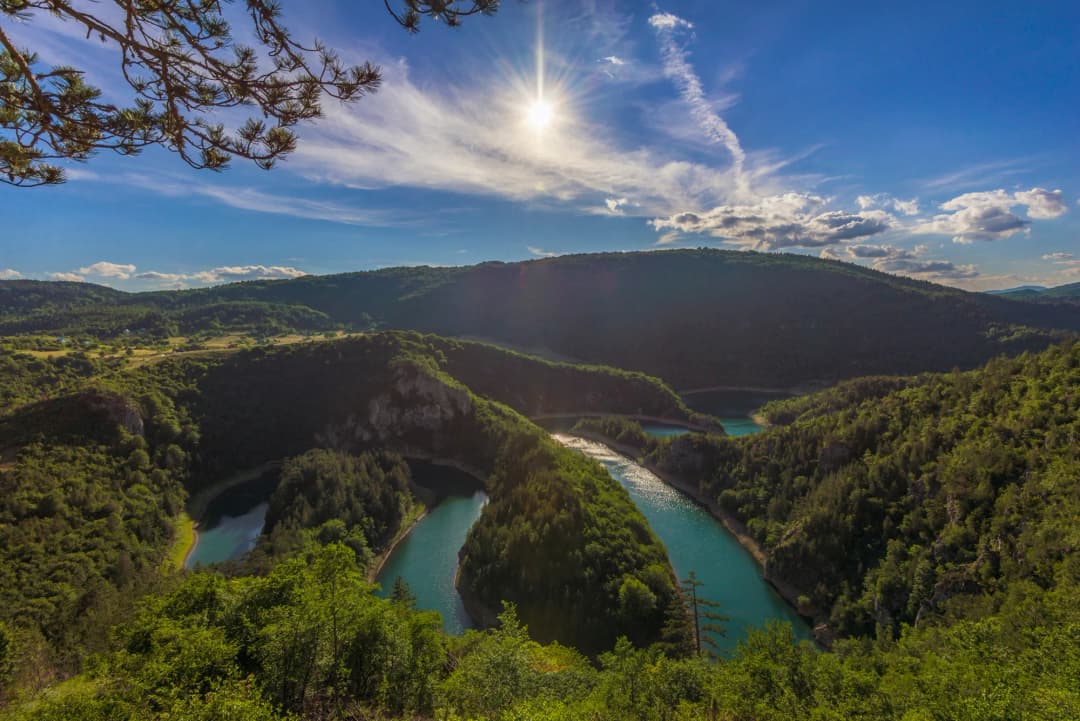
One of the region’s most spectacular natural features is the Tara River Canyon, located at the junction of Mojkovac, Pljevlja, and Žabljak within Durmitor National Park. UNESCO's Durmitor listing calls the Tara gorge Europe's deepest.
The canyon reaches a maximum depth of 1,300 meters and extends for 82 kilometers, offering breathtaking vistas and thrilling adventure opportunities. The emerald-green Tara River, known for its pristine waters, provides world-class whitewater rafting experiences that promise high-adrenaline adventure amid stunning landscapes.
Hiking Options
Several hiking trails provide spectacular canyon viewpoints:
Podgora Village Trail: This 6-kilometer (3.79-mile) hike features three viewpoints named Soa, Brojila, and Tmorska Glavica, offering varied perspectives of the dramatic landscape.
Mount Ćurevac: One of the most popular short hikes for Tara Canyon views is the 3-kilometer return trail to Mount Ćurevac, starting 8 kilometers outside Žabljak. From the summit, hikers can see the Tara Canyon and river stretching into the distance.
Đurđevića Tara Bridge: The iconic 365-meter-long bridge spanning the canyon provides incredible photo opportunities and marks a popular starting point for rafting expeditions.
Cultural Life and Traditions
Festivals and Events
Pljevlja hosts several notable festivals throughout the year that celebrate the region’s culinary heritage, cultural traditions, and artistic achievements:
Days of Pljevlja Cheese (Dani Pljevaljskog Sira): This annual festival transforms Pljevlja into the foodie capital of Montenegro for a weekend, with numerous producers presenting their traditional cheeses. It’s the best time to experience authentic Montenegrin flavors and learn about northern food traditions.
Pljevlja Cultural Summer: This festival highlights the town’s vibrant traditions, music, and art, showcasing the blend of Orthodox, Ottoman, and Austro-Hungarian cultural influences that define the region.
Pljevlja Carnival: A lively event featuring parades, costumes, and music that attracts both locals and tourists to enjoy vibrant cultural displays.
Days of Nikola Tesla: This festival celebrates the legacy of the visionary inventor with captivating performances and cultural programming.
The best time to experience these festivals is from late spring through early autumn (May to September), when temperatures range from 15 to 28 degrees Celsius.
Pljevaljski Sir: Award-Winning Cheese
Pljevlja cheese (pljevaljski sir) stands as the most recognized culinary brand of the city, produced for several hundred years using traditional methods passed down through generations. This semi-hard, yellowish cheese is made primarily from cow’s milk, though cow and sheep milk blends are also traditional.
The production process involves heating and curdling the milk before fermenting it in wooden barrels. The sliced cheese is salted, placed into wooden barrels, and then immersed in brine. After maturing for at least 15 days, the cheese develops its distinctive flavor profile—both tangy and slightly sweet—with a creamy yet crumbly texture.
Pljevaljski sir has achieved international recognition, ranking 27th on the prestigious list of the 100 best cheese types in the world. Cheese production remains an essential part of the Pljevlja region’s economy and cultural heritage.
Local Cuisine
Pljevlja’s culinary scene reflects traditional Montenegrin mountain fare with a distinctly northern character:
Kačamak: A hearty traditional dish made from potatoes, cheese, and cornmeal
Cicvara: A creamy dish prepared from cornmeal and cheese
Pršut: Montenegrin smoked ham
Local honey: Produced from the diverse mountain flora
Pljevaljski sir: The region’s famous cheese
The town offers various dining options, from traditional restaurants serving “meatastic Montenegrin fare” to establishments offering Mediterranean, Italian, and international cuisines.
Climate and Best Time to Visit
Climate Overview
Pljevlja experiences a moderately continental climate characterized by cold winters and mild to pleasantly warm summers. Located in northern Montenegro near the Serbian border at an altitude of 770 meters (2,500 feet), the town’s elevation moderates summer heat while ensuring snowy winters.
Winter (December-February): Cold and gray with frequent snowfalls and frosts, though mild periods occur. Fog can form in valleys. During cold snaps that occur annually, temperatures can plummet to -15°C (5°F) or below.
Spring (March-May): Transitional season with gradually warming temperatures and increasing daylight. This is considered one of the most affordable times to visit, with lower hotel prices.
Summer (June-August): Hot and sunny with occasional afternoon thunderstorms. August averages 26°C (79°F), making it the warmest month. Temperature ranges are significant—nights can be cool or even chilly while days can be very hot. A sweatshirt or light jacket for evenings is recommended even in midsummer.
Autumn (September-October): Pleasant temperatures with beautiful natural scenery as foliage changes. One of the best periods for outdoor activities.
Best Time to Visit
The optimal time to visit Pljevlja is from June to August, with July, August, and September typically offering the best conditions for dry skies and pleasant temperatures. For those seeking mild weather and fewer crowds, late spring (May-June) and early autumn (September-October) are ideal, particularly for hiking and exploring nearby natural attractions.
Practical Information
Getting There
By Air: The nearest airports are Podgorica Airport and Tivat Airport. From either airport, travelers can take buses or rent cars for the scenic mountain drive to Pljevlja.
By Bus: Pljevlja offers intercity bus connections to more than 10 cities throughout Montenegro, including Podgorica, Nikšić, and Budva, as well as international connections to Serbian cities such as Belgrade, Čačak, and Užice.
From Podgorica: Direct buses depart three times daily, with the journey taking approximately 3 hours and 55 minutes.
From Belgrade: Services operate via Prijepolje, with the journey taking approximately 6 hours and 41 minutes including transfers.
From Bijelo Polje: Services take approximately 2 hours and 54 minutes via Prijepolje.
The bus terminal is located approximately 1,695 meters from the city center—about an 8-minute walk. Major bus companies serving Pljevlja include Glušica and Vot Turist.
By Train: Railways of Montenegro (ŽPCG) operates one daily train from Podgorica to Prijepolje Teretna. Tickets cost $6-14, and the journey takes 3 hours and 34 minutes.
Accommodation
Pljevlja offers a range of accommodation options to suit various budgets:
Highly-Rated Hotels: - Hotel Gold: A 4-star hotel in the heart of Pljevlja, just 0.4 miles from the city center, offering free breakfast, Wi-Fi, private parking, hot tub, air conditioning, and 24-hour front desk service. - Hotel Franca: A 4-star property located 0.2 miles from the city center with free WiFi, private parking, and round-the-clock reception. - Hotel Pljevlja: A 3-star hotel featuring a shared lounge, terrace, restaurant, bar, room service, and 24-hour front desk. - Hotel Delta, Hotel 24 Jul, and Etno Kuca Krvavac: Popular choices among travelers.
Pricing: On average, accommodation in Pljevlja costs approximately $55 per night, with 3-star hotels averaging around $50 per night. This makes Pljevlja considerably more affordable than popular coastal destinations like Kotor or Budva. The lowest hotel prices are generally found between March and May.
Most hotels are conveniently located in the Central and North Districts, within walking distance of major attractions.
Dining
Pljevlja’s restaurant scene ranges from traditional Montenegrin establishments to more international options. TripAdvisor features several restaurants with traveler reviews that can be filtered by cuisine, price, and location. The dining scene includes fine dining, casual restaurants, and street food, with options for Fast Food, French, Italian, Mediterranean, and traditional Montenegrin “meatastic” meat-focused fare.
Demographics and Economy
Population
What the sources say
According to the 2023 census, the municipality of Pljevlja has a population of 24,134, while the city itself is home to 16,111 residents. The municipality covers 1,343 square kilometers, resulting in a low population density of approximately 18 persons per square kilometer—the second largest municipality in Montenegro by area.
The town’s ethnic composition (2023 census) is 59.94% Serbs, 21.18% Montenegrins, 10.04% Bosniaks, and 3.82% ethnic Muslims. Serbian is the most spoken language at 66.61%.
Unfortunately, Pljevlja has experienced the sharpest population decline in Montenegro since the early 2000s, driven by industrial stagnation, environmental concerns, and limited economic opportunities leading to high emigration rates, particularly among skilled workers.
Economy
Pljevlja serves as one of the main economic engines of Montenegro, though its economy remains heavily reliant on traditional industries:
Energy and Mining: The town is home to Montenegro’s only thermal power plant, which provides 45% of the country’s electric power supply. Adjacent to the plant is the nation’s largest coal mine, accounting for 100% of Montenegro’s coal production. These facilities employ a significant portion of the local workforce.
Environmental Challenges: The dependence on lignite mining and coal-fired power generation contributes to environmental degradation and air quality issues, presenting ongoing challenges for residents and limiting diversification opportunities.
Diversification Efforts: In July 2025, the Montenegrin government approved plans for an 81.1 MW solar park to be built on rehabilitated coal mine land, representing a significant step toward renewable energy and economic diversification.
Traditional Industries: Beyond energy, the region maintains traditional agricultural activities, including the production of Pljevaljski sir cheese, honey, and other local specialties that contribute to the local economy and cultural identity.
Why Visit Pljevlja?
Pljevlja offers travelers seeking authentic Montenegrin experiences a compelling alternative to the crowded coastal resorts. Here, you’ll find:
Rich Historical Layers: From Roman ruins to Ottoman mosques and Serbian Orthodox monasteries, centuries of diverse cultural influences converge in one accessible location.
Architectural Treasures: The Husein-Pasha Mosque with its Balkan-record minaret and the peaceful Holy Trinity Monastery represent architectural and spiritual highlights rarely found elsewhere in Montenegro.
Museum-Quality Artifacts: The Heritage Museum houses the spectacular Pljevlja diatreta and thousands of other artifacts spanning millennia of human habitation.
Gateway to Nature: Proximity to Durmitor National Park and Tara River Canyon provides easy access to some of Europe’s most dramatic natural landscapes.
Authentic Culture: Traditional cheese festivals, local cuisine, and cultural events offer genuine insights into northern Montenegrin mountain culture.
Affordability: Significantly lower prices than coastal destinations make Pljevlja accessible for budget-conscious travelers.
Off-the-Beaten-Path: Fewer tourists mean more authentic interactions with locals and the opportunity to experience Montenegro as Montenegrins do.
Whether you’re a history enthusiast drawn to Roman ruins and Ottoman architecture, an outdoor adventurer seeking mountain trails and river rafting, or a cultural traveler interested in traditional festivals and local cuisine, Pljevlja delivers a uniquely Montenegrin experience that rewards those willing to venture beyond the well-trodden tourist paths.
Start with the right scale
What the sources say
MONSTAT’s final 2023 settlement workbook records
16,111 residents in the settlement of Pljevlja: 7,765 male
and 8,346 female. Its municipal release records
24,134 residents in the municipality. These are different
geographic units. Using the municipality total as the town population
exaggerates the urban centre by about half.
The distinction matters for visitors. Husein Pasha’s Mosque, the museum and
the parks are urban stops; Roman Komini, rural viewpoints, the Tara bridge and
mountain country sit outside that compact core. “In Pljevlja” can therefore
mean a walk from the main street or a drive across a very large northern
municipality.
A heritage walk through central Pljevlja
Begin on the central pedestrian axis, locally still associated with the
čaršija. The municipal tourist organization presents Pljevlja as a meeting
point of Islamic and Orthodox heritage, but religious monuments are not
ordinary attractions. Confirm visiting access, avoid prayer or service times
unless attending respectfully, dress conservatively, keep voices low and ask
before photographing people or interiors.
Stop 1: Husein Pasha’s Mosque
The tourist organization’s dedicated page dates the mosque to
1569, identifies it as the endowment of Husein Pasha Boljanić
and gives the minaret’s height as 42 metres. It also
describes the decorated interior, a sixteenth-century Qur’an and other
manuscripts. Those are strong reasons to look carefully; they are not a
promise that every object or interior area is accessible throughout the day.
The tourist organization webpage attributes the mosque's plans to Hajrudin,
who worked on Mostar’s bridge, while its official tourism brochure says the
building is assumed to be his work. The architect attribution
therefore remains uncertain.
The official local source gives the minaret's height as 42 metres. It does not
provide a comparative regional ranking.
Stop 2: Heritage Museum and the Pljevlja diatretum
Roman Komini, roughly five kilometres from town according to the official
English visitor site, produced the object most closely associated with
Pljevlja’s archaeology: a fourth-century Roman cage cup. The Heritage Museum’s
own digital catalogue records the diatretum as inventory number 1226,
describes transparent glass with a cobalt-blue network and gives dimensions of
approximately 15 centimetres high and 13 centimetres across.
The catalogue records the cup in the museum collection and lets visitors
inspect a 3D model. The current visitor site says the Komini finds, including
the diatretum, are preserved and exhibited at the museum, but display status
can change. Contact the museum and ask one precise question: “Is the original
diatretum on public display today?”
Do not substitute a visit to the archaeological field at Komini for a museum
visit. The visitor site describes remains and a necropolis, but gives no
guarantee of staffed interpretation, marked accessible paths or unrestricted
entry. Ask the tourist office or museum before entering land around the site.
Stop 3: Milet Garden, Vodice and the monastery path
The tourist organization describes Milet Garden as a long-standing public
green space and says the walk onward toward Holy Trinity Monastery takes about
15 minutes through two parks. Treat that time as an orientation, not an
accessibility rating. Surface, snow, ice, lighting and individual pace can
change it.
Vodice Park is documented more concretely: the tourism office gives an area of
12 hectares, says the Breznica flows through it, and lists
two artificial lakes, a fishpond, and walking, cycling and exercise paths. It
is a sensible pause before extending the outing, but a park description does
not certify every path as step-free or maintained after bad weather.
Build the day from centre to green edge — religious access and museum display can change independently
Stop
What varies
How to check
Mosque
Access + worship
Do not assume tourist-style opening
Museum
Display status
Ask directly what is on view
Parks
Surface + weather
Recheck surface and return light
Monastery
Service + treasury
Do not assume tourist-style opening
Source: pljevlja.travel, muzejpljevlja.com
Holy Trinity Monastery: history and visiting context
Official tourism pages give different historical frames. A general Pljevlja
page labels the monastery thirteenth century, while the dedicated monastery
page says the exact foundation date is unknown.
The tourist organization’s
dedicated monastery page
gives the earliest known written record: hieromonk Sava’s entry in a menaion
from 1537. It also documents the monastery’s later role as a
copying centre and names manuscripts and treasury holdings. An official
tourism brochure likewise uses 1537 for the first written mention, then
describes later additions and the final nineteenth-century form.
The monastery may have earlier origins, but its earliest presently cited
written record is 1537. Later additions produced the complex visitors see
today.
Separate tradition from the dated record
Source
What it says
Caveat
Broad tourism page
XIII c.
Label without the dating caveat
Dedicated page
Exact founding unknown
—
Earliest record
1537
Named manuscript entry
Historical summary
Earlier origins possible
Exact foundation unresolved; earliest cited written record: 1537
Source: pljevlja.travel
Air quality: read the 2026 pattern, then check today
Pljevlja’s air quality varies strongly by season. Montenegro’s Environmental
Protection Agency publishes both a live Pljevlja station and
monthly air-quality reports. The 2026 record available through July shows a strong seasonal break.
EPA monthly air-quality record for Pljevlja, January–July 2026
Month
PM10 daily-limit exceedance days reported for Pljevlja
Other official note
January
26
6 hourly and 7 daily SO2 exceedances at Gagovića imanje; very high PM2.5
February
9
High PM2.5 in the northern zone
March
10
Very high PM2.5 in the northern zone
April
0 reported
All monitored parameters within standards except elevated benzo(a)pyrene
in northern-zone PM10 samples; annual target caveat applies
May
0 reported
All monitored parameters within standards nationwide
June
0 reported
All monitored parameters within standards nationwide
July
0 reported
All Pljevlja parameters within standards; only Nikšić ozone exceptions
reported nationally
The table does not mean “summer is always safe” or “winter is always
hazardous” for every person. It means the dated monthly record changed
substantially. January’s 26 PM10 exceedance days are consequential; so is the
absence of reported Pljevlja exceedances in May, June and July. A traveler
should use the monthly record for context and the
live EPA station
for the current hour.
How to use the air data without giving medical advice
Check the EPA station shortly before outdoor activity, especially during cold,
still weather. Its readings are a monitoring snapshot at Obilićeva, not a
measurement inside your room or on every street. If official advice is active,
follow Montenegro’s Institute of Public Health guidance. People with asthma,
heart or lung disease, older adults, pregnant travelers and families with
young children should follow their clinician’s personal advice.
For accommodation, ask whether the room is smoke-free, what heating system it
uses, whether windows seal, and whether any claimed air purifier has a
replaceable filter and a stated room capacity. None of those questions
transforms a host into a health authority; they simply produce verifiable
booking information.
Context is not today's reading — monthly pattern ≠ live condition ≠ personal medical clearance; combine all three before deciding
Step
Source
What it gives you
1 · Measure
EPA live station
Time + pollutant; station location
2 · Interpret
Official advice
Current warning; recommended action
3 · Personalize
Clinician guidance
Condition + medicine; individual threshold
Source: epa.org.me, ijzcg.me
The critical 2026 road change: Đurđevića Tara Bridge
Montenegro’s Transport Administration says in its
current bridge notice
that the crossing on the M-6 Pljevlja–Žabljak section is under a
complete traffic closure from 06:00 on 10 August until 12:00 on 26 October
2026. The closure covers work on the roadway slab. During it, the authority
directs traffic to the alternative Vrulja–Mijakovići route.
The complete closure changes travel between Pljevlja, the bridge area and
Đurđevića Tara. It can also affect onward plans toward Žabljak and our broader
Tara region guide.
The notice does not mean Pljevlja itself is inaccessible, nor does it
close every route into the municipality. It is route-specific and
date-specific. Do not calculate a detour time from an ordinary map: roadworks,
vehicle class, weather and signed local management can alter it. Recheck the
Transport Administration notice and navigation on departure day.
M-6 bridge closure is a route break — recheck before departure; project dates can change
Item
Detail
Note
Closure starts
10 Aug · 06:00
Complete closure
Scheduled end
26 Oct · 12:00
No bridge traffic during stated period
Affected
Pljevlja ↔ bridge ↔ Žabljak
Ordinary M-6 crossing
Official alternative
Vrulja–Mijakovići
Follow current signs
Source: gov.me
Getting there from Montenegro, Serbia or Bosnia and Herzegovina
Pljevlja has no passenger railway station, so a rail itinerary needs a road
transfer. Do not copy a timetable from a route aggregator into a fixed plan.
For buses, confirm the service directly with the operator or station shortly
before travel; operating days, border procedures and construction detours can
change journey time.
For road arrivals from Serbia, Montenegro’s police list
Ranče–Jabuka as a passenger-and-goods crossing. For Bosnia
and Herzegovina, they list Metaljka–Metaljka for passenger
and goods traffic. The police list is an official classification, not a
guarantee that a crossing is open, delay-free or unaffected by temporary
controls.
If your route approaches from Bijelo Polje, compare the cultural context in
our
Bijelo Polje cultural walk
and the broader
Bijelo Polje guide. If the Tara crossing disrupts a mountain itinerary, do not improvise an
unpaved shortcut; use the signed official detour or redesign the day.
Choose the check that matches the approach — official classification + live status + route conditions all matter on an international drive
Approach
Crossing
Checks
Within Montenegro
—
Roadworks; weather; signed detour; Tara closure if relevant
From Serbia
Ranče–Jabuka
Documents; live crossing status; border delay possible
From Bosnia
Metaljka
Documents; crossing status; do not assume 24/7
Source: gov.me, pljevlja.travel
A realistic one-day plan
Morning: check the live air station, weather and monument
access. Walk the centre, visit Husein Pasha’s Mosque only at an appropriate
time, and ask the museum whether the original diatretum is on display. Keep a
museum alternative even if the headline object is unavailable; the
archaeological context is larger than one cup.
Midday: continue through Milet Garden and Vodice. If surfaces
and daylight are suitable, extend toward Holy Trinity Monastery. Visitors
interested in religious heritage can compare visitor etiquette in our
Montenegro monastery guide.
Afternoon: choose one extension, not three. Roman Komini
needs confirmation and transport. The Tara bridge area needs a closure-aware
route. A longer northern circuit toward the landscapes covered in our
Durmitor and Bjelasica guide
requires daylight, weather and road checks. Pljevlja is more rewarding when
the centre is treated as a destination rather than a rushed fuel stop.
Keep the day manageable
The central mosque, museum area, Milet Garden and Vodice make a coherent core
itinerary. Add Holy Trinity Monastery only when surfaces, daylight and access
suit the group. Roman Komini requires separate transport and advance
confirmation, while the Tara bridge area is a regional drive rather than a
quick city-centre detour.
Check live air readings before a long outdoor walk and keep an indoor option.
Drivers should check the bridge notice and signed route before departure.
These two checks matter more than trying to fit every surrounding attraction
into a single day.
Before you go
Check the EPA live station close to departure, not only a monthly average.
Ask the museum whether the original diatretum is physically displayed.
Confirm mosque and monastery visitor access around worship or service times.
Check the Transport Administration if any route touches Đurđevića Tara.
For an international approach, verify crossing status, documents and
insurance.
Download the route but follow current signs; do not use an improvised
mountain shortcut.
Bottom line
Pljevlja’s value is the density of its heritage: Husein Pasha’s Mosque, the
Roman diatretum, Holy Trinity Monastery and a pair of city parks fit into an
unhurried day. Confirm museum display and religious access, then check the
live air reading and road notice before setting out.
Quick answers
When is the best time to visit Pljevlja?+
The optimal time to visit Pljevlja is from June to August, with July, August, and September typically offering the best conditions for dry skies and pleasant temperatures. For those seeking mild weather and fewer crowds, late spring (May-June) and early autumn (September-October) are ideal, particularly for hiking and exploring nearby natural attractions.
By Air : The nearest airports are Podgorica Airport and Tivat Airport. From either airport, travelers can take buses or rent cars for the scenic mountain drive to Pljevlja. By Bus : Pljevlja offers intercity bus connections to more than 10 cities throughout Montenegro, including Podgorica, Nikšić, and Budva , as well as international connections to Serbian cities such as Belgrade, Čačak, and Užice.
Several hiking trails provide spectacular canyon viewpoints: Podgora Village Trail : This 6-kilometer (3.79-mile) hike features three viewpoints named Soa, Brojila, and Tmorska Glavica, offering varied perspectives of the dramatic landscape.
Pljevlja’s restaurant scene ranges from traditional Montenegrin establishments to more international options. TripAdvisor features several restaurants with traveler reviews that can be filtered by cuisine, price, and location.
Pljevlja offers a range of accommodation options to suit various budgets: Highly-Rated Hotels : - Hotel Gold : A 4-star hotel in the heart of Pljevlja, just 0.4 miles from the city center, offering free breakfast, Wi-Fi, private parking, hot tub, air conditioning, and 24-hour front desk service.
Pavle Obradović is from Herceg Novi. He was Manager of Montenegro.com, then Director of the Herceg Novi Tourism Organization, and is now Coordinator for Investment and Development Projects at the Municipality of Herceg Novi. He holds a BSc in International Hospitality and Service Management from the Rochester Institute of Technology (RIT).
···
Updated · Originally published
Montenegro Travel Newsletter
Get weekly stories, guides, and insider tips about Montenegro delivered to your inbox.