Hotel Pljevlja - City Center
HotelPljevlja, Montenegro
1 / 11
2 guests · 1 bedroom · 1 bathroom · 1 bed
About this property
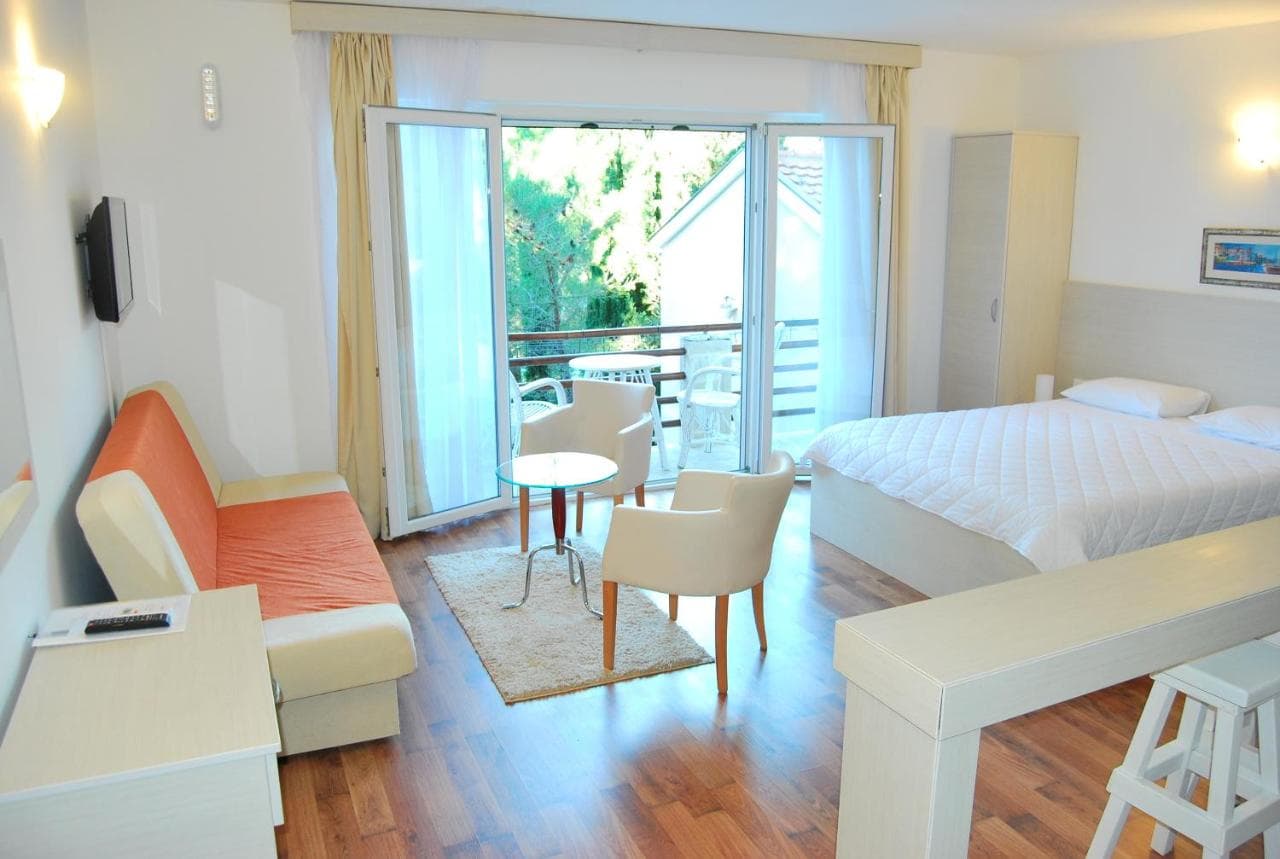
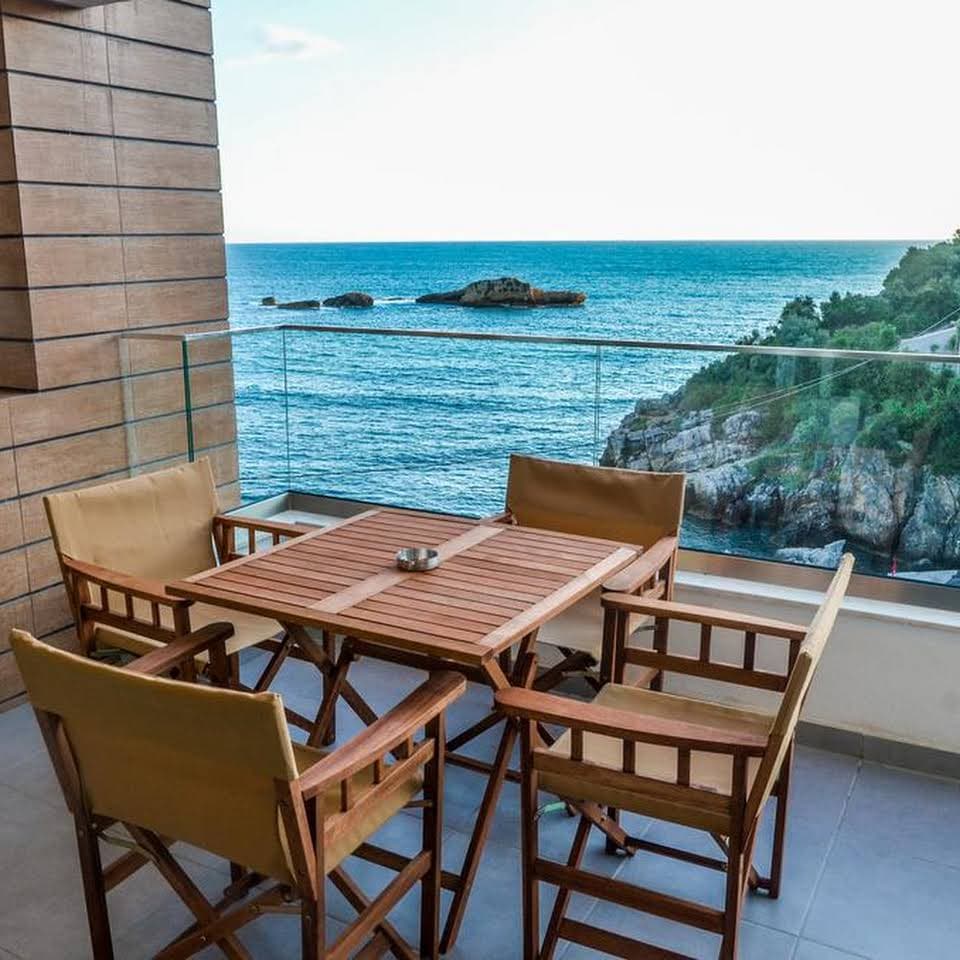
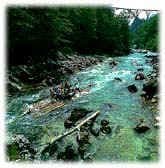
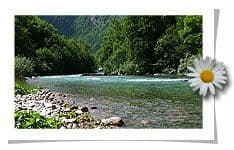
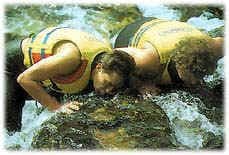
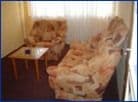
Hotel Pljevlja sits in the center of Pljevlja, in Montenegro's northern region, and is a practical base for both business travelers and visitors exploring the north. This listing covers a room for two guests, with one bedroom, one bathroom and one bed. Across the property there are four apartments, 12 single rooms and 22 double rooms, all with private bathrooms and terraces, and most furnished with French beds. On site you'll find a National restaurant serving traditional local cuisine, a tavern with a summer terrace, a salon, a grill garden and a discotheque. A conference hall is available to rent for lectures and events. The hotel also organizes five-day rafting packages on the Tara River, including three days on the water covering roughly 80 km with experienced guides and professional whitewater rafts, plus meals prepared traditionally from local products. Guests may bring their own sleeping bag.
About the area
Kralja Petra I runs through the middle of Pljevlja, so the town's landmarks are a matter of minutes on foot rather than a drive. The Husein-pašina džamija stands close by, its slender 16th-century minaret among the tallest in the Balkans and its painted interior one of the finest Ottoman works in the region. A short way out of town the monastery of Sveta Trojica keeps frescoes, icons and manuscripts behind thick stone walls, and the two together explain why this northern town feels culturally denser than its size suggests. The Roman site at Komini, whose necropolis produced the celebrated glassware now held in the local museum, adds a third layer.
Pljevlja sits high among forested mountains near the Serbian and Bosnian borders, and the surrounding country is what most visitors come for. The Tara canyon lies south — the deepest river gorge in Europe and the launch point for rafting trips that follow the water for tens of kilometres between limestone walls. Ljubišnja rises to the west with hiking in summer and snow in winter, while the plateau villages produce the salty, crumbling pljevaljski sir found on every table here, usually alongside lamb and heavy country bread. Winters are cold and genuine; even in August the evenings turn cool enough for a jacket.
Listed April 25, 2008 · Updated October 9, 2026