Rožaje
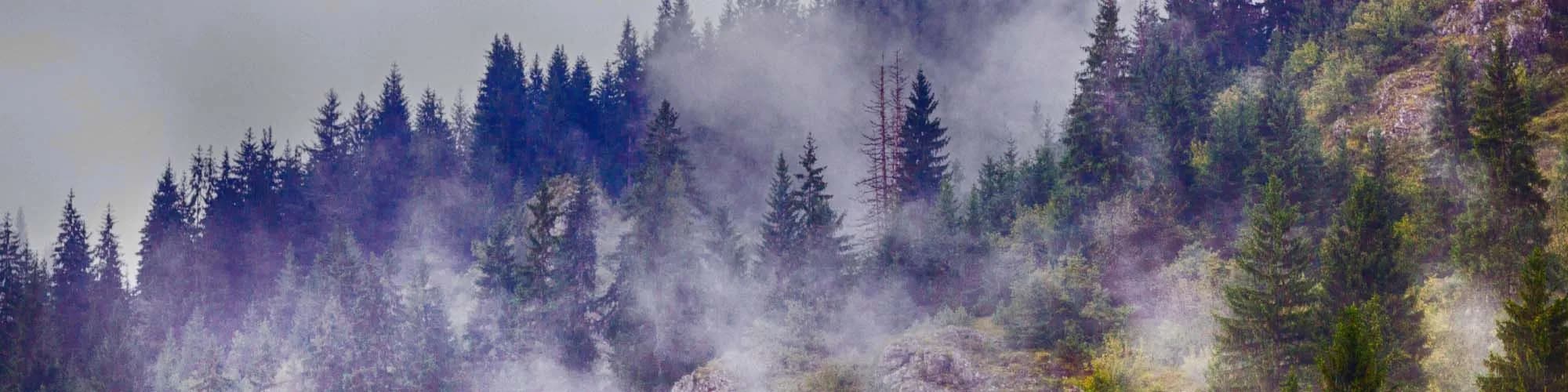
Rožaje is the easternmost town in Montenegro, set in a high valley below Hajla mountain a short distance from the Kosovo border. The Ibar rises in the mountains above it and runs through the town on its way north, and beech forest covers the slopes on every side, some of the densest and least disturbed woodland left in the Balkans and still home to bear, wolf and the rare Balkan lynx. The ruins of Turjak fortress on the hill above are a reminder that this valley has always been a route between places. The town is majority Bosniak and its culture belongs to the wider Sandžak world: mosques, a busy market, coffee taken slowly, and a kitchen built on dairy, pies and grilled meat. The Ganića Tower, a fortified stone house from the 19th century, now holds the town museum and is the best surviving example of the local defensive architecture. Woodworking and wool are still practised here, and Rožaje is known within Montenegro for its dairy and its bakers. The mountains are the reason to come. Hajla rises above 2,400 metres and gives one of the finest ridge walks in the country, with the Kosovo plateau on one side and the Montenegrin highlands on the other, and the meadows below it are covered in wildflowers through June and July. In winter the valley holds deep, reliable snow, and the small ski slopes near the town are used mainly by locals. Katun settlements, the summer huts where families still bring livestock up to graze, remain in use across the massif. Rožaje suits hikers, budget skiers and travellers interested in a side of Montenegro that almost no international itinerary includes. It is an easy stop on the road between Podgorica and Serbia or Kosovo. Come in summer for the mountains, in autumn for the beech colour, or in winter if snow and a wood stove are the point. English is not widely spoken, and hospitality is offered readily.