.webp&w=2048&q=75)
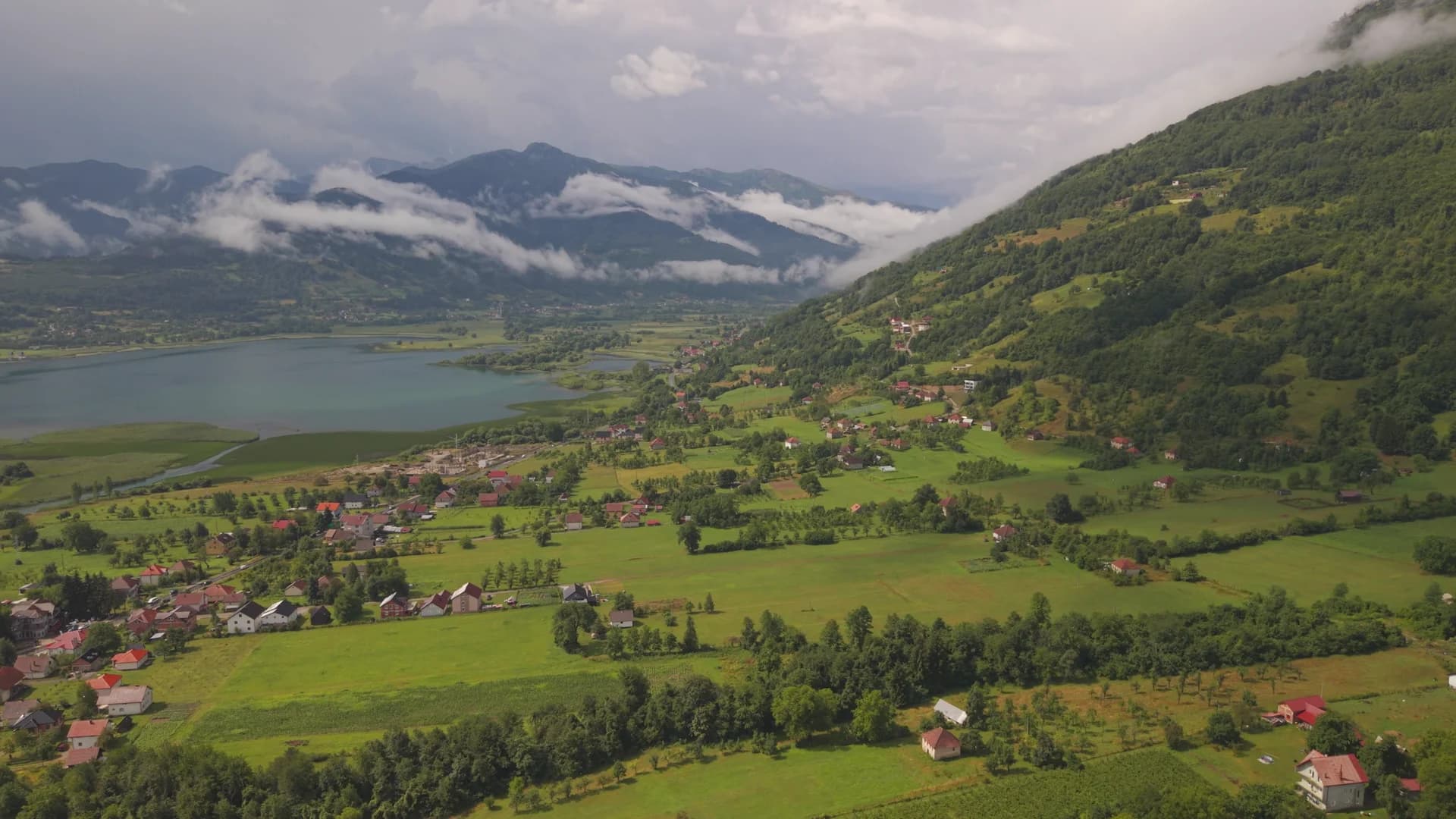
Four-fifths Muslim and two-thirds Bosniak, at the head of the Lim: a timber mosque of 1471, a fortified tower nobody can date, and Montenegro’s largest glacial lake under the wall of Prokletije.
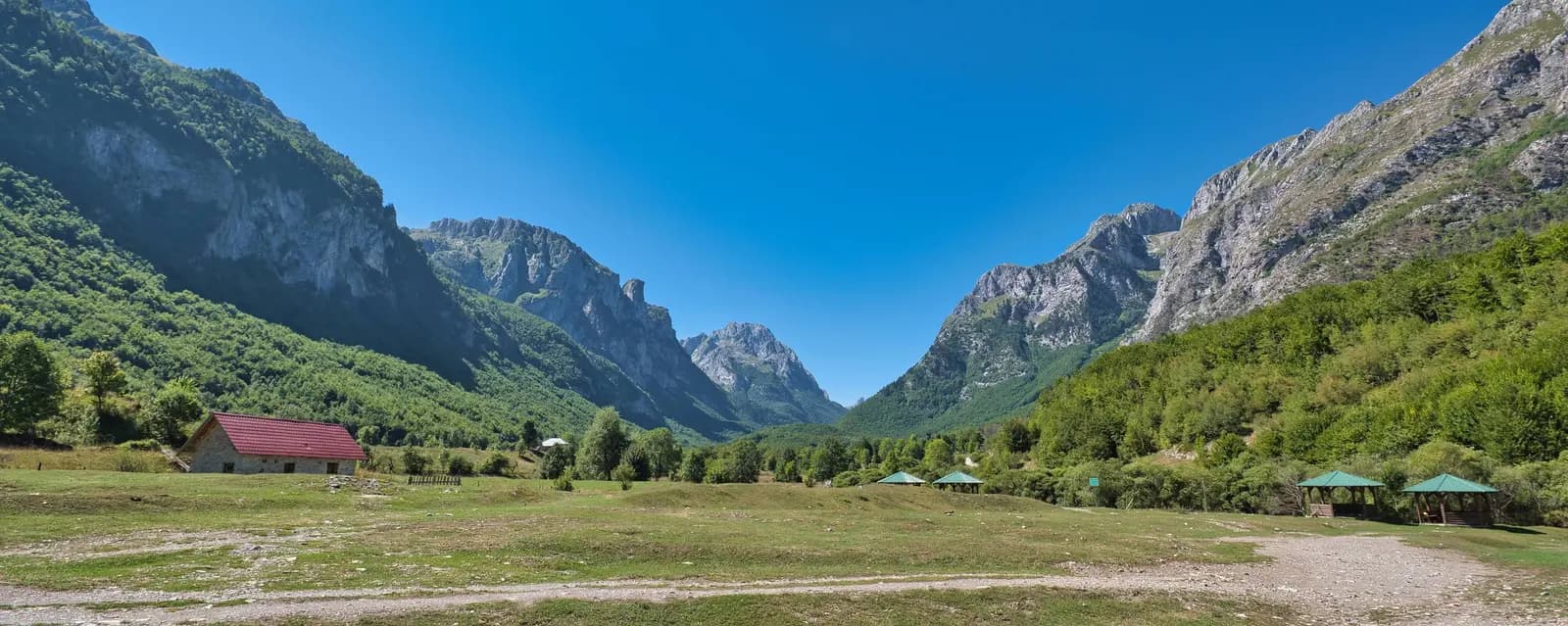
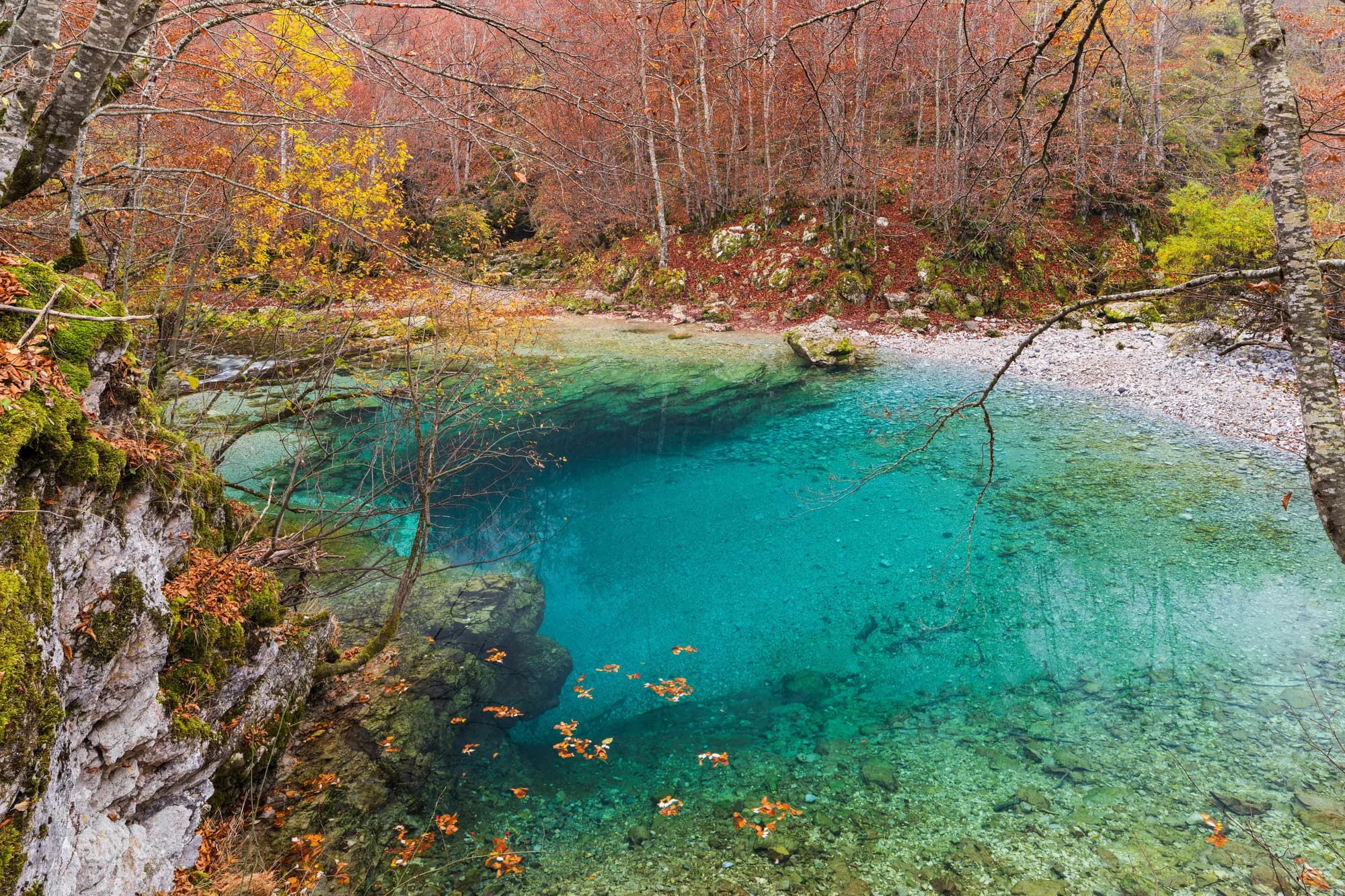
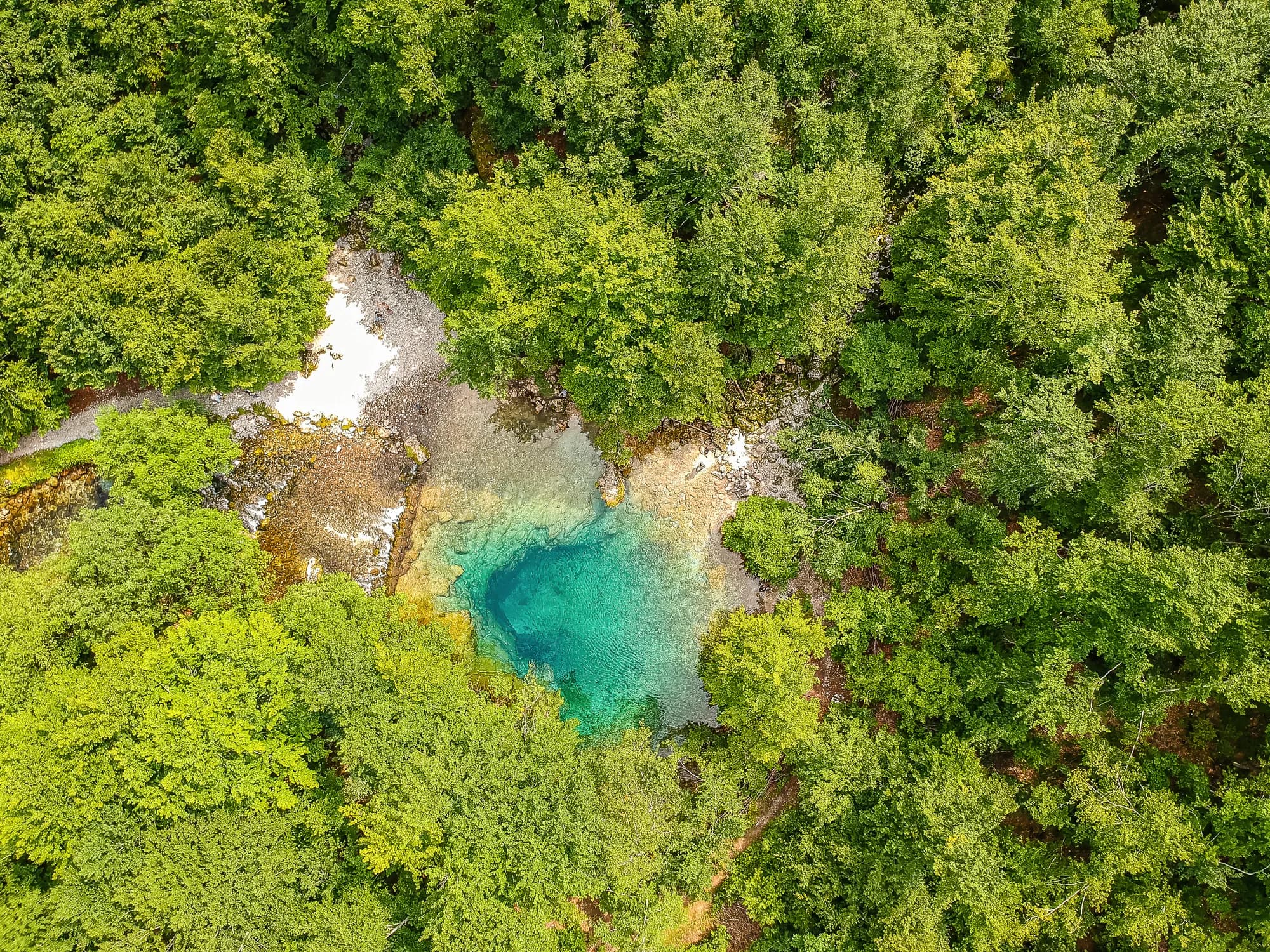
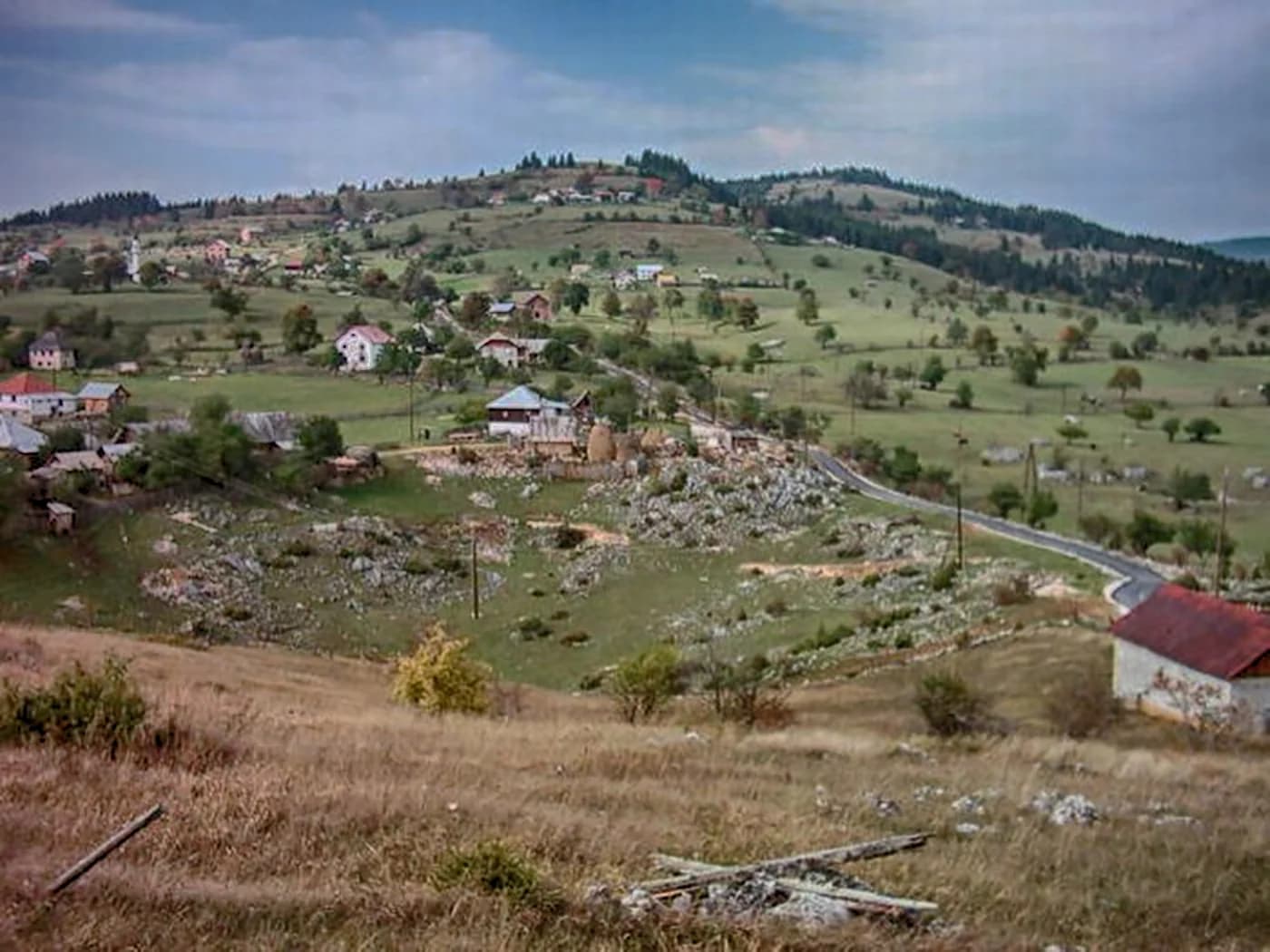
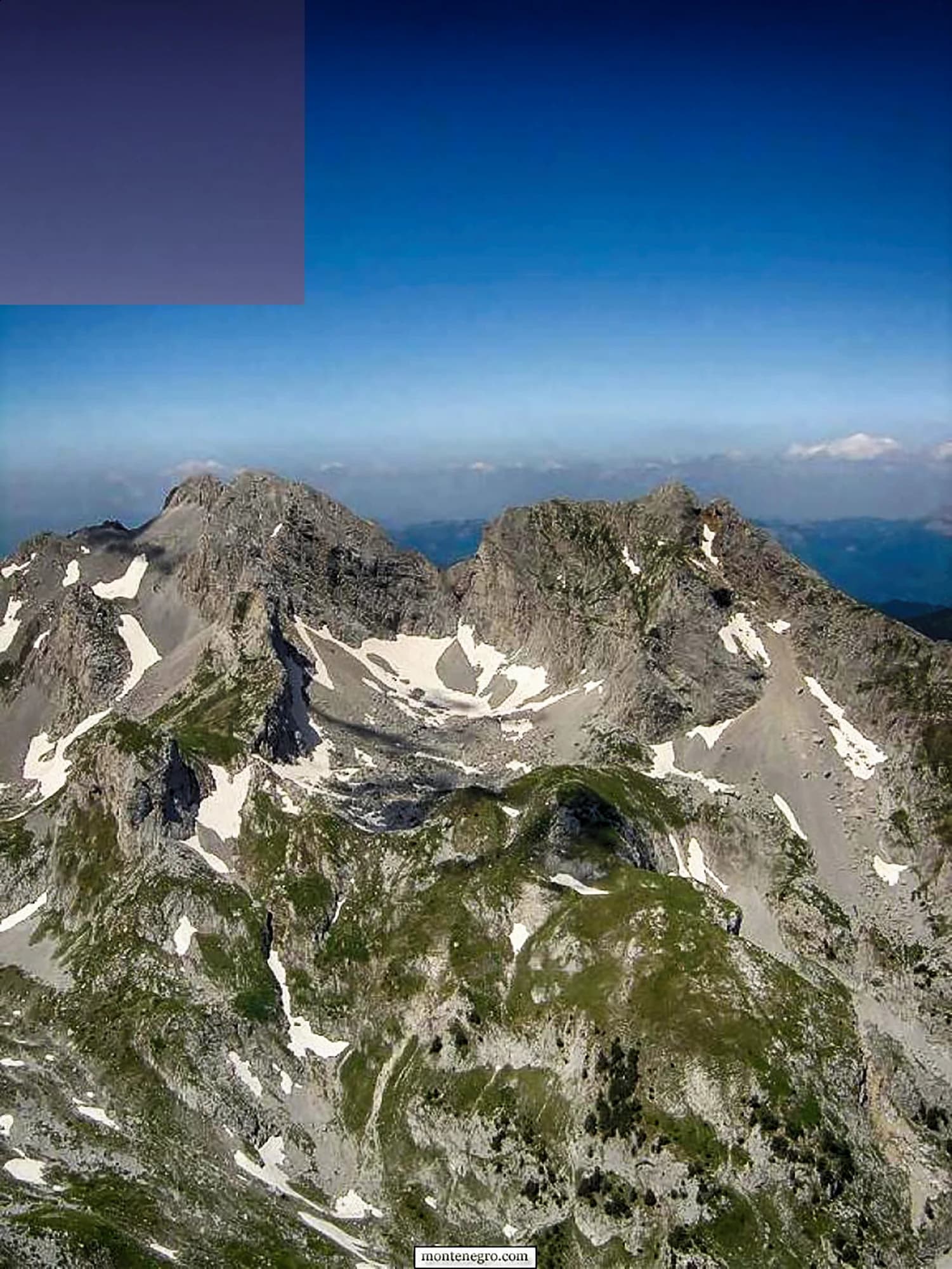
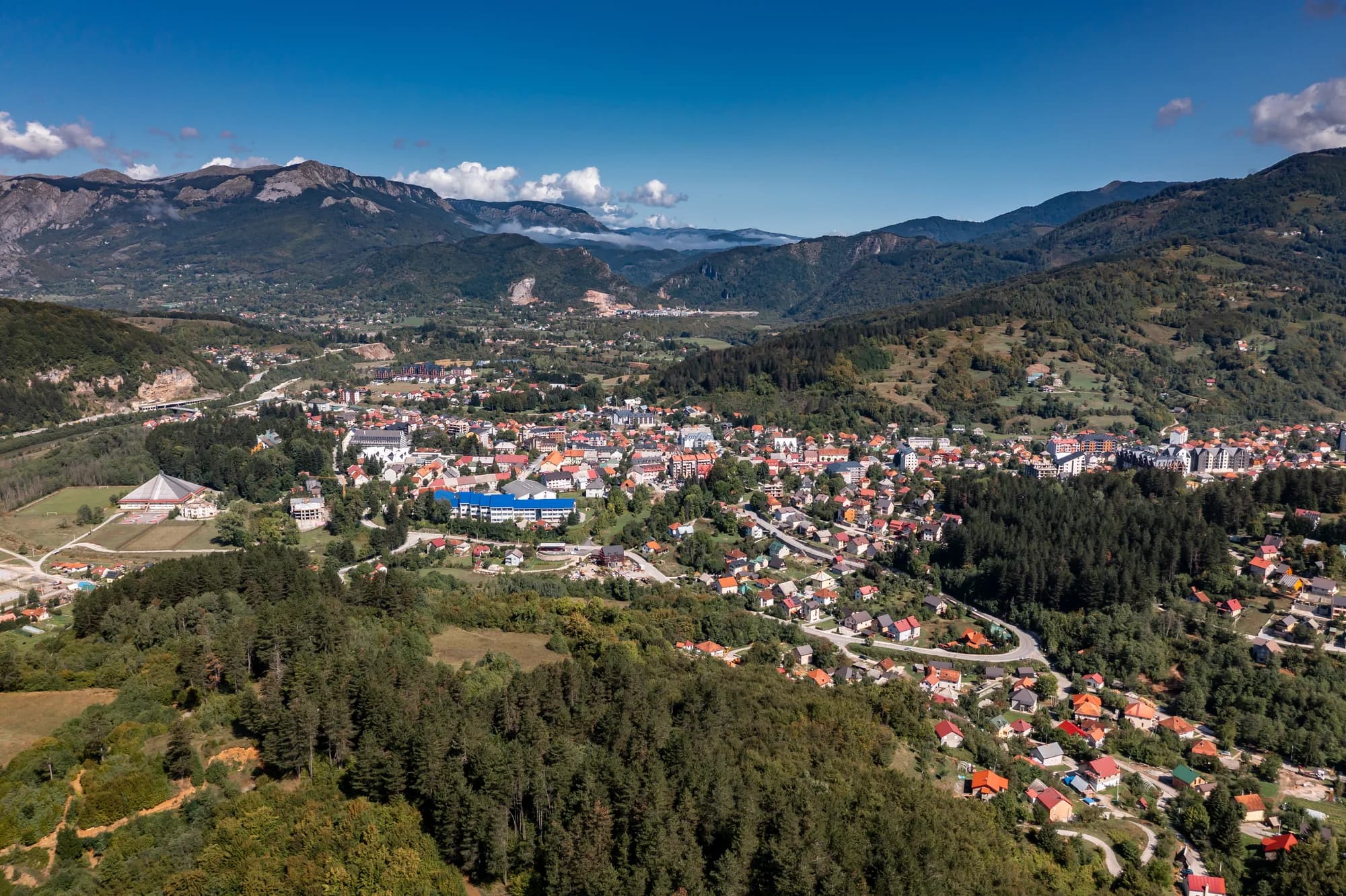
Plav sits at the edge of a glacial lake of the same name in Montenegro's far east, hemmed in by the Prokletije range, the Accursed Mountains, which carries the border with Albania. The lake is fed by the Ljuča and drains north into the Lim, and the town has grown along its shore, low houses and minarets set against a wall of peaks above 2,500 metres. Zla Kolata, the highest point in Montenegro, stands on the frontier ridge a short distance to the south. The town's history shows in its buildings. The Sultanija Mosque is one of the oldest in the country, founded in the early Ottoman period, and the Redžepagić Tower, a fortified house of stone and timber built to defend a family rather than a garrison, is the best surviving example of its kind in the region. Plav's population is largely Bosniak and Albanian, and its food, music and long social evenings reflect a culture with more in common with the highlands across the border than with the Adriatic coast. Almost everything else here is walking. The valleys of Grebaje and Ropojana, reached through neighbouring Gusinje, open into amphitheatres of grey limestone; the Peaks of the Balkans trail, which loops through Montenegro, Albania and Kosovo, passes this way. Higher up lies Hridsko Jezero, a small forest-ringed lake that local stories fill with fairies, and the Ali Pasha springs between Plav and Gusinje pour out cold and clear enough to be a destination in themselves. Plav rewards hikers, fishermen and anyone drawn to places where tourism has not yet set the terms. Summer is short and green, with wildflowers into July and swimmable lake water in August; September and early October bring colour to the beech forests and the clearest air of the year. Winters are long and heavily snowed in, and the high routes then belong to experienced parties only.
The north emptied. Plav did not.
Population change 2011 to 2023, Plav and seven northern neighbours
Thirty-one people fewer across twelve years. Rožaje is the only northern municipality that grew; Plav is the only other one that essentially held, while Pljevlja lost 6,652 and Plužine a third of everyone it had.
Who visits Montenegro
Share of foreign overnight stays, 2025
MONSTAT · 2025
Census population, Plav municipality
On today’s borders the municipality counted 9,081 people in 2011 and 9,050 in 2023 — thirty-one fewer, where its neighbours lost thousands. The 2023 census gives 65.64% Bosniaks, 17.08% Serbs, 9.43% Albanians, 4.11% Montenegrins and 2.61% ethnic Muslims; Gusinje, the south-western third of the old territory, has been a municipality of its own since February 2014.
Europe gave Plav to Montenegro in 1878 and Plav stayed Ottoman until 1912. Widths are to scale.
Treaty of Berlin, 1878 · Milosević 2013 · Morrison 2018 · Tourist Organisation of Plav.
A day in the basin
A working town of four thousand under a national park
What Montenegrin outlets have reported from Plav and the park above it. Paraphrased, not quoted.
CdM Šućo Redžepagić, born in the Redžepagić tower and living in it until 1978, curates the museum it became — and says there is no exact record of when it was built.
CdM Montenegro and Albania open the joint Zatrijebačka Cijevna–Grabon crossing on 3 August, connecting Podgorica to the Plav–Gusinje basin through Albania.
Borba Prokletije national park has been visited by 14,000 tourists, the paper reports at the end of August.
Pobjeda A new attraction for Prokletije: the Via ferrata Volušnica is being built.
RTCG The 26th Dani borovnice closes on 4 August with thousands of visitors at the events in Plav.
CdM National Parks reports Prokletije admissions up 24 per cent from January to mid-August, second only to Lovćen among the five parks.
Dated items from named Montenegrin outlets, 2021–2026.
Meanwhile, in 1912
Plav, 1912: the Montenegrin army enters the town on 19 and 20 October, in the First Balkan War. Thirty-four years after the Treaty of Berlin awarded Plav and Gusinje to Montenegro on paper, the transfer happens on the ground.
Why it took so long — on 4 December 1879 a League of Prizren force under Ali Pasha of Gusinje beat Marko Miljanov’s Montenegrins at Novšiće, a village down the Lim from here. The Berlin cession was abandoned and Ulcinj was handed over on the coast instead.
The cost — the military administration that followed the entry lasted until March 1913 and is recorded as up to 1,800 killings, mostly of local Muslim Albanians, and 12,000 forced conversions to Orthodoxy.
The sequel — in 1919 the Plav rebellion rose against Sandžak’s inclusion in the new Kingdom; about 450 local civilians were killed when it was put down, and Albanians left the valley for Albania in numbers.
“Who raised the Redžepagić tower has not been established with certainty.”
The tower’s date
The Tourist Organisation of Plav writes it that way, gives 1671 and Hasan-beg Redžepagić as the reported date, and records a tradition placing the tower in the 15th century under Ali Muče, raised against the Kelmendi. The curator Šućo Redžepagić told CdM in 2021 that the stone part may be older still and that the pine čardak went on in the 17th century — while the family itself is documented as arriving in Plav only in the 1650s.
“They say the fairies bathe in it.”
Local legend
Hridsko jezero, the lake of happiness
Search thousands of hotels and apartments with live prices.
We may earn a commission from partner links. This helps us keep Montenegro.com free for travelers.
Search hotels, apartments and guest houses with live availability.
We may earn a commission from partner links. This helps us keep Montenegro.com free for travelers.
Plav sits on the shore of Lake Plav in the far east of Montenegro, in the valley of the upper Lim beneath the Prokletije mountains and close to the Albanian border. It is about two hours from Podgorica by road.
A glacial lake of around two square kilometres at 906 m, fed by the Ljuca and drained by the Lim. It is shallow, ringed by meadows and reed, and used for boating and fishing rather than swimming — the water stays cold.
The highest and wildest range in the Dinaric chain, shared with Albania and Kosovo and often called the Accursed Mountains. The Montenegrin side became a national park in 2009, and Plav is one of the two main gateways to it.
The Redzepagic tower, a fortified stone house several centuries old, and the Sultan's mosque of 1471 are the two landmarks. The town has a strong Bosniak and Albanian character, visible in the architecture and on the plate.
The Peaks of the Balkans trail, a long-distance route linking Montenegro, Albania and Kosovo, passes through the area. Shorter days go to Ali Pasha's springs, Hridsko lake and the katuns on the slopes above the valley.
June to September, when the high paths are clear and the katuns are occupied. Winter is severe and mainly of interest to ski tourers. Border-crossing permits for the cross-border trails need arranging in advance.
No — the nearest is Podgorica Airport (TGD), 114 km away by road.
12.7 km by road, about 20 min by car.
The UK Foreign, Commonwealth & Development Office (FCDO) has no advisory against travel to Montenegro; it last reviewed its guidance on 13 August 2026. That is their assessment of the country as a whole, not ours and not a judgement about Plav, so read it yourself before you travel. The emergency number in Montenegro is 112.
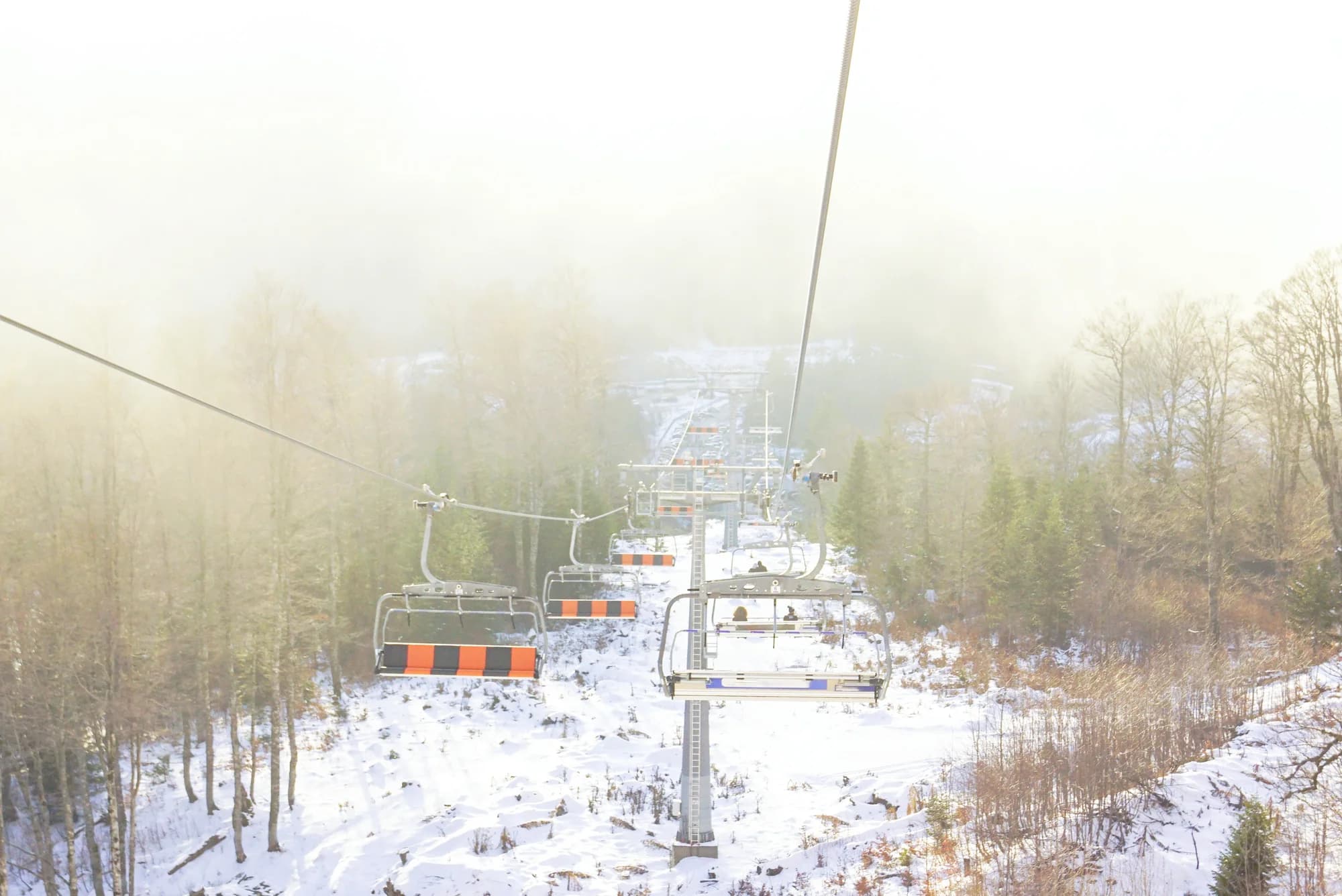
JanPaljevi — the ski slope on Kofiljača: half an hour up a gravel road, or two hours on foot through snow from Bogajići; one cable lift of about 300 m, room for some 150 skiers, and roast potatoes at the Zuvdijin konak cabin
MayLimska regata — three days and three rafting stages, starting from the rafts on Lake Plav and running down the Lim through Andrijevica, Berane, Bijelo Polje, Prijepolje and Priboj; late May or early June, depending on the water
JulDani borovnice — the town’s own festival, in its 26th edition in 2026, when it ran from 13 July to 4 August: the pickers’ caravan, a blueberry harvest inside the national park, a fair with tasting on Trg Plav, folklore from across the north, and a hydro-avio regata on the lake rafts
AugBostanijada and Festival kolomboća — the watermelon and corn fair — 23 August in 2026 — with the Visitor hike on the 22nd and Kajaking Ljučom on the 29th
SepPlavski književni susreti and the Likovna kolonija
The local plate
The blueberry is what Plav is known for outside Plav. It is picked on the Prokletije slopes inside the national park in July, tasted and sold as juice and jam at the agriculture and handicraft fair on the square, and gives its name to the three weeks that are the town’s year — Dani borovnice, which closes with the crowning of Mis borovnice.
Where The fair on Trg Plav during Dani borovnice; on the mountain, the katuns above the lake
The nearest places to Plav, at their true positions — Rožaje is about 33 km away in a straight line.
Schematic. Positions and straight-line distances from the coordinates we hold for each place; mountain roads make the drive longer. Coastline and Lake Skadar © OpenStreetMap contributors.
Plav in numbers
the municipality in the 2023 census; the town itself 4,121
the town; the lake below it lies at 907 m and the ridges above it pass 2,500 m
the Carska, or Stara, džamija — turf and timber, 14 × 8 m, a 10 m wooden minaret out of the roof, on the Meteriz rise inside the old Dizdarev grad
the Lim leaves Lake Plav, Montenegro’s largest glacial lake, and runs to the Drina — Black Sea water; 19.3 m³/s here, 71.0 at Dobrakovo on the Serbian border
Prokletije was made a national park; Zla Kolata, 2,534 m, is the highest point in Montenegro
species recorded in the park — the richest bird list of any massif in the country, alongside over 1,700 plants
MONSTAT 2023 census, municipality and settlement tables · Tourist Organisation of Plav · Prokletije National Park · National Tourist Organisation of Montenegro
A few hours
Three monuments and a lake, all within a walk. Two hours cover the town.
One full day
Monastery, garden and lake make a full day without leaving the basin.
A weekend
The town is the base; the reason to stay two nights is above 1,900 m.
The centre
Best for the Meteriz rise with the Carska džamija on it, both towers, and the square the festival takes over in July
The lake shore
Best for the splav bathing raft, pedal boats and kayaks, a few minutes below the centre, and the light on the water at dawn
Brezojevice, 2 km out
Best for the Sv. Trojice monastery and the Velemun garden; 746 people at the 2023 census
Vojni Grad and Bogajići
Best for villages on the way up — Bogajići is where the two-hour winter walk-in to the Paljevi ski slope starts
Best time: June · July · September
| Place | By road | Driving |
|---|---|---|
| Murino | 12.7 km | about 20 min |
| Gusinje | 13.2 km | about 21 min |
| Andrijevica | 24.7 km | about 34 min |
| Berane | 42 km | about 57 min |
| Podgorica | 84.3 km | about 2 h 8 min |
| Budva | 143.2 km | about 3 h 24 min |
| Kotor | 155.1 km | about 3 h 35 min |
Road distances routed over OpenStreetMap data, © OpenStreetMap contributors. Driving times are free-flow and take no account of summer traffic or a queue at the ferry ramp.