Knezović Apartments
ApartmentPrčanj, Montenegro
1 / 11


2 guests · 1 bedroom · 1 bathroom · 1 bed
About this property
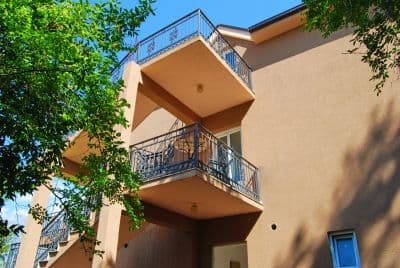
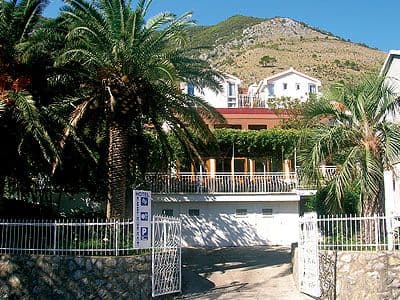
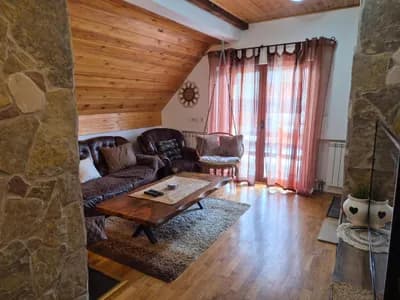
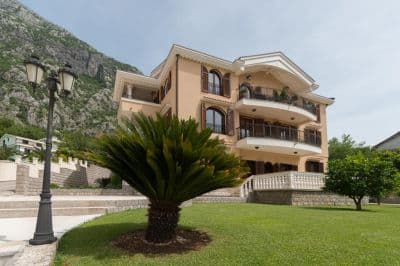
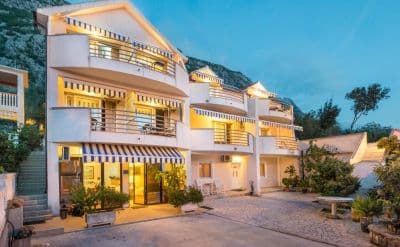
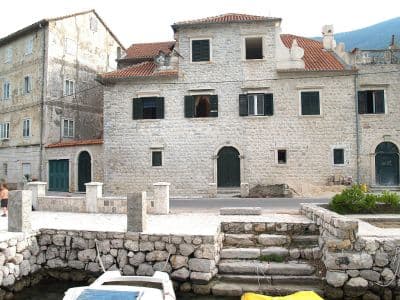
Knezović Apartments occupies a renovated old stone house on the waterside in Prčanj, a quiet coastal village along the Bay of Kotor. This one-bedroom apartment measures 33 m² and comprises a living room with kitchenette, a separate bedroom, and a bathroom, with one bed sleeping two guests — a comfortable fit for a couple or a pair of friends travelling together. The unit looks out over the sea and comes equipped with air conditioning, a TV with cable and DVD player, and a washing machine, while a 24-hour water pump keeps the supply reliable throughout your stay. The setting puts you near Tre Sorelle and within easy reach of Hotel Splendido and the Bokeljski Dvori restaurant, so meals out require little more than a short walk. Kotor's old town lies roughly 4 km away, making day trips into the historic centre straightforward while you return to a calmer stretch of coastline each evening.
About the area
Prčanj stretches for several kilometres along the bay's western shore, a single ribbon of stone houses between the water and the steep wooded slope behind. This section, near the ruin known as Tre Sorelle — the Three Sisters, a Gothic waterfront house wrapped in a legend about three siblings who each walled up a window as she died — is among the older parts. The captains and shipowners who ran one of the Adriatic's great merchant fleets built these palaces, and their long decline is part of the atmosphere: closed shutters, worn coats of arms, gardens gone to oleander and palm.
Above the road stands the church of the Birth of Our Lady, an enormous pale Korčula-stone building that took more than a century to finish and is generally reckoned the largest in the Bay of Kotor; the treasury and the view from its steps both repay the climb. The waterfront path is the daily walk, past small stone jetties and swimming ladders, with the bay so enclosed that the water usually stays flat. Kotor's old town is four kilometres along the coast road, and the same road continues around to Muo, the chestnut woods above Stoliv, and the ridge walks on Vrmac.
Listed May 12, 2008 · Updated October 18, 2026