Natali Apartments in Đenovići
ApartmentĐenovići, Montenegro
1 / 23



2 guests · 1 bedroom · 1 bathroom · 1 bed
About this property
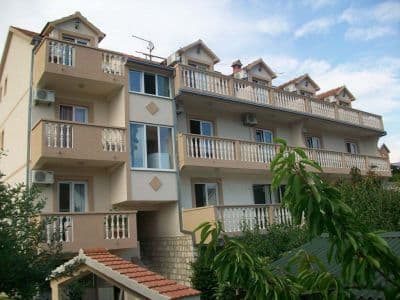
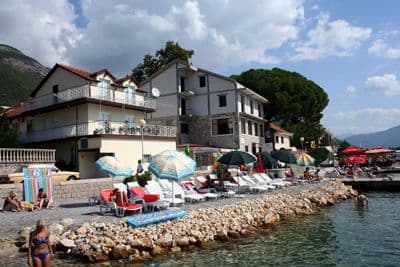
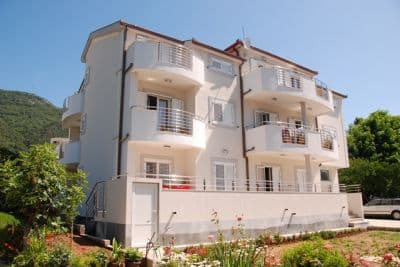
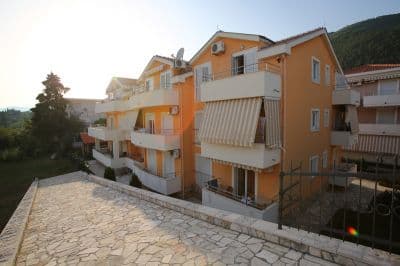
Natali Apartments in Đenovići is a small, officially 4-star rated apartment on Montenegro's coast, set up for two guests in one bedroom with one bed and one bathroom. Part of Villa Natali, it welcomes you with a pleasant, warm atmosphere in quiet Đenovići — a calm spot just 160 m from the sea and about 7 km from the centre of Herceg Novi. The villa sits at the foot of Mount Orjen in southwestern Montenegro, right at the entrance to the Bay of Kotor, a UNESCO World Heritage site since 1979, so peace and tranquility come with the location. The compact one-bedroom layout suits couples or solo travellers who want a base near the water rather than a large holiday home. Tivat Airport is 22 km away and Čilipi Airport 32 km. Special discounts of 20% apply until 15 June and from 15 September.
About the area
Look inland from Djenovici and the wall behind the coast is Orjen, the limestone massif separating the bay from the Herzegovinian interior and rising past 1,800 metres. It is why this shoreline is so sheltered and so green: the mountain catches enormous winter rainfall, then releases it slowly through springs, and the coast below stays mild enough for palms and citrus while the summit holds snow into spring. Walkers head for the marked routes climbing from the villages above Herceg Novi onto the high karst plateau, and the road up behind the coast opens a view down the whole outer bay.
The bay itself has been UNESCO-listed since 1979, recognised as a cultural landscape rather than simply scenery, for the captains' houses, the churches and the layered Venetian, Ottoman and Austrian building along its shores. Djenovici is a modest example of the same thing, a village of stone houses about a hundred and sixty metres from the water and seven kilometres from Herceg Novi's old town, where the fortresses and stepped streets tell the story more loudly. Tivat airport is roughly twenty-two kilometres away and Cilipi near Dubrovnik around thirty-two, unusually short transfers whichever side of the border you fly into.
Listed June 12, 2012 · Updated October 18, 2026