Mountain House for Rent
CabinKotor, Montenegro
1 / 12
2 guests · 1 bedroom · 1 bathroom · 1 bed
About this property
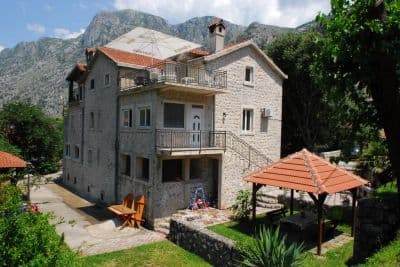
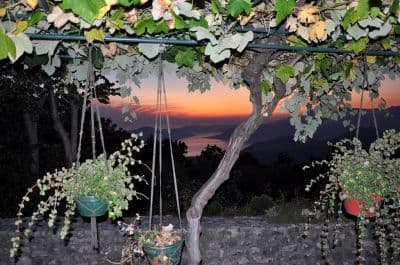
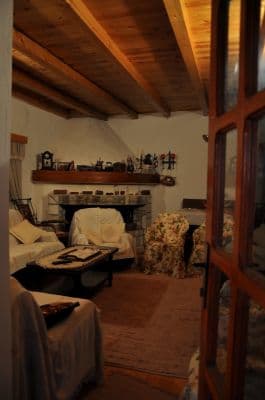
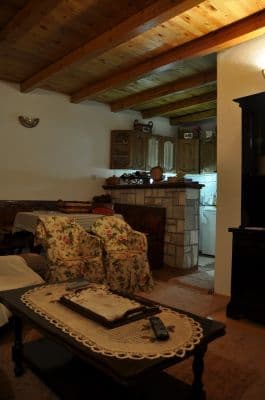
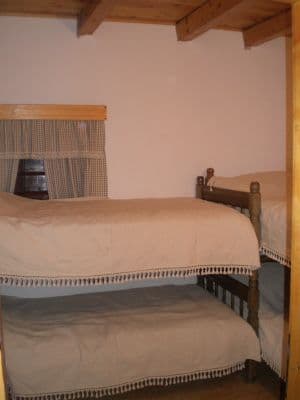
This one-bedroom cabin sits in Njeguši, in the mountains above Kotor on Montenegro's coast, and looks out over the Bay of Kotor (Boka Kotorska). Inside there's a living room with a fireplace, a kitchen, and a bedroom, with a pull-out bed in the living area alongside the main sleeping space. The listing accommodates 2 guests, with one bedroom and one bathroom. The setting suits couples or a pair of travellers who want cooler mountain air and quiet evenings by the fire rather than a place in town, while still staying within easy reach of the coast. Lovćen National Park, the old royal capital of Cetinje, and Kotor itself are each about 30 minutes away by car, making the house a practical base for day trips in three directions. Rates start at 50 euros per night, with discounts available for stays longer than five nights.
About the area
Njeguši sits on a high karst plateau behind Kotor, reached by the old Austrian road that folds back on itself twenty-five times as it climbs out of the bay — a drive that is an attraction in its own right, with the whole of Boka spreading out below at each hairpin. Up here the air stays cool even in August, the fields are ringed with drystone walls, and the village is known for two things it still makes at home: pršut, air-dried in the plateau's particular wind, and a sharp young cheese kept in oil.
This is the heart of old Montenegro. Petar II Petrović Njegoš, poet-bishop and the country's defining figure, was born in the village, and his mausoleum stands on Jezerski vrh in Lovćen National Park a short drive away, up a long stairway to a terrace looking out over half the country. Trails run from the village across the plateau and drop down the historic Ladder of Kotor to the bay. Cetinje, the old royal capital with its monastery and museums, and Kotor with its walls and cathedral each lie about half an hour away in opposite directions. Winter brings snow and wood smoke; summer nights are cold enough for the fireplace.
Listed February 7, 2008 · Updated October 18, 2026