Summer (July and August) is hot — temperatures regularly exceed 35°C in the lake basin — but boat trips provide a cooling breeze on the water. This is the busiest tourist period. Autumn (September to November) brings the grape harvest, wine festivals, and excellent light for photography. The heat subsides, making boat trips and hiking more comfortable. The village hosts its traditional Marunada wine festival in November.
Winter (December to March) is the quietest season. Some facilities close, but the lake takes on a moody, atmospheric beauty. Waterfowl numbers peak as northern European birds overwinter on the lake. Serious birdwatchers often visit in winter for this reason.
Top Things to See and Do
Boat Tours on Lake Skadar
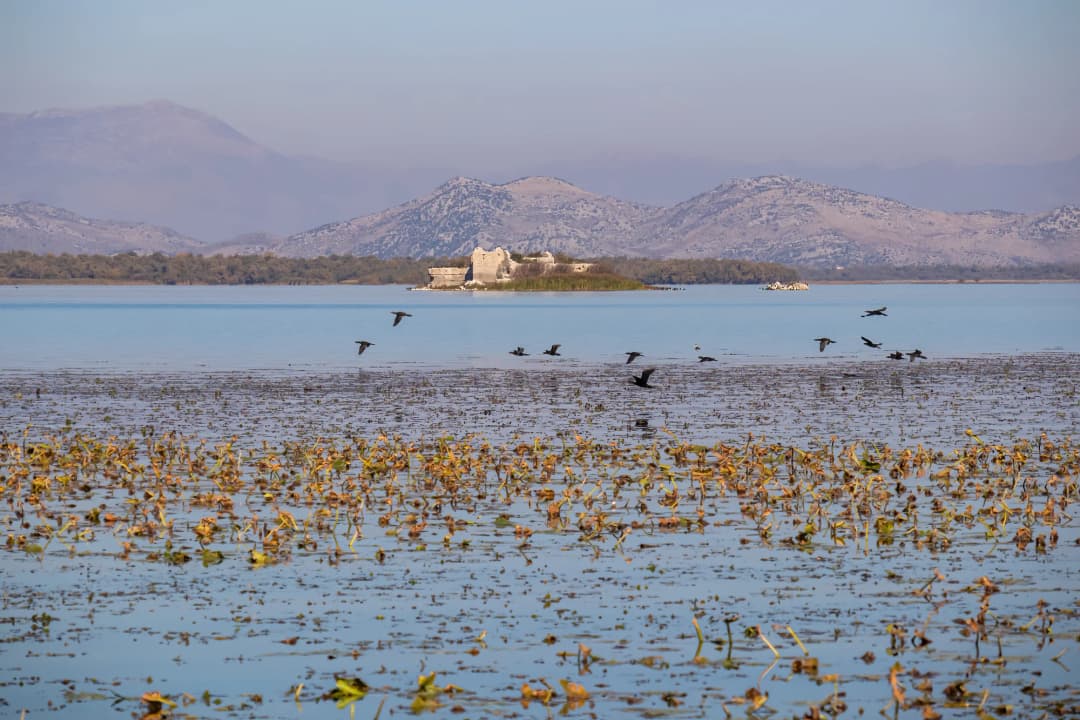
The primary attraction is a boat tour on the lake. Tours depart from Virpazar's harbour in traditional wooden boats or modern motorboats, lasting from two hours to a full day. Standard itineraries visit the water lily fields, bird-nesting islands, and medieval island monasteries. Key stops include:
- Manastir Kom: A monastery on a rocky island, reached through channels lined with water lilies.
- Manastir Beška: A 14th-century monastery on Beška Island with two churches, one built by Đurađ II Balšić in 1440.
- Manastir Starčevo: An island monastery that was a medieval scriptorium.
- Pelican colonies: In spring, boats approach (at a respectful distance) the nesting areas of Dalmatian pelicans.
A two-hour boat trip typically costs 15–25 euros per person. Longer excursions with wine tasting and lunch on the water can reach 40–60 euros. Operators include Golden Frog, Undiscovered Montenegro, and several local fishermen who offer informal trips from the harbour.
Besac Fortress
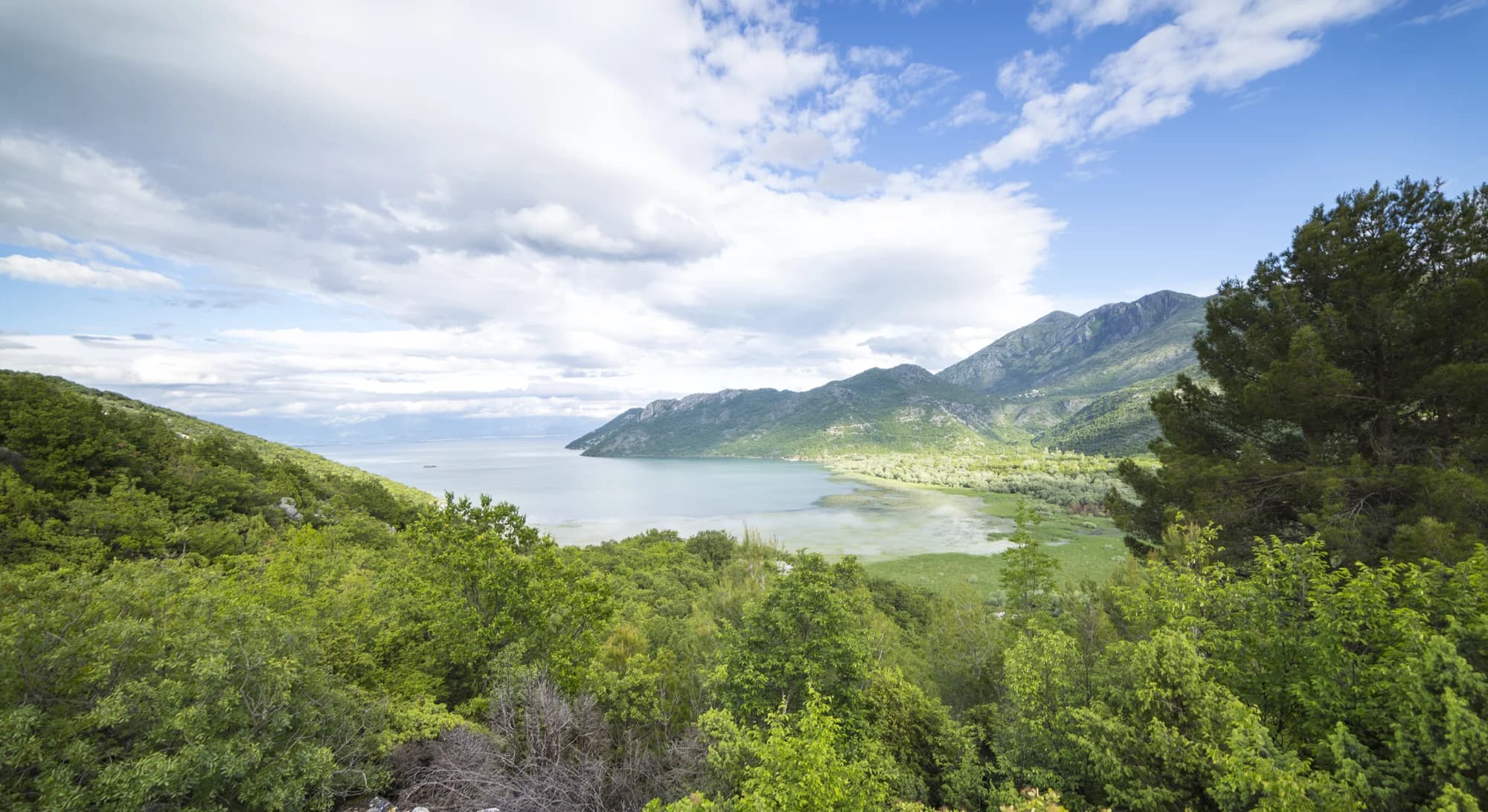
The Ottoman-era Besac Fortress sits on a prominent hill directly above the village, reached by a 15-minute walk along a marked path from the village centre. The fortress has been partially restored and offers sweeping 360-degree views of the lake, the surrounding mountains, and the Zeta river plain toward Podgorica. Information panels describe the fortress's history. The view at sunset, when the lake turns gold and the mountains deepen to purple, is magnificent. Entry is free.
Wine Tasting in the Crmnica Region
The hills around Virpazar — known as the Crmnica wine region — produce some of Montenegro's finest wines. The microclimate of the lake basin, with its warm air, high humidity, and well-drained slopes, is ideal for viticulture. Several family wineries welcome visitors for tastings:
- Winery Šipčanik: Located in a converted tunnel of the former Yugoslav railway, this winery produces Vranac and Krstač wines in a dramatically atmospheric setting.
- Winery Kopitović: A small family operation known for its premium Vranac and fruit brandies.
- Winery Vučinić: Offers tastings with views over the vineyards and the lake.
Vranac (pronounced VRAH-natz) is Montenegro's signature red grape — producing full-bodied, dark wines with notes of blackberry and plum. Krstač is the most important white grape, yielding aromatic, mineral wines. Most tastings cost 5–15 euros per person and include multiple wines paired with local cheese and pršut.
Birdwatching
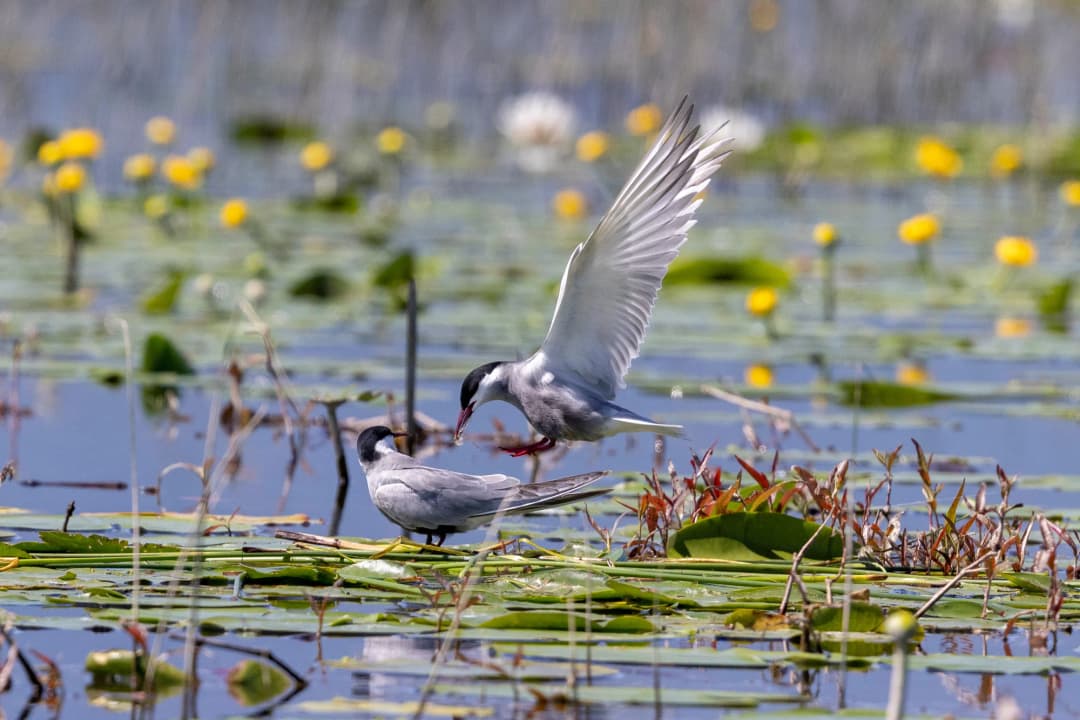
Lake Skadar is one of Europe's most important ornithological sites, sheltering over 280 species. The lake is especially significant for its colony of Dalmatian pelicans (one of the largest in Europe, with around 30–50 breeding pairs), pygmy cormorants, whiskered terns, glossy ibises, and ferruginous ducks. In winter, up to 200,000 waterbirds may be present, including large flocks of coots, pochards, and various duck species. Dedicated birdwatching tours can be arranged through Virpazar's boat operators, who know the best locations for different species and seasons.
The Old Bridge and Village Centre
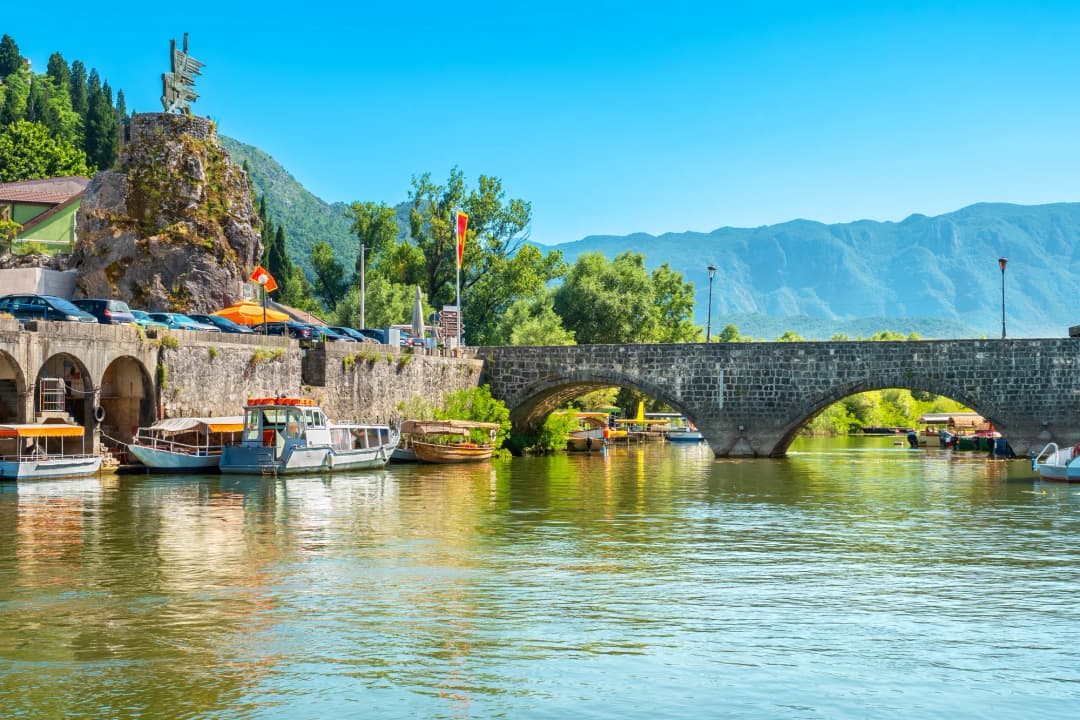
Virpazar's stone bridge, crossing the channel where the river meets the lake, is the village's architectural centrepiece. The bridge, the small harbour with its moored boats, and the surrounding stone buildings create one of inland Montenegro's most picturesque scenes. On Friday mornings, a small farmers' market sets up near the bridge, selling local produce, honey, cheese, and handmade crafts.
Kayaking on the Lake
For a more active and intimate lake experience, kayak tours depart from Virpazar and explore the channels, islands, and reed beds at water level. Guided kayak excursions typically last 3–4 hours and access areas that motorboats cannot reach, offering closer encounters with wildlife. Several operators, including Undiscovered Montenegro and local guides, offer kayak rentals and guided trips for 25–40 euros per person.
Cycling and Hiking
The hills around Virpazar offer several hiking and cycling routes through vineyards, olive groves, and Mediterranean scrubland. A popular trail climbs from the village to the abandoned hilltop village of Dupilo, offering panoramic lake views. Another route follows the old railway track bed along the lake shore. The National Park visitor centre in Virpazar has maps and can suggest routes.
Where to Stay
Virpazar has a modest but growing selection of accommodation. Options include:
- Hotel Pelikan: The village's main hotel, located beside the harbour with views over the water. Clean, comfortable rooms with a good restaurant.
- Vila Miela: A charming guesthouse in a restored stone building, offering personal service and local character.
- Private apartments: Several families rent rooms and apartments, ranging from simple to well-appointed. Expect to pay 30–60 euros per night.
- Eco-lodges: A few properties in the surrounding hills offer eco-tourism accommodation, combining lake access with organic food and wine.
For a wider selection, Podgorica (30 minutes) has hotels at all price points. Bar and Sutomore on the coast are about 25–30 minutes away.
Where to Eat
Virpazar's restaurants are focused on the lake's bounty — freshwater fish is the star of every menu.
- Carp (krap): Grilled, baked, or as soup (riblja čorba), carp from Lake Skadar is a local staple with sweet, delicate flesh.
- Bleak (ukljeva): Tiny fish fried crisp and eaten whole — a beloved seasonal appetiser, best in winter and spring.
- Eel: Grilled or stewed, the lake's eels are prized by locals.
- Local wine: Order Vranac or Krstač from the surrounding Crmnica region to accompany your meal.
Konoba Badanj is one of the best-regarded restaurants, serving traditional lake cuisine with excellent wine in a stone-walled interior or shaded terrace. Restaurant Pelikan by the harbour is popular for its lakefront setting. Konoba Silistria offers a more rustic experience. Expect to pay 10–20 euros per person for a generous fish meal with wine.
Practical Tips
- National Park fee: Entry to Lake Skadar National Park costs 4 euros per person per day, payable at the visitor centre in Virpazar or included in most boat tour prices.
- Mosquitoes: The lake environment supports significant mosquito populations, especially in summer. Bring strong repellent, particularly for evening activities.
- Cash: While some establishments accept cards, cash (euros) is advisable, especially for boat operators and market purchases. There is a small ATM in the village.
- Sun protection: There is little shade on the lake itself. Bring a hat, sunscreen, and water for boat trips.
- Fishing permits: If you wish to fish, permits are required and can be obtained from the National Park office in Virpazar.
- Photography: Bring binoculars and a telephoto lens for birdwatching and photography. Golden hour light on the lake is exceptional.
Day Trip Suggestions
- Rijeka Crnojevića: Drive to this picturesque village (about 45 minutes via Podgorica or Cetinje) for its stone bridge, river boat trips, and the famous Pavlova Strana viewpoint.
- Cetinje: Montenegro's old royal capital (about 40 minutes) with monasteries, museums, and historical architecture.
- Podgorica: The capital city (30 minutes) offers the Millennium Bridge, Stara Varoš Ottoman quarter, and several good restaurants.
- Bar and Stari Bar: The coastal city (25 minutes) features a modern waterfront and the atmospheric ruins of old Stari Bar, a medieval hilltop city destroyed by an earthquake in 1979.
- Murići and the Albanian border area: Drive around the lake's southern shore to the village of Murići, which has a small pebble beach on the lake and offers boat trips to secluded bays along the Albanian border.