Northern Montenegro
Bijelo Polje
The market town of the Lim valley: a 12th-century church that commissioned the Miroslav Gospel, and the station on the Belgrade–Bar line where passports get stamped.
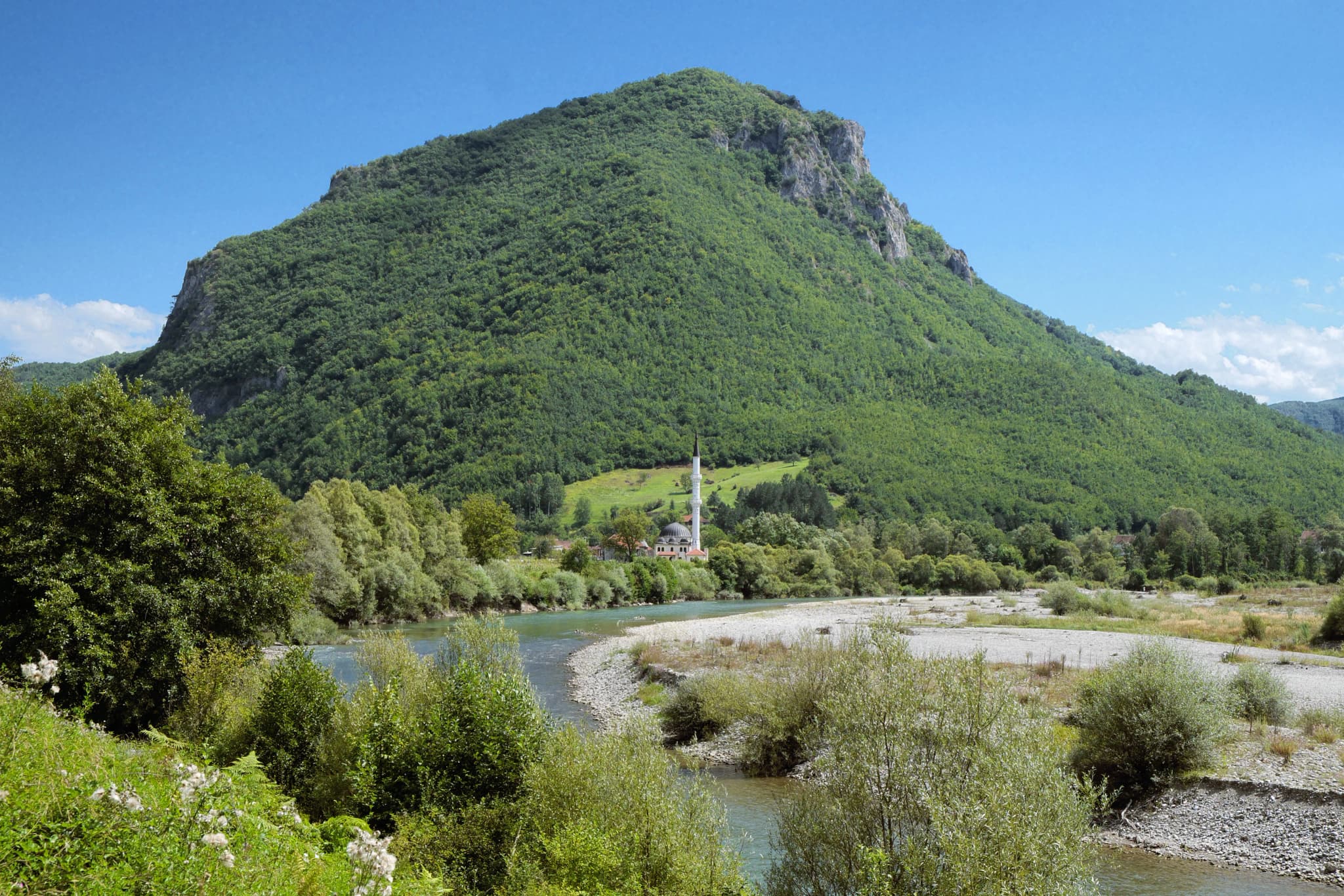
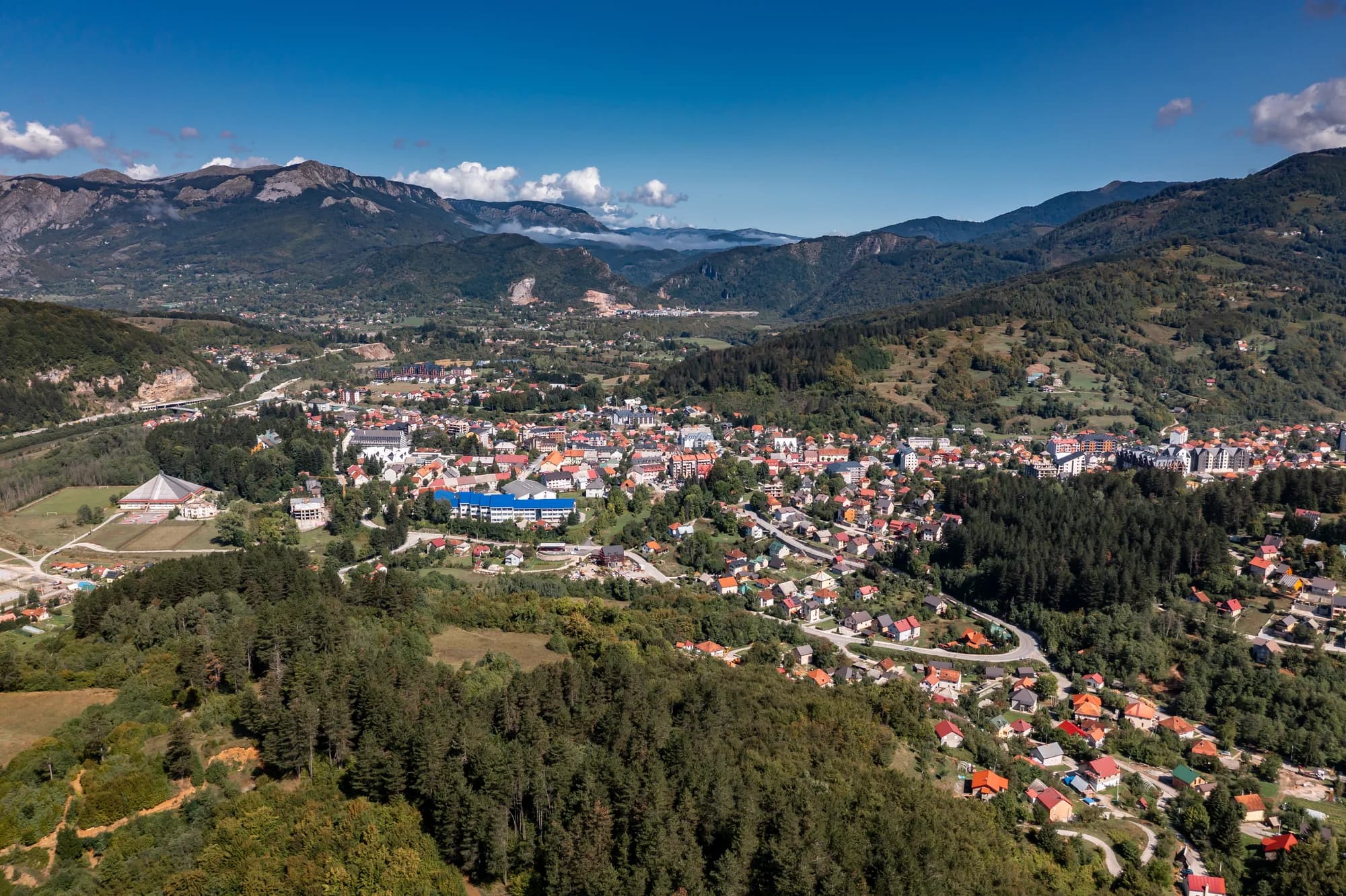
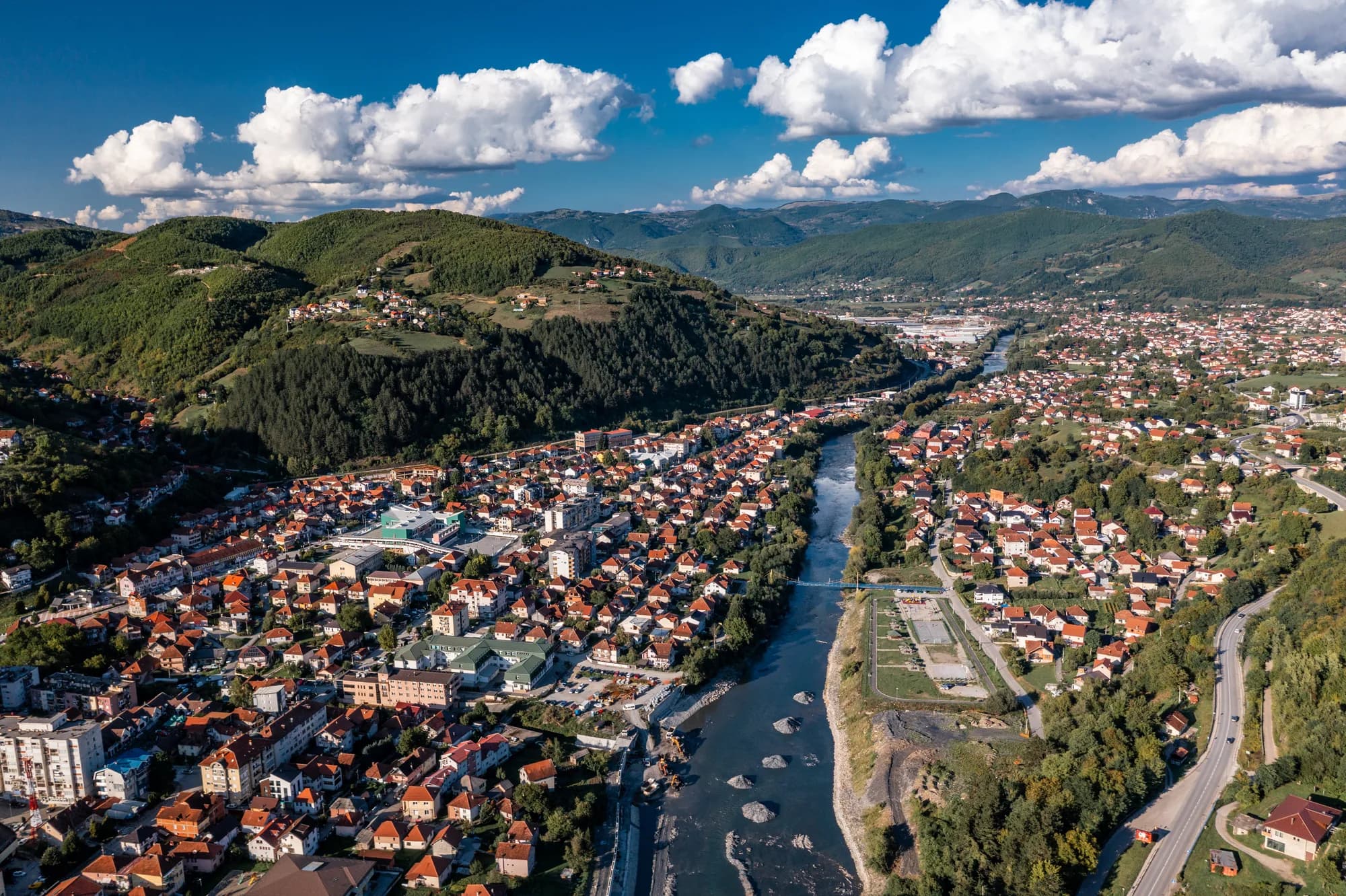
Bijelo Polje is the largest city of northern Montenegro, set in a wide, open basin on the Lim river where the valley flattens out enough to farm properly. Its name means white field, and the surrounding plain of orchards, hayfields and low wooded hills gives the city a softer setting than most of the mountainous north. It sits on the Belgrade–Bar railway and the main road corridor to Serbia, which has made it a crossroads for centuries and shaped a mixed Orthodox and Muslim population whose two traditions are visible in the churches, mosques and cooking side by side. Its most significant monument is the church of Saints Peter and Paul, a 12th-century building that is among the oldest in the country and stands at the origin of one of the great treasures of Slavic literacy: the illuminated manuscript known as Miroslav's Gospel was produced for its founder in the late 1100s. The Nikoljac church, with its 16th-century frescoes, is the other essential stop. Between them lies a compact centre with a bazaar quarter, riverside walks and a strong local literary tradition — the city has long hosted one of the region's better-known poetry gatherings. For visitors, Bijelo Polje works best as a practical base. Bjelasica and Biogradska Gora National Park are within easy reach to the south, the Lim and its tributaries are fished for trout, and the deep Đalovića gorge with its cave system lies to the east, one of the more spectacular and least developed landscapes in this part of Montenegro. Rafting on the Tara can be arranged from here as well. This is a city for travellers exploring Montenegro's less touristed interior, arriving overland from Serbia, or wanting the food and hospitality of the north without staying in a village. Late spring through October is the best stretch; winters are cold and often snowbound in the surrounding hills.