Nikšić: Montenegro's Authentic Second City
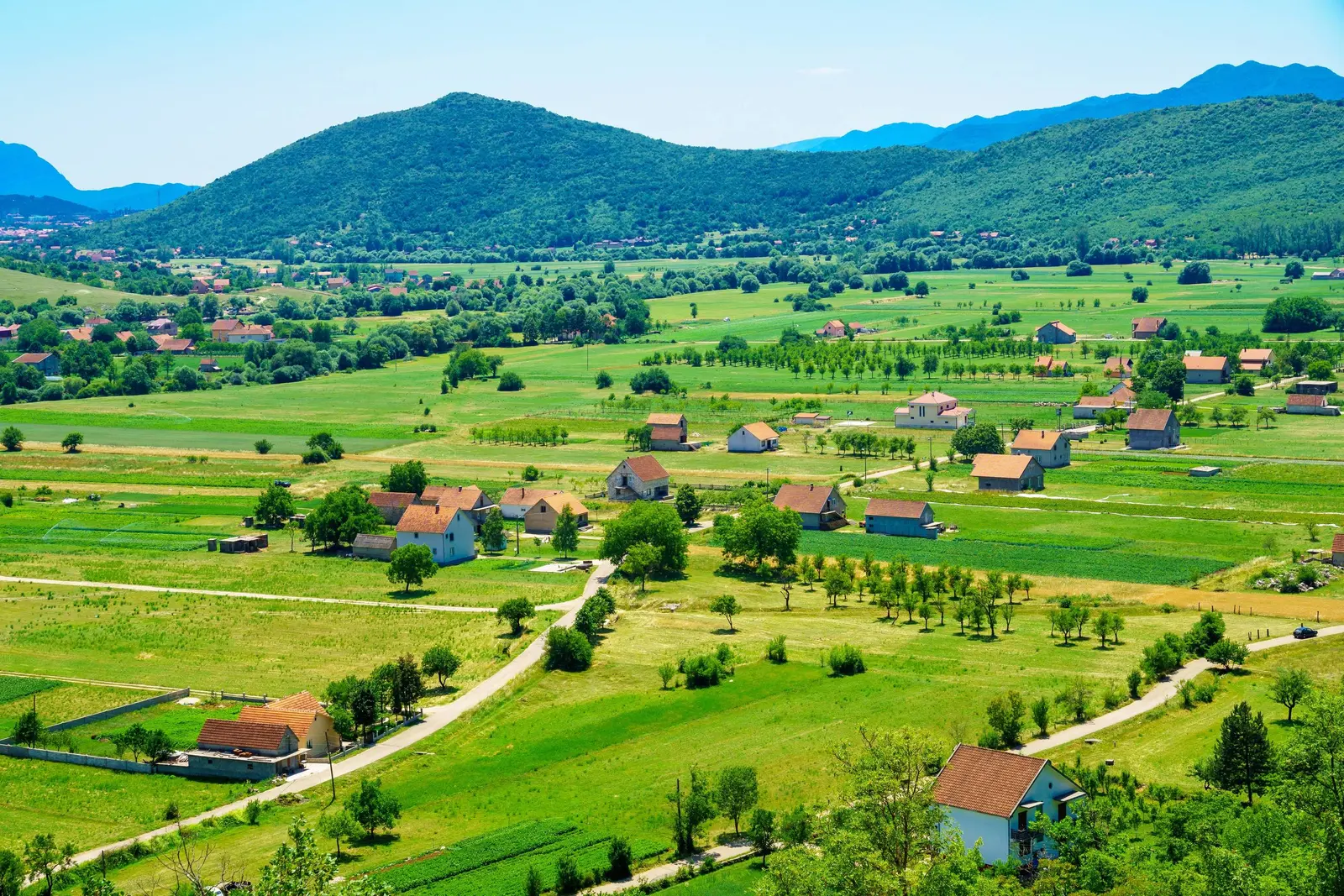
Nikšić is Montenegro's second-largest city and its cultural heartland — a vibrant inland hub of around 57,000 people nestled in the broad Nikšić Field (Nikšićko polje), one of the largest karst plateaus in Europe. While most travellers rush toward the Adriatic coast, Nikšić offers something increasingly rare in the Balkans: an authentic, unpretentious city where daily life unfolds without the veneer of tourism. It is a city of parks, lakes, craft beer, and live music — a place where the evening korzo promenade is still a cherished social ritual and where a stranger in a café is met with genuine curiosity rather than a sales pitch.
Nikšić is the proud home of Nikšićko Pivo, Montenegro's beloved national beer, brewed here since 1896 at the foot of Trebjesa hill. Surrounded by rugged limestone mountains and dotted with lakes, the city blends urban energy with natural beauty in a way that few Montenegrin destinations can match. It is also a superb base for exploring central Montenegro's inland treasures, from the legendary Ostrog Monastery to the wild highlands of Durmitor.
How to Get There
Nikšić lies 55 km northwest of Podgorica along the well-maintained E762 highway, making it an easy 45-minute drive from the capital. The road is a modern dual carriageway for most of the distance, passing through the dramatic Duga Pass with its views of the Zeta valley. From the coast, Nikšić is approximately 90 km from Kotor (2 hours via Cetinje) and 100 km from Budva (2.5 hours).
Regular bus services connect Nikšić to Podgorica (departures every 30-60 minutes, approximately 1 hour, 4-5 euros), as well as to Kotor (2.5 hours), Budva (3 hours), Herceg Novi (3.5 hours), and Žabljak (2 hours). The bus station is centrally located, a short walk from Freedom Square.
The city is also connected by a scenic railway line from Podgorica, passing through dramatic gorges, over viaducts, and through tunnels on one of the most spectacular short rail journeys in the Balkans. Trains run 5-6 times daily and take approximately 1 hour. The Nikšić railway station is located just west of the city centre.
Within Nikšić, the compact centre is easily walkable. To reach the surrounding lakes and nearby attractions like Ostrog, a rental car or taxi is recommended. Local taxis are affordable (typical city ride 2-3 euros), and several car rental agencies operate in the city centre and at the bus station.
Best Time to Visit
Nikšić has a continental climate with warm, dry summers and cold winters. The best time to visit is May through September, when temperatures range from 20-35°C and outdoor activities are at their peak. June offers pleasant warmth without the August heat. July brings Lake Fest, the city's biggest cultural event and one of Montenegro's most popular music festivals.
Autumn (September to October) offers pleasant hiking weather with fewer visitors and the surrounding mountains cloaked in golden and russet foliage. Winters (December to February) can be cold, with temperatures occasionally dropping below -10°C and light snowfall — but the city's indoor cultural scene, warm cafés, and the intimacy of a winter visit have their own appeal. Spring (March to May) sees the karst landscape greening rapidly, with wildflowers carpeting the meadows around the lakes.
Top Things to See and Do
Lake Krupac and the Nikšić Lakes
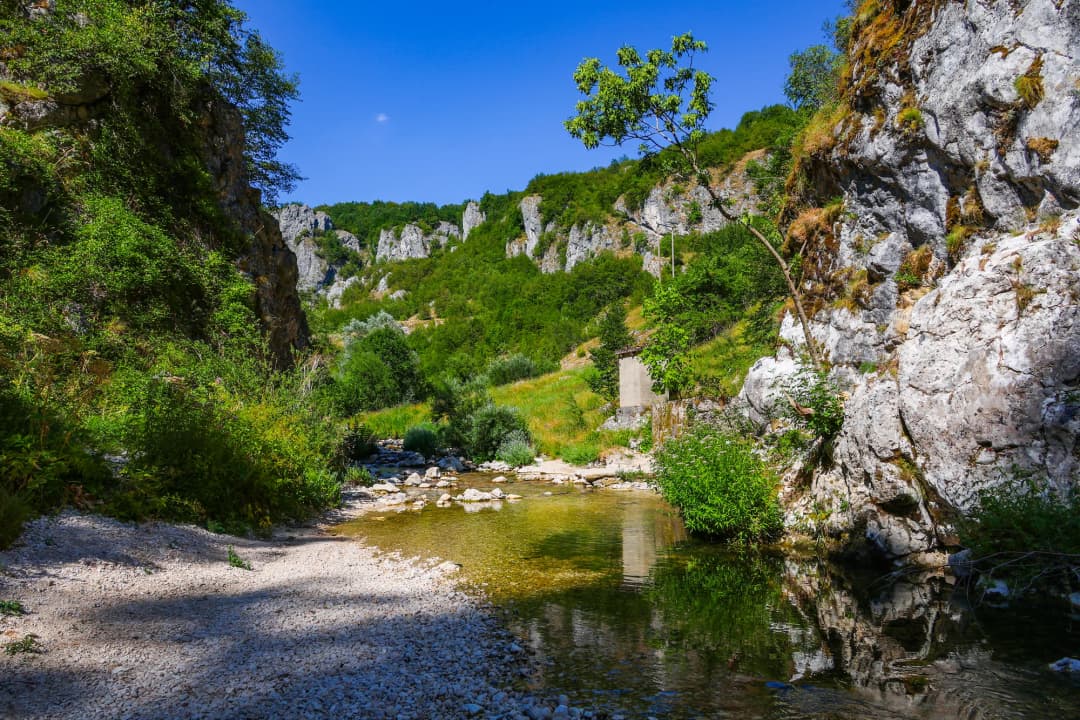
Lake Krupac, just 5 km south of the city centre, is Nikšić's favourite outdoor playground and one of the most popular recreation spots in inland Montenegro. The artificial lake, created in the 1950s, is surrounded by pebbly beaches, picnic areas, walking and cycling paths, and grassy banks ideal for lounging. In summer, locals swim, kayak, and stand-up paddleboard on the warm, calm water. Beach bars and small cafés operate seasonally along the shore.
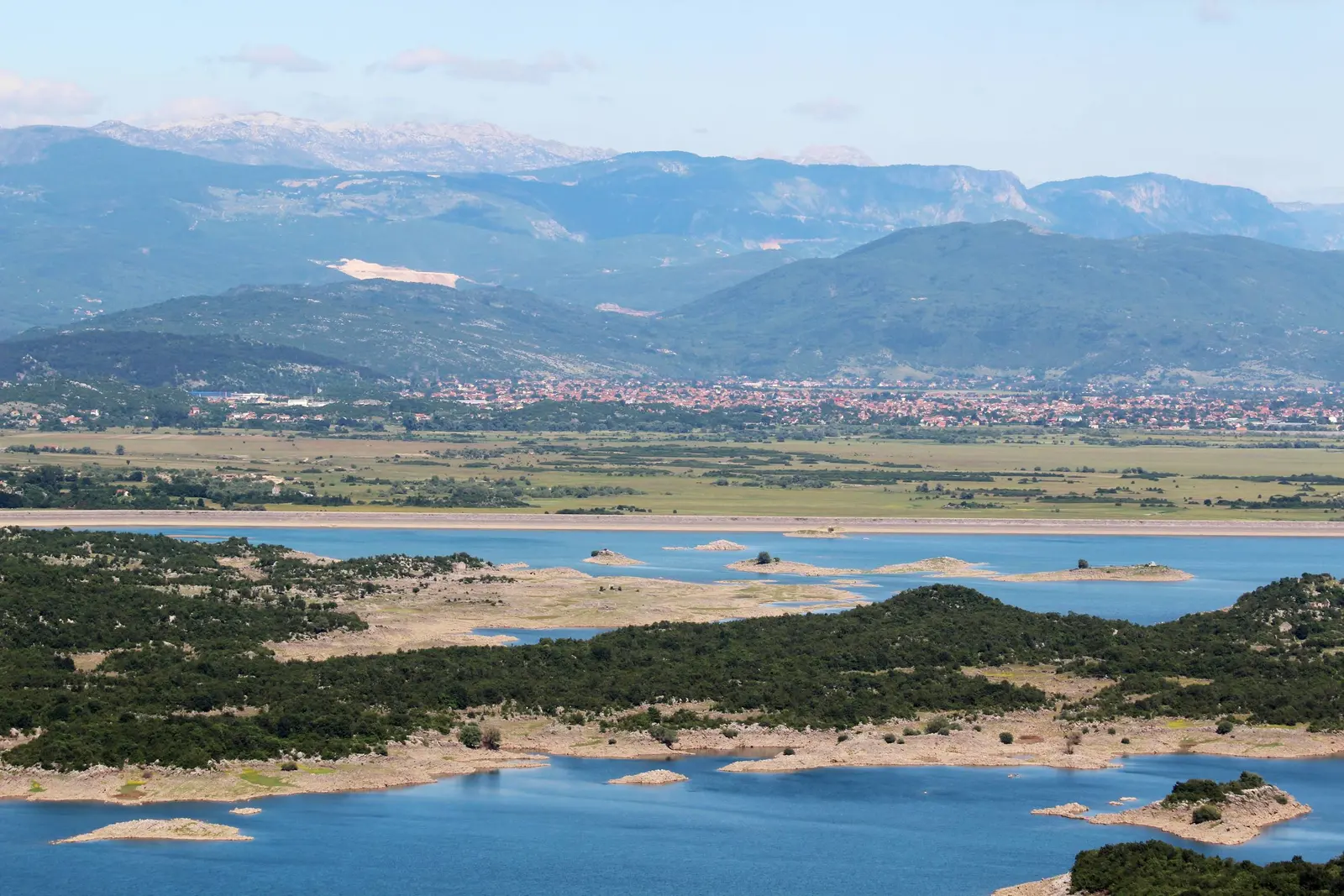
Beyond Krupac, two more lakes — Lake Slano (Slano Jezero) and Lake Liverovići — extend the chain of water through the karst plain. Together, the three lakes form a necklace of blue jewels in the otherwise arid limestone landscape. Lake Slano is quieter and larger, offering excellent fishing and peaceful walks. The road linking all three lakes makes for a lovely cycling route of approximately 15 km.
Trebjesa Hill and the Nikšić Brewery
Trebjesa is a forested hill overlooking the city from the north, topped with parkland, walking trails, and panoramic viewpoints that offer sweeping views across the Nikšić plain to the surrounding mountains. The park atop Trebjesa features ancient ruins, shaded benches, and a monument to the fallen of World War II. It is the locals' favourite spot for an evening walk or weekend picnic.
At the base of Trebjesa sits the legendary Trebjesa Brewery, home to Nikšićko Pivo since 1896. While the brewery doesn't run regular public tours, you can enjoy the freshest-possible Nikšićko at the beer garden nearby. Make sure to try the Nikšićko Tamno (dark beer) — a rich, malty lager that's harder to find outside the city and widely considered superior to the standard lager. The brewery also produces a craft-style wheat beer and seasonal specials.
King Nikola's Palace and Freedom Square
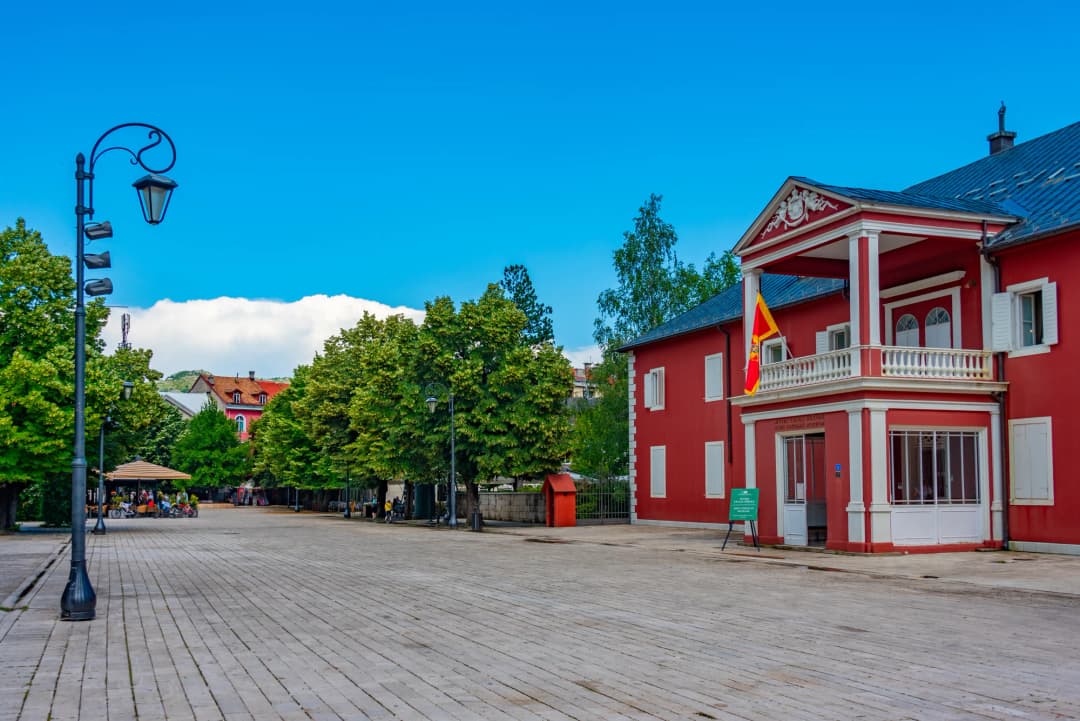
The city centre revolves around Freedom Square (Trg Slobode), a broad pedestrian area lined with cafés, shops, and plane trees. This is the social hub of Nikšić, where the evening korzo promenade draws families, couples, and groups of friends strolling, chatting, and consuming heroic quantities of ice cream.
Nearby, King Nikola's Palace — built in 1900 as a summer residence for the Montenegrin monarch — houses the Heritage Museum of Nikšić. The elegant neoclassical building contains period furnishings, royal portraits, military memorabilia, and exhibits on Nikšić's history from the Roman era through liberation from Ottoman rule. The Cathedral of St. Basil of Ostrog (Saborna Crkva), a striking Serbian Orthodox church built in 1900 with an imposing bell tower, stands prominently in the city centre and is well worth a visit for its interior frescoes.

Bedem Fortress
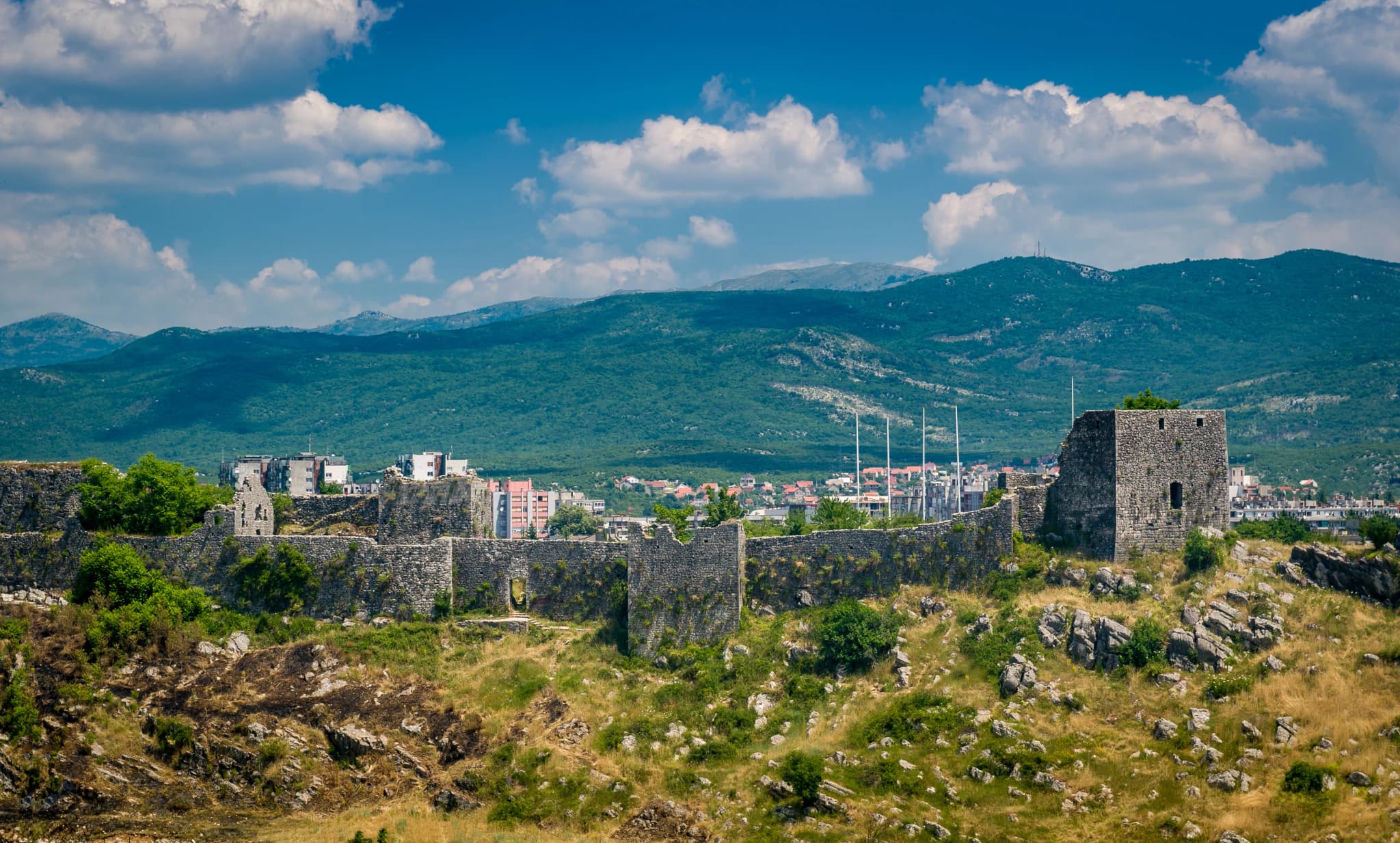
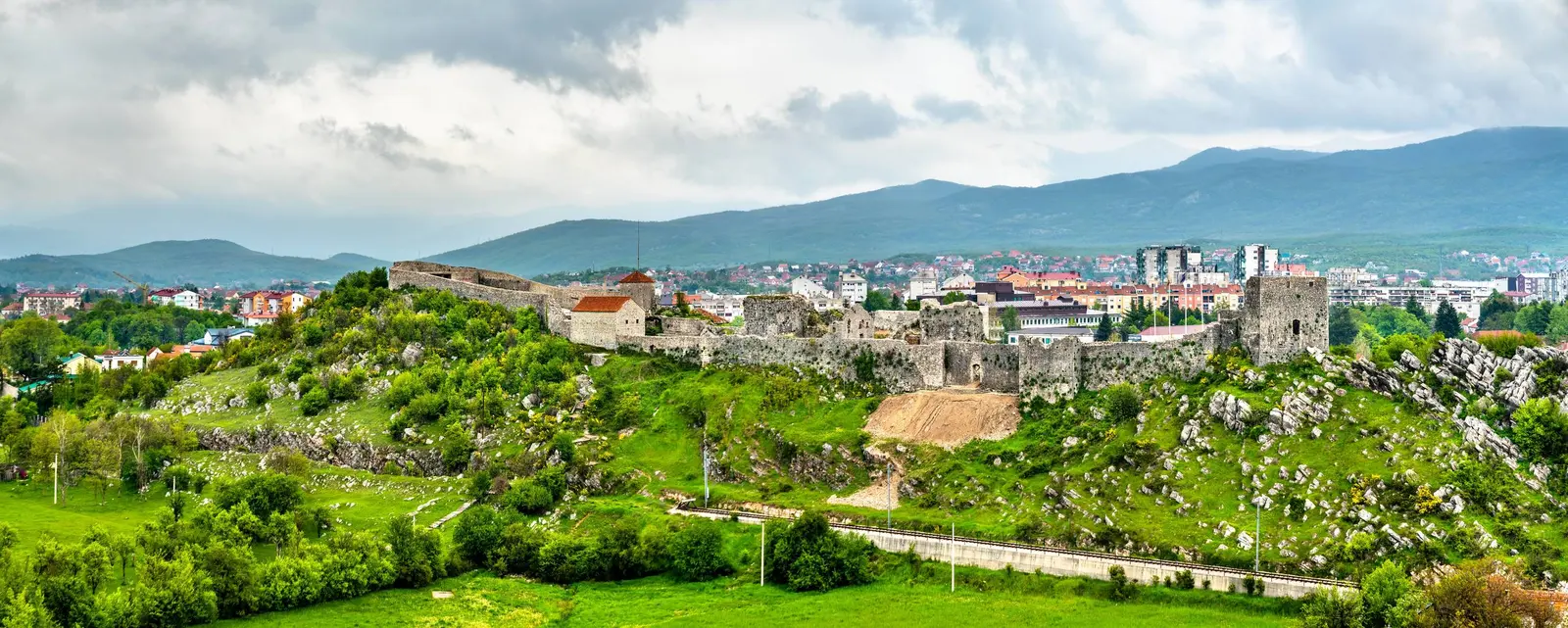
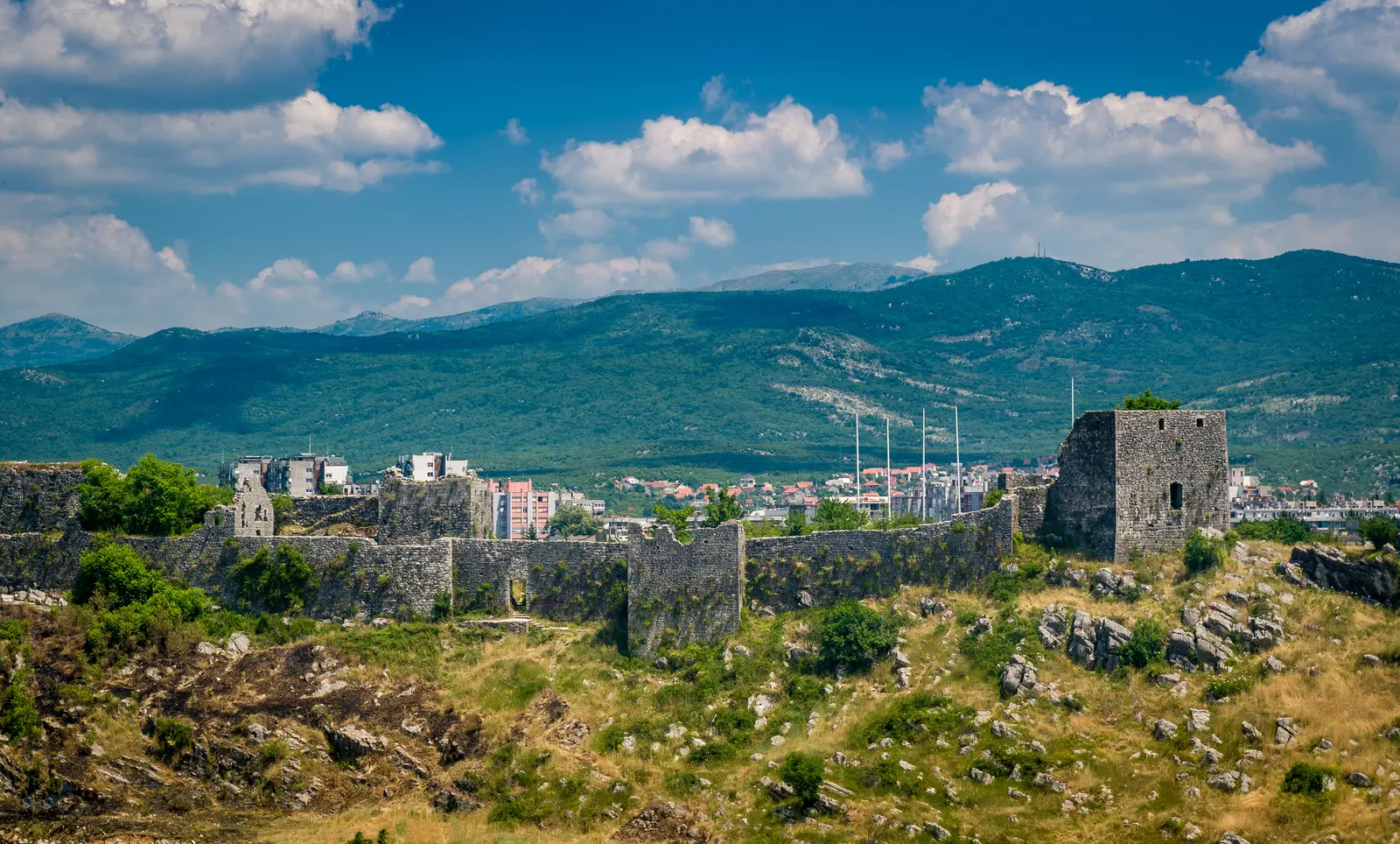
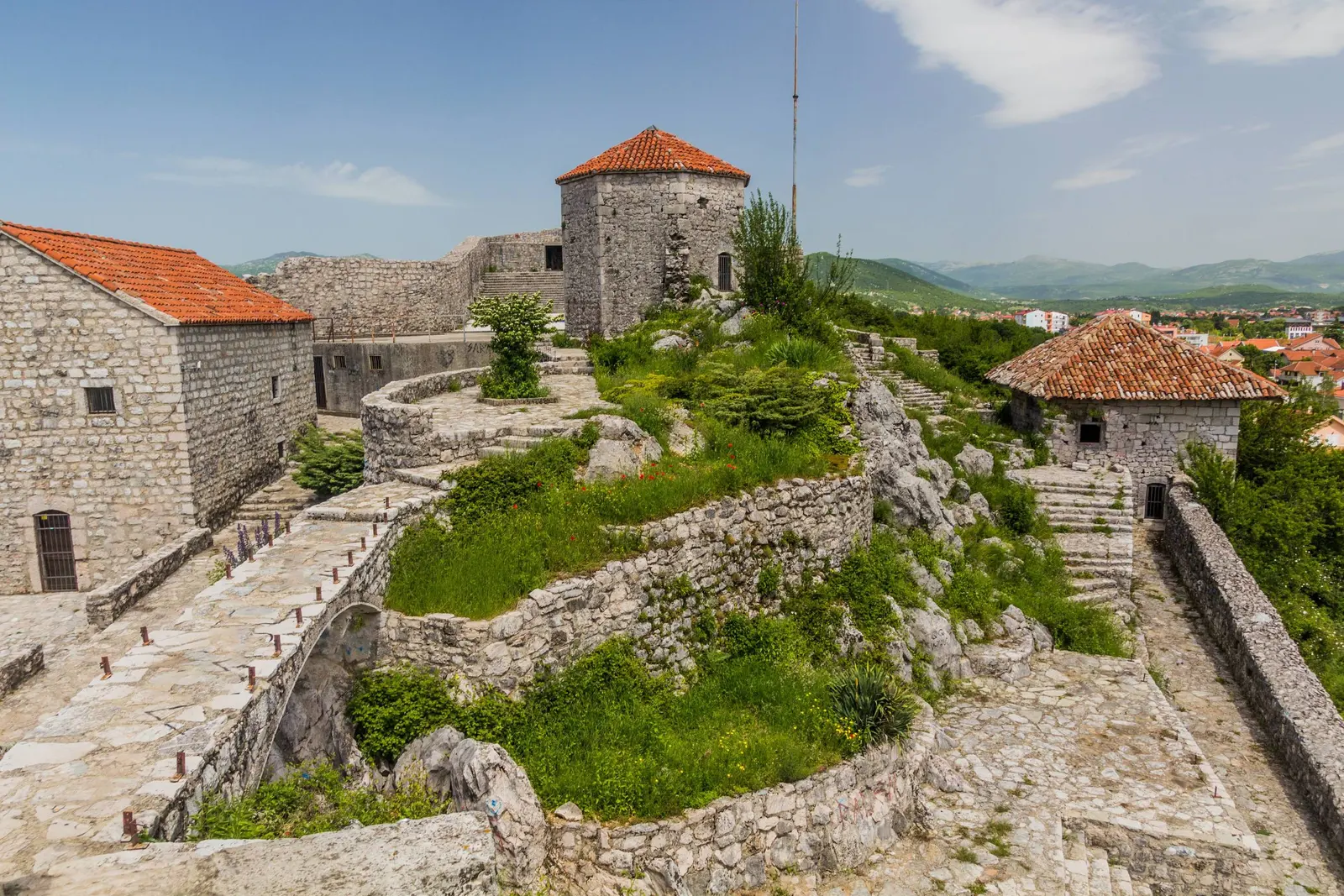
Perched on a rocky prominence at the western edge of the city, the Bedem Fortress dates to the Ottoman period and served as a military stronghold for over four centuries. Its sturdy walls and towers now enclose an atmospheric open-air venue that hosts the annual Lake Fest, one of Montenegro's biggest music festivals, drawing rock, alternative, and electronic acts from across the Balkans every July. Even outside festival season, the fortress is worth visiting for its views over the city and the surrounding mountain ring.
Lake Fest and Cultural Events
Lake Fest (Lake Fest), held each July within the walls of Bedem Fortress, is Nikšić's marquee event and one of the Balkans' best-regarded independent music festivals. The lineup typically features regional rock and alternative headliners alongside emerging acts, with a friendly, unpretentious atmosphere that reflects the city itself. Tickets are remarkably affordable compared to European festivals (often under 20 euros for a multi-day pass). The city also hosts the September Days of Nikšić cultural programme, featuring theatre, art exhibitions, and literary events.
Day Trips: Ostrog, Durmitor, and the Mountains
Nikšić's central location makes it an excellent base for exploring inland Montenegro. The famous Ostrog Monastery is just 35 km east (35 minutes by car) — easily doable as a half-day trip. The road to Žabljak and Durmitor National Park heads north through increasingly dramatic mountain scenery, reaching Durmitor in about 2 hours. Closer to home, hiking opportunities abound in the Vojnik mountain range to the north and the Lukavica highlands to the south, both offering uncrowded trails with sweeping views.
Day Trip Suggestions
Ostrog Monastery: The cliff-carved monastery of Saint Basil is one of the most important Orthodox pilgrimage sites in the Balkans. From Nikšić, take the road east through Bogetići — the drive through the Zeta valley is scenic and straightforward. Allow 2-3 hours for the visit including the walk between the Lower and Upper Monasteries.
Cetinje and Lovćen: Montenegro's historic royal capital Cetinje lies 50 km south of Nikšić, accessible via a beautiful road through the mountains. Combine it with a visit to Lovćen National Park and the Njegoš Mausoleum for a full-day excursion.

Piva Monastery and Lake: Drive north toward Šavnik and continue to the stunning turquoise Piva Lake, a 90-minute journey through some of Montenegro's wildest mountain scenery. Visit the relocated Piva Monastery with its remarkable 16th-century frescoes.
Where to Eat and Drink
Restoran Perjanički Dom — Located near Freedom Square, this traditional restaurant is a Nikšić institution. The menu features hearty Montenegrin classics: lamb under the bell (jagnjetina ispod sača), grilled meats, ćevapi, fresh salads, and local cheeses. Pair everything with a draught Nikšićko for the authentic experience. Prices are very reasonable — a full meal with drinks rarely exceeds 15 euros.
Onogošt — Named after the medieval settlement that preceded Nikšić, this restaurant offers a broader menu of Montenegrin and international dishes in a more refined setting. Their grilled trout, risotto, and ćevapi are particularly well-regarded. There is also a good selection of Montenegrin wines.
Café culture on Freedom Square — Nikšić's café scene is vibrant and deeply social. The cafés lining Freedom Square serve excellent espresso, cold beer, and light meals throughout the day. In summer, the outdoor terraces fill from mid-morning and stay buzzing until late evening. This is where the city's pulse is felt most strongly — sit down, order a kafa, and watch the world go by.
Craft beer scene: Beyond Nikšićko, the city has seen a small but growing craft beer movement. Several bars in the centre offer rotating craft selections alongside the ubiquitous national lager. Ask locals for the latest recommendations — the scene evolves quickly.
Where to Stay
Accommodation in Nikšić ranges from central hotels to modern apartments and lakeside guesthouses near Krupac. The city centre has a handful of well-maintained hotels and an increasing number of apartment rentals. For a different experience, consider accommodation near Lake Krupac, where several family-run guesthouses offer peace, nature, and lake access just minutes from town.
Budget options are plentiful, with apartment rentals typically costing 25-45 euros per night. Mid-range hotels in the centre offer comfortable rooms for 50-80 euros. For the best selection of vetted properties, browse montenegro.com and filter by the Nikšić area to find options that suit your travel style and budget.
Practical Tips
- Don't miss trying Nikšićko Tamno (dark beer) — it's harder to find outside the city and is considered the better brew by most locals. Ask for it at any bar.
- Lake Krupac can get crowded on summer weekends with local families; visit on weekday afternoons for a quieter experience and easier parking.
- If you're driving to Ostrog from Nikšić, fill up on fuel first — there are no petrol stations along the mountain road to the monastery.
- Nikšić's korzo (evening promenade) along the main pedestrian street is a lively social ritual. Join in around 7-8 PM for people-watching, ice cream, and a genuine taste of Montenegrin social life.
- The city is an excellent base for combining coast and mountain trips, being roughly equidistant from Kotor (90 km) and Žabljak (90 km).
- Nikšić is a student city, so nightlife on Thursday and Friday evenings is surprisingly lively. Several bars and clubs near the university district stay open late.
- The local market (pijaca) near the bus station sells fresh produce, cheese, honey, and homemade rakija — excellent for self-catering or picking up edible souvenirs.
- ATMs and pharmacies are readily available in the city centre. Credit cards are accepted at most restaurants and hotels but carry cash for smaller establishments and market vendors.
- Nikšić's elevation (630 m) means summer evenings can be pleasantly cool even when coastal cities swelter — bring a light jacket for after-dark dining.
First, understand the scale
MONSTAT’s final 2023 census gives Nikšić municipality 65,705 residents, or 10.54% of Montenegro’s population. That is a municipal total covering a much wider territory than the central streets. It explains why references to “Nikšić” may mean the compact city, the broad karst field or the entire municipality. It does not by itself prove a ranking among urban settlements.
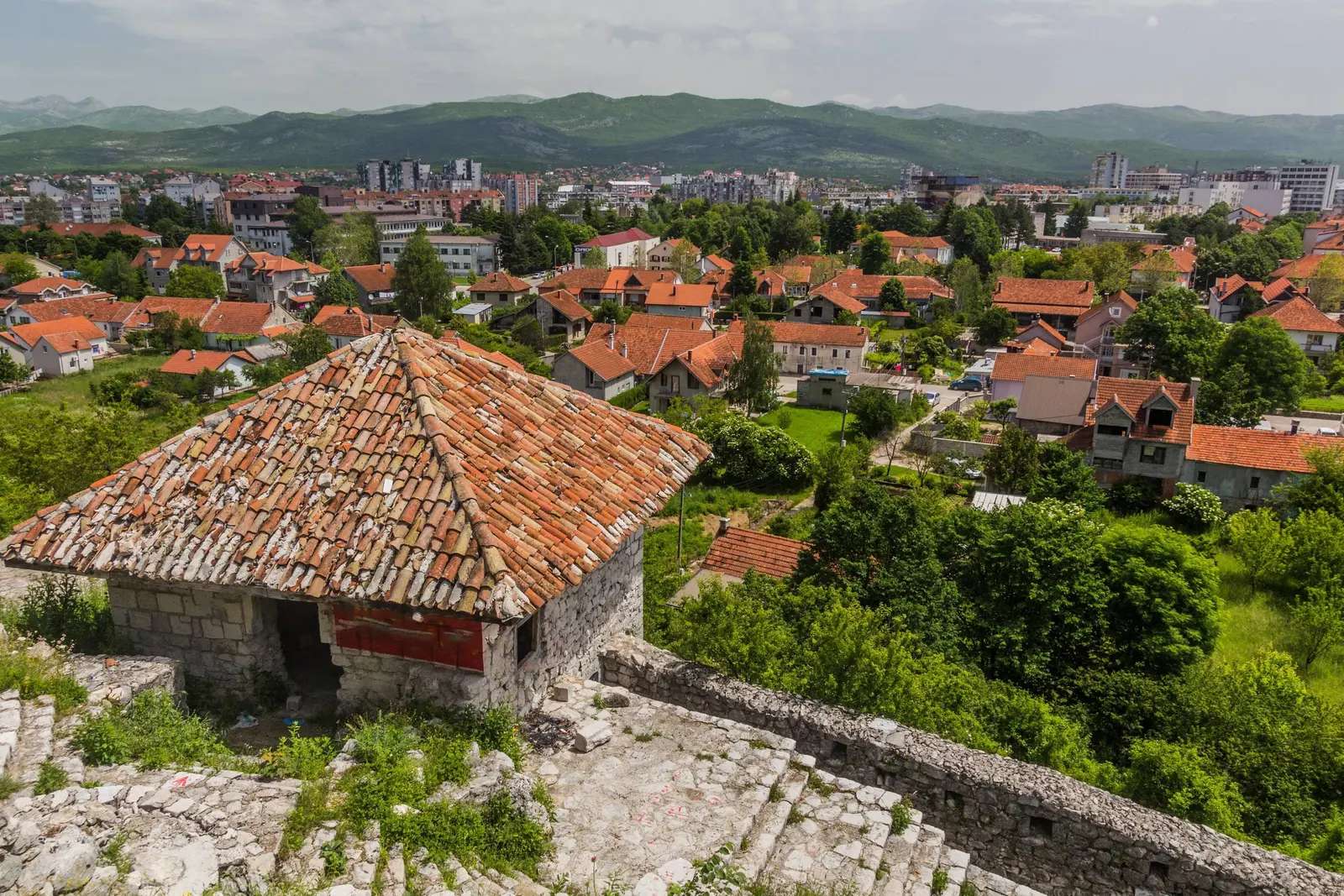
The official municipal overview places the city in Nikšić field and identifies road, rail and the Kapino Polje airfield as transport assets. For an ordinary visitor, however, the useful mental map is simpler: the planned central grid and Freedom Square; the museum-and-cathedral area southeast of it; Bedem to the west; Trebjesa to the east; and the Krupac, Slano and Vrtac reservoir landscape beyond the dense centre.
The central walk that makes sense
Begin at Freedom Square and allow time to look along the radiating streets before moving toward the cultural complex around King Nikola’s Palace and the Cathedral of Saint Basil of Ostrog. A University of Montenegro cultural-heritage study identifies the former palace as the home of the local museum and describes the nearby lapidarium as holding roughly forty stećak tombstones. These are useful anchors, but they are not permission to assume that every room, collection or stone is accessible whenever the grounds are open.
A 2026 Municipal Assembly agenda includes annual programmes for both the Tourism Organisation and Museums and Galleries of Nikšić. That confirms active public institutions, not visitor hours. Before building a journey around the museum interior, check the institution’s current notice or contact it directly. Ask three concrete questions: Is the museum open on the intended date? Which collections are accessible? Is there a guided visit, ticket or photography rule? This protects the plan from holidays, installation work and programme changes.
The cathedral is an active place of worship, so services and private devotion take priority. Dress and speak appropriately, avoid photographing people at prayer, and accept a closed door or restricted area without trying to turn it into a guaranteed attraction. The lapidarium likewise deserves attention as a heritage collection, not as seating or a climbing area.
| Step | Stop | Note |
|---|---|---|
| 1 | Freedom Square | Start point |
| 2 | Palace | Continue from square |
| 3 | Museum | Same core cluster |
| 4 | Cathedral | Core continues |
| 5 | Lapidarium | End of core |
| 6 | Choose: Bedem or Trebjesa | One landscape, not both automatically |
Source: niksic.me, ucg.ac.me
Bedem: visit the ruin as a ruin
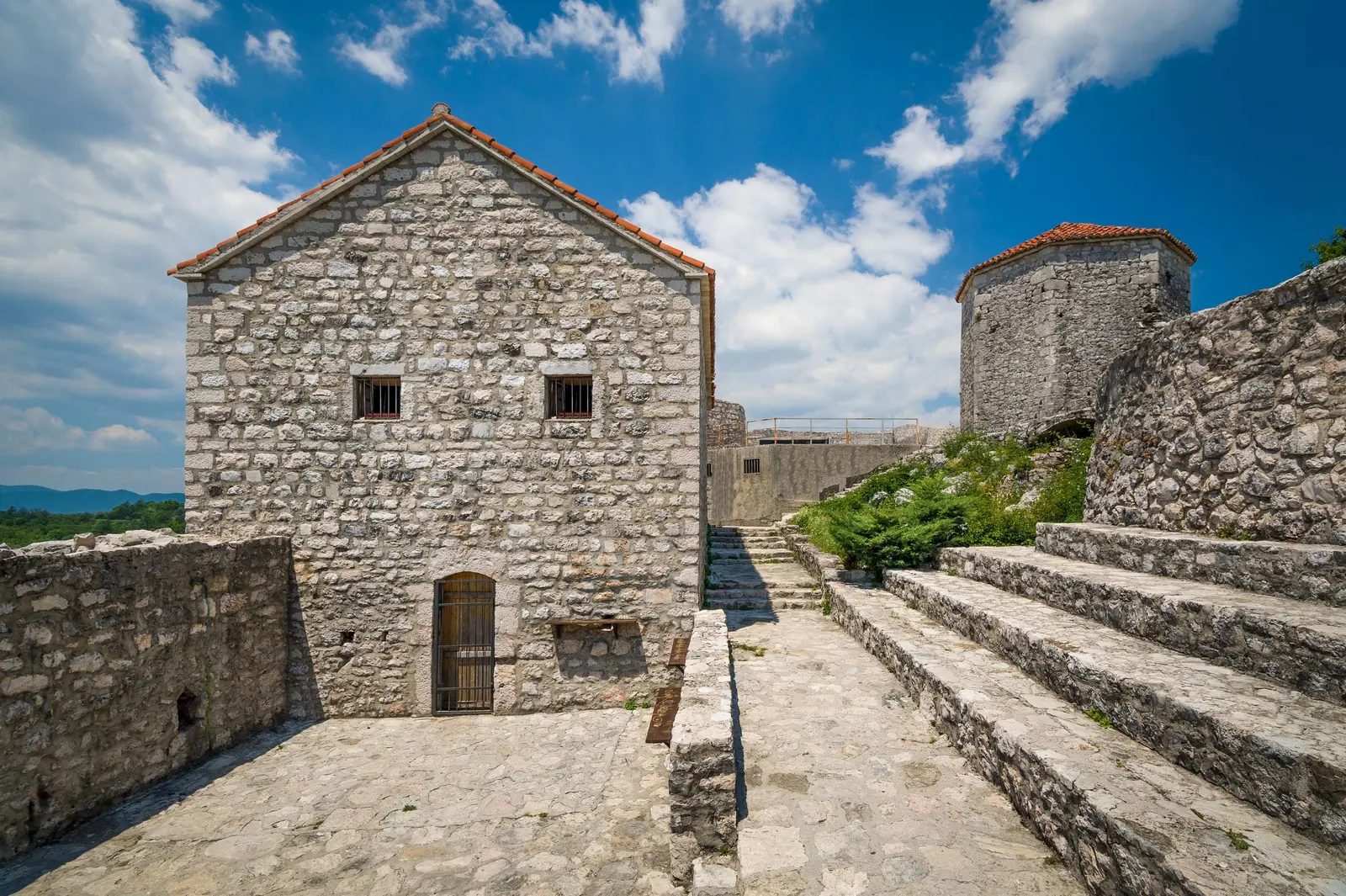
Bedem is the most legible historical structure near the centre, but it should be approached as an exposed ruin rather than a managed indoor attraction. Stone can be uneven or loose; stairs may lack consistent handrails; edges, openings, heat, ice and rain can change the risk quickly. Do not infer safe access from an archive photograph or from seeing another person on a wall.
Use daylight, stable footwear and the established approach. If a gate, barrier or sign limits access, turn back. Avoid climbing masonry, moving stones or taking an improvised shortcut through vegetation. Families should keep children beside an adult around steps and drops. Visitors who need a predictable, step-free surface should treat the exterior viewpoint as the optional endpoint unless a current local source confirms more.
| Check | What it means | If no |
|---|---|---|
| Daylight? | Enough to return | One no = use the exterior view |
| Dry & stable? | Surface and weather | One no = use the exterior view |
| Equipped? | Shoes, water, capacity | One no = use the exterior view |
| Open route? | Signs and barriers obeyed | One no = use the exterior view |
Montenegro.com editorial safety framework; not an official access notice.
Trebjesa: protected landscape, not city park furniture
East of the centre, Trebjesa offers a different type of visit. Montenegro’s Environmental Protection Agency records it as a protected Landscape of Outstanding Features covering 159 hectares. That designation is more precise than calling it merely a park or viewpoint. The national tourism portal also lists Trebjesa as a Nikšić point of interest, but promotional visibility does not certify every trail or facility.
Stay on clear paths, carry out waste and leave plants, fungi and rock features in place. Do not interpret the presence of nearby streets or buildings as permission to cycle, park, light a fire or use a drone anywhere convenient. Conditions can vary between a surfaced urban approach and narrower hillside paths. A visitor with mobility, heat or balance concerns should ask locally about the exact route rather than treating “Trebjesa” as one uniform surface.
| Point | Detail |
|---|---|
| Status | Trebjesa is a protected landscape |
| Officially recorded area | 159 ha |
| Routes | Use clear, appropriate routes |
| Natural material | Leave plants and features |
| Before going | Recheck weather and access |
Source: epa.org.me, montenegro.travel
Krupac, Slano and Vrtac: three names, several decisions
The national tourism organisation’s birdwatching guidance includes Krupac, Slano and Vrtac in the Nikšić field reservoir area. That is a sound basis for treating the water bodies as connected habitat and landscape. It is not evidence that every bank is a public beach, every access road is open, or the water is safe for swimming.
Water levels can alter the distance to shore, expose mud or rocks and make an archive view misleading. Before entering the water, look for current local signs and ask whether bathing is permitted and monitored at that exact sector. Check weather, water quality advice, depth changes, boat activity and the route back from the shore. Never assume that a quiet bank has rescue cover. For birdwatching, keep distance, limit noise and avoid pushing into reed or nesting areas for a photograph.
| Decision | Check 1 | Check 2 | Check 3 |
|---|---|---|---|
| Landscape | Viewpoint and route | Shoreline and weather | Current access |
| Wildlife | Distance and quiet | No nest disturbance | Optics over approach |
| Swimming | Permission and signs | Quality and depth | Rescue provision |
Source: montenegro.travel
Getting there without freezing a timetable
Nikšić has a direct local rail connection with Podgorica. The national operator says its 2025/2026 timetable is valid from 14 December 2025 to 12 December 2026. When researched, the official local timetable showed several daily direct departures and journeys of about 66–67 minutes, while the fare page listed €3.20 for a regular second-class ticket. Those figures are a current planning reference, not a permanent schedule or price guarantee.
Recheck the operator on the travel date, paying attention to direction, weekday, effective date and notices. Confirm the last realistic return before leaving Podgorica; do not plan around the theoretical final service if missing it would create a serious problem. Nikšić station’s published contact is +382 40 211 912. Build transfer time between the station and the first timed activity.
Driving offers more flexibility for Trebjesa or a reservoir, but it does not guarantee parking near the preferred point. Keep the central walk and the landscape leg separable. That way a closure, weather change or full parking area removes one component rather than breaking the whole day. Nikšić can also be a useful inland component of a seven-day Montenegro itinerary, particularly when coastal congestion would make a same-day out-and-back fragile.
| Pass | Check | Published snapshot |
|---|---|---|
| 1 | Effective dates | Roughly 66–67 minutes |
| 2 | Direction and day | €3.20 regular second class when checked |
| 3 | Current notices | Disruptions and amendments can change |
| 4 | Return margin | Recheck before purchase; fare conditions can change |
Source: zpcg.me
Keep Ostrog as a separate journey
Ostrog Monastery is often marketed as “near Nikšić,” but its access, pilgrimage rhythms and sacred character make it a separate planning problem. Do not bolt it onto the end of a full Nikšić day without confirming transport and remaining daylight. Our current Ostrog access, etiquette and safety guide handles the practical visit, while the Ostrog pilgrimage archive preserves a historical travel perspective. Neither should be read as a promise that a particular road, shuttle or interior is available today.
Visitors should treat worshippers respectfully, follow posted clothing and photography rules and avoid sensational claims about belief or local behaviour. If the monastery is the day’s fixed priority, plan Nikšić as a modest central stop rather than sacrificing the return margin.
The five-minute check before leaving
Open the railway operator’s live page if travelling by train. Confirm the museum directly if it is essential. Check local weather for exposed ruins and hill paths. Choose the exact reservoir sector rather than navigating to a water-body name. Finally, keep one component optional. Nikšić is most rewarding when its generous scale produces breathing room, not when every nearby label becomes an obligation.
First correction: city, settlement and municipality are not synonyms
What the sources say
MONSTAT’s final 2023 census release places Nikšić second among Montenegro’s municipalities by population, behind Podgorica. Its total is 65,705. In the agency’s separate settlement workbook, the row for the settlement named Nikšić contains 32,046. The remaining 33,659 people lived in other named settlements across the large municipality. That is why a promotional phrase such as “Montenegro’s second city” cannot substitute for a geographic definition.
The two official files also explain why this article does not draw a dramatic multi-decade population chart. A historic “urban” total and today’s settlement row are not automatically comparable unless the boundary definitions are reconciled. The honest snapshot is the one the census actually provides, with both units labelled.
Anderba, Anagastum, Onogošt: names do not prove one fixed site
Accounts of Nikšić often line up several names—Anderba, Anagastum and Onogošt—and present them as successive labels for exactly the same fortress. That is a useful memory device, but it outruns the archaeology. Bedem certainly holds medieval, Ottoman and modern significance. What remains unresolved is the exact relationship between those layers and the Roman-period settlement in the wider field.
The best current corrective comes from work reported in April 2026 below Bedem, in part of the former Lower Town. The project was commissioned under Montenegro’s heritage-protection process and conducted by JU Muzeji i galerije Nikšić. According to the project lead, the excavation identified eighteenth- and nineteenth-century Ottoman remains: foundations, a workshop associated with leather processing, drainage infrastructure, a well and pipes. It did not find a Roman layer in that tested area.
That negative finding has a precise meaning. It weakens the simple claim that the excavated Lower Town was Roman Anderba; it does not show that Roman settlement was absent from the entire Nikšić field. The archaeologist described Ozrinići and Moštanica as current areas of interest in the search. Those are hypotheses, not a new final location. The same report says important parts of Bedem remain unexcavated and asks whether the medieval town occupied another side of the fortress.
| Layer | What the 2026 excavation established |
|---|---|
| Ancient Anderba | Not found in the tested Lower Town area; wider-field search continues |
| Medieval Onogošt | Historically tied to the fortress; substantial questions and untested areas remain |
| Ottoman Lower Town | Eighteenth- and nineteenth-century structures confirmed in the 2026 excavation |
Source: onogost.me
For visitors, the uncertainty adds value rather than taking it away. Bedem is not a stage set with a finished label. It is an active heritage problem. Stay on open surfaces, keep clear of fenced or excavated ground, and do not remove stone or pottery. Repairs and events have altered parts of the site, so modern interventions should not be mistaken for original fabric.
1877 and 1883: a town deliberately redrawn
Montenegrin forces took Nikšić from Ottoman control in 1877, when Nikola Petrović-Njegoš was still Prince Nikola. The title matters: calling him “King” in the event itself projects a later rank backward. The political change was followed by an unusually legible act of city making.
Architect and engineer Josip Slade Šilović prepared Nikšić’s first regulatory plan in 1883. A 2024 peer-reviewed planning study describes its radial logic and says the city developed according to it until the Second World War. Streets fan from the central square, while rings and cross-connections organize movement around it. The plan did not preserve the Ottoman lower town as a museum quarter; the 2026 excavation report says stone from demolished structures was reused in the new city.
| Relationship | What to look for |
|---|---|
| 1 | Streets radiate from the civic centre (central square) |
| 2 | Cross-streets connect the spokes |
| 3 | Later plans extend the same city |
| Caveat | Schematic only—not a navigation map |
Source: hrcak.srce.hr
Two later Croatian-led planning episodes carried the city into its industrial era. Josip Seissel directed the 1954–58 plan, and another plan produced in 1984 was adopted in 1986. The study treats all three—not Slade alone—as contributors to Nikšić’s distinctive urban identity. The radial core is therefore a beginning, not the whole finished city.
The palace and the civic ensemble
At the opposite end of a historical walk, King Nikola’s Palace shows how the planned town acquired representative institutions. Visit Nikšić dates the neo-Renaissance building to 1900 and attributes it to Slade. It was built for the Montenegrin court, later served as a grammar school and elementary school, and became home to museum, gallery, library and archive functions. The neighbouring Cathedral Church of St Basil of Ostrog, parks and the Trebjesa landscape make the area an ensemble rather than an isolated monument.
The palace is not merely a former museum address frozen in an old guide. Exhibition reporting in 2026 confirms active cultural use. That does not guarantee that every collection, room or institution is accessible on any chosen day. Check the dated programme locally; treat an exterior view and the surrounding public space as the dependable part of the walk.
Beer and steel: a slogan with two timelines
“The city of beer and steel” is not wrong, but it becomes misleading when treated as a current economic balance sheet. Beer belongs to a commercial history beginning in the principality. Steel belongs above all to socialist industrialisation. Their institutions changed ownership, scale and purpose at different times.
Trebjesa’s own history starts the city’s brewing tradition in 1896, when Vuko Jankov Krivokapić established the Onogošt brewery with Prince Nikola’s approval. It then distinguishes a new brewery founded in 1908 by local merchants and craftspeople; that enterprise supplied the Trebjesa name retained today. The careful formulation is therefore “brewing in Nikšić since 1896,” not “the present Trebjesa company was founded in 1896.”
The ironworks story begins at a different scale. An academic history records a government decision in December 1950, construction from February 1951, initial cold-rolling production in December 1956 and completion in 1961. Employment rose from 628 workers at the initial stage to 2,222 in 1957. Those jobs accelerated migration, housing and urban growth; they help explain why the old radial town became a major Yugoslav industrial centre.
That history cannot simply be carried into the present tense. A January 2023 Government account describes the newly formed EPCG–Željezara and an adopted business plan with solar, substructure and construction units. The announcement records a proposed transition, not a guarantee about present production or employment. “Steel” remains essential to the city’s identity even where the operating model has changed.
| Industry | Year | Milestone |
|---|---|---|
| Beer | 1896 | Onogošt brewery |
| Beer | 1908 | New Trebjesa brewery |
| Beer | Today | Name survives |
| Steel | 1950 | Decision |
| Steel | 1956 | Initial production |
| Steel | 1961 | Build completed |
| Steel | 2023 | EPCG transition |
Source: pivaratrebjesa.com, istorijskizapisi.me, gov.me
How Nikšić became a university and cultural centre
The inherited article’s description of Nikšić as a university centre is supportable, but its institutional lineage needs precision. The Higher Pedagogical School opened in Cetinje in 1947. In 1963, the Pedagogical Academy was established in Nikšić by combining that school with Nikšić’s teacher-training institution. It became the Teachers’ Faculty in 1977 and the Faculty of Philosophy in 1988. Nikšić’s higher-education identity is therefore rooted in teacher education and developed over several reorganisations, not in a single university foundation.
Museum history follows its own institutional path. The palace now supports museum and gallery functions, while the independent public institution Muzeji i galerije led the 2026 archaeological project at Bedem. The connection is unusually direct: the city’s cultural institution is not only exhibiting the past but producing new evidence about it.
For comparison with another inland town where religious buildings and literary memory structure a compact walk, see our Bijelo Polje cultural walk. Nikšić’s equivalent story is more visibly about planned streets, industry and the repeated reuse of institutions.
Practical heritage walk: read the layers in order
This sequence is deliberately short on fixed minutes. Walking time depends on your starting point, stops, heat, street works and access at Bedem. Use a current map and arrange the order around daylight and any palace programme.
- Begin at Bedem. Read the fortress as a research site, not a single Roman label. Compare the upper walls with the lower ground where the Ottoman town extended. Wear shoes with grip; expect irregular stone, steps and exposed edges. Do not enter work areas.
- Move toward Freedom Square. Pause before arriving and observe how more than one street converges. From the square, look outward along several spokes and notice the cross-connections. This is the clearest everyday experience of the 1883 plan.
- Follow the civic axis toward the palace area. King Nikola’s Palace, the cathedral, park space and the edge of Trebjesa express the representative city built after 1877. Treat any interior visit as programme-dependent.
- Finish by distinguishing view from evidence. Bedem explains the older stronghold; the radial streets explain political redesign; later neighbourhoods explain industrial growth. No single viewpoint contains the whole history.
If Nikšić is a day trip, review the current Montenegro transport guide. The summer 2026 official timetable listed local trains between Podgorica and Nikšić, generally taking a little over an hour, but that timetable expires on 14 September 2026. It does not show a direct train from Nikšić to Belgrade. Recheck the operator for your date; for an early connection or late return, compare a night in the capital using our Podgorica area guide.
Ostrog is a separate visit, not a footnote to a city walk. Use the Ostrog pilgrimage route and etiquette guide before going, especially if a religious feast could affect traffic and access. Northbound plans require another reset of expectations: the Durmitor spring-thaw guide explains why mountain conditions do not follow city weather, while the Žabljak and Durmitor guide handles the wider stay.
A Brief History of Nikšić
The Nikšić area has been inhabited since prehistoric times, with traces of Illyrian settlements found throughout the surrounding karst plain. The Romans established a significant presence here, and the town of Anagastum (later Onogošt) served as an important waypoint on the road between the Adriatic coast and the interior. Ruins of the Roman-era town are still visible, and archaeological finds from the period are displayed in the local museum.
Under Ottoman rule from 1455 to 1877, the town was a fortified garrison point known as Onogošt. The Bedem Fortress, which still dominates the city's skyline, was built and expanded during this period. The liberation of Nikšić from Ottoman control on September 21, 1877, was one of the defining moments of Montenegrin independence and is still celebrated as a city holiday. Prince Nikola I invested heavily in the town's development afterward, building the palace, cathedral, and modern infrastructure.
During the Yugoslav era, Nikšić was heavily industrialised, becoming Montenegro's steel and manufacturing centre. The Nikšić Steelworks, employing thousands of workers, drove the city's growth. After Yugoslavia's dissolution and the economic upheaval of the 1990s, Nikšić reinvented itself as a university city and cultural centre. Today it is home to the University of Montenegro's faculties of philosophy, physical education, and other disciplines, giving the city a youthful energy with approximately 4,000 students.