“All seasons” is easy to print in a hotel brochure and harder to prove across a town. Kolašin has winter lifts, summer mountain access, a national park nearby and an expanding accommodation market. It also has short stays, weather exposure and infrastructure still being built. This report tests the year-round claim against monthly demand and operating evidence rather than repeating the 2017 promotion it replaces.
| System | What it covers |
|---|---|
| Town services | Beds, food, guides |
| Mountain access | Lifts, trails, safety |
| Protected nature | Rules, capacity, care |
| Reliable mobility | Roads, rail, transfers |
| If one link fails | “Year-round” becomes a marketing phrase rather than a dependable trip |
Editorial synthesis of the official summer-season programme and destination offer
A destination claim, not a hotel slogan
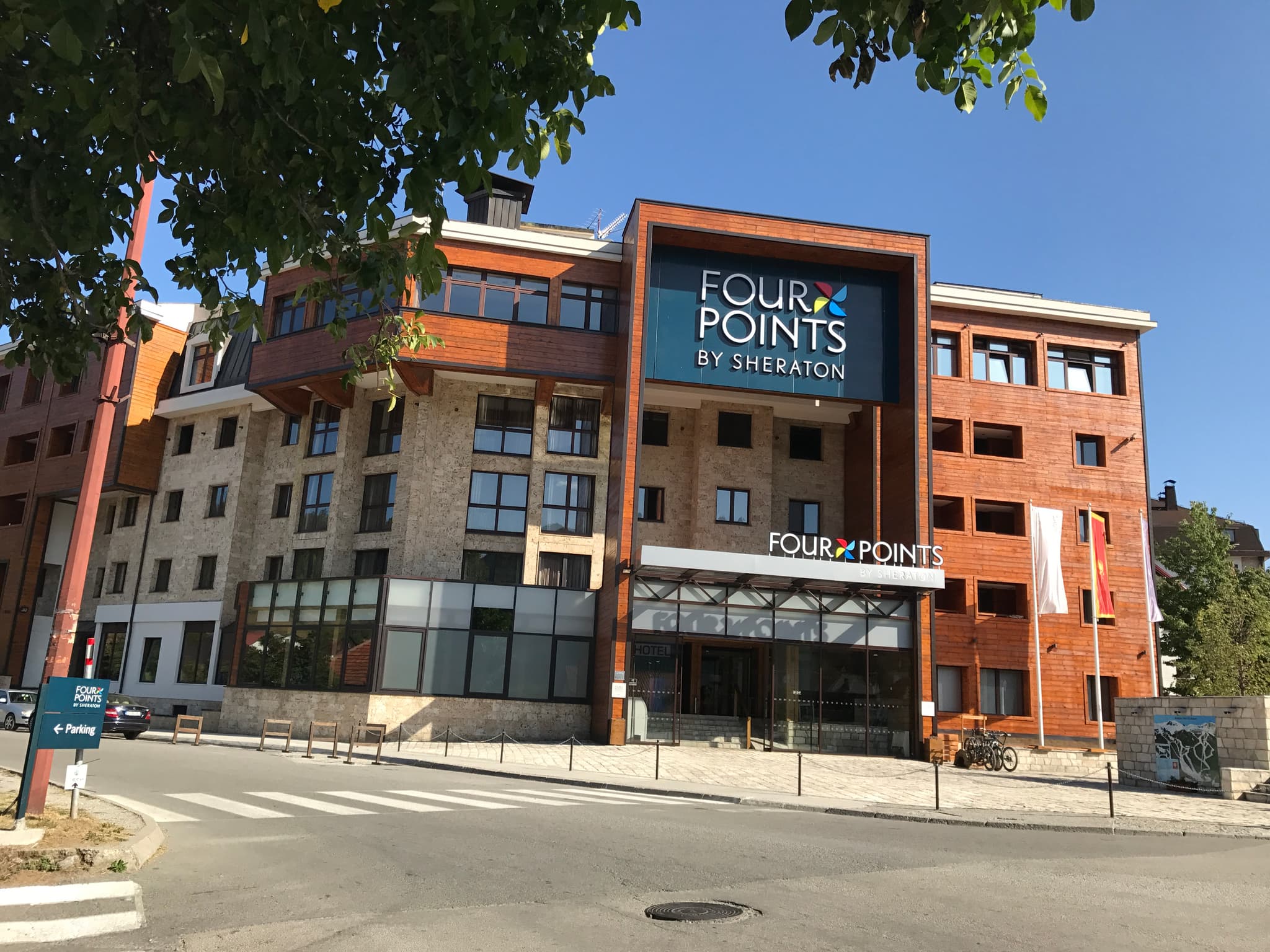
The inherited article made one hotel carry the argument. It said the newly opened Four Points by Sheraton Kolašin was accessible for twelve months, then listed rooms, restaurants and a spa. That property later closed. Our separate Four Points booking-status audit examines the evidence and explains why old brand pages cannot be treated as current inventory.
Kolašin's broader case did not close with the hotel. A four-season destination can survive the loss of one operator if demand is distributed across accommodation, public infrastructure and activities that do not all depend on snow. The correct questions are therefore municipal: do visitors sleep in Kolašin outside winter, how long do they stay, what operates in summer and autumn, and which gaps still make the product fragile?
This is not a general list of sights. The complete Kolašin guide handles orientation, transport and attractions. Here the narrower task is measurement. The evidence supports a real multi-season market, but not twelve interchangeable months.
What five months of official data reveal
MONSTAT's municipal tables offer the cleanest public comparison, with an important limit: they cover collective accommodation such as hotels, hostels and tourist resorts, not privately rented houses, rooms and apartments. The figures below therefore measure a consistent segment of demand, not every guest in the municipality.
| Month | Arrivals | Overnight stays | Nights per arrival | Share of Montenegro nights |
|---|---|---|---|---|
| January | 4,861 | 10,930 | 2.25 | 14.8% |
| March | 1,431 | 2,989 | 2.09 | 2.3% |
| May | 5,072 | 8,443 | 1.66 | 1.7% |
| August | 5,893 | 12,987 | 2.20 | 1.2% |
| October | 4,853 | 8,400 | 1.73 | 2.2% |
Source: Statistical Office of Montenegro monthly releases. Nights per arrival is this article's calculation, rounded to two decimals. Selected months diagnose seasonality; they are not an annual total.
January gives Kolašin unusual national weight: its 10,930 nights were 14.8% of all Montenegro collective-accommodation nights that month. August is the opposite story. Kolašin recorded more nights—12,987—but only 1.2% of the national total because the coast expanded much faster. Market share says where Montenegro's visitors concentrated; the absolute count says whether Kolašin had customers. Both are true.
March is the warning. It had fewer than 3,000 nights, less than one quarter of August's level. May and October recovered to roughly 8,400 nights each, showing that non-winter demand is not confined to July and August. Yet the implied stay in May and October remained below two nights. The commercial challenge is not simply attracting arrivals; it is turning a mountain stop into a longer itinerary.
Winter is the anchor—and the exposure
| Stage | What it means |
|---|---|
| Tender | Planned capacity |
| Installed | Physical system |
| Commissioned | Tested operations |
| Today | Open terrain |
| Traveler rule | Use dated resort operations as the final signal, never the procurement notice alone |
Infrastructure procurement is not the same as an open, skiable run
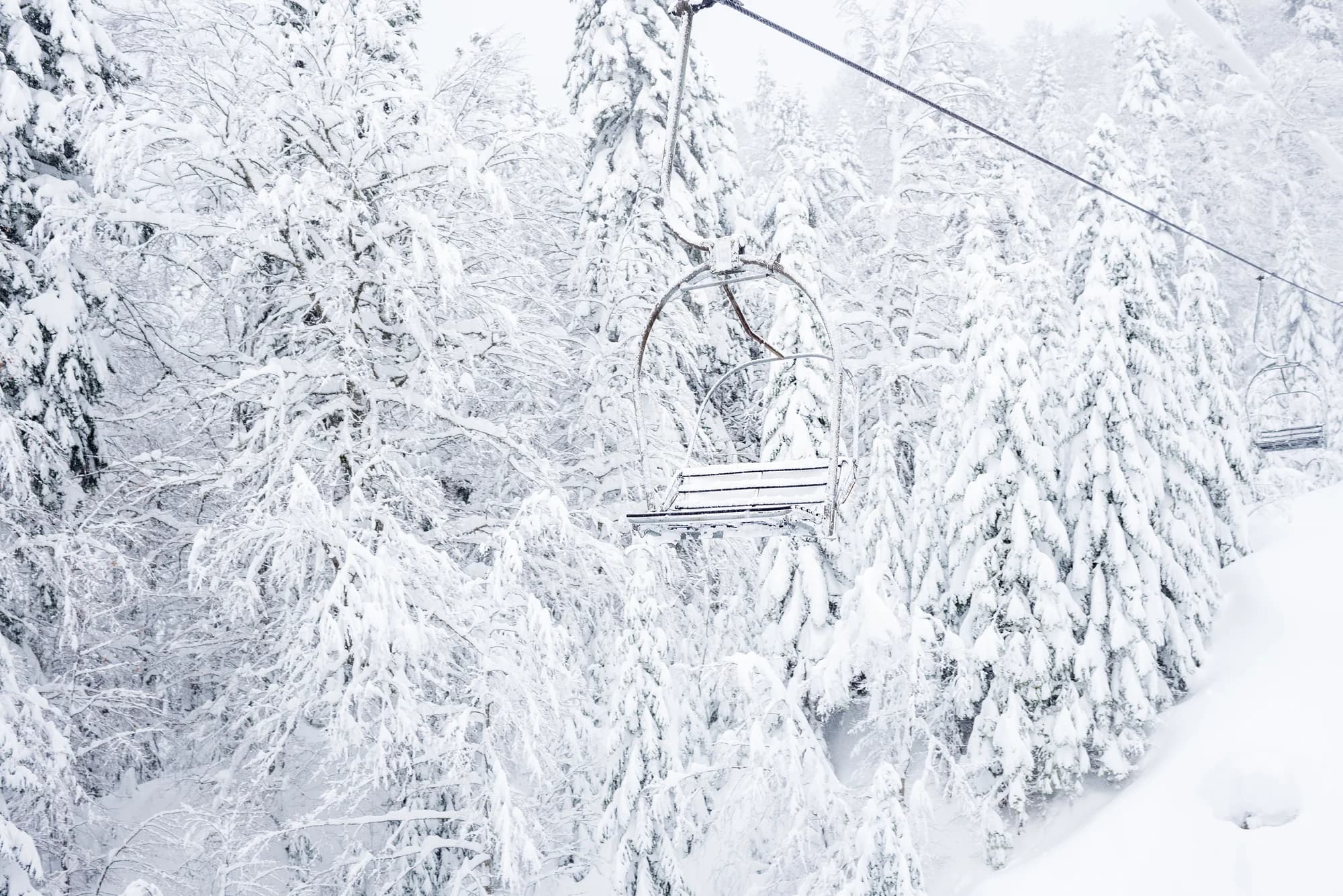
Winter still anchors the destination brand. On 31 January 2026, the Government of Montenegro reported about 10,000 ski tickets and 2,000 panoramic-ride tickets sold at Kolašin 1600. At that point eight pistes, the Sidro and Tanjir lifts and a beginner conveyor were operating. Those are useful operating facts, but they are a dated snapshot, not a promise about the next week or a final season result.
The state's investment documents also require careful verbs. A report covering July–December 2025 describes the K7 link between Kolašin 1600 and Kolašin 1450, associated pistes, water supply and snowmaking as parts of an ongoing second phase. A July 2026 procurement concerns the design and construction of artificial reservoirs and pipelines for snowmaking. Procurement is progress; it is not proof that a complete system is commissioned.
That distinction matters to travelers and investors alike. More lifts do not create snow. Snowmaking can reduce some volatility, but it still needs water, suitable temperatures, power, completed distribution and operating decisions. Anyone planning primarily to ski should use the Montenegro winter guide for seasonal context, then confirm same-day lift and piste status directly.
Summer is no longer a side business
| Trip-operating test | Protection test |
|---|---|
| Road and gate status | Zoning and permitted use |
| Seasonal services | Visitor pressure |
| Weather and daylight | Habitat protection |
| Current park guidance | Waste and trail impact |
Access must work; conservation limits still govern the experience. The responsible plan passes both tests; availability does not override park rules.
The August data are the strongest rebuttal to the idea that Kolašin is merely a ski stop. Collective accommodation recorded almost 13,000 nights. The mountain centre has also been marketed as summer infrastructure: at the June 2025 opening, the tourism minister rode the chairlift and announced investment, new lifts and future snowmaking. She said mountain centres had 46% more visitors and 35% more collective-accommodation nights than in 2024, while Kolašin had 8.7% more guests and more than 12% more nights. The article did not define the precise comparison period, so those percentages are best treated as attributed direction, not a substitute for the monthly tables.
The product is broader than a scenic lift ride. Bjelasica supports walking and cycling; the official destination portal promotes organized hiking, winter sports and Biogradska Gora. The national park's 2026–2030 management-plan draft says its visitor centre at Biogradsko Lake provides daily information during the summer tourism season. For trail selection and safety, our Montenegro hiking guide handles grading and preparation, while the Biogradsko Lake guide focuses on the park visit.
Summer's weakness is fragmentation. A guest must connect a town bed, road transfer, lift or trail, park information, meals and weather into one trip. When those pieces are sold separately, day visitors may arrive without staying. Kolašin's short average stays suggest that packaging a second full day—rather than adding another attraction—is the more valuable move.
The shoulder-season opportunity is specific
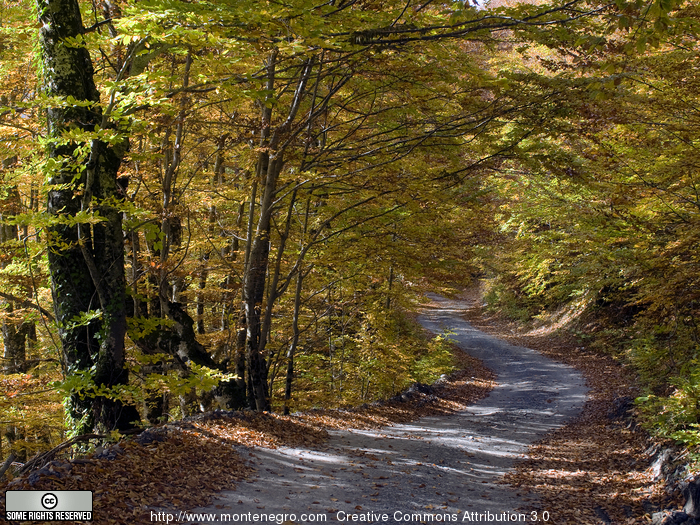
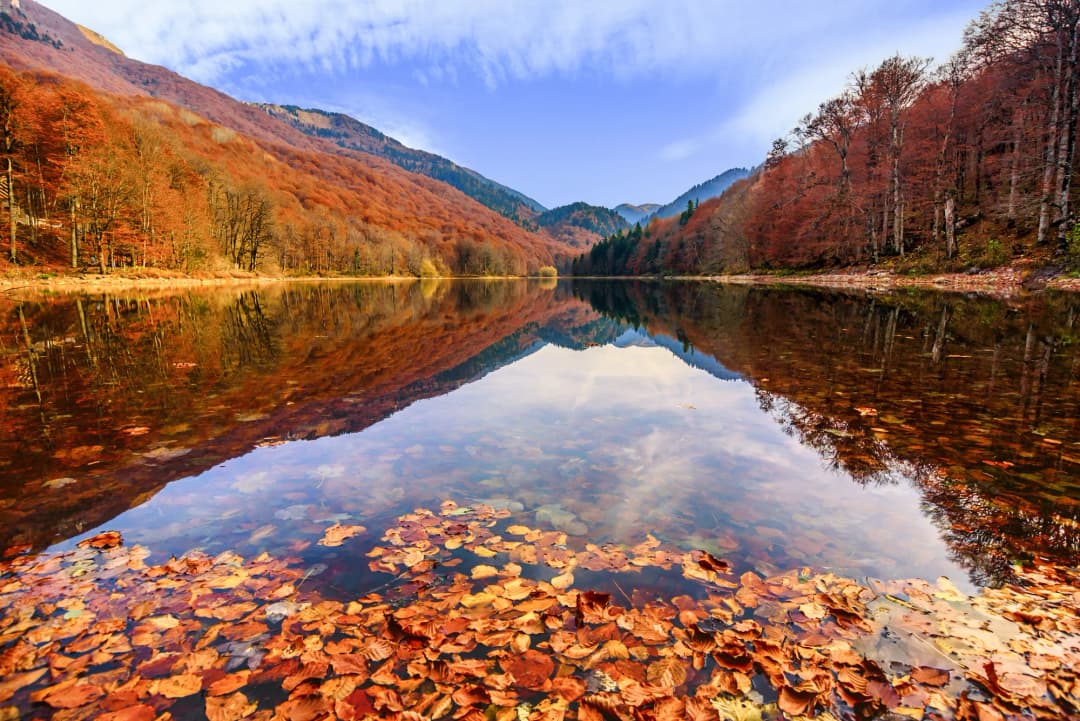
May and October are not interchangeable gaps between headline seasons. May can combine green valleys with lingering snow higher up, but wet trails and variable mountain access limit ambitious plans. October offers color, food, quieter roads and cooler walking, yet daylight contracts and some seasonal services reduce hours. The data show comparable hotel nights in the two months, not identical visitor behavior.
March is harder. It can be late winter, early spring or both in one day. Skiing may be constrained while high routes remain unsuitable for hiking. A credible March product therefore starts in town: food, wellness, work retreats, local culture and short low-elevation outings that can survive a forecast change. Selling March as guaranteed skiing or ready-made summer hiking would transfer weather risk to the guest.
This is where accommodation choice matters. A ski-in promise may dominate winter, while walkability, flexible meals, workspace and cancellation terms matter more in spring or autumn. Use the current where-to-stay guide for Kolašin to compare areas; verify the individual property rather than relying on an old brand affiliation.
What would make four seasons durable
The evidence points to four operating priorities.
- Measure a full calendar. Monthly arrivals are useful, but destination management also needs occupancy, average daily rate, event conversion, lift use, park entries and the private-accommodation segment. Public claims should name the period and denominator.
- Finish before announcing capacity. A tender, construction phase or planned link belongs in a pipeline column until commissioned and operating. That rule protects travelers from stale maps and protects the destination from disappointed expectations.
- Package a second night. With sampled stays mostly around two nights or less, the highest-value product connects town, mountain and park across two weather-flexible days.
- Build alternatives to snow. Summer lifts help, but shoulder months need bookable low-elevation walks, culture, food, wellness and small events that do not collapse with one closed installation.
None of this requires pretending that Kolašin can match the coast's August volume. Its strategic value is different: it can distribute travel into northern Montenegro and across the calendar. Our analysis of why travelers look north beyond the coast provides that national context.
Practical information: plan by operating window
- Winter: reserve flexible accommodation, check snow and lift status the same day, and do not infer open pistes from published business hours. Carry winter equipment appropriate to road conditions.
- Spring: build around town and low-elevation options. Ask a qualified local provider about snowpack, mud and river conditions before choosing a mountain route.
- Summer: verify park access, lift operation and return transport separately. Start exposed hikes early and carry water, layers and sun protection.
- Autumn: use daylight conservatively and keep a rain alternative. Confirm reduced hours with the park, lift, restaurant and accommodation rather than assuming the summer timetable continues.
At the research cutoff, the official Ski Resorts of Montenegro contact page listed K8 chairlift and base hospitality hours of 09:00–19:00. Treat that as a directory entry, not live status. Weather, maintenance, events and seasonal changes can override it. The safest sequence is accommodation confirmation first, activity confirmation second, payment last.
Frequently asked questions
Is Kolašin genuinely a year-round destination?
Yes in the limited sense that official hotel demand exists in winter, summer and shoulder months, and warm-season mountain and park products operate. No if “year-round” is taken to mean equal demand, guaranteed snow or identical services every month.
Which sampled month had the most hotel nights?
August 2025, with 12,987 collective-accommodation nights, exceeded January's 10,930. March was much weaker at 2,989. These figures exclude private accommodation.
Do the figures prove hotel occupancy?
No. Arrivals and overnight stays are demand counts. Without the number of available rooms or bed-places for each month, they do not produce an occupancy rate.
Is snowmaking fully operational at Kolašin 1600?
The located July 2026 record is a design-and-build procurement for reservoirs and pipelines. It should not be read as proof of a completed, fully operating system. Confirm current infrastructure and piste status directly.
How many nights should a non-skier stay?
Two nights create a more resilient plan: one day for Bjelasica or Biogradska Gora and one for town, food or a weather alternative. The exact mix depends on season and operating status.
Methodology and references
This article separates three kinds of evidence: MONSTAT demand counts, dated operating reports and infrastructure pipeline documents. It does not convert ministerial growth claims into annual statistics, published hours into live status, or procurement into completed capacity. The five-month table is diagnostic and reproducible; it is not presented as a full-year total.
- MONSTAT: January 2025 collective accommodation
- MONSTAT: March 2025 final data
- MONSTAT: May 2025 collective accommodation
- MONSTAT: August 2025 collective accommodation
- MONSTAT: October 2025 final data
- Government of Montenegro: 2025 summer opening and attributed growth claims
- Government of Montenegro: January 2026 winter operating snapshot
- Ministry of Public Works: 2026 snowmaking reservoirs and pipelines procurement
- Government infrastructure implementation report, July–December 2025
- Ski Resorts of Montenegro: Kolašin 1600 contacts and listed hours
- National Parks of Montenegro: Biogradska Gora management-plan draft 2026–2030
- Kolašin Tourist Organisation: official destination portal