Rijeka Crnojevića: Where History Meets the Water
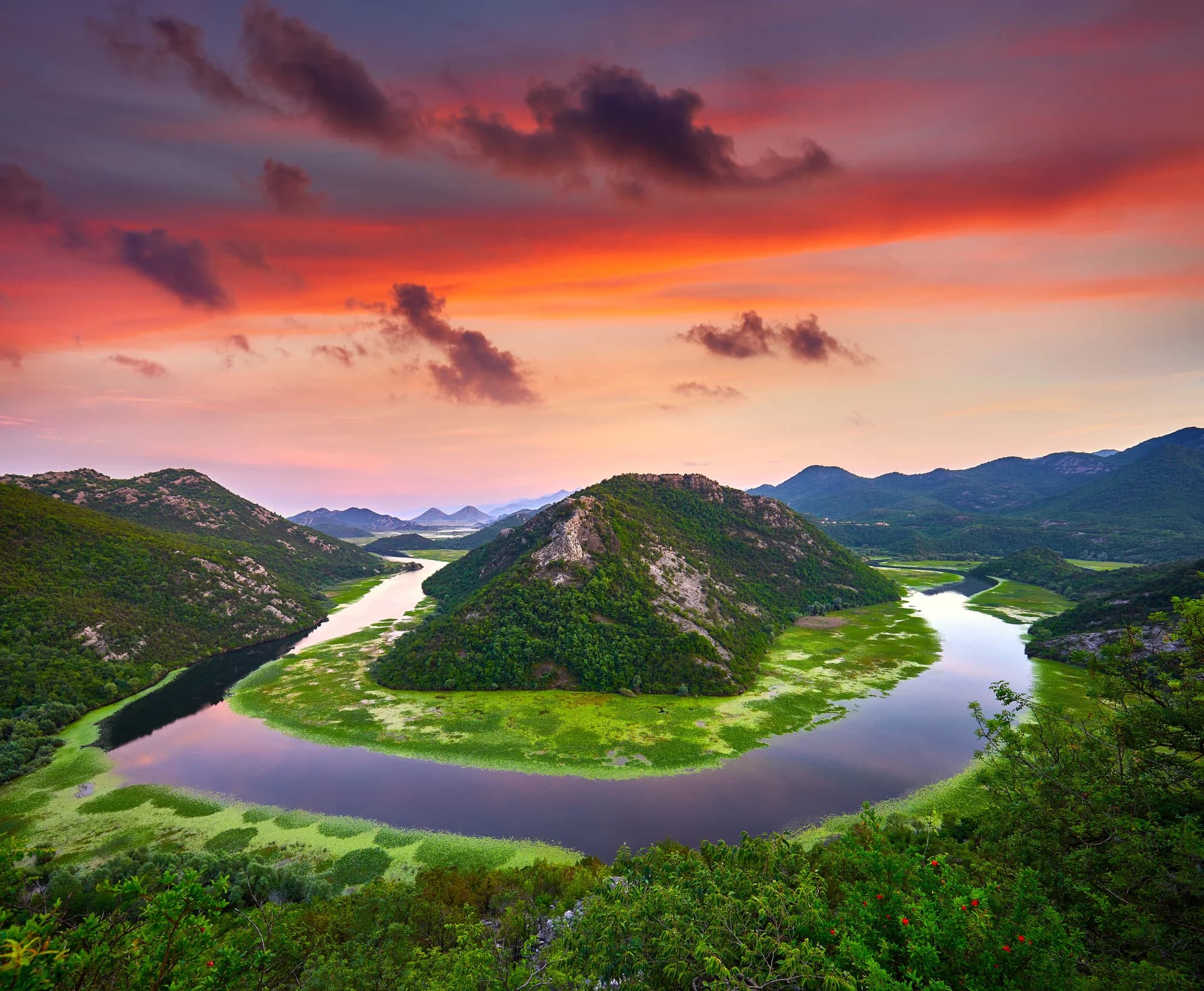
Rijeka Crnojevića is a tiny, hauntingly beautiful village on the banks of the Crnojevića River, a waterway that winds through dramatic gorges before emptying into Lake Skadar. Once the seat of the medieval Crnojevića dynasty that ruled Zeta — the precursor to modern Montenegro — this village was historically more important than its current sleepy appearance suggests. It was here, in 1494, that the first printing press in southeastern Europe was established, producing some of the earliest Cyrillic printed books. Today, Rijeka Crnojevića is a place of exquisite stillness: a stone bridge arching over jade-green water, fishing boats rocking at a quay, forested canyon walls rising steeply on all sides, and the echo of a vanished capital lingering in its old stone houses.

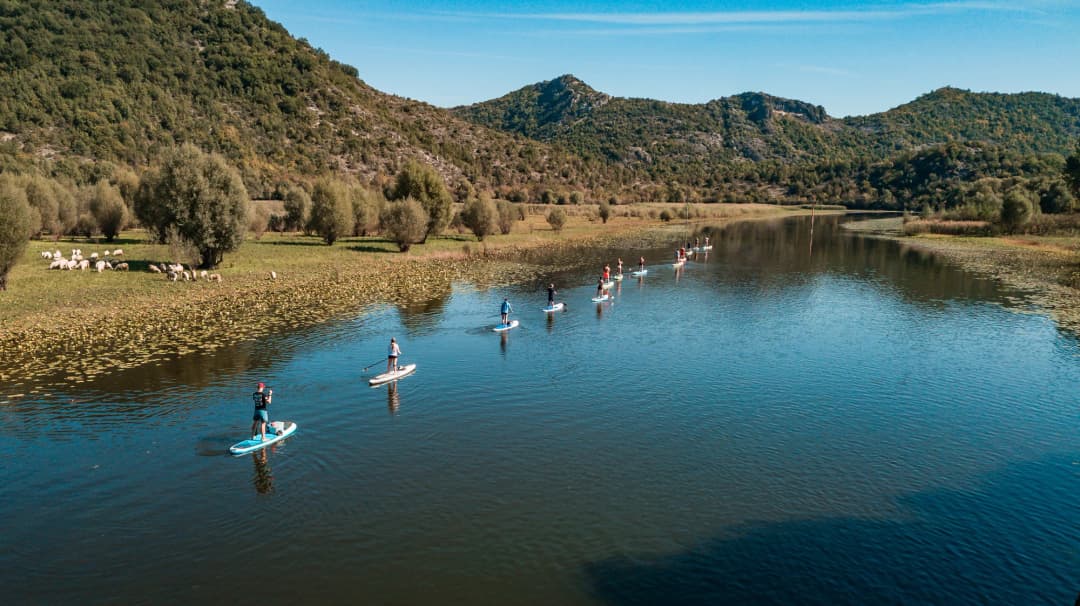
For travellers, Rijeka Crnojevića offers something rare in Montenegro — a destination that has not yet been transformed by mass tourism. There are no resort hotels, no beach clubs, no cruise ships. Instead, there are a handful of family-run restaurants serving freshwater fish, a few rooms for rent, and boat trips that wind through the river's extraordinary meanders to the open waters of Lake Skadar. It is a place for those who want to experience the authentic, unchanged Montenegro of rivers, mountains, and deep history.
A Brief History of Rijeka Crnojevića
The village takes its name from the Crnojevića dynasty, which ruled the principality of Zeta from the 15th century. When the Ottomans captured the lowland fortress of Žabljak Crnojevića on the shores of Lake Skadar in 1478, Ivan Crnojević retreated to this river gorge and established his court here, making Rijeka Crnojevića effectively the capital of a diminished but defiant Montenegrin state.
It was Ivan's son, Đurađ Crnojević, who made the most lasting contribution. In 1494, he founded a printing press (known as the Obod Printing Press) in the village, producing liturgical books in Cyrillic script. This was a cultural milestone — the press at Rijeka Crnojevića was operating at the same time as the great presses of Venice and was the first of its kind in the Slavic Orthodox world. The books produced here are today among the most valuable cultural artefacts in Montenegrin and Serbian heritage.
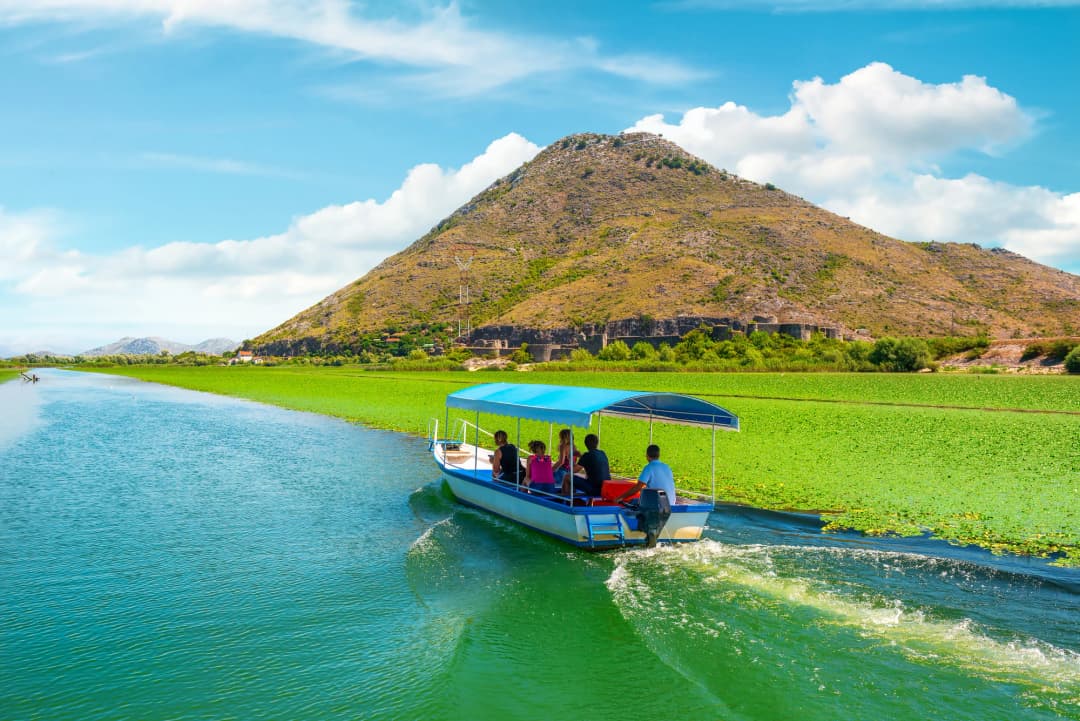
After the fall of the Crnojevića dynasty in the early 16th century, Rijeka Crnojevića continued as a trading post and river port. Under Ottoman suzerainty and later under the Montenegrin bishops and princes, the village served as an important link between the coast and the inland lake fisheries. The stone arch bridge that remains the village's most iconic feature was built in the 18th century, replacing an earlier wooden structure. During the 19th century, the village was a modest commercial hub where goods were loaded onto boats for transport across Lake Skadar to Shkodër (now in Albania). With the construction of modern roads and the decline of river commerce in the 20th century, Rijeka Crnojevića gradually faded into the quiet backwater it is today — which, paradoxically, has become its greatest charm.
How to Get to Rijeka Crnojevića
Rijeka Crnojevića lies about 15 kilometres west of Cetinje and 30 kilometres from Podgorica. The village sits in a deep river valley, accessible by a single winding road that descends from the plateau above.
From Podgorica: Take the road toward Cetinje, then follow the well-signed turnoff for Rijeka Crnojevića. The drive takes about 40 minutes and passes through open karst terrain before descending dramatically into the river gorge. The last few kilometres involve steep switchbacks with stunning views of the canyon below.
From Cetinje: The drive is about 20 minutes heading west. The road is paved throughout but narrow in places, passing through scattered villages and then dropping into the gorge.
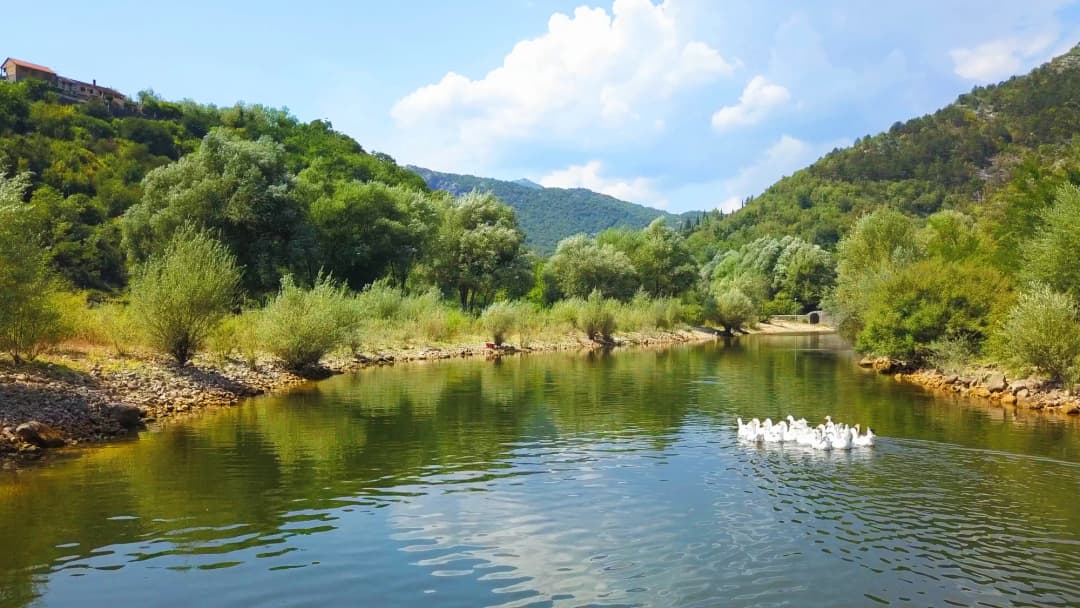
From the coast (Budva/Kotor): Drive to Cetinje via the serpentine road from Kotor (about 45 minutes) or through the Budva–Cetinje tunnel road, then continue to Rijeka Crnojevića. Total driving time from Budva is about 70 minutes.
From Virpazar: There is no direct road connection through the lake area. You must drive via Podgorica or Cetinje, making it about a 45-minute drive despite the short distance as the crow flies.
There is no regular bus service to Rijeka Crnojevića. A car is essential unless you arrange a private tour or taxi from Cetinje or Podgorica.
Best Time to Visit
Rijeka Crnojevića is beautiful throughout the year, but the experience varies dramatically by season. Spring (April to June) is arguably the finest time — the river is full, the surrounding hills are vividly green, and the water lilies on the river meanders begin to bloom. Late May and June offer warm but not oppressive temperatures, ideal for boat trips.