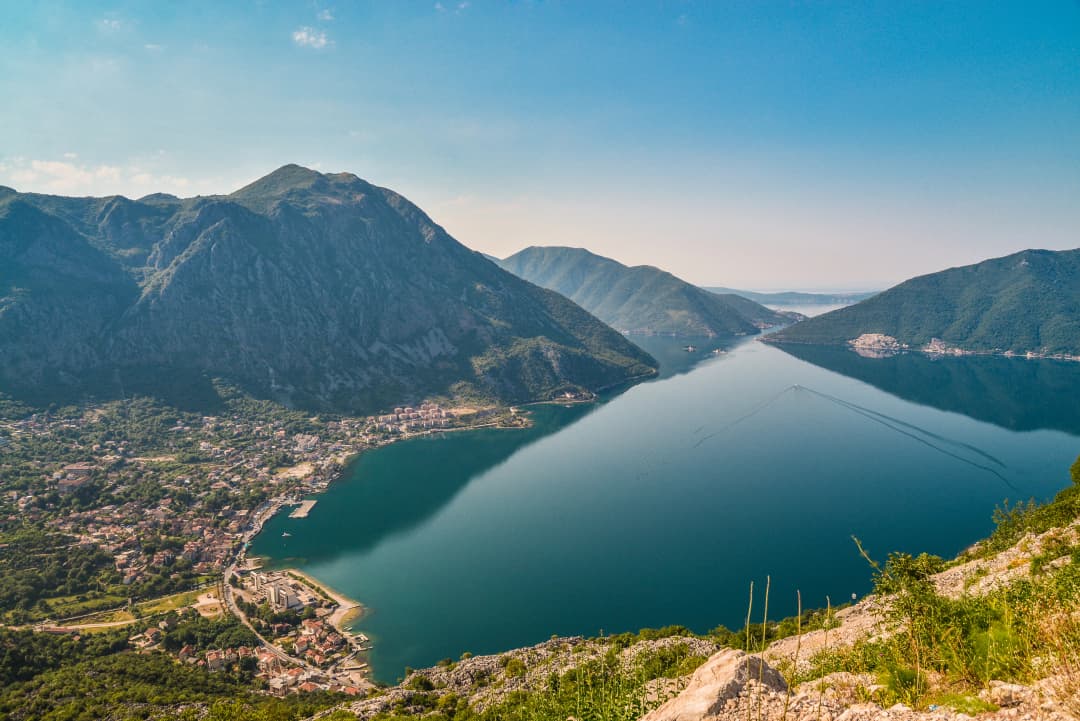
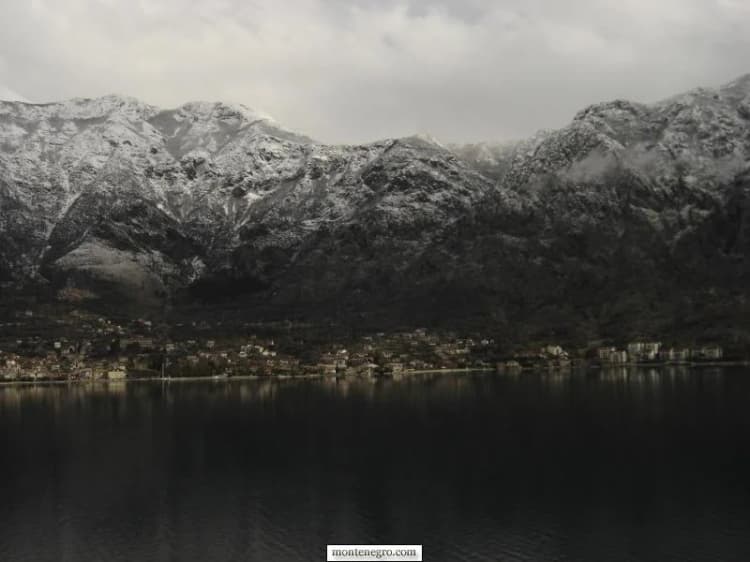
Risan, Perast and Kotor are often sold as three quick photo stops. That misses the point. Together they reveal how the inner Bay of Kotor worked: an ancient settlement and Roman villa landscape at Risan, a compact maritime town at Perast, and a fortified commercial and artistic centre at Kotor. The road between them is not dead space; it is part of a UNESCO-listed relationship among shore, settlements, mountains and sea.
The route works in one day only if you set priorities. A museum-led day needs opening hours. A quiet-town day needs an early start. A Kotor-heavy day needs a cruise-arrival check. Trying to “complete” every church, palace, island and wall produces more time in traffic than with the heritage itself.
Why the route belongs together
UNESCO’s description of the Natural and Culturo-Historical Region of Kotor covers 14,600 hectares, not only the lanes inside Kotor’s walls. It emphasises the architecture of fortified and open settlements, their integration with terraced slopes, and the network of roads, paths, small harbours and shoreline structures. Kotor and Perast are singled out as highly characteristic preserved towns, while Risan is part of the broader historic bay system.
That framework changes the day. Risan is not merely a preface to Perast, and Perast is not a decorative pause before Kotor. Each place demonstrates a different way of using the same constrained shore. Read changes in street width, waterfront access, religious buildings and the relationship between houses and boats.
| Town | Character |
|---|---|
| Risan | Roman villa floors |
| Perast | maritime town |
| Kotor | fortified centre |
Source: whc.unesco.org
Start in Risan when archaeology matters
Museums of Kotor describes the Risan site as the remains of a second-century AD villa urbana with floor mosaics and gives the complex as 790 square metres. The famous Hypnos image is unusual, but do not let one motif reduce the site to a scavenger hunt. Look for room arrangement, borders, repeated geometry and the relationship between decorated floors and the villa plan. Our focused Risan Roman mosaics guide gives the archaeological background.
The institution’s current tariff page lists the Roman Mosaics at €6 for an individual visit, €4 for children under 12 and qualifying groups, with a €12 combined Risan–Perast Museum ticket. It lists Tuesday–Sunday opening, 10:00–16:00 from 15 October to 15 April and 08:00–20:00 from 15 April to 15 October, plus Monday, January and named holiday closures. These details were checked on 28 August 2026; use the live museum page because hours and prices can change.
Give the site 45–75 minutes if it is open, then spend a short period at the waterfront rather than immediately returning to the car. The wider inner-Bay day guide can help with route shape, while the present article concentrates on evidence and decision points.
Use Perast as a walking and museum stop
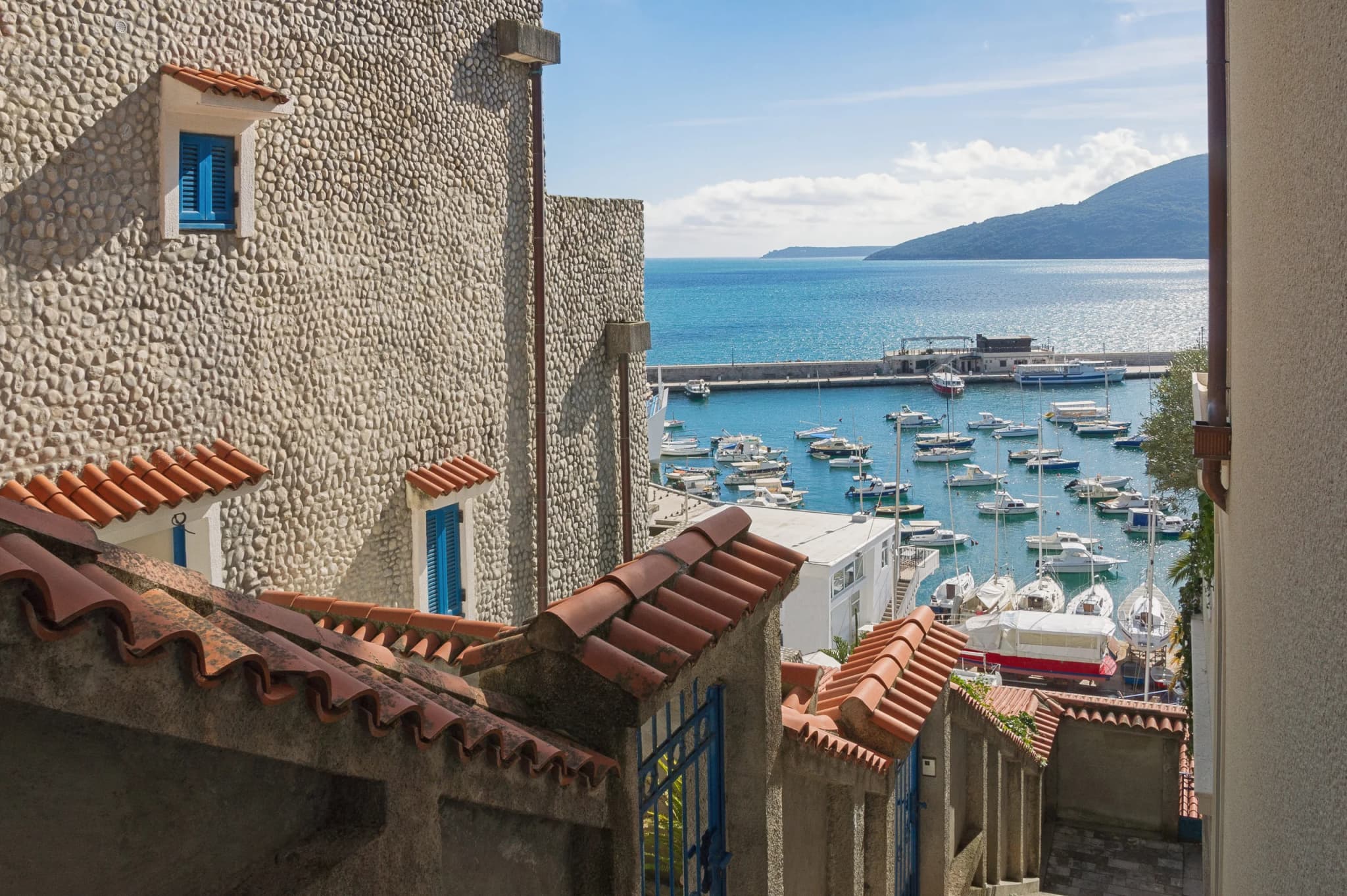
Perast’s small scale is the reason to walk it slowly. The national panoramic-road guide describes its Venetian-period maritime architecture, palaces, churches and the islands of Saint George and Our Lady of the Rocks. UNESCO values the town not as an isolated collection of façades but as architecture integrated with the bay and mountain backdrop.
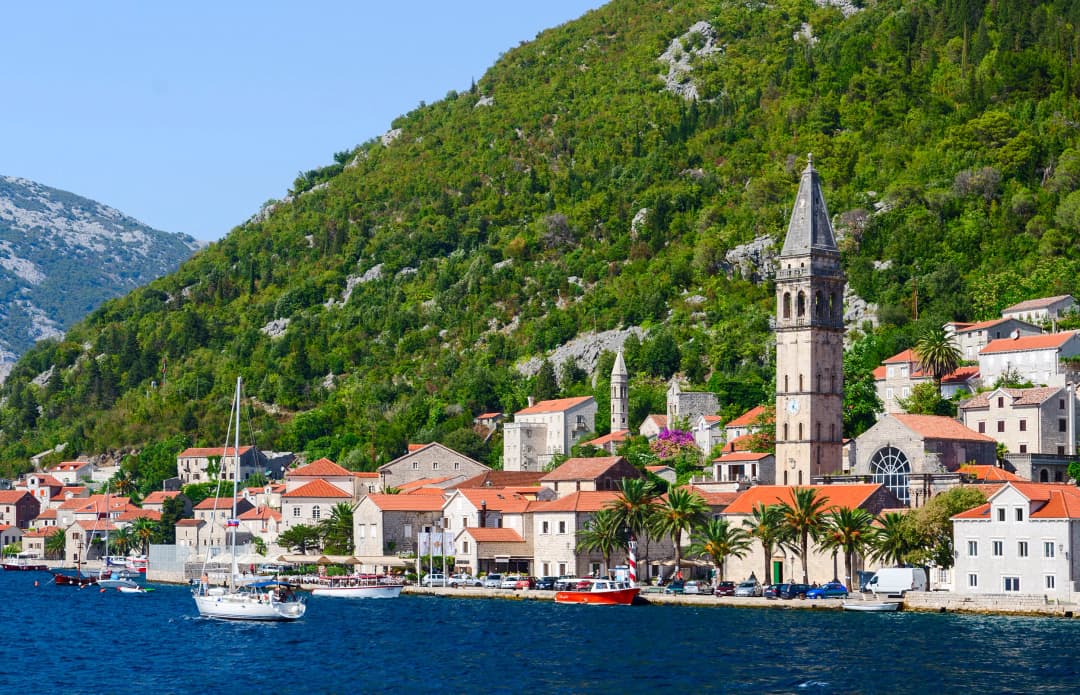
The Perast Museum holds collections formed substantially through donations from local families and is part of the same Museums of Kotor institution as the Risan mosaics. If both are priorities, the combined ticket may be simpler. Confirm photography rules and group bookings directly; admission is not permission to photograph every object.
An island boat is optional, not required to understand Perast. Ask the operator which island is accessible, the return arrangement, life-jacket provision and the total price before boarding. Saint George is not interchangeable with Our Lady of the Rocks. If wind, service schedules or crowds make the trip poor, stay ashore and use the Perast guide to select a church, museum or waterfront walk.
Finish in Kotor—but check pressure first
Kotor rewards more than one hour. Its Romanesque churches, fortifications, squares and lanes carry the medieval commercial and artistic history highlighted by UNESCO. A first visit should prioritise the urban core before adding the fortress climb. Our Kotor walls guide explains the separate physical commitment and safety questions.
What the sources say
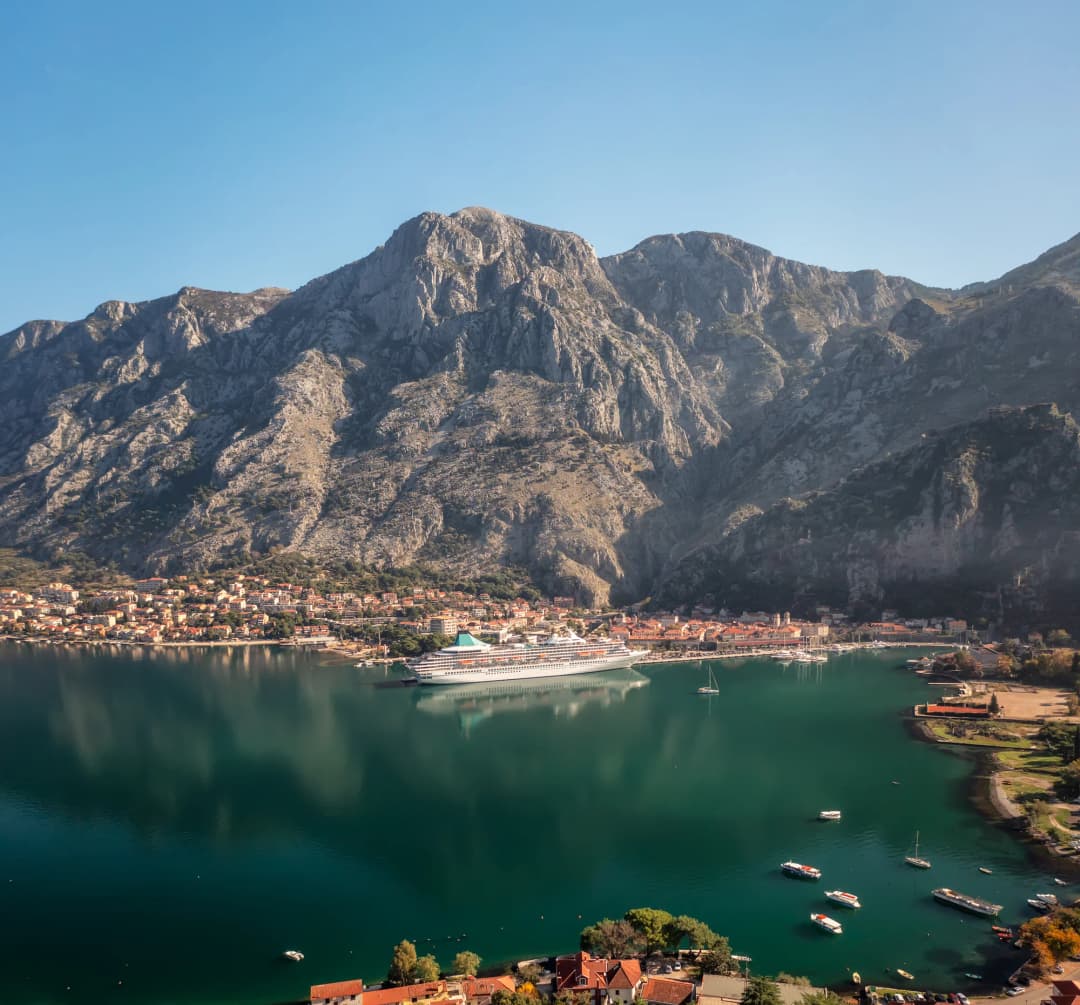
UNESCO’s 2025 tourism assessment identifies unmanaged visitor flows, pressure on narrow streets and cruise impacts as active problems. The Port of Kotor publishes a 2026 arrival schedule. Use it as a warning signal rather than a live guarantee: ship times and berths can move, but several large calls on one day should change your plan.
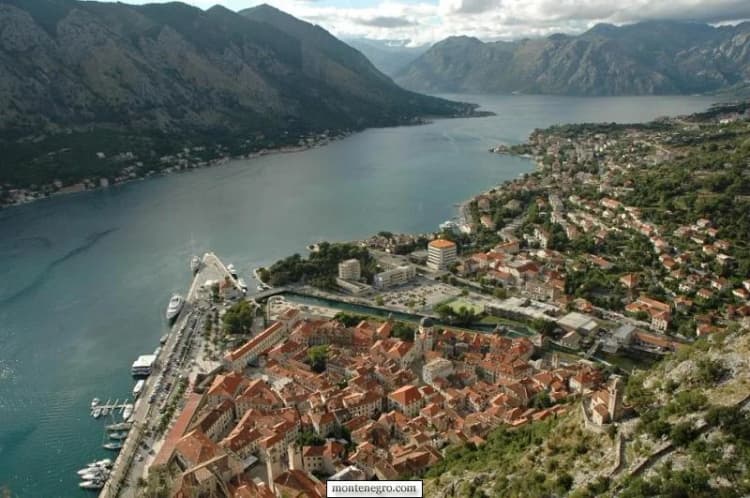
On a high-pressure day, reverse the route only if museum hours still work, or leave Kotor for late afternoon after excursion groups depart. Do not block doorways, residential stairs or service lanes. The historic doors of Boka guide shows why entrances are evidence of household and town life, not studio props.
Practical route order and transport choices
| Priority | Recommended order | Why | What can break the plan |
|---|---|---|---|
| Museums | Risan → Perast → Kotor | Protects Risan and Perast opening windows | Monday/January closures or late start |
| Quiet streets | Kotor early → Perast → Risan | Uses the calmest Old Town period | Large early ship calls; Risan closes before arrival |
| Boat connection | Confirm boat first, then build road stops | Reduces duplicate driving | Wind, unclear return or changed departure |
| Public transport | Choose two anchor stops, not every attraction | Absorbs timetable and roadside waiting | Seasonal frequency and crowded buses |
Driving gives flexibility but creates parking and congestion decisions at every stop. Never stop in a traffic lane for a photograph. Seasonal orders can restrict regional traffic, and the single shore road magnifies even small incidents. Public buses reduce parking demand but do not guarantee a comfortable boarding place at every settlement. A taxi or boat can work well when the total price, pickup point and return are agreed in writing.
Bring water, sun protection and shoes for polished stone. Keep the day to two paid interiors plus outdoor walking unless your group is genuinely museum-focused. For a broader geographic explanation before travel, read the Bay of Kotor guide.
What the old journey still contributes
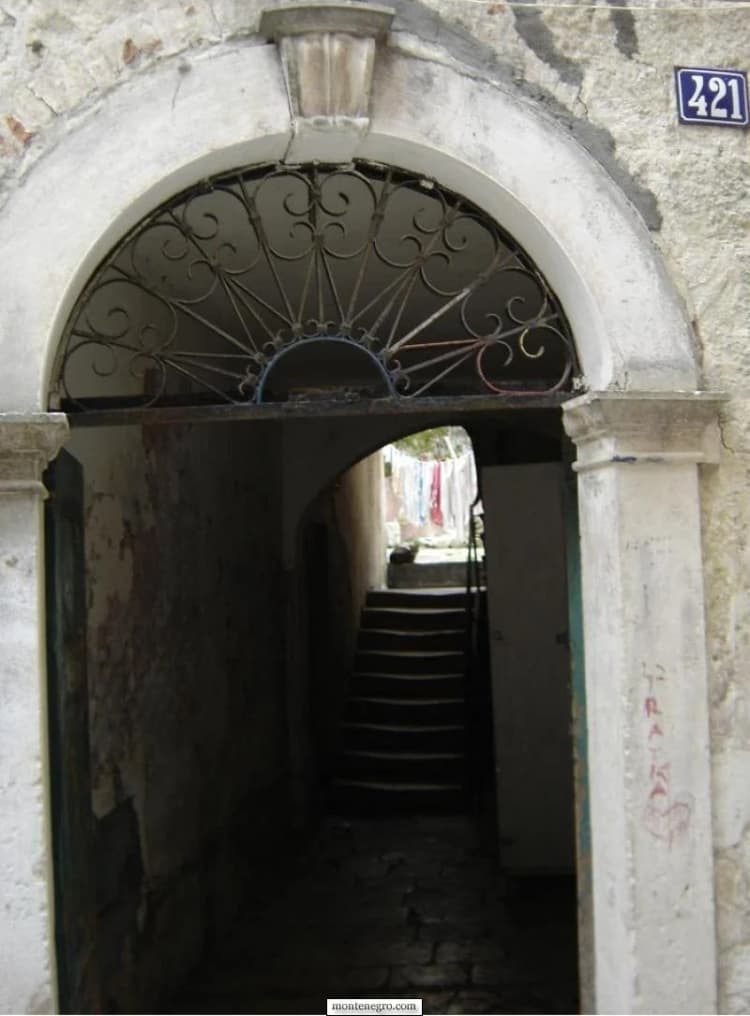
The legacy article moved through the three towns as a personal journey. Its strongest insight survives: contrast becomes visible through movement. What no longer works is the absence of current access, museum and crowd context. The revision keeps observation while separating it from facts that require institutions, dates and live checks.
Protect the bay by refusing the checklist
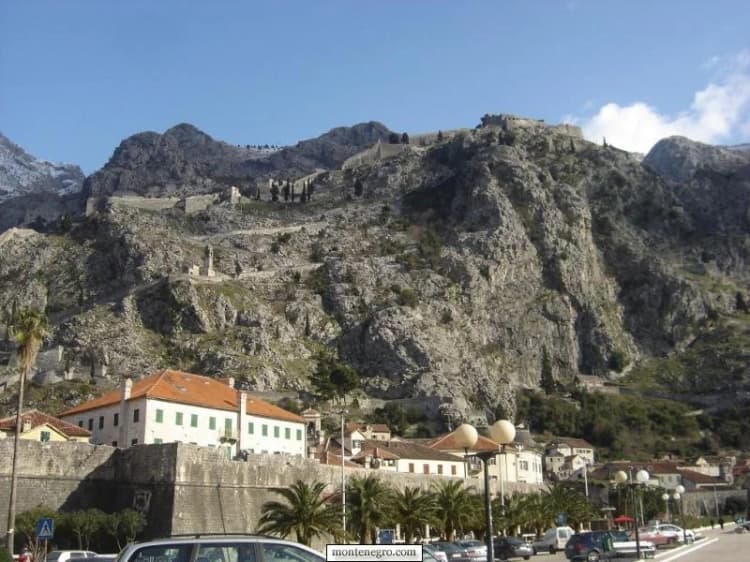
The route’s greatest risk is not missing one church. It is treating inhabited heritage as a sequence of consumable backdrops. UNESCO’s monitoring has repeatedly connected conservation with traffic, urban development, cruise pressure and the integrity of the surrounding landscape. Visitor behaviour cannot solve planning problems, but it can avoid adding unnecessary friction.
Buy from businesses operating inside the towns, refill water where permitted and use public toilets rather than private courtyards. Keep wheeled luggage and groups out of narrow doorways. Never climb a wall, terrace or mooring structure for a photograph. Churches may close during services, museums may control bags and residents may need vehicle access even when a lane appears pedestrian.
Boats deserve the same care as roads. Agree on the destination and return before departure, wear the provided safety equipment and do not pressure a skipper to operate in unsuitable wind. A fast wake close to shore affects small craft and waterfront structures. Where a scheduled or shared boat meets the need, it can reduce repeated car movements; where it does not, walking one town deeply is better than improvising unsafe transport.
Finally, separate evidence from atmosphere. A palace façade may suggest Venetian-period wealth, but identifying its patron or construction date requires a museum label or scholarly source. A church visible from the waterfront is not necessarily open, and a ticket seller’s claim is not an access guarantee. Photograph labels and published material for later reading instead of inventing certainty on the spot.
This slower method also makes the day more memorable. Choose one question for each place: how Risan’s villa used rooms and decoration, how Perast projected maritime identity along a narrow shore, and how Kotor’s defences joined mountain and town. Those questions connect the route without requiring every interior.
Write down what remains uncertain. A closed door, moved object or changed boat service is not a failed day; it is evidence that these are living places rather than fixed exhibits. Leaving one stop for a later visit is usually better than rushing a final museum while staff are closing or residents are trying to use the same waterfront.
Frequently asked questions
Can I visit all three without a car?
Yes, but choose priorities and verify the current bus or boat schedule. Public transport makes it especially important to protect museum closing times and avoid assuming an immediate return.
Which stop deserves the most time?
For archaeology, protect Risan’s opening window. For maritime collections and a compact townscape, prioritise Perast. For the broadest architectural range, allow Kotor several hours.
Are the Risan mosaics open on Monday?
The current Museums of Kotor page says they are closed every Monday, throughout January and on listed holidays. Recheck the official page before making a special trip.
Should I avoid Kotor on a cruise day?
Not automatically. Check the port schedule, arrive early or later, and lower the number of planned interiors. Several large calls should prompt more flexibility.
Is Our Lady of the Rocks included in Perast?
It requires a boat unless part of an organised transport plan. Confirm the island, price and return; do not assume every boat offer is identical.