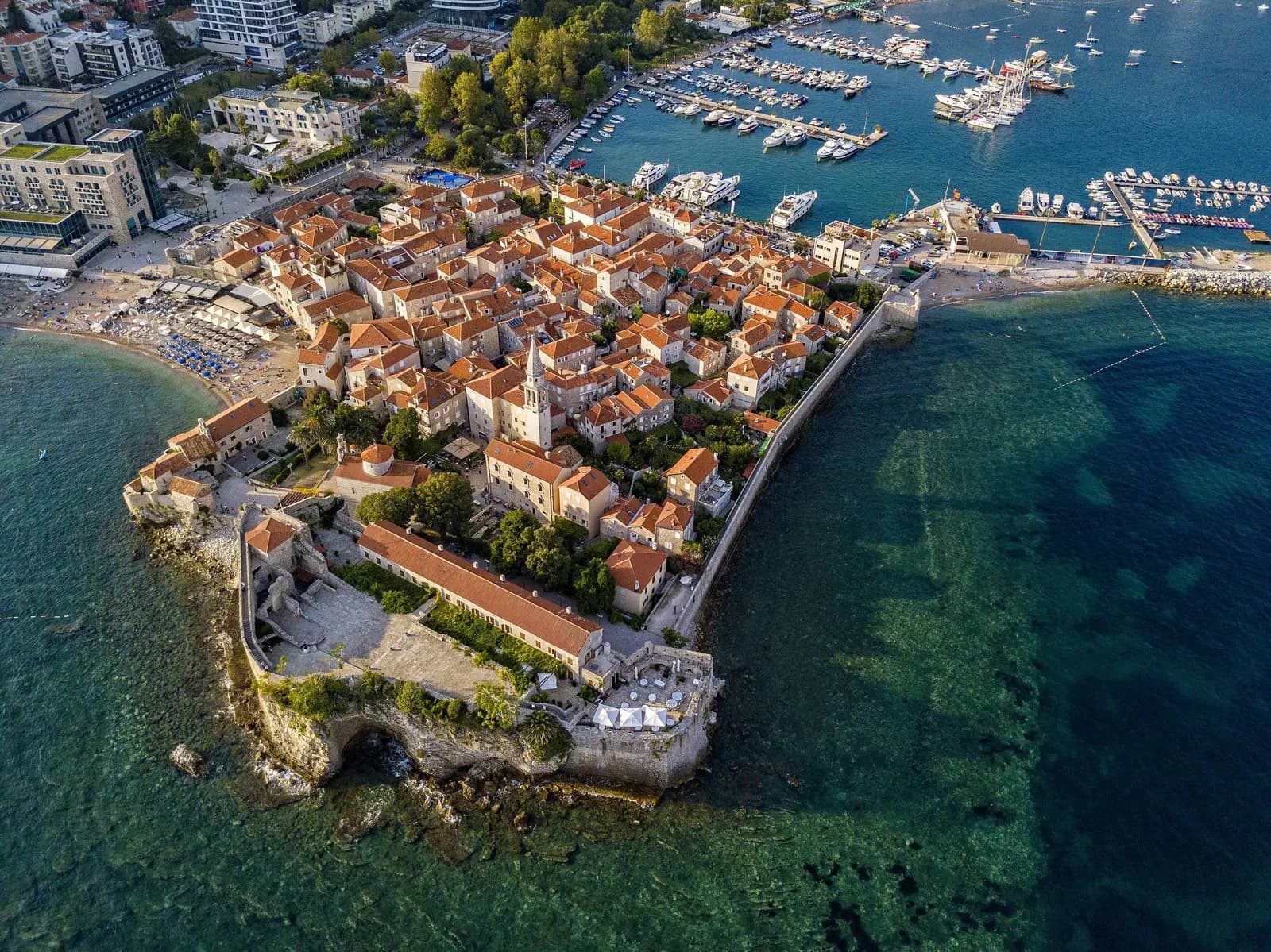
Budva sells itself through beaches, walls and nightlife. Its harder cultural story is about scale: a resident city with a small historic core must host one of Montenegro's largest visitor economies while protecting the stages, collections and traditions that make the destination more than a resort.
The old version of this article captured one summer but lost its date. Its “19th Grad Teatar” places the copy in the 2005 season, and its “12th Mediterranean Music Festival” belongs to an event that later stopped. The useful question in 2026 is not whether Budva has culture. It is whether institutions, budgets and year-round audiences can keep culture from becoming seasonal decoration.
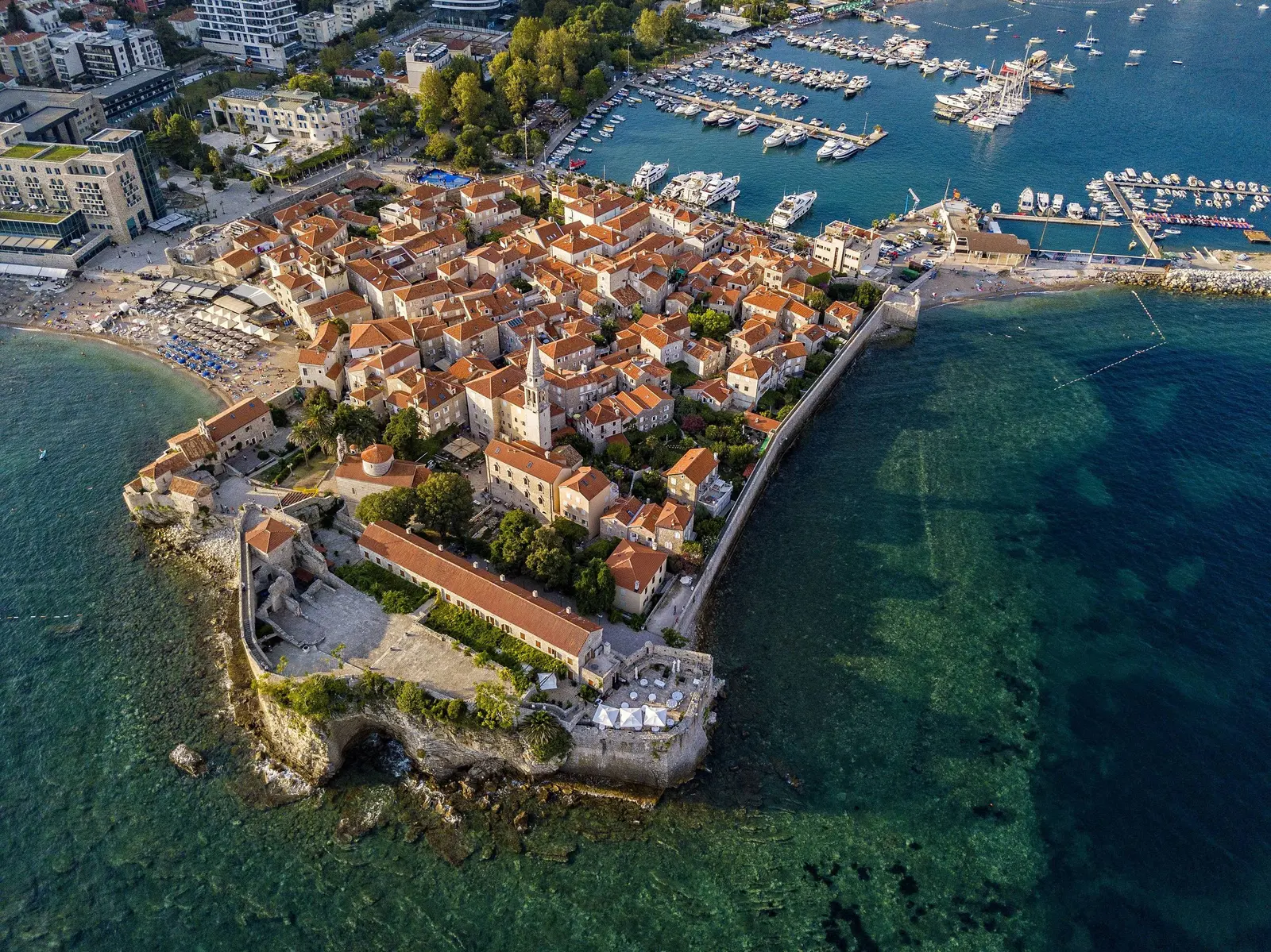
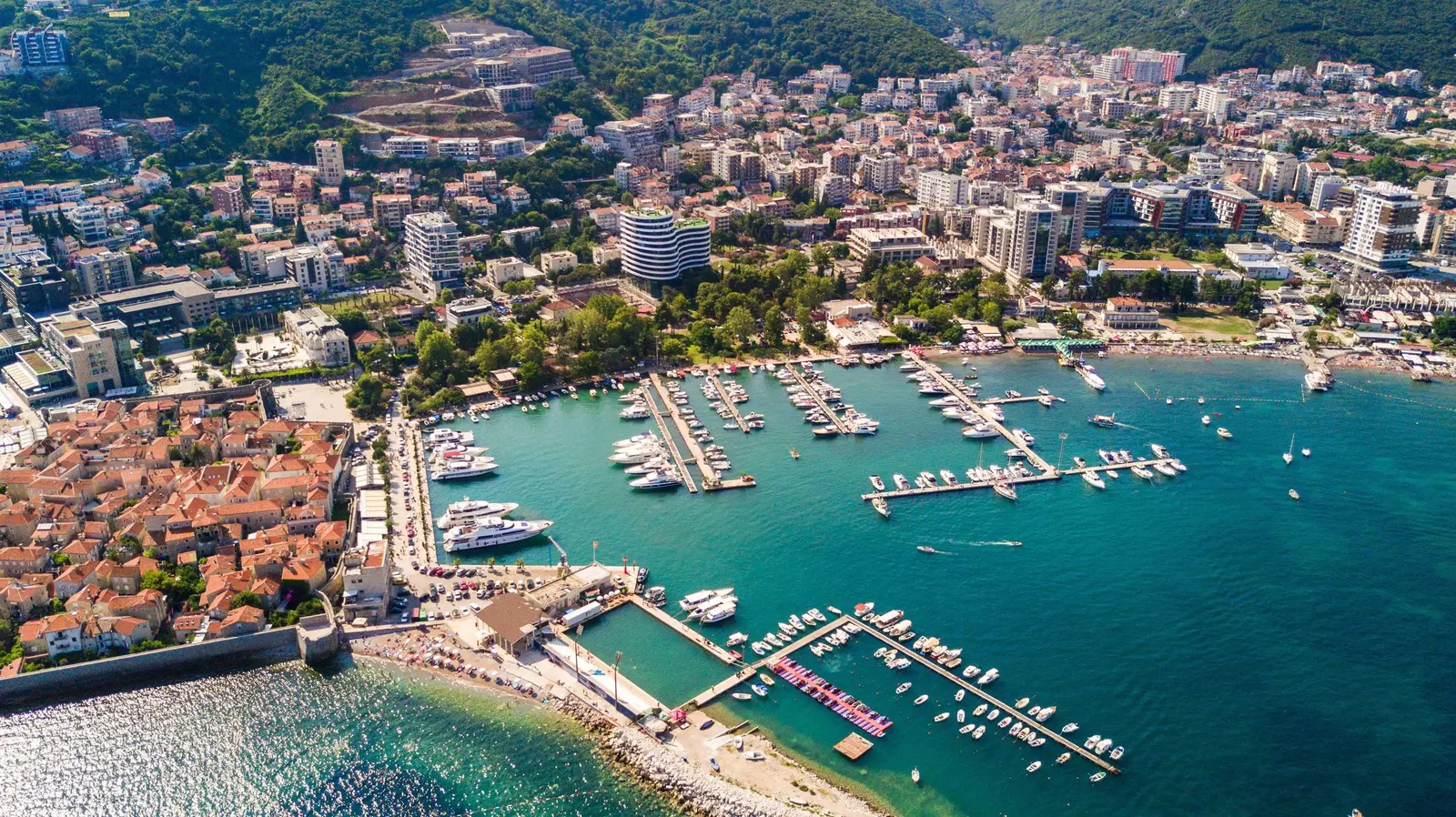
The tourism capital by one revealing number
What the sources say
In April 2025, before the summer peak, Budva recorded 140,121 overnight stays in collective accommodation. That was 44.9% of Montenegro's national total for the month, according to MONSTAT's municipal release. The statistic excludes much private accommodation and should not be stretched into an annual market share. It still captures the imbalance: one municipality carried nearly half of the country's hotel and similar collective stays in that snapshot.
That visitor economy pays for culture and strains it. The municipality's planning documents say tourism revenue supports events and heritage work, including a statutory share of tourist-tax funds for cultural-heritage projects. The same documents identify uncontrolled tourism and urbanization as risks to heritage. Budva's central cultural problem is therefore not “tourism versus culture.” It is how to convert tourism cash into conservation and creation without letting visitor volume consume the places that generate the value.
Budva's culture ledger
| Indicator | Value | Period | How to read it |
|---|---|---|---|
| Collective-accommodation nights in Budva | 140,121; 44.9% of Montenegro total | April 2025 | One month, not annual and not private stays |
| Municipal culture allocation | €4.35 million; 10.44% of budget | 2023 | Historical baseline, not 2026 expenditure |
| Grad Teatar institutional allocation | €1.4 million announced | 2026 | €1 million identified for jubilee program |
| Grad Teatar jubilee program | 55 days; more than 68 events | 2026 | Scheduled scale announced before opening |
| Modern Gallery collection | More than 400 works; five collections | Current institutional description | Rounded total, not an itemized database |
| Grad Teatar audience | About 15,000 annually | Institutional estimate | Not presented as independently audited attendance |
| Measure | Value | Period |
|---|---|---|
| Share of national collective overnight stays | 44.9% | April 2025 only |
| Municipal budget reported for culture | 10.44% | 2023 baseline |
| Grad Teatar programs across 55 days | 68+ | 2026 schedule |
| Note | Different periods and denominators: context, not a single performance score. |
MONSTAT April 2025; Municipality of Budva culture plan; Grad Teatar 2026 announcement
Grad Teatar: the institution that survived the preview
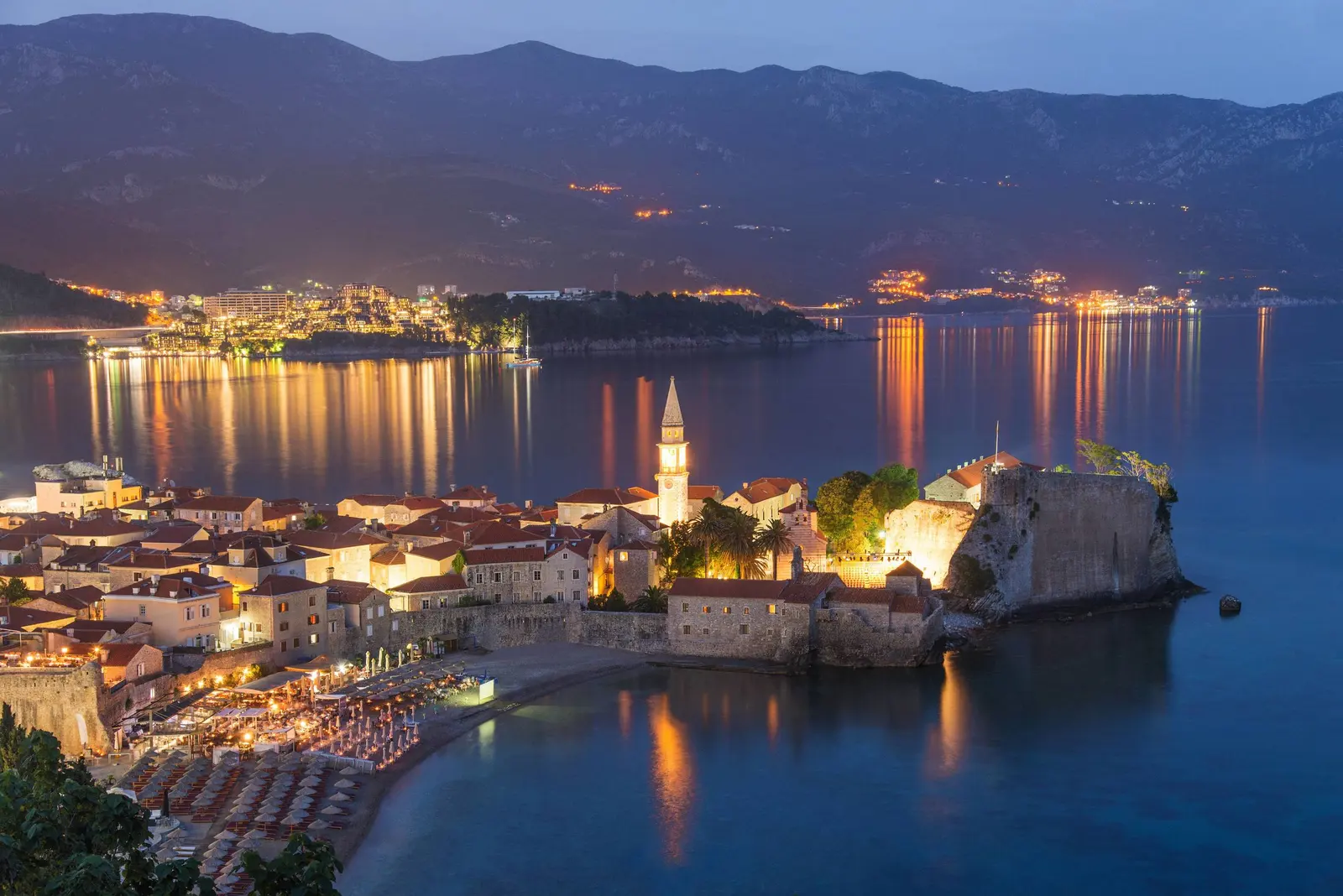
Grad Teatar is the clearest line from the old article to the present. Founded in 1987, the summer festival turns squares, churches, fortifications and streets into performance sites. Its own history says the program crosses theatre, literature, music and visual art, has generated 82 productions or co-productions, and attracts roughly 15,000 people a year. The audience number is an institutional estimate, but the production record demonstrates that the festival is more than a booking calendar.
In 2026, the 40th edition ran from 30 June to 23 August. The pre-opening announcement promised more than 68 programs over 55 days at sites including the stage between the churches, Santa Maria in Punta, Trg pjesnika, Mogren fortress and Stanjevići Monastery. The municipality allocated €1.4 million to the public institution, including €1 million for the jubilee program, according to Grad Teatar's public briefing.
Those are inputs and scheduled outputs, not a final audit. A convincing evaluation would publish ticketed and free attendance by event, occupancy, production costs, artist fees, local employment, cancellations and access for residents. The festival's closing reports describe a successful season and a new Mogren setting, but do not turn the promotional figures into a full public performance dataset.
The music festival the archive froze in time
The legacy article calls the Mediterranean Music Festival one of the region's largest and says its twelfth edition is approaching. That sentence should not survive as current guidance. Pjesma Mediterana was a major televised pop event, but organizers cancelled the 2011 edition, citing the financial crisis and an inability to maintain production standards. Contemporary reporting said more than 300 submissions had arrived and noted that municipal funding was being concentrated on Grad Teatar.
The cancellation shows why archive labels matter. An event can be influential and inactive at the same time. Later nostalgia and proposals for revival do not establish a restored annual calendar. Until an organizer publishes dates, venue, program and ticketing for a new edition, Pjesma Mediterana belongs in Budva's cultural history, not its “what's on” list.
The same rule applies to the old references to klapa Harmonija and the Stjepan Mitrov Ljubiša cultural society. They may belong to the city's musical and folklore record, but this update found no authoritative current program evidence strong enough to promise a visitor a performance. The names are preserved as archive context, not upgraded into present-tense claims.
Museums and galleries provide the year-round spine
Festivals draw headlines; collections create continuity. The Modern Gallery “Jovo Ivanović”, founded in 1972 and renamed for its founder in 2018, reports more than 400 works in five groups: contemporary expressionists, Montenegrin art, local art, foreign art and naive art. Its current news archive shows exhibitions and book events through summer 2026, evidence of an operating institution rather than a static heritage label.
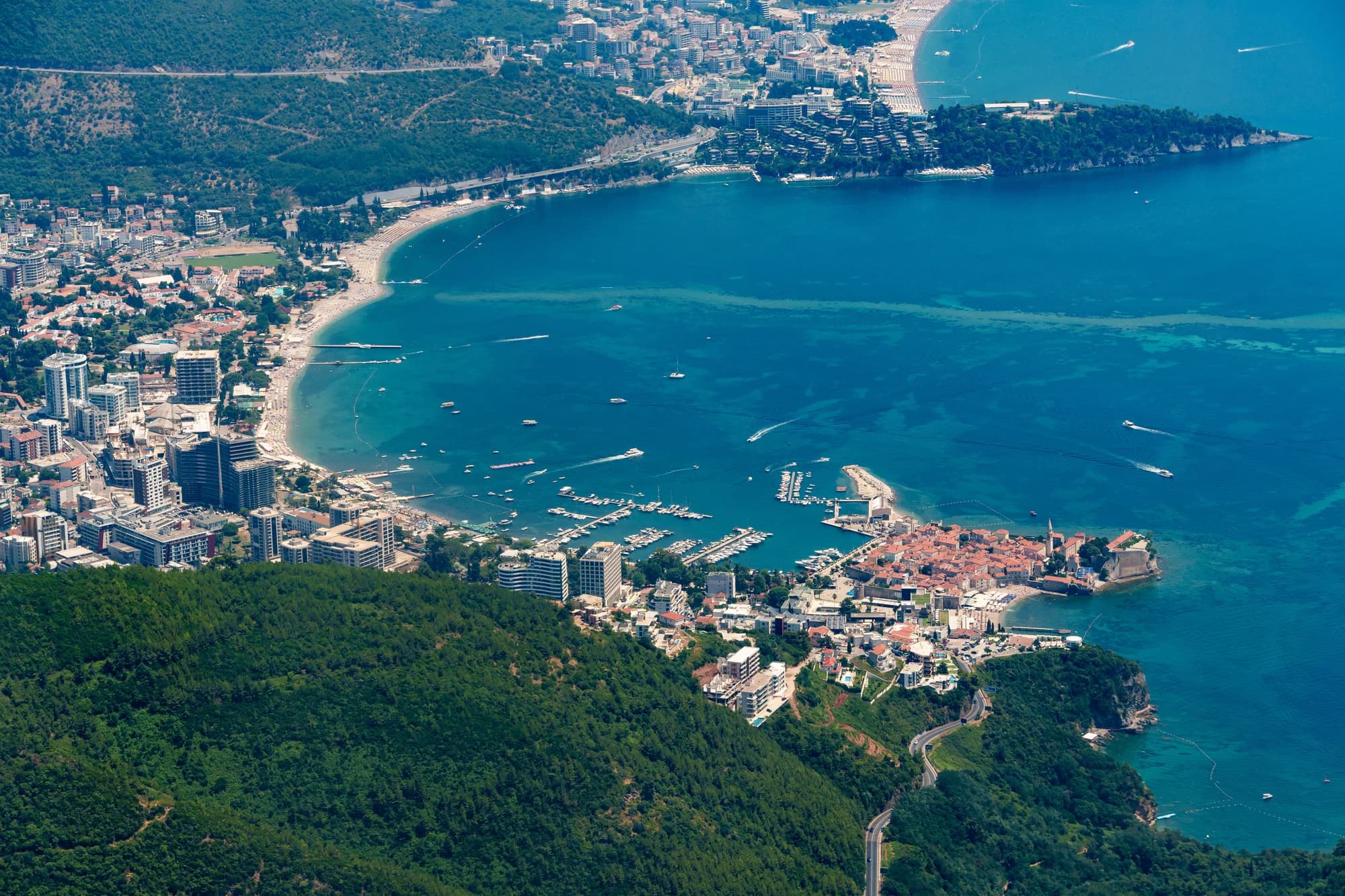
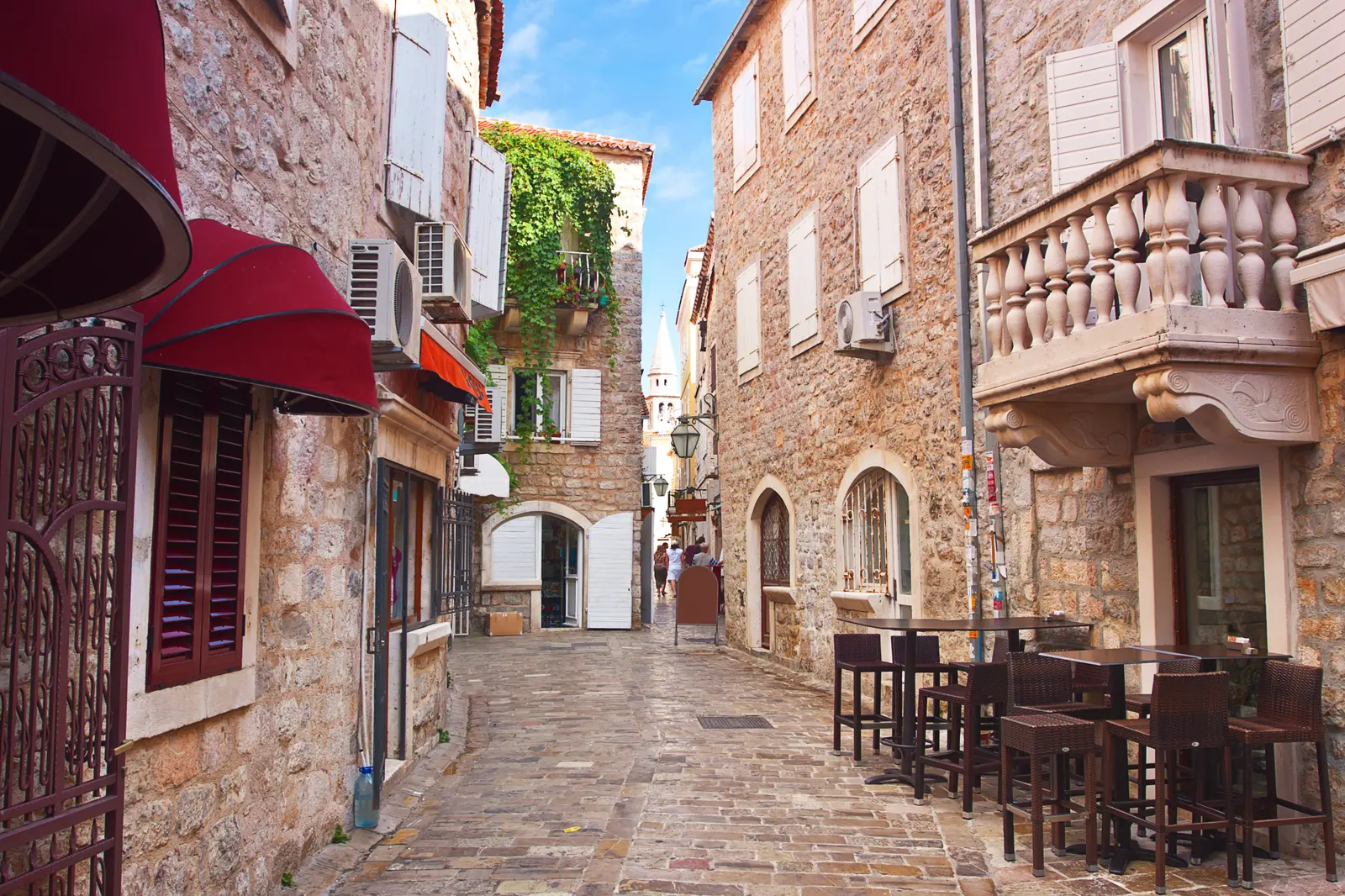
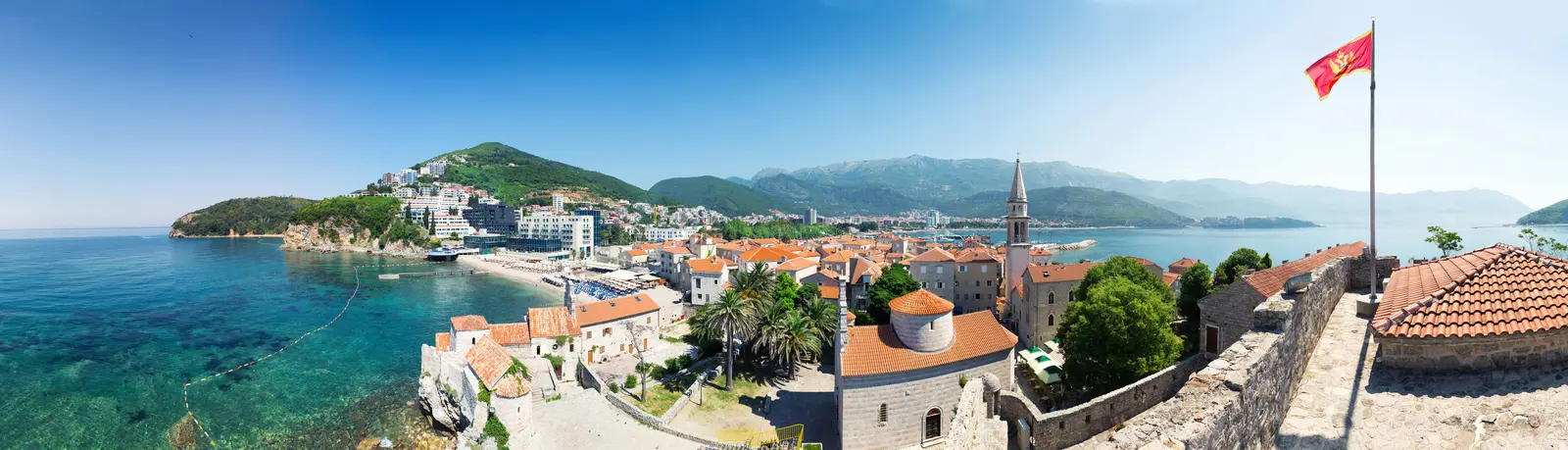
The public Museums and Galleries network also includes Budva City Museum, the Stefan Mitrov Ljubiša memorial house in the Old Town, Reževići memorial house and Crvena komuna in Petrovac. This distributed structure makes the municipality's cultural geography wider than the walled center. Our Budva history and heritage guide gives the longer timeline; the Old Town visitor guide maps the compact core.
What the municipality admits is missing
Budva's 2024–2028 culture program is unusually candid. It was the municipality's first comprehensive local cultural strategy of its kind. Its baseline reports €4.35 million for culture in 2023—€2 million through the secretariat and €2.35 million for public institutions—equal to 10.44% of the municipal budget. That is substantial by share, but the plan also describes structural gaps.
The SWOT analysis lists politicization, uncontrolled tourism and urbanization, and a lack of cultural institutions such as a theatre and cinema. A separate section recounts how the old Zeta Film building was demolished, how a later multiplex reopened in 2015 and then closed amid disputed public-private arrangements, and why Budva still needed reliable indoor space for film, winter theatre and other public programs.
This is the weakness beneath the successful summer stage. An outdoor festival can animate stone squares for eight weeks without giving residents a fully equipped venue in January. Cultural strength should therefore be measured by rehearsal space, conservation capacity, professional staff, collections access, school programs and winter calendars—not only by peak-season audience photographs.
Carnival, masquerade and community participation
Budva's carnival tradition matters because it distributes authorship beyond institutions. Abrum—the invitation through the streets—precedes processions, music and masked groups. The municipality's current homepage listed the Budva Carnival for 1 May 2026, while a separate “cultural events” page still displays a detailed 2014 edition. That stale official page is useful history but poor planning data.
For the tradition and its visual language, see our reconstructed Budva masquerade archive. For the setting around the walls and waterfront, the Ballerina of Budva guide explains the city's best-known modern symbol. Neither page should replace the organizer's next-edition announcement.
Practical cultural plan for Budva
Start with the City Museum and Modern Gallery, then walk to the Stefan Mitrov Ljubiša memorial house. The Museums and Galleries visitor page currently lists the City Museum at Petra I Petrovića 11 and the Modern Gallery at Cara Dušana 19. It gives changing weekday and weekend hours, free entry for the Modern Gallery and a €5 adult ticket for the City Museum. Verify the page on the day: institutional schedules, exhibitions and seasonal hours can change.
In summer, check Grad Teatar's official program rather than a general tourism calendar. Venues vary by night, and outdoor performances can be moved by weather or production needs. Arrive early inside the Old Town, where access and parking become difficult during major events. Our small Old Town compass helps with orientation, while the complete Budva guide covers transport, beaches and where to stay.
Outside peak season, use institutional news pages, not festival branding, to build the day. Galleries, the museum network, library events and November municipal programs can offer a quieter encounter with the city. A blank date on a tourist portal is not proof that nothing is happening; an undated old listing is not proof that it is.
What better cultural reporting would publish
Budva already has the ingredients for public accountability: budget lines, strategic goals, institutional reports and tourism statistics. A unified annual dashboard should show culture spending by institution and program, audited event costs, resident and visitor attendance, free versus paid access, school participation, collection conservation, venue availability by season and tourist-tax money spent on heritage.
It should also track the strategy's own risks: development near protected assets, days when public space is closed for events, noise complaints, conservation work and the availability of cinema and indoor theatre. That would let Budva test its familiar claim—culture as a development opportunity—against outcomes rather than slogans.
Frequently asked questions
Is Budva only a beach and nightlife destination?
No. It has a municipal museum network, a modern-art collection of more than 400 works, memorial houses, carnival traditions and Grad Teatar, a multidisciplinary festival founded in 1987. The infrastructure is strongest in summer and remains uneven year-round.
Is Pjesma Mediterana still held every year?
No reliable current annual edition was found. The prominent pop festival was cancelled in 2011 for financial reasons. Treat references to its “next edition” in old articles as archive material unless a current organizer publishes a new program.
When is Grad Teatar?
It is a summer festival, but dates and venues change. The 2026 jubilee ran from 30 June to 23 August and is now closed. Check the festival's official site for the next program.
Can I visit Budva's museums outside summer?
Several institutions publish regular hours, but schedules vary by venue and season. Check Museums and Galleries of Budva immediately before visiting, especially on Mondays, weekends and public holidays.
Does tourism fund cultural heritage?
Municipal planning documents say tourist-tax revenue includes a heritage-project allocation and that tourism financially supports culture. The same documents warn that intensive tourism and construction can threaten heritage, so funding alone does not settle the impact.