Checked 30 August 2026: the short passage under Zavala has recent documented use as the pedestrian link between Budva and Bečići. Official sources describe it directly. Budva Tourism's Slovenska Beach page says the promenade runs from the Old Town through the tunnel at Zavala and along Bečići beach to Kamenovo; the Environmental Protection Agency's 2024 Zavala assessment describes the existing path linking Budva and Bečići by a tunnel through the headland; and a Police Directorate statement about a February 2025 incident says the tunnel is intended exclusively for pedestrians and records people walking inside. Visitor reviews on Tripadvisor also describe the route and alphabet artwork, but they could not be re-checked for this update. None guarantees same-day opening, working lights or barrier-free conditions, so check the entrance before committing to the coastal walk.

Quick verdict: useful, pedestrian-only, but check before you enter
Use the tunnel when both portals are unobstructed and the interior is adequately lit for you. It replaces a climb or road-side detour with a direct coastal connection, and it is part of the practical walking chain that continues along Bečići. Do not treat “pedestrian-only” as a physical guarantee that no vehicle can enter: in February 2025, police processed a driver after a car passed through while pedestrians were inside.
The old version of this article promised free access around the clock, a permanently lit interior and easy passage for wheelchairs and pushchairs. Those claims went beyond the available evidence. No reviewed official page gives opening hours, a maintenance feed, gradient measurements, minimum clear width or an accessibility inspection. The route appears step-free in published imagery and visitor accounts, but surface transitions, temporary work, water, crowding and the approaches can determine whether it works for a particular mobility aid.
| Dated access evidence | Source type | What it shows |
|---|---|---|
| Tourism page; 2024 EPA assessment | Official route description | Promenade runs through the Zavala tunnel |
| February 2025 | Official incident | Police: pedestrians were using it |
| Visitor reviews | Unverified snapshot | Route and panels described; not re-checked |
| On the day | Still verify | Portal, lighting and surface |
Source: budva.travel, rtvbudva.me, tripadvisor.com
Finding the tunnel from Budva
What the sources say
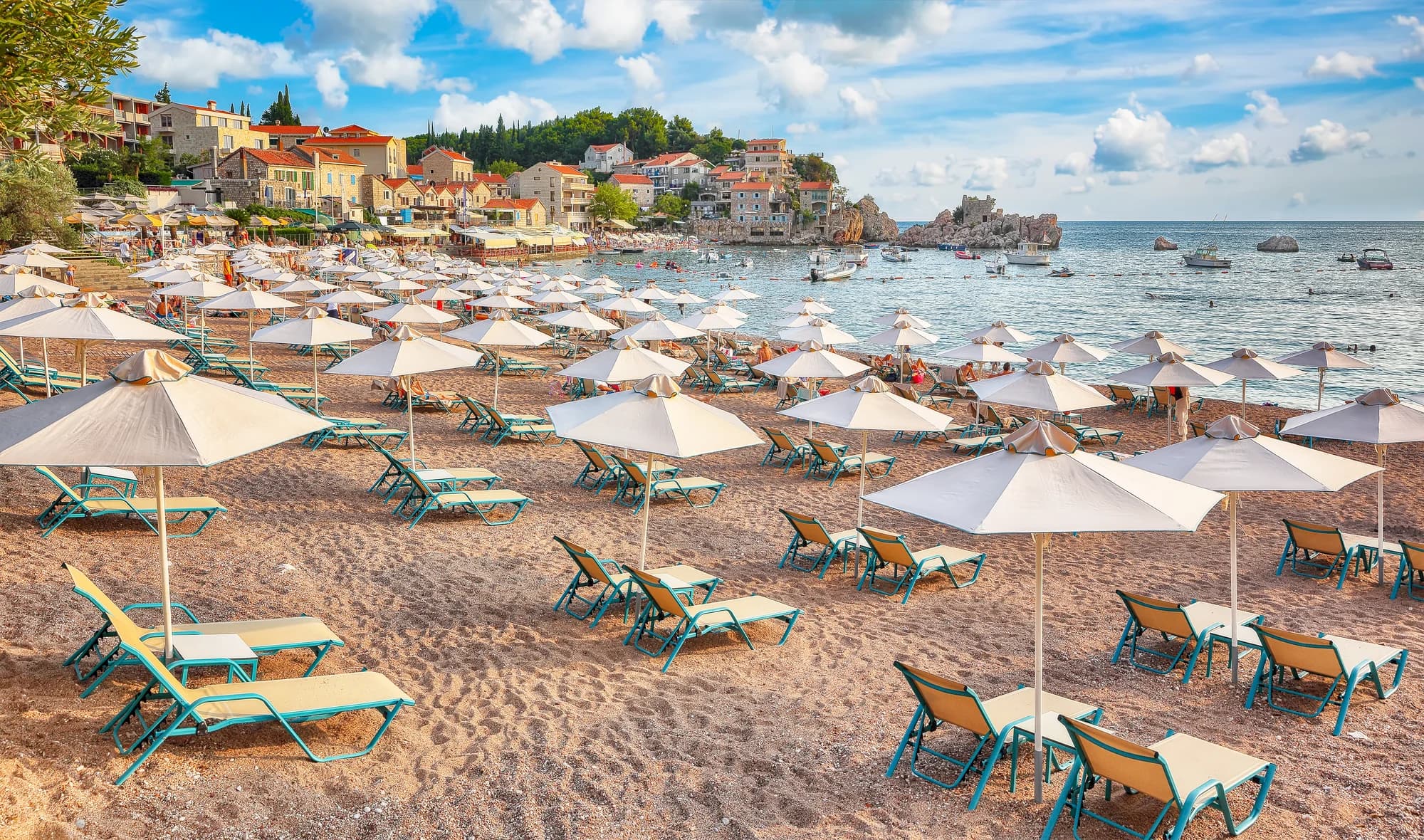
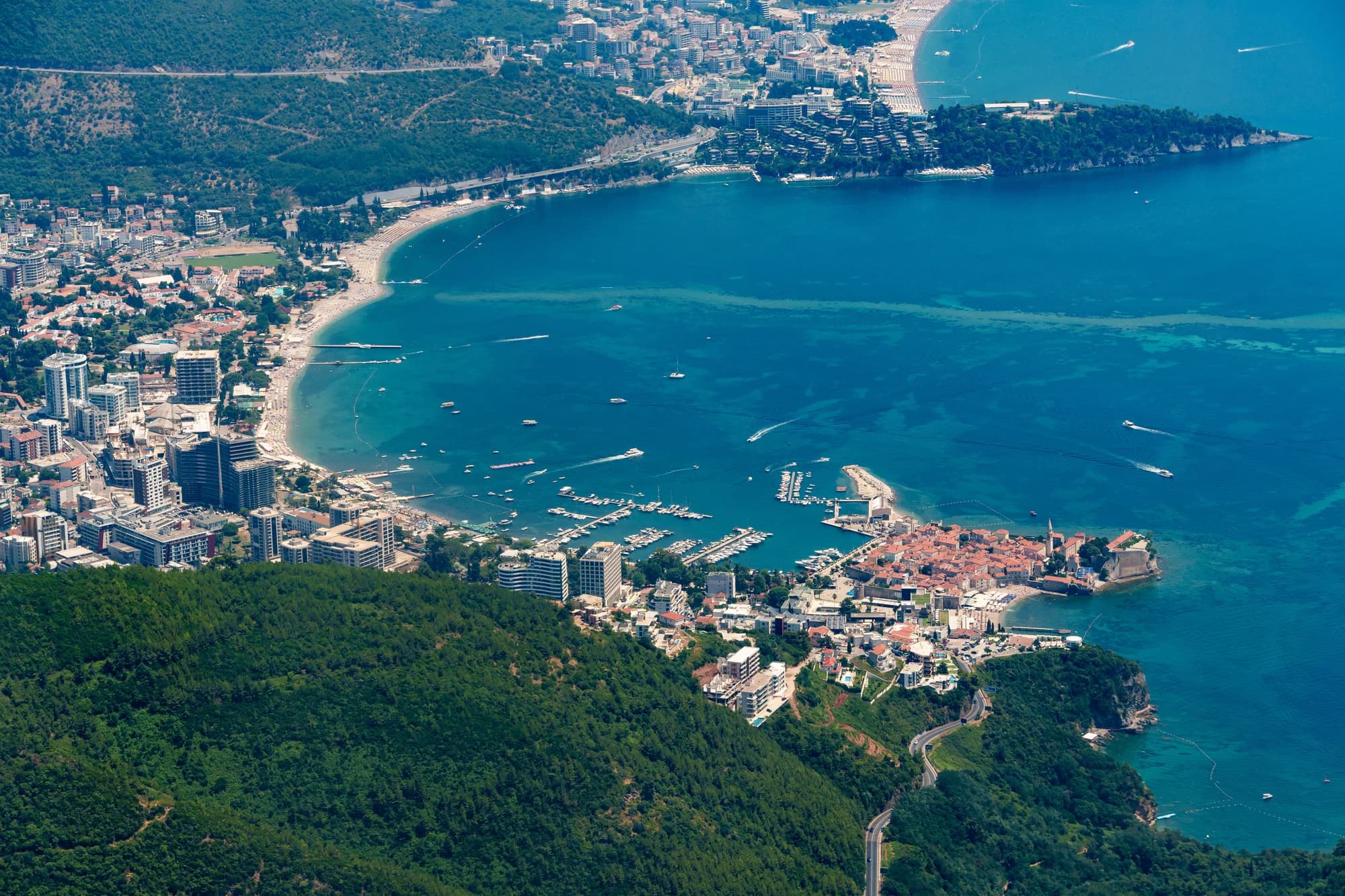
Start on the seafront rather than the main road. From the Old Town and marina side, follow Slovenska plaža east with the water on your right. Continue to the far end of the beach toward Zavala; the coast narrows as the headland blocks the bay. Budva Tourism's Slovenska Beach page describes the promenade running from the Old Town through the tunnel at Zavala, and the 2024 EPA assessment describes the existing Budva–Bečići path through a tunnel in the headland; the 2025 police statement confirms the passage is for pedestrians only.
Do not use a hotel name as your only landmark. Waterfront businesses and brands change. Use the fixed geography: Slovenska beach, the sea edge and Zavala. If you are beginning near the old walls, our complete Budva guide helps orient the marina and promenade, while the Budva Ballerina guide covers the opposite, western side of the Old Town rather than the route to Bečići.
At the portal, stop and assess. Is the entrance open? Can you see functioning light or a clear exit direction? Is the floor dry enough for your footwear? Is work equipment, fencing or a crowd reducing the usable width? If any answer is uncomfortable, turn back to the populated promenade. A tunnel is not the place to discover that your phone light is your only light.
| Step | Point on route |
|---|---|
| 1 | Budva Old Town |
| 2 | Slovenska end |
| 3 | Zavala tunnel |
| 4 | Bečići side |
| 5 | Beach promenade |
Source: rtvbudva.me, budva.travel
Finding the tunnel from Bečići
From Bečići, walk west along the waterfront toward Zavala and Budva. The official Budva tourism page describes the long beach promenade as connecting toward Kamenovo in one direction and the Old Town in the other. At the western end, stay with the signed pedestrian connection around the buildings and toward the headland. Follow current signs rather than a frozen turn-by-turn instruction.
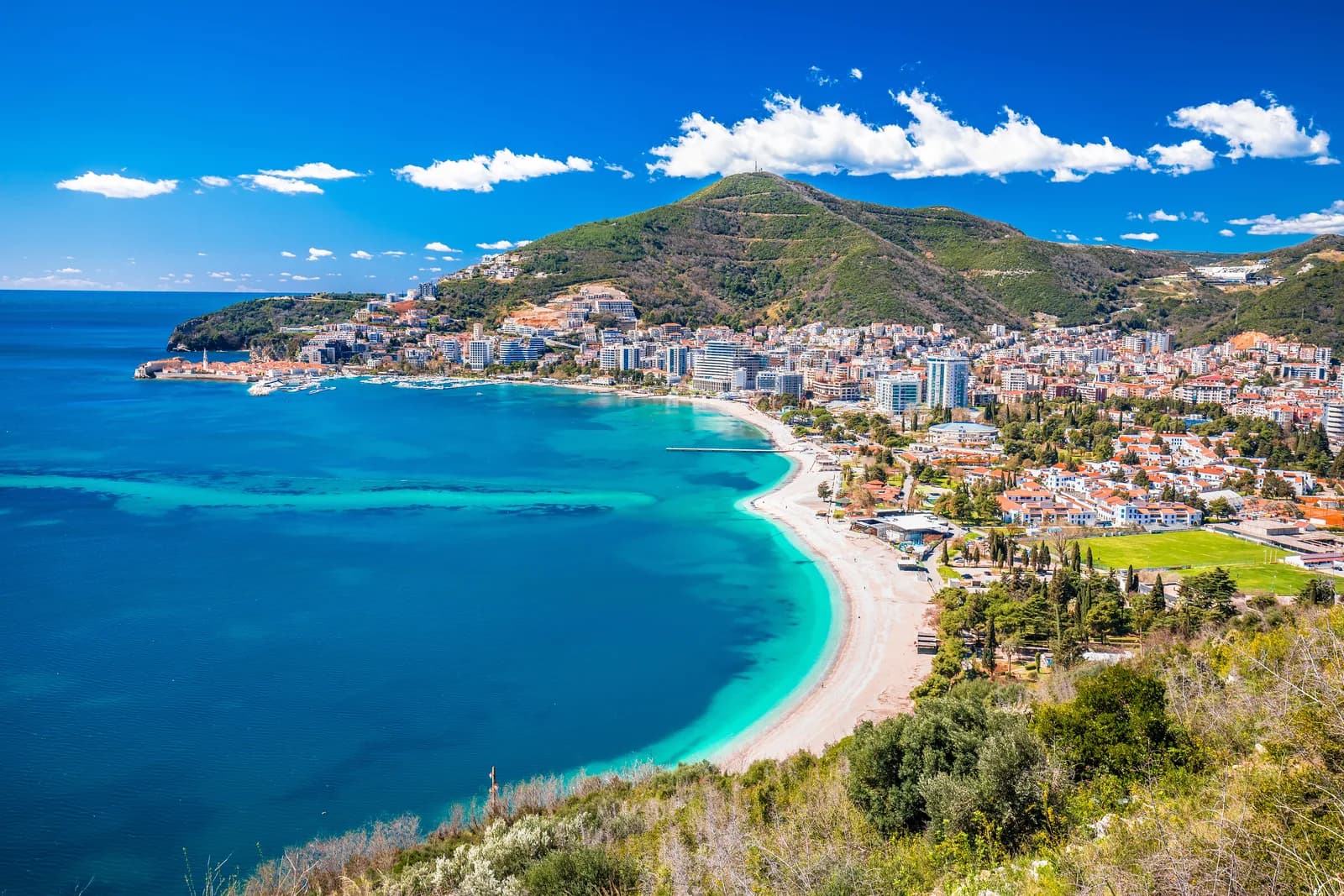
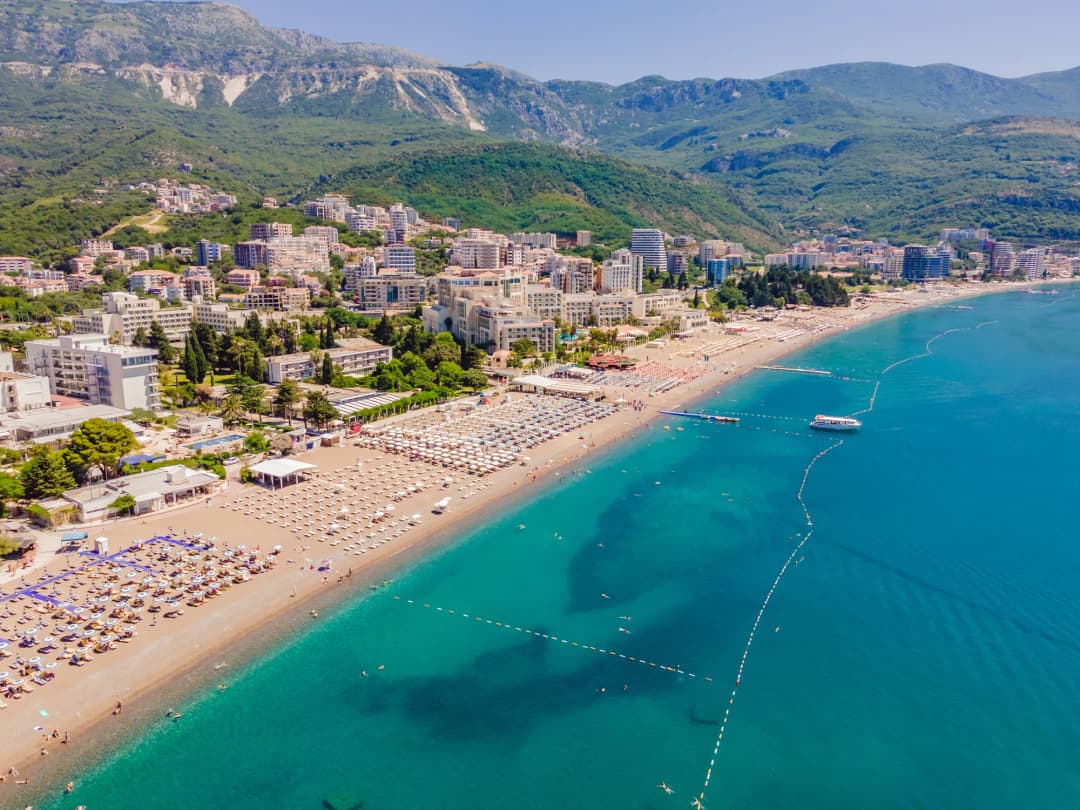
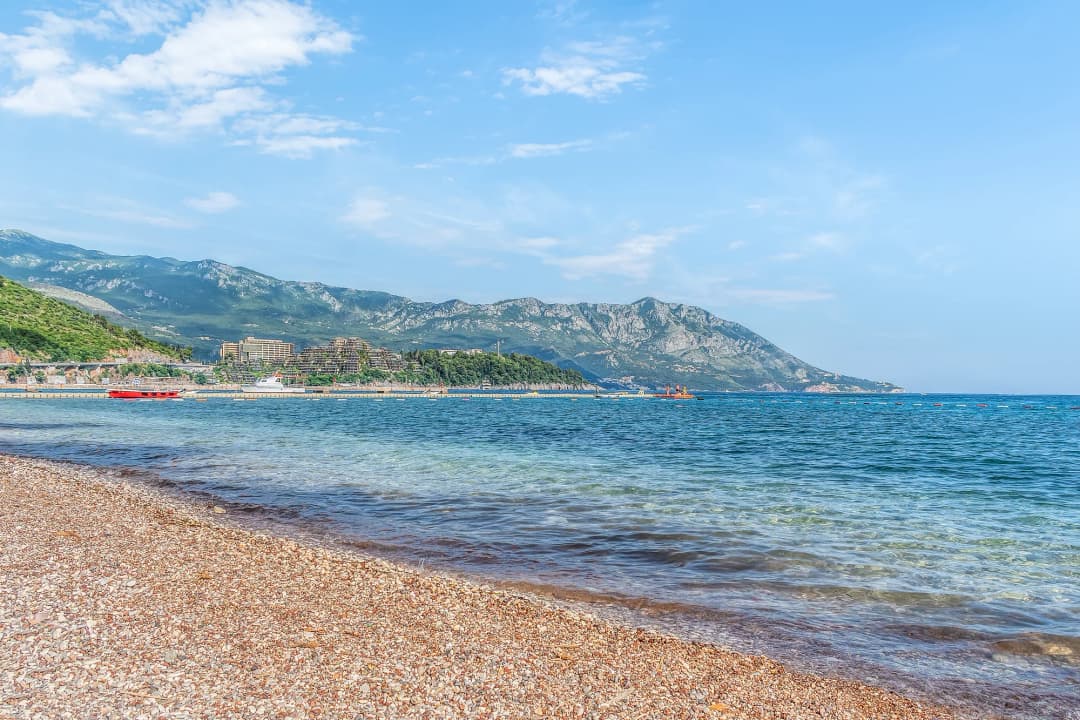
Bečići beach itself is the easy visual anchor: a broad resort bay running from Zavala toward Đevištinje and Rafailovići. The tourism organisation describes it as about two kilometres long. That figure belongs to the beach, not the tunnel. The inherited “hundred-metre tunnel” label is plausible but was not confirmed in the reviewed municipal documents, so this guide does not present it as a surveyed length.
The art: what is documented and what can change
The “gallery” has a real, traceable core. In a 2016 interview, Russian artist Aleksandar Florenski explained that he made drawings for the bilingual book Crnogorska azbuka (Montenegrin Alphabet), with an illustration for each of 30 letters. He said Dukley Art Center printed the drawings in large format and exhibited them in the tunnel between Bečići and Budva. A 2015 Vijesti report separately identifies the book as one of Florenski's subjective tourist guides and records an exhibition of the drawings at Podgorica's Radosav Ljumović library.
This evidence corrects two common simplifications. First, the installation was not an anonymous collection that “somewhere along the way” appeared on the walls. Second, the displayed works were large-format prints from a defined artistic project, not proof that the tunnel was purpose-built as a municipal gallery. The tunnel's transport function came first; art changed the experience of moving through it.
Visitor reviews have described the alphabet panels, though they could not be re-checked for this update, and displays in a public passage can be moved, damaged, covered or replaced. Go expecting a useful pedestrian link with a documented art history, not a museum with a guaranteed checklist. Do not touch panels or block the narrowest part of the route while photographing them.
| Date | Record | Detail |
|---|---|---|
| 2015 | Book + library | Exhibition reported |
| 2016 | Florenski explains | Tunnel installation |
| Nov 2025 | Visitor snapshot (not re-checked) | Panels described |
Source: vijesti.me, old.dan.co.me, tripadvisor.com
The two beach stories, with attribution
What the sources say
Budva Tourism Organisation says Slovenska plaža received its name from early Czech tourists; a current official brochure dates those visitors to 1935. The organisation's destination history places the broader expansion of Budva tourism in the interwar years, after the Cetinje–Budva road opened in 1931 and the royal residence at Miločer was built in 1935. This is local destination history, not evidence that every sentence of the popular beach-name story has been independently reconstructed from a visitor register.
The same tourism authority says Bečići beach received a Grand Prix in Paris in 1935 and a Golden Palm about three decades later. The inherited article turned these into unqualified superlatives. Here they remain attributed claims because the reviewed source does not identify the Paris competition, jury archive or later award record. What can be observed without an award is the geography: Bečići is a long, broad bay, while Slovenska is Budva's urban beach.
Practical safety and accessibility checks
- Pedestrians have priority. Police describe the tunnel as exclusively for pedestrian movement. The 2025 car incident proves a rule can be broken; keep children close and remain alert.
- Check light from the threshold. Do not assume lights work because an older guide says they do. Carry a charged phone, but do not enter a dark passage relying only on it.
- Expect a damp surface. Coastal tunnels can collect drips and tracked-in water. Wear shoes with grip and slow down if the floor shines.
- Do not assume barrier-free access. A route without obvious stairs can still have slopes, lips, narrowings, parked equipment or crowd pressure. Mobility-aid users should ask the Budva tourism office or accommodation for a same-day check.
- Dismount if cycling. This is a short shared pedestrian space with artwork and limited sight lines. Walk a bicycle through and yield.
- Stay out of the carriageway. If the portal is closed, use the pavement beside the main road over Zavala where there is one, or take a licensed taxi or local bus. Do not walk in the road itself.
- Use 112 only for emergencies. Montenegro's Ministry of the Interior identifies 112 as the single emergency number for residents and tourists. It is not an opening-status helpline.
| Condition | Proceed cautiously | Turn back |
|---|---|---|
| Portal | ✓ Portal open | ✕ Gate or work barrier |
| Light | ✓ Usable lighting | ✕ Darkness or flooding |
| Path | ✓ Clear pedestrian path | ✕ Unsafe narrowing |
| Surface / traffic | ✓ Surface suits your group | ✕ Vehicle activity |
Source: rtvbudva.me, gov.me
Build a same-day evidence chain
No single source answers every access question. The municipal competition page establishes only the wider Budva–Bečići promenade-planning context, but Budva Tourism's Slovenska Beach page and the 2024 EPA assessment both describe the tunnel as part of the promenade. The police statement is the stronger tunnel-specific source because it documents pedestrians physically present during a dated incident and explicitly identifies the intended mode of use. It still cannot tell you whether a light failed yesterday or maintenance fencing appeared this morning. Recent traveler photographs and reports can narrow that time gap, but they are self-reported snapshots and may describe a different hour, entrance or surface condition.
Use those sources in order. First, establish that you have found the correct public passage rather than a service entrance. Second, look for a same-day signal from your accommodation, the tourism office or a person who has just come through. Third, inspect the portal yourself. The entrance is the final decision point because it can reveal facts that no article can keep current: a locked gate, temporary cable, pooled water, failed lamp or unusually dense foot traffic.
A photograph also has limits. An image looking out from a bright portal can hide a dark bend behind the camera. A smooth section of floor does not measure the lip at the other entrance. A family with a compact pushchair does not prove that a wide wheelchair, handcycle or mobility scooter can turn comfortably. Ask a specific question—“Are both entrances step-free today, and is the narrowest section clear?”—rather than the vague “Is it accessible?” The useful answer describes the obstacle, not just a yes or no.
If you depend on the tunnel to reach a reservation, build slack into the plan. Walkers who arrive and turn back need enough time to return to the populated part of the promenade and arrange transport. That is especially important after dark, in heavy rain, during local works or when a large event changes pedestrian flows. A convenient shortcut should never become the only feasible route in your schedule.
Choose conditions, not a mythical “best time”
Early morning is often quieter on resort promenades, but quiet is not automatically safer if lighting is poor or nobody else is nearby. Midday offers more activity and easier visual confirmation at the approaches, but summer heat and beach crowds can make the exposed sections on either side uncomfortable. Evening may be pleasant on the waterfront, yet a failure inside a lit-by-reputation tunnel matters more after sunset. Choose the period when your group can assess the entrance and complete the exposed approach comfortably.
After rain, treat the floor as an unknown until inspected. Water can be tracked through a covered passage even when the storm has passed, and smooth worn areas may be more slippery than the promenade outside. Do not run, and give other walkers room to pass without forcing them against a wall or artwork. If water is flowing, pooling deeply or concealing the surface, turn back. This is ordinary risk management, not a claim that the tunnel routinely floods.
With children, agree before entering that the tunnel is a transport corridor, not an echo chamber or play area. Keep them on the same side, away from the centre line and within reach. The 2025 vehicle event is a reason for alertness, not alarm: police acted precisely because a car was not supposed to be there. With a dog, use a short lead and consider whether crowds, echoes and confined encounters with other animals will be manageable.
People sensitive to enclosed spaces should know that “short” does not mean psychologically effortless. Look through from the threshold, identify the direction of travel and decide without pressure. If the bend or light pattern is uncomfortable, returning is a valid choice. If you turn back, use the pavement beside the main road where there is one, or local transport; never walk in the carriageway. The same principle applies to anyone with balance, vision, hearing or respiratory concerns: make the decision from present conditions and personal needs, not from a generic statement that thousands of tourists use the route.
Condition table: claim versus evidence
| Question | Best reviewed evidence | Conclusion for 2026 | What to verify on site |
|---|---|---|---|
| Is it a pedestrian route? | 2025 Police Directorate statement | Yes, formally pedestrian-only | Watch for unlawful or maintenance vehicles |
| Is it recently used? | 2025 official incident; Slovenska Beach page; 2024 EPA assessment | Recent use supported | Portal open today |
| Is it always lit? | No current maintenance source found | Do not guarantee | Light visible and adequate |
| Is it wheelchair accessible? | No access audit found | Unknown for individual needs | Gradient, lips, width, surface, crowd |
| Is the alphabet art present? | Documented installation; visitor reports not re-checked | Recently reported, but changeable | Panel condition and current display |
| Is it open 24/7? | No official hours found | Unverified | Same-day status; never bypass a closure |
Extending the walk beyond the tunnel
The safest simple extension is along the populated Bečići promenade. Continue east to Rafailovići, where the resort strip meets the old fishing-settlement identity. Farther on, the coastal route leads toward Kamenovo Beach. Treat every additional tunnel or cliff-side section as a separate access decision; one open passage does not prove the next is open.
Beyond Kamenovo, the coastline becomes less uniformly urban. Our Pržno guide helps plan the next village, while the Perazića Do tunnel audit is deliberately separate because that route has different infrastructure and evidence. Do not transfer safety claims between them.
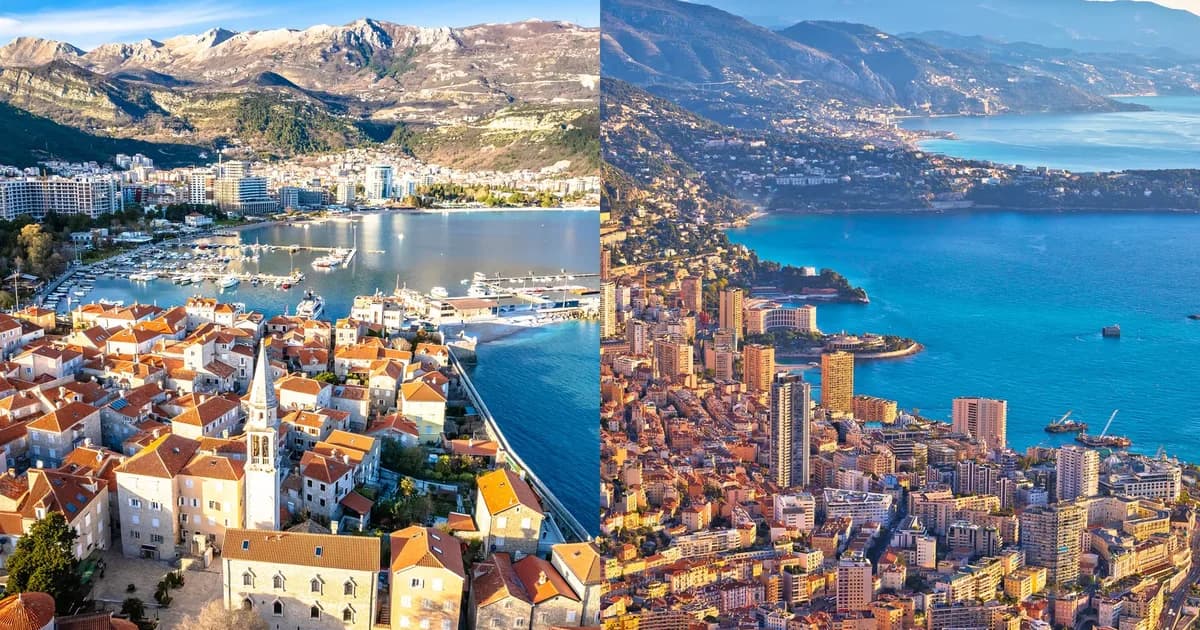
For a full-day plan, fold the walk into the seven-day Montenegro itinerary instead of estimating transfers from beach marketing. If you are deciding whether to stay in the urban centre or resort belt, Budva versus Monaco offers a broader cost-and-character comparison. The tunnel is useful precisely because it lets you experience both sides without pretending they are the same place.
| Step | Stop |
|---|---|
| 1 | Zavala tunnel |
| 2 | Bečići |
| 3 | Rafailovići |
| 4 | Kamenovo |
Source: budva.travel
Frequently asked questions
Is the Budva–Bečići tunnel open in 2026?
Recent official and visitor evidence supports continued pedestrian use, but no reviewed authority publishes permanent hours or a live status feed. Check the portal and lighting on the day. Never pass a barrier or closure sign.
How long is the tunnel?
It is a short passage that takes only a few minutes for many walkers. Although “about 100 metres” is widely repeated, no reviewed surviving official source states a surveyed length, so this guide does not certify that number. OpenStreetMap maps the footway at roughly 150 metres, which is community mapping rather than a survey.
Can wheelchairs and pushchairs use it?
The route appears to avoid intentional stairs, but there is no reviewed current accessibility audit. Gradient, entrance lips, width, wet surface, work and crowding can matter. Ask for a same-day local check based on the exact mobility aid.
Can bicycles or tourist vehicles use the tunnel?
Police describe it as intended exclusively for pedestrians. Walk a bicycle and yield. A car's illegal passage in 2025 was an enforcement incident, not permission for motor traffic.
What should I do if it is closed?
Use the pavement beside the main road where there is one, or take a local bus or licensed taxi. Do not walk in the carriageway around Zavala. Contact your accommodation or Budva tourism information for routine route advice; call 112 only in an emergency.
Bottom line
The Zavala tunnel is valuable because it is ordinary infrastructure made memorable: a pedestrian connection, a documented art installation and a hinge between two different bays. Use it as a short walking link, not as an attraction that suspends normal judgment. Confirm the entrance is open, the light and surface work for your group, walk bicycles, keep alert for rule-breakers, and if it is closed, use the roadside pavement or local transport rather than walking in the road.