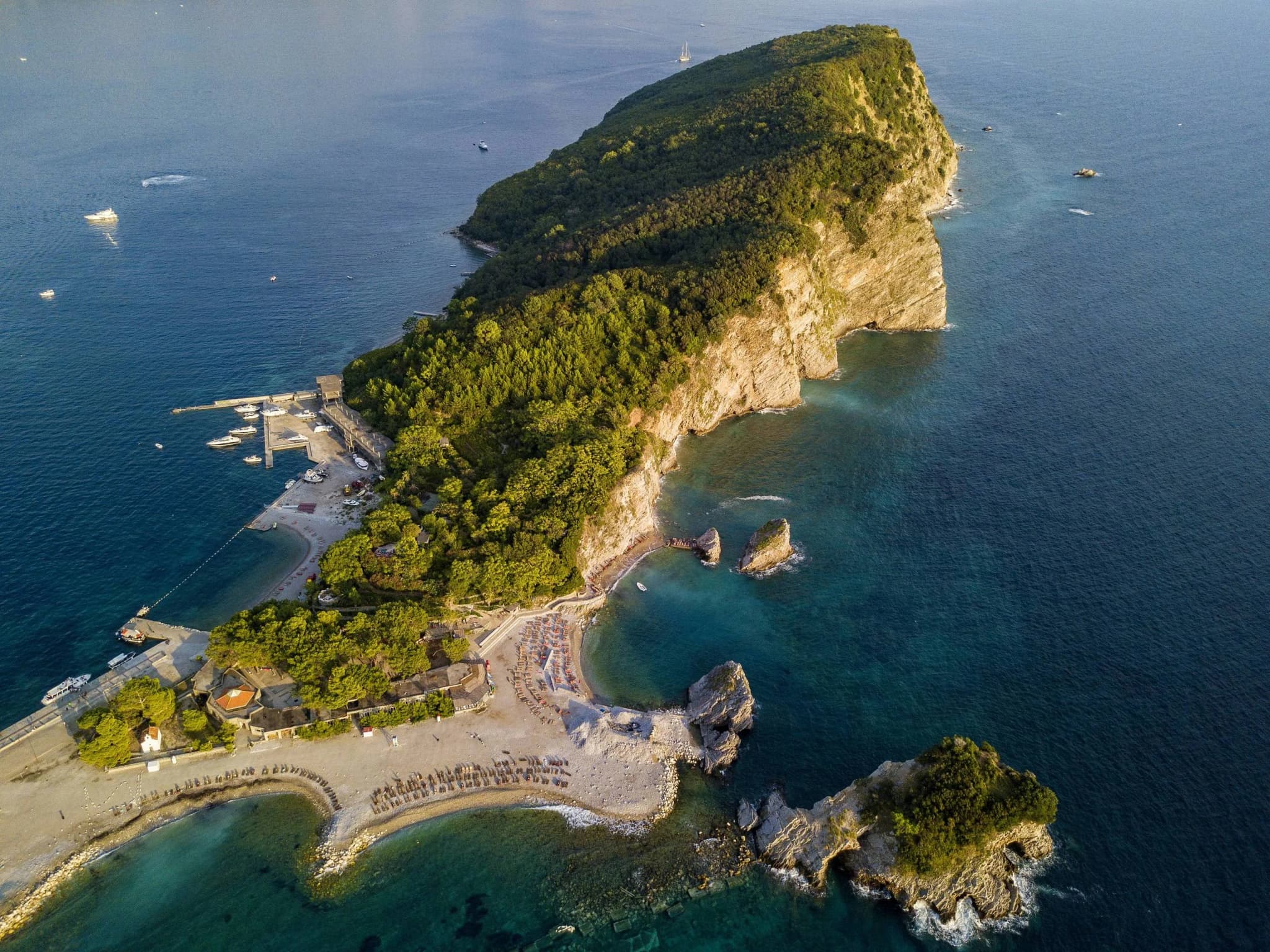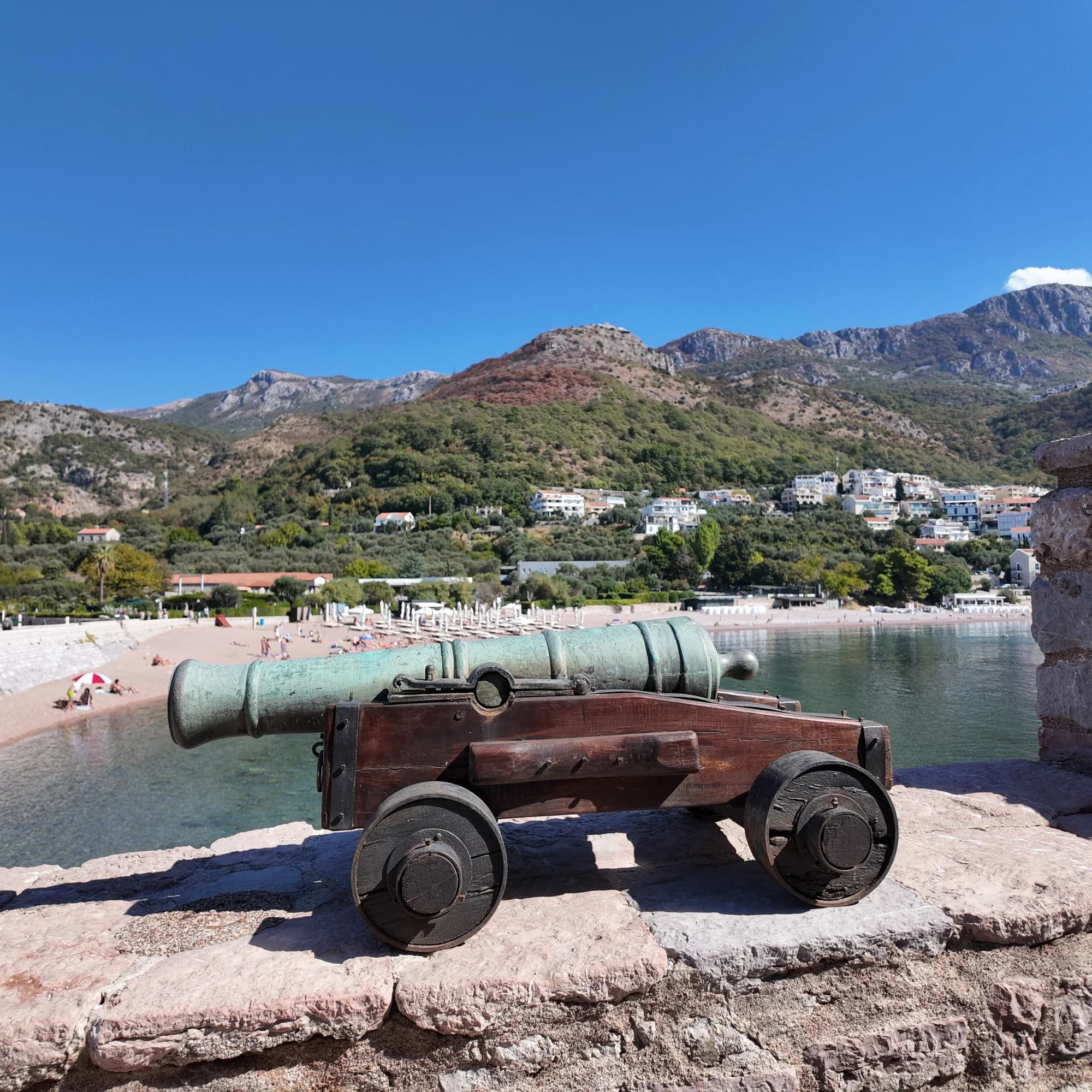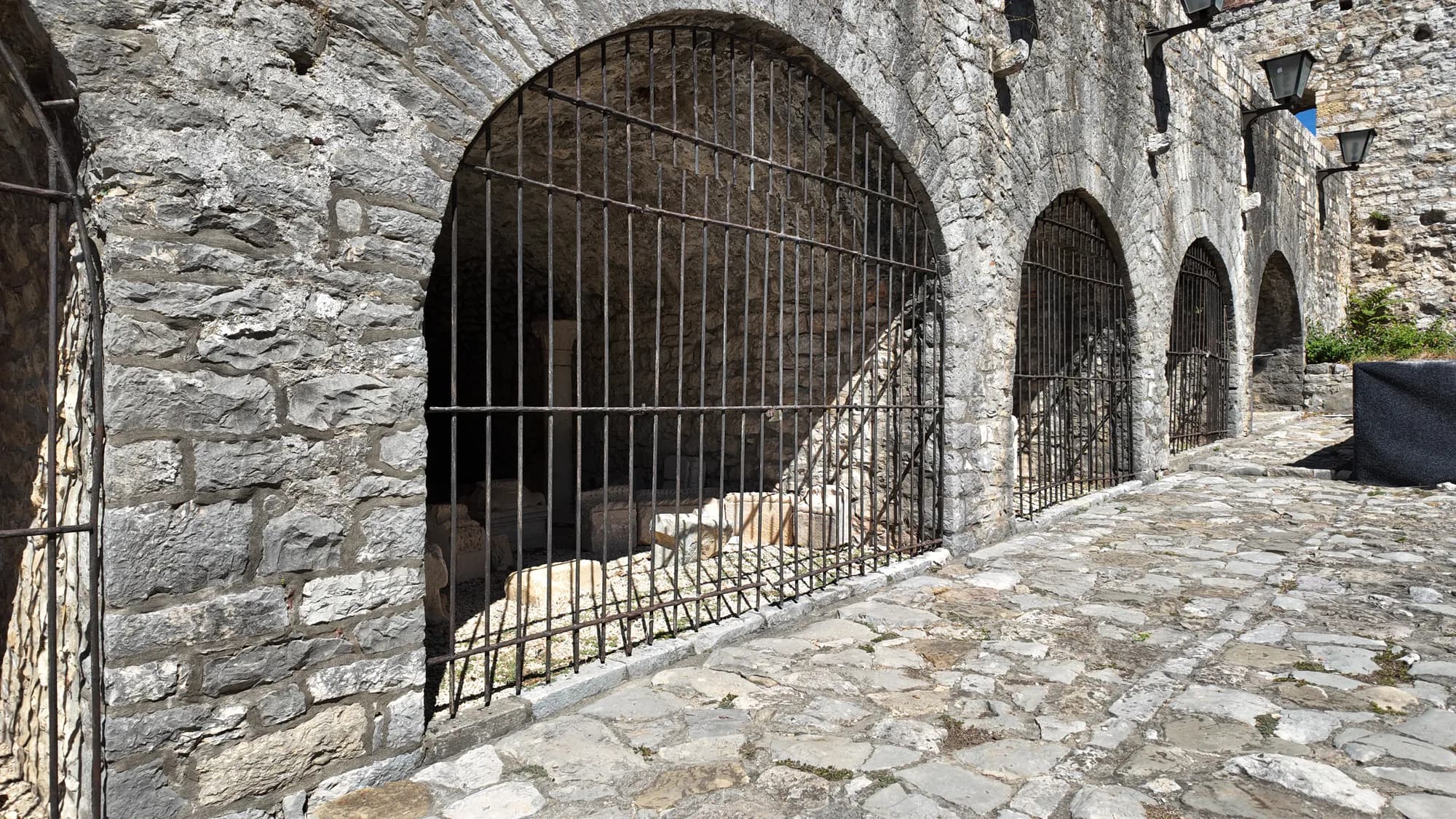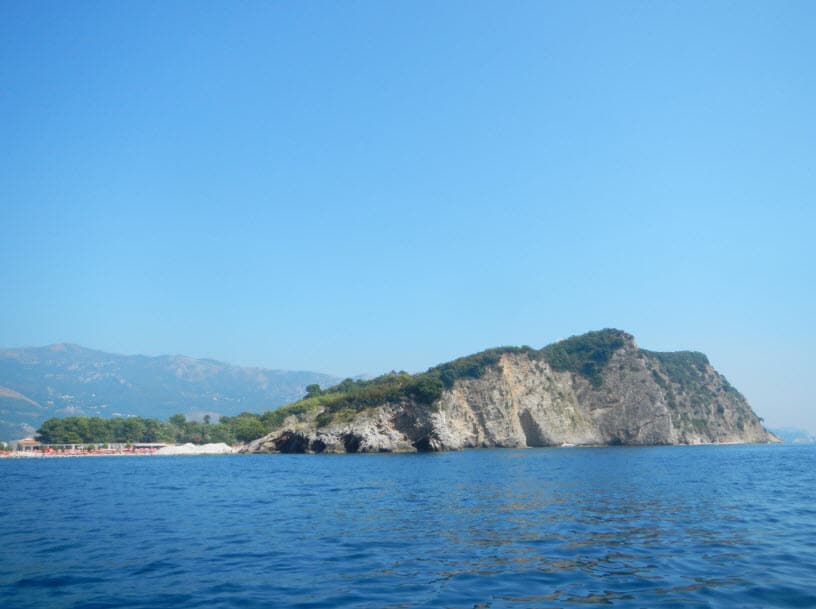
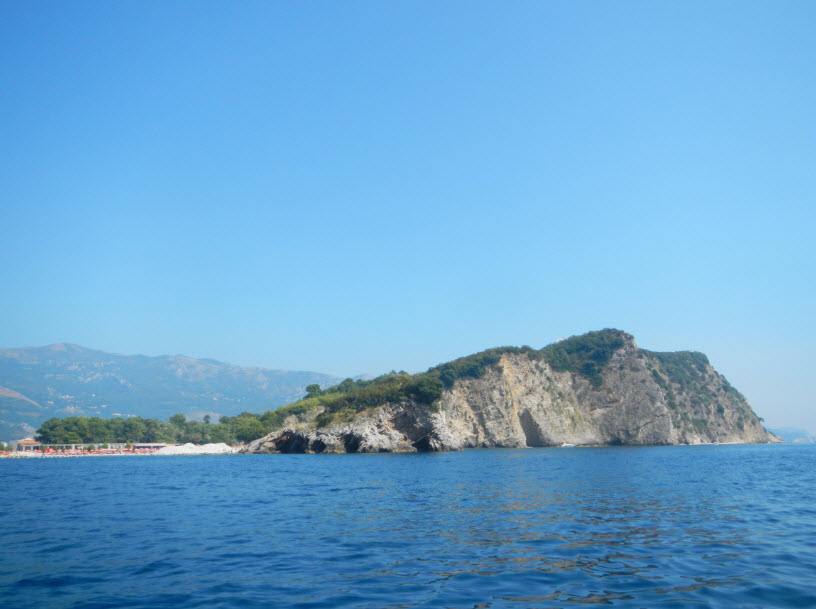
Sveti Nikola is the long, rocky island directly off Budva. From the promenade it looks close enough to be part of the town; from the water, its steep southern cliffs and narrow pebble inlets feel like a different coast. That contrast made Montenegro.com’s 2016 boat diary memorable. It also encouraged a kind of improvisation—swimming toward isolated coves and exploring a cave—that should not be presented as universal advice.
This revision keeps the original photographs and sense of discovery, then adds what a traveller needs now: how to choose a boat, what facilities not to assume, how to check bathing water, why the cliffs deserve distance and what to do when sea conditions change. Sveti Nikola is an easy island to see. Visiting it well still requires decisions.
Sveti Nikola in one minute
| Question | Evidence-led answer |
|---|---|
| Why go? | For a boat arrival, pebble bathing and a water-level view of the island’s layered limestone. |
| How do you arrive? | By a currently operating excursion boat or private transfer; confirm the exact beach, return and weather policy. |
| What is documented? | Budva’s tourism organisation describes three main beaches, smaller southern beaches reached by boat and 840 metres of beach length in total. |
| What should you carry? | Water, sun protection, secure footwear, a charged phone, cash/card backup and any food or medication you cannot do without. |
| What should you not assume? | A fixed timetable, continuous lifeguard cover, open bars, shade, potable water, easy cave access or permission to land at every cove. |
For a broader destination overview, begin with our Sveti Nikola travel guide. This article focuses on the boat-and-beach decision rather than treating the island as another Budva neighbourhood.
What the official record actually says
The Tourism Organisation of Budva describes Sveti Nikola as a Mediterranean-vegetation island with three beaches and smaller beaches on the southern side that are accessible by boat. It gives a combined beach length of 840 metres. That figure is more useful than an inflated promise of “endless” coast: landing space is finite, pebble edges can narrow when the sea rises, and a beach that looks empty from offshore may have no safe approach.
Planning documents treat the rocky coast, vegetation and wildlife as assets to protect, not empty scenery awaiting recreational use. The Environmental Protection Agency’s 2012 national report identified the cliffs as significant nesting habitat for Alpine swifts, house martins and yellow-legged gulls. That source is too old for a present population count, but it establishes why circling close to cliff faces, playing loud music beneath nests or landing outside managed areas is not harmless.
Choosing a boat without guessing
Boats commonly depart from the Budva waterfront in season, but a vessel at the quay is not automatically a scheduled public service. Before paying, ask five questions: Where exactly will you land? Is the quoted time a departure or boarding time? When is the last return? What happens if wind or swell increases? Does the fare include only transport, or a tour with additional stops?
Get the operator’s name or number and photograph the vessel. If the boat runs a circuit, establish whether you may return on any later sailing or only a designated one. Parents should ask about correctly sized lifejackets. Travellers with reduced mobility should describe their needs rather than asking only whether access is “easy”: boarding may involve a moving gangway, a high step or a pebble landing.
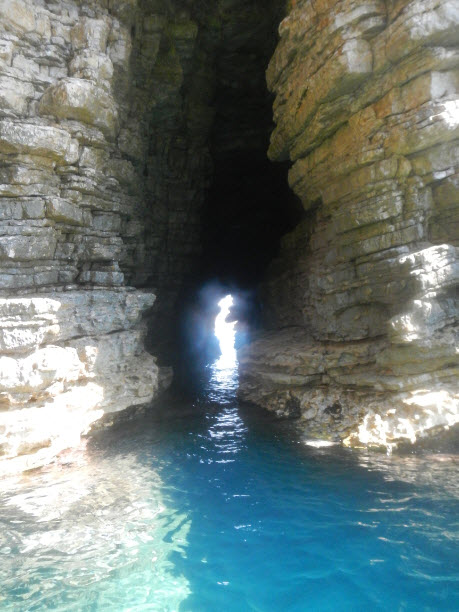
A private boat provides timing flexibility but transfers more responsibility to the skipper and passengers. Confirm licensing, capacity, safety equipment and the proposed landing. A cave mouth or narrow slot is not a normal quay. Our Blue Cave guide explains the same principle on the Luštica coast: visual drama does not remove the need for a qualified operator and a weather decision.
Why sea safety changes the itinerary
Montenegro’s 2026 maritime enforcement campaign reported 89 inspections, 56 violations and €37,300 in penalties. The government listed common problems including unsafe distance from shore or swimmers, excessive speed and missing documentation. These are national figures, not evidence that Sveti Nikola is uniquely dangerous. They are a practical reminder that the short water gap beside a busy resort is an active navigation area.
| Item | Detail |
|---|---|
| Inspections | 89 |
| Violations | 56 |
| Penalties | €37,300 |
| 1. Verify the vessel | Operator, capacity and lifejackets |
| 2. Protect swimmers | Use marked access and heed traffic |
| 3. Keep a return plan | Weather, last boat and backup contact |
Source: gov.me
Do not swim across from Budva. Distance is only one element of risk; traffic, visibility, wind, current and fatigue matter. Likewise, do not swim around a headland to reach a beach you cannot evaluate. The original diary’s swimmers had a specific day, vessel and conditions. It is not a route prescription.
Montenegro’s Maritime Operations Center coordinates search-and-rescue functions and publishes 129 as the maritime emergency number; 112 is the general emergency number. In an emergency, give the vessel name if known, location or visible landmarks, number of people and nature of distress. Do not delay a call while trying to establish perfect coordinates.
Reading the cliffs from a respectful distance
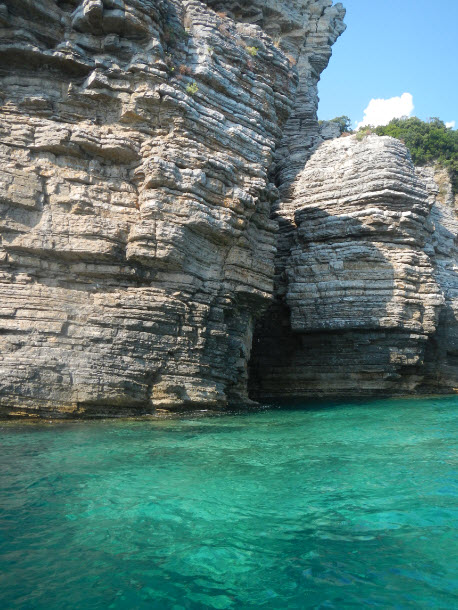
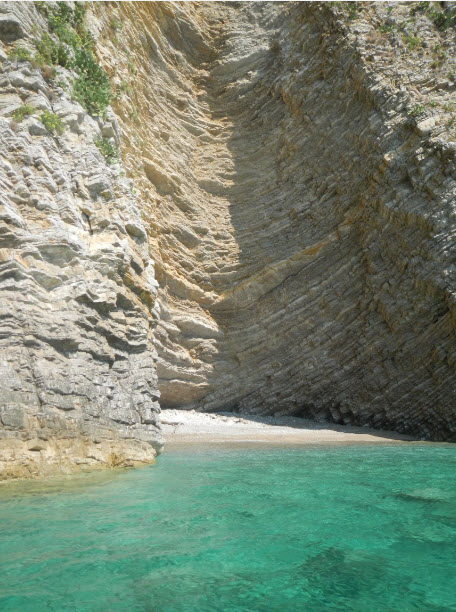
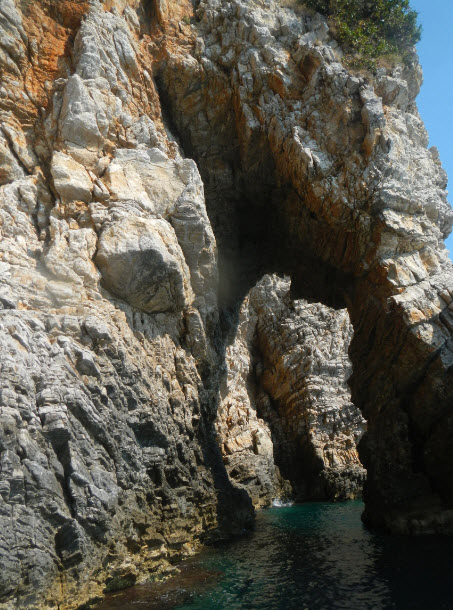
The island’s strongest visual sequence is on the water side: bedding planes, fractures, small beaches and openings appear and disappear as the boat changes angle. Look, but let the skipper set distance. Rockfall can occur without warning, swell can push a small craft toward stone, and bird colonies are easily disturbed.
Do not remove rock, vegetation or shells. Keep drones away from nesting faces and comply with current restrictions. If a skipper proposes entering a tight opening, ask whether conditions allow a safe turn and exit. Choosing not to enter is not missing the island; the geology is legible from outside.
Beaches, services and water quality
A managed landing can still be simple. Carry more water than a short crossing seems to justify, because heat, salt and limited shade accelerate dehydration. Pebbles make water shoes useful, while secure sandals are better than smooth soles on rock. Pack out everything, including cigarette ends and fruit stickers. Do not depend on a beach bar for food, toilets, card payment or return information.
Morsko dobro, the public coastal-management body, maintains a bathing-water monitoring portal. Check the mapped result closest to the beach you will use and note its sample date. A June 2026 release reported 28 of 34 sampled Budva-area locations as excellent, two good and four satisfactory in that round. Those municipality-wide numbers cannot be assigned to Sveti Nikola without the location-level map; water quality is sampled, dated evidence, not a permanent colour.
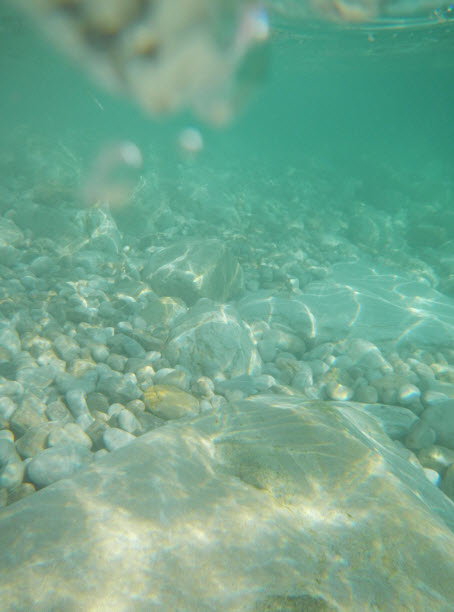
After rain, visible discharge, strong odour, foam or floating waste should change your plan regardless of an older result. Children and weaker swimmers need a clear boundary from boat approaches. If you want a mainland beach with easier overland access, compare Drobni Pijesak; it presents different parking and crowd trade-offs rather than eliminating them.
The church and the limits of a day-visit story
The island takes its modern name from St Nicholas, patron associated with seafarers, and local destination accounts refer to a small church. The legacy article dated it to at least the sixteenth century, but the sources reviewed for this update do not establish a complete building chronology. Do not invent opening hours, access or a founding legend. If the church is reachable, dress and behave as at a religious site; if a path is closed or unclear, leave it.
This restraint matters. An island is easily flattened into a beach product, yet its religious use, ecology, land management and tourism concessions may overlap without sharing a single narrative. The best visit does not require claiming every layer can be accessed.
Practical half-day plan
- Before leaving: check wind and sea conditions, the Morsko dobro monitoring map, your operator’s return policy and the facilities at the named landing.
- At the quay: confirm the vessel, landing beach, last return and how changes will be communicated.
- On approach: stay seated where instructed, keep equipment inside the boat and photograph cliffs without asking for an unsafe close pass.
- On shore: establish the return point first, then choose a visible swimming zone away from manoeuvring vessels.
- Before the final boat: return early enough that a queue, slow boarding or missing passenger does not become an emergency.
If you are staying overnight, our where to stay in Budva guide compares bases and transport trade-offs. International visitors should also verify accommodation registration using our tourist-tax and registration guide. An island excursion does not alter those obligations.
What changed from the 2016 journey
The photographs remain useful primary observations from one trip. The recommendations do not. We removed the invitation to swim to remote coves, separated visual water clarity from monitored quality, replaced fixed-sounding beach-service claims with verification steps and added maritime enforcement context. We also excluded a generic branded “tropical getaway” graphic because it did not document Montenegro.
That is not an attempt to make Sveti Nikola less adventurous. It makes the adventure specific: a close island, a working marine corridor, a sensitive cliff coast and a day whose success depends on a safe return.
Frequently asked questions
Can I swim from Budva to Sveti Nikola?
No. The channel is used by boats, and apparent proximity does not account for traffic, current, visibility, wind or fatigue. Use a legitimate boat service.
Are boats available every day?
Do not assume so. Services and excursions can be seasonal and weather-dependent. Confirm the operator, departure point and final return on the day.
Can I enter the island’s caves?
Only if a qualified operator judges a specific opening safe and lawful under current conditions. Never enter by swimming from an unseen or exposed approach.
Are there restaurants and toilets?
Facilities may operate at managed beaches in season, but their opening and scope change. Ask about the exact landing and carry essentials independently.
Is Sveti Nikola better than Budva’s mainland beaches?
It offers a boat arrival and different geological perspective, not universally better conditions. Travellers prioritising easy access, broad services or a rapid exit may prefer the mainland. For another Budva landmark that needs little logistics, see the Ballerina of Budva guide.