Overview
Risan is the oldest settlement in the Bay of Kotor, Montenegro, with a remarkable history spanning over two millennia. Originally known as Rhizon in antiquity, this small town was once the capital of the Illyrian kingdom and later flourished as the Roman settlement of Risinium. Today, Risan offers visitors a unique combination of ancient history, stunning natural beauty, and tranquil coastal charm, making it an essential stop for anyone exploring the Bay of Kotor UNESCO World Heritage region.
Ancient History: From Illyrian Capital to Roman Prosperity
Illyrian Period (4th-3rd Century BC)
Risan’s documented history extends back to the 4th century BC as Rhizon, the main fortress of the Illyrian Ardiaean Kingdom. The settlement traces its origins even further, with archaeological evidence indicating human presence dating back to the Bronze Age and the 6th millennium BC [1][2][3]. The earliest recorded mention of Rhizon appears in Greek historiography by Polybius in the 2nd century BCE, referring to events of 229 BCE during the First Illyrian War [4][5].
Queen Teuta and the Illyrian Wars (229-228 BC)
Rhizon achieved its greatest prominence as the capital during the reign of Illyrian Queen Teuta, who ruled approximately from 231 BC to 228/227 BC [6][7]. When Roman legions launched the First Illyrian War in 229 BC, Queen Teuta retreated with her followers to the strategically positioned and heavily fortified city of Rhizon, which served as the principal base of the Illyrian fleet [8][9][10]. According to legend, after her defeat, Queen Teuta committed suicide by jumping into the sea at Risan, unable to defy Roman conquest [11].
The Gradina hill above Risan contains remains of the Illyrian acropolis with two defensive rings around the fortress. Archaeological excavations have uncovered ceramic objects confirming Illyrian and Illyrian-Hellenistic habitation, and the archaeological treasure of Queen Teuta was discovered at the Gradina site [12][13].
Roman Period: Risinium (168 BC - 5th Century AD)
Following the Third Illyrian War and Roman conquest in 168-167 BC, Rhizon was renamed Risinium and integrated into the Roman province of Illyricum [14][15]. The town experienced remarkable prosperity during the 1st and 2nd centuries AD, with a population estimated at 10,000 inhabitants [16]. Risan was highly influenced by Greek culture and enjoyed economic success during Roman times, with grand villas built for wealthy noble families [17].
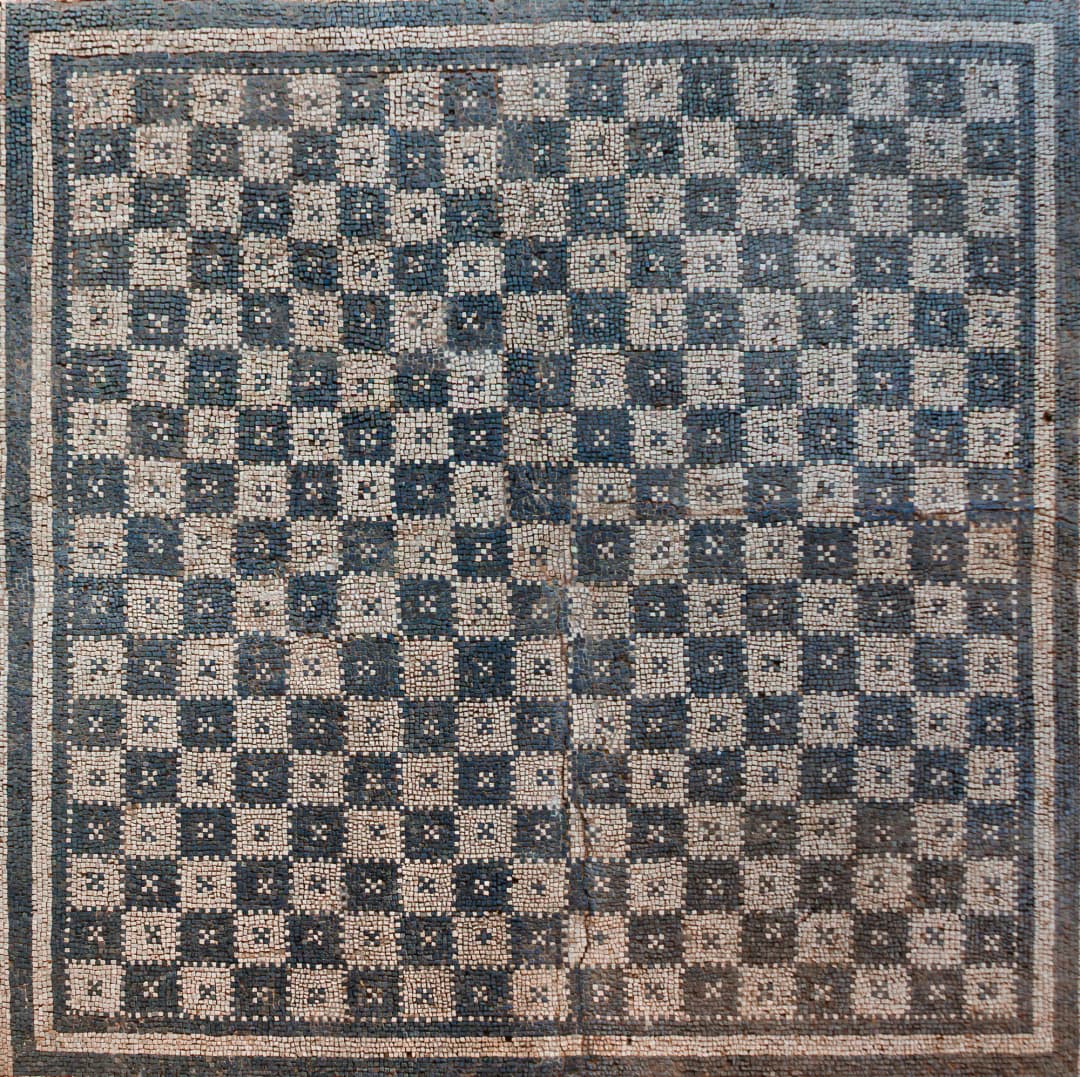
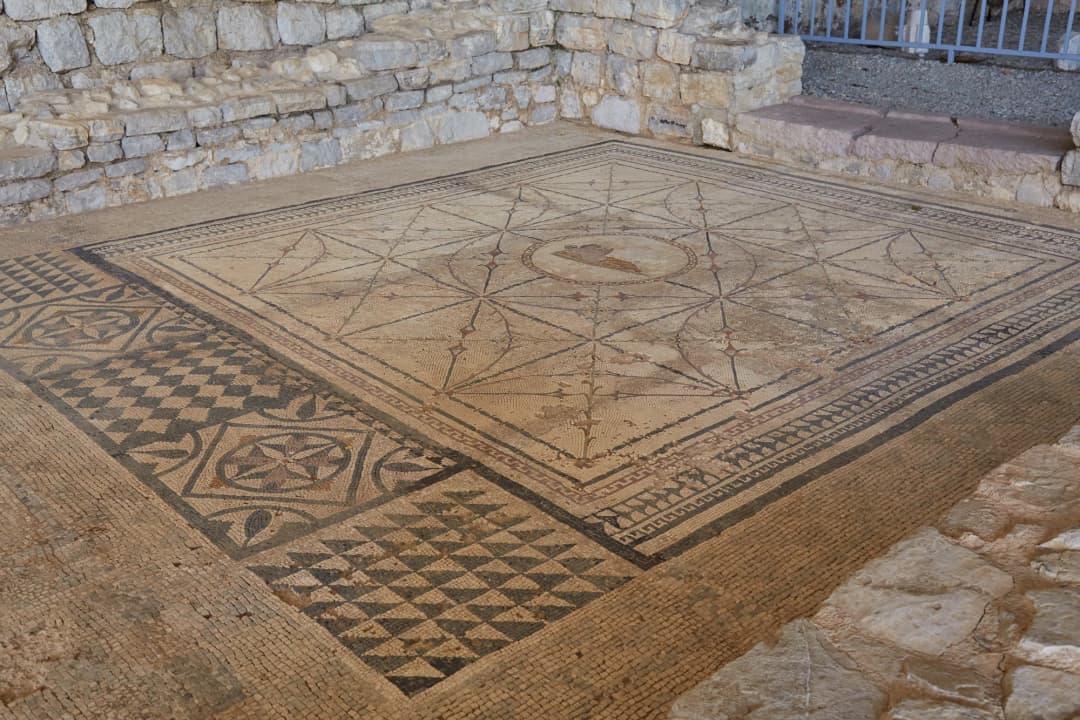
The most significant legacy of Roman Risan is the Villa Urbana (Villa Romana), a type of urban residence that stood out for its beauty, particularly its floor mosaics. This villa is considered a representative example of Roman provincial architecture in the Adriatic region [18][19]. The villa consists of seven ground-floor rooms arranged around an atrium with a rear courtyard, centered on an impluvium pool that collected rainwater [20].
Top Attractions
1. Roman Mosaics - The Hypnos Masterpiece
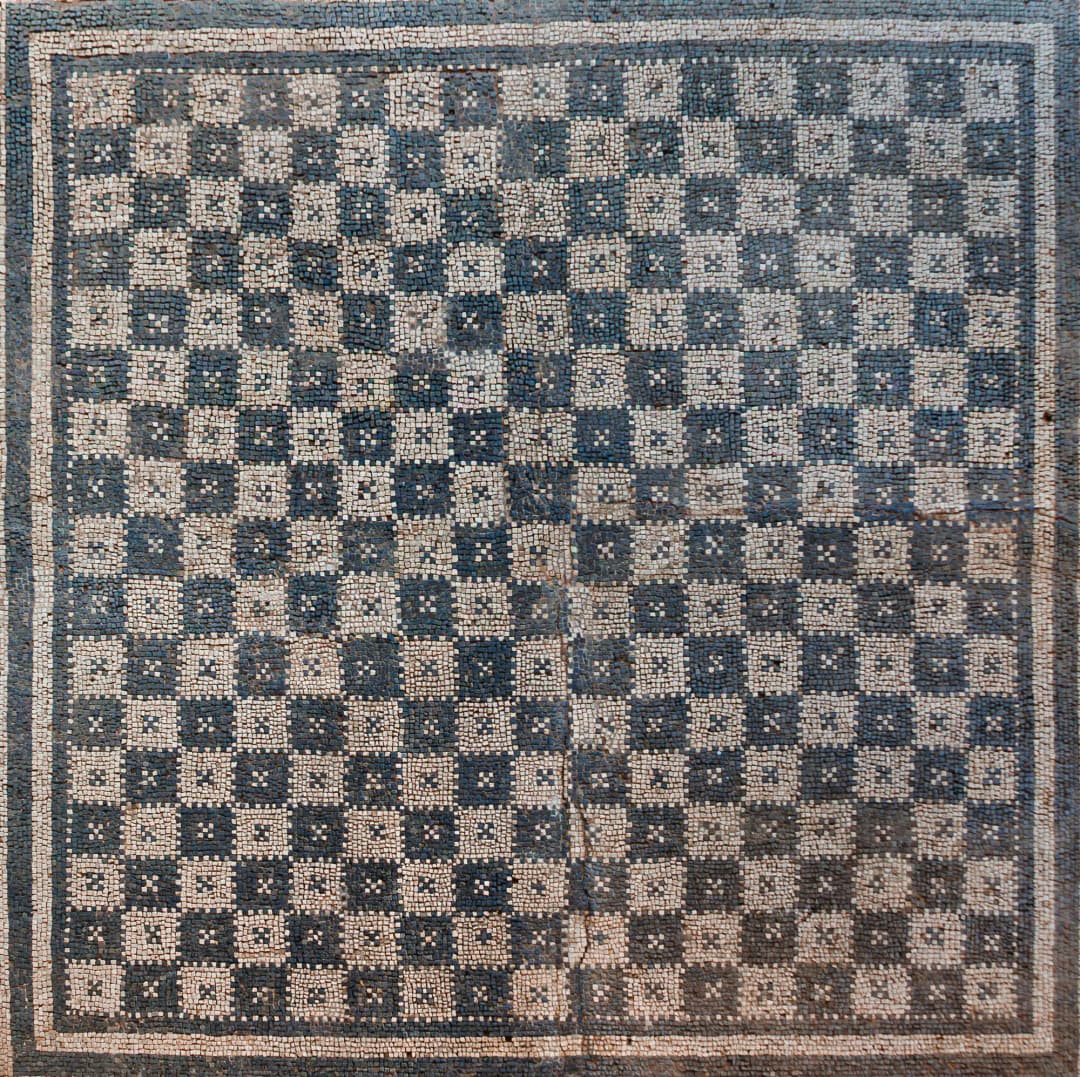
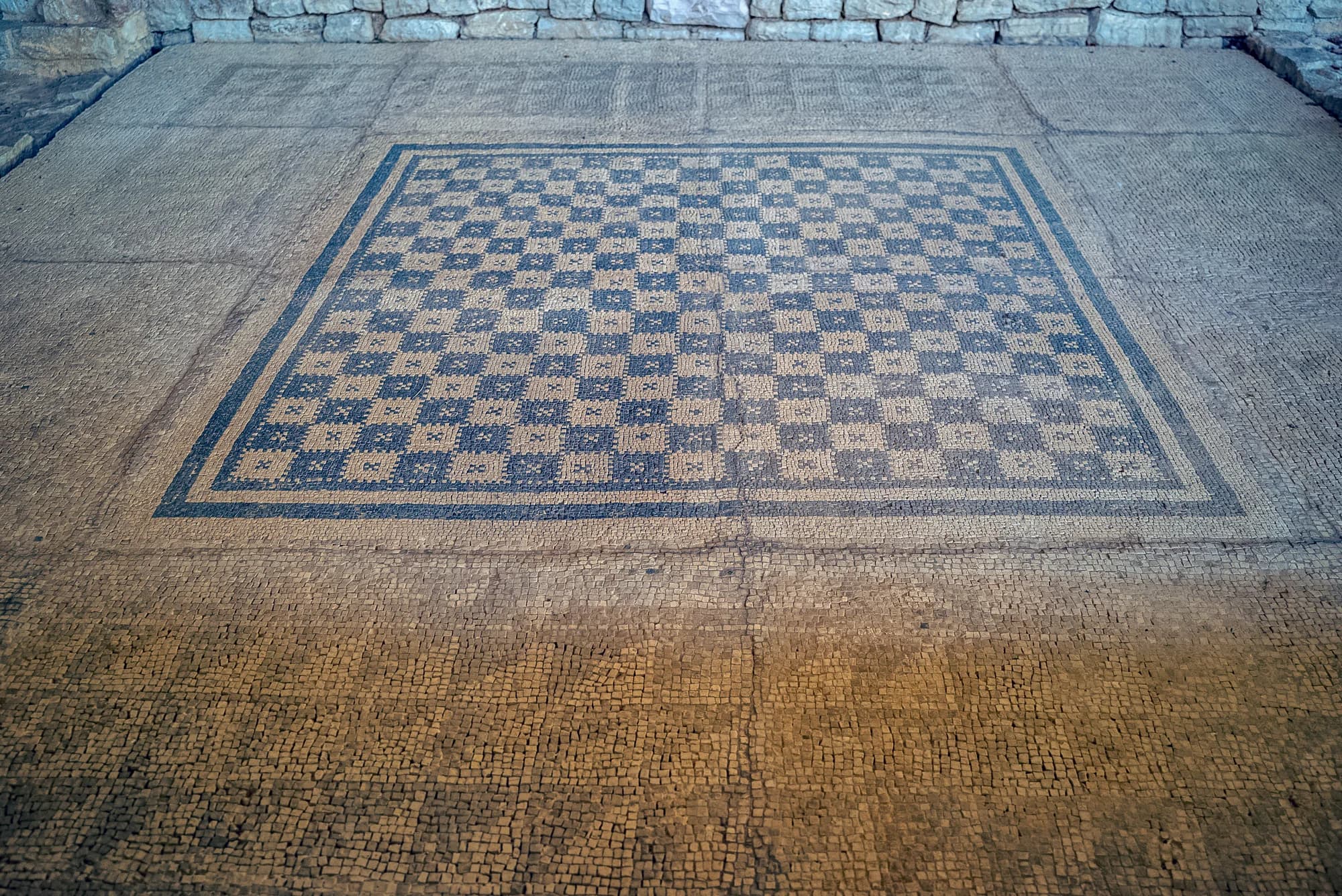
The Roman Mosaics of Risan are Montenegro’s most famous archaeological site and an absolute must-see for any visitor. Dating from the 2nd century AD, these remarkably well-preserved floor mosaics were discovered in 1935 by Dušan Vuksan [21][22][23].
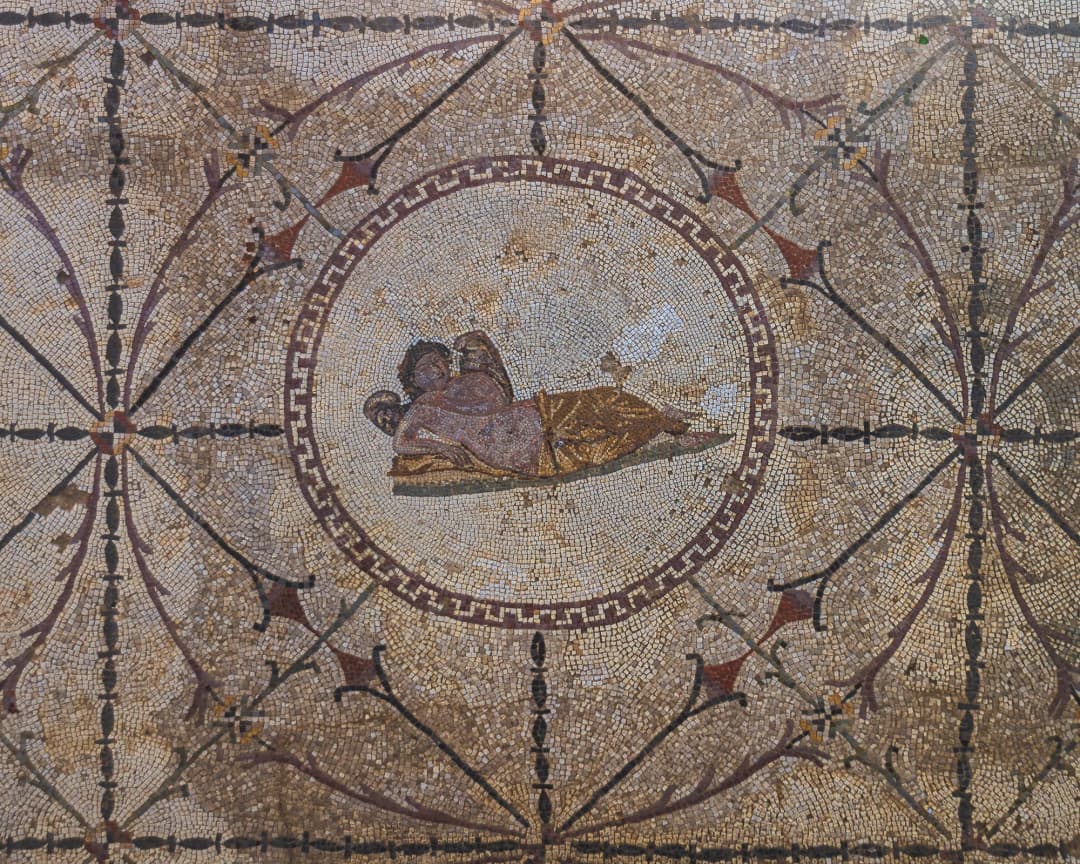
The Hypnos Mosaic: The crown jewel of the collection is the only known mosaic in the world depicting Hypnos, the Greek god of sleep [24][25]. This masterpiece, located in the villa’s primary bedroom, depicts Hypnos as a half-naked young man reclining with crossed legs and wings folded behind his shoulders. It is the only image in the Risan mosaics that uses more than three colors, while most others use white (locally sourced), black, and blue-grey (imported) tiles [26][27].
According to Greek mythology, Hypnos was the protector of Risan who gently touched the eyes of the weary, lulling them to sleep with a branch dipped in the river of oblivion. The mosaic was believed to protect the villa’s owner while he slept [28][29].
Visiting Information: The mosaics are part of the Museum of Kotor collection and are housed in a purpose-built covered museum accessible throughout the year. The site features good signage with clear explanations in multiple languages [30][31].
2. Church of St. Peter and Paul
Built in 1601 and reconstructed in the 18th century, this Orthodox church stands as one of Risan’s most important religious and historical landmarks [32][33]. The church was designed by Italian architect Antonio Costa, who was tragically killed by a falling vault fragment before completing his work [34].
The church symbolizes a period of freedom from Turkish domination and holds deep significance in the area’s history. Inside, visitors can admire numerous 17th-century icons created by the Risan iconographic painting school, a massive gold-gilded altar with Russian influences, and an invaluable collection of sacred objects and books from Russia [35][36][37]. The architecture blends medieval elements with Russian-influenced design, creating a unique aesthetic experience.
3. Banja Monastery (12th Century)
Located at the end of Risan in the shade of cypress trees on the way to Perast, Banja Monastery is a serene 12th-century Orthodox monastery encased in dense pine forest with peaceful views over the Bay of Kotor [38][39]. The monastery was founded by Serbian ruler Stefan Nemanja (1113-1199), who built a church in honor of St. George the Victorious [40][41].
The monastery was first mentioned in the “Studenichki Tipik” document compiled at Studenica monastery by St. Sava of Serbia in 1208 [42]. The name “Banja” is thought to derive from Roman bathrooms that fell into the sea during a severe earthquake along with parts of ancient Risan [43].
4. Gradina Fortress
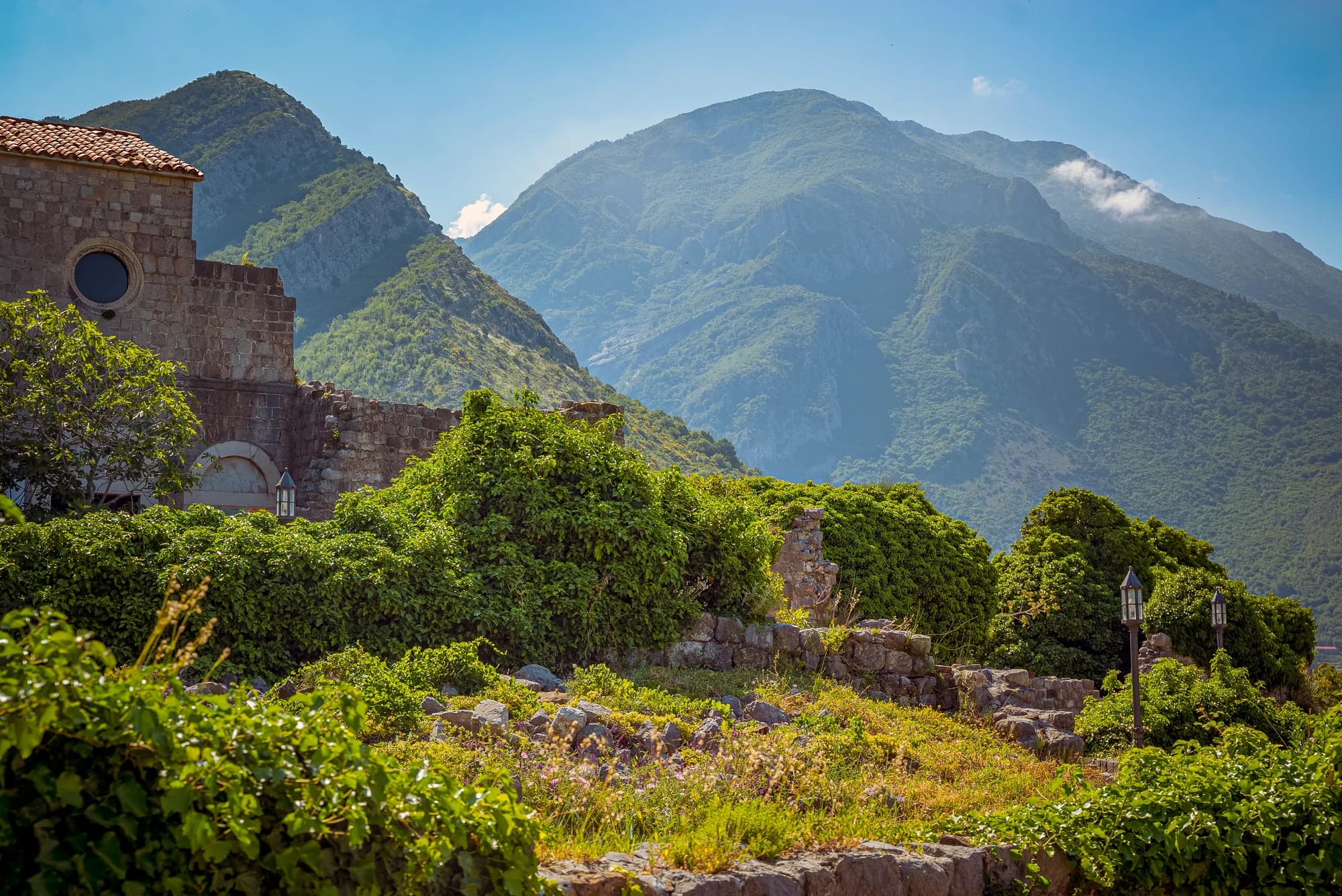
Perched on Gradina hill above the archaeological site of Carine, this fortification contains remains from multiple historical periods: the Illyrian acropolis, medieval structures, and Turkish-era additions [44][45]. The fortress features two defensive rings and offers panoramic views over the Bay of Kotor. Archaeological excavations have confirmed continuous habitation from the Illyrian and Illyrian-Hellenistic periods through the medieval age [46].
The small castle was built as early as the 10th century and later belonged to the principality of Trebinje and Herzegovina before being taken over and rebuilt by the Ottomans in 1482 [47].
5. Gabela Street
Gabela Street is one of the oldest streets in Montenegro, winding up from the old square behind the waterfront [48][49]. Walking along this historic street with its crumbling historic buildings provides visitors with an authentic sense of Risan’s ancient heritage and architectural evolution through the centuries.
6. Sopot Waterfall and Cave
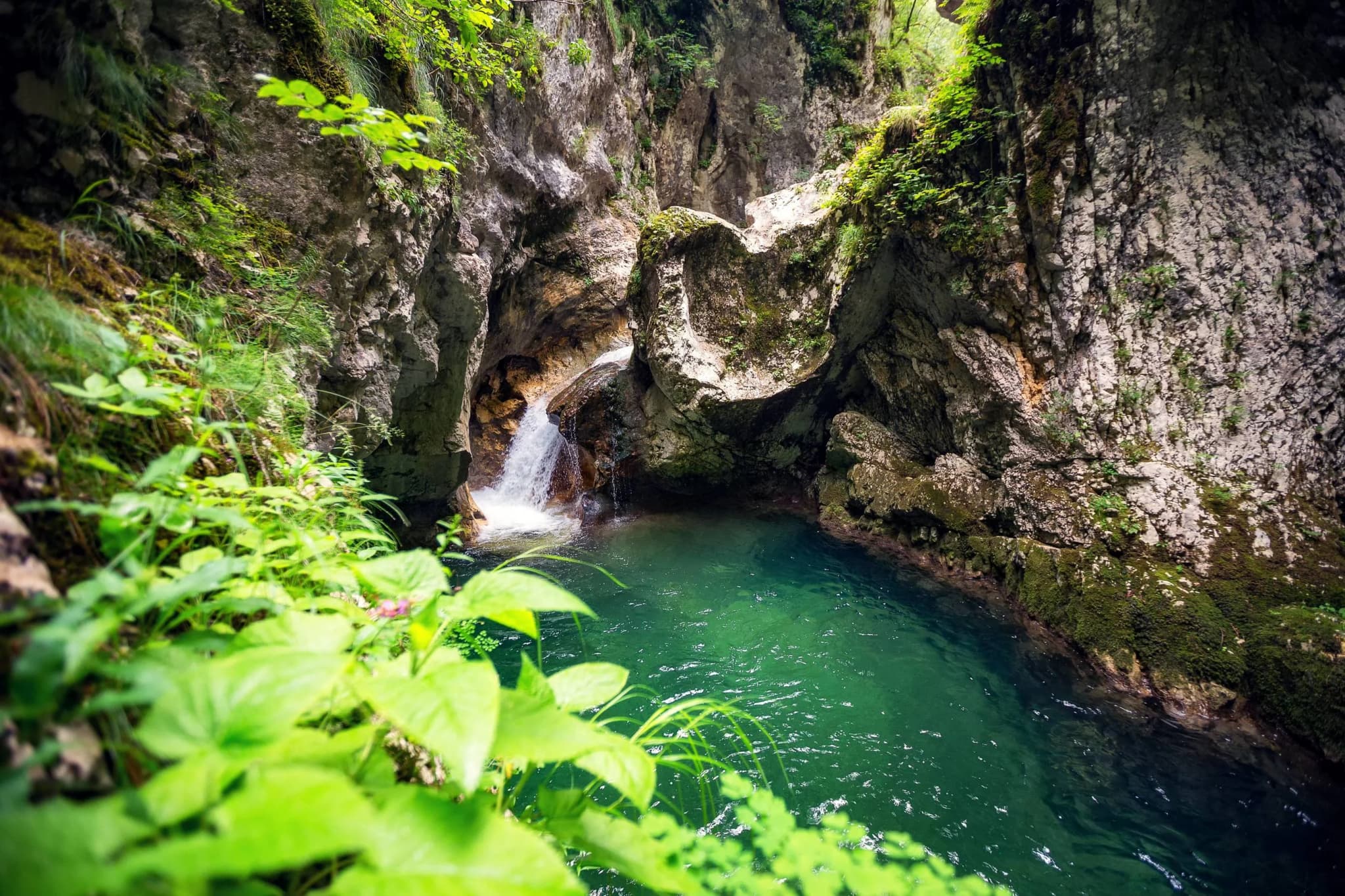
Sopot is a spectacular ephemeral waterfall located 1.5 kilometers from Risan along the E80/E65 highway [50][51]. Water emerges from the Sopot cave approximately 20 meters above the Bay of Kotor, creating a dramatic waterfall that is especially impressive during winter months after heavy rainfall and in spring during snowmelt [52][53].
An underground lake forms below Crkvice in the mountains above Risan, and during heavy rainfall, water from the lake flows toward the bay and emerges as Sopot. With a maximum discharge of 200 m³/s, the Sopot spring is one of the biggest karst springs in the region [54]. A staircase leads down from the road to the water’s edge for closer viewing. Archaeological remains of pottery over a thousand years old prove that locals have been visiting this spring for centuries [55].
Nature and Outdoor Activities
Swimming and Beaches
Risan offers a serene escape for beach lovers, with a coastline characterized by smaller, typically pebbly beaches with wonderfully calm, clear waters. This makes it ideal for families seeking tranquility away from bustling crowds [56][57]. Notable beaches include:
- Morinjska Plaža: Offers a rare sandy beach experience perfect for families
- Perast Beach: Provides picture-perfect views of the bay’s famed islands
- Bolnička Plaža: An authentic “wild beach” for those seeking a more secluded, natural spot
- Smokvica Beach: Features complete facilities including showers, sun lounger hire, and lifeguards [58][59]
Boat Trips and Water Activities
Risan looks spectacular from the perspective of boat trips in the Bay of Kotor. Visitors can kayak, paddleboard, and rent boats along the coastline to explore the bay [60]. Popular boat excursions include visits to the Blue Cave, Our Lady of the Rocks island church, and historic coastal towns. The waters around Sopot and Risan are favorites with divers and snorkelers, offering opportunities to explore vibrant underwater landscapes in the sheltered bay [61][62].
Hiking and Mountain Trails
The town is surrounded by rolling hills and lush greenery, offering numerous hiking and biking trails that cater to various fitness levels, often leading to panoramic viewpoints overlooking the Bay of Kotor [63].
Mount Orjen: The massif of Orjen lies to the northwest of Risan in the Bay of Kotor, with a well-engineered road climbing from Risan to about 1,600 meters. The region features 40 kilometers of marked trails maintained by the PSD Subra mountaineering association from Herceg Novi [64][65].
Popular hiking destinations include: - Subra (1,680 meters) - Žubacki Kabo (1,894 meters)
The trail from Mountain Hut Za Vratlom to Vilino Gumno and Subra is particularly attractive, featuring distinct karst relief and remarkable viewpoints with views from the Albanian coast across Montenegro, eastern Herzegovina, up to Middle Dalmatia [66][67]. Three mountain huts provide basic accommodation for hikers, with the Za Vratlom hut being among the most accessible [68].
UNESCO World Heritage Context
Risan is an integral part of the Bay of Kotor UNESCO World Heritage region. The bay’s scenery is as stunning as any Nordic fjord, and when combined with the area’s rich history and culture, it’s clear why Kotor was designated a UNESCO World Heritage site [69]. The most notable sites in the broader UNESCO region include the medieval town of Kotor, the charming town of Perast, and the larger town of Herceg Novi [70].
Practical Information
Getting There and Around
Blue Line local buses run between Kotor and Kostanjica approximately once an hour, calling at Perast, Risan, and Morinj. There is also a hop-on hop-off sightseeing bus around the bay that stops at Kotor, Risan, Perast, and Bajova Kula beach before returning to Kotor [71].
When to Visit
Risan can be visited year-round. The Roman Mosaics museum is accessible throughout the year. For the best waterfall views at Sopot, visit during winter months after heavy rainfall or in spring during snowmelt. Summer months are ideal for swimming and water activities.