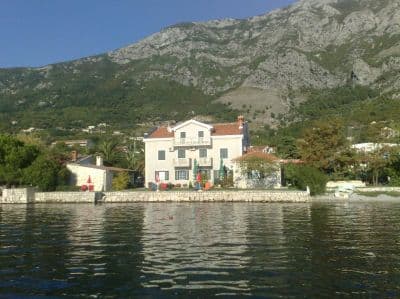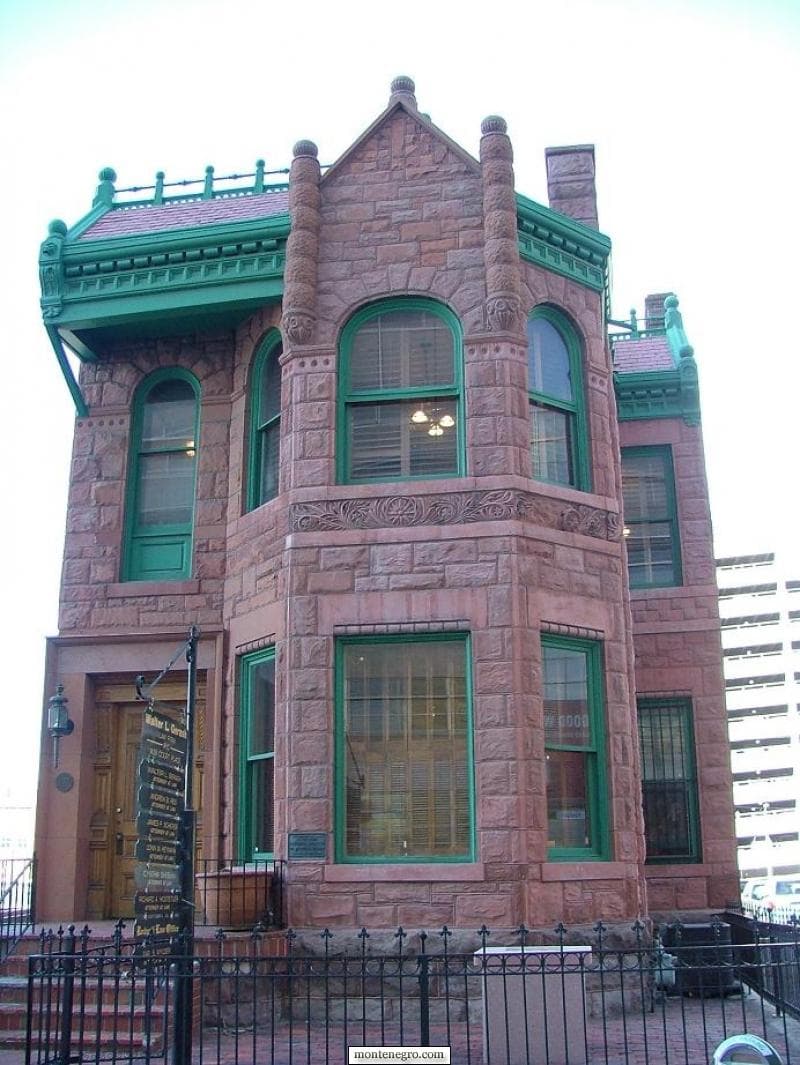
Vaso Ćuković’s life survives in two cities and under several spellings. In Risan, a working specialist hospital carries his name. In Denver, the Curry-Chucovich House preserves a version of his surname in stone and in the National Register of Historic Places. Nearby, the Navarre Building records the harder edge of the fortune behind later philanthropy: gambling, political connections and a business world that local histories sometimes turn into legend.
His biography connects Denver property and business history with an education fund, civic gifts and a hospital in Risan. The surviving accounts also include colourful stories about a card game and tunnel whose details remain part of local and institutional memory.
| Spelling | Source form |
|---|---|
| Vaso Ćuković | Risan institutional form |
| Vasco L. Chucovich | National Register form |
| Chuckovich | Later English variant |
| Search all variants | Do not mistake transliteration for different people |
Source: npgallery.nps.gov, bolnicarisan.me
From Risan to Denver
The Risan hospital’s institutional biography records a birth in Risan on 9 July 1858 to Lazar and Stana Ćuković. It says he went to the United States in 1877. The US National Register nomination also describes him as born in Risan in 1858 and emigrating at nineteen.
Both narratives place him in California and Nevada before Denver. The National Register record says he reached Denver in 1895 and became associated with gambling entrepreneur Edward Chase and Mayor Robert W. Speer. The hospital account adds a much richer sequence of jobs, travel and language learning. Both accounts follow the same broad route: Risan → the American West → Denver by 1895.
That caution matters because immigrant success stories often harden into a moral script: struggle, daring, sudden wealth and noble return. Ćuković’s documented buildings and bequests are interesting precisely because they complicate that script. His legacy was made in a city whose regulated and illicit economies overlapped, then redirected into education, municipal works, health care and a proposed public memorial.
| Date | Milestone |
|---|---|
| 1858 | Risan |
| 1877 | Emigration |
| 1895 | Denver |
| 1902 | House |
| 1922 | Fund |
| 1933 | Death |
| 1938–41 | Hospital |
| Note | Major dates only; many intervening details remain undated |
Source: npgallery.nps.gov, bolnicarisan.me, historicdenver.org
The house: his home, not his commission
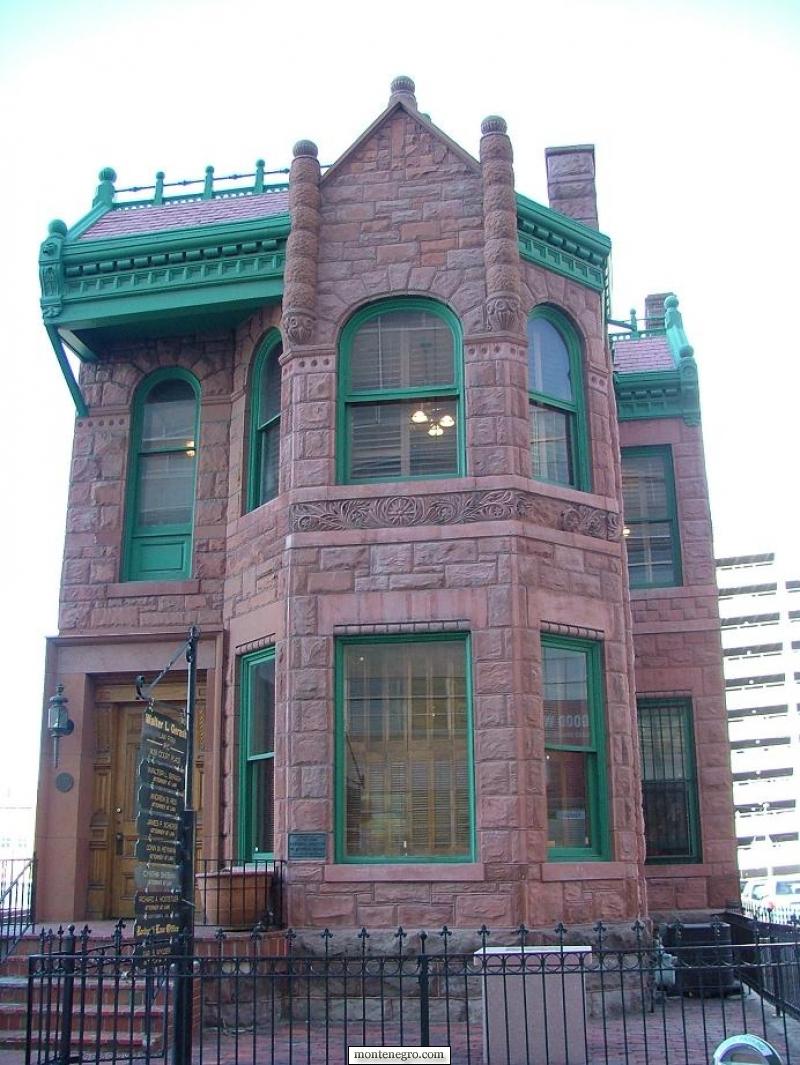
The Curry-Chucovich House at 1439 Court Place is the clearest physical record. The National Register nomination says architect Fred A. Hale designed it for quarry proprietor James M. Curry and that construction finished in late 1888. After Curry’s death, ownership passed through his widow and creditor Sarah Hunt. Hunt died in 1902 and willed the house to Vasco L. Chucovich, who moved there from the Oxford Hotel.
The building became Ćuković’s Denver home, but he was not its original builder or client. History Colorado describes the 1887–88 sandstone townhouse as combining Queen Anne and Romanesque Revival elements and as the oldest remaining residential building in downtown Denver.
The property entered the National Register in 1978 as reference 78000842. That recognition documents architectural and civic significance. It does not make the interior a permanently open house museum. Anyone tracing Ćuković in Denver should view it from the public realm, respect current occupants and verify any advertised access rather than following a historical photograph through the door.
| Building | Origin | Ćuković link | Later status |
|---|---|---|---|
| Curry-Chucovich House | 1887–88 • built for James Curry | 1902 • willed to Vaso Chucovich | 1978 • National Register listing |
| Navarre Building | 1880 • built as Brinker Institute | 1889 narrative • Chase + Chucovich | 2010 • permanent museum home |
| Note | Neither building was originally constructed for Ćuković | — | — |
Source: npgallery.nps.gov, historycolorado.org, anschutzcollection.org
The Navarre: documented building, colourful transfer
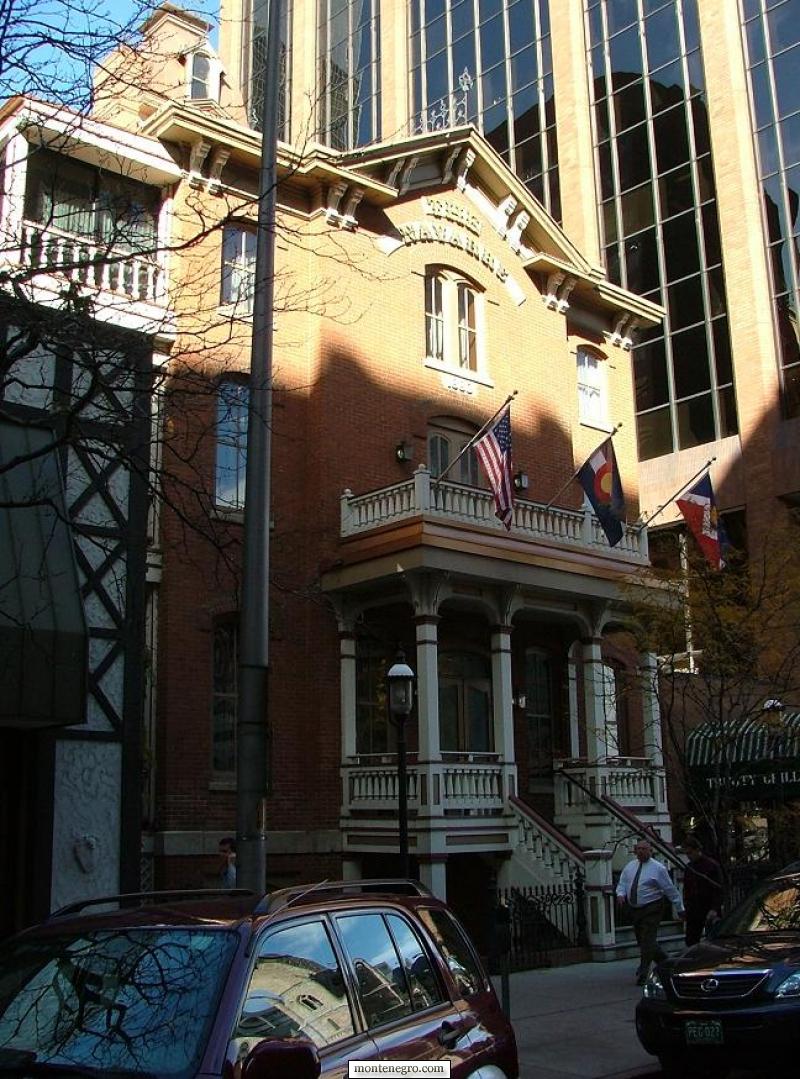
The Navarre was not built by Ćuković and Chase. The American Museum of Western Art, which now occupies it, dates the building to 1880 and identifies architect Frank E. Edbrooke. Its first use was the Brinker Collegiate Institute, a private school. The museum’s timeline says later proprietors lost the property in a card game to Ed Chase and Vaso Chucovich in 1889; they renamed it the Navarre and used it for dining, gambling and commercial sex.
The National Register nomination also identifies Chucovich as an associate of Edward Chase. The museum’s timeline attributes the Navarre transfer to a card game; the precise mechanism survives through that institutional account.
The famous tunnel also needs restraint. The museum says a passage to the Brown Palace shared coal and identifies guest movement as legend. The Society of Architectural Historians goes further: it describes a utility tunnel too small for substantial hotel traffic. Today the restored building houses the American Museum of Western Art—The Anschutz Collection. Check current museum tickets and hours directly.
The return to Risan was institutional
Ćuković’s most durable return was not personal residence but infrastructure. The hospital’s retrospective history says he founded the Lazar and Stana Ćuković endowment in 1922 for pupils from poorer Risan families. It records a value of $100,000 by 1927 and support for 99 pupils.
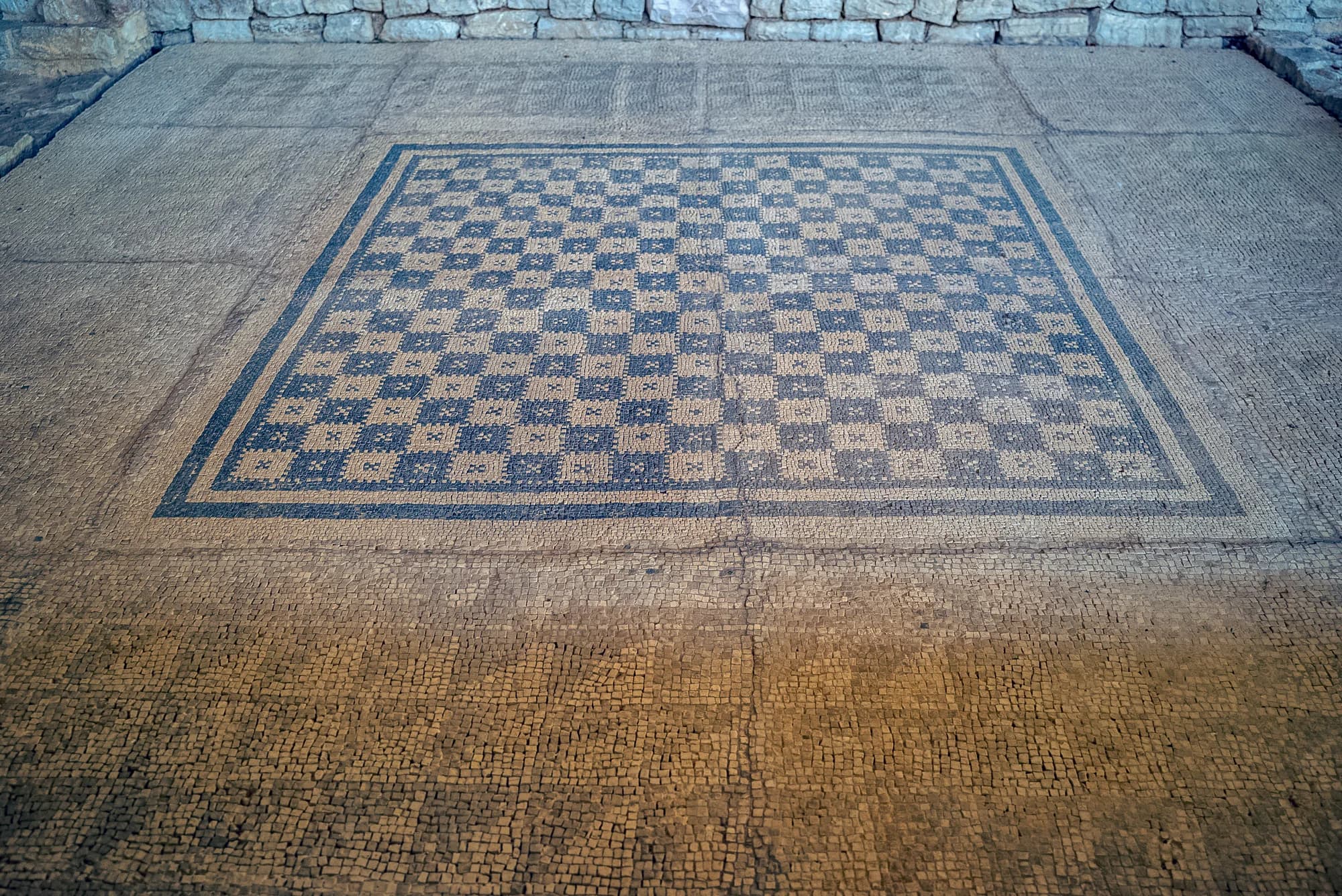
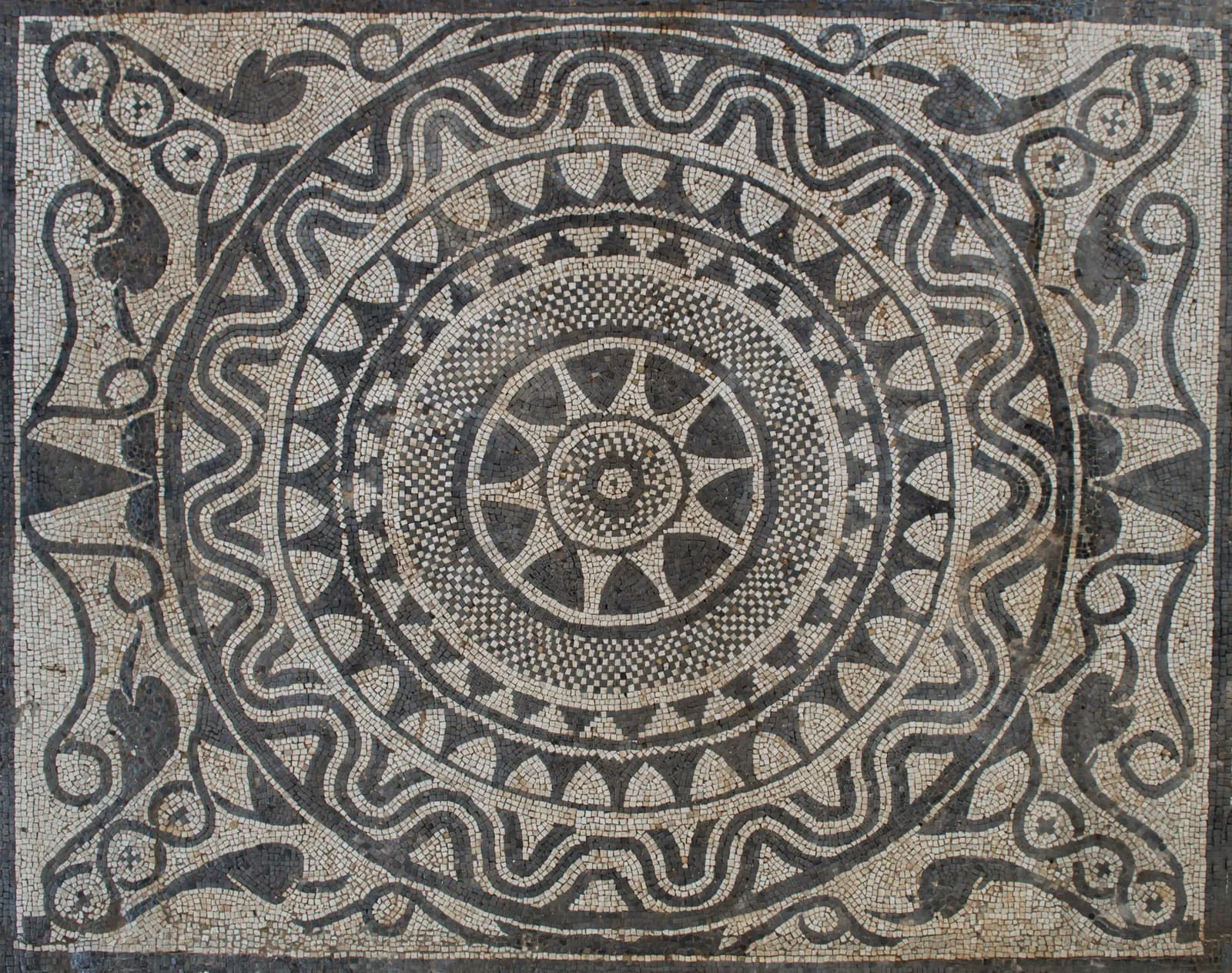
The same history records a 1929 gift of two million dinars for a water network, electrification and a People’s Hall. It says the hall opened in 1931 and was destroyed in the 1979 earthquake. These civic projects place philanthropy in daily systems—schooling, water, light and gathering space—rather than only monuments. For the longer local chronology beneath the modern town, our Risan Roman mosaics guide and Boka archaeology archive provide the deeper local history.
After Ćuković died in Denver on 20 December 1933, his will directed major resources toward a hospital. The hospital’s official homepage says its complex was built between 1938 and 1941 through an approximately $600,000 donation. Its longer institutional biography explains that amount as an initial $300,000 construction expenditure and a second $300,000 release after the war for equipment, vehicles and other support. The facility remains the operating Special Hospital for Orthopaedics, Neurosurgery and Neurology “Vaso Ćuković.”
| Place | Documented destination |
|---|---|
| Risan | 1922 education endowment |
| Risan | 1929 water + electricity + hall |
| Risan | 1938–41 hospital complex |
| Denver | $100,000 Speer memorial bequest |
| Denver | Design controversy halted sculpture |
| Denver | Funds redirected to hospital wing |
| Note | Denver civic-plan and NPS records agree on hospital support but name different institutions |
Source: bolnicarisan.me, historicdenver.org, npgallery.nps.gov
The Denver memorial that was never built
Denver’s Civic Center Park Master Plan provides an independent view of his American bequest. It records $100,000 for a memorial to his friend Mayor Robert W. Speer. Disputes over sculptor and design followed, and by 1937 the sculpture was abandoned. The records then diverge: the 2005 Civic Center plan says the money went to a new Children’s Hospital wing, while the 1978 National Register nomination says it funded a children’s wing at Denver General Hospital. Both records agree that the failed monument became paediatric hospital support, but they identify different institutions.
Risan was central to Ćuković’s philanthropy, while the Denver gift made that legacy transnational. His estate continued to shape institutions in both places.
Key dates and details
| Topic | Date or detail | Context |
|---|---|---|
| Emigration | 1877; age nineteen | Hospital and NPS chronology |
| Curry-Chucovich House | Built for James Curry; willed to Ćuković in 1902 | Later residence |
| Historic distinction | Oldest remaining residential building downtown | History Colorado |
| Navarre Building | Built as a school in 1880; acquired later by the partners | Later Chase–Chucovich business |
| Philanthropy | Risan was central; Denver also received a $100,000 bequest | Risan and Denver |
Practical, respectful ways to trace the legacy
In Risan: understand the hospital as a living medical institution, not a museum. View the exterior only from appropriate public space unless an authorised programme exists. Do not enter clinical areas for heritage photography, photograph patients or obstruct emergency access. A first-time visitor can place the story within a broader journey using the Montenegro planning guide.
In Denver: the Curry-Chucovich House is best read from the public street unless current authorised access is advertised. The Navarre is an operating museum, so use its official ticket page for current opening information. The two buildings explain different parts of his Denver story.
In archives: search Vaso, Vasco, Ćuković, Cukovic, Chucovich and Chuckovich. Risan records usually use Vaso Ćuković, while US records often use Vasco L. Chucovich. The Five Danicas article traces another public-memory name, while the Montenegro gallery guide distinguishes cultural legacy from current visitor access.
Finally, resist the generic “Wild West” frame. It flattens Indigenous histories, legal institutions, migration networks and urban growth into spectacle. The more useful story is how a Risan emigrant entered Denver’s contested economy and how his estate continued to act in two places. The article on international narratives about Montenegro offers a wider look at how international narratives develop.
Frequently asked questions
Was his name Vaso Ćuković or Vasco Chucovich?
Both identify the same person in different record systems. Risan sources use Vaso Ćuković; the US National Register uses Vasco L. Chucovich. Chuckovich appears in later English retellings. Search all variants.
Did Ćuković build the Curry-Chucovich House?
No. Fred A. Hale designed it for James M. Curry, and it was completed in 1888. Sarah Hunt later willed the house to Ćuković in 1902, after which it became his residence.
Did he build the Navarre?
No. Frank E. Edbrooke designed the building as the Brinker Collegiate Institute in 1880. The museum’s history says Ed Chase and Vaso Chucovich acquired it in 1889 and renamed it.
Is the tunnel to the Brown Palace real?
A utility connection existed for coal. The idea that guests used it secretly is treated as legend by the museum, while the Society of Architectural Historians says it was too small for substantial guest traffic.
What was his largest visible legacy in Risan?
The specialist hospital bearing his name. Its official history says the complex was built from 1938 to 1941 through an approximately $600,000 donation, with the detailed account separating construction and later equipment funding.
Can visitors tour the hospital or the Denver house?
The Risan hospital is a clinical institution. No public interior access is listed for the Denver house, so view it from public space unless authorized access is advertised. The Navarre is a museum; check current tickets and hours directly.