Sunčane Skale is part of Herceg Novi’s music history, with no official 2026 edition found in the programme pages reviewed through 29 August. The pop competition began in 1994, filled Kanli Kula with regional performers and television production, marked two decades in 2015, and was cancelled before its planned 2016 edition. Do not build a current trip around the name without a new organiser announcement.
This page preserves Montenegro.com’s on-site photographs and report from the tenth edition in 2004, but separates that snapshot from current visitor information. It explains the three-night format, checks disputed song and prize details, traces the funding and cancellation record, and shows how to experience Kanli Kula as an active venue today without mistaking an archive page for a ticket announcement.
Status first: can you attend Sunčane Skale in 2026?
No official 2026 edition was found in the pages reviewed through 29 August. Herceg Novi’s tourism organisation published a detailed June calendar, then dated July programmes for the Days of Music and Roots Revival at Kanli Kula. Herceg Fest’s current programme likewise contains other events, not a revived Skale competition. These pages cover the festival’s historic early-July window more directly than the June calendar alone.
That absence is not proof that the name can never return. It is enough for a travel decision: do not buy flights or accommodation on the assumption that an old early-July pattern still operates. Require a dated announcement from the Municipality, the Herceg Novi Tourist Organisation, Herceg Fest or a clearly identified festival organiser, plus a live ticket page and venue confirmation.
If your aim is the setting rather than the brand, use the Kanli Kula and Forte Mare guide to understand the two fortresses, then check Herceg Fest’s current calendar. Kanli Kula still works as an open-air stage; the festival that made it famous to television audiences does not have to be active for the venue to remain culturally important.
What the festival format actually was
A Herceg Novi socio-economic programme described the established model as three outdoor nights in the first half of July. The first presented the Prinčeva nagrada, or Prince Awards, for achievements from the previous year. The second gave emerging singers a “Nove zvijezde” competition. The third selected “Pjesma ljeta,” the Song of the Summer.
The structure joined three different media functions: an industry awards show, a talent platform and a song contest. That distinction matters when reading old result lists. “Winner of Sunčane Skale” can mean a category plaque, the New Stars winner or the Song of the Summer winner. A performer could advance from the second night into the third without winning the final.
The format also explains why surviving sources do not always agree on what deserves top billing. Municipal documents describe a tourism and cultural event; record labels preserve commercial releases; broadcasters list transmission dates; entertainment newspapers foreground performers and prizes. None is a complete ledger. A result attributed only to one night should therefore stay attached to that night, while a budget line should not be treated as a complete production account.
For visitors, the seasonal wording is equally important. “First half of July” describes the historic pattern, not a recurring entitlement to those dates. Later editions moved: the verified 2015 programme ran on 29–30 June, and the cancelled 2016 edition was announced for 12–13 July. The reliable unit is a dated edition with its own organiser notice, not the festival name plus an assumed week.
| Year | Verified milestone | Evidence and limit |
|---|---|---|
| 1994 | Festival tradition begins | Consistently stated by municipal planning and broadcaster histories |
| 2004 | Tenth edition at Kanli Kula, 8–10 July | Contemporary preview and Montenegro.com field report |
| 2014 | Still promoted in Montenegro’s summer tourism programme | Government tourism announcement |
| 2015 | Two-night event on 29–30 June framed as the crown of two decades | RTCG broadcast listing; not itself a formal closure notice |
| 2016 | Planned 22nd edition cancelled | Director’s announcement, municipal budget record and press coverage |
| 2026 | No edition found in official pages reviewed through 29 August | June and July programmes plus funding/current pages support “do not plan around it,” not “dissolved forever” |
| Year | Milestone |
|---|---|
| 1994 | launch |
| 2004 | 10th edition |
| 2015 | 20-year crown |
| 2016 | cancelled |
| 2026 | not found |
Source: hercegnovi.me, rtcg.me, hercegnovi.travel
The 2004 edition: what the archive gets right
The 2004 field report places the tenth festival at Kanli Kula and describes the familiar three-part structure. A contemporary preview dated the event to 8–10 July. The archive records Željko Joksimović receiving several Prince Award recognitions connected with “Lane moje.” The song’s wider importance is independently clear: the official Eurovision media handbook lists it as the 2004 press-award winner for Serbia and Montenegro.
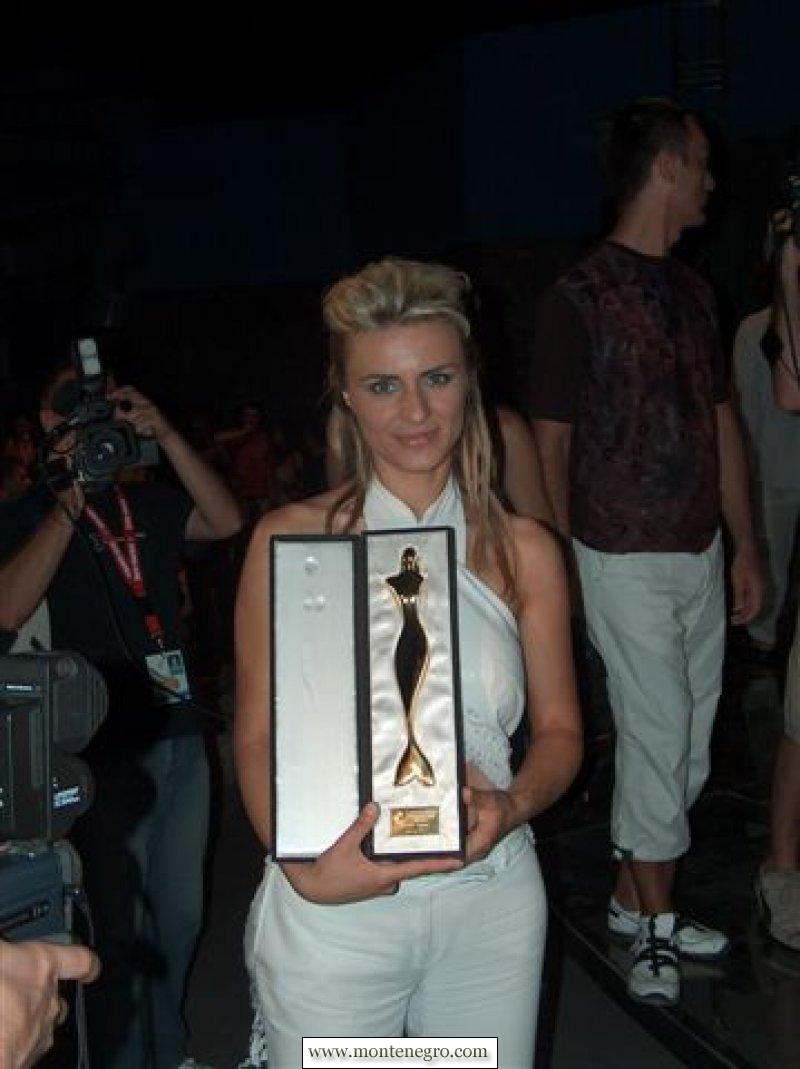
For New Stars, the inherited English text calls Ivana Popović’s entry “Odlazi.” The contemporaneous City Records compilation lists the title as Odlazim, and later profiles use that form. The archive says she won New Stars and then placed third in Song of the Summer. It names Goca Tržan’s “Haljina” as the Silver Siren recipient and Romana Panić’s “Nikad i zauvijek” as the Song of the Summer winner. Romana’s win is repeated in later retrospective reporting.
Those results should not be collapsed into a single podium. Popović’s New Stars win earned access to the final; her third place belonged to that separate final. Romana’s award was the top Song of the Summer result. Joksimović’s plaques belonged to the preceding Prince Awards.
The €25,000 claim needs a footnote
The inherited report describes a €25,000 winner’s prize as though it were unrestricted cash. A contemporary preview gives a more specific package: €10,000 to the winner plus €15,000 for promotional material. Because the preview was published before the event and no final contract or payment record was located, neither version proves what was ultimately delivered.
The responsible conclusion is narrow. A €25,000 total package was advertised, but available reporting divides it into cash and promotion. The page therefore does not repeat “€25,000 prize” without qualification and does not speculate about payment. This distinction matters in festival history, where headline value can combine money, production services, recording, video or marketing support.
Why Kanli Kula changed the programme
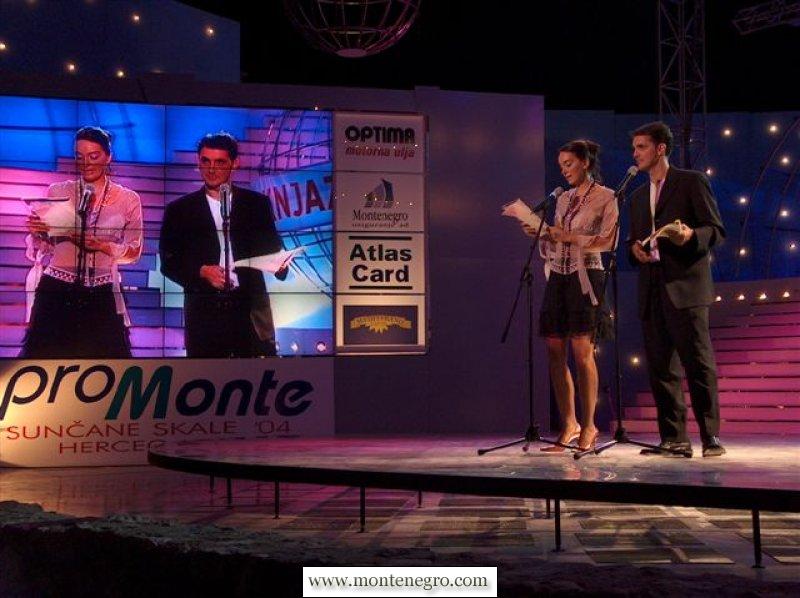
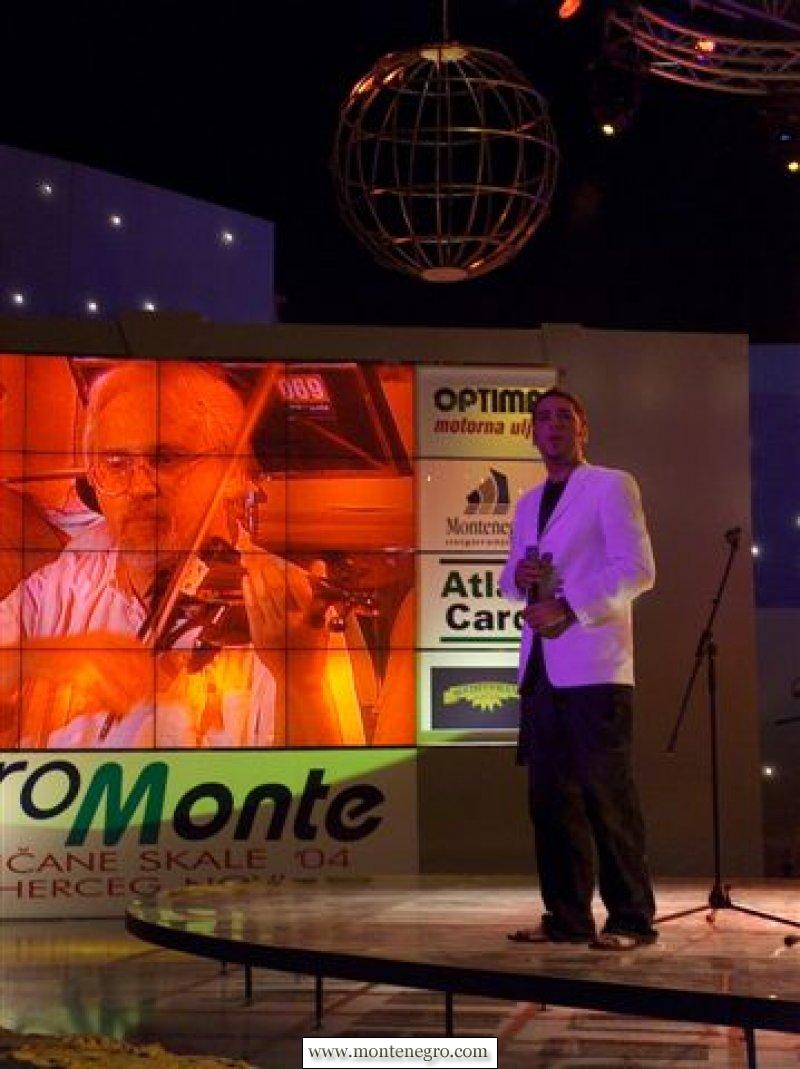
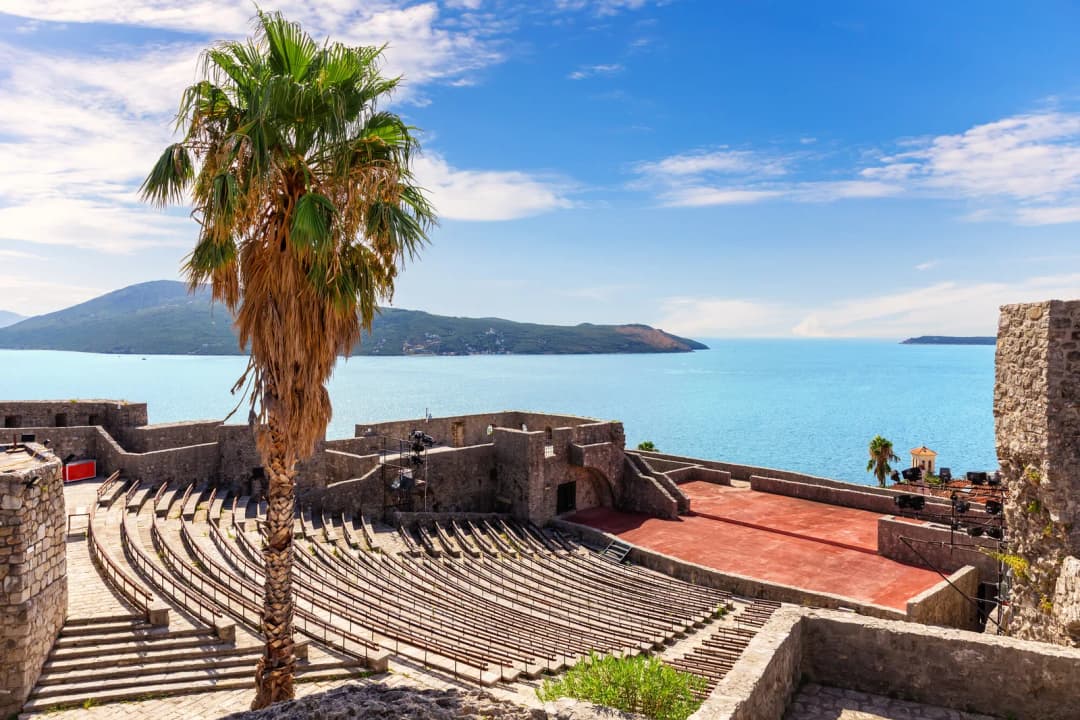
Kanli Kula is a sixteenth-century fortress and former prison adapted as an open-air performance space. Stone walls, stepped seating and the night sky supplied a visual identity that a television studio could not. The set photographs show how temporary screens, sponsor panels, lighting rigs and platforms were fitted inside the historic enclosure.
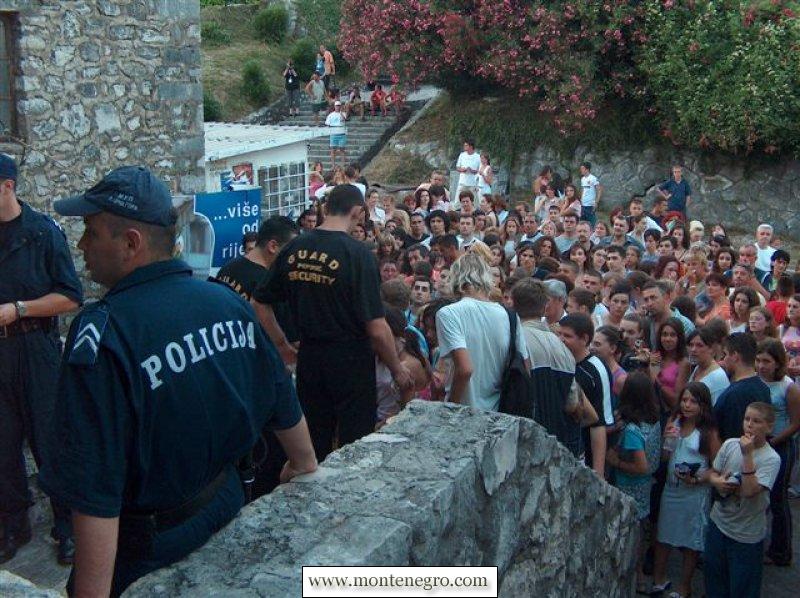
The same setting creates constraints. Access through Herceg Novi’s elevated Old Town involves slopes and stairs; old stone can be uneven; summer heat persists into evening; a crowd leaves through limited routes. The archive entrance photograph shows a dense queue controlled by police and private security. It is evidence of the 2004 event, not a current crowd-management plan.
Visitors can map the wider setting through the Herceg Novi Old Town guide and the city-focused Herceg Novi visitor guide. For an evening event now, ask the organiser about the exact entrance, opening time, prohibited items, accessible route, seating allocation and weather policy. Do not infer current rules from a 2004 photograph.
From public support to the 2016 cancellation
Sunčane Skale was not sustained by ticket sales alone. Herceg Novi’s amended 2015 budget increased a festival expenditure line from €30,000 to €50,000. Montenegro’s tourism ministry also ranked the festival for €10,000 under a 2015/2016 event-support measure. These figures concern public support lines; they do not establish the total production budget or how every euro was spent.
In April 2016, RTCG reported director Slobodan Bučevac’s cancellation announcement. A 22nd edition had been announced for 12–13 July, the New Stars call had drawn 320 applications, accommodation planning was advanced and a stage had reportedly been ordered. The organiser attributed the break to failure to reach agreement with the municipal leadership.
A municipal council record provides the public-finance side: the 2016 budget did not provide funds for Sunčane Skale, and councillors debated that choice. It does not independently verify every organiser claim about preparations or blame. Read together, the records establish cancellation amid a funding and municipal-support break, not a tidy artistic farewell.
That wording avoids two opposite errors. Public funding was plainly material, but a missing municipal allocation does not prove that the municipality was the only possible funder. Likewise, 320 applications and reported production orders show substantial preparation, but they do not prove that the edition was financially secured. The sources meet at one firm event-level fact: the announced July performances did not happen.
Was 2015 designed as the finale?
RTCG’s 2015 listing called the second, revue-style night the crown of two decades and described the festival’s place in regional pop history. That language reads retrospectively like a farewell, but the same source did not announce closure. The 2016 call for songs and planned dates show that organisers intended another edition.
It is therefore more accurate to call 2015 the last held edition, not a planned final edition. The festival ended in practice when 2016 was cancelled and no later official edition was verified. Claims that it “closed in 2015” erase the attempted 2016 production; claims that it merely “paused for one year” ignore a decade without a confirmed return.
Practical plan for Kanli Kula today
- Start with a dated event. Use the official tourism and Herceg Fest calendars, then open the organiser’s detail page. A search result or old poster is not a booking.
- Confirm fortress access separately. Kanli Kula operates as a visitor site and venue, but opening hours can change around performances, maintenance and season. Check the official notice on the day.
- Ask about mobility before buying. Historic approaches and seating include steps. Request the exact accessible entrance and assistance plan; do not assume “open-air theatre” means step-free.
- Plan the climb and exit. Stay near Old Town if walking home matters. The Herceg Novi accommodation guide compares practical bases.
- Register your stay. Concert attendance does not change visitor formalities; the tourist-tax and registration guide explains the current process.
- Prepare for weather. Carry water before entry, use footwear with grip, and check the organiser’s rain, bag and re-entry rules. Do not bring glass or equipment without permission.
How to use the 2004 archive
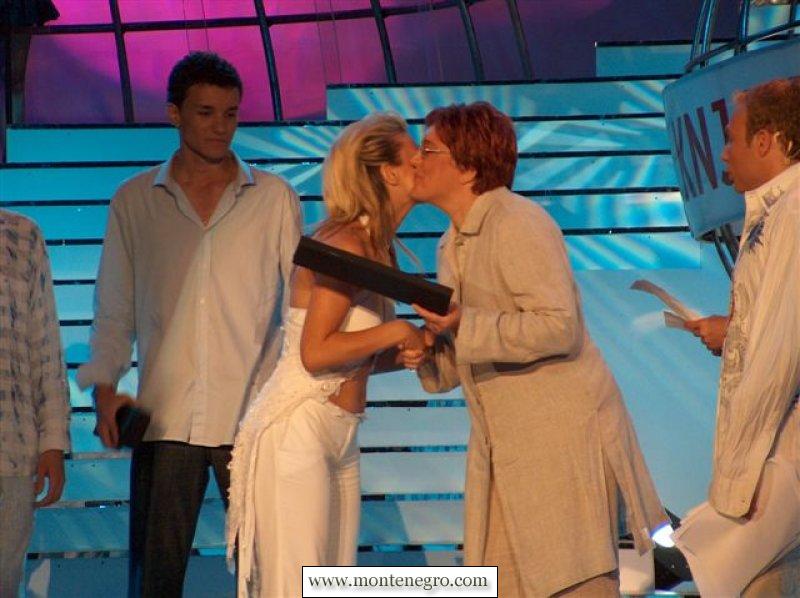
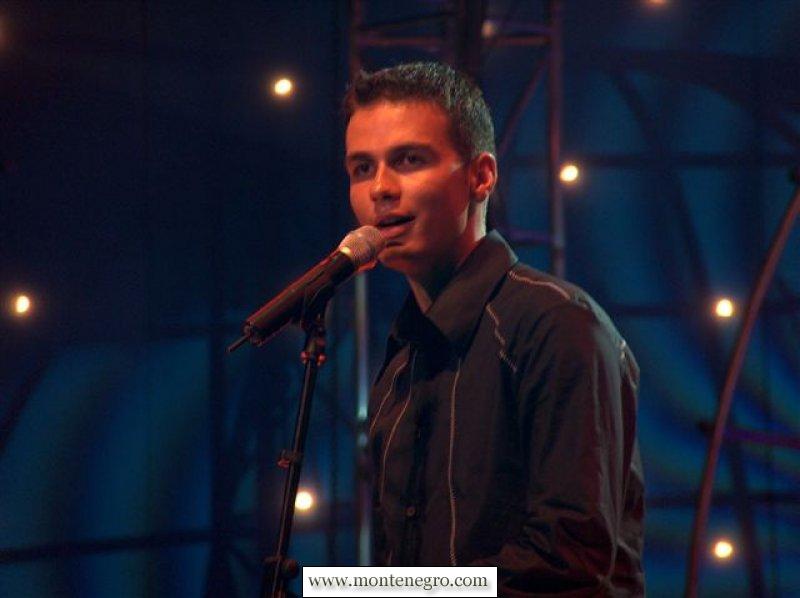
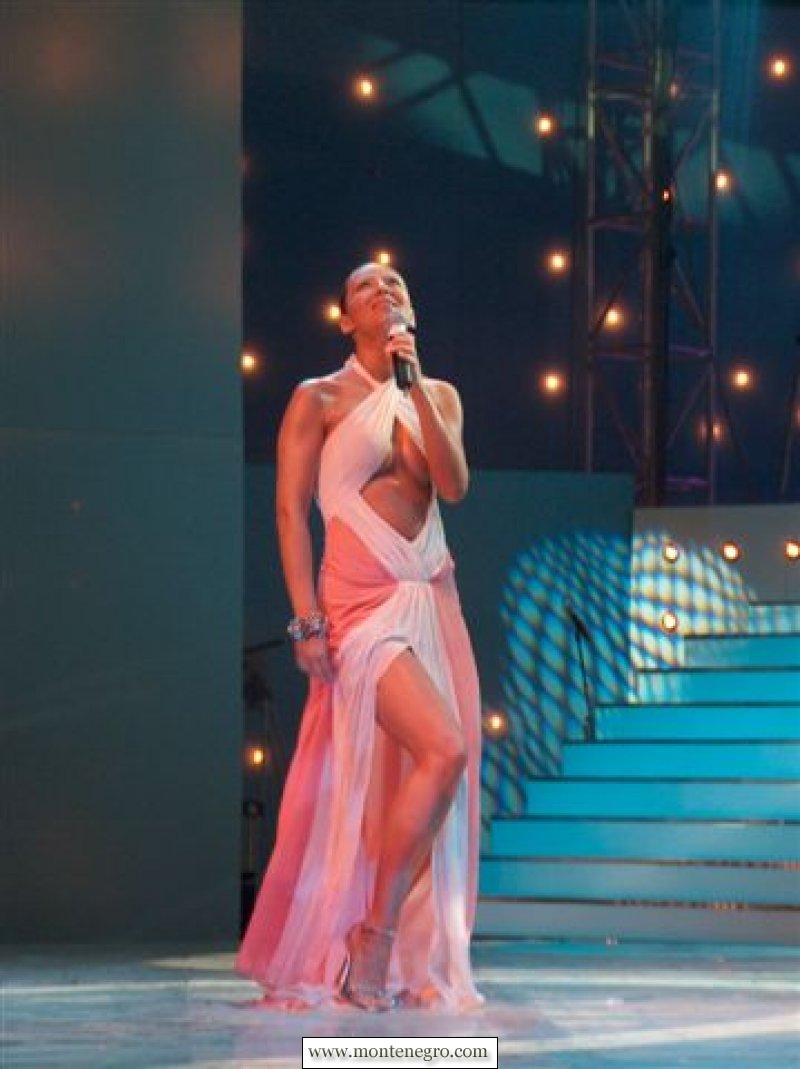
The photographs are strongest as event evidence: presenters reading from cards, a trophy held for cameras, a formal presentation, the entrance crowd and singers under the production lights. They are weak as a facial index because filenames contain only camera numbers and inherited alt text says little more than “Montenegro.” Names are withheld where the sequence alone would require guessing.
For music research, City Records’ New Stars compilation supplies a track list. It can confirm titles and performers on that release, not every live result or award. Broadcast schedules, newspaper previews, municipal budgets and later artist interviews answer different questions. A robust festival history keeps those evidence types distinct.
The photographs add a separate layer. They verify that the 2004 report was made inside a large, branded stage production and that the audience approach was crowded, but they cannot settle a song title, the monetary terms of an award or a later cancellation. Captions describe only what is visible or preserved in metadata. This is why unidentified performers remain unidentified even when a published running order might suggest possibilities.
Place the festival beside other Herceg Novi traditions rather than treating it as the city’s only cultural identity. The Stara Brokva regatta archive records another 2004 community event. The Mimosa Festival history covers a tradition that remains active, while the story of the Five Danicas and the promenade connects public space with twentieth-century memory.
FAQ
Is Sunčane Skale happening in 2026?
No official 2026 edition was located in the June and July tourism programmes or current Herceg Fest pages reviewed through 29 August 2026. Do not plan around it unless a dated official announcement, ticket page and venue confirmation appear.
When was the last festival?
The last verified held edition was 29–30 June 2015. A 22nd edition was planned for July 2016 but cancelled before it took place.
Who won in 2004?
Romana Panić won Song of the Summer with “Nikad i zauvijek.” Ivana Popović won New Stars with “Odlazim” and then placed third in the separate final. The Prince Awards were another part of the programme.
Was the 2004 prize €25,000 cash?
Available pre-event reporting divided the advertised value into €10,000 for the winner and €15,000 in promotional material. No final payment record was found, so the page does not describe the full amount as unrestricted cash.
Can I still visit Kanli Kula?
Yes, Kanli Kula remains a visitor site and performance venue. Consult Herceg Fest for current opening notices and event-specific tickets; hours and access may change when a production occupies the fortress.
What should replace an old Sunčane Skale itinerary?
Choose a currently confirmed fortress concert, film screening or city festival, then build the rest of the day around Old Town and the promenade. A general first-time Montenegro guide can handle transport and trip structure, but the event organiser remains the authority for entry.