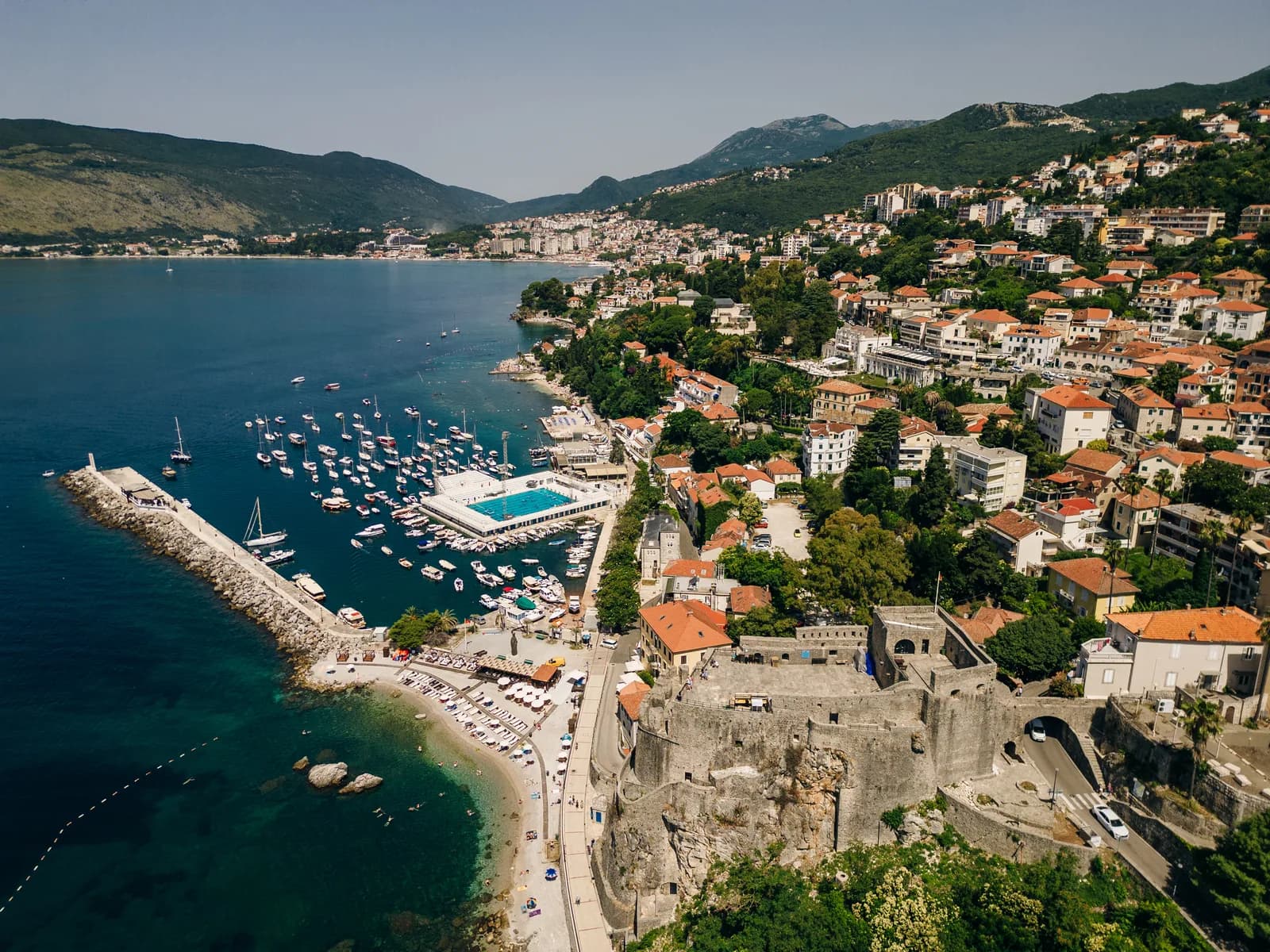
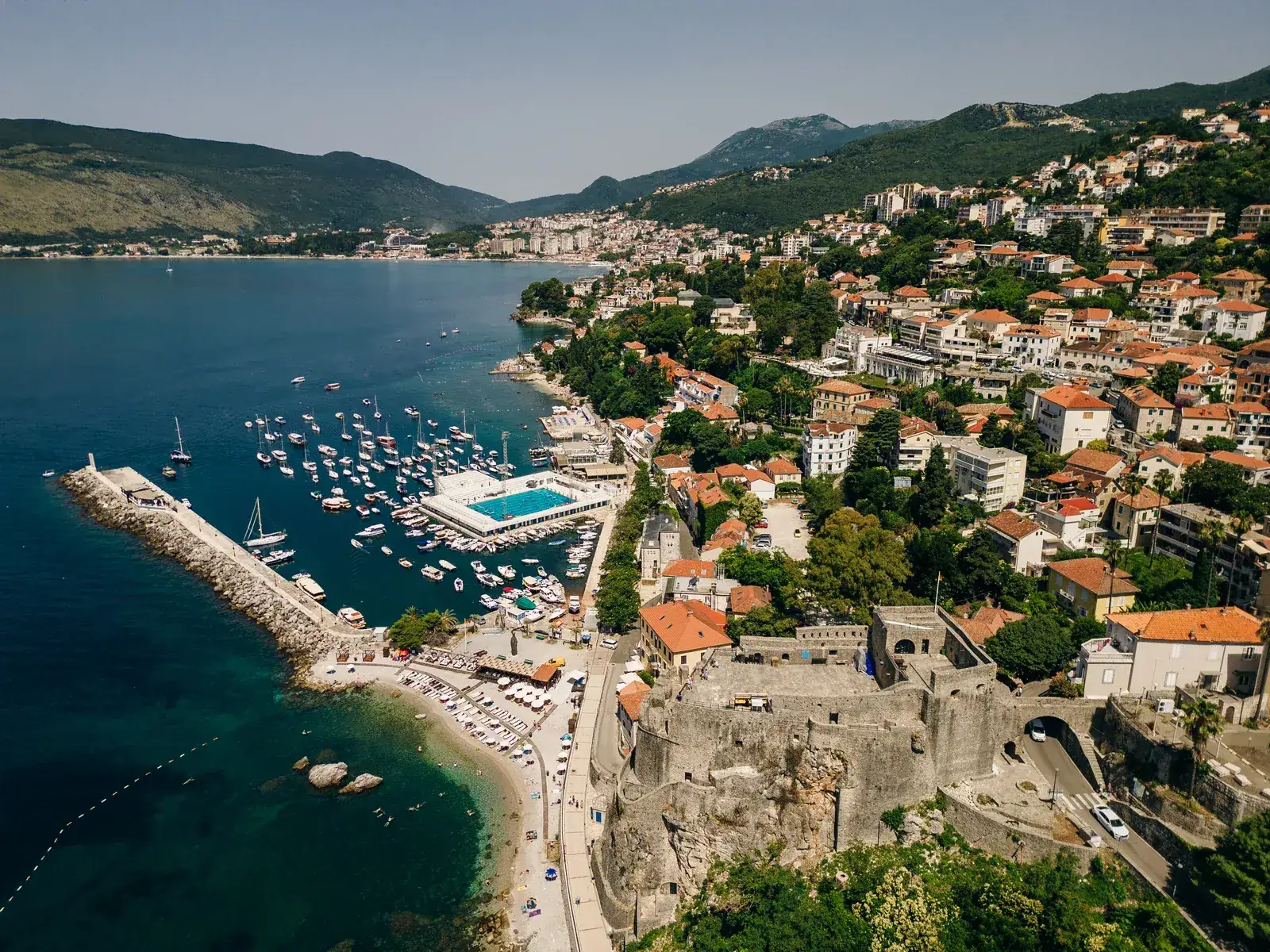
Herceg Novi Old Town is the historic heart of Herceg Novi, Montenegro, perched at the western entrance to the Bay of Kotor where the Adriatic meets one of Europe's most beautiful fjord-like bays. Founded in 1382 by the Bosnian king Tvrtko I, this layered, sun-soaked maze of squares, churches, and fortresses has been shaped by Venetian, Ottoman, Spanish, and Austro-Hungarian rulers — and every era left its mark in stone. Fortresses, small squares, ancient churches, narrow streets and exotic vegetation are the characteristics of the town, which abounds in artistic and historical heritage, unique and diverse plant life, and natural picnic spots suitable for visiting throughout the year thanks to the extremely mild and warm climate. The average annual air temperature in Herceg-Novi is 16 degrees.
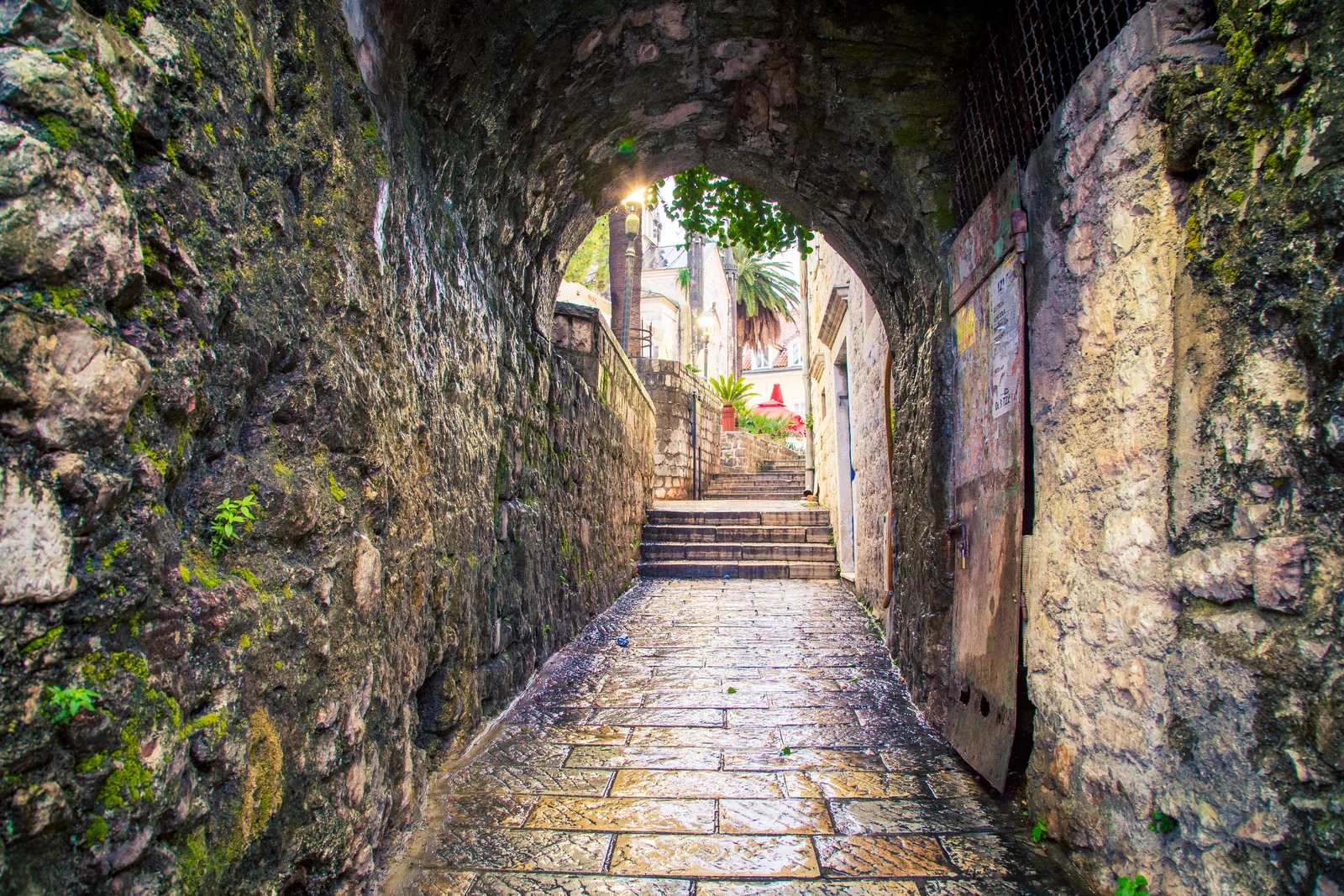

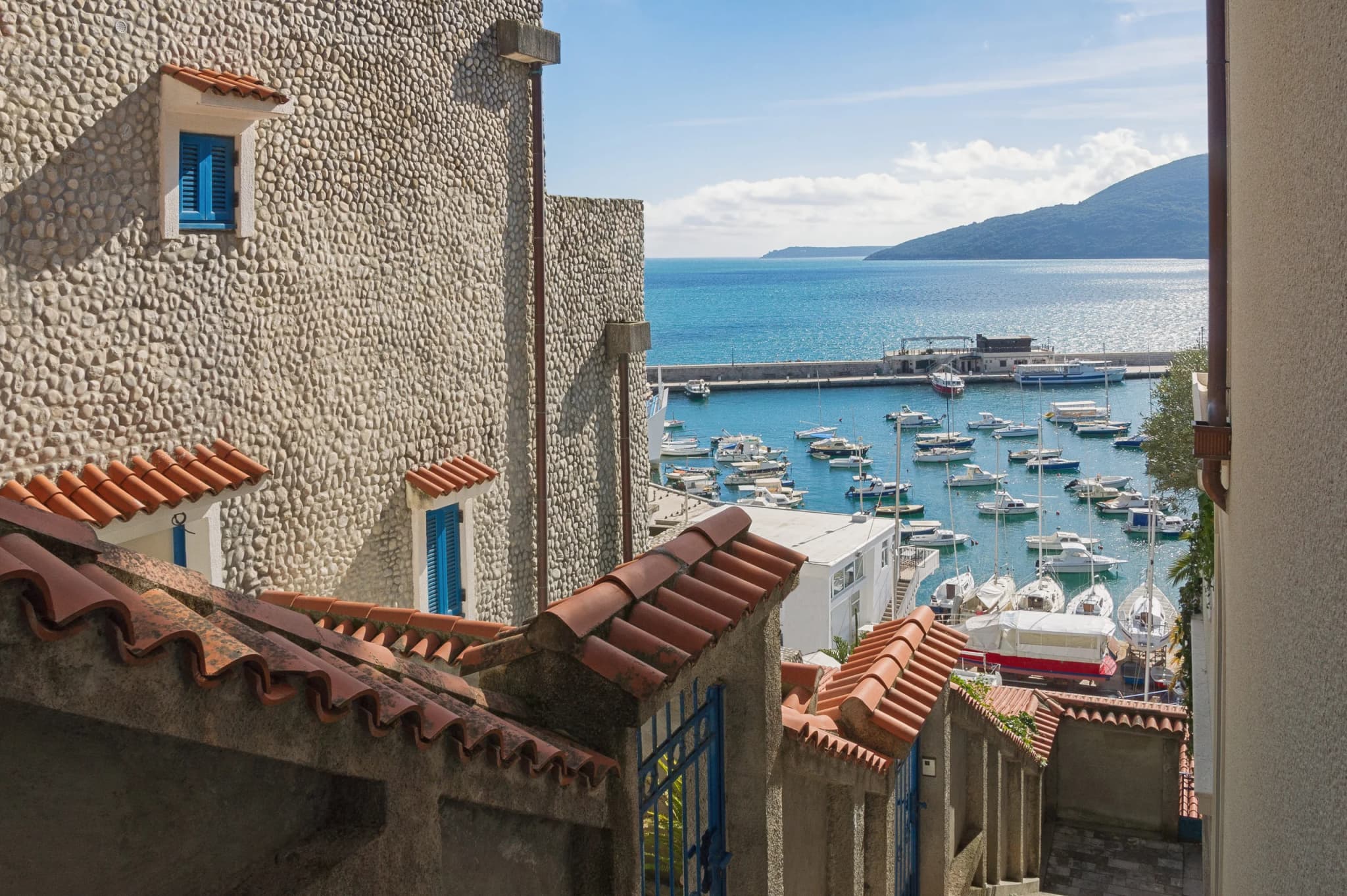
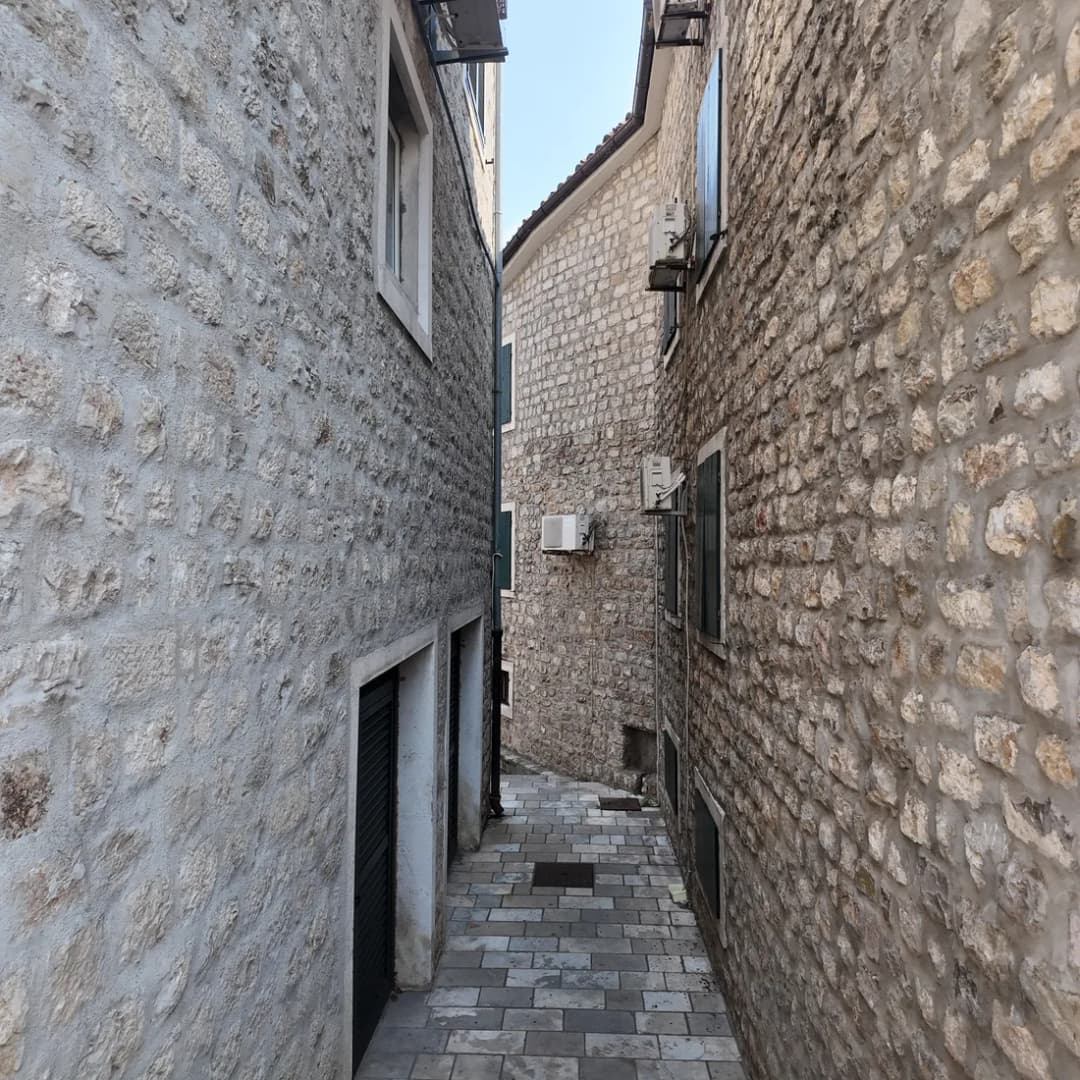
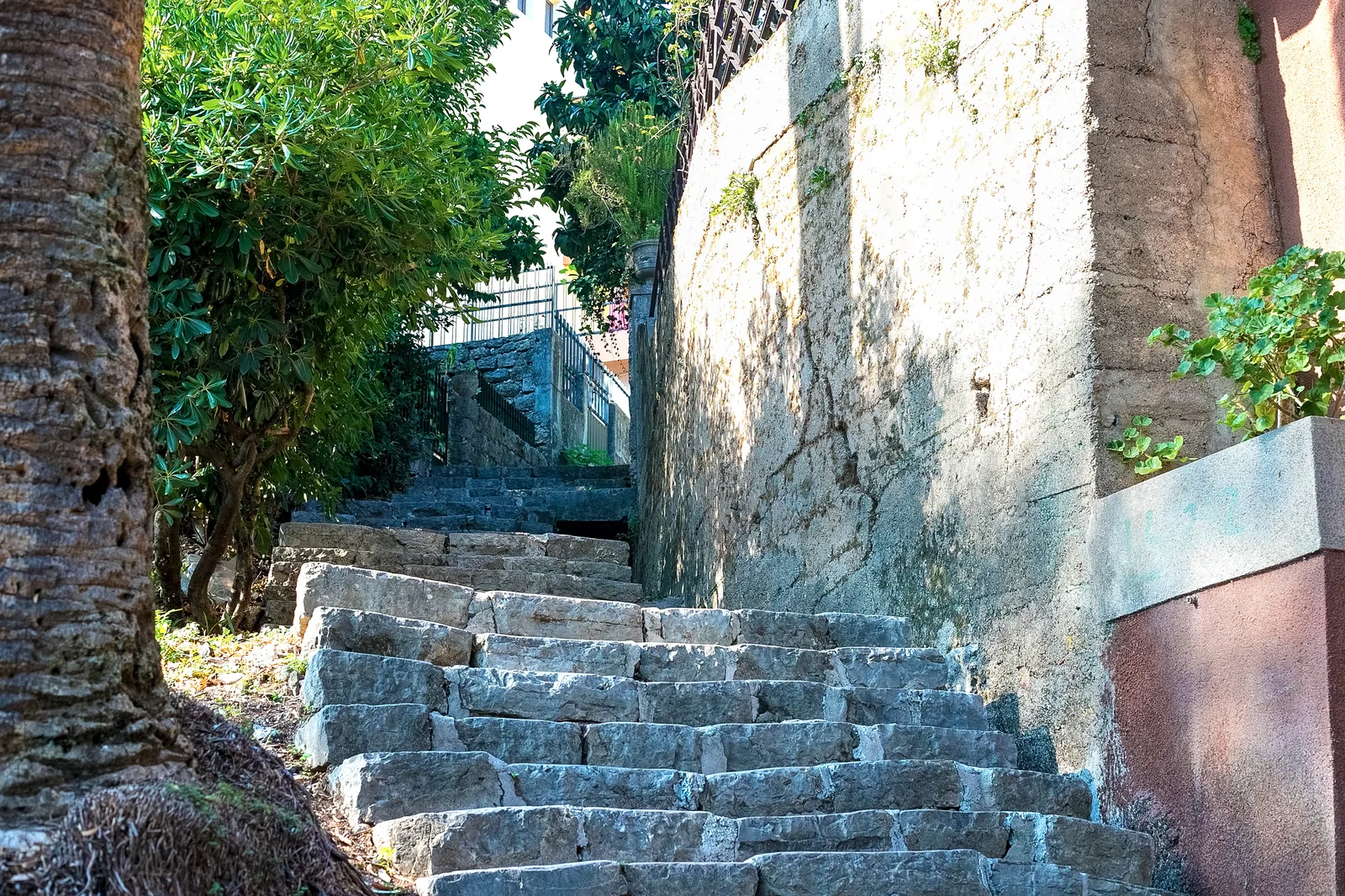
Locals affectionately call it the "City of Stairs", and you'll understand why within minutes. Steep flights of steps thread between the houses, climbing from the seafront up through the old quarter, framed by cascading bougainvillea, oleander, mimosa, and palms. The town's famously mild, sunny microclimate nurtures lush Mediterranean and botanical gardens, making Herceg Novi one of the greenest and warmest corners of the whole Montenegrin coast.
The vibe is relaxed, romantic, and refreshingly authentic. Two great fortresses — the seaside Forte Mare and the hilltop Kanli Kula ("Bloody Tower") — bookend a warren of cafés, stone-paved squares, and viewpoints over the glittering bay, with the ruined Citadela standing in the water below. Beneath it all runs the Pet Danica seaside promenade, a several-kilometre walkway lined with swimming spots, beach bars, and boat moorings. If you want history, sea, and a slower pace all in one place, Herceg Novi Old Town delivers.
How to get to Herceg Novi Old Town
Herceg Novi Old Town sits right in the centre of Herceg Novi, so if you're staying in town you can usually reach it on foot in a few minutes. The old quarter is pedestrianised — you enter through stone gateways and explore on foot. Whether you come from the east or the west, descending from the main road into the very centre of the city, you will be greeted by the Kanli Kula fortress in its magnificent form.
- From Tivat Airport (TIV): around 25–30 km. By car it's roughly 40–50 minutes, partly depending on the Kamenari–Lepetane ferry across the bay (a few € per car, runs frequently). A taxi costs about €35–50; transfers can be pre-booked.
- From Podgorica Airport (TGD): around 110 km, about 1.5–2 hours by car or transfer.
- By car: the Adriatic highway runs right past the town. Drive to the centre and use one of the paid public car parks near the seafront, then walk up — there's no vehicle access inside the old quarter. Parking runs roughly €1–2 per hour.
- By bus: Herceg Novi's bus station is well connected to Kotor, Budva, and Podgorica; from there it's a short walk or taxi to the Old Town.
- By boat: in summer, water taxis and excursion boats link Herceg Novi with Kotor, Perast, and the bay's islands, docking along the Pet Danica promenade.
There is no entry fee to walk into the Old Town itself; the squares, streets, and promenade are free to explore. Small charges apply only to enter the fortresses — reckon on around €2–4 in general, though the posted prices are lower: the walls of Kanli Kula cost 1€, while Forte Mare is 2€ for individual visits and 1€ per person for groups. Forte Mare can be visited during the day every day from 07:00 to 19:00.
The best time of day is late afternoon into evening, when the heat eases and the stone glows golden. The best season is May, June, and September for warm sea and thinner crowds, while February's Mimosa Festival is a famously cheerful off-season highlight.
What to expect and things to do
Herceg Novi Old Town packs a lot into a compact, walkable area — two fortresses, two linked squares, a landmark clock tower, hidden gardens, and a seafront promenade, all within a few hundred metres of each other.

Kanli Kula, the "Bloody Tower"
The imposing Ottoman-era fortress above the town dates from the 16th century and, like most fortresses in Herceg Novi, is built of stone, characterised by ramparts and towers. Due to the exceptional size and position of this tower, many say that it dominates the city. What Kanli Kula is famous for throughout the Adriatic is that the fortress was adapted in 1966 and turned into a fantastic summer stage: every summer, a large number of concerts, music and film events are held there in the evenings. During the day, guests can visit the walls and enjoy a wonderful view of the city panorama for only 1€ entrance fee. This is the place where you will take the most beautiful photos of the city and of the entrance to Boka Kotorska.
The Clock Tower and the two squares
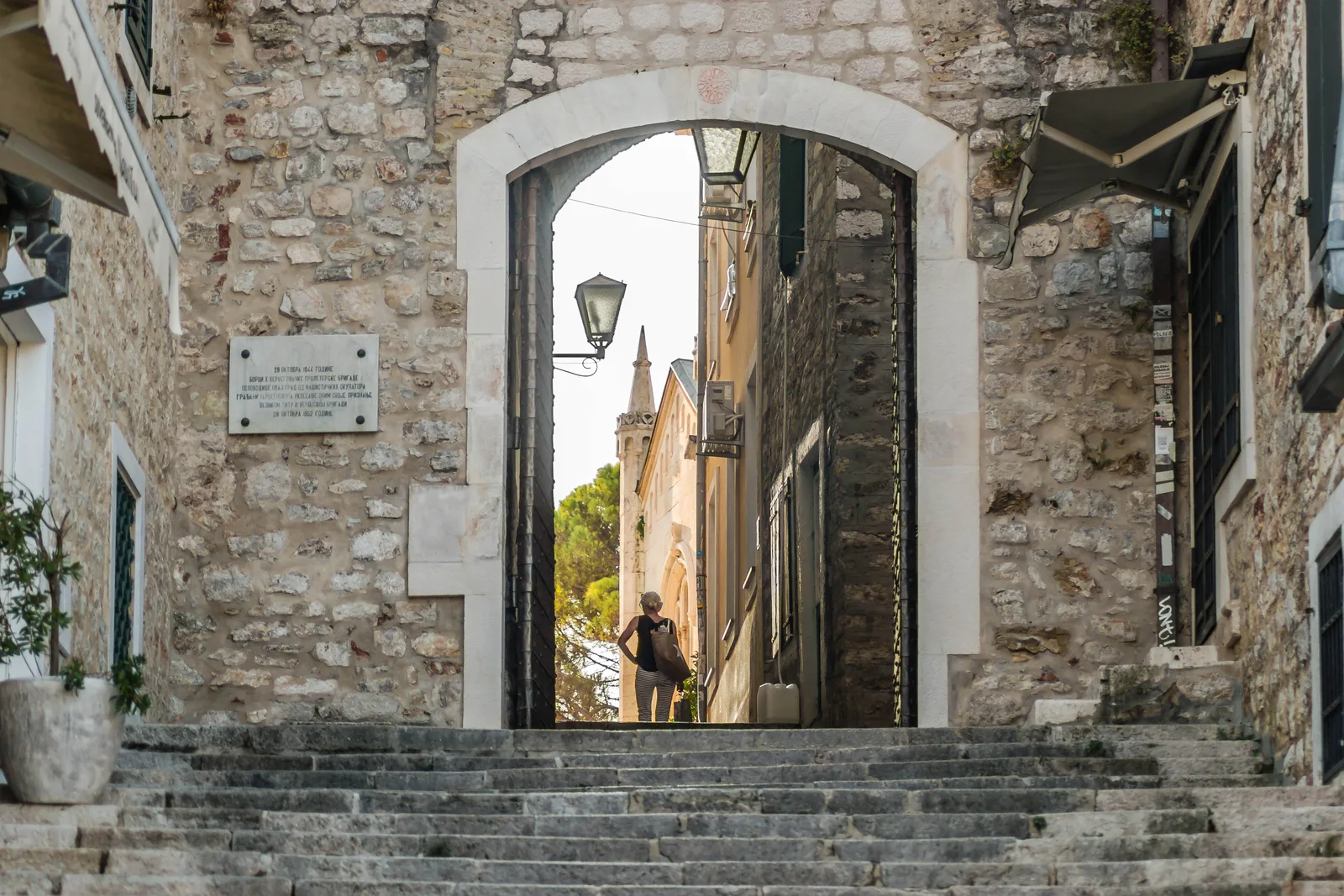
Descending the stairs from Kanli Kula towards the main city square — Nikola Đurkovića Square (formerly Salt Square) — your view stops at the Sahat Kula, or Clock Tower. Built in 1667 during Turkish rule, the position of this tower, through which the stairs pass, is specific, and since its construction this interesting building has been the main gate of the city. The old clock stood the test of time for a very long time and was only replaced by a new electric one in 1995; it has always been one of the main symbols of Herceg Novi.

There are numerous cafés, banks, boutiques and bookstores on the square, and in the immediate vicinity is the city market, where you can buy fresh, mostly local fruit and vegetables every day, as well as freshly caught fish from local fishermen.

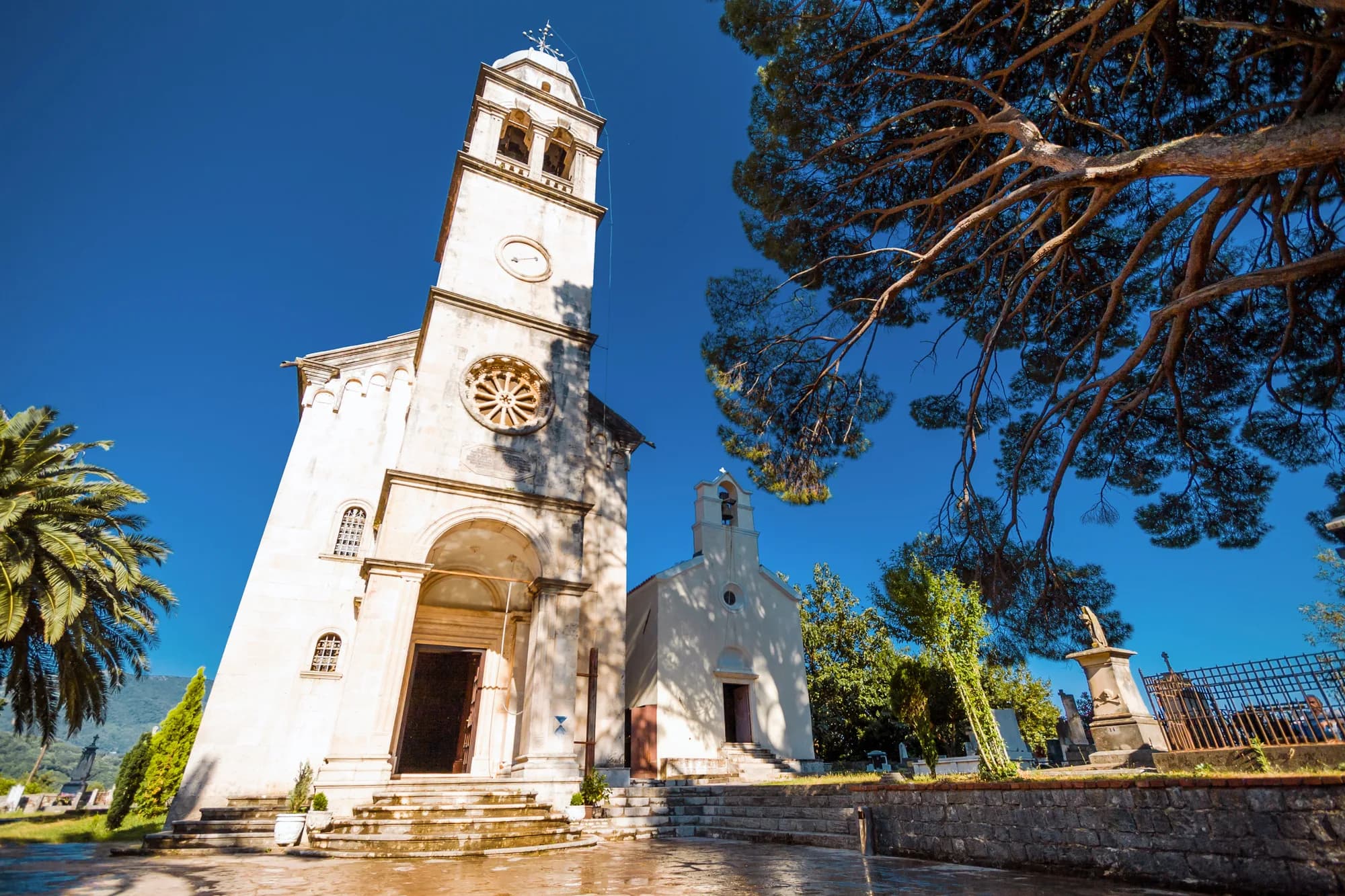
As soon as you pass through the Clock Tower from Nikola Đurković Square you reach the second square of the Old Town, Belavista Square — the name means "beautiful view" — a lively space ringed by cafés and an architectural medallion of a square. It is dominated by the Orthodox Church of St. Archangel Michael, unique for its stone iconostasis. The fountain in the central part of Belavista Square was recently reconstructed and is a real tourist attraction in its own right.
Down to the sea: passages, gardens and churches
You can go down to the main city promenade or the beach by using one of the many narrow passages and stairs. One of the most impressive is the passage from Bellavista Square through the street named after the writer Marko Car, past the Music School and the Catholic Church of St. Jerome (with a rich treasury) and St. Leopold Mandić. In this street a kind of dinosaur tree, the Ginkgo biloba, has found a place next to numerous palm trees and coastal vegetation — the town's botanical heritage means hidden gardens, palm-lined steps, and subtropical plants at every turn.

Forte Mare, the sea fortress
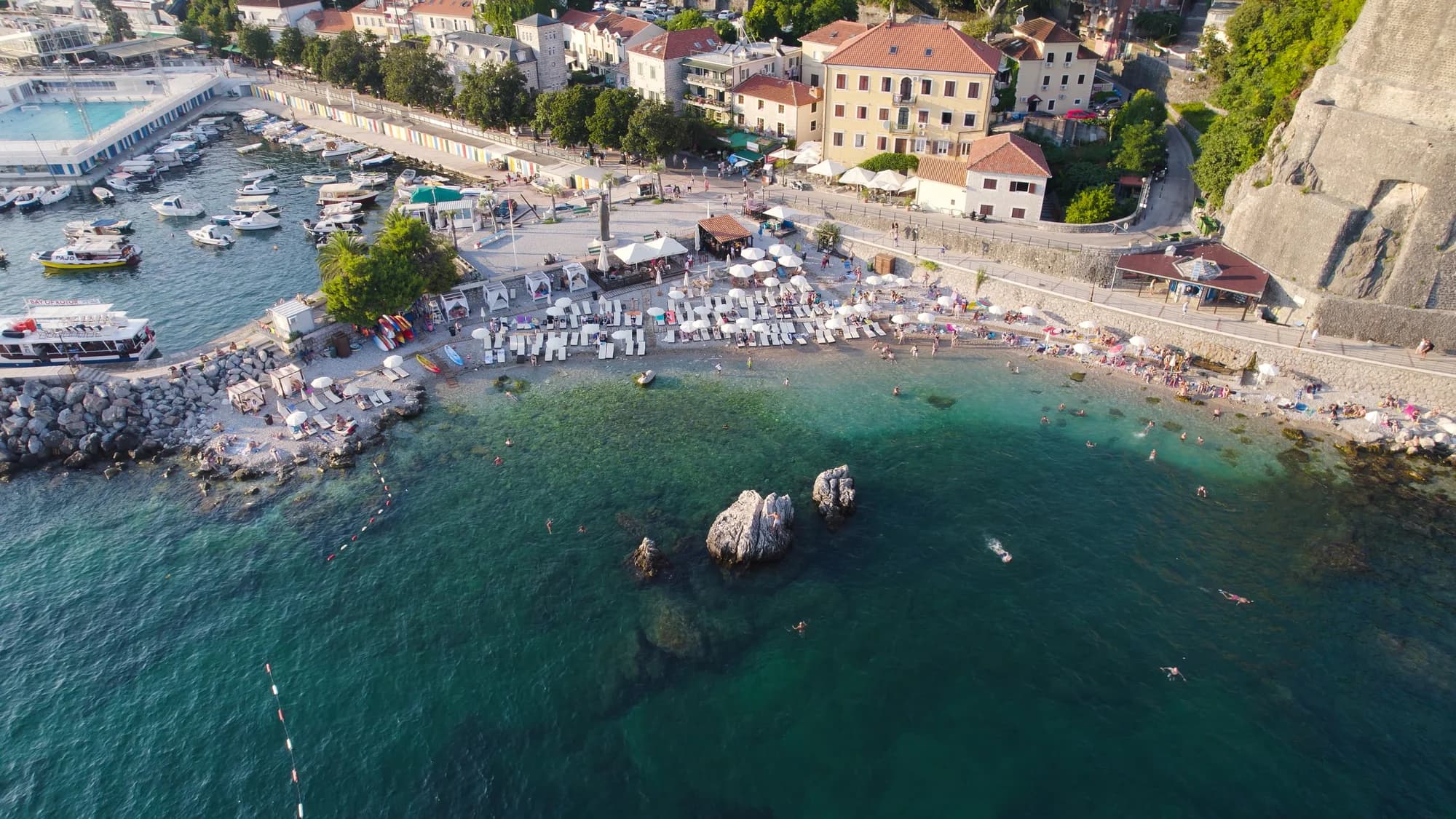
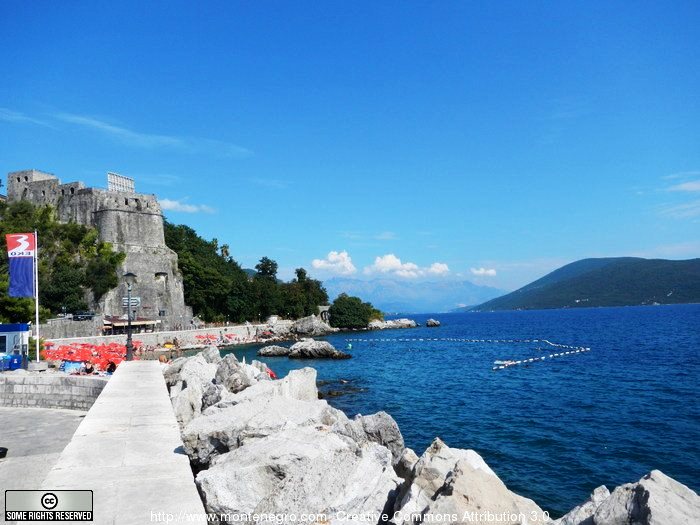
The same passage will also take you to the Forte Mare fortress, dating from the 15th century, across the symbolic bridge that connects the fortress to the Old Town. Built on a rock, it rises above the coast itself, vertically above the City Beach and the harbour (Škver). On the lower side of Forte Mare there is a door leading from the promenade to the top of the fortress, made in the walls of the fortress, while the upper door is also called the "Sea Gate" (Porta di mare) and has preserved its authenticity even today. Forte Mare is visible from all positions and, as its name suggests, it represents a real fortress seen from the sea; its ramparts double as one of the town's best viewpoints. From July 1st, cinema screenings are held here and it mainly serves as an open-air cinema stage under the starry sky, which makes for a unique atmosphere. You can visit during the day every day from 07:00 to 19:00; tickets cost 2€ for individual visits and 1€ per person for groups.

The Citadela
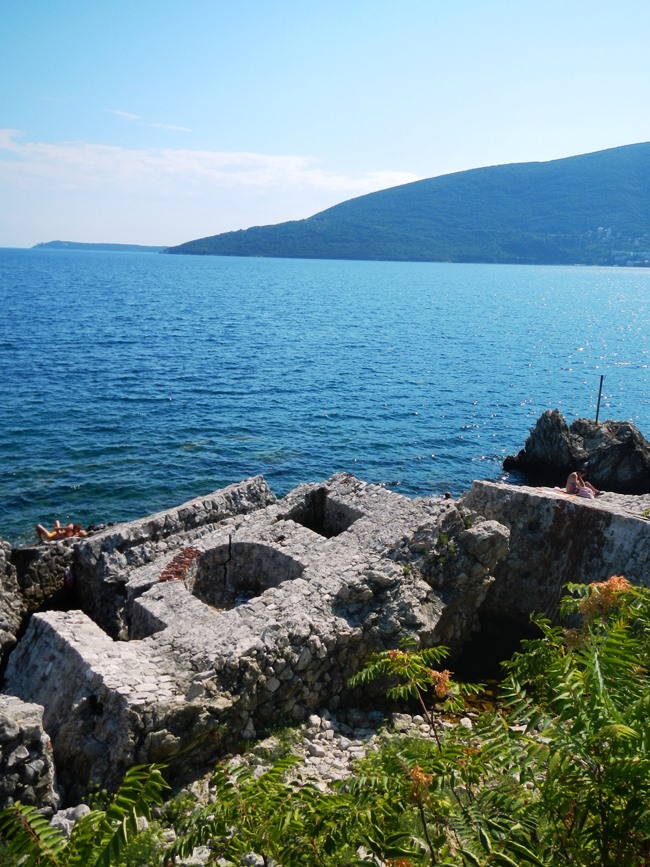
When you go down to the Pet Danica promenade and look towards the eastern side of the city, you can see the Citadela fortress. Positioned right in the sea and connected to the city centre by walls, this tower was built during Venetian rule. The earthquake that hit Herceg Novi in 1979 completely collapsed the fortress, and its old walls still lie in the sea.
Pet Danica promenade, the old Railway Station and Škver
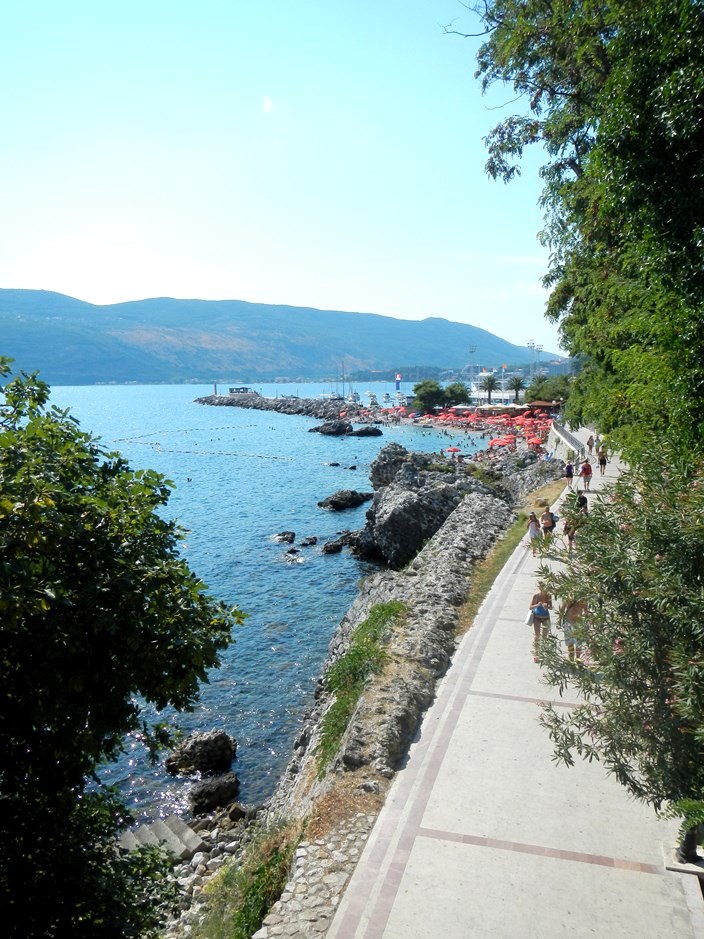
Below the Old Town runs the Pet Danica promenade, several kilometres of seafront walkway lined with swimming spots, beach bars and boat moorings. Swim, sunbathe on the concrete and pebble platforms, hire a sunbed (around €5–10 for two with an umbrella), grab a coffee, or rent a kayak and paddleboard in summer.
If you head in the opposite direction from the Citadela, towards the city harbour and the open water polo pool, on the right you will see the Railway Station building, now a beautifully renovated tourist facility. This was a unique railway station, considering that it was built on the very coast of the sea next to the city port. It is little known that the Pet Danica promenade used to carry railway traffic in Boka,
and that the main station was in Zelenica. The railway was officially opened on July 16, 1901, when the first train, carrying high-ranking officials of Austria-Hungary, which ruled Boka Kotorska at the time, arrived in Zelenica. The railway station building in Herceg Novi was built in 1934 thanks to the reputation of the mayor Mirko Komnenović. It was built in stone, and was reconstructed and reopened in 2005.
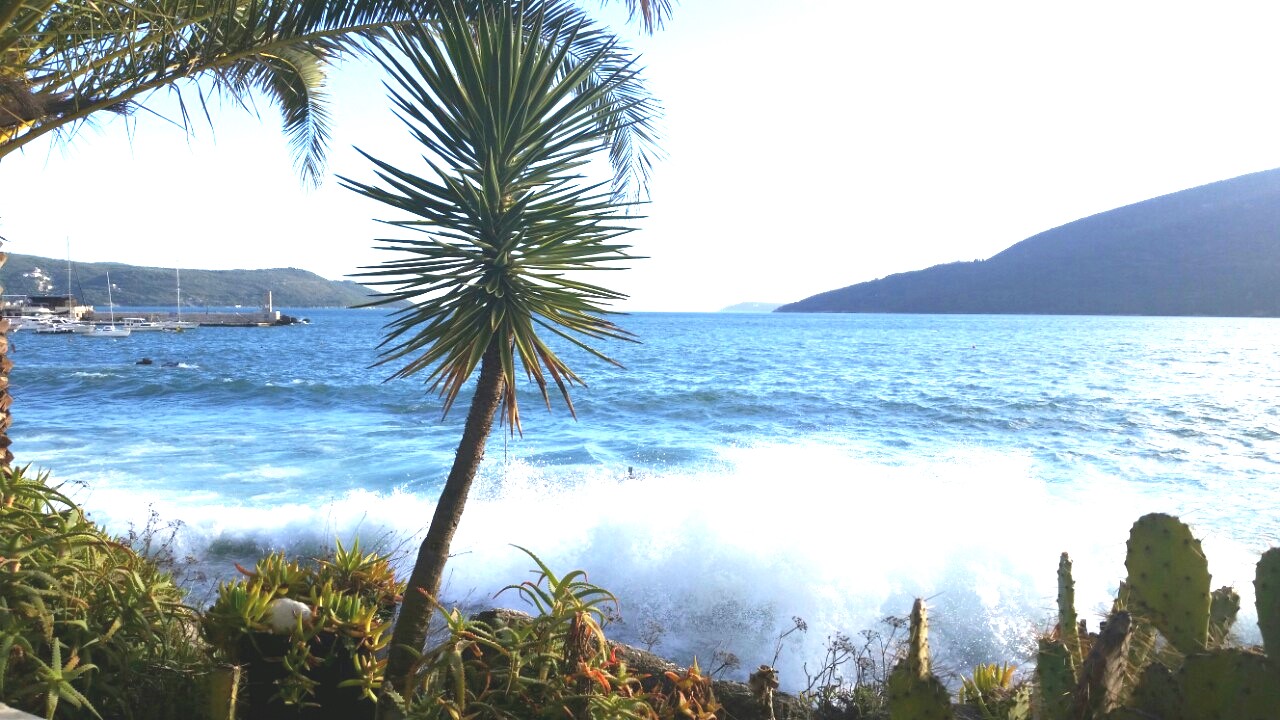
From the terrace of "Stanice" there is a view of a small marina and a lighthouse where fishing boats, tourist boats and yachts are moored. Škver, as it is popularly called, is the main place where you can rent a boat or board one of the small boats that take you on excursions to nearby places around Herceg Novi, which are reached most quickly by sea.
Eating and drinking
For food, the squares and seafront are full of konobas (traditional taverns) serving fresh Adriatic fish, black risotto, octopus salad, and local Vranac and Krstač wines. A leisurely lunch by the water, a fortress climb, and an evening stroll along Pet Danica make a near-perfect day.
Boat trips from the Old Town: Rose, Mamula and Žanjice
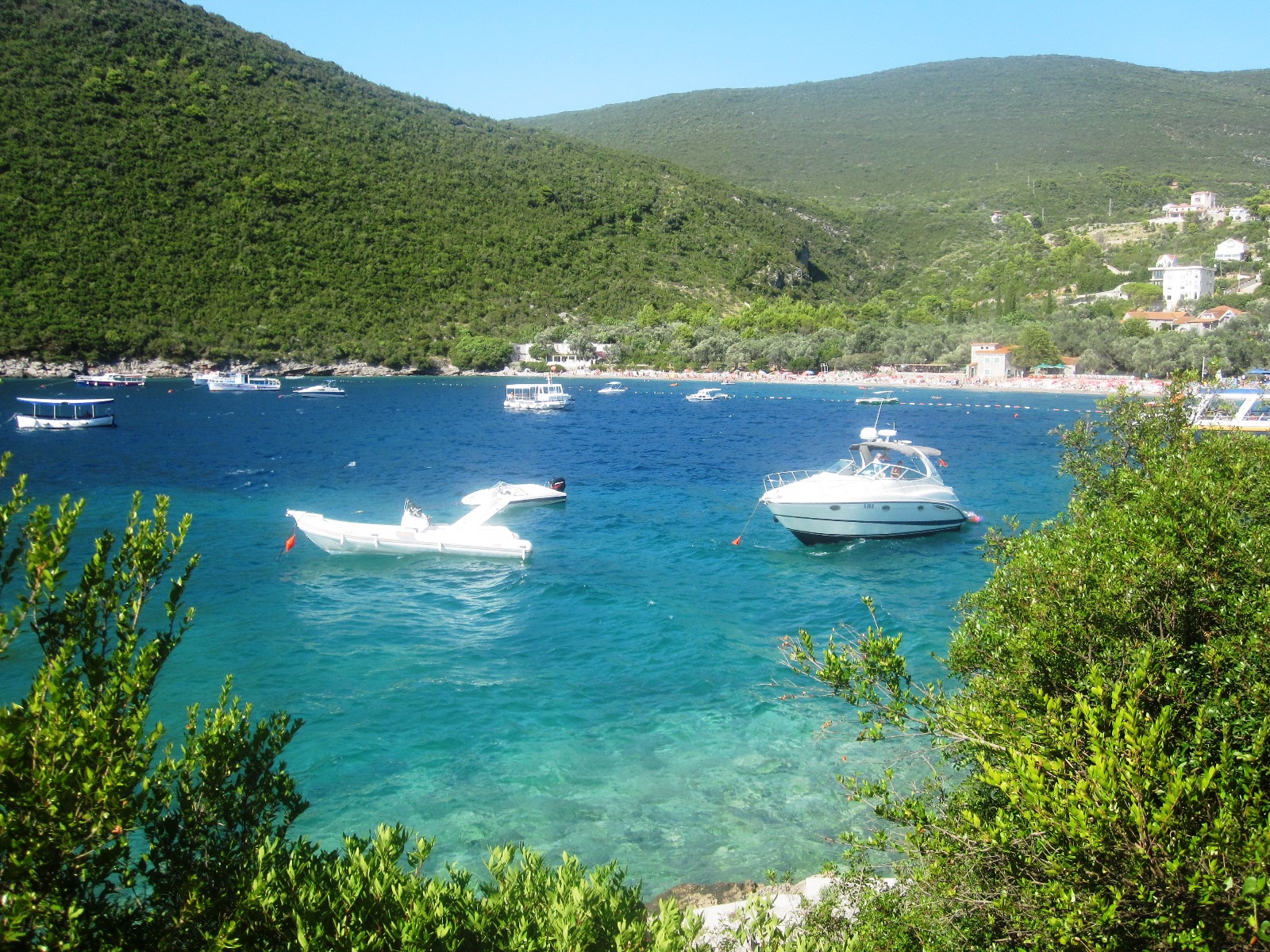
Water sports, boat excursions and day trips to Kotor and Perast are all easy to arrange from town. In the summer months, when the city is very crowded, Rose, Mamula and Žanjice are unmissable destinations for their natural beauty, historical significance and relaxing atmosphere — as is the Blue Cave.
Rose
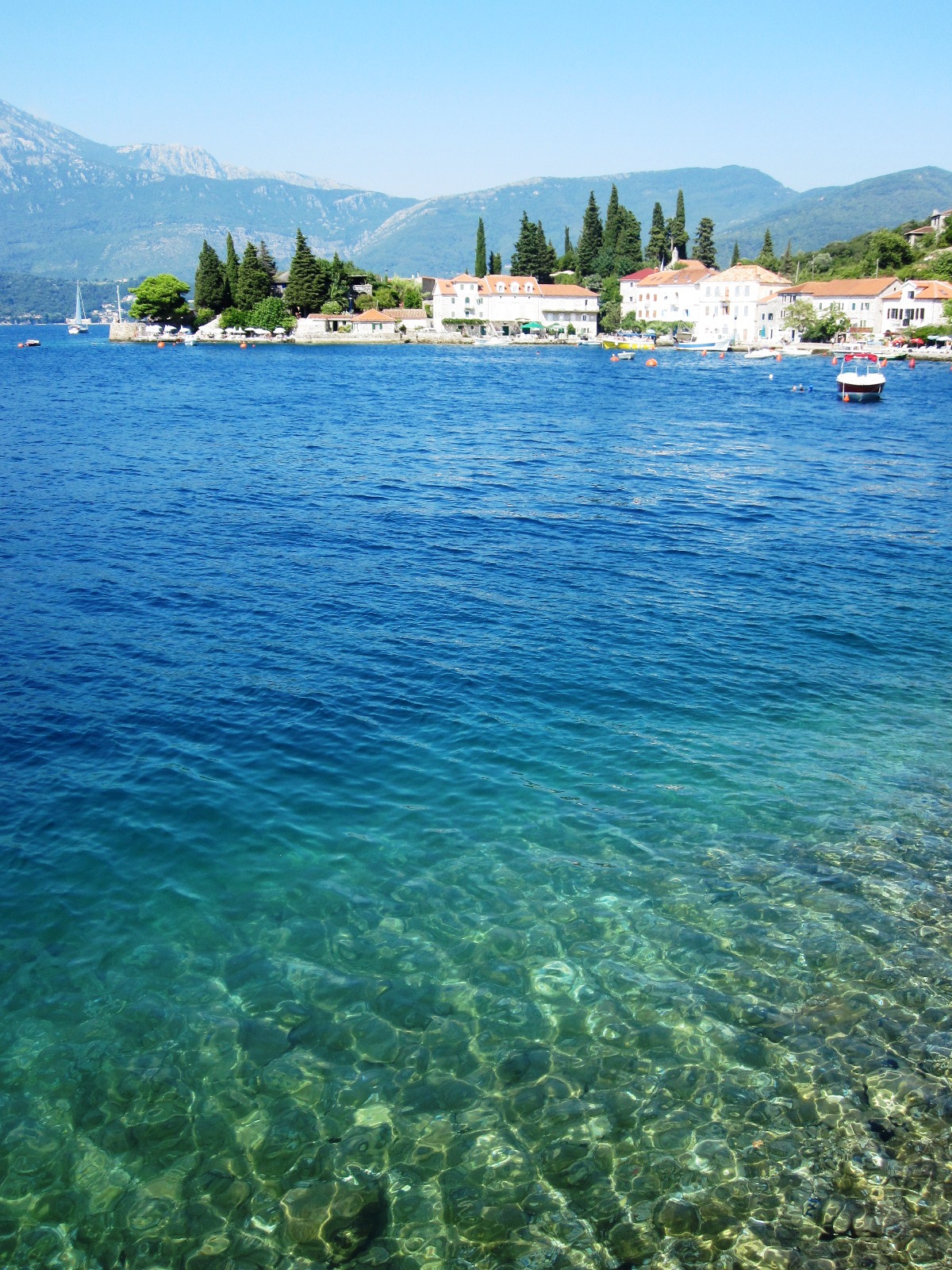
As well as being a beautifully preserved Mediterranean town, Rose is one of the oldest settlements in the region. In many historical writings it is mentioned as the settlement of Resnium as early as the fourth century. In the area of Rose, both on land and in the sea, there are very important archaeological sites. A large number of divers come to these waters for underwater archaeological research and to view old shipwrecks lying on the bottom, and there is also a very famous diving camp at Rose. Along the waterfront, where there are several restaurants, stands the old fortress Forte Rose, which includes a restaurant and a tourist complex.
Mamula
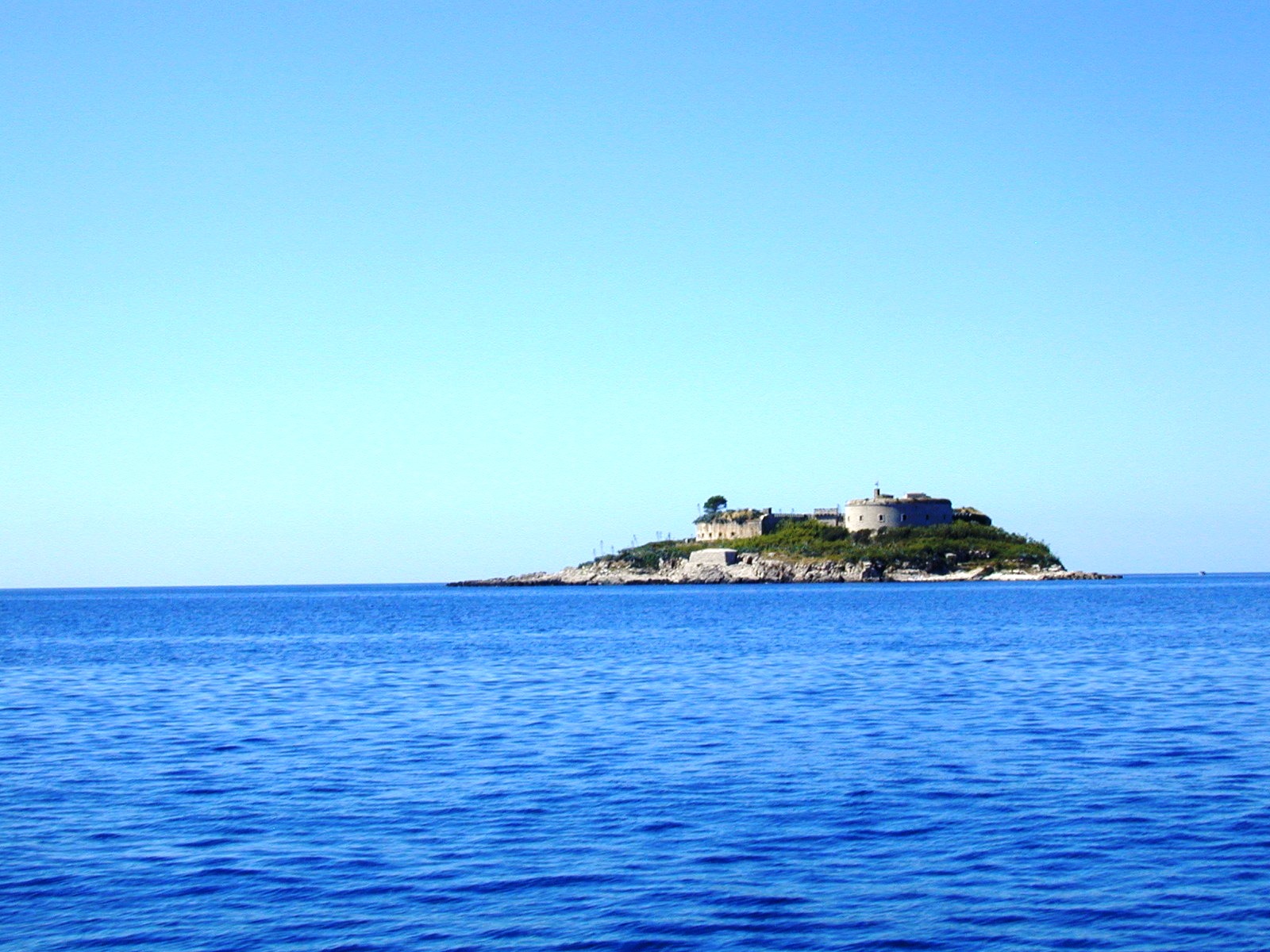
The island with the Mamula fortress lies on the sea road towards Žanjice. Although the history of Mamula Fort is dark, its appearance is stunning. It is located on the small rocky island of Lastavici, at the very entrance to the Bay of Kotor. It represents one of a series of significant fortifications — together with Arza and Prevlaka — that the Austro-Hungarian army built in 1853 to defend the entrance to the bay. Its name is symbolic too: it comes from the Austrian general Lazar Mamula, whose idea it was to build a fortress on the island. Due to its exceptional architectural design, this fortress is considered one of the most beautiful on the Adriatic. The entrance is on the north-eastern side of the island, where there is also a drawbridge. Although inaccessible, it is a must-see place both for a tour and for swimming during the summer months.

Žanjice and Mirišta
If you continue towards the open sea you will reach Žanjice beach, one of the most popular beaches in Montenegro. This beach is special because of the crystal clear sea, the natural white pebble beach and the old olive groves just above it. You can take a look at the church of St. Jovan, which dates from 1881 and stands among the olive groves just a few steps from the beach, and hear an interesting story about this church and the idyllic place of Žanjice — or take a walk through the beautiful nature to the nearby Mirišta beach.
Where to stay near Herceg Novi Old Town
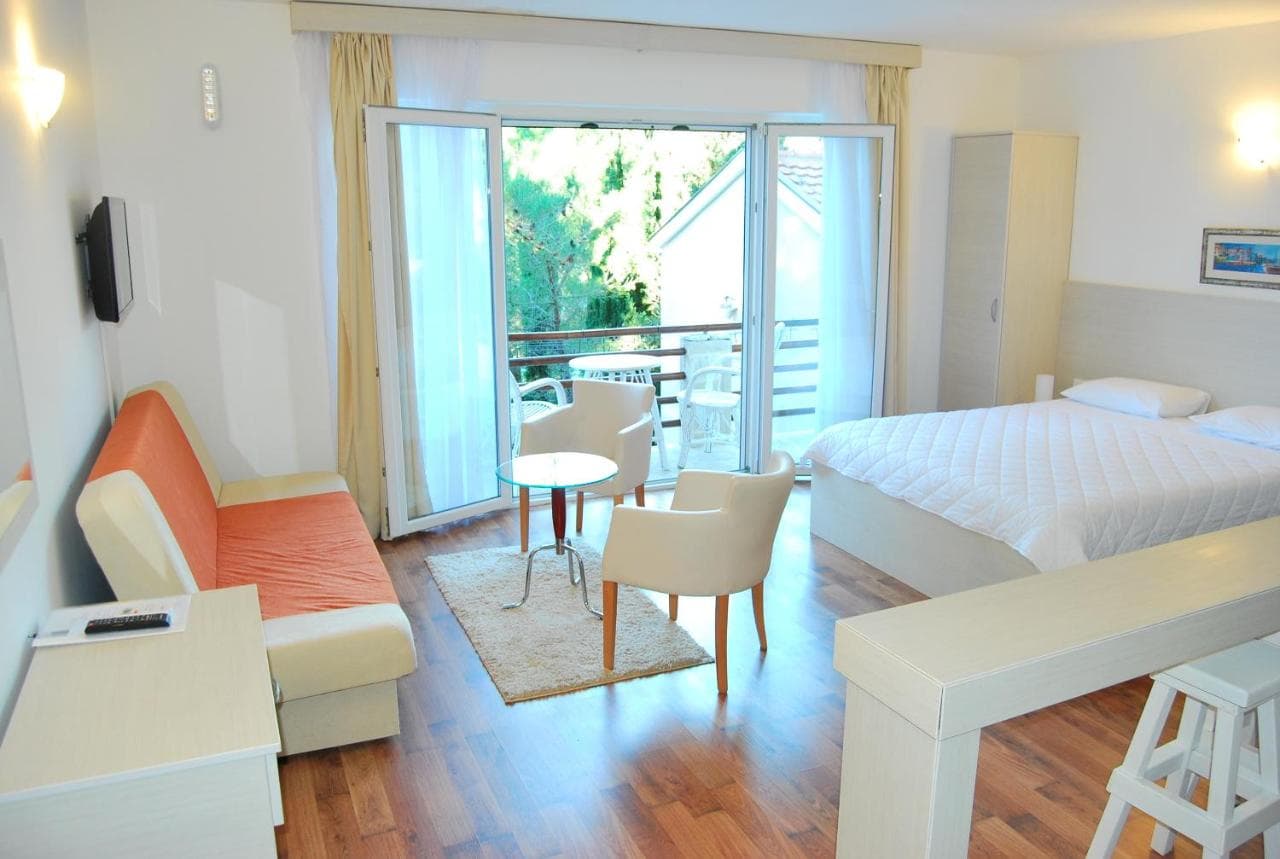
The Old Town is right in the centre of Herceg Novi, so basing yourself in or around town puts you within easy walking distance of the fortresses, promenade, and squares. Many visitors choose apartments along the Pet Danica seafront and the nearby districts of Topla, Škver, Savina, and Meljine. Here are some real options on montenegro.com:
- Apartmani Škver — apartments right on the Pet Danica seafront, from about €92/night.
- Apartmani na Toploj — seafront apartments on Šetalište 5 Danica, from about €52/night.
- Apartman Vučković — promenade-side apartment in Topla, from about €54/night.
- Hotel Perla u Meljinama — a comfortable seafront hotel in nearby Meljine, from about €298/night.
- Apartmani Pax Herceg Novi — good-value apartments in Topla, from about €47/night.
- Apartmani i sobe Konjević — budget-friendly rooms and apartments, from about €35/night.
For a fuller breakdown of neighbourhoods and the best areas for first-time visitors, read our guide on where to stay in Herceg Novi. You can also browse all Herceg Novi accommodation — currently 37 properties ranging from budget rooms to seafront hotels — or choose hotel and private accommodation in Herceg Novi.
Tips
- Wear good shoes: this is the "City of Stairs" — expect steep steps and smooth, slippery old stone, especially after rain.
- Visit the fortresses early or at sunset to avoid the midday heat and catch the best light over the bay. Remember that Forte Mare closes at 19:00, so an evening visit means coming back for a film screening instead.
- Bring water shoes for swimming — the beaches and platforms along Pet Danica are pebbly or concrete, not sandy. Žanjice, by contrast, is natural white pebble.
- Carry small cash for fortress entry, sunbed hire, and the smaller konobas, though cards are widely accepted in cafés.
- Shop the city market beside Nikola Đurkovića Square for local fruit, vegetables and fish straight from the fishermen.
- Use Herceg Novi as a base for day trips to Kotor, Perast, and boat tours from Škver — it's the bay's most convenient and sunniest gateway.
Frequently asked questions
Is Herceg Novi Old Town worth visiting?
Yes. With two historic fortresses, lush gardens, a scenic seaside promenade, and a sunny microclimate — the average annual air temperature is 16 degrees — it's one of the most charming and authentic old towns on the Montenegrin coast, and far less crowded than Kotor.
Is Herceg Novi beach sandy or pebbly?
The beaches and swimming spots along the Pet Danica promenade are mostly pebbly or concrete platforms with clear, deep water — ideal for swimming. Water shoes are recommended.
Is Herceg Novi Old Town free to visit?
Yes, walking into and exploring the Old Town and promenade is free. You only pay a small fee to enter the fortresses — about €2–4, with Kanli Kula's walls at 1€ and Forte Mare at 2€ individual or 1€ per person for groups.
How do I get to Herceg Novi Old Town?
It's in the centre of Herceg Novi — walkable from town accommodation. From Tivat Airport it's about 40–50 minutes by car or taxi (via the Kamenari ferry); from Podgorica Airport around 1.5–2 hours.
What is the best time to visit Herceg Novi?
May, June, and September offer warm seas and fewer crowds. July and August are hottest and busiest, while February's Mimosa Festival is a lively off-season draw. The mild climate makes the town's picnic spots and gardens rewarding all year round.
Ready to explore the City of Stairs? Plan your stay with our guide to where to stay in Herceg Novi, or browse all Herceg Novi accommodation to find the perfect seafront base near the Old Town.