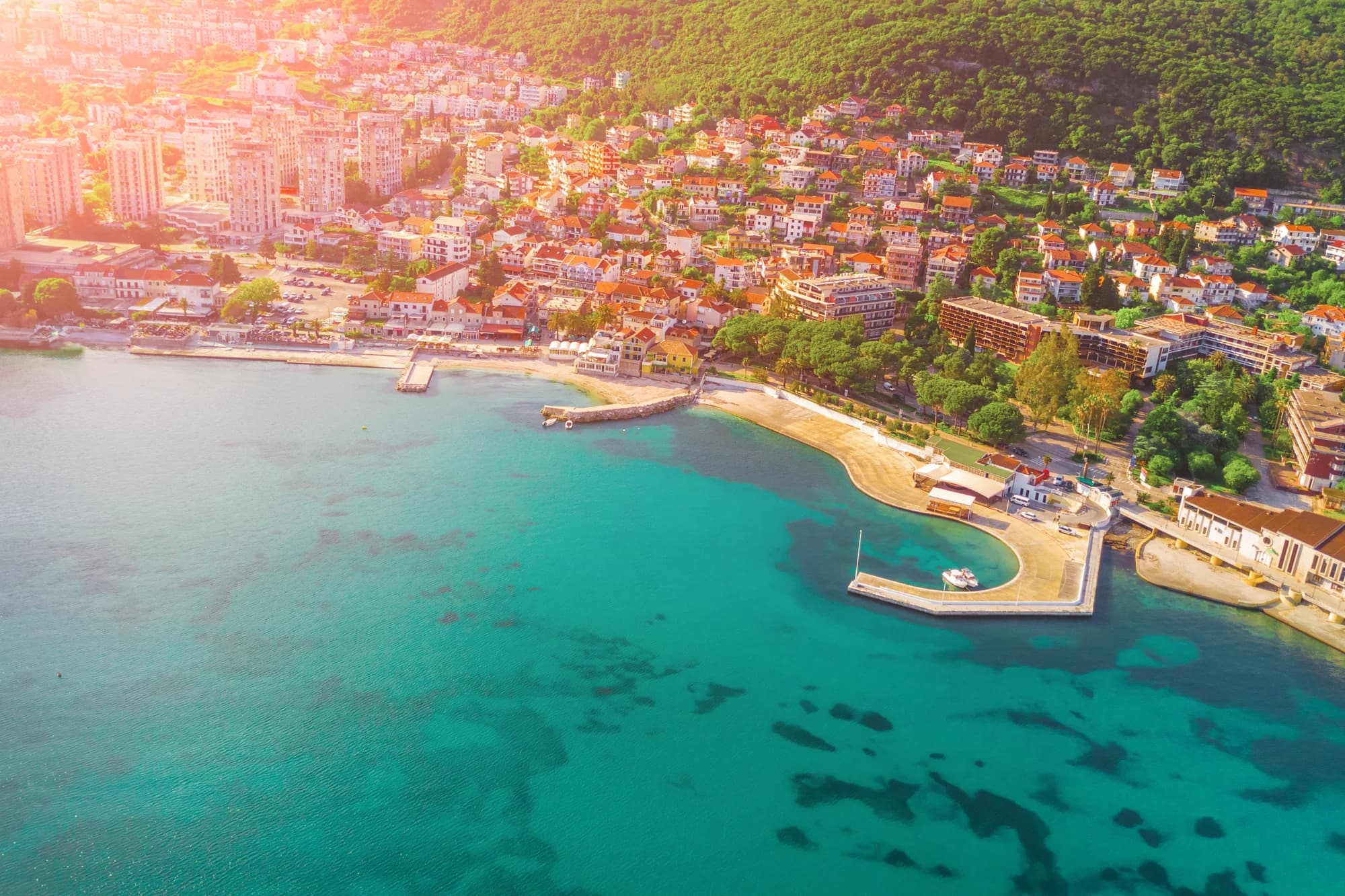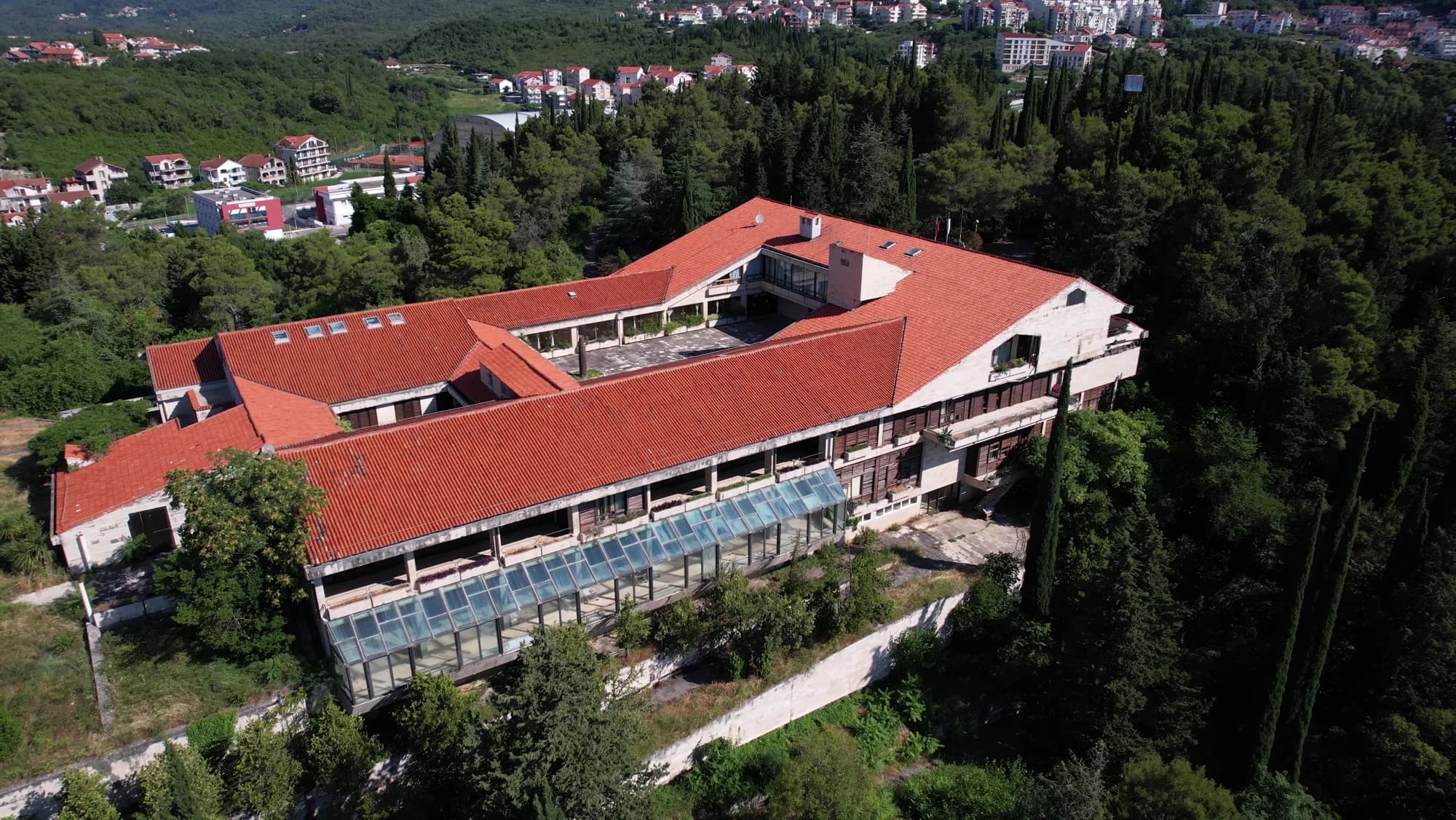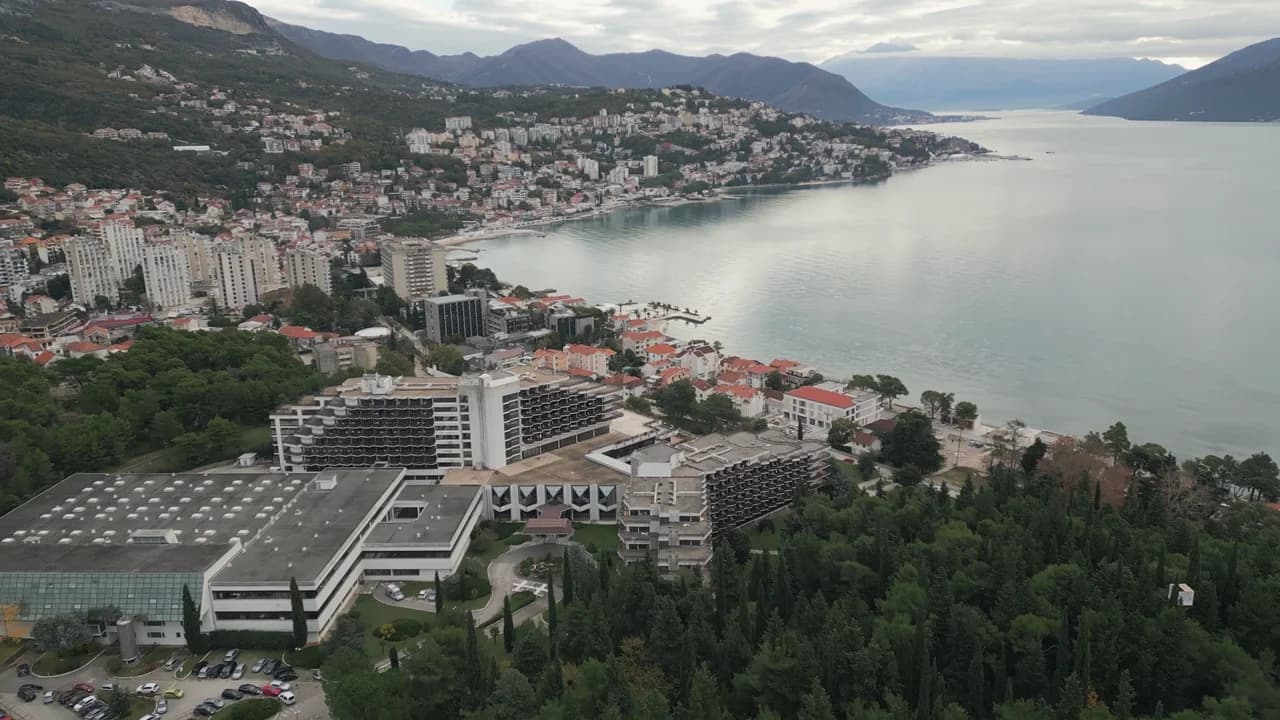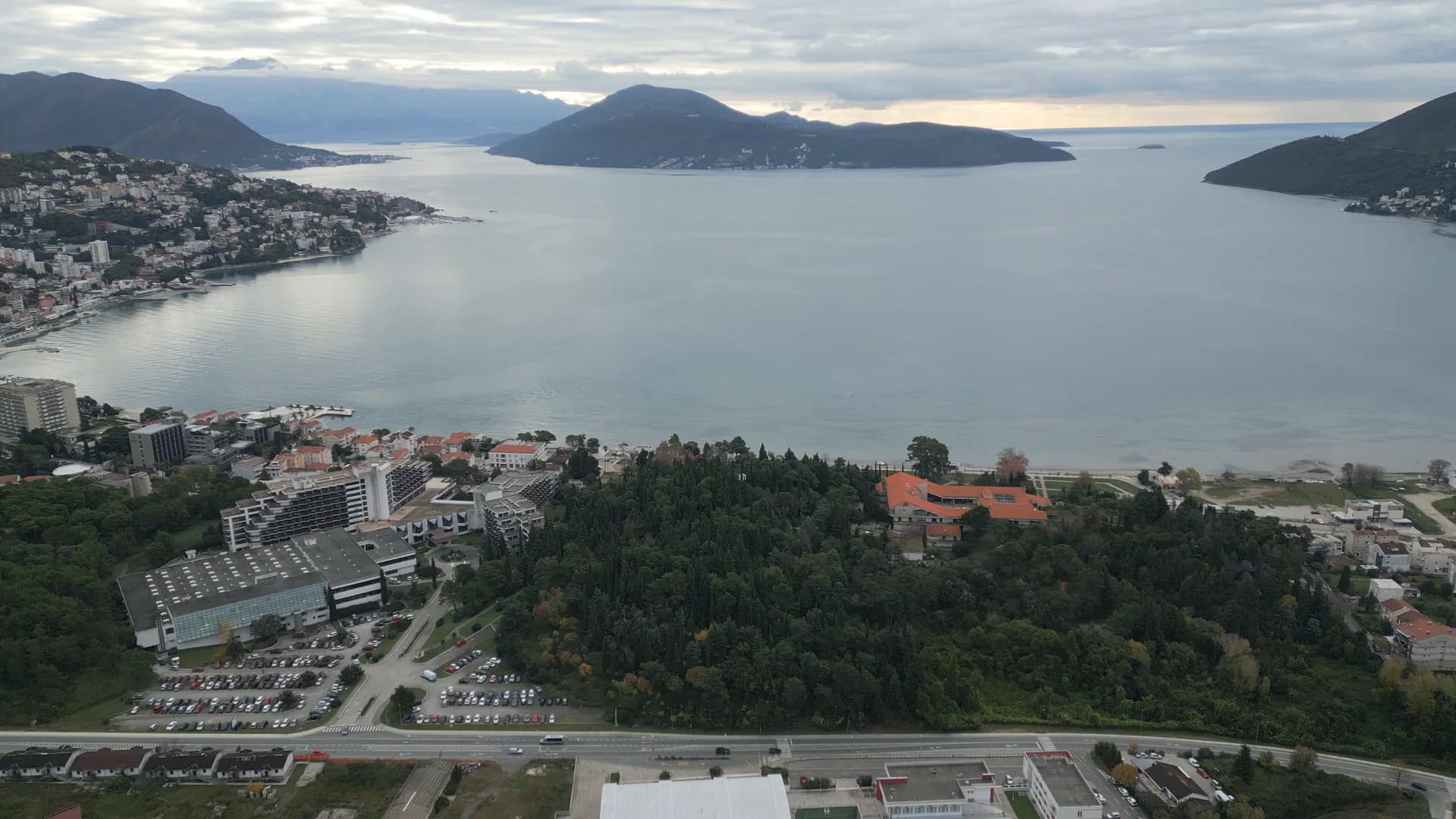
Health tourism in Montenegro should begin with a clinical question, not a hotel package. Igalo has a long rehabilitation tradition and a current 2026 offer, but scenery, testimonials and the word “medical” do not prove that a treatment is appropriate, effective or insured for you. The safe sequence is diagnosis, provider verification, written plan, informed consent, complication cover, records and aftercare—then travel logistics.
The Institute “Dr Simo Milošević” in Igalo is Montenegro's best-documented health-tourism example. The same safety framework applies to any clinic, dental practice, rehabilitation centre or wellness resort. No travel guide can recommend a procedure or replace advice from a clinician who knows your medical history.
| Trip type | Clinical and booking evidence |
|---|---|
| Wellness stay | No diagnosis claim; verify scope, accessibility, exclusions and total price. |
| Preventive program | Screening may affect safety; verify clinician, tests, limits and referral plan. |
| Prescribed rehabilitation | Requires indication and contraindication review; verify assessment, dose, goals, measures and aftercare. |
| Procedure or surgery | Highest continuity burden; verify credentials, facility scope, consent, complication plan and travel clearance. |
First decide what kind of care you are buying
A massage, supervised exercise program, post-stroke rehabilitation and elective operation do not belong in one risk category. Marketing often blurs them because accommodation and care can be sold together. Your first task is to write one sentence: “I am considering this named service for this diagnosed problem or non-medical goal.” If you cannot do that, the offer is not yet specific enough to evaluate.
For prescribed care, ask your home clinician whether travel changes the benefit–risk balance. The CDC’s 2026 medical-tourism guidance recommends a pre-travel discussion, a plan for complications and continuity after return. The more invasive the intervention, the less reasonable it is to treat recovery as a normal holiday.
| Lane | Checks |
|---|---|
| Wellness | comfort · access · service terms |
| Prevention | screening · test meaning · referral |
| Rehab | diagnosis · dose + goals · aftercare |
| Procedure | credentials · complications · fit to travel |
| Across lanes | Increasing need for independent clinical review and continuity |
Source: cdc.gov
Institute Igalo's current 2026 offer
The Institute’s current website describes a combined accommodation and physical-medicine rehabilitation centre using individual medical programs. Its pages list kinesiotherapy, hydrotherapy, rehabilitation and preventive services. Suitability and benefit still depend on your diagnosis and assessment. Ask for the proposed modalities, frequency, duration, measurable goals and reasons each one fits you.
A dated 2026 Phase II Ex-Yu package provides a useful price example. It lists €95–€110 per person per day in a double room across seasonal bands, plus €1.50 tourist tax and insurance. The page says full board and up to five therapies per day are included, with therapies not performed on Sundays. It also says a valid identity document from an ex-Yugoslav country is required.
That is not a universal foreign-patient price. “Up to five” is not a prescription or guarantee that all five are clinically appropriate, and the room, medical assessment, chosen therapies, companion terms and availability require written confirmation. Do not use an old PDF or a third-party screenshot when the provider publishes a dated page.
| Package lists | You must confirm |
|---|---|
| €95–€110 person/day | eligibility + availability |
| full board | assessment + prescription |
| up to 5 therapies/day | room + accessibility |
| no therapy Sunday | exclusions + complications |
| Get one written, patient-specific quotation. |
Source: igalospa.com
Do not turn history into a current contract
Igalo’s international history is real. In a February 2026 anniversary article, the Institute says organised treatment of Norwegian patients began in February 1976. The same article says the Institute hopes to participate in a future provider-selection process and possibly renew cooperation from 2027. That is an aspiration, not evidence of an active 2026 Norwegian public program or a guaranteed 2027 award.
Verify the facility and every named clinician
Start with the Ministry of Health’s institution pages. Ask the provider for its exact legal name, facility type, address, authorisation for the proposed service and current contact. If the service is delivered by a separate company inside a hotel or resort, verify that entity—not the host property.
Then check each responsible physician in the Medical Chamber’s licence search by name or licence number. A valid licence is necessary but incomplete evidence: request specialty, who performs the procedure, who supervises therapy, experience with your exact condition, and who covers nights or absences.
Ask about accreditation with precision. Montenegro’s 2025–2028 quality strategy describes an evolving national quality and patient-safety framework. A clinic’s phrase “international standards” is not a certificate. Request the named accrediting body, certificate number, covered site and service, issue date, expiry and a verification link. Licensing, accreditation and outcome reporting answer different questions.
| Claim | What to verify |
|---|---|
| Facility | legal name · authorised service · current site |
| Clinician | licence · specialty · role + coverage |
| Accreditation | named issuer · scope · current expiry |
| Caveat | A website badge cannot answer all three. Verify each source directly. |
Source: gov.me, ljekarskakomora.me
Demand an indication, evidence and contraindication review
The proposed intervention should connect to a documented problem and goal. Ask: What diagnosis or functional limitation is being treated? What improvement is realistic? How will baseline and progress be measured? What alternatives exist, including no treatment or care at home? Which adverse effects and contraindications matter to me?
The Institute’s own hydrotherapy page illustrates why screening matters. It lists severe cardiac, respiratory, urogenital and skin diseases among contraindications for general hydrokinesitherapy. That is not a complete list and cannot diagnose anyone, but it disproves the idea that a natural-water treatment is automatically gentle or suitable for all.
Separate provider evidence from provider marketing. A description of mineral water, mud, “detoxification,” anti-ageing or another branded modality is not independent proof of meaningful benefit for your condition. Ask for the clinical guideline or research supporting the exact intervention, and have your home clinician review it. Testimonials cannot supply a control group, complication rate or long-term outcome.
| Step | What it must state |
|---|---|
| Diagnosis | or goal |
| Evidence | alternatives |
| Screen | contraindications |
| Dose | who + how much |
| Measure | baseline + change |
| Stop | or escalate |
| Caveat | “Natural,” “personalised” and “advanced” are not evidence levels. Ask for the full chain in writing. |
Source: igalospa.com, cdc.gov
Use Montenegro’s patient-rights framework before consent
Montenegro’s Law on Patients’ Rights covers people receiving services for prevention, treatment, care or rehabilitation and protects dignity and physical and psychological integrity. The Ministry also says public institutions and some private institutions have patient-rights protectors.
Before paying a non-refundable deposit, request the consent document and patient-information sheet in a language you understand. It should name the diagnosis or goal, proposed intervention, material risks, alternatives, who performs it, anaesthesia or medication if any, expected stay, discharge criteria, complaint contact and right to records. Ask the facility for its current patient-rights protector or equivalent complaint contact.
Translation is clinical safety, not hospitality. A bilingual coordinator is useful, but verify who will interpret the actual medical consultation and consent. Our Montenegro language guide helps with everyday communication; it is not a substitute for qualified interpretation during care.
Price the whole episode, not the advertised room day
A medical stay’s total cost can include pre-travel consultation, translated records, tests, treatment, medicines, devices, upgraded room, companion accommodation, local transport, accessible transfer, extended stay, changed flights, emergency admission, revision care, medical escort, evacuation and follow-up at home. Request an itemised quotation and identify which costs remain open-ended.
Insurance needs explicit written answers. The CDC warns that trip-cancellation cover may not include overseas medical care or evacuation and notes that patients may need to pay providers first. Ask whether planned treatment is covered, whether complications of excluded elective care are also excluded, who authorises admission or evacuation, and whether aftercare at home is included.
Reciprocal public-health arrangements are nationality- and document-specific. For example, current UK guidance describes a Montenegro arrangement for eligible British visitors using a GHIC and local certificate for emergency public care, while still saying GHIC is not a replacement for travel insurance. That is not permission to assume planned private rehabilitation is funded. Travellers from every country must check their own insurer, public payer and provider.
| Layer | Costs outside the headline |
|---|---|
| Advertised package | (the centre) |
| Ring 1 | tests · medicines · devices · companion |
| Ring 2 | translation · accessible transfer · changed travel |
| Ring 3 | extended stay · urgent admission · revision |
| Ring 4 | evacuation · home follow-up · lost work |
| Action | Confirm payer, approval and exclusions in writing. |
Source: cdc.gov, gov.uk
Arrange records, aftercare and a complication owner
Before travel, send a concise medical summary, diagnoses, allergies, medicines, relevant imaging and laboratory results through a secure method agreed by the provider. Ask which originals or translations are required and how data will be returned. Do not send sensitive records to an unverified personal account simply because a broker requests them.
Before discharge, obtain an English-language summary listing assessment, procedures, therapy sessions, medicines and doses, devices or implants, results, complications, restrictions, warning signs, clinician contacts and follow-up schedule. The CDC advises medical tourists to carry records home and disclose their travel and overseas care to later clinicians.
Name the complication owner at three stages: while in the facility, while still in Montenegro, and after returning home. Ask who answers after hours, which hospital receives a deterioration, who pays, and whether your home clinician has agreed to continue care. “Contact us if needed” is not a pathway.
| Party | Responsibilities |
|---|---|
| Home clinician | baseline + suitability · aftercare accepted |
| Montenegro | treatment record · local escalation |
| Payer / assist | approval + payment · evacuation terms |
| Rule | Records move both ways; responsibility does not vanish at checkout. Name the after-hours contact. |
Source: cdc.gov
Recovery is not a sightseeing itinerary
The CDC notes that infection and non-infectious complications can occur after care abroad, and that prolonged travel plus recent surgery can increase blood-clot risk. Alcohol, strenuous activity, sunbathing, swimming and long tours can interfere with postoperative recovery. The correct wait before flying or driving is procedure- and patient-specific: obtain written clearance from the treating clinician and check the carrier’s medical rules.
Build quiet days around treatment rather than attaching care to an aggressive tour. Our seven-day Montenegro itinerary is for fit travellers, not a recovery prescription. The high-season guide helps anticipate traffic and heat, while the off-season guide explains seasonal transport and opening trade-offs. Ask the clinician which walking, stairs, swimming, heat and car time are acceptable.
Accommodation branding also needs separation from care. A property in our luxury resort guide may offer an excellent spa without being a licensed medical facility. The Kolašin four-season analysis describes a tourism setting, not a treatment recommendation. Comfort, wellness and medicine can coexist, but they are not interchangeable.
| Stage | Requirement |
|---|---|
| Treatment | documented |
| Local recovery | monitor |
| Clearance | written |
| Travel | suitable mode |
| Handoff | home clinician |
| Warning signs | Pain, fever, breathing trouble, bleeding or deterioration? Seek clinical assessment; do not continue the itinerary. |
| Tourism | Optional tourism only after the care plan allows it. |
Source: cdc.gov
Practical 2026 plan for Igalo and Herceg Novi
Before booking: obtain your home clinician’s view; verify institution, clinician and claimed accreditation; request the assessment and treatment proposal; check contraindications; obtain the consent form; confirm language support, mobility access and a companion’s role; price the whole episode; and secure written insurance decisions.
Before travel: send an agreed medical summary securely, carry medicines in original packaging, keep essential records and insurance contacts accessible, and plan arrival without a tight treatment start. Confirm which building, room and therapy block you will use; “accessible” can mean different things for wheelchair transfer, bathroom layout, pool entry and distance between services.
During the stay: compare delivered care with the signed plan, record new medicines and symptoms, ask before adding paid modalities, and report deterioration early. Keep itemised receipts. Know the facility’s after-hours clinician and complaint contact.
Before leaving: obtain the discharge summary and records, complete the complication check, receive written activity and travel clearance, confirm home follow-up and know who answers if symptoms appear after departure. Montenegro’s national emergency number is 112; emergency response is not a substitute for planned continuity.
For a companion with genuine free time, the broader why-visit-Montenegro guide provides destination context. Nearby resort development covered in our Portonovi history may help orient the Herceg Novi coast, but neither article should be used to schedule activities for the patient.
Frequently asked questions
Is Institute Igalo open in 2026?
Its official website is active, publishes 2026 package information and offers current appointment contacts. Confirm your dates, building, clinical service and room in writing because a live website does not guarantee individual availability.
How much does rehabilitation at Igalo cost?
One official 2026 Phase II Ex-Yu package lists €95–€110 per person per day in a double room, plus €1.50 tourist tax and insurance. It has document eligibility and package conditions. International quotations, tests, medicines, upgrades, companions, complications and follow-up may differ.
Does a package with five therapies mean I receive five treatments?
No. The page says “up to” five, and an individual medical assessment should determine what is appropriate. Ask for the exact prescription, schedule and exclusions.
Are mud, mineral water and hydrotherapy safe for everyone?
No treatment is safe or suitable for everyone. The Institute itself lists contraindications for general hydrokinesitherapy. A qualified clinician must assess your diagnoses, medicines, skin integrity, mobility and other risks.
How do I verify a Montenegrin doctor?
Use the Medical Chamber of Montenegro’s search by name or licence number, then ask about specialty, role and experience with your exact treatment. Licence status alone does not establish outcomes.
Will travel insurance pay for planned treatment?
Do not assume so. Ask the insurer in writing about planned care, complications, pre-existing conditions, extended stay, medical escort, evacuation and home aftercare. Ordinary trip insurance may exclude several of these.
Can I tour Montenegro immediately after treatment?
Only if the treating clinician says the specific activities and travel are safe. Recovery may be incompatible with heat, swimming, stairs, alcohol, long drives or flights. Obtain written restrictions and clearance.
What records should I bring home?
Bring an English summary of assessments, procedures and therapy; medicines and doses; results; devices; complications; restrictions; warning signs; contacts; receipts; and the follow-up plan. Share it promptly with your home clinician.