Every travel blog, guidebook, and Instagram influencer will tell you to visit Montenegro between June and September. They are not wrong — the summers are glorious. But they are telling you only half the story. The other half belongs to the quiet months between November and March, when something remarkable happens to this small Adriatic country: it stops performing for tourists and starts being itself.

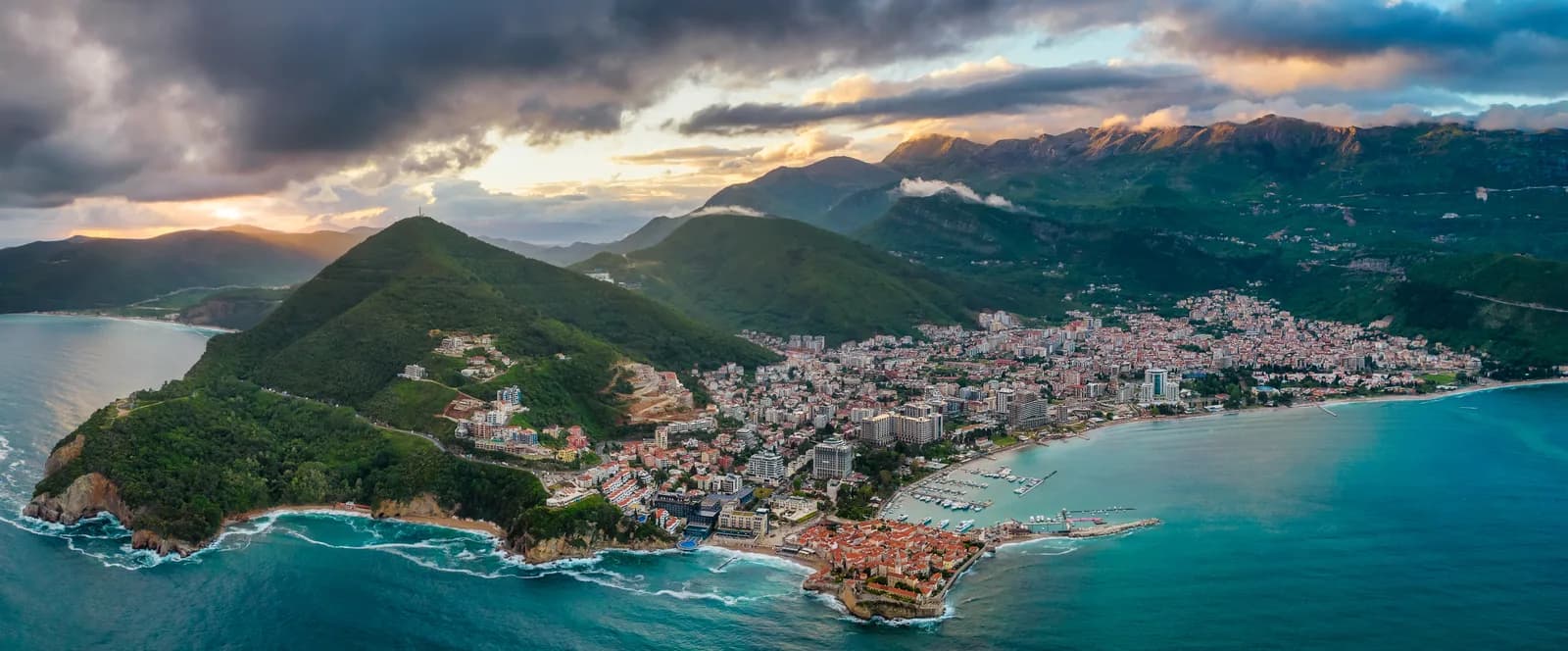
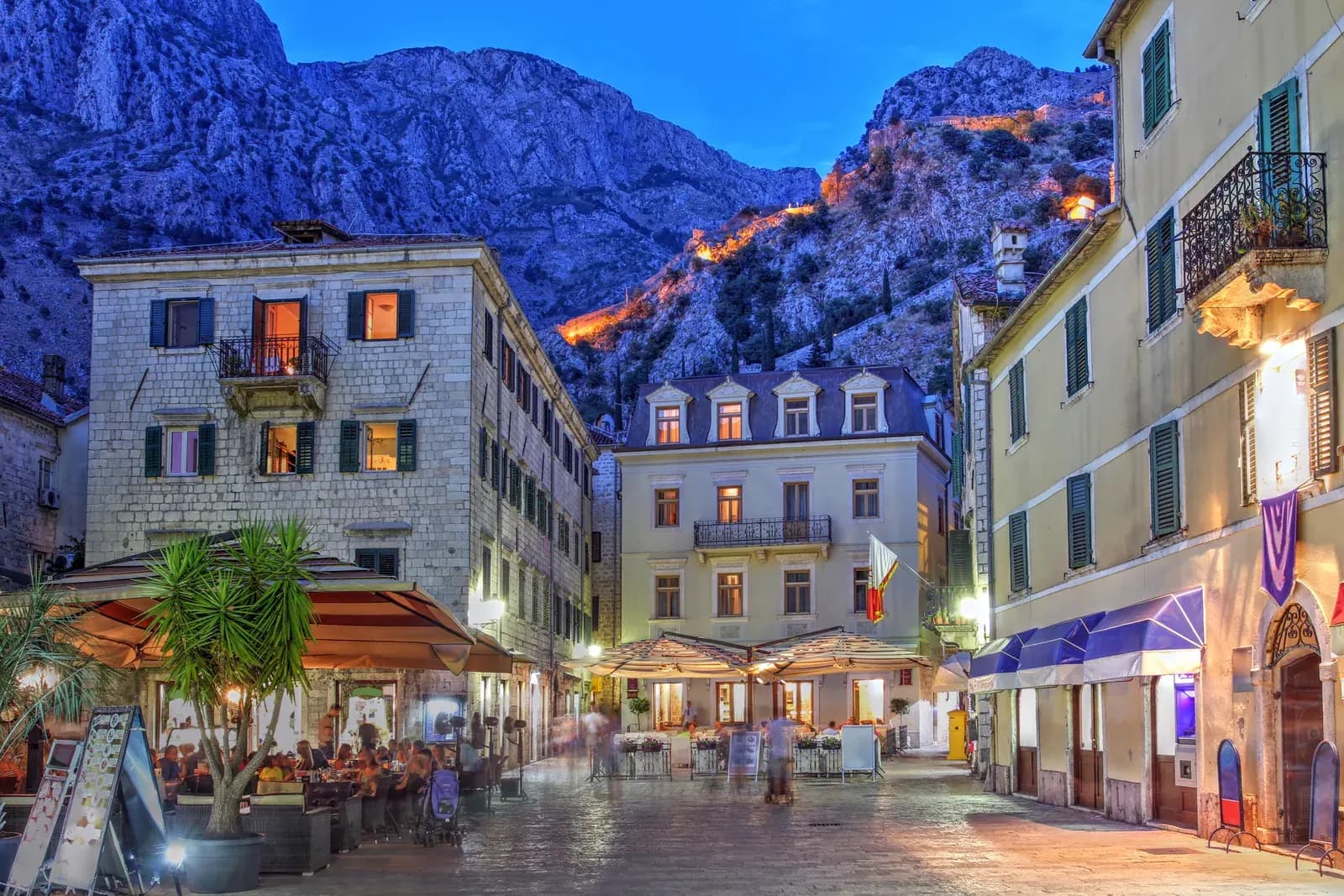
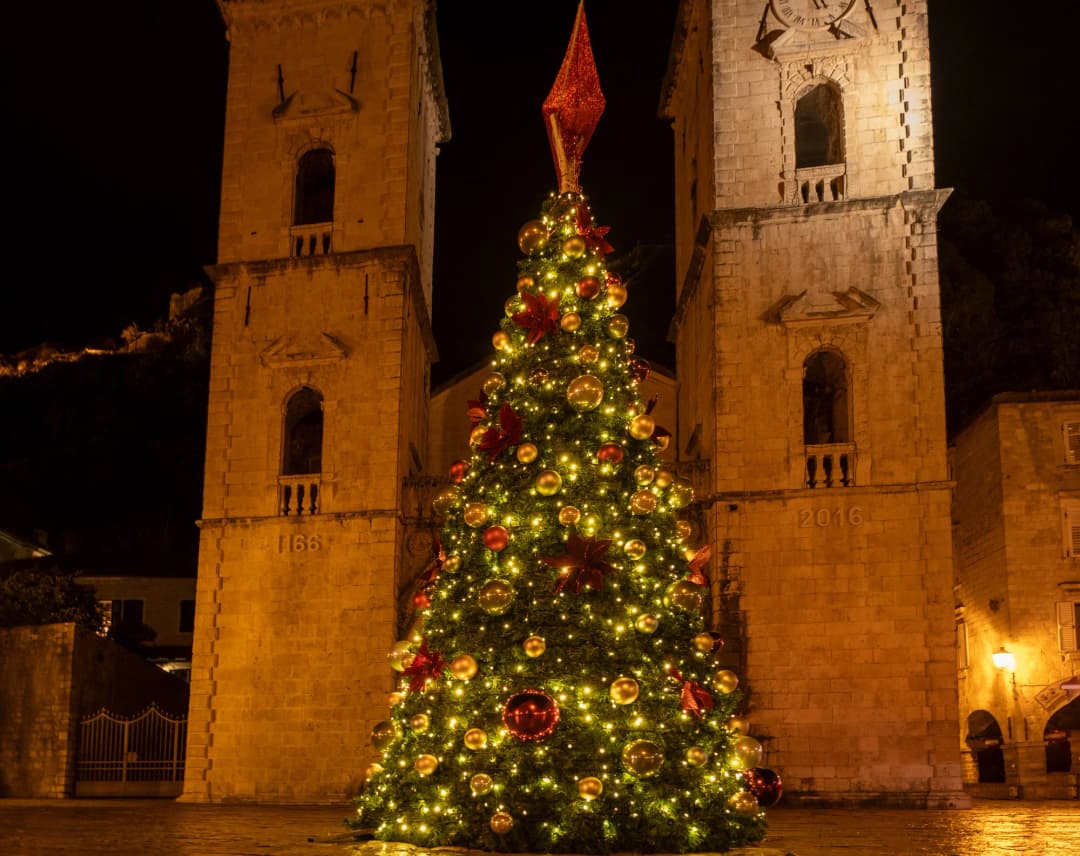
The cruise ships disappear from Kotor Bay. The Old Town's cobblestones, slick with autumn rain, reflect only the lights of the restaurants that locals actually frequent. In the mountains, the first snow transforms Durmitor into a skiing destination that costs a fraction of the Alps. On the coast, winters are mild, and the winter light — sharp, clear, Mediterranean — makes the Bay of Kotor look like a painting by a 17th-century Dutch master who discovered he preferred mountains to flatlands.
This is the guide to Montenegro's off-season: month by month, activity by activity, with every practical detail you need to plan a winter visit that might just become your favorite trip of the year.
Why Visit Montenegro Off-Season
The Price Advantage
Off-season travel usually costs less than a trip in July or August: hotels and apartments generally charge lower rates, and there are no queues at the sights. The trade-off is choice. Some smaller hotels, beach bars and restaurants close from November to March, and Tivat Airport has fewer flights, so compare prices for your own dates rather than counting on a typical discount.
The Authenticity Factor
In 2024 about 600,000 cruise passengers arrived in Kotor (Port of Kotor); in January, very few do. The difference is not merely numerical — it is experiential. Without the crowds, you discover what Kotor actually is: a small, lived-in medieval city where old women hang laundry from 800-year-old windows, where cats outnumber tourists, and where the café on the main square serves coffee to the same regulars every morning.
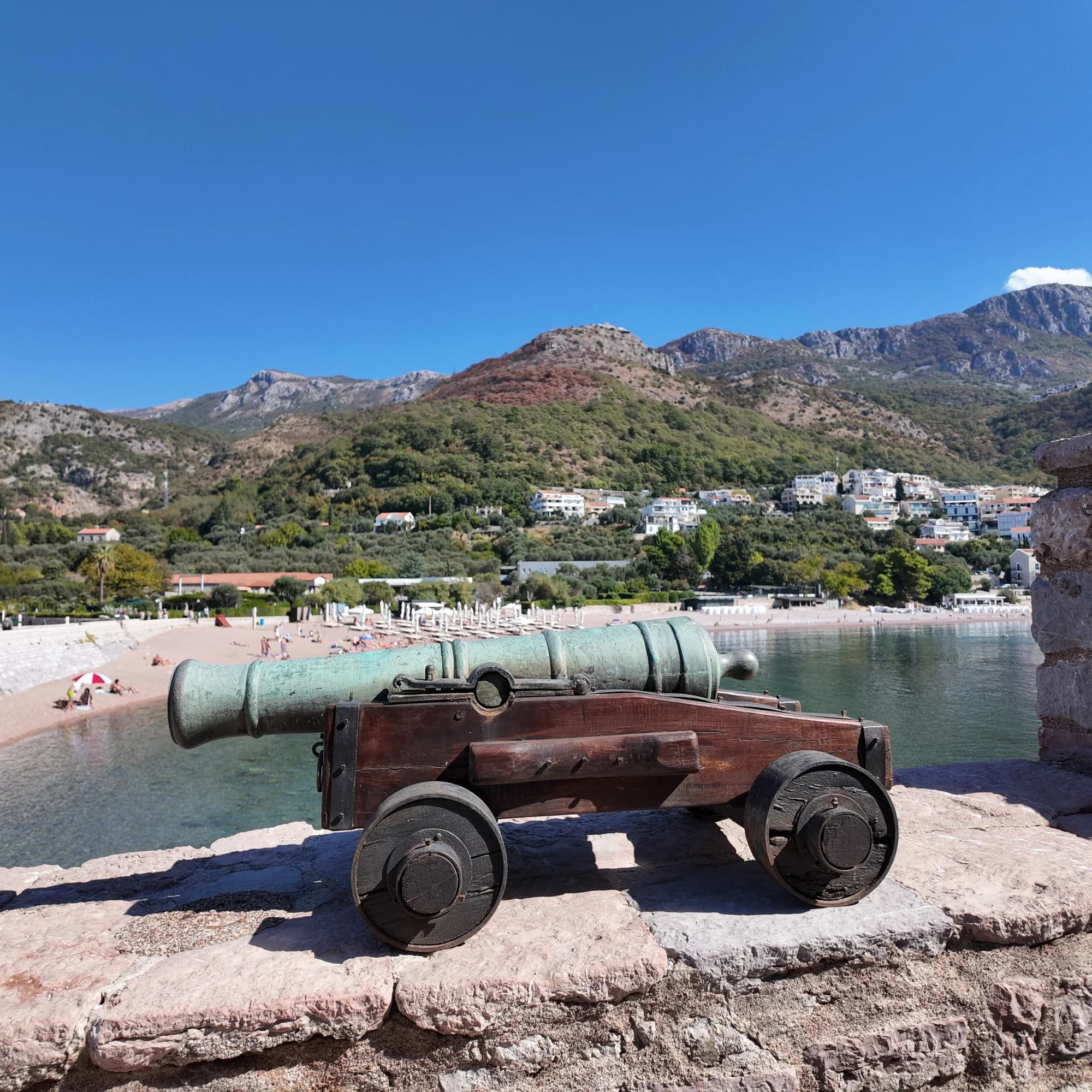
The same transformation occurs across the country. Budva in winter is a quiet, residential town with excellent restaurants and empty beaches perfect for winter walks. Cetinje, the old royal capital, reveals its faded Habsburg elegance without the distraction of summer coach tours. Even Sveti Stefan, the iconic island hotel, sits in a landscape of almost unbearable beauty when the winter sun hits the stone walls and there is not another soul on the beach below.
The Weather Reality
Montenegro's coastal winter weather is far milder than most Northern Europeans expect:
- November: Often mild on the coast, especially in the first half of the month; the last of the autumn warmth.
- December: Cool on the coast but rarely cold. Rain increases. The mountains are below freezing.
- January: The coldest month, but blue-sky days are common. Ski conditions depend on the season's snow.
- February: Spring begins to stir on the coast. Mimosa blooms in Herceg Novi.
- March: Warming quickly on the coast, with wildflowers appearing. The sea is still cold.
The Bay of Kotor is sheltered by the mountains that rise straight from its shore. Rainfall is highest in November and December, but it tends to fall in intense, short-lived bursts followed by clear skies — not the all-day grey drizzle of Northern Europe.
The mountains are far colder: over 1981–2010, Žabljak (1,450 m) averaged −2.3 °C in December and −3.5 °C in January and February, against 6.8, 5.8 and 6.9 °C in Podgorica (49 m) (national climate report). Snow cover varies from year to year, so check the resorts' snow reports.
Month-by-Month Guide
November: The Golden Transition
November is the liminal month, when summer's warmth lingers but winter's peace has arrived. On the coast, good days are still warm enough for outdoor dining, and the sea keeps some of summer's warmth into early November.
- Olive harvest: This is the premier agricultural event of the Montenegrin coastal calendar. Families across the Bay of Kotor, Budva Riviera, and Bar region harvest olives from trees that are, in some cases, over 2,000 years old (the olive tree of Mirovica near Bar is dated at approximately 2,240 years, 2015 analysis). Some agro-tourism operators invite visitors to participate in the harvest and the pressing. The new-season olive oil, tasted fresh from the press on warm bread, is one of Montenegro's great gastronomic experiences. Contact the Bar Tourism Office or local agro-tourism operators for harvest participation.
- Autumn hiking: The Vrmac ridge above Kotor, the Lovcen trails, and the lower-altitude paths around Skadar Lake are at their best — cool enough for comfortable walking, with autumn colors in the deciduous forests and clear mountain views.
- Skadar Lake birdwatching: In winter the lake holds several thousand birds from migrating flocks, including cormorants and herons (National Parks of Montenegro), and its Dalmatian pelicans start nesting around the turn of the year (BirdLife International); keep boats clear of the marked zones around the colony. Ask Virpazar operators whether boats are running: private trips cost from about EUR 45 for an hour, plus a EUR 5 national park fee for adults (operator prices).
- Njeguski prsut season: The cured ham production cycle begins in November as mountain temperatures drop to ideal curing conditions. Visit the village of Njeguši above Cetinje to see hams being prepared.
What is open/closed: Most coastal hotels are still open. Beach bars close for the season. Restaurants in Kotor, Budva, and Herceg Novi operate normally. Boat tours become group-only or cease.
December: Festive Calm
December brings a genuine winter atmosphere to Montenegro, particularly in the capital, Podgorica, and the old royal capital, Cetinje. The coast turns cool and wetter, and snow arrives in the mountains.
What to do in December:
- Podgorica Christmas atmosphere: The capital's main square, Trg nezavisnosti, hosts a Christmas market with stalls selling local crafts, food, and mulled wine. The market runs through late December and into early January. Podgorica is not a tourist city, which means you experience a Montenegrin Christmas celebration that is entirely local.
- First skiing at Kolasin: Opening dates depend on snow and change every year: Kolasin 1600 held its official 2025/26 season opening on 12–14 December (operator), and Kolasin 1450 announces its own dates. In January 2024 Vijesti reported a day pass at EUR 15 at Kolasin 1450 and EUR 25 at Kolasin 1600, with equipment hire mostly EUR 12-15 a day.
- Wine touring: Montenegro's wine regions (Crmnica around Skadar Lake, and Plantaze near Podgorica) offer winter tasting visits without the summer crowds. The Plantaže winery offers tastings in its Šipčanik cellar from EUR 23 per person for about an hour (winery price list); book ahead.
- Monastery visits: Winter is the most atmospheric season for visiting Montenegro's monasteries. Ostrog, Moraca, and the Cetinje Monastery are open year-round, and the absence of tour groups allows a more contemplative experience.
What is open/closed: Some smaller coastal hotels close for renovation (this is when annual maintenance happens). Kotor, Herceg Novi, and Budva Old Town restaurants operate with reduced hours. Mountain ski resorts open. Durmitor roads may start to become impassable.
January: The Quiet Heart of Winter
January is the quietest month on the coast and the peak of the mountain ski season. Book mountain accommodation early, especially around New Year and Orthodox Christmas.
What to do in January:
- Orthodox Christmas (January 7): This is the real Christmas celebration in Montenegro. On January 6 (Badnji Dan, Christmas Eve), families burn the badnjak (a young oak log) outside the church, and communities gather for evening liturgy. January 7 is a family day of feasting and visiting. Churches hold special services. If you are in Montenegro on these dates, attend a liturgy — the atmosphere in a candlelit Orthodox church at midnight on Badnji Dan is unforgettable. Cetinje Monastery, Ostrog, and every parish church in the country hold services.
- Skiing at Kolasin and Zabljak: January offers the most reliable snow conditions. Kolasin 1450 has about 25.5 km of pistes, and the K7 chairlift links it with Kolasin 1600 for about 45 km in total. Zabljak's Savin Kuk resort is smaller but higher, with its top lift station at 2,213 m.
- Podgorica cafe culture: Montenegro's capital is a cafe society city. In January, with the holiday season just past, the city's cafes are full of locals lingering over coffee for hours. Join them. Podgorica's cafe scene is centered on Hercegovacka Street and the area around the Clock Tower.
- Winter walks on the coast: The Kotor-Lovcen trail (the old serpentine road) is accessible year-round and offers spectacular winter views. The Vrmac ridge trail remains passable. Empty beaches at Jaz, Mogren, and Lucice are perfect for bracing winter walks.
- Hot springs and wellness: The Igalo Institut near Herceg Novi offers spa and wellness treatments using natural mineral mud from the Bay. Winter packages are significantly discounted.
What is open/closed: Many smaller coastal hotels are closed. Major hotels in Kotor, Budva, Tivat (Regent, Iberostar) remain open at reduced rates. All city restaurants open. Mountain roads to Durmitor may require chains or be closed; check conditions at amscg.org.
February: The First Signs of Spring
February is a month of contrasts in Montenegro. The mountains are deep in winter, but the coast begins to stir with the first signs of spring. This is the month of festivals, making it arguably the most culturally rewarding time to visit.
What to do in February:
- Mimosa Festival, Herceg Novi: Usually held in the first two weeks of February, this is Herceg Novi's signature event and one of the oldest flower festivals in the Mediterranean. The hillsides above the town erupt in bright yellow mimosa blossoms, and the town celebrates with flower-decorated parades, concerts, exhibitions, and a Mimosa Ball. The flower market on the Herceg Novi seafront promenade is a riot of color against the grey winter sea. The festival dates back to 1969.
- Kotor Winter Carnival: Kotor's winter carnival is a centuries-old tradition; in 2026 it ran from 6 to 15 February (Kotor Cultural Centre). It features costumed parades through the Old Town, satirical floats, live music and a lively street-party atmosphere. It is smaller and more authentic than Venice or Nice — a genuine community celebration.
- Almond blossoms on the coast: By mid-February, almond trees along the coast begin to bloom, creating clouds of white and pink blossoms along the roads between Kotor and Budva.
- Skiing: Conditions remain excellent through February, and this is often the snowiest month in the mountains.
- Carnival atmosphere in Tivat: Tivat holds its own smaller carnival celebrations around the same time as Kotor.
What is open/closed: Similar to January, but with a noticeable uptick in activity. Festival periods see Herceg Novi and Kotor fully animated with visitors (mostly domestic and regional). Some coastal hotels begin reopening for the season.
March: The Shoulder Season Sweet Spot
March is perhaps the optimal off-season month: spring warmth returns to the coast, prices remain low, and the summer crowds are still months away. It is the beginning of shoulder season — the sweet spot between off-season savings and comfortable visiting conditions.
What to do in March:
- Early spring hiking: The coastal trails are at their absolute best. Wildflowers carpet the hillsides, temperatures are perfect for walking, and views are clear. The Kotor fortress wall hike, the Vrmac ridge, and the path from Sveti Stefan to Praskvica Monastery are all superb.
- Skadar Lake in bloom: The lake and its surrounding wetlands come alive with spring flowers and returning migratory birds. Boat trips from Virpazar resume: private trips cost from about EUR 45 for an hour, shared tours less per person, and adults pay a EUR 5 national park fee (operator prices).
- Late-season skiing: Snow persists at higher altitudes through March and sometimes into April. Closing dates depend on snow too, so check the resorts' notices before planning a March ski trip.
- Tivat Airport ramp-up: Budget airlines begin adding routes and frequencies, improving access. March flights are still well-priced.
- Spring produce markets: Local markets (Kotor's Green Market, Podgorica's Central Market) fill with fresh spring produce — wild asparagus, young garlic, herbs.
What is open/closed: Most coastal establishments are reopening. Restaurant hours extend. Hotels prepare for the season. Some boat tours resume. Beach bars remain closed until May.
What is Open and What is Closed
Understanding the seasonal rhythm of Montenegrin businesses is essential for planning an off-season visit. Here is a definitive breakdown:
Open Year-Round
- Kotor Old Town: A functioning city with permanent residents. Shops, restaurants, and cafes operate year-round (some with reduced winter hours). All cultural sites remain open.
- Podgorica: The capital city operates normally regardless of season. Shopping centers, restaurants, museums, theaters all function.
- City restaurants: Restaurants in Kotor, Herceg Novi, Budva Old Town, Tivat, Cetinje, and Podgorica operate year-round. In smaller towns, some restaurants close or reduce hours, but you will always find places to eat.
- Museums and cultural sites: The National Museum of Montenegro (Cetinje), Maritime Museum (Kotor), and other indoor cultural institutions keep year-round schedules.
- Monasteries: All active monasteries are open year-round (some mountain monasteries may be less accessible due to snow, but the monasteries themselves do not close).
- Supermarkets and pharmacies: Normal operations nationwide.
- Public transport: The bus network runs year-round on adjusted schedules. The Podgorica-Kotor, Podgorica-Budva, and Podgorica-Herceg Novi routes operate daily.
Closed or Reduced (November-March)
- Beach bars and beach clubs: Close entirely from October to May.
- Water sports operators: Most cease operations from October to April.
- Boat tours: Most scheduled boat tours stop. Private charters may be available for groups.
- Small coastal hotels and guesthouses: Many close for annual renovation in November and reopen in March-April.
- Outdoor adventure operators: Rafting, canyoning, and paragliding operators close for winter. Some mountain biking and hiking guides operate in winter by arrangement.
- Durmitor road access: The road from Zabljak to Pluzine and some mountain roads may close due to snow from December through March. Check amscg.org for current conditions.
Open Seasonally (Winter)
- Ski resorts: Kolasin 1450, Kolasin 1600 and Savin Kuk (Zabljak) open for the winter when snow allows, and the dates change every year.
- Christmas markets: Podgorica (December).
- Mountain lodges: Some operate for the winter ski and hiking season.
- Spa facilities: Igalo Institut and hotel spas offer winter wellness packages.
Off-Season Activities in Detail
Skiing in Montenegro
Montenegro is not the first country that comes to mind for skiing, but its two resorts offer a genuine winter sports experience for less than the big Alpine resorts.
Kolasin 1450 is the larger and more developed resort, located in central Montenegro near the town of Kolasin:
- About 25.5 km of pistes (resort figure), and about 45 km together with neighbouring Kolasin 1600, linked by the K7 chairlift (operator)
- Lifts: the six-seat Vilina Voda chairlift, the Ćupovi chairlift, the Jezerine and Ključ drag lifts and a beginners' lift (resort lift list)
- Day pass: EUR 15 in January 2024, EUR 25 at neighbouring Kolasin 1600 (Vijesti)
- Equipment rental: mostly EUR 12-15 per day in January 2024
- Ski school available
- Accommodation in Kolasin town (15 minutes from slopes): most apartments EUR 30-70 per night in January 2024
- Night skiing available on selected evenings
Savin Kuk near Zabljak is smaller and more atmospheric, set within Durmitor National Park:
- Lifts: two double chairlifts, to 1,907 m and 2,213 m, plus three drag lifts and a children's lift (Zabljak Tourist Organisation)
- About 4.6 km of pistes: three blue, one red and one black run, plus a children's slope
- Day pass: EUR 16 for adults in the 2024/25 season (Mondo)
- More exposed, with mountain weather
Winter Hiking
The coastal mountains are accessible for hiking year-round, and winter provides some of the clearest views of the year. Three recommended winter hikes:
Kotor Fortress Walls: The climb from Kotor Old Town to the San Giovanni fortress (1,350 steps, 260 m elevation gain) is spectacular in winter light.
Vrmac Ridge: The ridge between Kotor and Tivat offers a traverse with panoramic views of the bay. Trailhead accessible from Prčanj or Muo. Moderate difficulty, well-marked.
Lovcen Serpentine: The old road from Kotor to the summit of Mount Lovcen climbs through 25 hairpin bends. Walk as far as you like (each bend rewards a better view) and return.
Food and Wine Experiences
Winter is arguably the best season for Montenegrin gastronomy:
- New-season olive oil (November-December): Pressed from the autumn harvest, the fresh oil is peppery, vibrant, and nothing like the supermarket product. Taste it at producers in Bar, Ulcinj, and the Bay of Kotor.
- Winter stews: Restaurant menus shift from summer's grilled fish to hearty winter dishes: lamb stew (janjetina), bean soup (pasulj), stuffed peppers (punjene paprike), and polenta with cheese.
- Wine tasting: The vineyards around Skadar Lake (Crmnica region) and the Plantaze estate near Podgorica offer winter visits with fewer crowds. Montenegro's signature grape, Vranac, produces robust red wines perfect for winter drinking.
- Rakija distillation: Autumn and early winter is distillation season for rakija (fruit brandy). Some rural families welcome visitors to observe the process.
Photography
Photographers should seriously consider winter visits. The winter light in the Bay of Kotor — low-angled, often dramatic, with cloud formations that pile against the mountains — creates images that are impossible in the flat light of summer. Snow on the Orjen and Lovcen peaks behind the blue bay is a composition that few visitors ever capture.
Practical Information for Off-Season Visitors
Getting There
By air: Podgorica Airport (TGD) operates year-round with flights from major European hubs. Tivat Airport (TIV) has reduced winter service but maintains some connections. Dubrovnik Airport (DBV) in neighboring Croatia is about 20 km by road from the Debeli Brijeg border crossing and has a wider range of winter flights.
By road: Montenegro is accessible by car from Croatia (Dubrovnik about 1 hour to Herceg Novi), Albania (Shkodra 1.5 hours to Podgorica), Serbia (Belgrade 7 hours to Podgorica), and Bosnia (Sarajevo 5 hours to Podgorica).
Driving in Winter
- Winter tires on all wheels are mandatory from 15 November to 1 April during snowfall or when there is snow or ice on the road, and on roads named in the seasonal order. Ask to see the tires when you pick up a rental car.
- Mountain roads: Routes to Zabljak, through the Moraca Canyon, and the Lovcen serpentine may be affected by snow and ice. Check conditions on the Auto-Moto Savez (AMSS) website: amscg.org.
- Coastal roads: Generally clear year-round, though occasional heavy rain can cause localized flooding or rockfall warnings.
- The Krstac pass (Lovcen road between Cetinje and Kotor) can close in heavy snow. An alternative lower-altitude route via Budva is available.
Packing for Off-Season Montenegro
The key to off-season packing is layers. A winter day on the coast can start cloudy and cool, turn sunny and mild by noon, and cool down again by evening. Pack:
- Waterproof jacket: Not negotiable. Rain is heavy when it comes.
- Layering pieces: Fleece or light down jacket, long-sleeve shirts, a sweater.
- Comfortable walking shoes with grip: Kotor's stone streets are slippery when wet.
- Umbrella: A compact travel umbrella for the frequent but brief rain showers.
- Swimsuit: Useful if your hotel has a spa or indoor pool.
- Light hiking boots: If you plan to hike the coastal trails or visit mountain monasteries.
- Ski gear: If heading to the mountains, bring your own or rent locally.
Connectivity
Montenegro has excellent mobile data coverage (4G nationwide, 5G in Podgorica). Most cafes and restaurants offer free WiFi. For digital nomads, the off-season is ideal: fast internet, cheap accommodation, and quiet cafes in which to work. Coworking spaces operate in Podgorica and Budva year-round.
Frequently Asked Questions
Is it too cold to enjoy the coast in winter?
No. The coast is mild compared with the mountains, and outdoor dining, walking, sightseeing and cafe culture are comfortable on dry days if you dress in layers. For comparison, inland Podgorica averaged 6.8 °C in December, 5.8 °C in January and 6.9 °C in February over 1981–2010 (national climate report); check the forecast for the town you are visiting.
Are flights available to Montenegro in winter?
Yes. Podgorica Airport operates year-round with connections to major European cities including London, Paris, Frankfurt, Vienna, Belgrade, and Istanbul. Tivat Airport has reduced winter service but maintains some routes. Dubrovnik Airport (about 20 km by road from the Montenegrin border) offers additional options with a wider winter schedule.
Will I find restaurants and cafes open?
In Kotor, Herceg Novi, Budva, Tivat, and Podgorica, you will find ample dining options year-round. Smaller resort towns (Petrovac, Becici, Przno) may have significantly reduced options in deep winter, with some restaurants closed entirely from November to March. As a rule, if a town has permanent residents (not just tourist accommodation), it will have open restaurants in winter.
Is it worth visiting Durmitor National Park in winter?
Absolutely, if you are prepared for winter mountain conditions. Zabljak is accessible year-round (though chains may be required on the approach road), and the skiing at Savin Kuk is a genuine attraction. The Black Lake walk is possible in winter (beautiful with snow) but requires appropriate footwear. Some higher-altitude roads within the park close. Do not attempt mountain hiking above the treeline without proper winter mountaineering equipment and experience.
Can I still do day trips to Dubrovnik from Montenegro in winter?
Yes, and this is one of the great advantages of a winter visit. Dubrovnik has limited cruise calls to two ships a day since 2019 (Dubrovnik Times), but summer is still crowded. In winter, the cruise ships are gone, and you can explore the Old Town in peace. The drive from Herceg Novi is approximately 60 minutes plus the border crossing (which is also much faster in winter). The walls have a winter ticket (November–February) of EUR 15 for adults, against EUR 40 from March.
What if it rains for my entire trip?
It probably will not, but even if it does, Montenegro has enough indoor attractions to fill several rainy days: the National Museum complex in Cetinje, the Maritime Museum in Kotor, monastery visits (which are atmospheric in rain), wine tasting, cooking classes, and the spa at Igalo. The coastal towns are beautiful in rain — the stone streets shine, the mountains wear clouds like scarves, and the empty cafes become places of real warmth.
Where to Stay
Kotor: The best all-round base for an off-season visit. Try Hotel Vardar on the main square for atmosphere, or book an apartment in the Old Town for self-catering flexibility.
Herceg Novi: Ideal if visiting during the Mimosa Festival or for proximity to Dubrovnik day trips. The town's promenade and upper town are rewarding year-round.
Podgorica: The practical choice for city culture, dining, and access to Ostrog Monastery, Skadar Lake, and the wine country. CentreVille hotel and Hilton offer business-quality accommodation.
Kolasin: The base for skiing. In January 2024 Vijesti reported most apartments at EUR 30-70 a night, half board at several private hotels from EUR 60, and a winter package at Bianca Resort & Spa (Hotel Bjanka) from EUR 84 per person per night. Bianca Resort & Spa is the most upscale option.
Zabljak: Base for Durmitor skiing and winter mountain activities. Vijesti reported prices there similar to Kolasin's in January 2024. More basic than Kolasin but with a genuine mountain-village atmosphere.