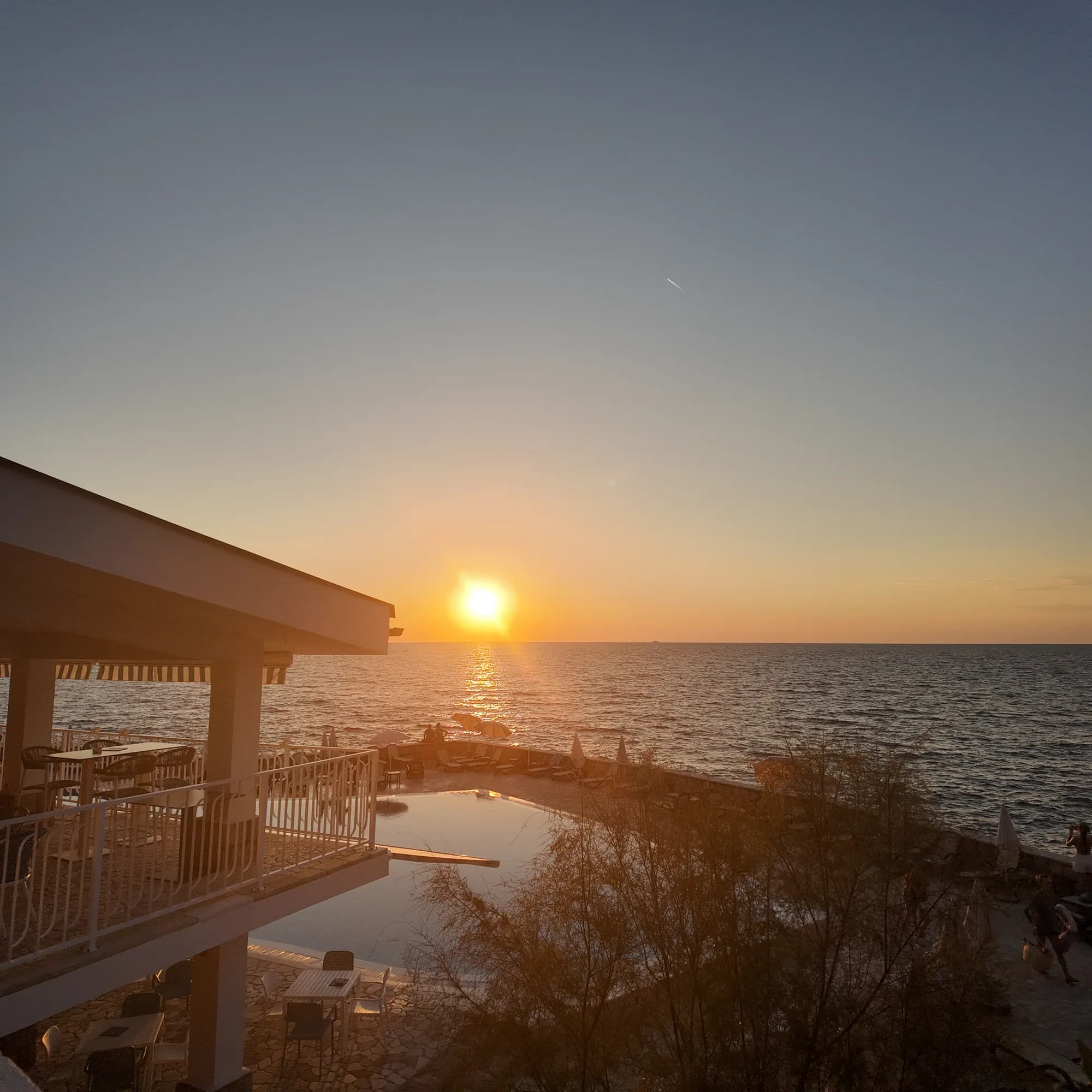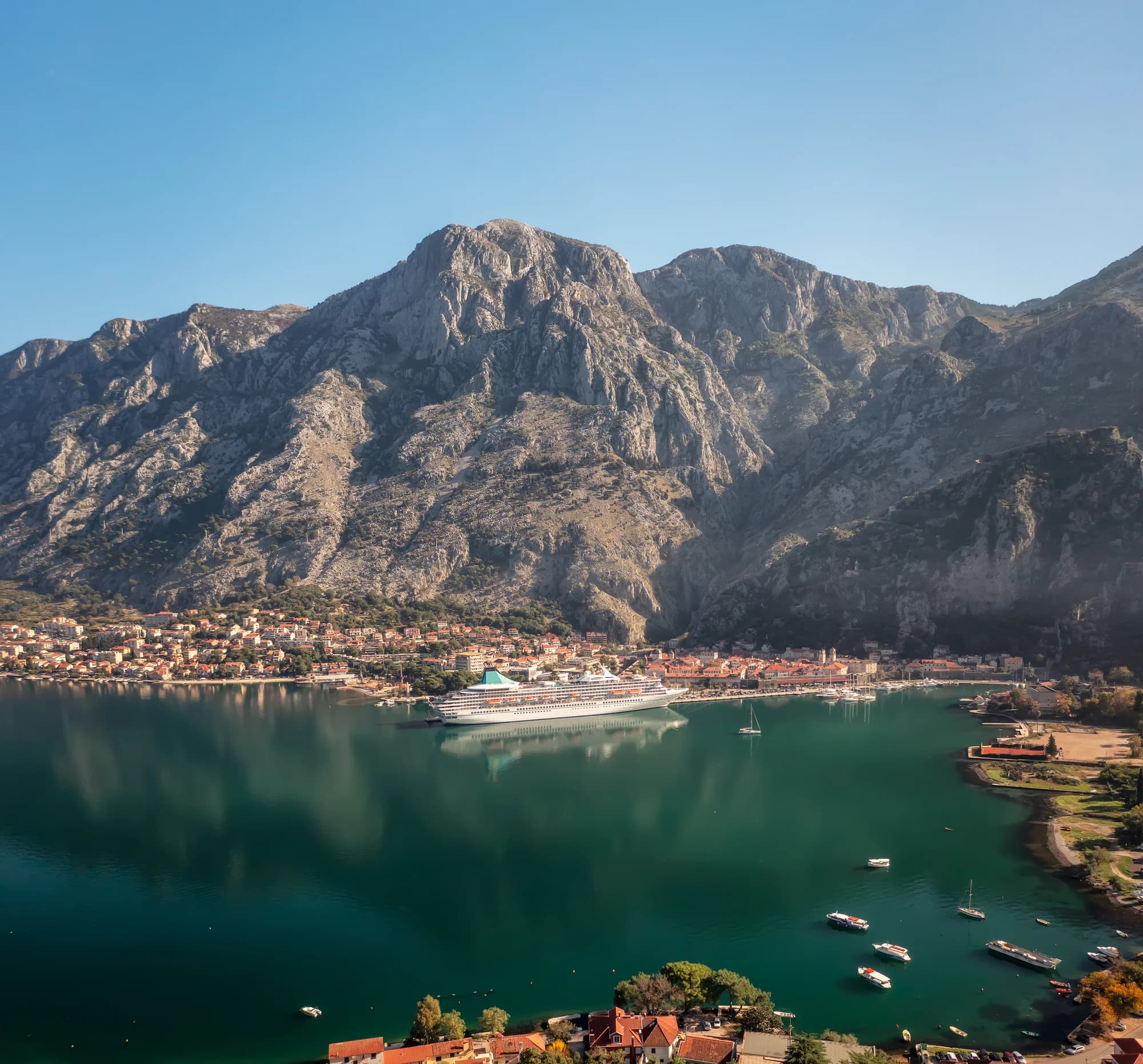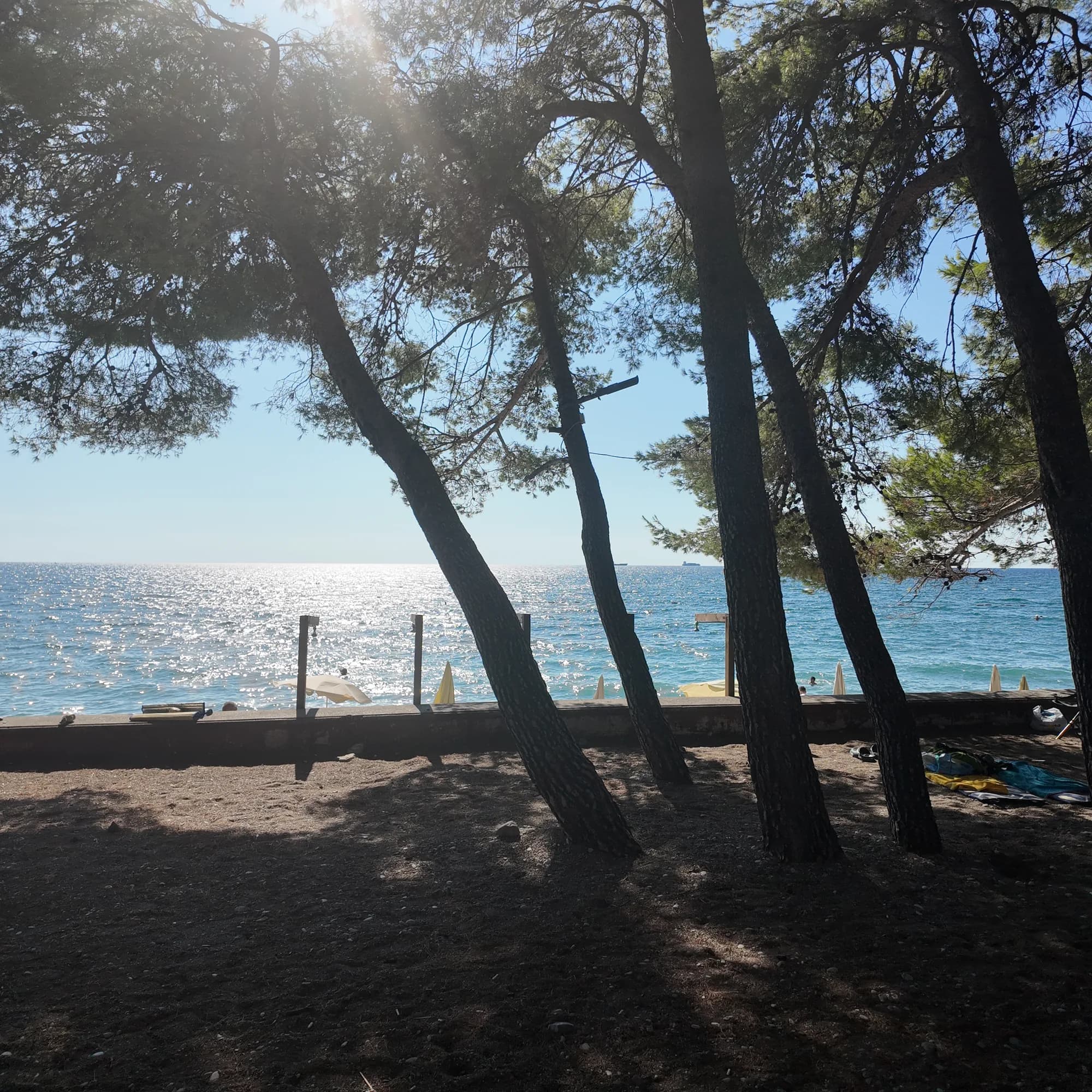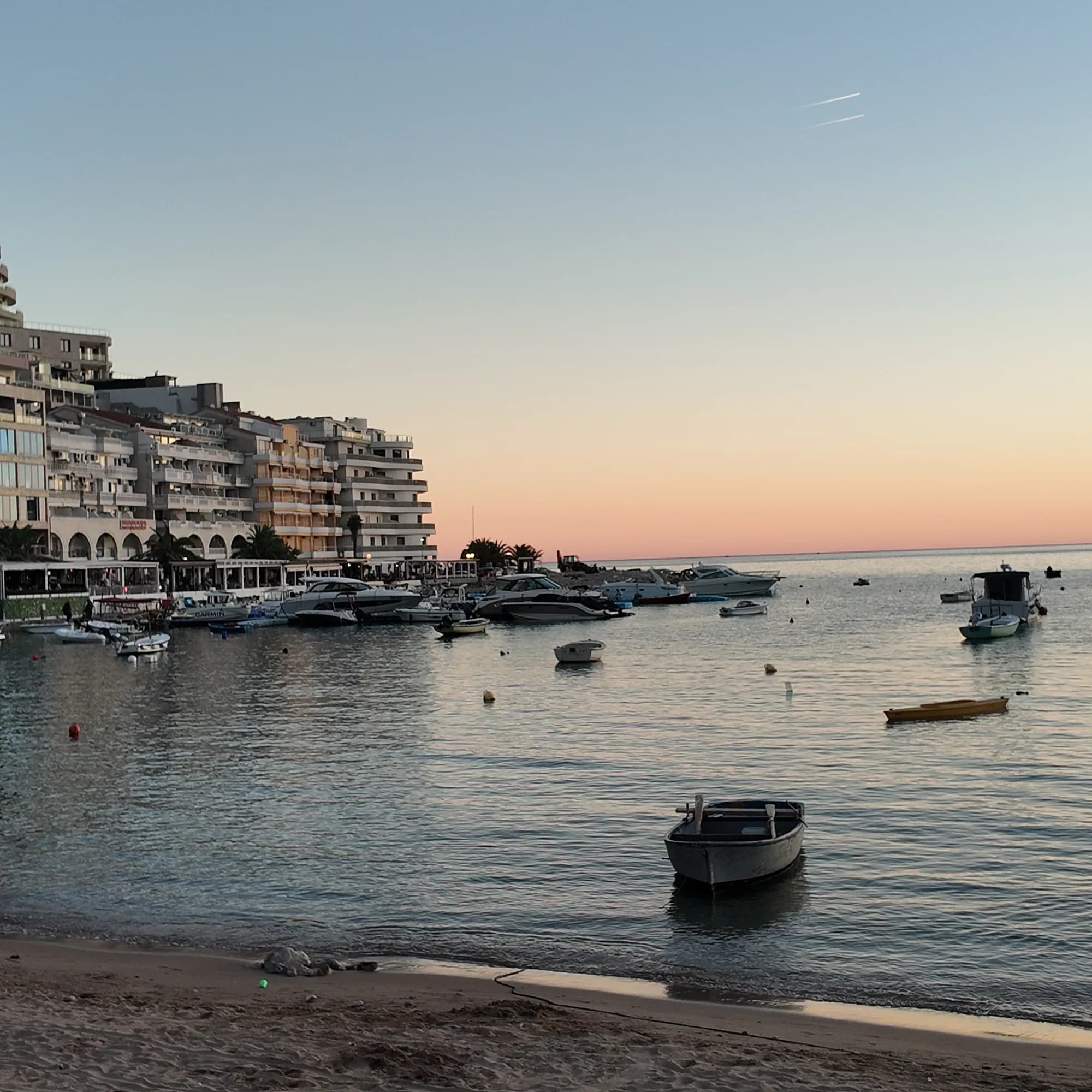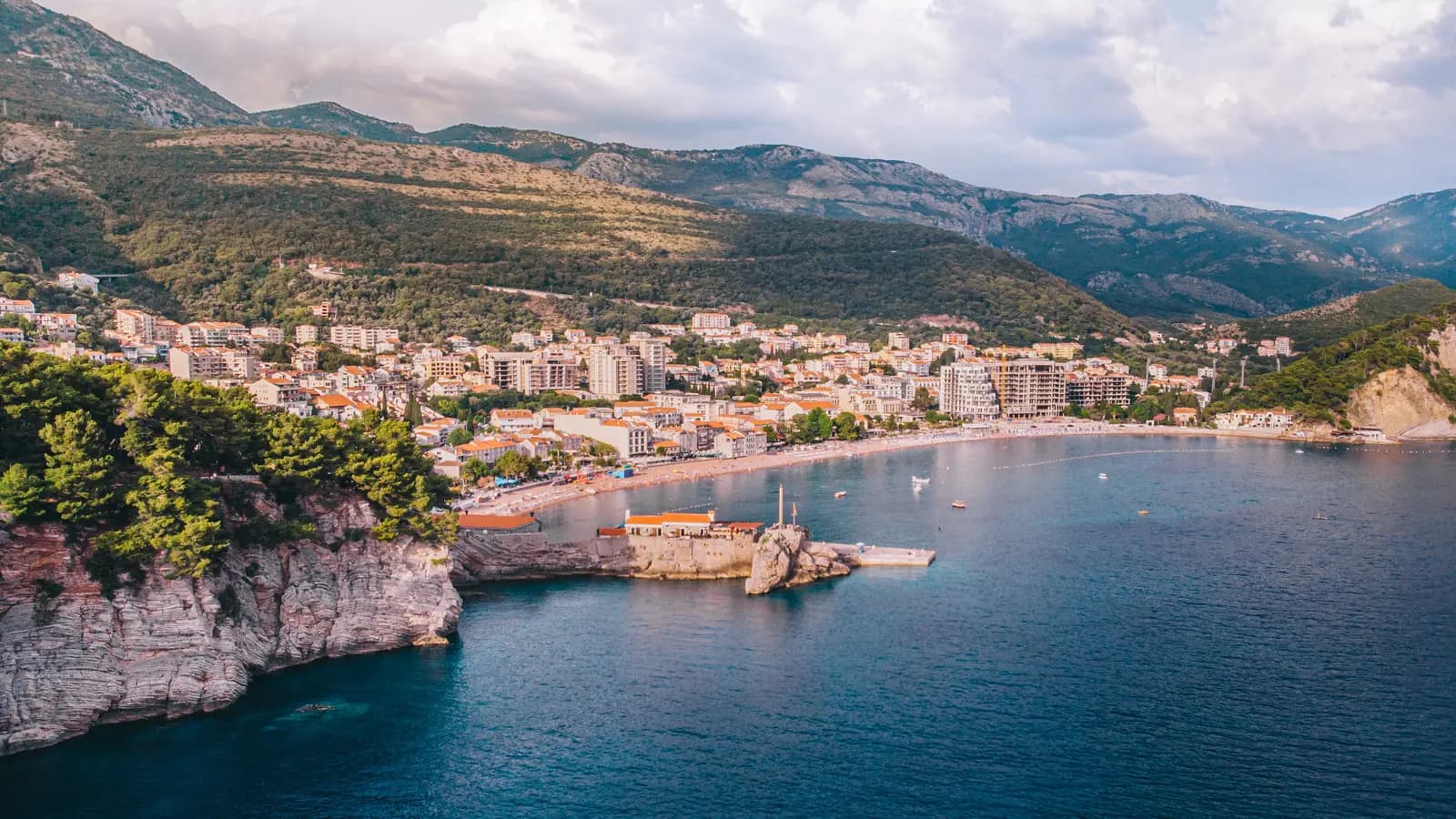
Petrovac works best as a compact cultural landscape, not a checklist of postcard stops. Within the town and its immediate coast, a visitor can read a Venetian fortress, a Roman-period site, a twentieth-century political experiment, a protected marine park and several living religious places. The appeal is not that every door is always open; it is that centuries of evidence sit close enough to connect.
This 2026 guide ranks eight attractions by what they add to the visit and explains the uncertainty around each one. Opening hours, access, sea state and seasonal services can change. Use the official contacts and signs linked below, keep a fallback, and never turn a protected islet or archaeological site into an unsupervised adventure.
| Stop | Why it matters | Verify today |
|---|---|---|
| Petrovac Beach | 600 m town-facing shoreline | Flag, lifeguard sector, services |
| Kastio | 16th-century Venetian fort and Lazaret | Physical access and event closures |
| Katič islets | Protected marine habitat and chapel traditions | Operator, zone rules, weather |
| Mirišta mosaics | Roman-period complex; 3rd–4th-century floor | Public access and presentation status |
| Crvena Komuna | 1920 municipal history and cultural institution | Current exhibition and opening hours |
| Lučice | Small protected cove south of town | Route, flag, facilities |
| Reževići Monastery | Documented medieval heritage and living worship | Services, dress, interior access |
| Buljarica | 2.25 km beach-wetland-marine landscape | Organized sector and ground access |
1. Petrovac Beach and promenade
What the sources say
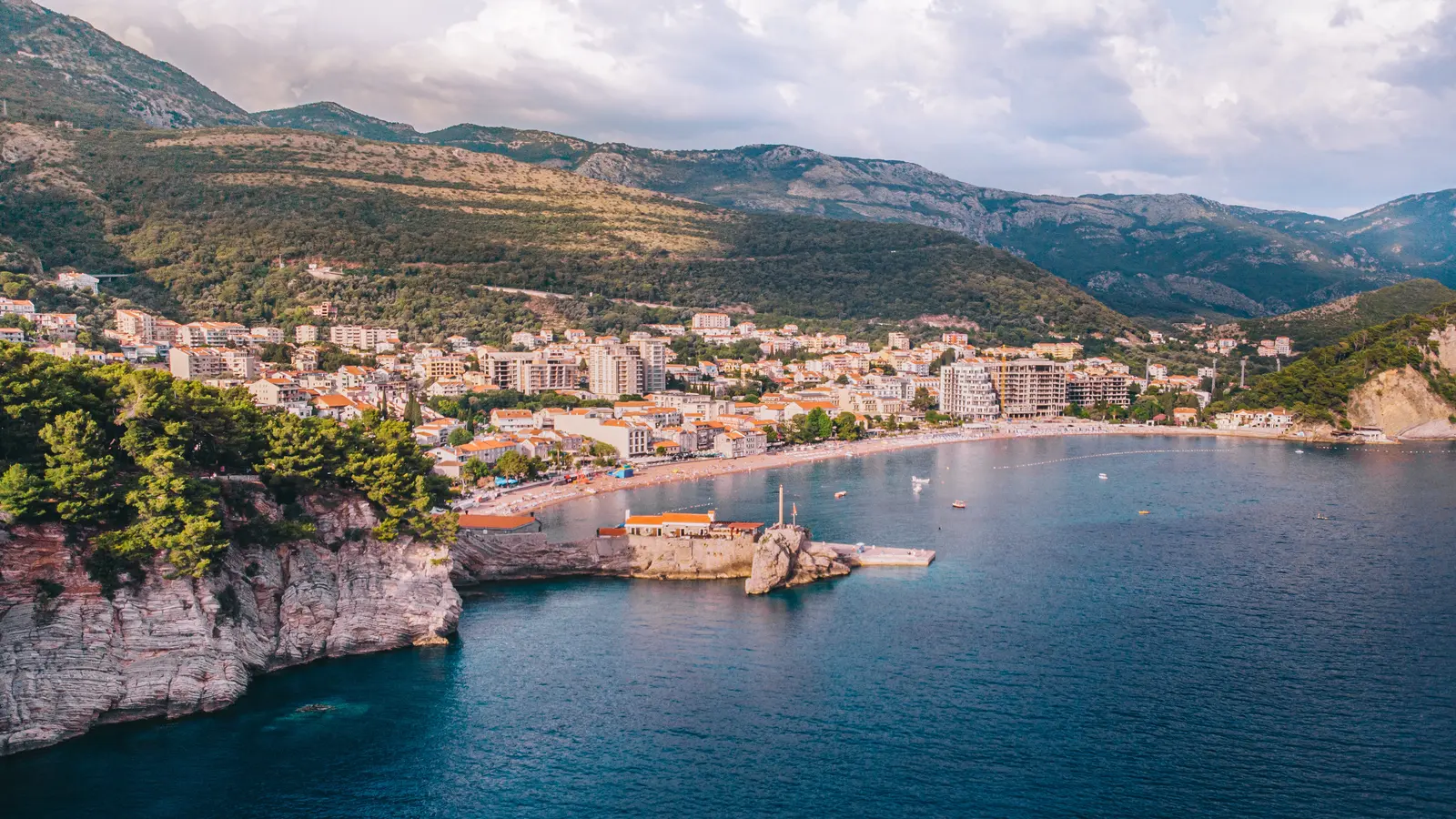
Start with the bay because it explains the town’s shape. Budva Tourism lists Petrovac Beach at 600 m long and 9,525 m², with reddish sand and a developed promenade directly behind it. Kastio frames one end; the wooded headland toward Lučice frames the other; Katič and Sveta Nedjelja sit offshore.
The beach is a useful orientation line, not one uniform service zone. Find the board for the organized bathing sector, note the marked boundary, current flag and lifeguard duty, and check what is actually operating. The coastal manager says organized areas should display information, carry rescue equipment and use licensed lifeguards and flags. That does not mean all 600 m are supervised at all hours.
Use the promenade to connect the waterfront stops without inventing precise walking times. Heat, crowds, mobility, starting point and works can change the experience. The specialist Petrovac accommodation guide helps choose a base according to the terrain you want to repeat every day.
2. Kastio and the Lazaret
Kastio is the strongest first cultural stop because the fort still controls the visual entrance to the bay. The tourism authority dates it to the sixteenth-century Venetian period. A permanent garrison occupied the fort, while nearby storage supported export of wine and other goods by sea. The Lazaret served as a sanitary and quarantine building during epidemics.
Only walls survive from the historic structures described by the authority. That distinction matters: the site is a fragment, not an intact castle whose rooms can be toured. It still reveals why the settlement was known as Kastel Lastva. Defence, trade and disease control converged where the harbour meets the headland.
Current access can be affected by hospitality use, harbour activity, events or maintenance. Check the approach rather than assuming every platform is public or barrier-free. Avoid climbing walls or crossing a closed edge for a photograph. The dedicated Kastio history and visit guide separates the surviving fabric from later storytelling.
| Function | Role |
|---|---|
| GARRISON | fortified control of the harbour |
| WAREHOUSES | wine + goods shipped by sea |
| LAZARET | sanitary control during epidemics |
| What survives | walls and landscape position |
| Not | an intact furnished fortress interior |
| Before entering | verify today's physical access |
Source: budva.travel, muzejiigalerijebd.me
3. Katič and Sveta Nedjelja
What the sources say
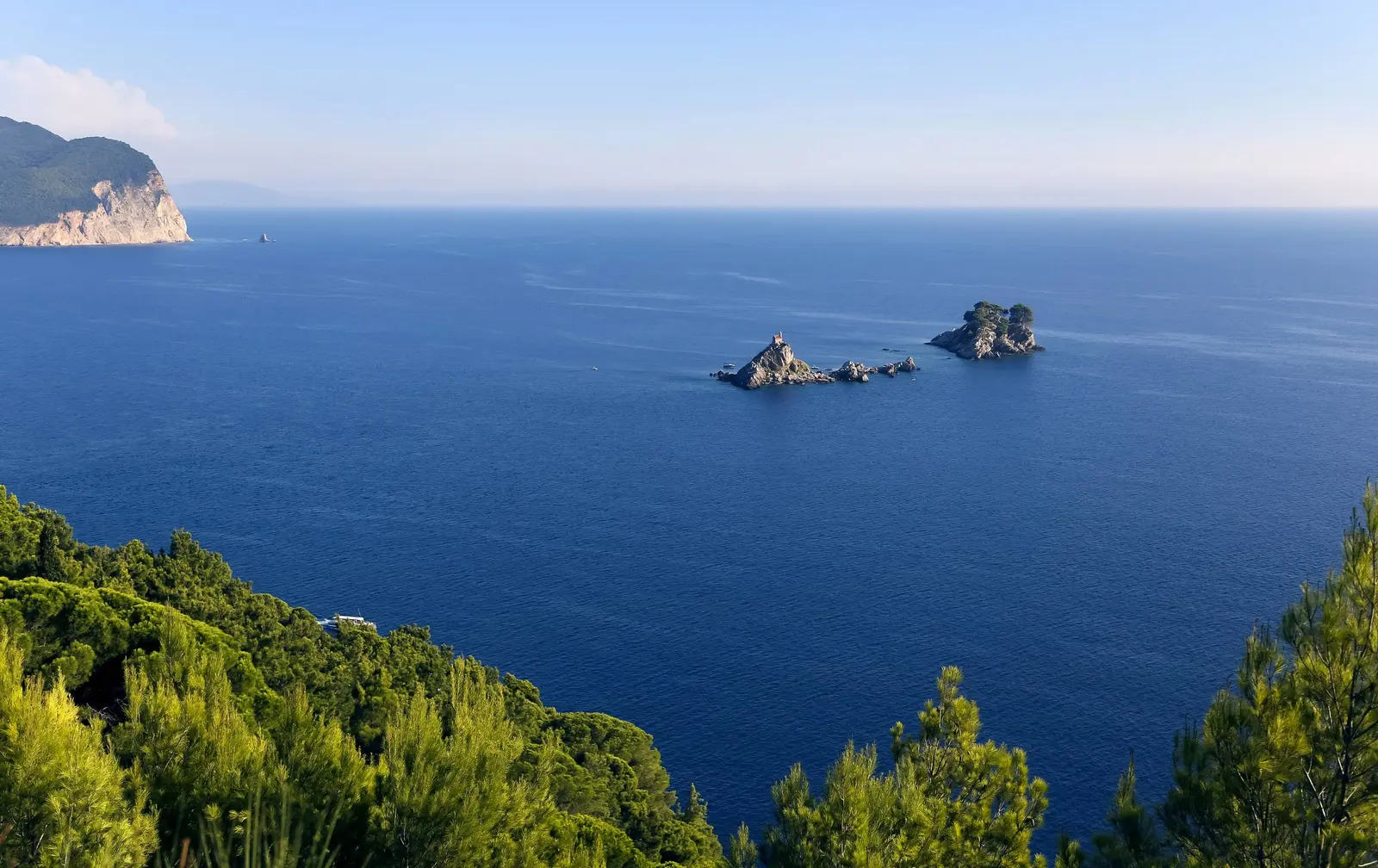
The two rocks offshore are Petrovac’s visual signature, but they belong to a much larger protected system. The public coastal manager places them about 800 m from Petrovac Beach within Katič Nature Park. The park covers 2,744 ha from Cape Skočiđevojka to Cape Štrbina and includes Petrovac Beach, Lučice, Buljarica and important marine habitats.
The smaller rock carries the Sveta Nedjelja chapel. Budva Museums records three traditions for its origin: construction through sailors’ contributions, a Greek shipwreck survivor’s vow, and an association with the Bushatli era. None is documentary proof of a single founder or date. The honest version is plural: the chapel’s place in maritime memory is clear, while its origin story remains traditional.
Do not treat 800 m as a swimming invitation. Open-water distance, boat traffic, current, temperature, wind and fatigue turn a visual gap into a different risk category. Protected-zone rules also govern anchoring, speed, wildlife disturbance and controlled visits. Use a licensed operator who can explain the exact activity and current authorization; never assume landing or chapel entry is permitted.
Our responsible island-day framework explains the questions to ask any operator, while the wider Petrovac–Bar coast guide places Katič within a longer protected shoreline.
| Aspect | Detail |
|---|---|
| ORIENTATION | ≈800 m offshore · two islets · one chapel |
| PROTECTION | 2,744 ha park · zones · seagrass, coral and caves |
| CULTURAL MEMORY | three recorded chapel traditions, not one proven founder |
| Before close approach | operator + weather + zone rules + current authorization required |
Source: morskodobro.me, muzejiigalerijebd.me
4. The Mirišta Roman mosaics
Mirišta supplies Petrovac’s deepest archaeological layer. Budva Museums broadly dates the late-antique mosaic floor to the third–fourth centuries CE. A scholarly volume published by the institution describes a wider complex that began near the end of the first century BCE, changed over time and remained in use into the early seventh century CE.
This longer chronology prevents a common error. The age of the overall site is not automatically the age of every floor, wall or object. Nor does the triple-fish motif prove, by itself, that the whole complex was an early Christian church. Interpretation requires plan, stratigraphy, comparisons and conservation evidence, not one symbol detached from context.
Government funding allocated in 2025 included design work for protection and presentation of the Roman villa with floor mosaic. That is evidence of active conservation planning, not proof that a completed visitor centre or fixed opening schedule exists in 2026. Contact Budva Museums before building a day around entry. The full Mirišta archaeology guide explains the chronology, while Risan’s mosaics provide a useful—but not identical—comparison.
| Date | What it marks |
|---|---|
| late 1st c BCE | complex begins |
| 3rd–4th c CE | broad mosaic date |
| early 7th c CE | use continues |
| 2025 | protection and presentation design funded |
| Not | proof of completed works or daily access |
| Before visiting | confirm access with the museum |
Source: muzejiigalerijebd.me, gov.me
5. Crvena Komuna
Crvena Komuna turns a beach day into modern political history. Budva Museums says the memorial house stands on the site of Petrovac’s former municipal building, associated with the first communist municipality on the Adriatic, founded in 1920. The memorial institution began in 1987 and later operated independently before becoming part of the unified public museums institution in 2014.
The institution’s published history lists the Marko Krstov Gregović Gallery, a memorial room about the “Red Commune” and a cinema hall. Budva Tourism also describes year-round cultural programming. These are institutional functions, not a guarantee that every room or exhibition is open at the moment you arrive.
Check the current program or call the public museum contact before visiting. If closed, the exterior still anchors the story, but do not describe an unseen permanent display as if you toured it. That standard keeps cultural writing honest and prevents a historical institution from becoming a generic “museum stop.”
6. Lučice Beach
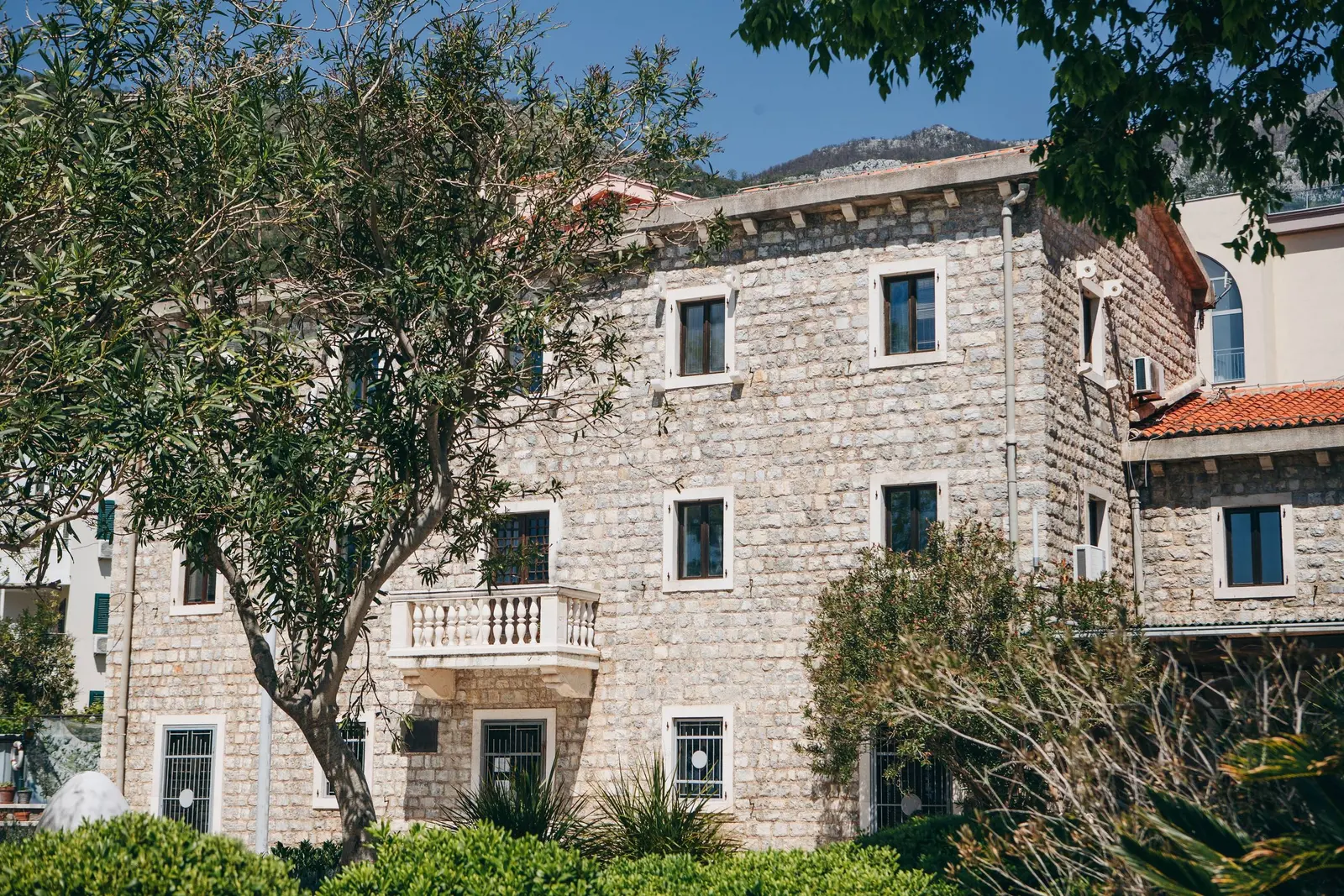
Lučice is the compact natural counterpoint to the town beach. Budva Tourism places the cove about 500 m south of Petrovac, between two headlands and surrounded by cypress and pine. It lists a length of about 220 m and an area of 4,250 m², with fine golden-yellow sand and a shallow sandy bottom.
Those are landscape characteristics, not a universal safety statement. Conditions, access and crowding vary. At the beach, identify the signed organized sector, read the flag and check lifeguard duty before entering. A “shallow” description does not remove wave, current, sudden-depth, heat or child-supervision risk.
Do not assume the short map distance creates an accessible route. Confirm the current pedestrian approach and avoid unsignposted shortcuts. Lučice lies within the wider Katič protected landscape, so keep vegetation and natural material in place. If this is your main beach day, compare our Sveti Stefan area guide only as a base alternative, not as evidence that its beaches share Lučice’s conditions.
7. Reževići Monastery
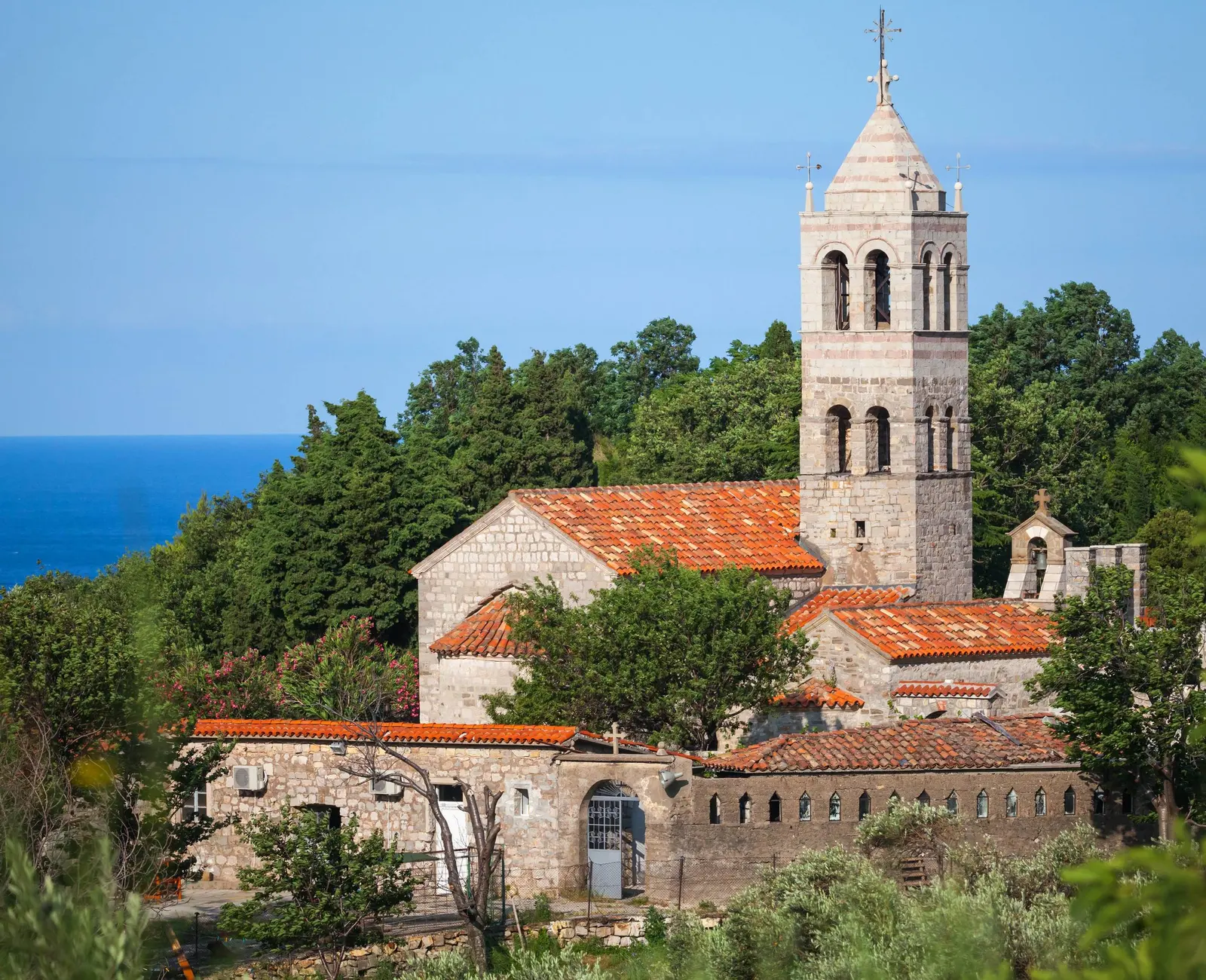
Reževići is worth the trip because it exposes the difference between tradition and surviving documentation. Budva Museums describes two standing churches, remains of a third and residential quarters. It dates the first reliable monastery document to the fifteenth century. The Church of the Dormition belongs to the thirteenth century in the museum’s chronology, but its attribution to Stefan the First-Crowned is traditional. The ruined St Stephen foundation is linked by tradition to Emperor Dušan.
The larger Holy Trinity church was begun in 1770 and completed in 1814, and its iconostasis was made by Petrovac painter Marko Gregović late in that century. Budva Tourism preserves the well-known hospitality story of a roadside stone with a recess for a wine jug. It is best understood as a cultural memory of welcome, not a service visitors should expect today.
This is a living religious complex. Dress modestly, keep voices low, do not interrupt worship, and ask before photographing interiors or people. No reviewed official source gives dependable daily public hours. Contact the monastery or the nearby public memorial house rather than assuming every church is unlocked. See the full Reževići evidence guide before going.
8. Buljarica: beach, wetland and protected sea
Buljarica is the stop to choose when one small bay is not enough. Budva Tourism lists the beach at approximately 2,250 m and 72,850 m². The Katič management framework places its coast and sea within the protected nature park, while the low plain behind the shore functions as a wetland landscape.
Scale changes the visit. Do not assume every metre is organized, supervised or physically uniform. Locate a signed bathing sector, check the flag and understand where vehicles, pedestrians and wetland habitat can lawfully go. Never drive onto damp vegetation or treat an informal track as public access.
Buljarica works as a half-day alternative or a separate day rather than a final rushed box. If archaeological or museum access in Petrovac fails, it supplies a strong landscape fallback. If heat or sea conditions are poor, do not force it simply because the shore is long.
How to plan one day
Keep the first day concentrated. Begin at Petrovac Beach, then inspect Kastio from the lawful public approach. Continue to Crvena Komuna only if current opening is confirmed. Use the promenade and town centre for a heat break. Choose Lučice for a later swim only after checking route and conditions, or remain at the signed town-beach sector.
Treat Mirišta as conditional. If Budva Museums confirms access, place it before the hottest part of the day and follow all site instructions. If not, do not search for a way around a closure; substitute the exterior history, another museum program or a slower waterfront circuit.
Katič should be observed from land unless a suitable licensed operator has confirmed a compliant trip. Do not bundle an islet landing into a casual beach itinerary. A protected marine visit is a separate decision with weather, authorization and equipment checks.
How to plan two days
Use day one for the town cluster: Petrovac Beach, Kastio, Crvena Komuna and the Mirišta decision. Use day two for one direction, not both. North means Reževići with current transport and monastery access confirmed. South means Lučice and Buljarica, with swimming or wetland-edge observation chosen according to flags, heat and mobility.
Driving does not solve every access problem. Parking capacity and road conditions vary, and a legal space must never block emergency, resident or service access. If using public transport, confirm the current operator, stop and return departure on the day. The overview intentionally avoids fixed journey times and prices because they are poor substitutes for a live timetable.
Practical checks before leaving
- Museums: confirm the specific building, exhibition and opening hours—not merely that the institution exists.
- Churches: check worship and visitor access; dress respectfully and ask before interior photography.
- Beaches: identify the organized sector, flag, lifeguard duty and current notices.
- Protected sea: use a licensed operator and confirm activity, zone and weather compliance.
- Archaeology: obey barriers; never touch, wet, trace or step onto mosaics.
- Heat: carry water and sun protection; postpone exposed walks when conditions are unsuitable.
- Emergency: call 112 for a genuine emergency in Montenegro, not routine visitor information.
Frequently asked questions
What are the top three attractions in Petrovac?
For a first visit, combine Petrovac Beach, Kastio and one evidence-led cultural stop—Crvena Komuna if open, or Mirišta if access is confirmed. Katič is an essential view but not an automatic landing trip.
Can I see everything in one day?
You can cover the town cluster, but Reževići and Buljarica deserve a second day. Opening uncertainty, heat and sea conditions make an eight-stop sprint a poor plan.
Can I swim to Katič and Sveta Nedjelja?
This guide does not recommend it. The approximate 800 m distance crosses open protected water with traffic and changing conditions. Use a suitable licensed operator and comply with current park rules.
Are the Mirišta mosaics open daily?
No reviewed official source establishes dependable daily access. Government funding supports protection and presentation design, but does not prove completion. Confirm with Budva Museums.
Was Reževići founded by medieval rulers?
Those attributions belong to tradition. Budva Museums identifies the first reliable monastery document in the fifteenth century and distinguishes standing churches from the remains of the third.
Is Crvena Komuna only about communism?
Its memorial story centres on the 1920 municipality, but the public institution also includes an art gallery and cinema and has hosted wider cultural programming. Check the current program.
Which beach is best?
Petrovac Beach is easiest to combine with town sights, Lučice is a smaller wooded cove, and Buljarica is a much larger landscape. The best choice depends on today’s flag, supervision, access and your group’s needs.
What if an attraction is closed?
Use the closure as information. Substitute a public exterior, the promenade, a confirmed museum program or a signed beach sector. Do not bypass barriers or rely on an old blog’s opening claim.
Petrovac’s depth comes from connection. Kastio explains the harbour, Katič explains the protected sea, Mirišta reaches back to the Roman period, Crvena Komuna carries the twentieth century, and Reževići extends the story into a living religious landscape. Plan around what is verifiably open and safe, and the town becomes far more than a beach resort.