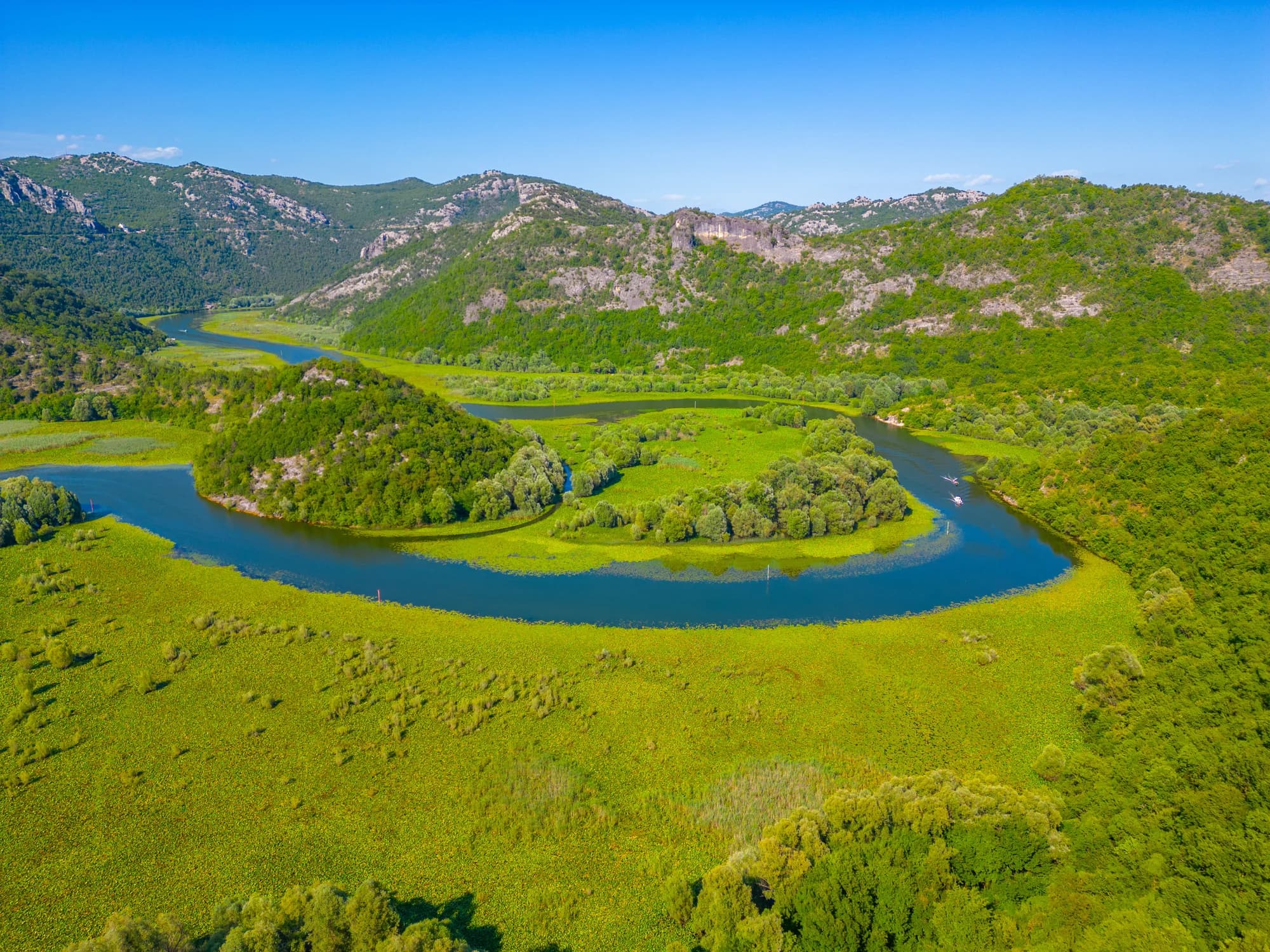
Podgorica and Virpazar sit close enough to share a day, yet they belong to different landscapes. The capital spreads along the Morača on a broad plain. South of the city, roads and rails cross the Zeta plain, pass Golubovci and Vranjina, then reach the reed beds and open water of Lake Skadar. The transition—not a list of roadside stops—is the reason to make this journey slowly.
This guide rebuilds an older Montenegro.com travelogue as a practical, evidence-led day trip. The original captured the pleasure of leaving the city for the lake, but its fixed journey time, two-hour cruise and claims about village life were snapshots, not dependable instructions. Train schedules, visitor-centre hours, boat departures, water levels and road conditions change. What follows separates durable geography from details that must be checked on the day.
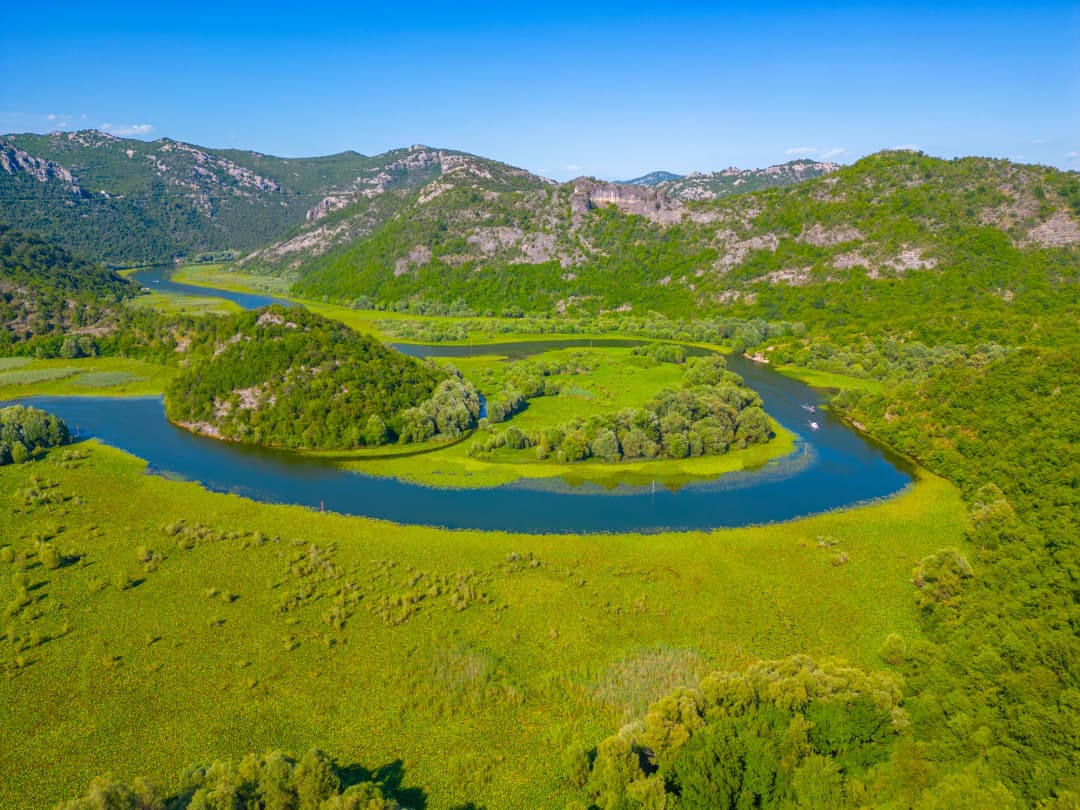
The route in one decision
Choose the train if you want the simplest low-car day. Choose the direct road if several people are travelling together or you need flexibility. Choose the longer scenic circuit through Rijeka Crnojevića only if the driver is comfortable on narrow roads and the group has a full day. Do not combine every option: Virpazar, a boat trip, a long lunch and the scenic western shore can turn an easy outing into a rushed checklist.
| Option | Best for | Strength | Constraint to verify |
|---|---|---|---|
| Podgorica–Virpazar train | Car-free travellers | Direct, short rail journey through the plain | Exact outbound and return timetable for your date |
| Direct road via Golubovci and Vranjina | Families and flexible stops | Fastest practical driving line | Traffic, parking and any current works |
| Rijeka Crnojevića circuit | Landscape-focused full day | River, stone bridge and wetland viewpoints | Narrow sections, daylight and driver confidence |
| Organised transfer or tour | Visitors who do not want logistics | Single booking and local driver | Written itinerary, inclusions, boat operator and cancellation terms |
What the old account got right
The journey does reveal a compact cross-section of central Montenegro. Podgorica’s urban fabric gives way to vineyards, fields and settlements on the plain. Near Vranjina, causeways and bridges move through the lake margin rather than “across the lake” as a whole. Virpazar then works as a transport and visitor hub at the confluence of the Orahovštica and Virštica, close to the national park’s wetland channels.
The old article also understood that the water journey changes with the season. That remains true, but not in the simple sense that summer always guarantees water lilies or one standard cruise. Lake level, temperature, bird activity, vegetation, weather and the chosen route all affect what passengers see. Ask an operator what is realistic that week, not what appears in a generic brochure.
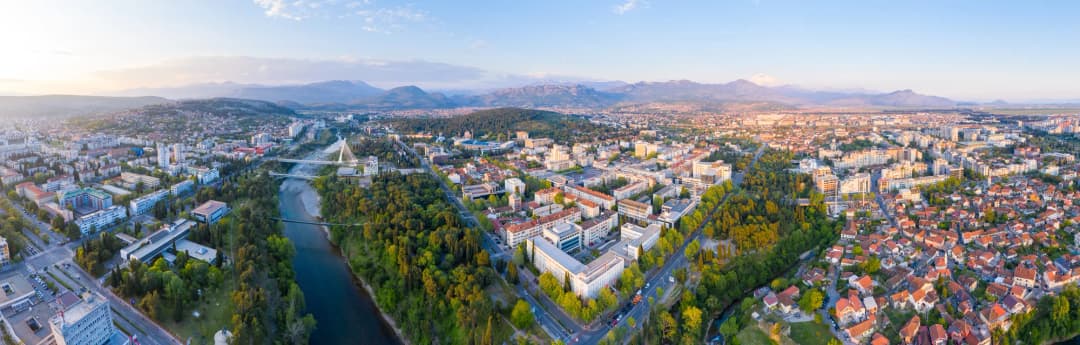
Start in Podgorica without losing the morning
For a day trip, the capital is a departure point, not a pre-departure marathon. Eat, carry water and reach the station or rental car early enough to absorb a delay. Rail passengers should inspect the official ŽPCG timetable for the exact date in both directions. The current timetable search shows direct Podgorica–Virpazar services, often around half an hour, but the operator can revise schedules; this article deliberately does not turn a search result into a permanent departure time.
If you are staying overnight, our guide to where to stay in Podgorica explains the trade-off between the centre, the station area and quieter districts. A taxi ride across town can erase the convenience of a short train journey, so location matters more than a small difference in room price.
Train: the cleanest car-free plan
Use the railway company’s official timetable search, enter the travel date and record both the outward and last workable return. Take a screenshot because mobile coverage and battery life are not plans. Arrive with time to identify the platform and buy the correct ticket. Ask staff about bicycles, large luggage and any replacement transport rather than assuming carriage.
Virpazar station is not the waterside itself. Allow time to walk between the train and the centre, find the national-park information point and compare boat offers. A late return service is useful only if you know how long the walk takes and when you must leave the boat. Anyone with limited mobility should ask for precise access information before travel; old stations, uneven paths and small craft are not automatically step-free.
Road: direct is different from scenic
The practical driving line leaves Podgorica across the plain through the Golubovci area and reaches Vranjina before Virpazar. Our Golubovci guide gives useful context, but a day-tripper should resist turning every settlement into a stop. Airport traffic, summer queues and parking near Virpazar can make a short distance feel longer than its map estimate.
The western-shore road through Rijeka Crnojevića is a separate experience. It rewards patient driving with river views and old stone architecture; it is not a faster alternative. If that is the main interest, read our detailed Virpazar–Rijeka Crnojevića road and waterway guide. Avoid improvising the loop after a long lunch or a late boat when daylight and concentration are declining.
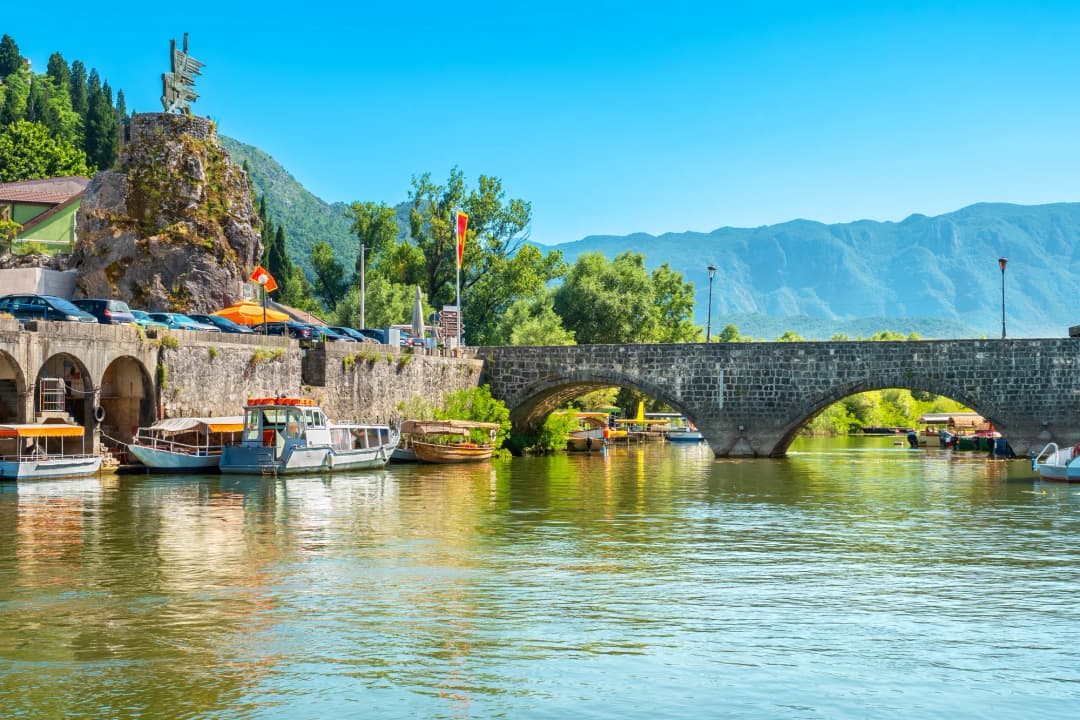
Vranjina: information before excursion
National Parks of Montenegro identifies Vranjina and Virpazar as principal starting points for lake visits. Its visitor-centre reporting has listed summer hours, but hours published for one season should not be assumed for another. Use the park’s current channels before departure. Vranjina can be valuable for orientation and interpretation; it should not be romanticised as a village “unchanged for centuries.” It is a living settlement beside a heavily used transport corridor.
The park’s management and regulatory documents matter more than promotional copy. They include rules connected with visitor movement, fishing and protected-area management. If you plan to fish, launch your own craft, fly a drone or enter sensitive habitat, obtain the relevant current permission rather than treating a tourism ticket as blanket authorisation.
Virpazar: gateway, not the whole lake
Virpazar concentrates cafés, accommodation, small boats and park services in a compact area. That convenience explains its popularity; it does not mean every experience begins or ends there. Our Virpazar guide covers the settlement in detail, while the broader Lake Skadar and Virpazar guide helps place it within the park.
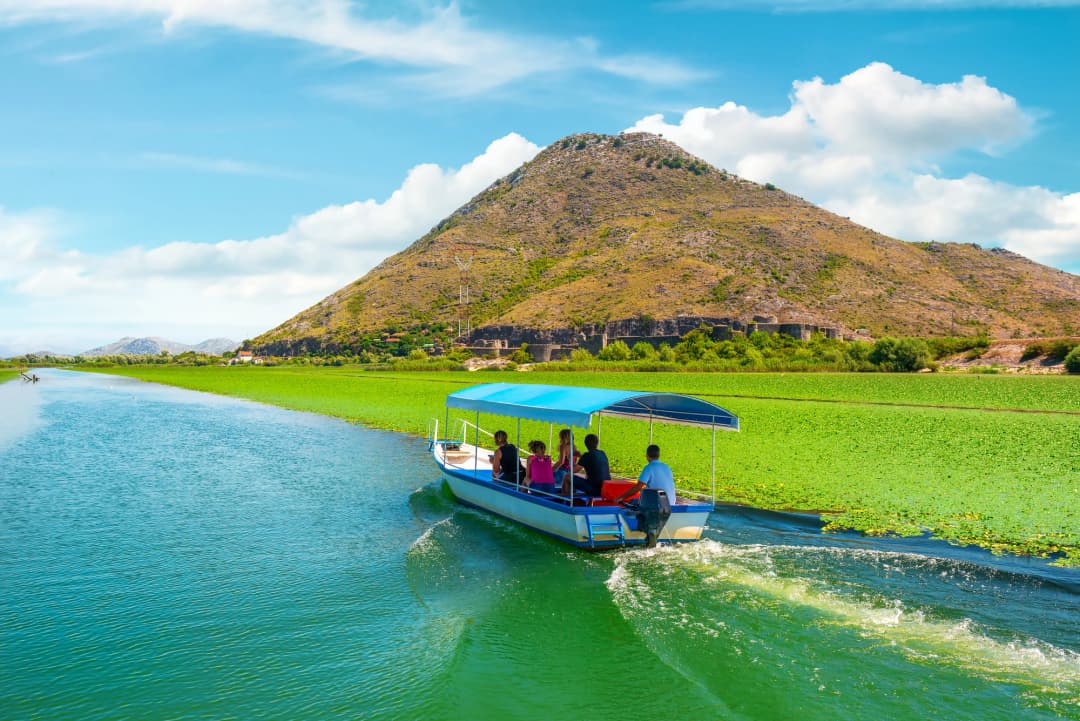
Walk past the first sales pitch. Ask at least two operators the same questions and compare like with like: private or shared boat, actual time on water, maximum passengers, route, shelter from sun or rain, lifejackets for adults and children, language, park fees, cancellation policy and what happens in strong wind. A “two-hour cruise” is not a single standard product. One route may remain in sheltered channels; another may enter open water. Both can be worthwhile if described honestly.
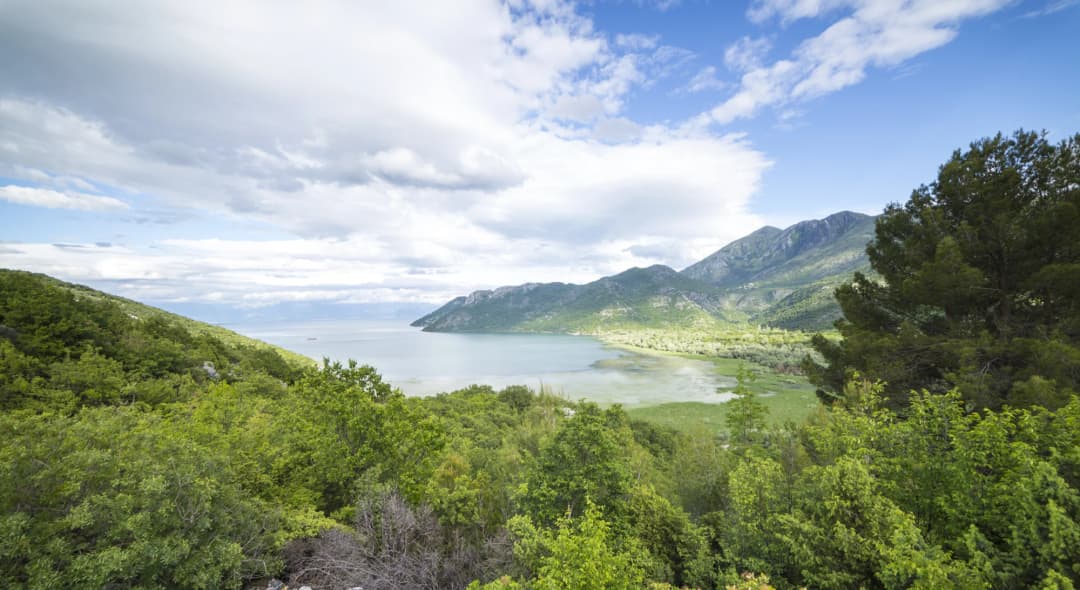
How to choose a boat responsibly
- Confirm the operator. Get a name, contact, vessel and meeting point in writing.
- Ask about licences and insurance. A persuasive quay-side pitch is not evidence of either.
- Match the craft to the passenger. Small open boats may have low shade, awkward boarding and limited toilet access.
- Make wildlife optional. No ethical operator can guarantee a particular bird at close range.
- Reject disturbance. Do not ask a skipper to push into nesting vegetation, chase a flock or approach a colony for a photograph.
- Carry out what you carry in. Refillable water, compact food and a bag for waste reduce pressure at busy launch points.
The National Tourism Organisation describes Lake Skadar as a national park with major natural and cultural value. The Ramsar listing identifies the lake as an internationally important wetland. These designations are not decorations for a sales page: they are reasons to keep noise, wake, waste and wildlife pressure low.
Read the lake as habitat
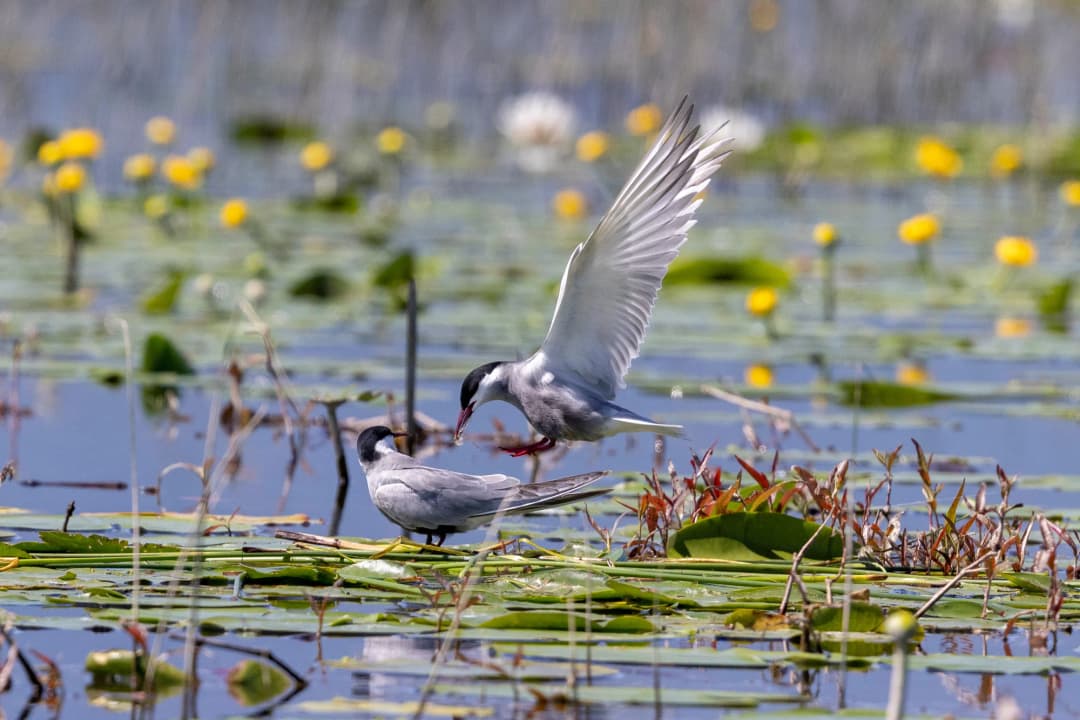
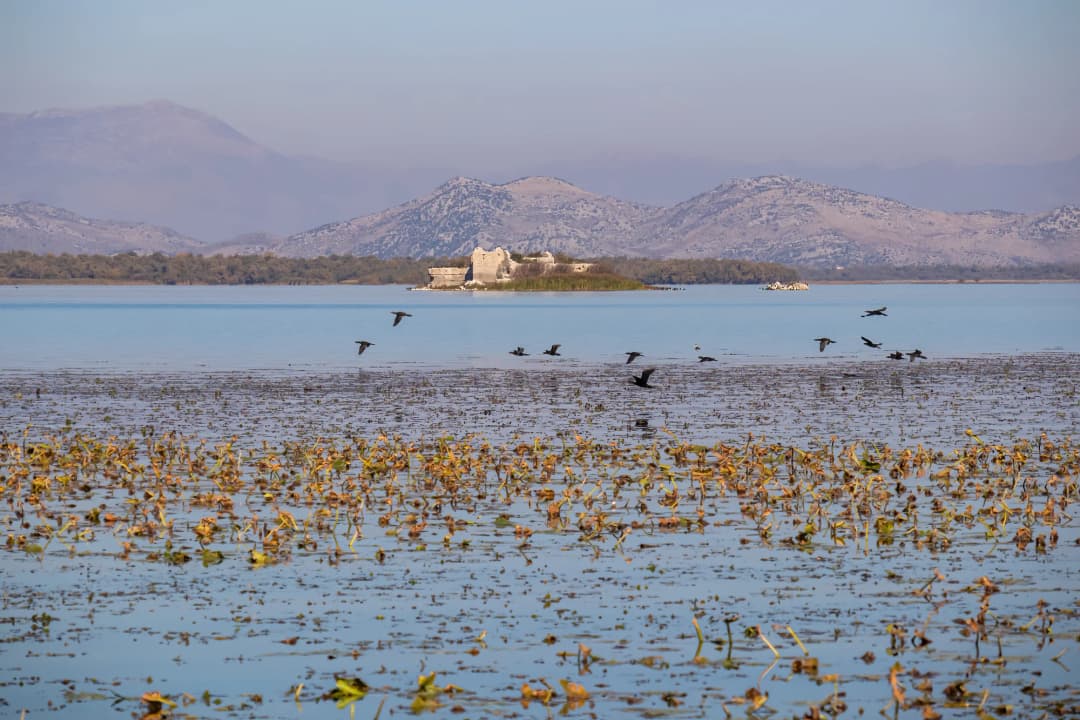
The lake’s attraction comes from variety: open water, shallow margins, river mouths, reed beds, flooded meadows, islands and cultural sites. Birds use different pieces of that mosaic for feeding, roosting and breeding. A quiet patch with no dramatic sighting is not “empty.” It may be the reason another part of the system remains productive.
For a deeper ecological explanation, read how to read Lake Skadar as a wetland. That article explains why water-level change and habitat connections matter more than a single scenic viewpoint. Carry binoculars if wildlife matters to you. A long lens and distance produce better behaviour—and often better photographs—than a close approach.
A park under rising visitor pressure
The draft Lake Skadar National Park management plan for 2026–2030 reports a sharp increase in recorded visitors after the pandemic interruption: 85,972 in 2019; 2,458 in 2020; 58,523 in 2021; 99,315 in 2022; 153,139 in 2023; and 160,448 in 2024. The series is an administrative count in a park document, not a complete census of everyone at the lake. Even with that limitation, it shows why parking, waste, boat conduct and distribution of visits have become management questions.
Two day plans that actually fit
Compact car-free day
Take a morning train after confirming the return. Walk into Virpazar, orient yourself, choose one modest boat circuit and eat locally without treating lunch as a race. Leave a buffer before the train. This plan has fewer viewpoints but more resilience: if wind stops boats, you can still explore the settlement, speak with the visitor centre and return without a complicated vehicle loop.
Full landscape day by car
Drive directly to Virpazar early, take a pre-agreed boat trip, then decide whether energy, weather and daylight justify continuing toward Rijeka Crnojevića. If they do, make the river settlement the second focus and return by the safest practical route. Our guide to Rijeka Crnojevića helps set priorities before you commit to the detour.
Best time, weather and packing
Spring can bring green margins and active birdlife, but also rain, variable water and cool wind on a small boat. Summer offers long daylight and the busiest visitor period; heat and exposure make shade, water and an early start important. Autumn can be quieter and visually rich, with shorter days and changing services. Winter belongs to travellers prepared for limited operations, wet weather and a plan that does not depend on a cruise.
Carry drinking water, sun protection, a light wind layer, non-slip footwear and a dry cover for electronics. Binoculars are more useful than a drone. Bring cash as a contingency, but ask for prices and receipts. Download maps and the return schedule. If travelling with a child, do not accept an adult lifejacket as a substitute for a correctly sized one.
Common planning mistakes
- Using a map estimate as a promise. Congestion, station access and parking sit outside the distance calculation.
- Booking the first boat without a route. Duration alone says little about habitat, shelter or open-water exposure.
- Expecting every iconic view. Pavlova Strana, Rijeka Crnojevića, Vranjina and Virpazar occupy different parts of the system.
- Ignoring the return. The last workable train or daylight window should shape the day from the start.
- Treating protected nature as a backdrop. Noise, speed and close wildlife approaches change the place you came to see.
Frequently asked questions
How long is the train from Podgorica to Virpazar?
Current searches often show a direct journey of roughly 30–35 minutes, but use ŽPCG’s official date-specific timetable. Do not rely on a time copied from an old article.
Can I visit Lake Skadar without a car?
Yes. A train-and-walk day based in Virpazar is the clearest option. Confirm station access, return time and any mobility requirements before leaving.
Should I pre-book a boat?
Pre-booking can help in peak periods or for accessibility needs, but only after you receive the operator, meeting point, boat type, route, duration, total price, included fees and cancellation policy in writing.
Is Vranjina or Virpazar the better base?
Virpazar has the most concentrated visitor infrastructure. Vranjina can be useful for interpretation and certain departures. The better choice depends on transport and the specific licensed operator, not on a universal ranking.