Dobrota — Comprehensive Travel Guide
Overview
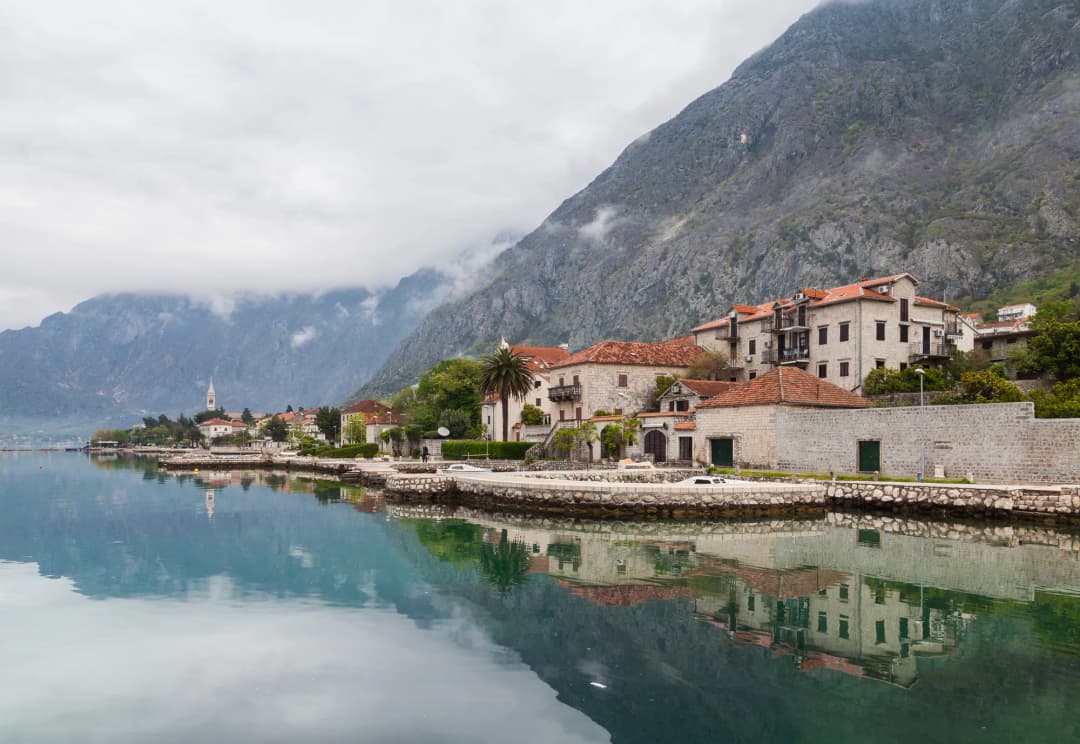
Dobrota is a long, elegant waterfront town stretching for nearly 5 km along the eastern shore of the inner Bay of Kotor, immediately north of Kotor's Old Town. With a population of around 8,000, it is the largest settlement covered in this guide, but it maintains the character of a residential community rather than a tourist destination. Dobrota's fame rests on its extraordinary maritime heritage — from the 17th to the 19th century, this was home to one of the most powerful merchant fleets on the Adriatic, and the grand stone palaces of its sea captains still line the waterfront in an almost unbroken procession of baroque splendour.
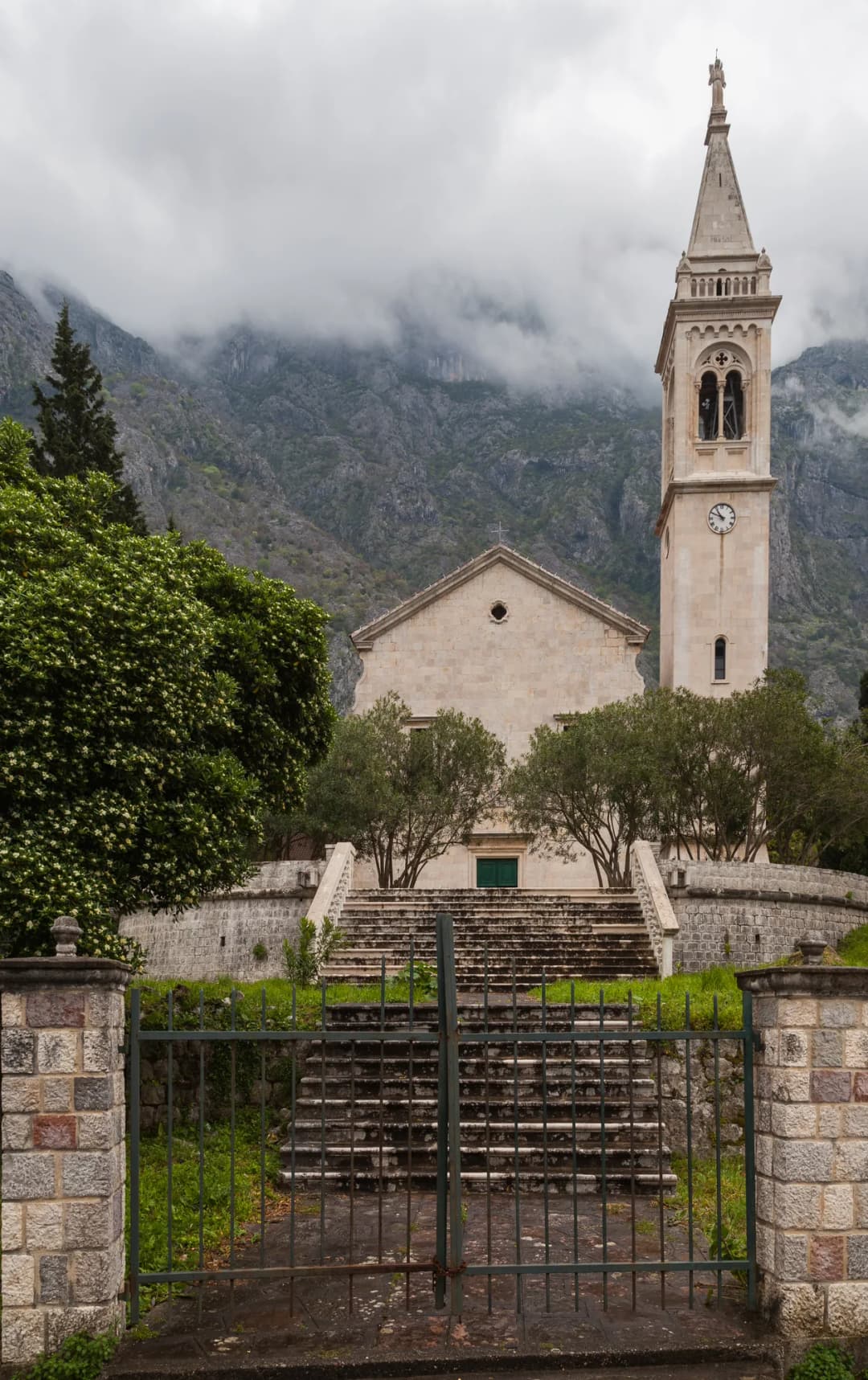
The town produced a remarkable number of wealthy seafarers, shipowners, and merchants whose ambitions stretched across the Mediterranean and beyond. The Tripkovic, Ivanovic, and Dabinovic families were among the most prominent, and their palaces — massive stone edifices with ornate balconies, carved doorways, and private chapels — rival those of much larger Adriatic cities. Dobrota's Church of St. Eustace (Crkva Svetog Eustahija), the main parish church, contains an important collection of religious art, silver ecclesiastical objects, and maritime votive offerings that speak to the deep intertwining of faith and seafaring in the Boka Kotorska tradition.
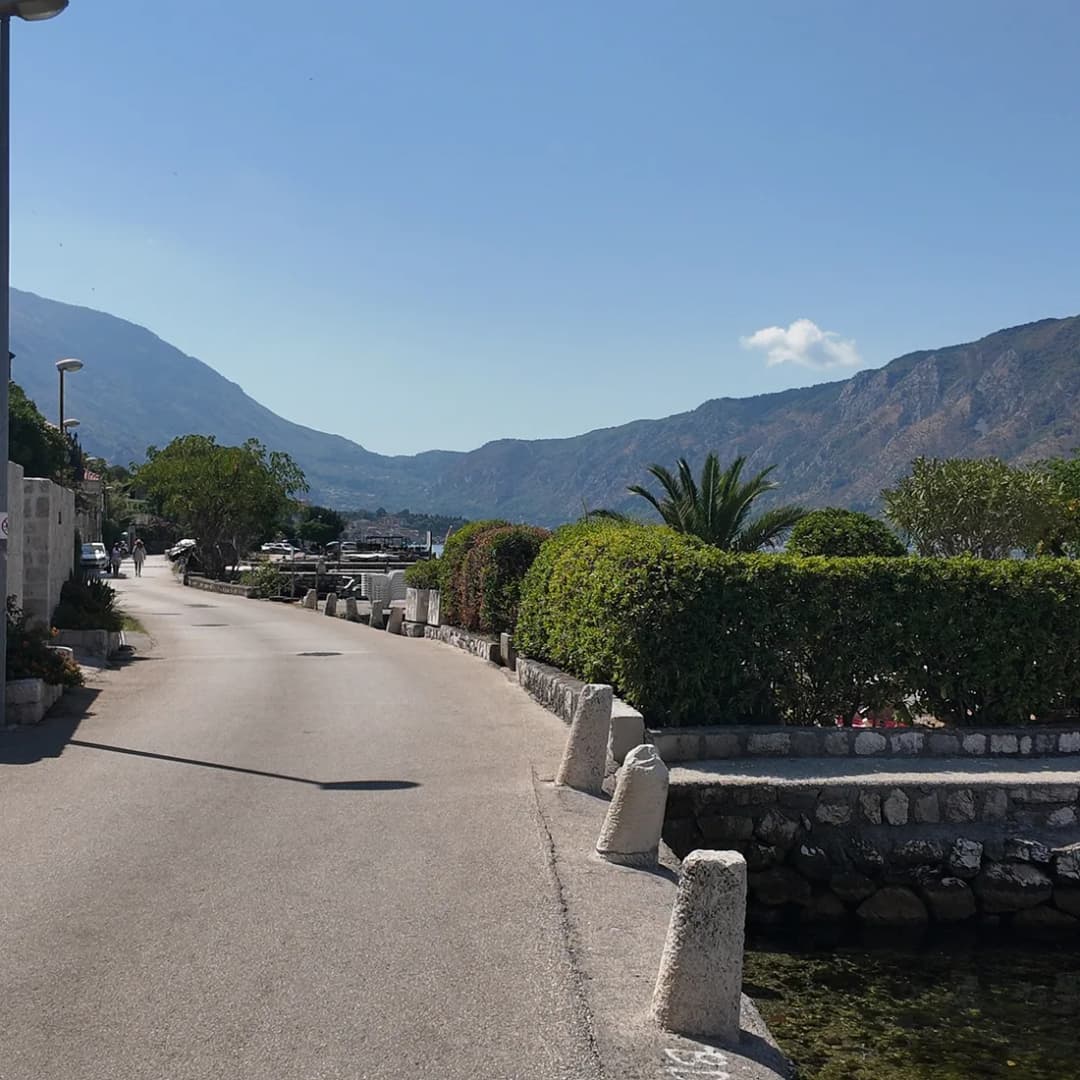
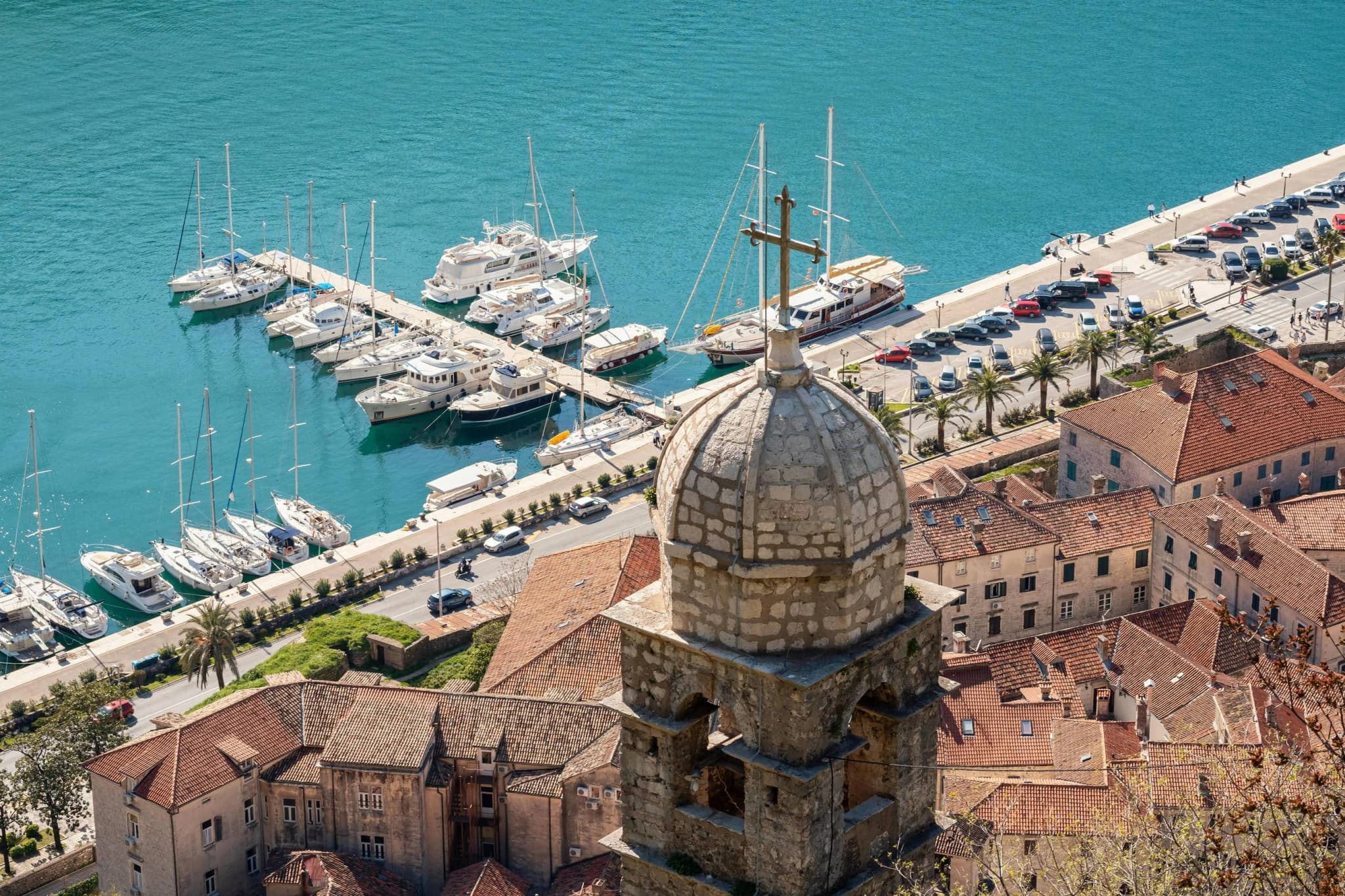
Today, Dobrota is essentially a seamless extension of Kotor, connected by a continuous waterfront promenade. Many visitors staying in the Kotor area are actually based in Dobrota, benefiting from its quieter atmosphere, easier parking, direct waterfront access for swimming, and more spacious accommodation — all while being a short and pleasant walk from the old town's restaurants, shops, and historic attractions.
Getting There & Getting Around
Dobrota begins where Kotor's Old Town ends, stretching north along the bay road toward Prcanj and eventually Perast. From Tivat Airport, the drive takes about 10–15 minutes via the road around the bay. From Podgorica Airport, allow approximately 90 minutes via the highway and the Sozina tunnel. From Dubrovnik Airport, the journey takes about two hours including the border crossing.
Buses between Kotor and the other bay settlements stop throughout Dobrota along the main road, with frequent service during summer months. The town is linear, following the waterfront road for about 5 km. Walking from the southern end (nearest Kotor) to the northern end takes about 45 minutes along the waterfront promenade. A continuous path connects Dobrota to Kotor's Old Town — a flat, easy walk of about 10 minutes from the nearest point. Bicycles are useful for covering longer distances within Dobrota and can be rented from shops in Kotor.
Top Things to See & Do
1. Walk the Avenue of Captain's Palaces
Dobrota's waterfront is essentially an open-air museum of 17th–19th century maritime architecture. The captain's palaces are grand stone buildings, many with three or four stories, carved stone balconies, elaborate doorways with family coats of arms, and interior courtyards with gardens. Take your time walking the waterfront and admiring these remarkable buildings, each one a testament to the wealth generated by Boka's golden age of sail. Notable palaces include the Palazzo Tripkovic, with its imposing facade and carved stone balcony, and the Palazzo Dabinovic, which retains much of its original decorative stonework. Some palaces have been converted to boutique accommodation or small galleries, offering a glimpse of the interiors.
2. Visit the Church of St. Eustace
The Church of St. Eustace (Sveti Eustahije) is Dobrota's principal church and a repository of the town's maritime heritage. Inside, you will find valuable paintings, religious icons in elaborate silver frames, ship models offered as votive gifts by returning sailors, and a treasury of silver ecclesiastical objects that reflects the exceptional wealth of the local maritime community. The church also holds a collection of documents and artefacts related to Dobrota's seafaring families, including navigation charts, ship logs, and personal correspondence. Check locally for visiting hours, which vary by season.
3. Swim Along the Waterfront
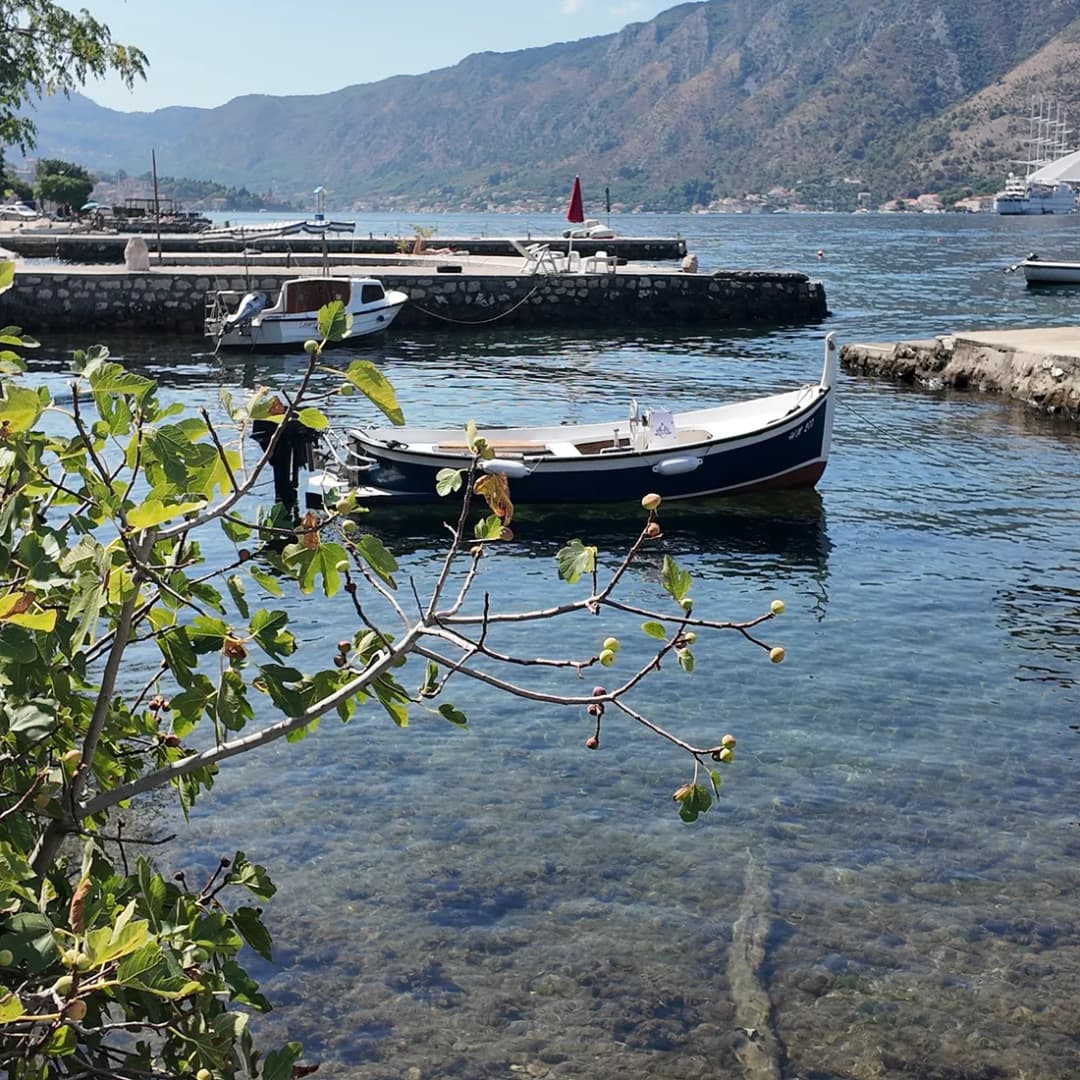
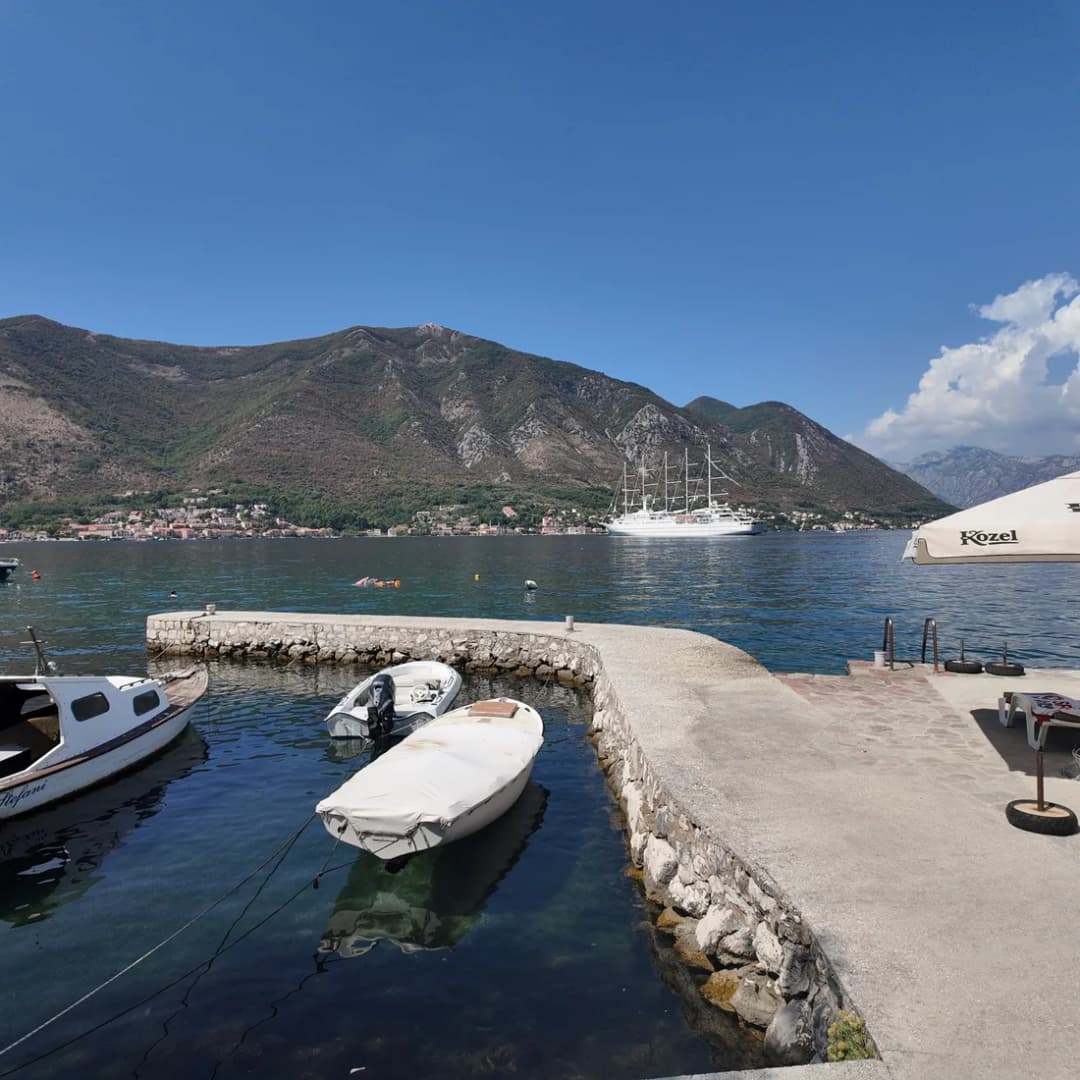
Dobrota has numerous spots for swimming along its 5 km waterfront. Stone steps, concrete platforms, and small pebble coves provide access to the deep, clean waters of the inner bay. The water is calm and sheltered, making Dobrota's swimming spots some of the safest in the bay — suitable for swimmers of all abilities. Several spots have been fitted with ladders and handrails for easy entry and exit. The best swimming areas are in the middle and northern sections of Dobrota, where the waterfront is less busy and the platforms are wider.
4. Climb Kotor's Fortress Walls
From Dobrota, it is a short walk to the entrance of Kotor's famous fortress walls, which zigzag up the mountainside behind the old town to the Castle of San Giovanni at approximately 260 metres elevation. The climb (about 1,350 steps) takes 60–90 minutes and rewards hikers with one of the most spectacular views in the Mediterranean — the entire Bay of Kotor spread out below with Dobrota's waterfront clearly visible as a ribbon of stone palaces along the eastern shore. The late afternoon light is best for photography, though early morning offers cooler temperatures and smaller crowds. An entrance fee of a few euros applies during summer.
5. Explore Kotor's Maritime Museum
The Maritime Museum in Kotor's Old Town tells the comprehensive story of the Boka Kotorska's seafaring heritage, including Dobrota's central role. Ship models, navigation instruments, portraits of famous captains, maritime flags, weapons, and documents spanning several centuries make this one of the most important maritime museums on the Adriatic. It provides essential context for understanding the grand palaces you see along Dobrota's waterfront and brings the human stories behind those stone facades vividly to life. Allow at least an hour for a proper visit.
6. Explore Kotor Old Town
Kotor's UNESCO World Heritage-listed Old Town is just a 10-minute walk from the nearest point of Dobrota and is one of the best-preserved medieval towns on the Mediterranean. Within the fortified walls, you will find the Cathedral of St. Tryphon (dating from 1166), numerous churches and palaces, atmospheric squares, and a maze of narrow streets lined with shops, restaurants, and galleries. The old town is compact enough to explore thoroughly in a few hours, though you may find yourself drawn back repeatedly over the course of your stay. Time your visit for early morning or late afternoon to avoid the midday cruise ship crowds.
7. Day Trip to Perast and the Island Churches
Perast, one of the jewels of the Bay of Kotor, is just 12 km north of Dobrota along the coastal road. This tiny town of baroque palaces and church towers faces two small islands — Our Lady of the Rocks (an artificial island with a church built by local sailors over centuries) and St. George Island (a natural island with a Benedictine abbey). Boat trips to Our Lady of the Rocks depart from the Perast waterfront every few minutes and cost just a few euros. The combination of Dobrota's palaces and Perast's islands makes for one of the finest one-day maritime heritage experiences on the Adriatic.
Where to Eat
Galion, located at the southern end of Dobrota near the old town, is one of Kotor's most respected restaurants. Set on a waterfront terrace with views of the old town walls reflected in the bay, it serves refined seafood and Montenegrin cuisine. The black risotto, seafood platter, and grilled fish are excellent. Expect to pay 25–35 euros per person for a full meal with wine. Reservations are recommended in summer, especially for terrace tables.
Along Dobrota's waterfront, several smaller restaurants and konoba serve excellent local food at more moderate prices. Look for places displaying the daily catch — fresh sea bass (brancin), sea bream (orada), and squid (lignje) grilled simply over charcoal are hard to beat. The local specialty riblja corba (fish soup) makes an excellent starter, rich with the flavours of the Adriatic.
The proximity to Kotor also means dozens of additional restaurants are within easy walking distance, ranging from upscale dining in converted palazzo courtyards to casual pizzerias and traditional Balkan grill houses. For a memorable splurge, book a table at one of the restaurants inside Kotor's Old Town walls for a meal surrounded by medieval architecture.
Best Time to Visit
Dobrota is a genuine year-round destination. Summer (June–September) is best for swimming and waterfront dining, with sea temperatures reaching 24–26°C. The shoulder seasons of May and October offer comfortable weather for walking and sightseeing with significantly fewer crowds. Kotor's cruise ship season (May–October) brings large numbers of day visitors to the old town, but Dobrota's residential waterfront remains relatively peaceful throughout. Winter visits offer atmospheric bay views with snow-capped mountains reflected in still water, empty streets, and the chance to experience Kotor's old town without crowds — plus hotel and apartment prices drop by 50% or more from peak summer rates. The annual Boka Navy parade in February is a spectacular event that draws visitors from across the region.