Montenegro is a small country with an unusually dense calendar. Between June and September the festival season runs almost continuously along the coast and around Lake Skadar, and for anyone interested in how the place actually works, a festival is a faster introduction than a museum.
The events below are the fixtures: they recur every year at roughly the same point in the summer, and most of them predate tourism here by decades. They range from a wild-greens cooking festival in Tivat to an EXIT-affiliated dance festival on a beach, by way of a five-hundred-year-old boat procession that exists to hold an island together.

Dates move by a week or two from year to year, and a few of these events shift location. Check with the tourist organisation of the town you are staying in before you build a day around one of them.
Zućenica Fest — Tivat (late May to early June)
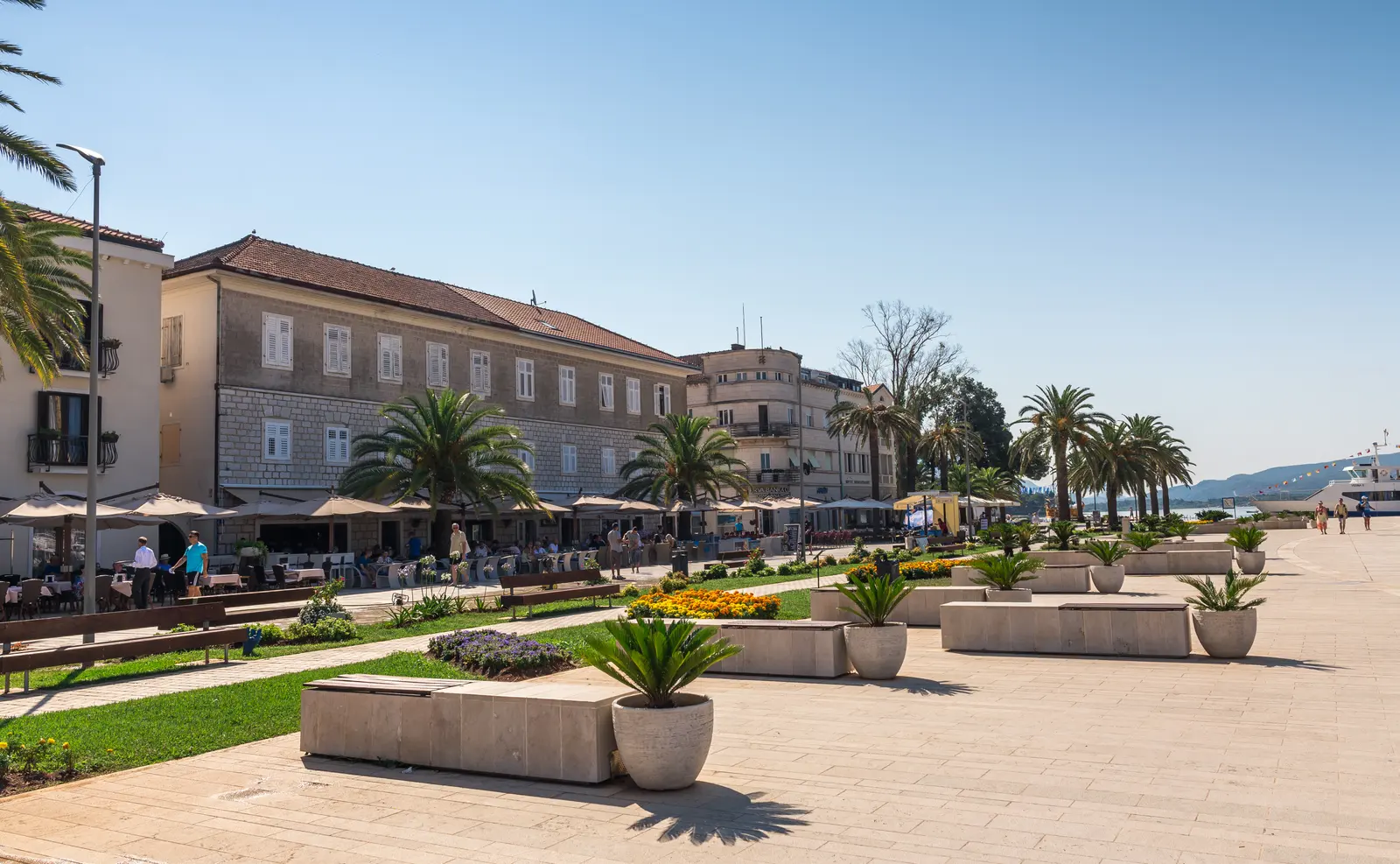
Zućenica is wild chicory, a bitter green that grows along the Montenegrin coast and has been picked and cooked here for as long as anyone can record. It is peasant food raised to the status of a delicacy, and the festival that carries its name in Tivat is built entirely around it.
The festival is held at several locations around Tivat at the end of May and the beginning of June, with more than twenty exhibitors and a few hundred visitors at a time. Stalls serve chicory prepared every way the coast knows — blanched with potato and olive oil, folded into pies, in soups, alongside fish. There is live music, and the Tivat majorettes and the town brass band make their usual appearance.
It has run since 2004, and its real purpose is the promotion of Boka cooking, which is a distinct tradition from the food of the mountains: more olive oil, more fish, more wild greens. If you are on the coast at the turn of May and June, this is an unusually good and unusually cheap introduction to it.
Carp Days — Plavnica, Lake Skadar (June)
Lake Skadar cooking is its own thing, built on freshwater fish rather than the sea, and Carp Days at Plavnica is the easiest way to eat your way through it in an afternoon. Plavnica sits on the northern shore of the lake, inside the national park and a short drive from Podgorica.
Visitors work through carp prepared several ways alongside other local specialities, and part of the programme is a cooking competition in which teams prepare carp dishes and soups to traditional recipes, with the best of them judged and awarded.
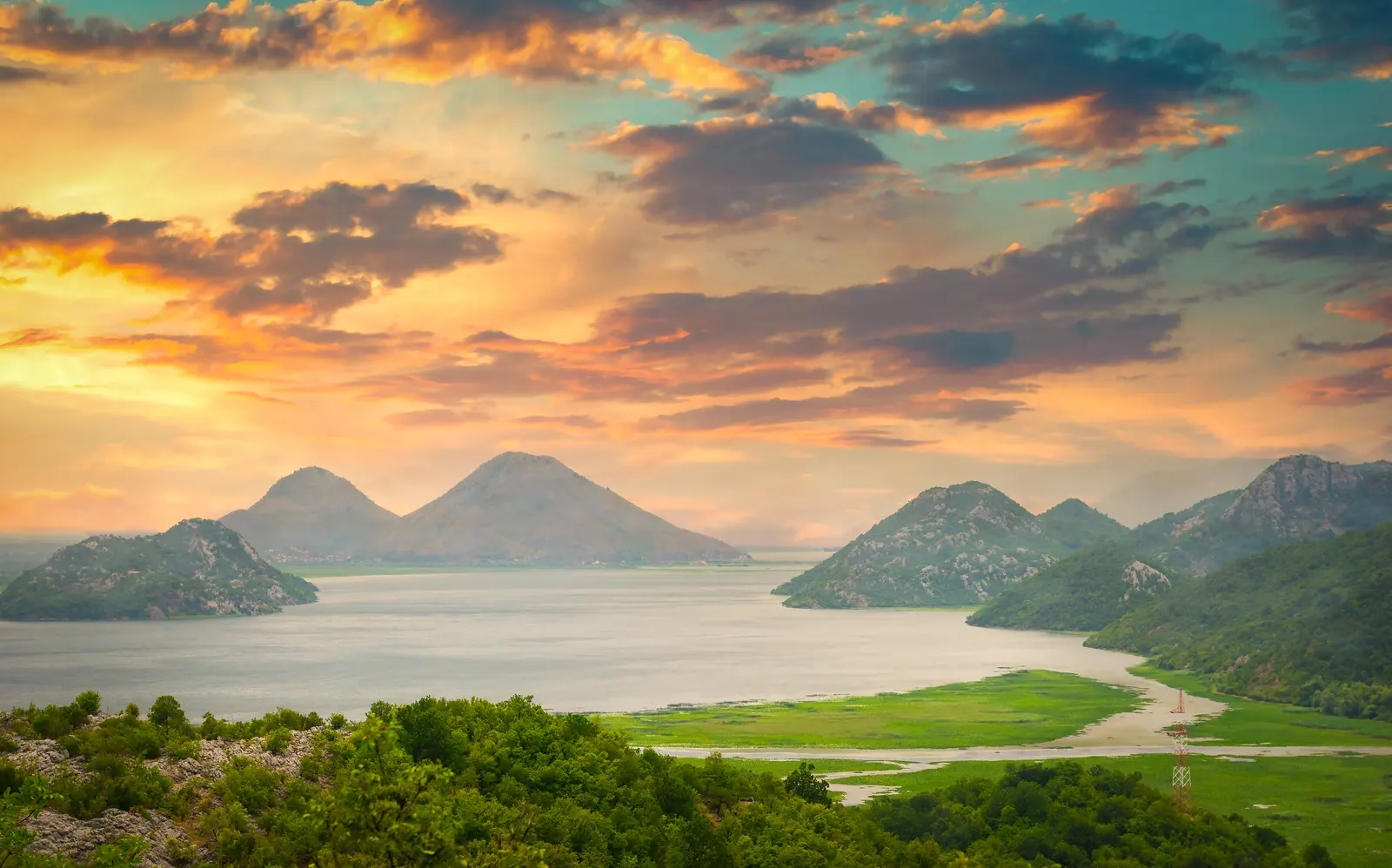
Between courses there are rides in a čun, the narrow flat-bottomed boat that has moved people and nets around the shallows and reed channels of Skadar for generations. The event is deliberately pitched at the lake's cultural and environmental value as much as its cooking, and it marks the opening of the summer season on this side of the country.
KotorArt and the Kotor Festival of Theatre for Children (July to August)
KotorArt is the umbrella that most of Kotor's summer culture sits under, running from the middle of July into the middle of August across the old town and the bay. Under one name it gathers art music, theatre, klapa singing, architecture, philosophy and high fashion, with Don Branko's Music Days — the classical strand, named for the conductor Branko Zenović — as its oldest component.
The part worth planning a trip around, and the part most visitors miss, is the Kotor Festival of Theatre for Children. It has run since 1993 and brings the best puppetry, drama and multimedia work for young audiences from across Europe into a UNESCO-listed walled town for the first ten days of July.
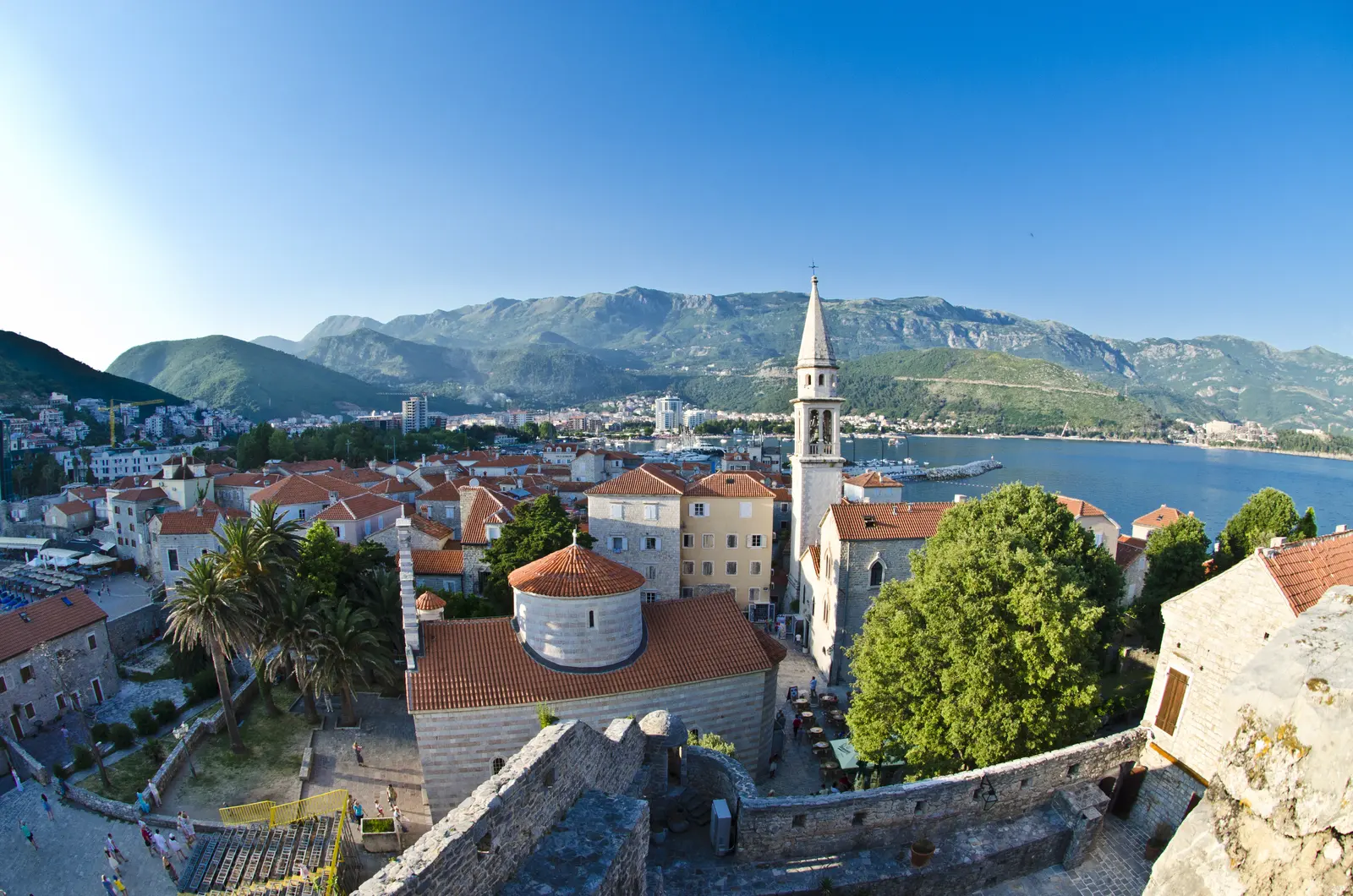
Its opening has a detail that tells you how seriously Kotor takes it: the mayor formally hands the keys of the city to a children's representative, and the children hold them for the duration of the festival. Performances spill out of the theatre into the squares and lanes of the old town, much of it free and outdoors, which makes it one of the few festivals on this list that genuinely works for a family with small children in tow.
Fašinada — Perast (22 July)
Fašinada is the oldest event on this list and the least like a festival. On the evening of 22 July every year, a line of boats rows out from Perast to the islet of Our Lady of the Rocks loaded with stones, and the men aboard sink them in the water around the island to strengthen it.
The islet is entirely man-made, and it exists because people have been doing exactly this for centuries. The story told in Perast is that local fishermen found an icon of the Virgin and Child on a rock here — it is on the main altar of the church today — and resolved to build an island around it by sinking stones and old ships, and a church on top. From then on the unwritten vow held that sailors sank fresh stones around the island before every voyage.
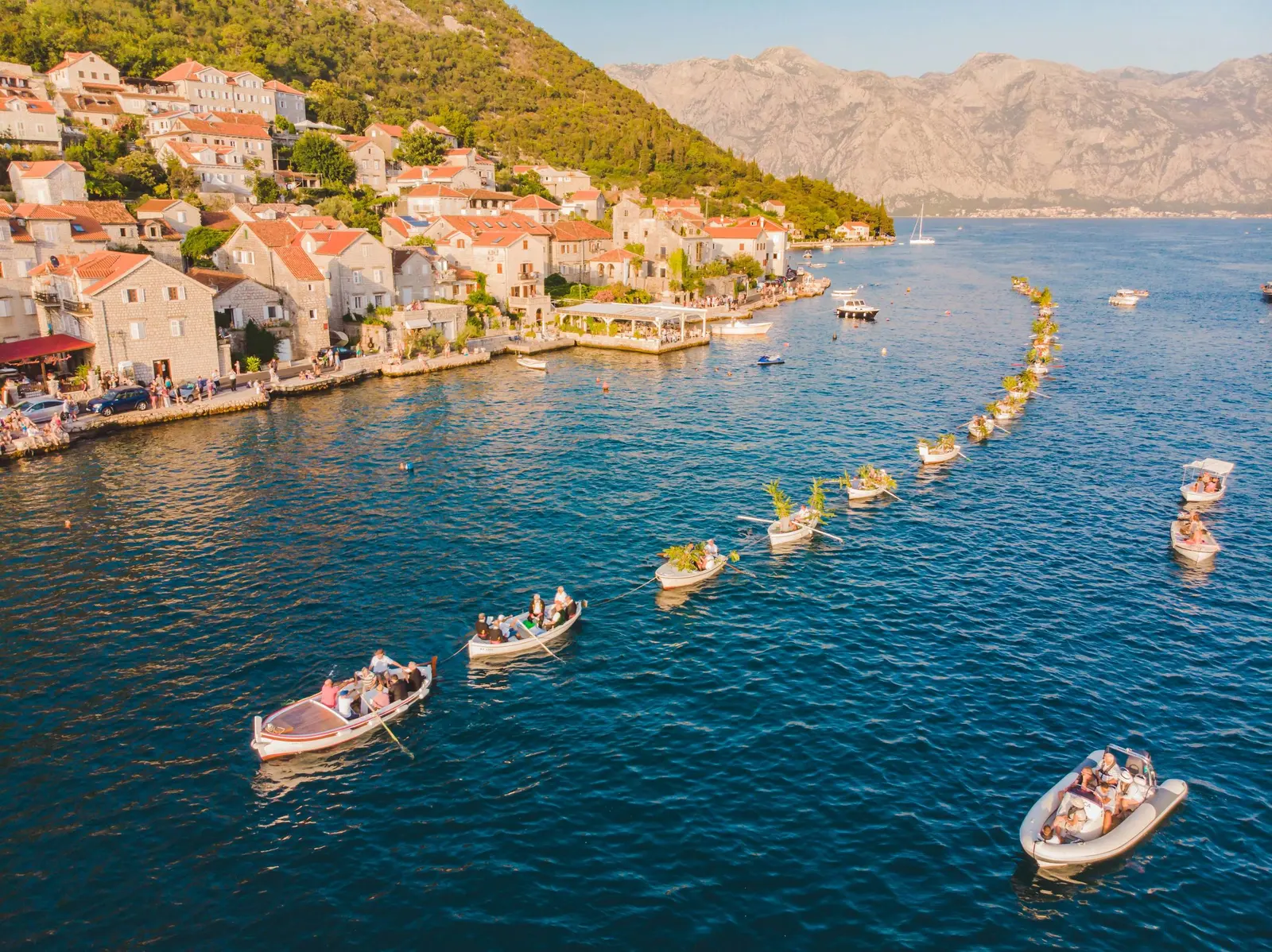
The rowing is done to singing, the boats are decorated, and the crowd watches from the Perast waterfront as the light goes. It is short, it falls on the same date every year, and it is not staged for visitors — which is exactly why it is worth arranging an evening around if you are anywhere near the bay on the 22nd.
Bocce Olympiad — Tivat (July to August)
Bocce — boće — arrived in Tivat in 1903, and the first court stood near where the Hotel Mimoza is now. It is the oldest sport on this coast and not a curiosity: practically every village in the Tivat municipality has its boćalište, the gravel court where the game is played, usually under trees and usually with an audience.
The Tivat Bocce Olympiad is the oldest recurring event on the Montenegrin coast. What makes it worth watching rather than just passing is that it is played to the old local rules rather than the modern international ones.
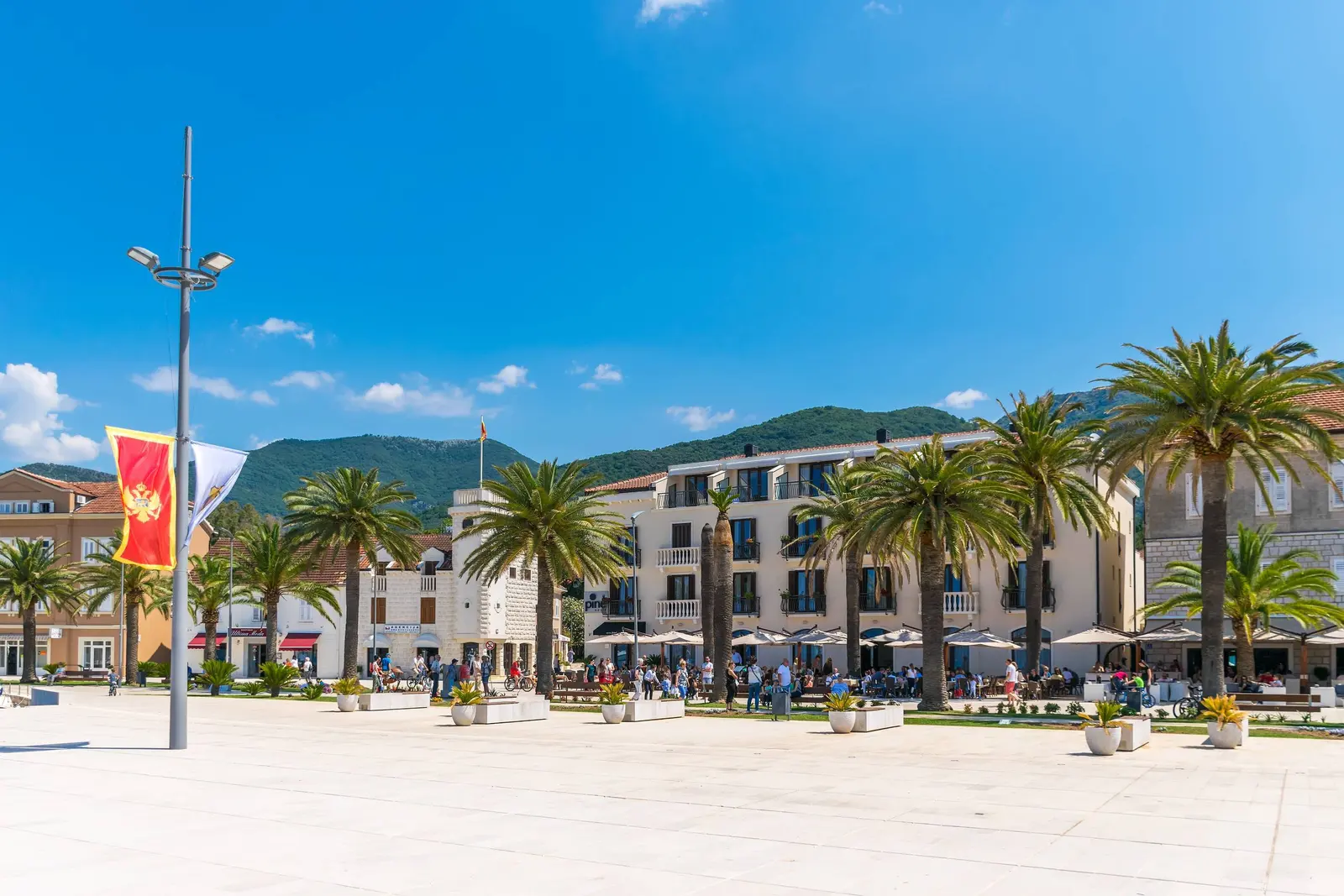
Teams come from across Montenegro and from abroad, and visitors can enter a team of their own — it is genuinely open. Boka music and local cooking run alongside the competition. It costs nothing to watch, and it is one of the few things happening on the coast in high summer that has nothing to do with tourism.
City Theatre Budva (July to August)
Grad Teatar — City Theatre — has run in Budva every July and August since 1987, and it is among the most prestigious cultural events in this part of the Adriatic. The programme is theatre first, then visual art, music and literature, with well over forty separate events across the season.
What makes it work is the staging. Each of the town's squares and piazzas, and several spaces outside the old town walls, is turned into an open-air stage, so passers-by end up part of the audience whether or not they meant to be.
The material is serious rather than seasonal — the festival's stated interest is in putting the cultural heritage of Budva and Montenegro into contemporary forms — and it draws directors and companies from across the region. Tickets for the main drama programme do sell out, so book before you travel rather than after you arrive.
Herceg Novi Film Festival (August)
The Herceg Novi film festival has around three decades behind it and runs at the beginning of August. Its competitive selection covers regional feature films, documentaries and student films, and the out-of-competition strand, Kino Evropa, shows rarely screened work by established European directors.
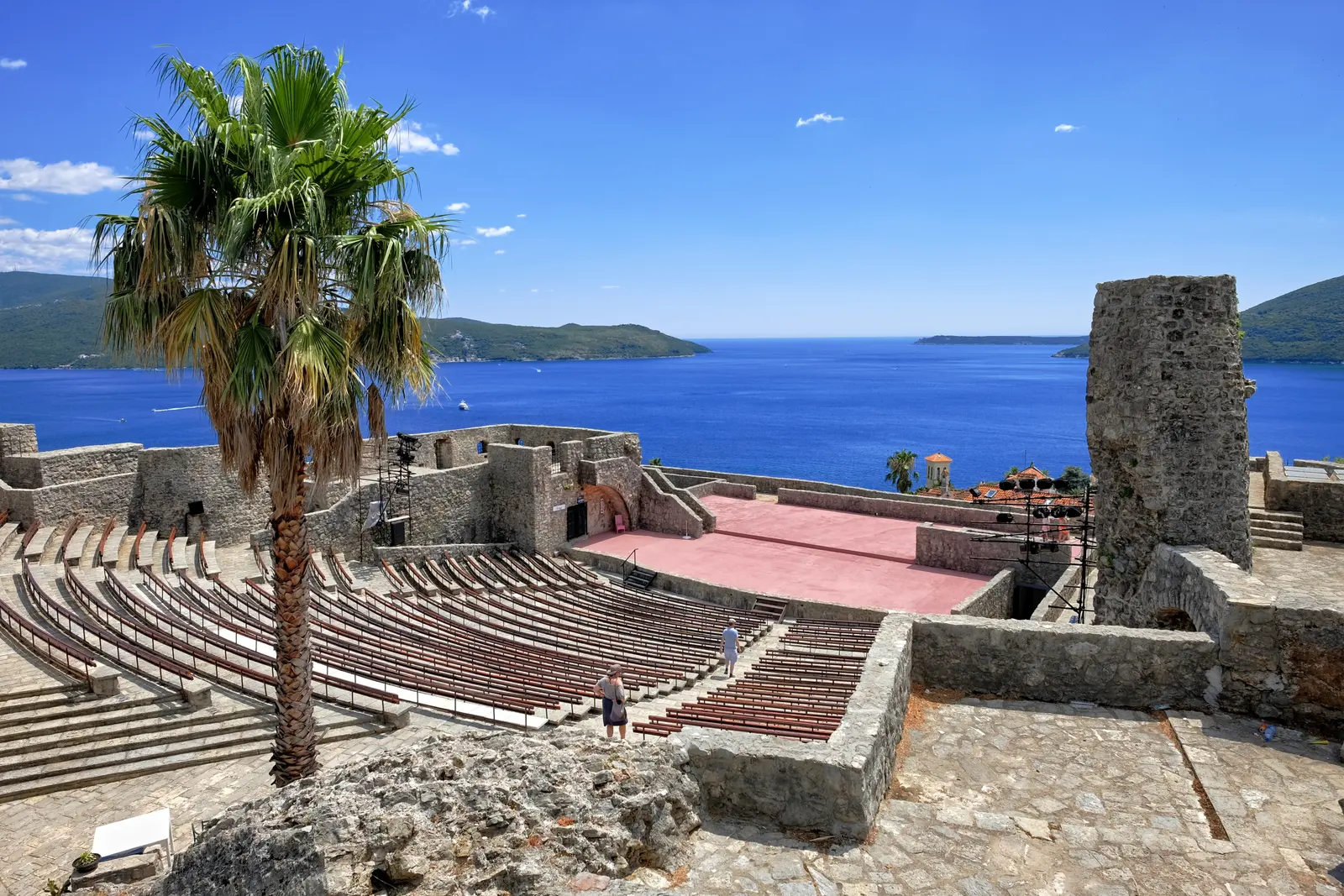
The venue is most of the reason to go. Screenings are held in the Kanli Kula, the sixteenth-century Ottoman fortress above the town, whose interior was rebuilt as an open-air amphitheatre.
Watching a film on a warm August night inside a fortress, with the Adriatic below and the walls of the old town lit behind you, is not an experience that a multiplex can reproduce. Book ahead for the competition screenings; the out-of-competition programme is easier to get into.
International Fashion Show — Kotor (August)
Kotor has staged an international fashion event every August since 1998, drawing designers — established names and unknown ones, a good many of them Italian — from well beyond the region. It is the most improbable thing on this list and, for a few nights a year, the most photographed.
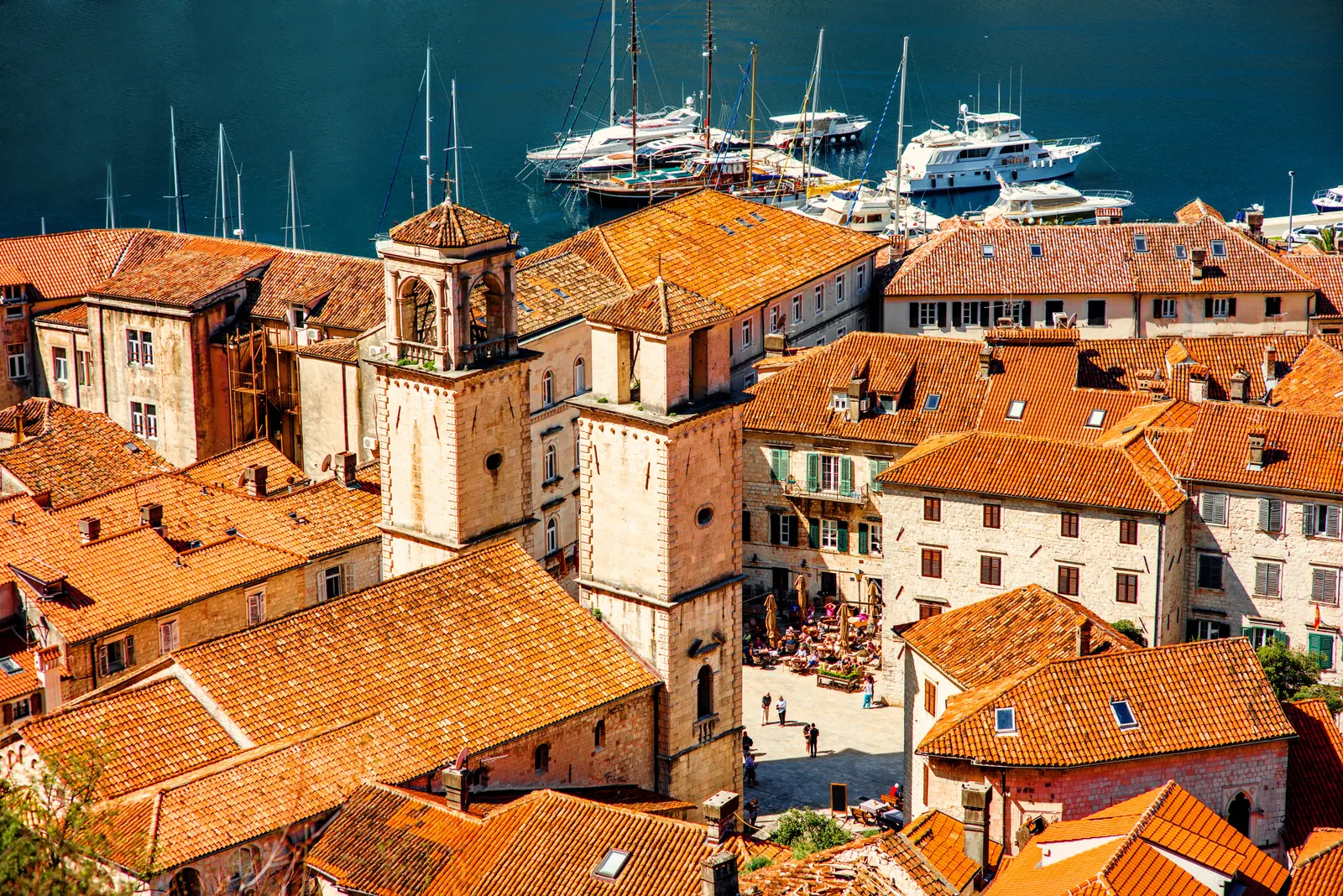
The setting does the work. The catwalk is built in the square in front of the Cathedral of St Tryphon with the audience seated around it, so the backdrop is a Romanesque façade, the old stone walls and the mountain rising straight up behind the town.
Collections shown here have included Antonio Grimaldi, Dior, Renato Balestra, Jean Paul Gaultier and Vionnet, along with the American designer LaQuan Smith. For those few nights the old town — which spends the rest of the summer absorbing cruise passengers — turns into something else entirely.
Sea Dance Festival (August)
Sea Dance is the coastal offshoot of EXIT, the Serbian festival, and it is the largest music event of the Montenegrin summer. It is staged on a beach, which is the whole point: the stages face the Adriatic and the sets run into the early hours with the sea a few metres away.
It has been named Best Medium-Sized European Festival, and Forbes has placed it alongside EXIT among the leading European summer festivals.
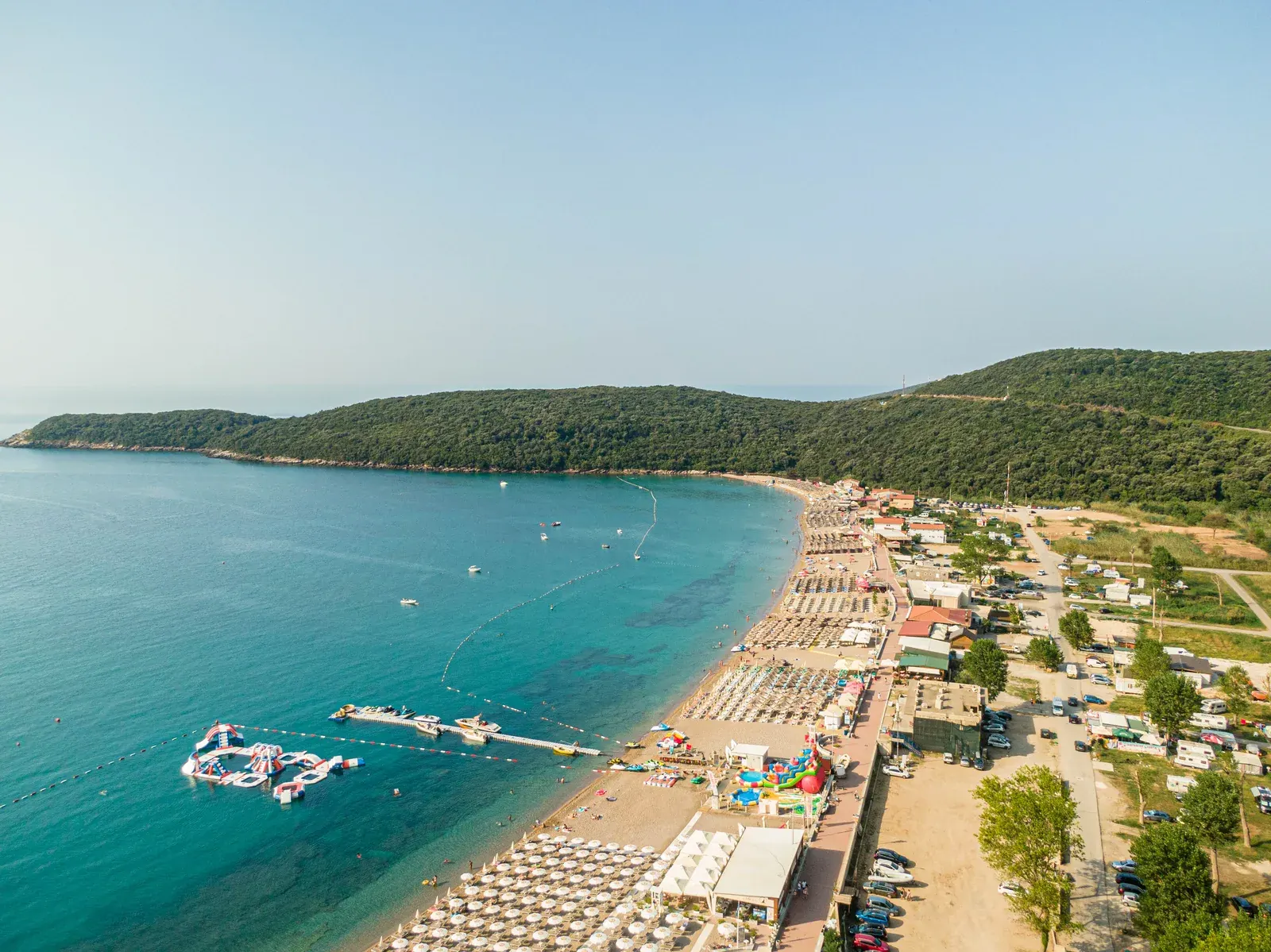
Line-ups over the years have included Fatboy Slim, David Guetta, Sean Paul, Robin Schulz, John Newman and Mahmut Orhan. The beach it uses has changed more than once — Jaz near Budva for several editions, Buljarica since — so check the current location and dates before you book anything around it.
Bokeljska Noć — Kotor (August)
Bokeljska Noć — the Boka Night — is the event Kotor is best known for at home, and the one that fills the town. Its ancestor was the Venetian Night of the early nineteenth century, modelled on the festival held in Venice; it took its present name in the early twentieth century, and the wars interrupted it more than once without breaking the thread.
The night is a parade of decorated and illuminated boats along the Kotor waterfront, crewed by participants in satirical masks, watched and judged from the shore. The masked procession runs from Kotor towards Dobrota and back while the jury decides, and the announcement is followed by fireworks over the water.
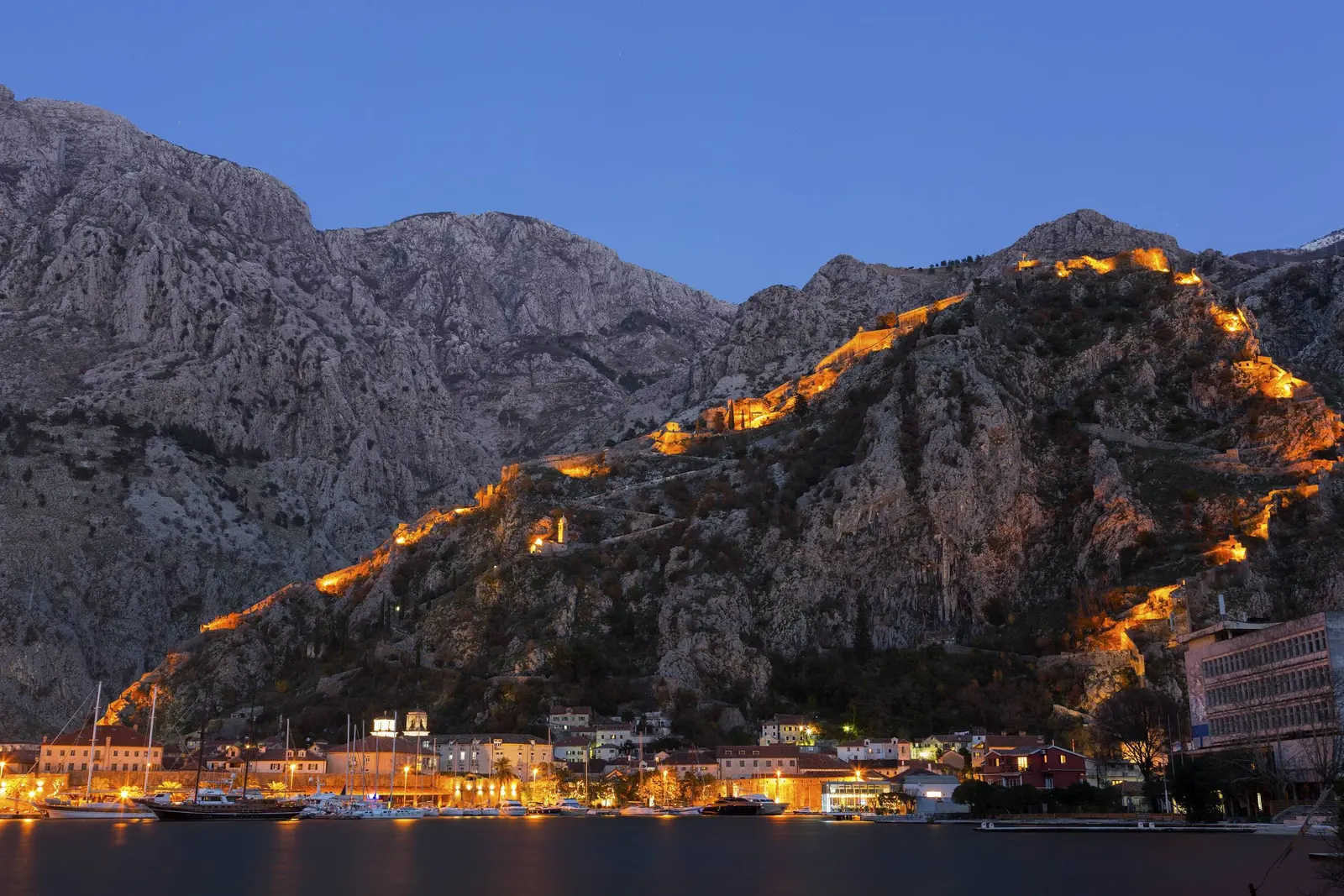
The old town walls are lit for the night, and the evening ends with concerts on the squares inside them. The edition of 1936 is still remembered locally: King Edward VIII attended, and the British fleet anchored in the Tivat arm of the bay lit the surrounding hills and sky from its ships.
Herceg Novi Comic Book Festival (first Friday in September)
The Hercegnovski strip festival — HSF — is the only comics convention in Montenegro, and it closes the summer. It always begins on the first Friday in September and runs for six days.
It was founded in 2007 by Nikola Ćurčin, a painter, comics artist and musician from the town, to make a case for what its organisers call the ninth art. It has grown into a serious fixture: roughly a dozen new guests each year alongside some sixty returning artists, with people who have drawn for Marvel, DC, Image and Dark Horse as well as the European publishers, among them the Eisner Award winner Glenn Fabry, Esad Ribić, R.M. Guéra, Igor Kordej and Zoran Janjetov.

The programme is exhibitions, live drawing, signings, presentations and comics for sale, with a concert each evening. It takes place across a series of venues in the Herceg Novi old town and — unusually for anything of this quality — all of it is free.
Planning around the festival season
The season concentrates in July and August, which are also the two months when the coast is at its fullest and its most expensive. If you have a choice, the ends of the season are better value: Zućenica Fest and Carp Days in late May and June, and the Herceg Novi comics festival in the first week of September, all fall outside the peak and are cheaper and quieter for it.
Almost everything here happens outdoors and in the evening, which is the only sensible time to be out on the Montenegrin coast in August. Several of these events — the bocce, the comics festival, most of KotorArt's outdoor programme, Fašinada — cost nothing to attend. The ones that need booking are City Theatre Budva and Sea Dance.