Danilovgrad is best understood as a planned inland town inside a much larger river landscape. Its compact centre, nineteenth-century civic ambition, railway, art institutions and protected Zeta corridor tell a different Montenegro story from the coast. Ostrog Monastery is the municipality's famous landmark, but reducing Danilovgrad to an Ostrog transfer point misses the town, the Bjelopavlići plain and the public choices now shaping the river.

Danilovgrad at a glance
| Decision | Evidence-backed answer | Verify before travel |
|---|---|---|
| Why go? | Planned-town history, Zeta landscape, art institutions and access to major religious sites | Which institutions are open on the chosen date |
| How long? | A half day for the centre; a full day with one outlying site | Transfer and return timing |
| Without a car? | The official railway connects Danilovgrad with Podgorica and Nikšić | Live timetable and last return |
| With a car? | Useful for Ostrog, Ždrebaonik, Spuž and rural stops | Road notices, parking and event traffic |
| River visit? | The Zeta corridor is protected landscape, not generic leisure infrastructure | Exact public access, water conditions and local restrictions |
| Best audience? | History, landscape, rail and slow-travel visitors | Whether a quiet working town fits the trip |
What the sources say
MONSTAT's final 2023 census counted 18,617 usual residents in Danilovgrad municipality. That is not the population of the town centre. The distinction matters because many places sold under the Danilovgrad label are dispersed through the municipality: monasteries, villages, farms, riverbanks and archaeological locations can require a vehicle and a separate access check.
The most useful division is between three experiences. The urban centre explains planning and civic life. The Zeta and Bjelopavlići plain explain settlement, agriculture and environmental protection. The wider municipality contains pilgrimage and heritage sites. Our Bjelopavlići landscape guide follows the plain as a destination; this report concentrates on how history, public institutions and protected land fit together.
This report is the interpretive member of a three-page Danilovgrad cluster, not a duplicate itinerary. Readers who need a compact arrival-and-departure checklist should use the practical Danilovgrad day-trip guide. Readers deciding whether the wider agricultural landscape merits a separate drive should use the Bjelopavlići feature above. Stay here for the deeper question: how a deliberately planned town, a protected river, working cultural institutions and major religious sites share one municipality without becoming a single packaged attraction. Keeping those jobs separate also prevents a dangerous shortcut—assuming that rail access to the centre proves easy access to a monastery, ruin, bridge or riverbank elsewhere in the municipality.
A planned town whose capital role never materialised
Danilovgrad's municipal archive places the first urban plan in 1869 and the construction of the planned town around 1870. That makes the regular centre important evidence of state-building, but the old article overstates the certainty of a future-capital project and piles several dates and rulers into a smooth origin story. A more responsible reading is narrower: a new civic settlement was deliberately laid out in the Bjelopavlići plain during a period when Montenegro's institutions and territory were changing.
The name honours Prince Danilo, while the planning story is closely associated with the reign of Nikola I. After the territorial changes recognised in the late 1870s, larger centres elsewhere assumed greater political and economic weight. Danilovgrad remained a municipal town on the corridor between Podgorica and Nikšić rather than becoming a national capital. That unrealised ambition is more revealing than a heroic founding legend: the street pattern records an institutional future that developed at a different scale.
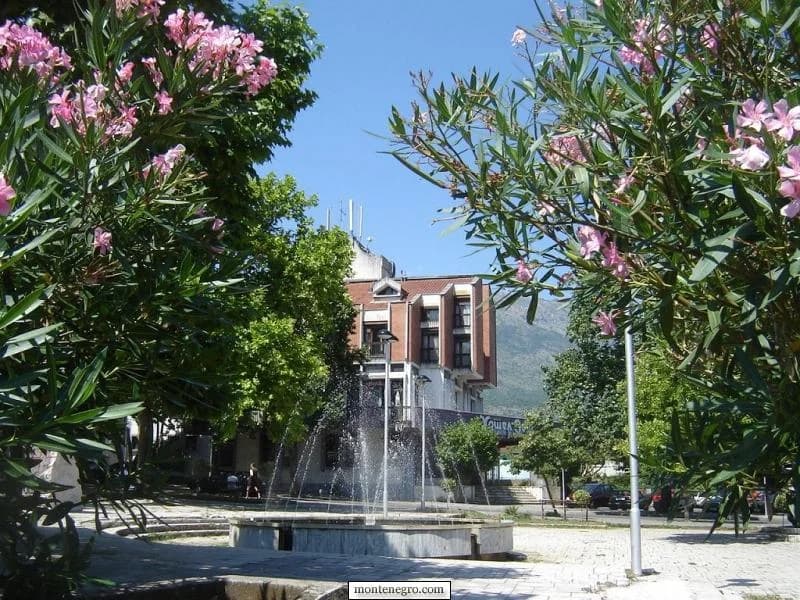
Visitors should look for proportion rather than monuments. A compact square, shade trees, civic buildings and the river sit within walking distance. Older balconies and domestic façades matter as an ensemble. The national tourism strategy identifies the relatively preserved centre and its characteristic old balconies as part of the destination's cultural offer, but a strategy is not a building register. Do not assign a date or famous resident to a house from appearance alone.
The Zeta is protected infrastructure, habitat and public space
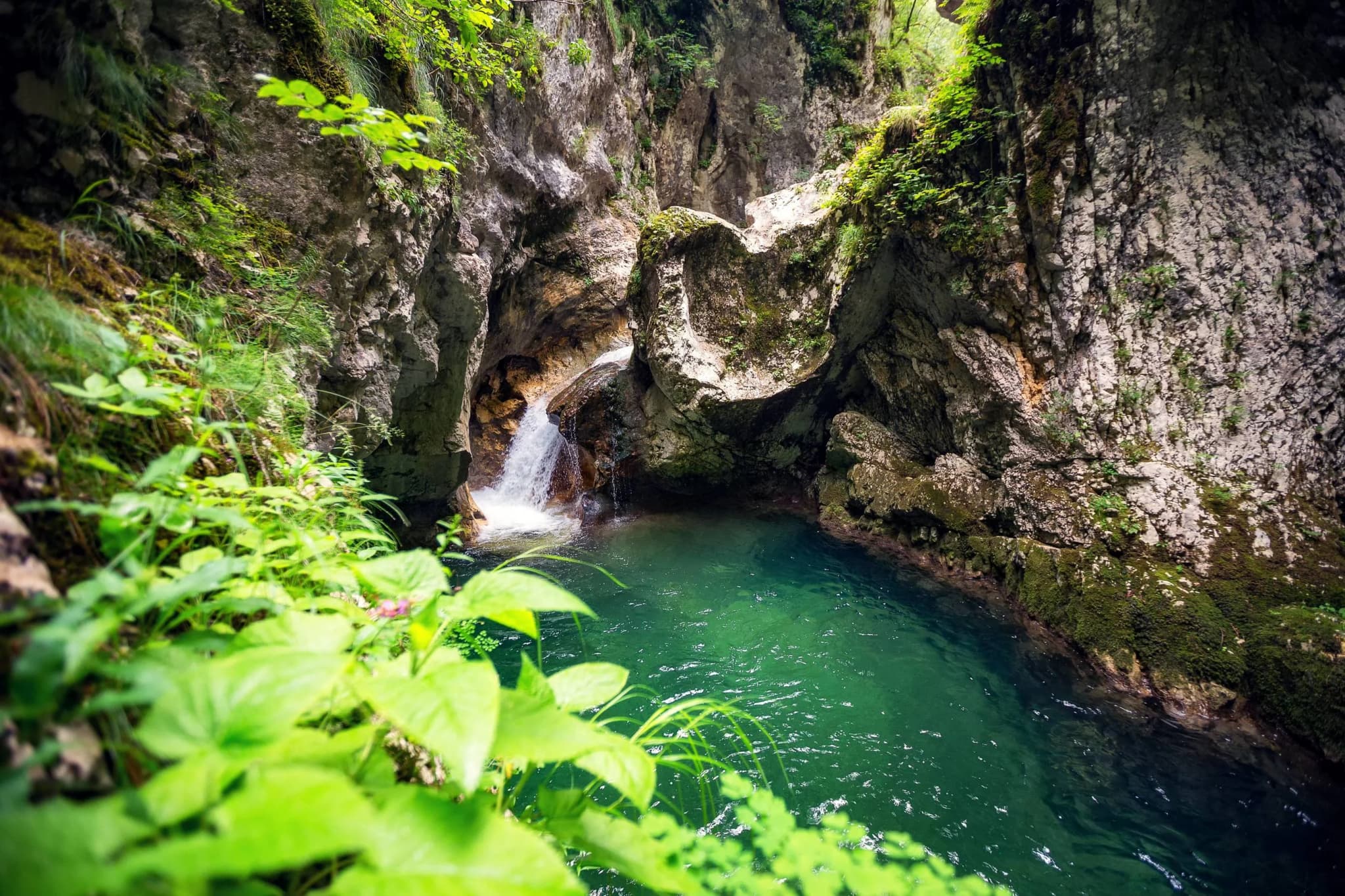
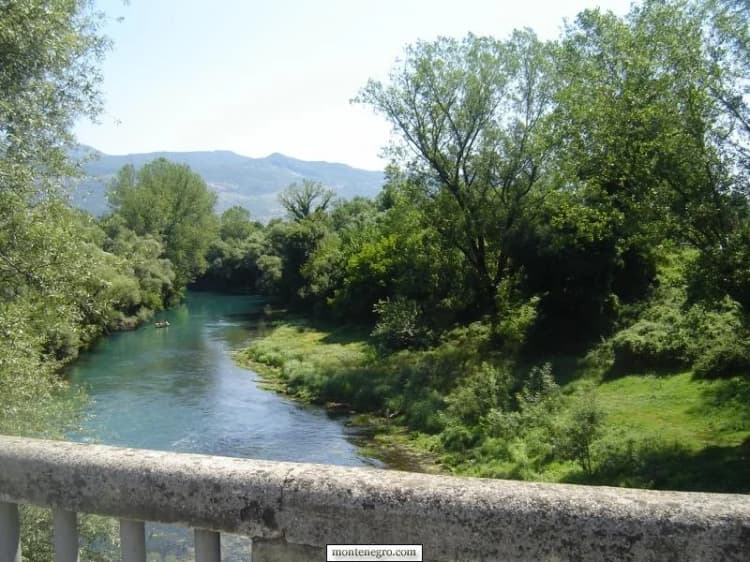
The Zeta is not merely the town's scenic edge. It drains and shapes a broad lowland, supports habitats and agriculture, and links settlements before joining the Morača in Podgorica. In 2019, national and local authorities declared the river valley a nature park. The government announcement frames protection around biodiversity, habitat, landscape and sustainable local development, while also acknowledging pollution control and agricultural practice as continuing responsibilities.
The related Cabinet record gives the protected area as 119.85 square kilometres: 78% in Danilovgrad municipality and 22% in Podgorica. Those figures establish geographic responsibility, not universal visitor access. A protected boundary can include private land, working fields, fragile vegetation and banks without ladders or supervision. “Nature park” does not mean theme park, and it does not certify that every visible swimming place is monitored or safe.
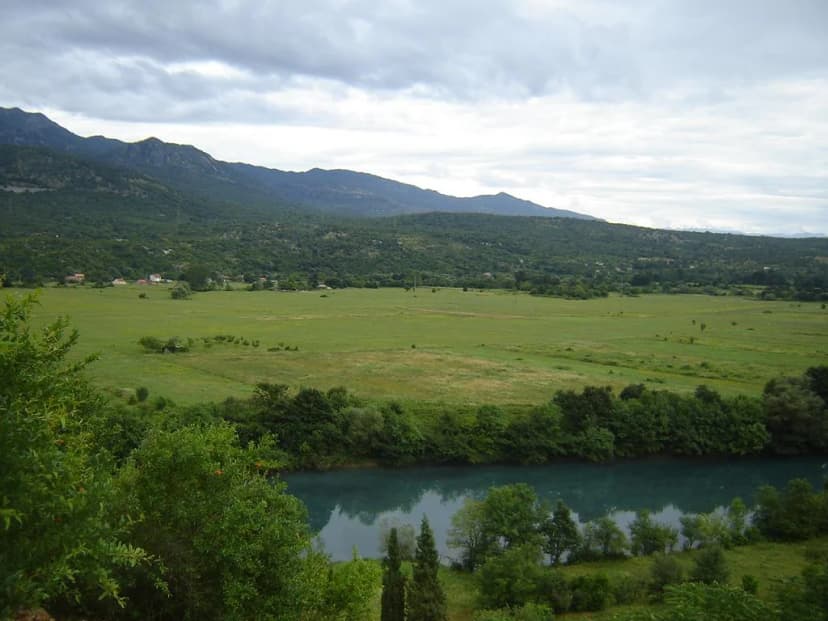
A responsible river visit begins with an exact location. Ask the local tourism office or host which access is currently public and used, then check weather, current, water notices, entry and exit. Take all waste away, keep vehicles off soft banks and avoid loud music near homes and habitat. Families should not infer shallow water from an archive photograph. Angling, boating and organised activities may also be subject to rules that a general article cannot replace.
Art Colony and Local Museum: institutions, not decorative stops
Danilovgrad's cultural case is stronger than the old guide's generic folklore language suggests. The national tourism strategy identifies the Art Colony and Local Museum as destination assets. Government reporting in 2026 on the first Balkan Small-Format Sculpture Triennial confirms that the Art Colony remains an active institution in contemporary sculpture, not simply a collection of objects left in a garden.
The institutional history and outdoor stone works make the colony a useful counterpoint to the planned centre. It connects a small inland town to artists and exhibitions beyond the municipality. Yet current activity does not guarantee daily drop-in access. Confirm gallery hours, exhibition dates and whether the grounds are open before building a journey around them. Photograph artworks with attention to venue rules and credit information where displayed.
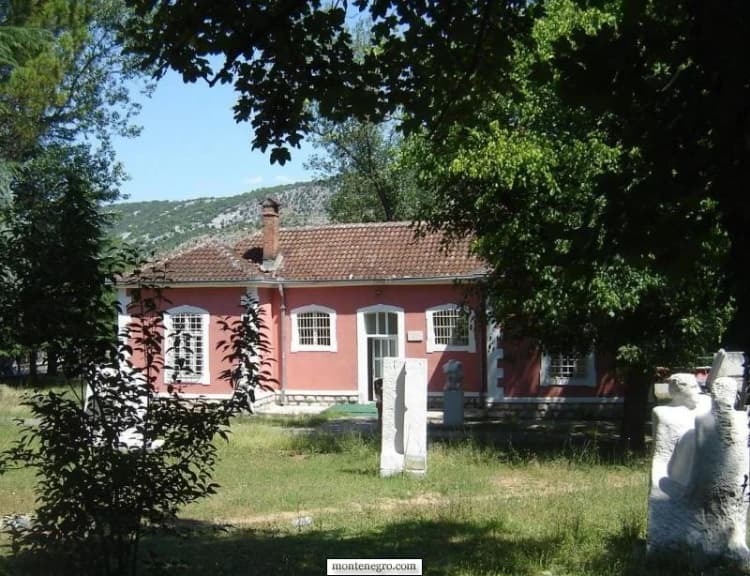
The Local Museum offers the other half of the story: archaeology, social history and civic memory. Its value is interpretation, not a claim that every object or room is permanently available. The previous article treated a market square, festivals and “authentic culture” as interchangeable attractions without primary evidence. This rewrite instead directs visitors to institutions capable of identifying objects, dates and local context.
If neither venue confirms access, the day is not wasted. Read the centre as urban evidence, continue along an established river route and use the dedicated history of Podgorica to compare how the nearby capital developed. Do not enter a closed courtyard or private building because an old listing calls it a museum.
Adžija Bridge: conservation is a current story
In June 2026, Montenegro's cultural-heritage authority approved a conservation project for Adžija Bridge in Bare, within Danilovgrad municipality. The official notice describes a 32-metre, single-arch stone structure and presents it as a representative work of Ottoman construction. This is unusually current evidence, but it proves approval of a conservation project—not completion of works, unrestricted access or structural safety for visitors.
The distinction is worth keeping visible. Heritage reporting often turns “restoration announced” into “restored attraction” before work begins. Check municipal or heritage-authority notices for the actual site condition. Respect barriers, do not stand on masonry for photographs and do not block local access. The bridge belongs in the Danilovgrad story because it records everyday movement and trade, not because folklore about it can be presented as fact.
Ostrog and Ždrebaonik: pilgrimage shapes the municipality
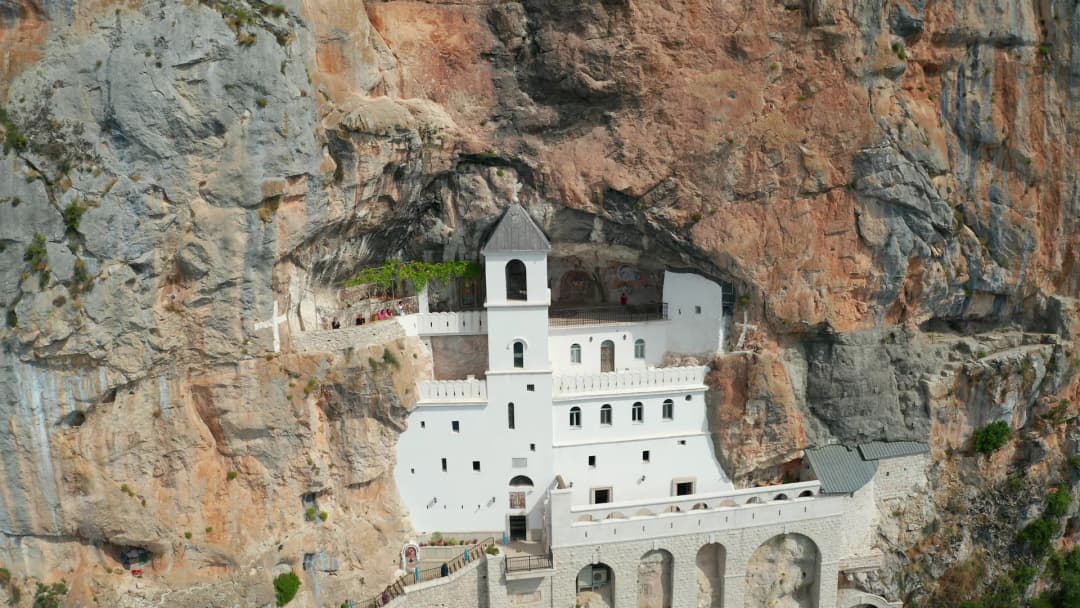
Ostrog is the municipality's internationally recognised religious destination. Its upper monastery is built into the rock above the plain, while the lower complex occupies a different elevation and function. The National Tourism Organisation presents the site as open to people of different faiths and describes a wooded pilgrim route between levels. Religious accounts of Saint Basil, relics and miracles belong to belief and tradition; a travel report should attribute them rather than certify them.
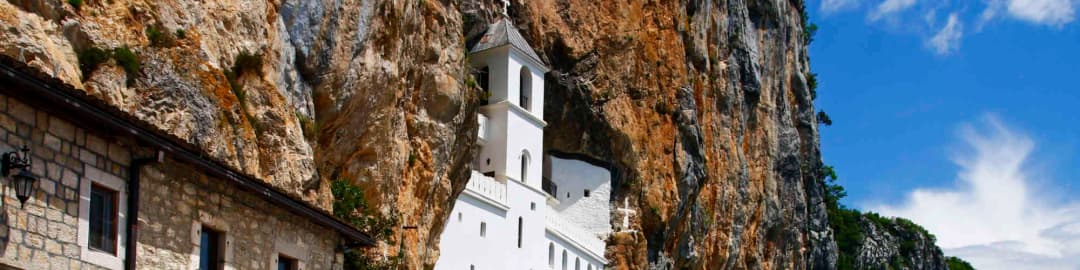
Plan behaviour before logistics. Wear clothing appropriate to worship, silence phones, avoid photographing people at prayer and follow monastic instructions. The old guide romanticised a barefoot climb and donations as if they were mandatory visitor steps. They are not universal travel requirements. Visitors should choose a route appropriate to their health, weather and current local guidance.
Traffic can change dramatically around the May observance of Saint Basil. A May 2026 police notice temporarily made the Ostrog–Ždrebaonik road one-way because of expected visitor volume. That dated measure is not the everyday rule; it is evidence that festival-period access must be checked. Leave margin, follow police direction and never improvise a turn on a constrained road because an old itinerary promises a fixed journey time.
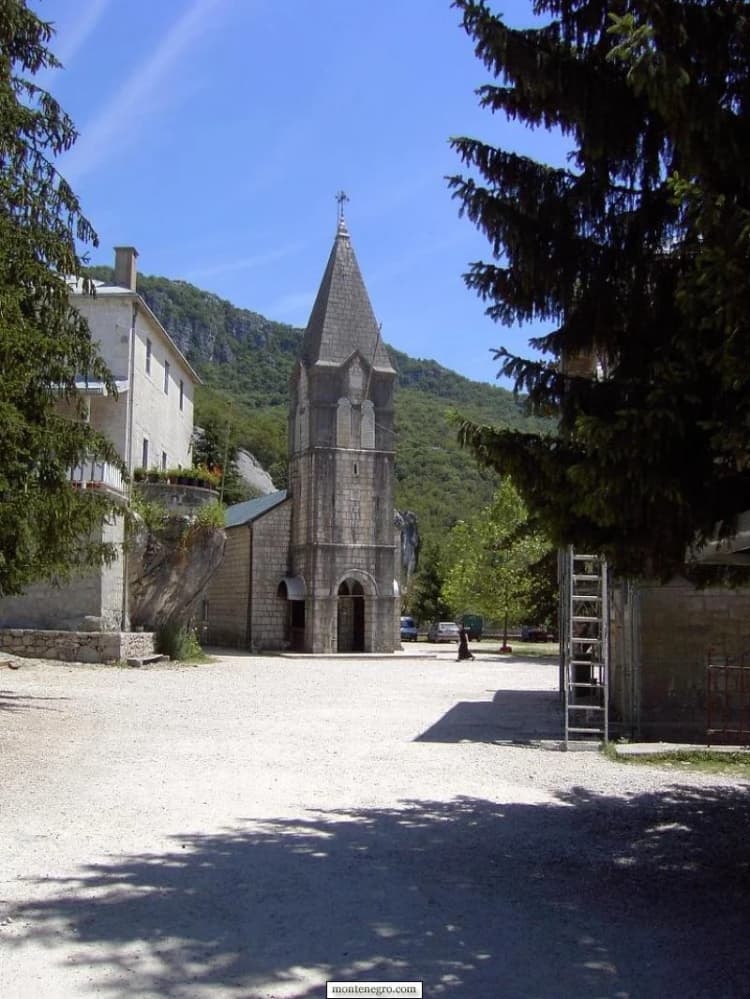
Ždrebaonik provides a smaller monastic setting on the plain. It is also an active religious place rather than an overflow attraction. Confirm visiting practice locally and resist copying unsupported foundation dates from commercial pages. For a broader treatment of faith, etiquette and route choices, use the Montenegro pilgrimage guide; for Ostrog specifically, use the researched Ostrog guide.
Spuž and the valley's strategic geography
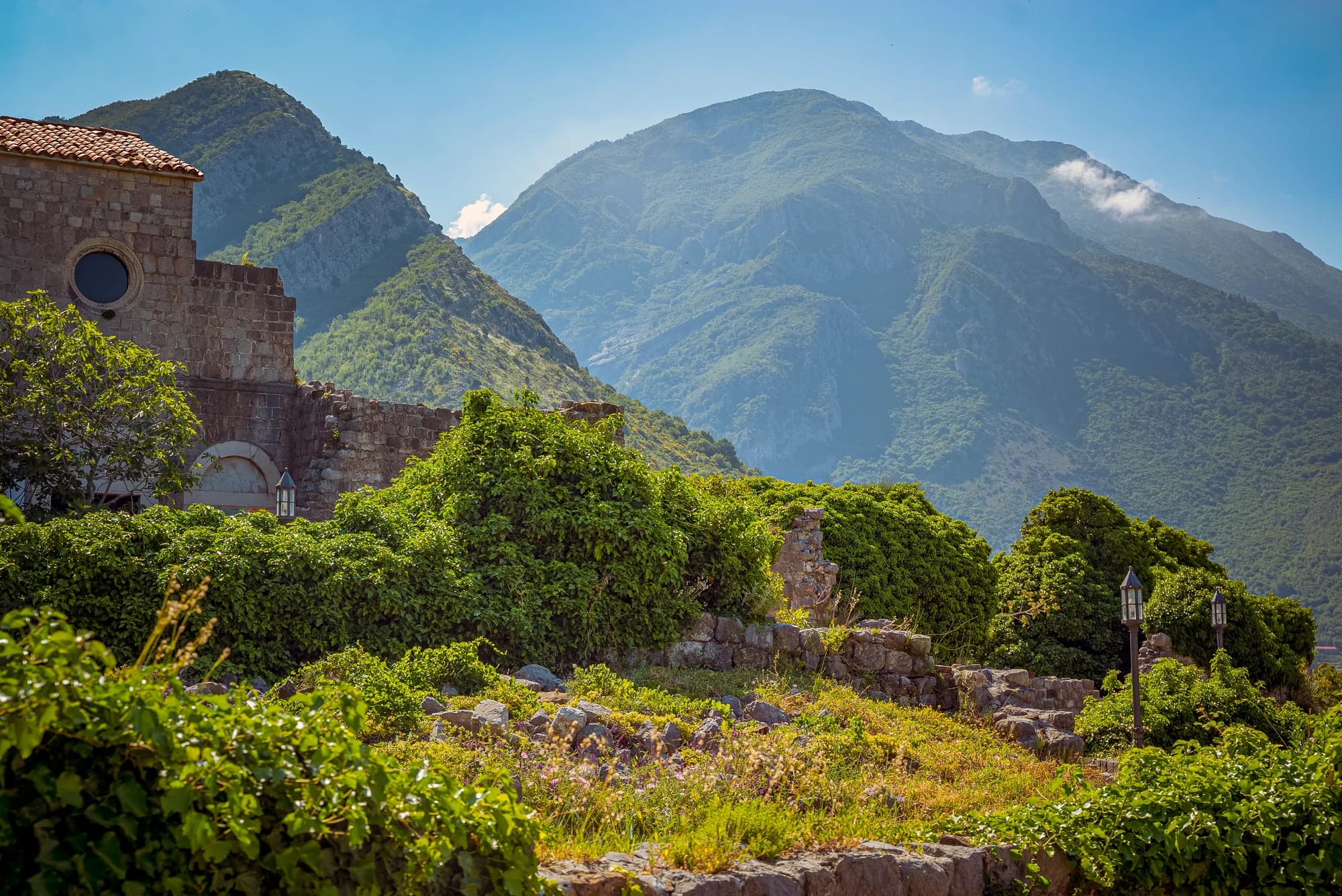
South-east of Danilovgrad, Spuž demonstrates why the Zeta corridor mattered militarily as well as agriculturally. The National Tourism Organisation attributes the fortress above the settlement to Ottoman commander Hodaverdi Pasha in 1704 and describes 24 towers. This is official destination interpretation, not a modern archaeological condition survey, so the numbers and story should be attributed rather than expanded with unsourced tunnel legends.
The ruined hill position overlooks river and plain, making the strategic relationship legible. It may also involve loose stone, steep ground, heat and limited protection. The tourism page's invitation to explore does not certify every staircase or chamber. Wear proper footwear, stay off unstable edges, avoid darkness and wet conditions, and do not remove material. Our Spuž guide separates the settlement, river and fortress more fully.
Agriculture and rural tourism without invented authenticity
The plain's cultivated land is visible evidence, but “fertile heartland” can become empty marketing if every vineyard, orchard and meal is declared traditional. Agriculture is a working economy. Visitors should book rural experiences through a current operator, ask what activity is actually available on the date, and distinguish a hosted farm visit from permission to walk into fields or photograph workers.
The old article named farms, restaurants and wine products using promotional pages, then treated them as permanent recommendations. This version does not. A household can change its offer, season, price or licensing. Ask about duration, language, physical demands, food provenance, allergens, animal-welfare practice and cancellation. “Homemade” is not an allergen statement; “local” is not proof that every ingredient came from the property.
Landscape driving requires similar restraint. The National Tourism Organisation's Top Trail 4 cycling brochure describes Danilovgrad and the climb toward Prekornica, with significant ascent and exposed sections. The brochure is useful route evidence but is old enough that it cannot prove current surface, marking or traffic. Cyclists should obtain a recent local assessment, start outside peak heat, carry water and lights, and avoid treating a tourism PDF as live navigation.
Getting there: use the corridor, then verify the last mile
Danilovgrad sits on the local railway between Podgorica and Nikšić. The operator's current timetable lists direct services in both directions, making rail the clearest car-free option for the centre. Times and fares change, so this article deliberately does not freeze them into durable copy. Check the official local timetable close to departure and protect margin for any fixed onward connection.
The station solves arrival in town, not access to every municipal site. Ostrog, Ždrebaonik, Adžija Bridge and rural locations need a separate plan. A taxi quotation should identify the exact destination, waiting time, return and payment method. Drivers should request parking and road information from the venue rather than relying on a route preview. If the trip starts or ends in the capital, the Podgorica accommodation guide helps choose a base.
Two responsible ways to structure a visit
Town, institutions and protected river
Arrive by a morning train after checking the live schedule. Walk the centre, using façades and street pattern as evidence rather than inventing building histories. Visit the Local Museum or Art Colony only if access is confirmed. Spend the later part of the day at a recognised river access or on a locally recommended walk, then return with daylight and schedule margin. This is the strongest car-free version.
Town plus one outlying heritage site
Begin in central Danilovgrad, then choose one: Ostrog for pilgrimage and cliff architecture; Ždrebaonik for a quieter religious visit; Spuž for strategic landscape; or Adžija Bridge if current conservation and access notices permit. One well-researched choice is better than racing among four places. In high season, pair this advice with the Montenegro crowd-planning guide.