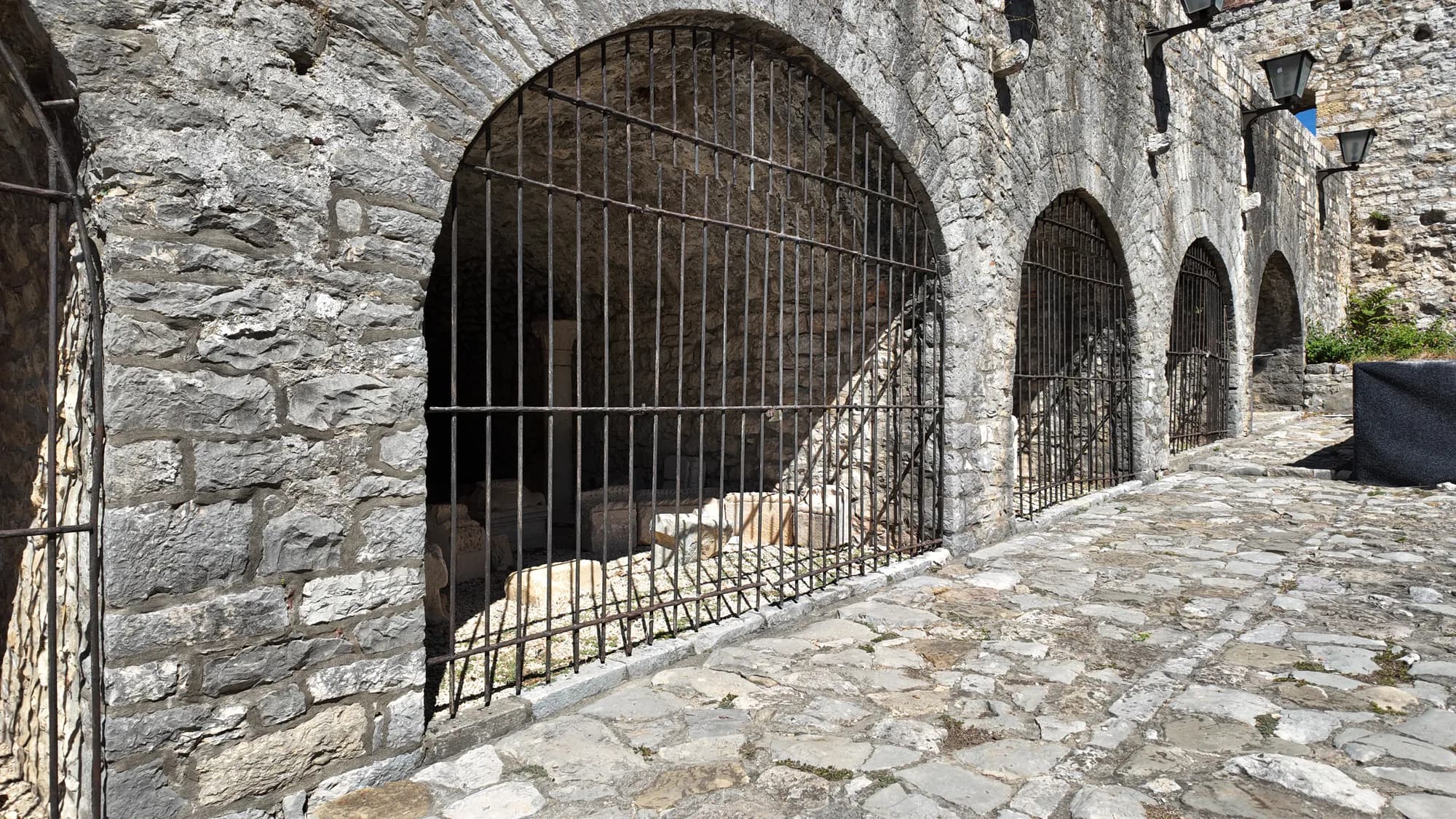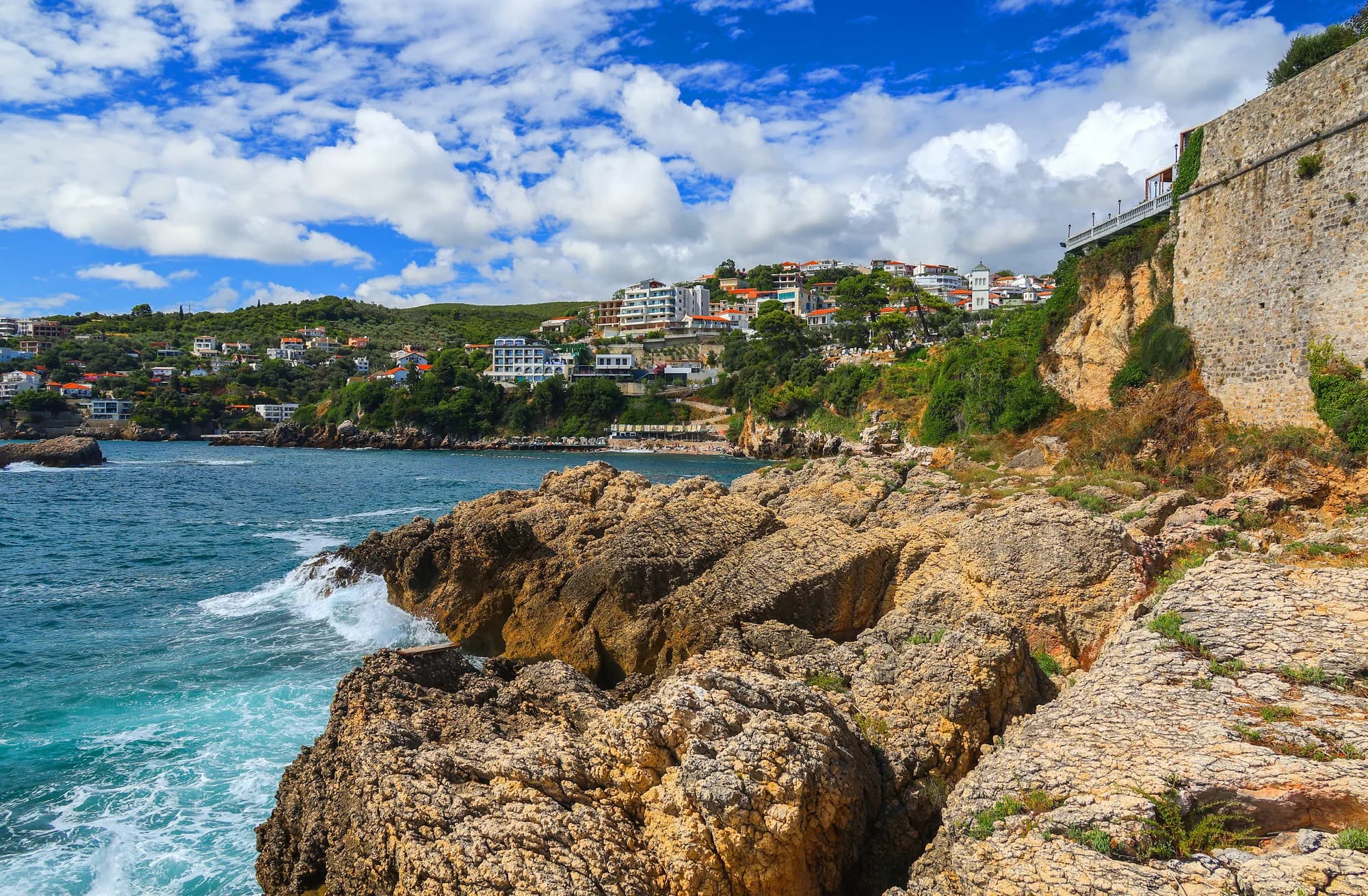
Ulcinj’s Slave Square holds two very different histories. One is documented: corsairs from the fortified town captured people, negotiated ransom and participated in Mediterranean slavery. The other is civic legend: Miguel de Cervantes supposedly spent part of his 1575–1580 captivity here and later transformed Ulcinj’s Italian name, Dulcigno, into Dulcinea.
The first story deserves evidence and attention. The second deserves to be told as legend, not smuggled into biography. Cervantes scholarship places his five years of captivity in Algiers, supported by witness statements, ransom records and accounts of escape attempts. No reviewed documentary source places him in Ulcinj. This 2026 guide shows how to read the square without erasing either historical violence or the way towns build memory.
Slave Square at a glance
| Question | Evidence-backed answer | Limit |
|---|---|---|
| Where is the square? | Inside Ulcinj Old Town, before the church-mosque/museum complex | Names and event use can vary |
| Slave-market history? | Local interpretation dates a major role from the mid-17th century | Do not invent transaction totals |
| Corsair evidence? | 18th-century Dubrovnik archives document raids and captives | One regional archive is not the whole market |
| Cervantes captive here? | No documentary proof found; local tourism calls it legend | His documented captivity was in Algiers |
| Dulcinea from Dulcigno? | A memorable sound resemblance | Not established philology |
| UNESCO status? | Old Town has been on Montenegro’s Tentative List since 2018 | It is not inscribed World Heritage |
The documented ground: corsairs, captives and ransom
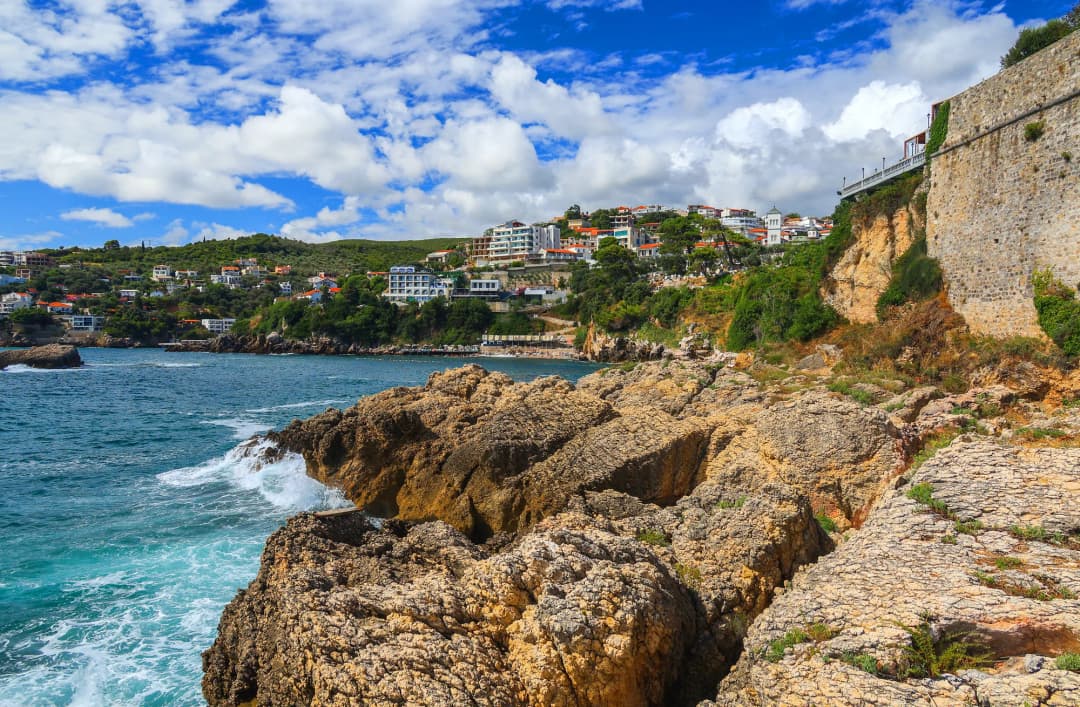
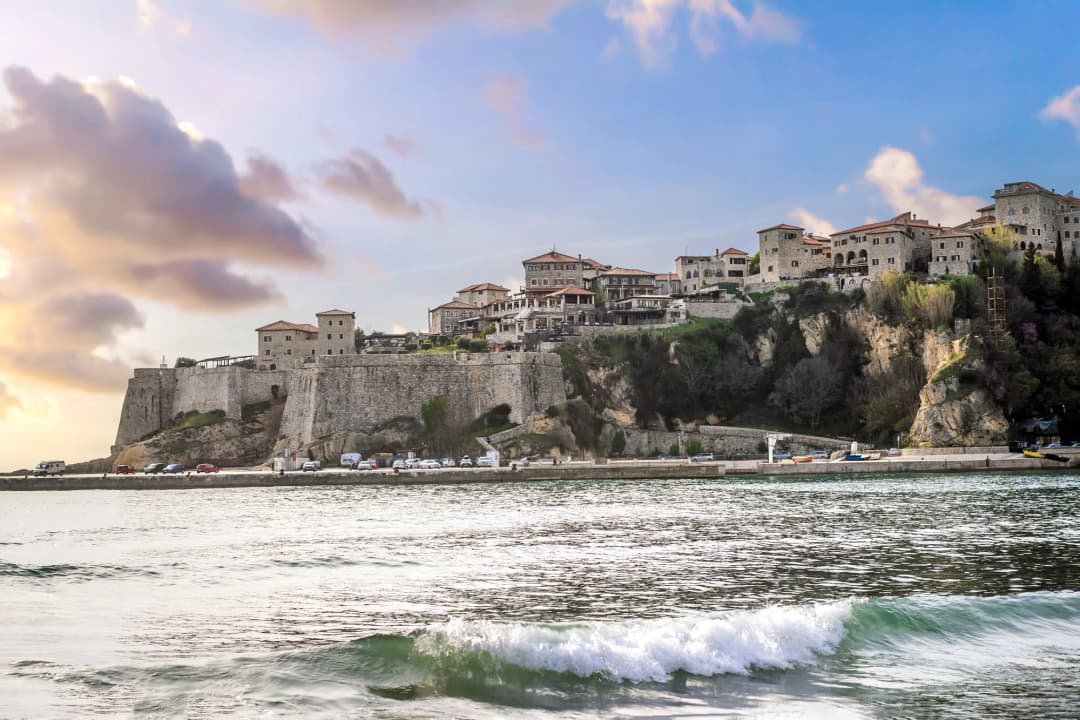
After Ottoman conquest in 1571, Ulcinj developed as a corsair and maritime centre. “Pirate” is the common visitor word, but “corsair” better signals sea raiding embedded in imperial conflict, private enterprise and port society. It does not make captivity less violent.
A peer-reviewed study using Dubrovnik’s Acta Turcarum records Ulcinj corsairs raiding territories of the Dubrovnik Republic in the first half of the 18th century. The abstract identifies increased attacks after 1709 and 42 captives taken between 1725 and 1731 in actions associated with two raiding leaders. Some captives were transported toward Barbary. These precise archival episodes support a real captivity economy without proving every sweeping claim repeated in travel literature.
What the sources say
Ulcinj Tourism places the former market square before the church-mosque and says the town became an important slave market from the mid-17th century. It describes captives from Italy and Dalmatia held for ransom. Ransom was not an alternative to enslavement; it was one economic use of an unfree person. Captives needed to communicate with relatives or authorities precisely because release depended on payment or exchange.
| Stage | Detail | Outcome |
|---|---|---|
| Capture | raid • seizure | |
| Confinement | loss of freedom | |
| Negotiation | message • ransom | |
| Outcome | release | sale / transport |
Source: hrcak.srce.hr, ulcinj.travel
African lives are not a colourful footnote
The square’s story widened beyond Christian captives held for ransom. African children and adults were also carried through Mediterranean ports and brought to Ulcinj. Alexander Lopašić’s 1956 fieldwork recorded named ship captains, family histories, oral testimony and links with ports including Tripoli, Benghazi and Algiers. His 1958 article is valuable evidence, but its language, racial typologies and confident population estimates reflect a colonial-era anthropological gaze.
Later scholarship makes that limitation explicit. Catherine Baker reads Ulcinj as a neglected site of Eastern Mediterranean slavery and African diasporic history while criticizing how earlier researchers reduced people to physical “types,” temperament and exotic custom. That is the better editorial frame: enslaved Africans and their descendants were residents, sailors, agricultural workers, family members, photographers and citizens—not an attraction appended to a pirate tale.
Historical estimates vary, and some rest on oral memory rather than a census. This guide therefore does not repeat a precise claim about “100 families” or identify any living person as the last descendant. It records the durable fact: African enslavement and Afro-Ulcinj life belong inside the town’s social history.
| Layer | Contains | Handling |
|---|---|---|
| Archive | dated raids + captives | strong event evidence |
| Oral history | names + memories | preserve with limits |
| Critical reading | people, not “types” | expose old bias |
Source: pdf.arkiva.me, uplopen.com, hrcak.srce.hr
What the Cervantes record actually says
Cervantes sailed from Naples for Spain in September 1575 with his brother Rodrigo aboard the galley Sol. Corsairs captured the vessel and took him to Algiers. The Biblioteca Virtual Miguel de Cervantes summarizes the unusually strong evidence: testimony collected in 1578 and 1580, statements by companions, family ransom efforts and contemporary description. He spent five years captive, attempted escape repeatedly and was ransomed in 1580.
The Instituto Cervantes Algiers itinerary maps places associated with that captivity. Algiers is not a vague scholarly default; it is the setting held together by the documentary chain. Arnaut Mami, the corsair associated with Cervantes’ capture, may connect Albanian and North African worlds, but a captain’s origin does not relocate his prisoner to Ulcinj.
Ulcinj Tourism presents a rich local story: Cervantes, called “Servet,” writes and sings in confinement, falls for a local woman, and takes the memory of Dulcigno into the name Dulcinea. The same page calls the account legend and even offers variants in which he was later carried to Algeria. That is evidence that Ulcinj tells the story—not evidence that the events occurred.
Dulcigno and Dulcinea: resemblance is not derivation
The resemblance works wonderfully in a tour guide. Dulcigno was an Italian form of Ulcinj; Dulcinea is Don Quixote’s invented noble name for Aldonza Lorenzo of El Toboso. Within the novel, the name belongs to Don Quixote’s comic programme of transforming ordinary reality into chivalric grandeur.
No reviewed philological source establishes a Dulcigno origin. Similar sound plus possible Mediterranean contact is a hypothesis, not an etymology. The responsible label is “local literary legend.” It can still matter: it shows how Ulcinj integrates a globally known captive into a place already marked by captivity.
| Claim | Evidence |
|---|---|
| ALGIERS: DOCUMENTED | ✓ witness testimony |
| ALGIERS: DOCUMENTED | ✓ family ransom record |
| ALGIERS: DOCUMENTED | ✓ escape-attempt accounts |
| ALGIERS: DOCUMENTED | ✓ 1575–1580 chronology |
| ULCINJ: LEGEND | • living local tradition |
| ULCINJ: LEGEND | • “Servet” narrative |
| ULCINJ: LEGEND | • Dulcigno–Dulcinea echo |
| ULCINJ: LEGEND | • no located documentary proof |
Source: cervantesvirtual.com, cervantes.es, ulcinj.travel
Why the legend persists
The legend fits because Cervantes really was captured in the same violent Mediterranean system that gave Ulcinj its corsair reputation. His fiction repeatedly returned to captivity. Ulcinj supplies a plausible stage, a local heroine and a linguistic hook. The story compresses a distributed system into one famous biography.
But placing a celebrity at the centre can push unnamed captives to the edge. The square is more historically important without Cervantes: it materializes coercion, ransom, maritime raiding and the African diaspora on the eastern Adriatic. The legend works best as a second interpretive layer after that history, not as proof that makes the place worth visiting.
Practical, responsible visit
The square stands near Ulcinj’s church-mosque, which Ulcinj Tourism identifies as housing the town museum. Verify current museum opening, tickets and event access locally; the square is also used for performances, so an old claim of unrestricted access at every hour is unsafe. Conditions can change during summer programming.
Old Town lanes are steep, narrow and uneven. Wear stable footwear, allow extra time, and confirm accessible routing locally rather than assuming step-free entry.
- Start with the physical square. Identify the church-mosque, arches and relationship to the gates before reading the Cervantes memorial layer.
- Use three labels. Mark archived corsair raids as documented, tourism narratives as local interpretation, and Cervantes in Ulcinj as legend.
- Avoid reenactment humour. Captivity and sale are not costume-photo prompts. Photograph architecture and interpretation without trivialising victims.
- Visit the museum if open. Objects and the building’s church-to-mosque history widen the chronology beyond corsairs.
- Protect residents. The Old Town is inhabited. Keep voices low, do not block lanes or doorways, and follow event barriers.
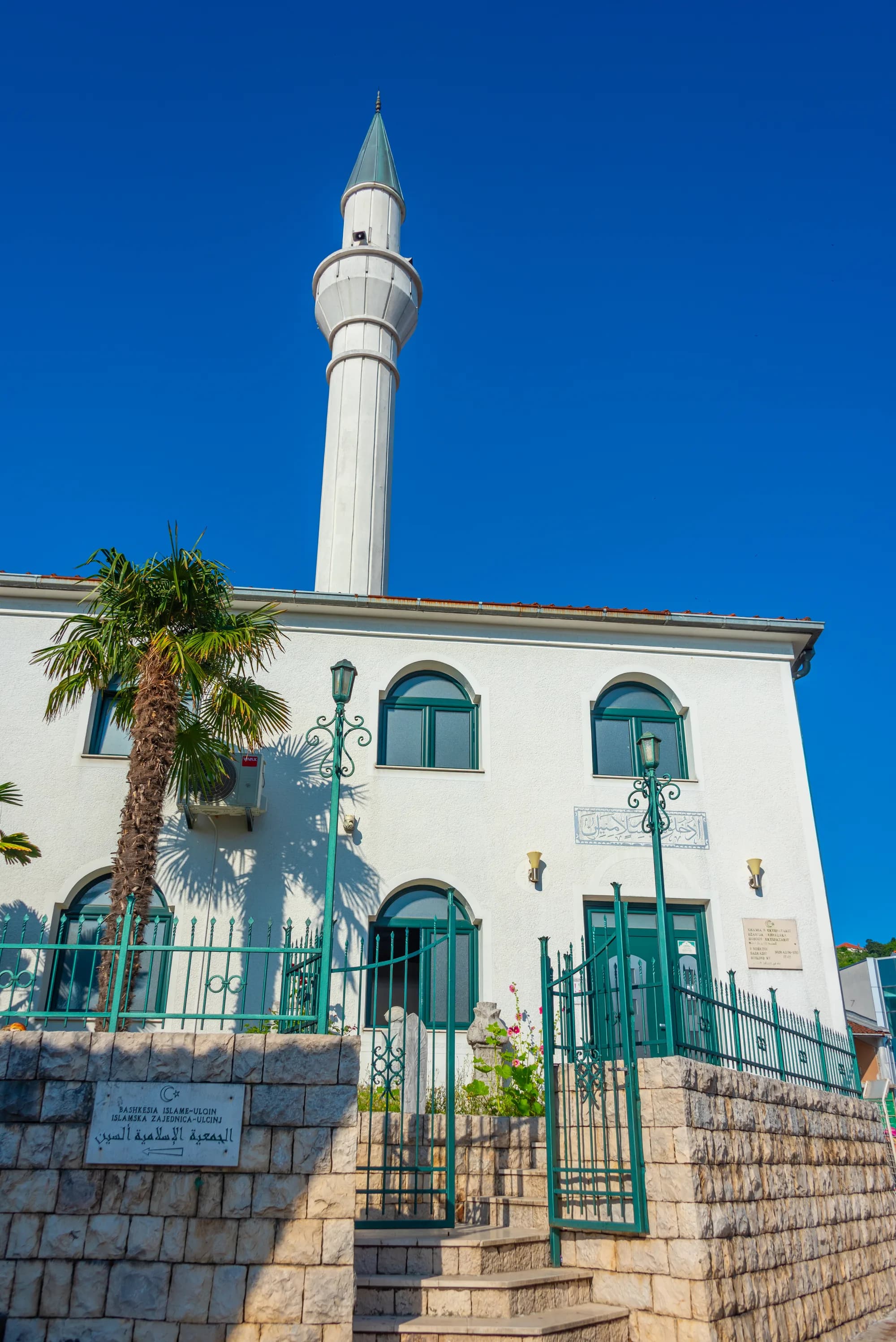
Ulcinj Old Town has been on Montenegro’s UNESCO Tentative List since 2018; that is not World Heritage inscription. The record describes a roughly 29-hectare fortified ensemble protected nationally since 1961. Use the church-mosque guide for the museum building, the Sailors’ Mosque guide for maritime religion, and the Port Milena heritage guide for another way to read work and water.
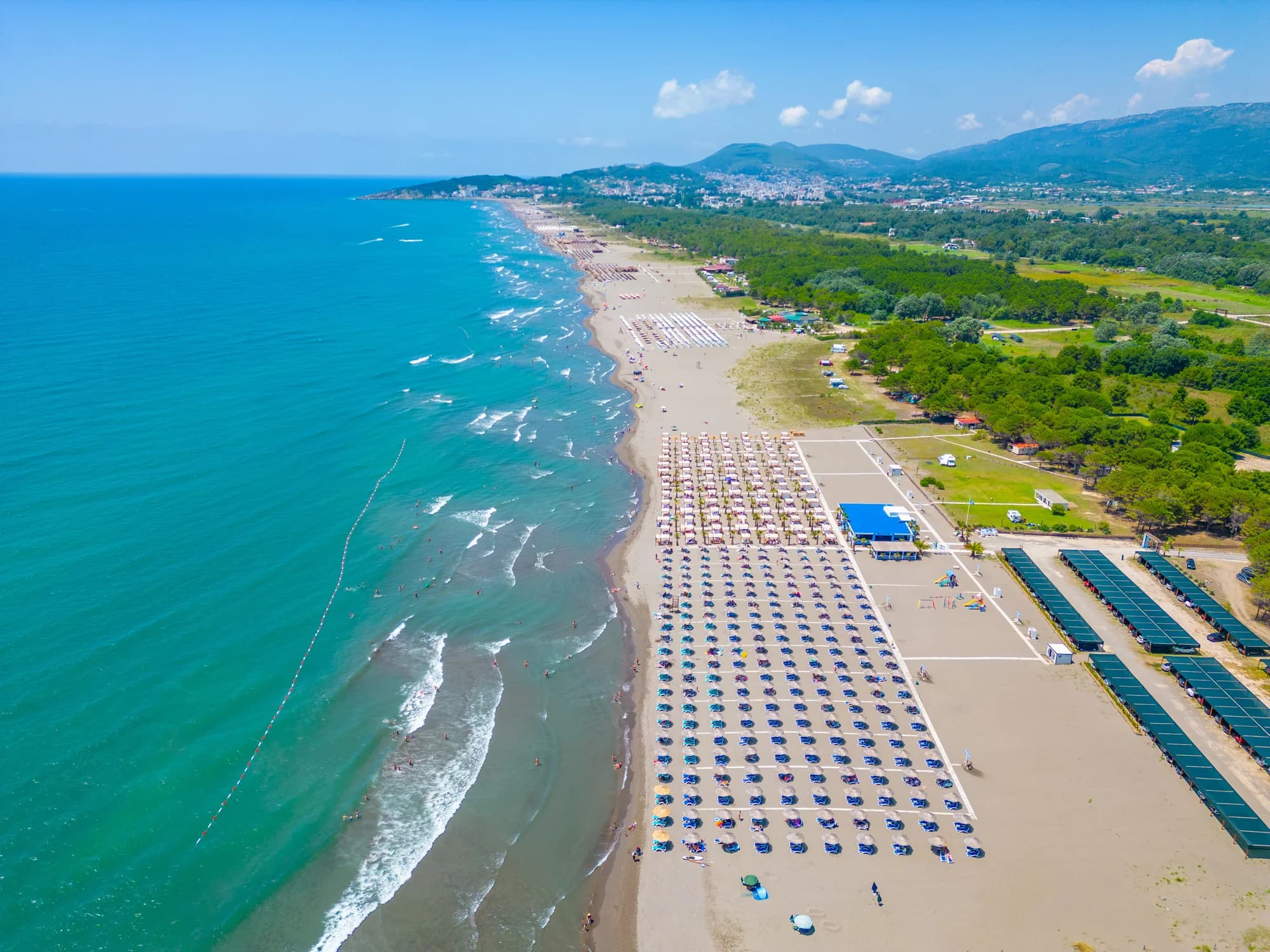
For longer planning, the where-to-stay guide separates Old Town atmosphere from beach access. The Velika Plaža guide handles the coast beyond the fortress, while the Ulcinj Salina guide adds an evidence-led conservation day.
Frequently asked questions
Was Cervantes imprisoned in Ulcinj?
No documentary evidence reviewed for this guide establishes that. His 1575–1580 captivity is well documented in Algiers. Ulcinj’s tourism authority explicitly presents the local account as legend.
Did Dulcinea’s name come from Dulcigno?
The resemblance is real and memorable, but no reviewed philological evidence proves derivation. In Don Quixote, Dulcinea is the invented elevated name given to Aldonza Lorenzo of El Toboso.
Was there really a slave market in Ulcinj?
Yes. Local heritage interpretation identifies the square, while Dubrovnik archival research independently documents Ulcinj corsairs capturing and enslaving people in the early 18th century.
Who was enslaved?
Evidence includes captives from Adriatic and Italian coasts held for ransom, and Africans brought through Mediterranean trading networks. Routes, legal conditions and outcomes differed; there was no single captive experience.
Is Ulcinj Old Town a UNESCO World Heritage Site?
No. It is on Montenegro’s Tentative List, submitted in 2018. Tentative status is a prerequisite planning category, not inscription.
Can I visit the museum from the square?
The museum occupies the church-mosque complex nearby, but opening hours and tickets can change. Check current local information rather than relying on an undated schedule.