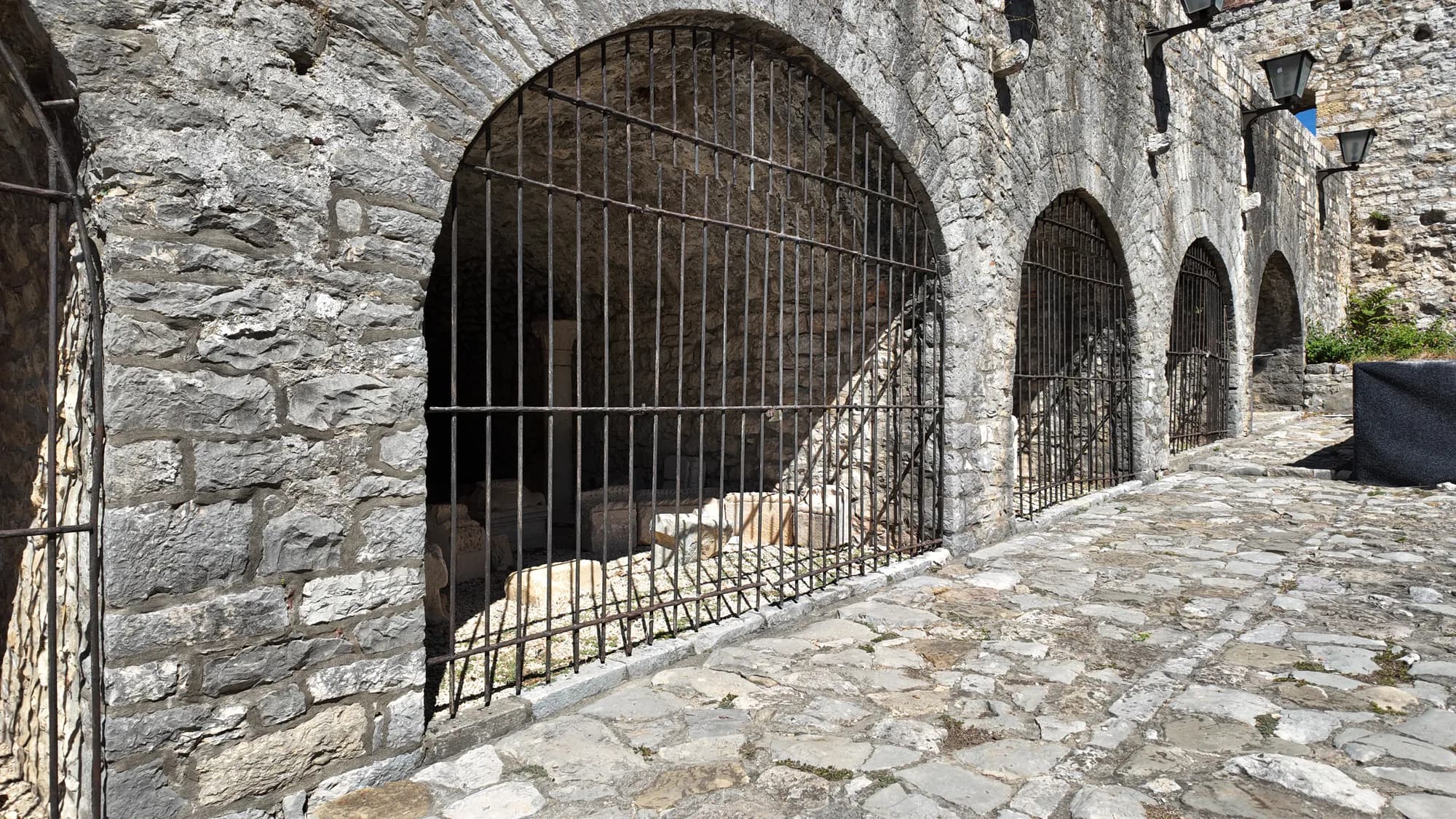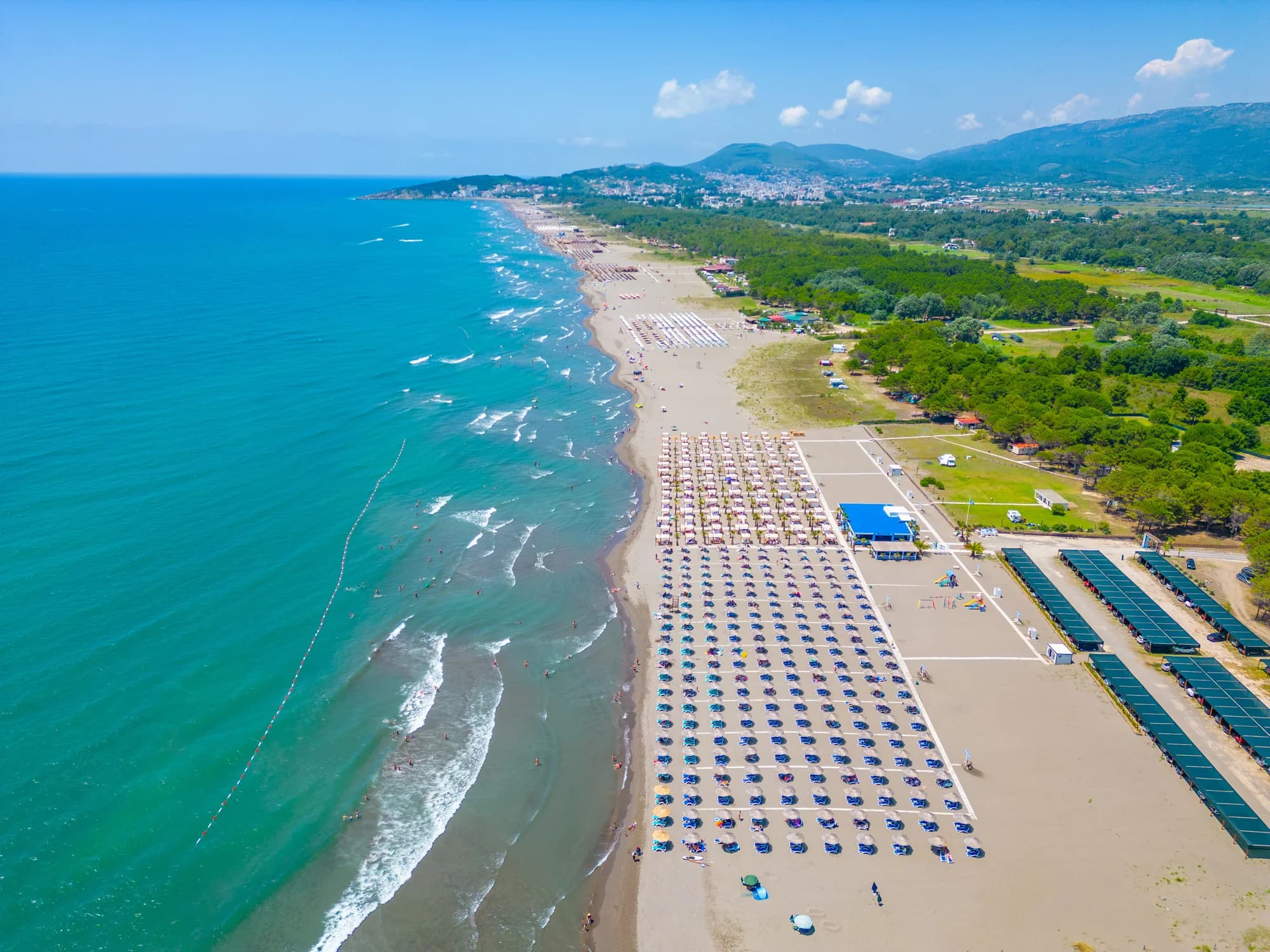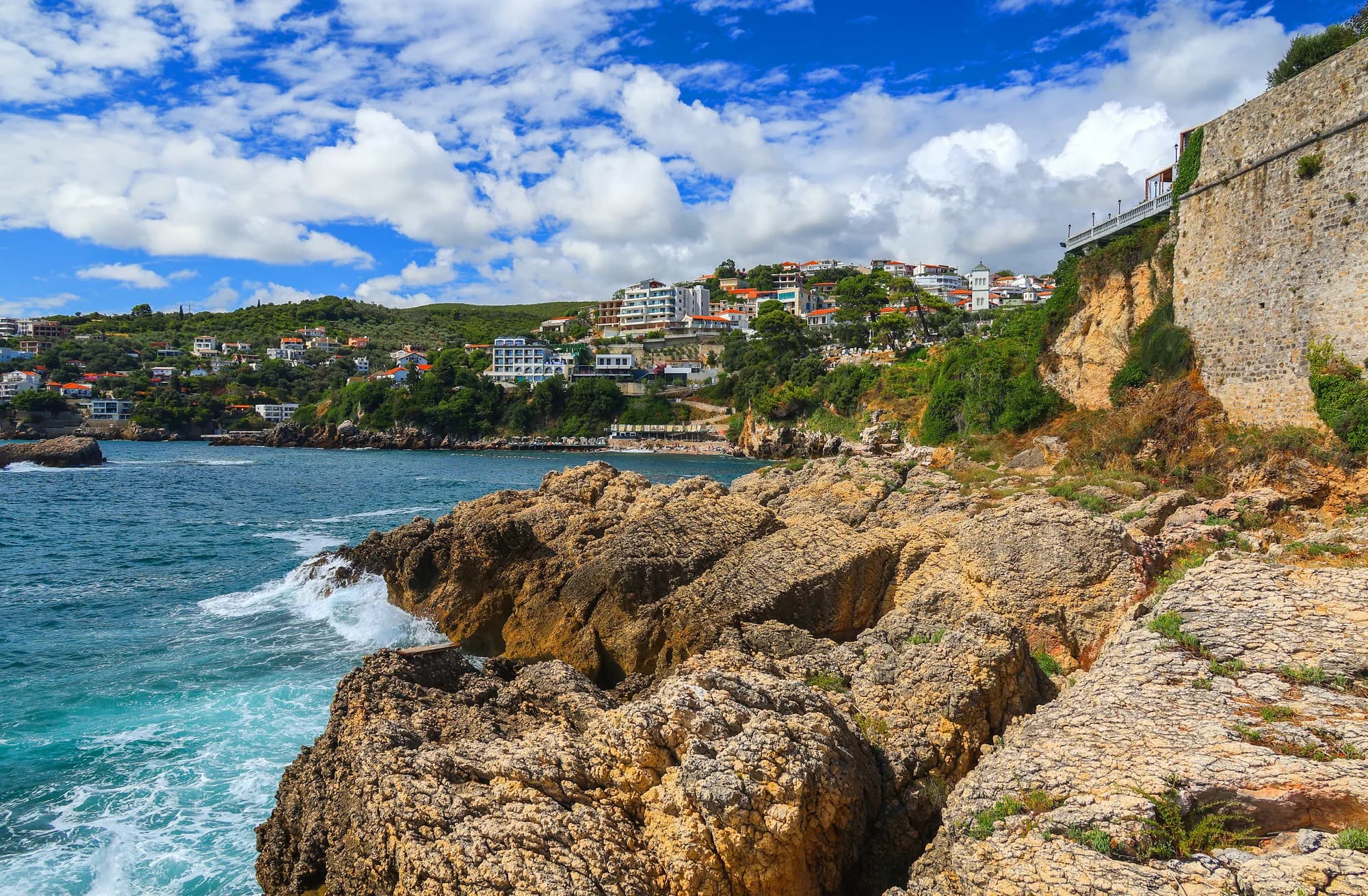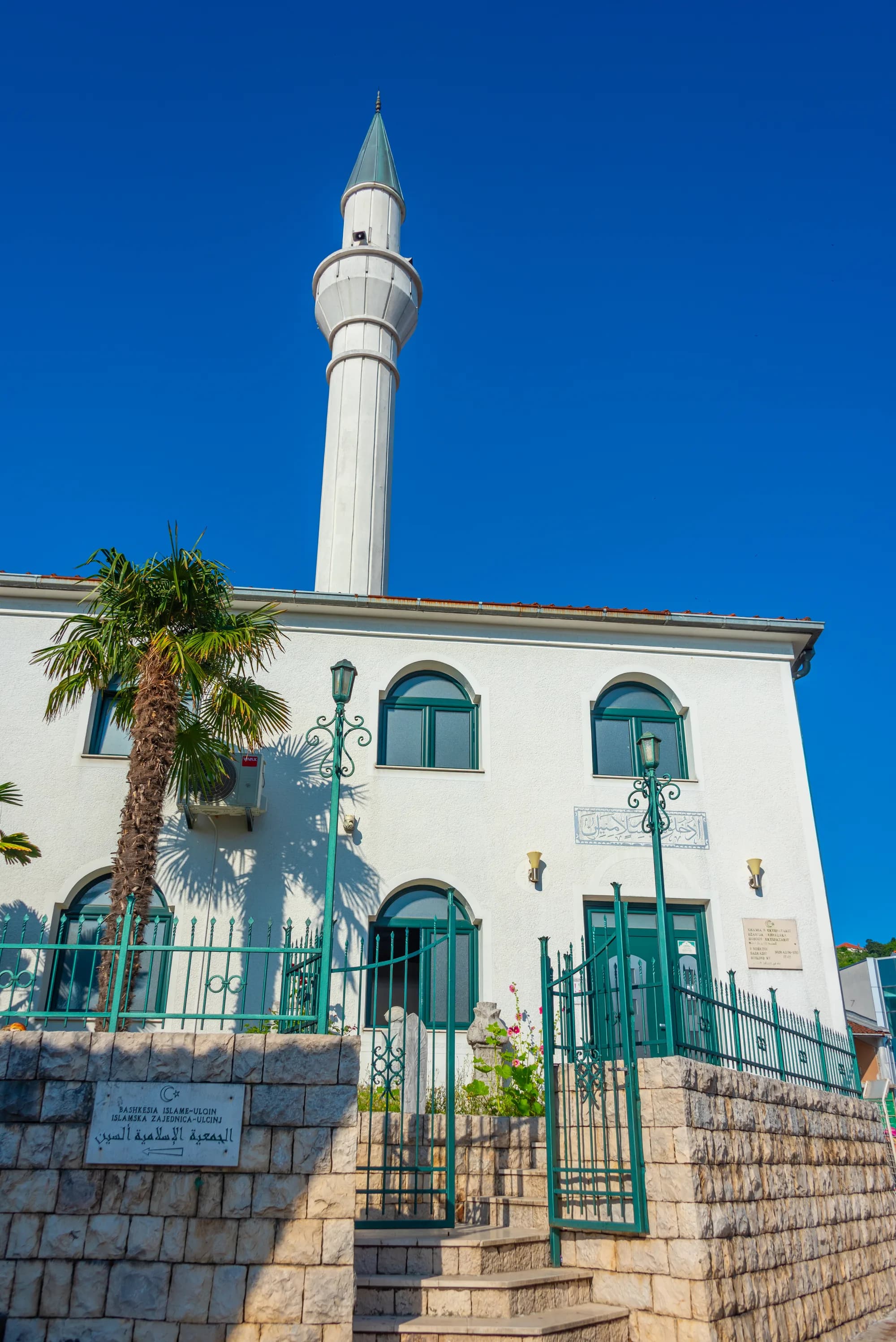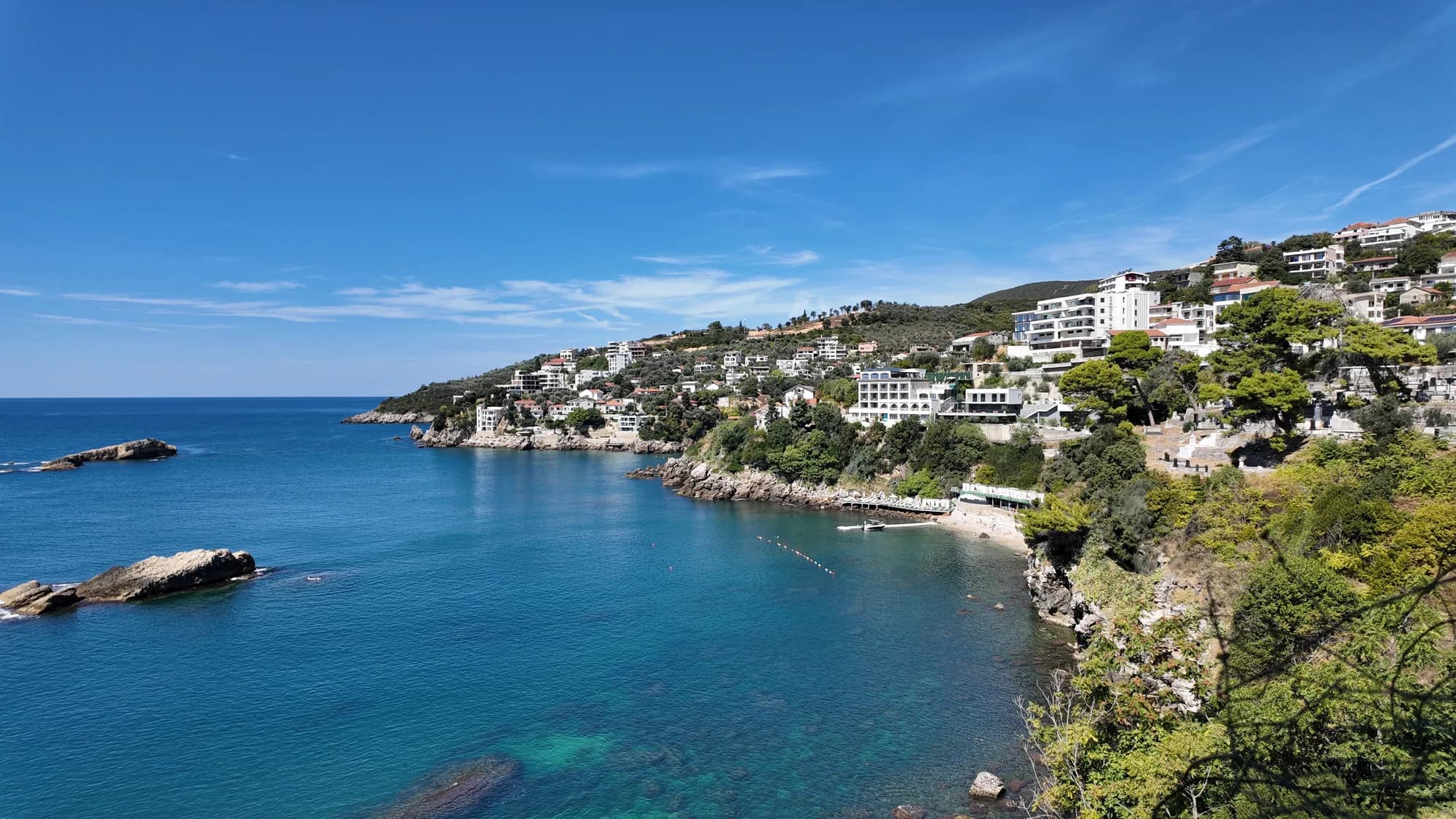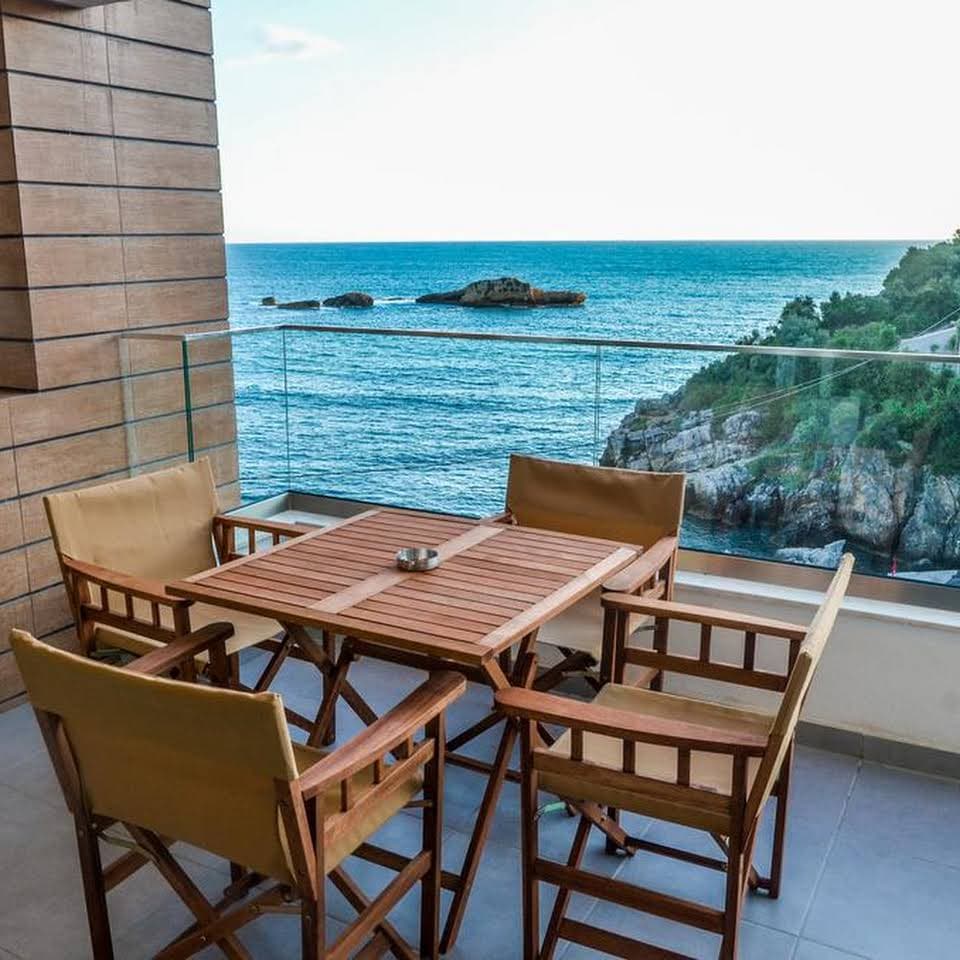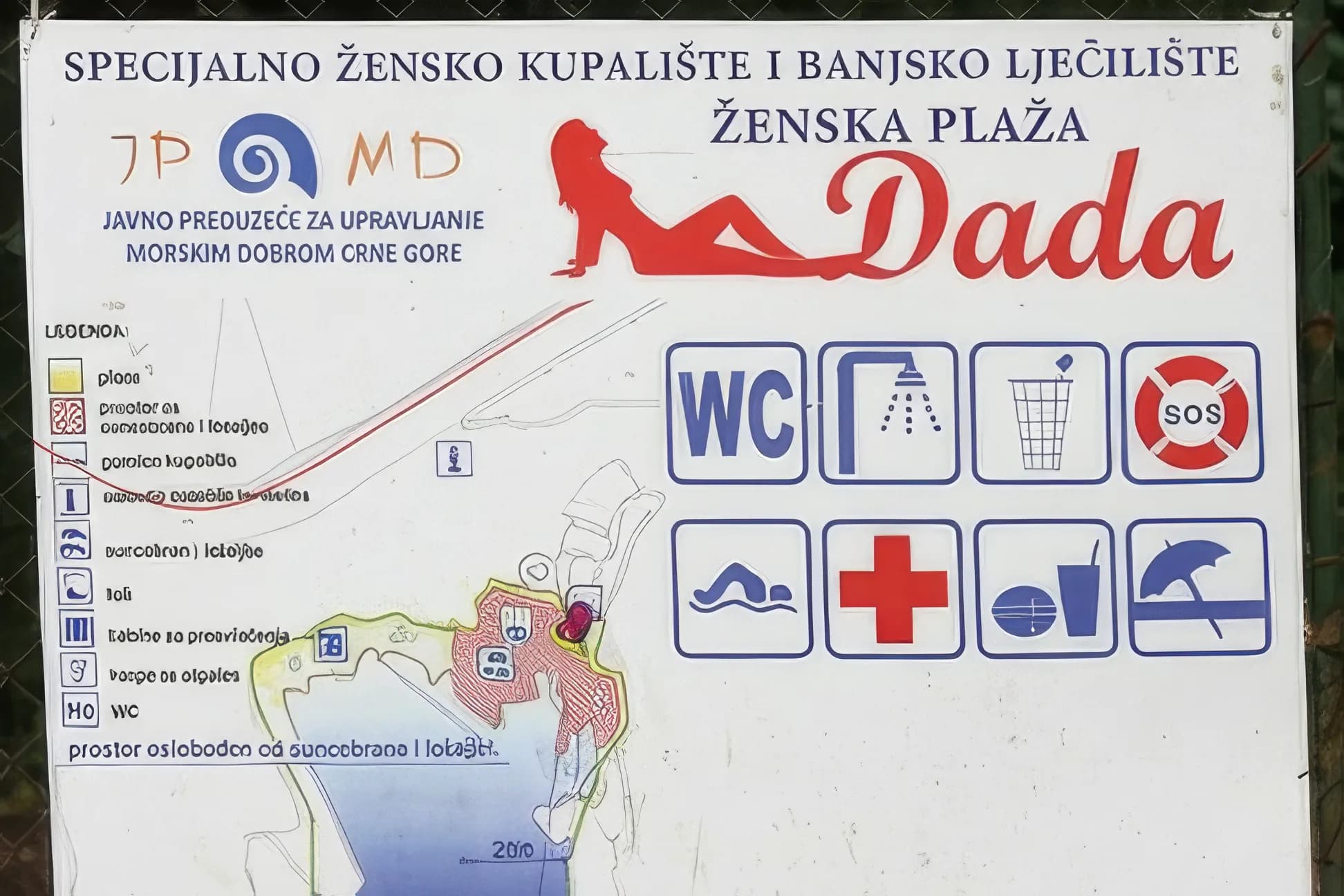
Ženska Plaža—Ladies Beach—is a small, screened cove in Ulcinj’s pine belt, known for a mineral spring and for its long role as a women-focused bathing space. It is also surrounded by unusually strong claims: that the water treats infertility, that a cave ritual brings pregnancy, that sulphur smell proves a therapeutic dose, and that access rules never change. A useful guide must separate the physical spring, the social tradition, the operator’s current rules and medical evidence.
The cove can be meaningful without being medicine. Women come for privacy, body comfort, shared custom, sea bathing and the atmosphere beneath the pines. None of those experiences needs a fertility promise. If you are considering a visit, start with admission and water conditions, protect other visitors from photography, and keep healthcare decisions with qualified clinicians.
| Layer | What it is | Status |
|---|---|---|
| SPRING | measured minerals | physical evidence |
| SPACE | women-focused | privacy practice |
| FOLKLORE | ritual and hope | not a trial |
| CARE | diagnosis | evidence-based |
Source: ulcinj.travel, montenegro.travel, who.int
What is verified about the cove
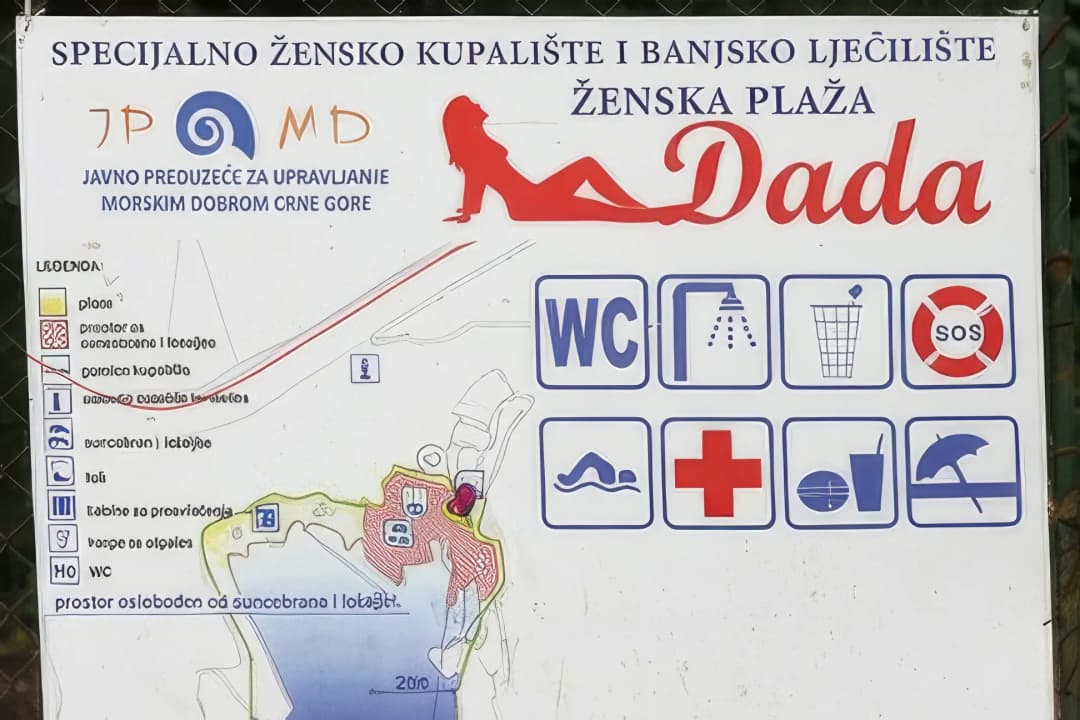
The Ulcinj Tourism Organisation locates the beach between Hotel Albatros and the former Hotel Galeb site. It describes a spring emerging in the shallows and says the beach is mostly visited by women from May to October. Montenegro’s national tourism organisation describes it more directly as a women-only cove. A coastal-planning document classifies Ženska Plaža as a special bathing area on the Albatros–Cape Đerane corridor.
That establishes identity and approximate seasonal pattern, not today’s complete operating sheet. The accessible primary pages do not provide a durable 2026 entrance price, daily opening hours, accepted payment, facility inventory or detailed admission criteria. Treat all of those as same-day questions. The women-only purpose is central to the place; visitors and companions should follow the posted rule and staff direction without debate at the entrance.
| Question | What evidence supports | What still needs checking |
|---|---|---|
| Is there a mineral spring? | Yes; government planning records historical borehole measurements | Current composition and exposure at the bathing point |
| Is it women-only? | National tourism describes it that way; local tourism emphasizes women visitors | Today’s hours, enforcement and operator-defined admission policy |
| Does it treat infertility? | There is strong local belief and promotional/medical commentary | No clinical evidence found that makes bathing an infertility treatment |
| Is the water safe today? | Montenegro runs sanitary bathing-water monitoring | The latest result for the exact site, if it is a monitored station |
| Can visitors enter the cave? | Research documents sensitive bat habitat | Current legal access; non-entry is the responsible default |
What the spring measurements do—and do not—show
A Government of Montenegro coastal spatial plan reports that two boreholes at Ženska Plaža could yield more than 10 litres per second of mineral water at 24°C. It records hydrogen sulphide at 44.2 mg/l and total mineralisation of 19–22 g/l, with chemistry similar in part to seawater. These are concrete physical measurements and a useful explanation for the cove’s mineral character.
They are not a current beach test. The plan draws on earlier investigations; a borehole sample is not identical to the diluted mixture a swimmer encounters after spring water enters moving seawater. It also does not measure the air a visitor breathes, demonstrate a safe exposure dose or report pregnancy outcomes. “Mineral,” “sulphur-rich” and “therapeutic” should never be treated as interchangeable scientific conclusions.
| Measurement | Value |
|---|---|
| borehole yield | >10 L/s |
| recorded water | 24°C |
| H₂S reported | 44.2 mg/L |
| mineralisation | 19–22 g/L |
| Caveat | Historical borehole data ≠ current bathing exposure or clinical efficacy. |
Source: wapi.gov.me
Fertility tradition versus medical evidence
The fertility association is part of Ulcinj’s cultural history. The local tourism page describes early-morning bathing and a ritual near the rock; ethnographic research treats Ladies Beach as a female social and ritual space used by women from several Western Balkan communities. That scholarship helps explain why the cove carries hope, privacy and shared memory. It does not test whether bathing increases live-birth rates.
The WHO’s 2025 infertility guideline organizes prevention, diagnosis and treatment around evidence and cause. The NHS states plainly that there is no evidence complementary therapies for fertility problems are effective. Its diagnostic guidance also explains why assessment may involve both partners and why age or other risk factors can make earlier medical advice important.
The honest rule is simple: visit for the place, not as a substitute for care. Do not delay an appointment, stop medication, abandon a treatment plan or interpret a menstrual change as proof of a spring effect. Anyone pregnant, trying to conceive, managing a respiratory condition, using fertility medication or concerned about skin exposure should ask a clinician familiar with their history—not beach staff or a travel article—for individualized advice.
| Setting | What it involves | Evidence standing |
|---|---|---|
| BEACH VISIT | privacy • rest; tradition • swimming | may support wellbeing |
| FERTILITY CARE | assessment • diagnosis; cause-specific treatment | requires clinical evidence |
| Rule | Companion experience, never replacement treatment. |
Source: who.int, nhs.uk
Sulphur smell and sensible exposure
Hydrogen sulphide is the gas associated with the familiar rotten-egg smell at sulphur springs. ATSDR identifies inhalation as the principal exposure route and warns that smell is not a dependable gauge at harmful concentrations because olfactory fatigue can occur. That occupational and toxicological warning must not be misused in the other direction: no current air measurement was found for the cove, so this guide cannot declare ordinary outdoor bathing either hazardous or therapeutic.
Use symptoms and site instructions, not curiosity, as the decision point. Leave the area for fresh air immediately if you develop eye or throat irritation, headache, dizziness, nausea, weakness or breathing difficulty. Seek urgent help for severe or persistent symptoms. Do not remain in an enclosed cave or low, poorly ventilated hollow to intensify the smell. Do not drink spring or seawater; historic promotional writing that suggests drinking is not a modern safety instruction.
| Step | Action |
|---|---|
| SMELL | not a dose meter |
| SYMPTOMS | stop exposure |
| FRESH AIR | seek help if severe |
| Warning | Never enter an enclosed space to seek a stronger sulphur exposure. |
Source: wwwn.cdc.gov
Women-only space and privacy etiquette
The cove’s value depends on trust. Some visitors may swim or sunbathe without clothing; others may choose more coverage for comfort, faith, sun protection or personal preference. There is no contradiction. The shared obligation is to protect privacy. Keep phones and cameras put away unless staff explicitly permits a specific non-identifying shot and every person who could appear has consented.
Do not photograph from an approach path, drone, boat or neighbouring viewpoint. Do not livestream, tag another visitor’s presence or describe recognizable people afterward. Companions who are not admitted should arrange a meeting point elsewhere and should not wait where they can overlook the cove. If you are uncertain whether the current admission policy includes you, ask the operator discreetly before arrival; this article will not invent eligibility rules.
| Rule | In practice |
|---|---|
| NO IMAGES | phones away |
| NO OVERLOOK | land, sea or drone |
| NO JUDGMENT | coverage is personal |
| NO SHARING | protect identities |
Source: folklore.ee
Check water quality at the exact site
Montenegro’s coastal manager operates a live sanitary bathing-water portal. It monitors bacteria relevant to swimming safety, which is a different question from mineral composition. A July 2025 release said 16 of 18 sampled Ulcinj municipality locations were excellent, one good and one satisfactory. The 2024 environmental report found 14 excellent, three good and one poor among 18 Ulcinj sites, identifying Mala Plaža as the poor site for that season.
Those municipal summaries do not prove a result for Ženska Plaža. Open the portal, select Ulcinj, look for the exact monitored beach or nearest clearly named station, and read the latest sampling date. If the cove is not listed, do not borrow a result from Velika Plaža or another urban beach. After heavy rain, visible pollution, a posted warning or an unexplained closure, wait for current local advice.
| Step | What to check |
|---|---|
| ULCINJ | select town |
| SITE | exact name |
| DATE | latest sample |
| NOTICE | obey locally |
Source: monitoring.morskodobro.me, morskodobro.me, epa.org.me
Swimming and shore access
A sheltered-looking cove is not automatically easy water. Rock and platform entries can be slippery; ladders can be difficult for anyone with reduced strength or mobility; swell can push a swimmer toward stone. Water depth, visibility and lifeguard coverage can change. Do not rely on inherited claims that the shallows make the beach suitable for non-swimmers.
Before entering, identify the usable exit, watch several wave sets and ask whether a lifeguard is present. Wear water shoes if permitted and useful, but do not let footwear create false confidence on algae-covered rock. Swim within your ability, stay close to an exit and avoid entering alone when conditions are uncertain. If access requires steep steps or an uneven path, confirm the physical route before paying or committing to the descent.
| Check | Detail |
|---|---|
| EXIT IDENTIFIED? | ladder / shore |
| WAVES WATCHED? | not one calm moment |
| ABILITY MATCH? | no assumptions |
| ALL YES | enter conservatively |
| ANY NO | stay ashore |
Montenegro.com editorial framework
The cave is habitat, not a treatment room
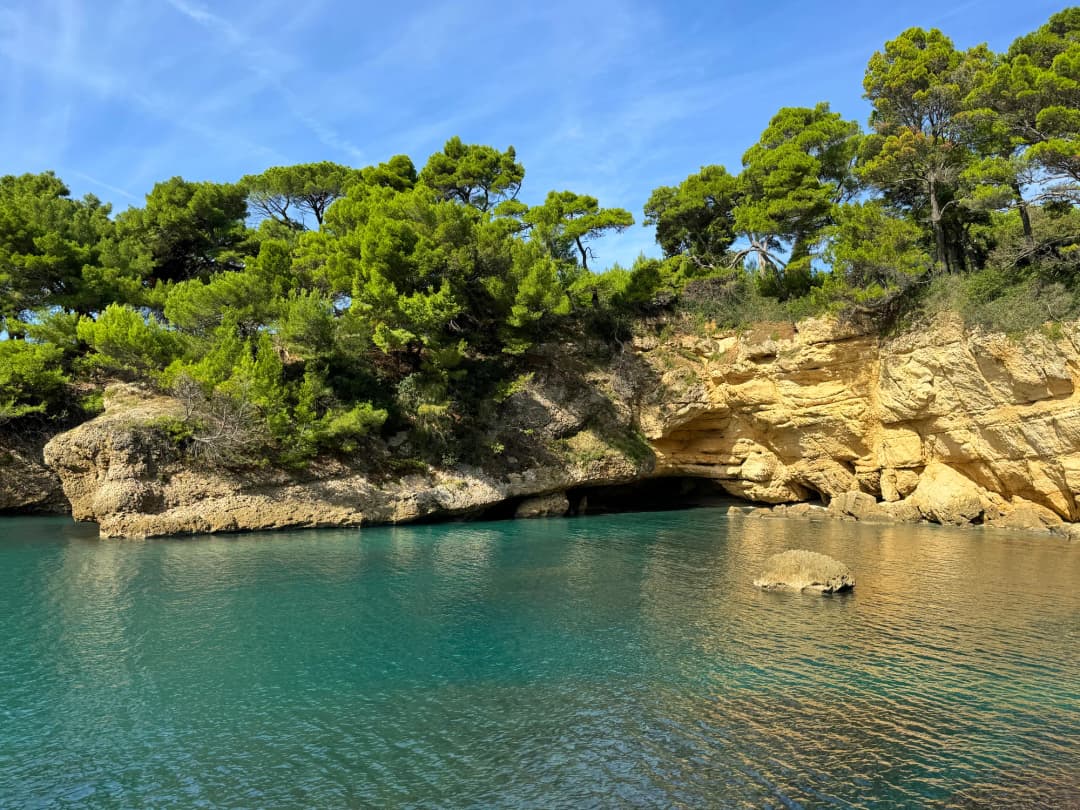
A peer-reviewed survey of Ulcinj’s marine caves found bat populations in Ženska Cave and nearby El Kaminova Cave. The paper also records the strong sulphur smell and the site’s history. This changes the responsible visitor default: do not enter, shine lights, play audio, touch roost surfaces or approach animals. Bats are sensitive to disturbance, and cave geometry can concentrate gas while waves complicate escape.
Historic ritual is best understood through respectful interpretation, not reenacted at ecological cost. If a competent authority explicitly allows limited access, follow its conditions. Otherwise view the rock and cave from the permitted bathing area. Never squeeze past a barrier or follow another visitor into an unstaffed opening.
| Element | Guidance |
|---|---|
| CAVE HABITAT | bats, sulphur, marine-cave conditions |
| RESPONSIBLE DEFAULT | stay outside |
| Lighting and noise | no lights or noise |
| Access | enter only if authorized |
Source: trjfas.org
Practical visit plan
Before leaving: confirm the women-only operating period, today’s hours, price, payment method, facilities and admission policy through current local information. Check the exact-site water result if available, sea forecast and any closure. Bring water, sun protection, a towel, secure footwear and a way to protect valuables without photographing the space.
At the entrance: read every sign, ask where phones must stay and locate the nearest suitable meeting point for anyone not admitted. Confirm toilets, drinking water, shade, first aid and lifeguard presence rather than assuming them. If mobility is a concern, ask about steps, handrails, platform edges and an accessible exit before descending.
During the visit: keep the cove private, avoid the cave, do not ingest water or apply unknown mud, and leave if symptoms or conditions change. A shorter, comfortable visit is better than pursuing a supposed therapeutic duration. The inherited idea that dawn produces a special medical effect belongs to tradition, not measured dose-response evidence.
Plan the return before entering. Save the address of your accommodation and an agreed meeting point offline. Urban Ulcinj is steep in places, and heat can make the walk back harder than the approach. Ask where a taxi can legally stop without blocking the access path. Carry enough drinking water for the return, keep essential medication with you, and avoid leaving documents or electronics unattended. If you need assistance, identify staff while conditions are calm instead of waiting until a problem develops.
Keep a dry layer and simple first-aid supplies outside the splash zone. If weather turns, leave before wet rock, stairs and crowded exits become harder to manage.
| Step | What to do |
|---|---|
| CONFIRM | access + water |
| READ | posted rules |
| PROTECT | privacy + habitat |
| REASSESS | conditions + symptoms |
Source: ulcinj.travel, monitoring.morskodobro.me
Build a balanced Ulcinj itinerary
Ženska Plaža is intentionally small and private, so do not make it carry an entire Ulcinj beach plan. For open sand, sports and a completely different shoreline scale, use the Velika Plaža guide. For lagoon ecology rather than bathing, the Ulcinj Salina article explains access and bird-sensitive conduct. The Port Milena guide adds fishing heritage and water-quality context.
In peak summer, traffic, heat and parking can reshape even a short urban outing; read our high-season planning guide. If you are comparing coastal bases, Montenegro versus Croatia frames the broader trade-offs. The Žukotrlica guide provides a useful contrast between another pine-backed urban shore and its published water results.
For a mixed coast-and-inland trip, connect south-coast days to the Podgorica history guide or reset expectations with North Montenegro without the crowd myth. The point is variety: a private ritual landscape, an ecological reserve, a working waterfront and a long sandy beach ask for different behaviour.
Frequently asked questions
Is Ženska Plaža women-only in 2026?
Montenegro’s national tourism organisation presents it as women-only, and Ulcinj’s official page describes predominantly women visitors from May to October. Confirm today’s operating hours and operator-defined admission policy before travelling.
Does the sulphur water cure infertility?
No clinical evidence found for this guide establishes bathing as an infertility treatment. The association is an important local tradition, but WHO and NHS guidance centres assessment and cause-specific evidence-based care.
Can I swim nude?
Local sources describe nude bathing as a longstanding practice, but follow current posted rules. Clothing choice does not remove the obligation to protect every visitor’s privacy and obtain consent before any image.
Can I drink the spring water?
No. This guide does not recommend drinking untreated spring or seawater. Historical promotional claims are not a current potable-water assessment.
Is the cove safe for non-swimmers?
Do not assume so. Rock, ladders, swell, depth and lifeguard coverage vary. Confirm a safe entry and exit and remain within your swimming ability; stay ashore when uncertain.
Can I enter the cave?
Non-entry is the responsible default. Peer-reviewed research documents bats, and no current public-access authorization was found. Respect barriers and competent-authority instructions.
How do I check water quality?
Use Morsko Dobro’s live portal, select Ulcinj and match the exact monitored location and sample date. Do not assign a municipality-wide result or a different beach’s result to this cove.
What if the beach is closed or I am not admitted?
Respect the decision and use another shore. Velika Plaža offers broad open sand, while the Ulcinj Salina offers a non-swimming nature visit under its own access rules.