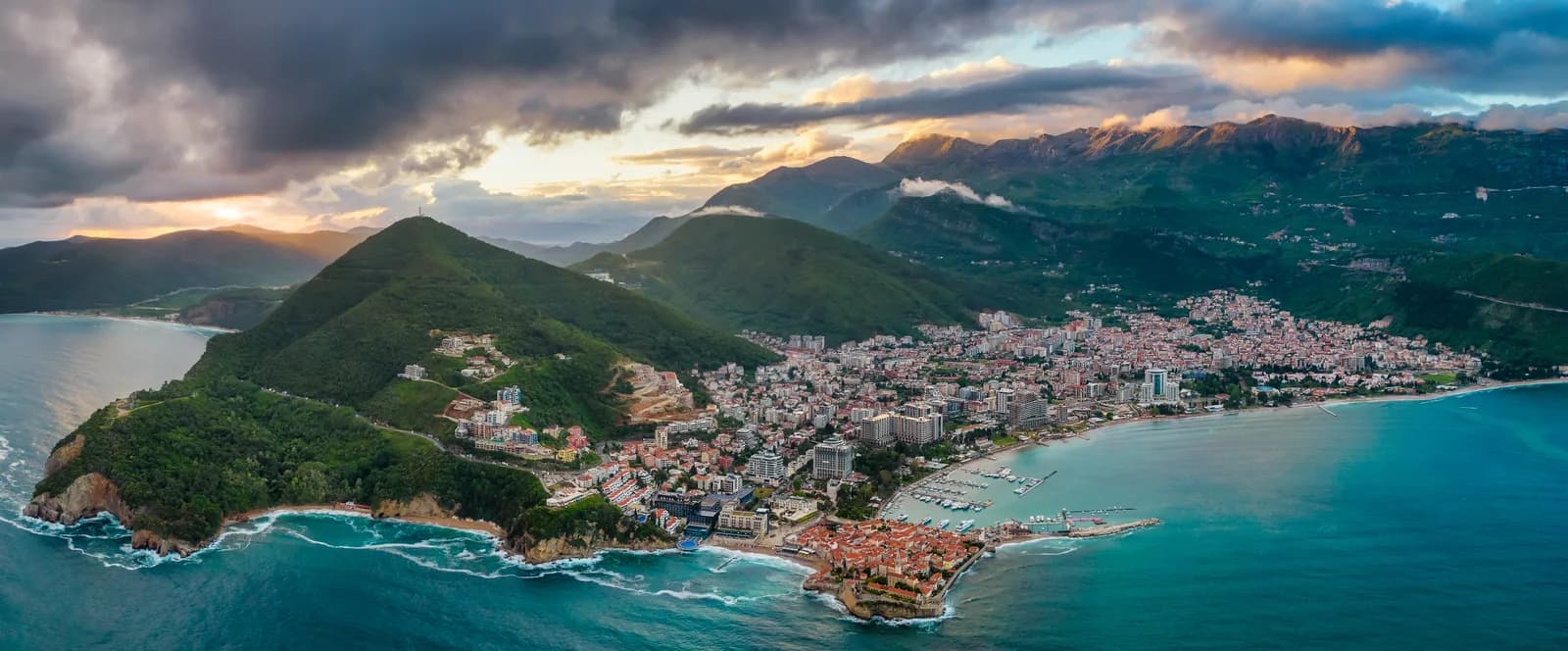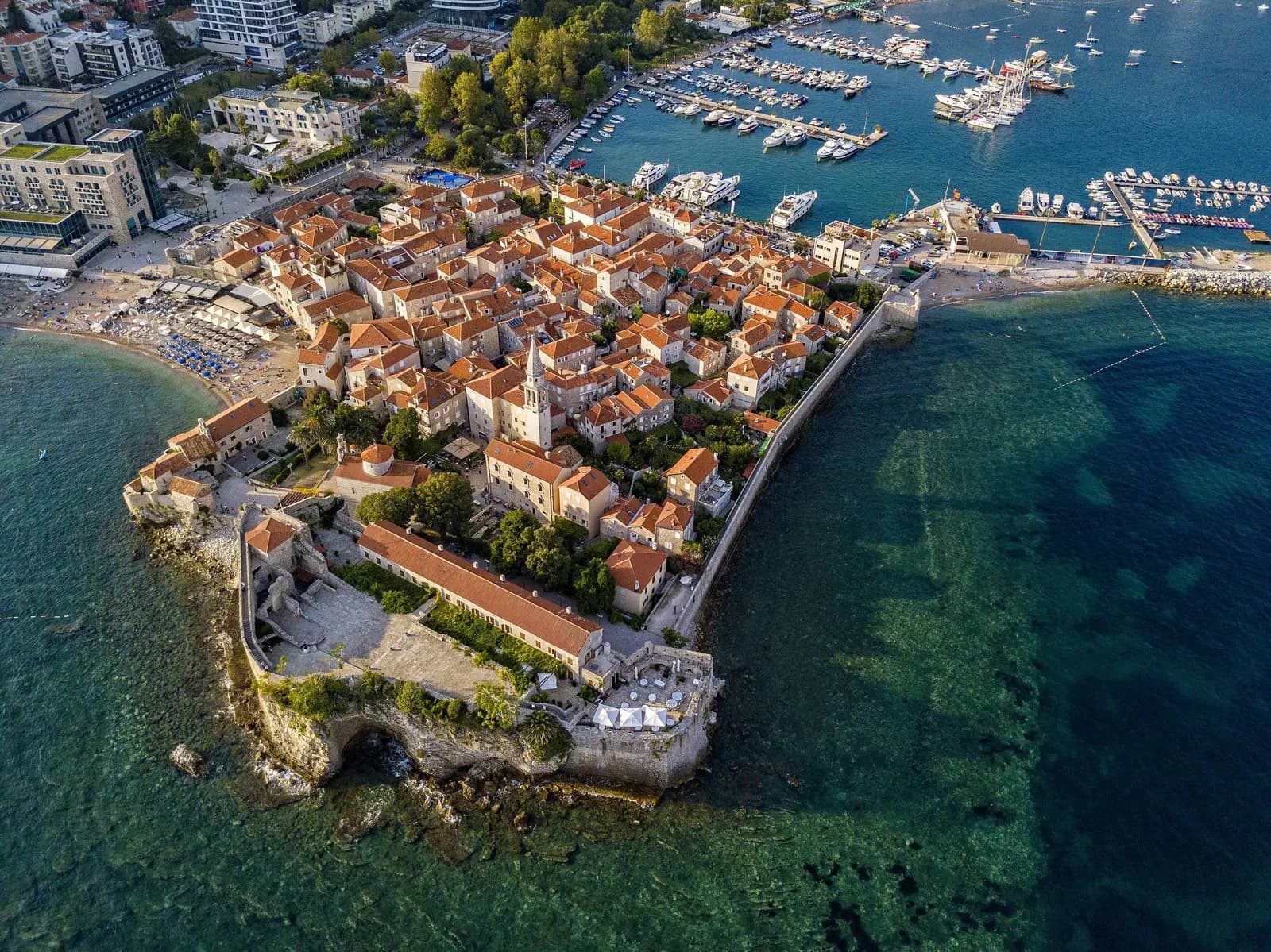
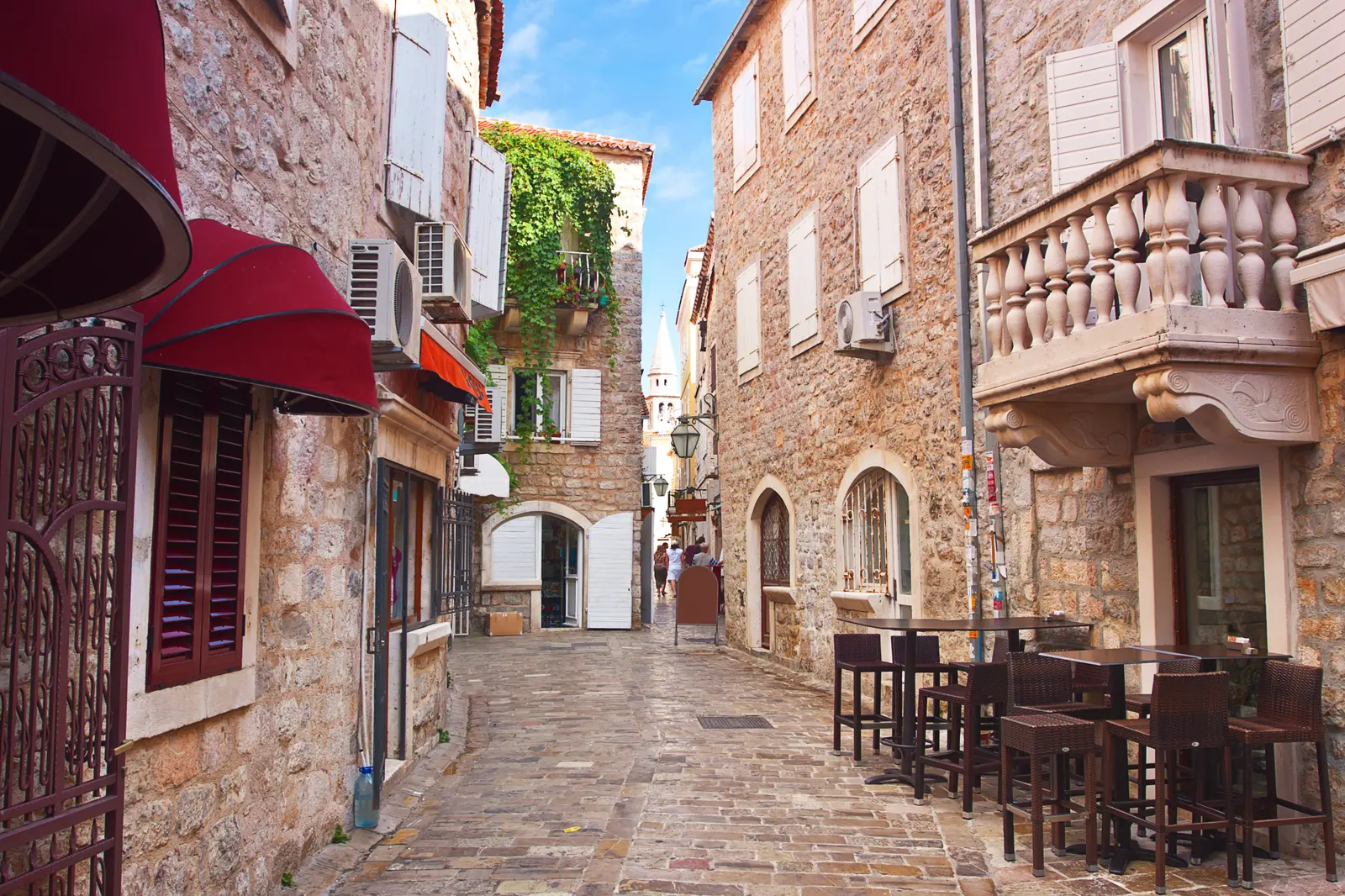
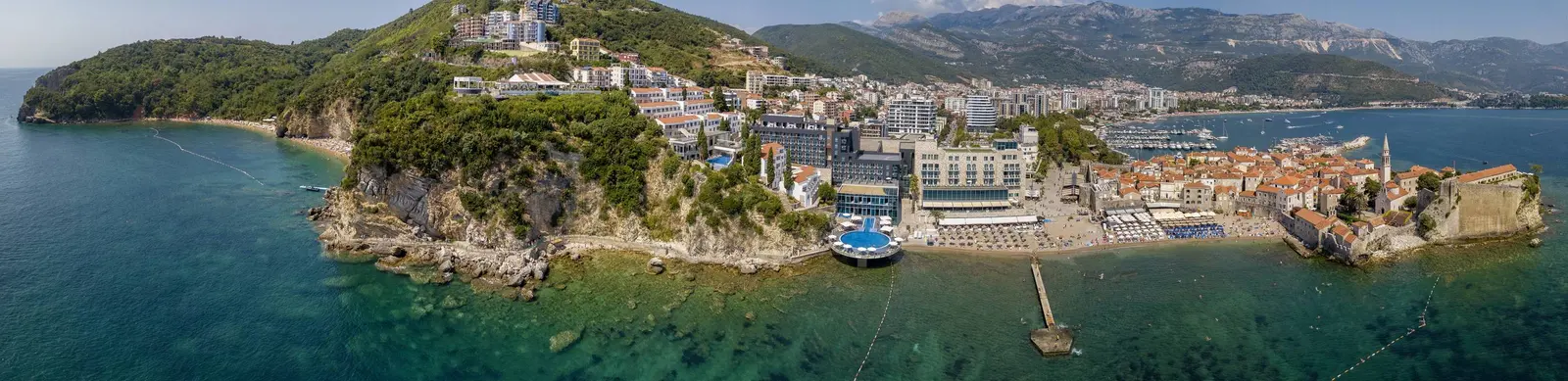
Budva Old Town is not a medieval set frozen at one date. Its peninsula contains an ancient gate, Hellenistic and Roman burials, early Christian remains, medieval churches, Venetian-looking fortifications, nineteenth-century military alterations and a major twentieth-century reconstruction. The honest way to visit is layer by layer.
Cadmus belongs to mythology, while the late-1930s necropolis and excavated gate provide material evidence. The walls visible now are an accumulated structure, heavily shaped by Venetian work and post-earthquake conservation. Following each layer separately makes the city’s long history easier to understand.
| Claim | Evidence label |
|---|---|
| Cadmus founded Budva | Ancient foundation legend |
| Gate pylons date to 7th–6th c. BCE | Archaeological remains |
| Necropolis found in 1937; major-site recognition in 1938 | Two consecutive milestones |
| Venice ruled from 1442 to 1797 | Institutional historical timeline |
| Walls look Venetian | Largely 15th–18th c. interventions |
| Old Town looks intact | Substantially restored after 1979 |
What “2,500 years” means
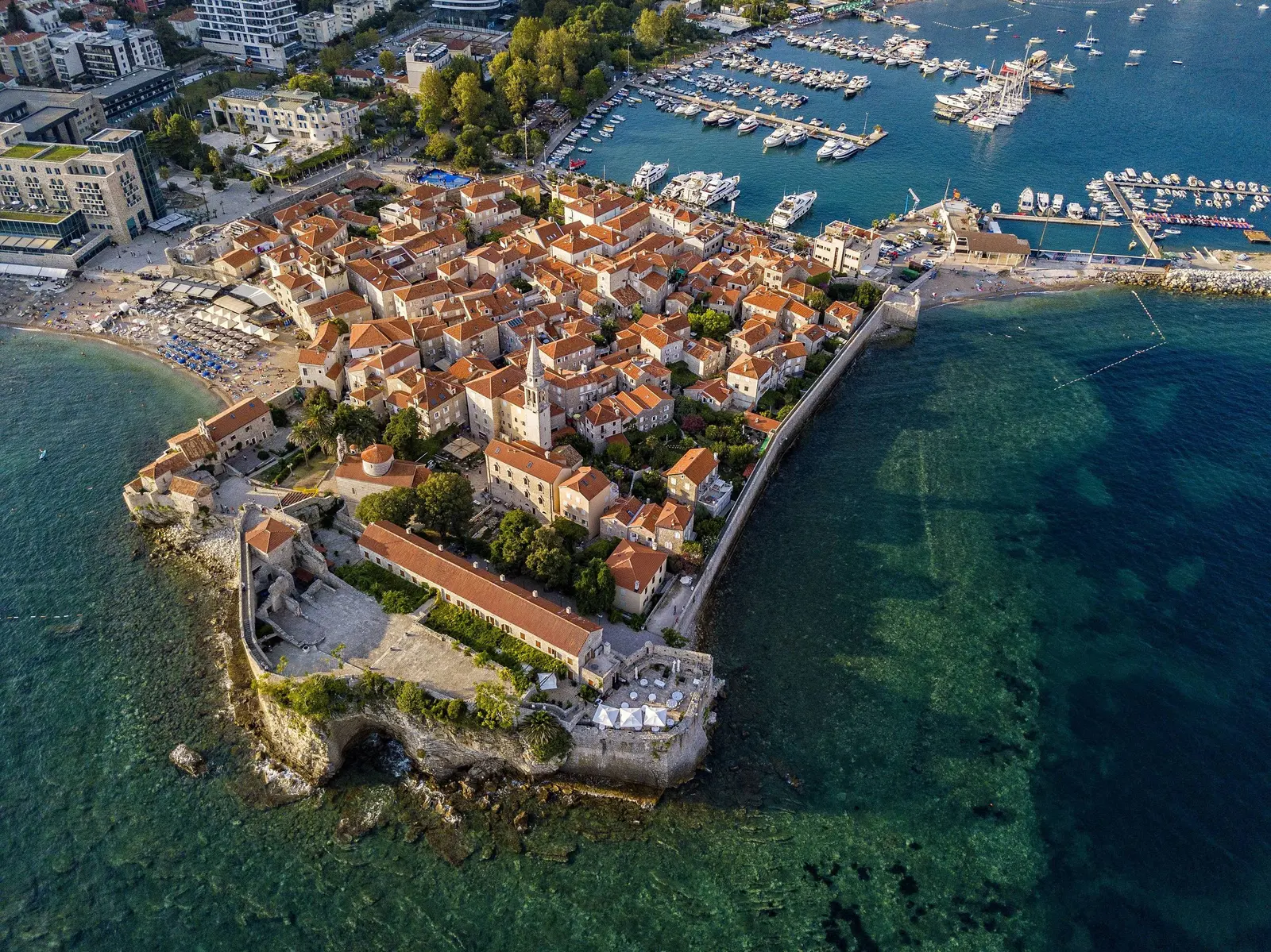
Budva is responsibly described as one of the Adriatic’s oldest urban centres. The Budva Museums heritage inventory dates the pylons of its ancient gate to the seventh–sixth centuries BCE. It also lists the necropolis, Roman paving, baths, capitals, mosaics, altar and stone fountain. Those physical remains are stronger evidence than a slogan about being the single oldest city on the Adriatic.
The tourism authority preserves the story of Cadmus and Harmonia, exiled from Thebes and linked to Budva’s foundation. It also relates the name to an ox-drawn cart and Greek bous. Read this as a foundation legend: culturally important, repeatedly told, but not equivalent to a dated inscription or excavated wall.
What the sources say
Budva Tourism records the necropolis discovery in 1937. The City Museum’s archaeological collection says Budva was recognized as a major archaeological site in 1938. These are consecutive milestones: the find came first, followed by wider institutional recognition.
| Strand | Evidence | Question answered |
|---|---|---|
| Legend | Cadmus + Harmonia; ox-cart etymology | mythic identity |
| Archaeology | 7th–6th c. BCE gate; necropolis + paving | ancient occupation |
| Museum history | 1937 find · 1938 recognition; 1979 excavation | modern research |
Source: muzejiigalerijebd.me, budva.travel
Ancient Budva in the City Museum
The strongest introduction is the City Museum before the walls. Systematic work after the 1979 earthquake exposed a large necropolis west of the main gate, covering Hellenistic, Roman and late-antique periods. The material was conserved in Cetinje and returned to Budva in 2003.
The museum’s archaeological floors connect objects to daily life: Gnathia pottery from the fourth–second centuries BCE, bronze vessels, a strigil, silver fibulae, terracottas, Roman stone monuments and technically sophisticated Hellenistic gold. Roman paving found during repair of the museum building shows that the ancient residential town occupied the area of today’s Old Town.
The institution says the museum covers more than 400 m² on four levels, with archaeology on the first three and later cultural history on the fourth. That sequence is useful: see portable evidence first, then read buildings outside with fewer assumptions.
| Level | Collection | On display |
|---|---|---|
| Level 1 | Archaeology | stone monuments + ancient street |
| Level 2 | Archaeology | Hellenistic pottery + metalwork |
| Level 3 | Archaeology | jewellery + daily life |
| Level 4 | Cultural history | later Budva |
Source: muzejiigalerijebd.me
Budva’s political timeline
Budva’s tourism authority records Saracen destruction in 841. It then places the town under Byzantine rule, for a time within Duklja, and under Nemanjić rulers from the late twelfth century. During the medieval period Budva developed as a port and salt market with a municipal statute.
After a sequence of regional lords, Venice took control in 1442 and remained until the republic fell in 1797. Budva suffered Ottoman attack in 1571 and major earthquake damage in 1667. “Venetian Budva” is useful shorthand for a long period, not a claim that everything within the walls was built then.
The nineteenth-century sequence is not simply “Austria from 1815.” Official history gives Austrian rule in 1797–1806, Russian-Montenegrin administration in 1806–1807, French rule in 1807–1813, then more than a century under the Habsburg monarchy until 1918. Each change left administrative or military context, even where it did not remake the street plan.
| Date | Turning point |
|---|---|
| 841 | Saracen attack |
| late 1100s | Nemanjić period |
| 1442 | Venice begins |
| 1797 | Venice ends |
| 1797–1813 | Austrian, Russian-Montenegrin and French administrations — not one continuous regime |
| 1918 | Habsburg era ends |
Source: budva.travel
Walls and Citadel: accumulated fortification
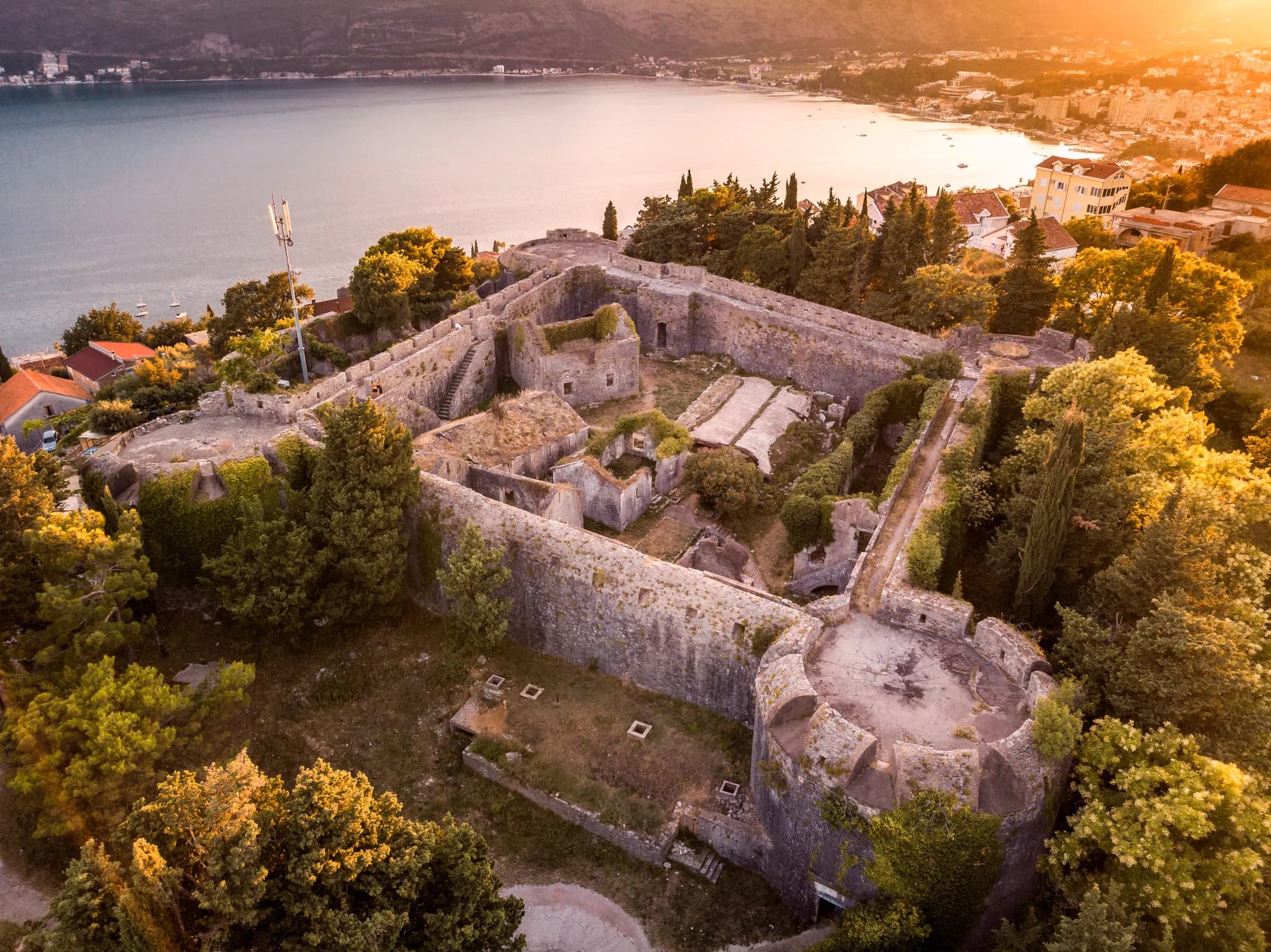
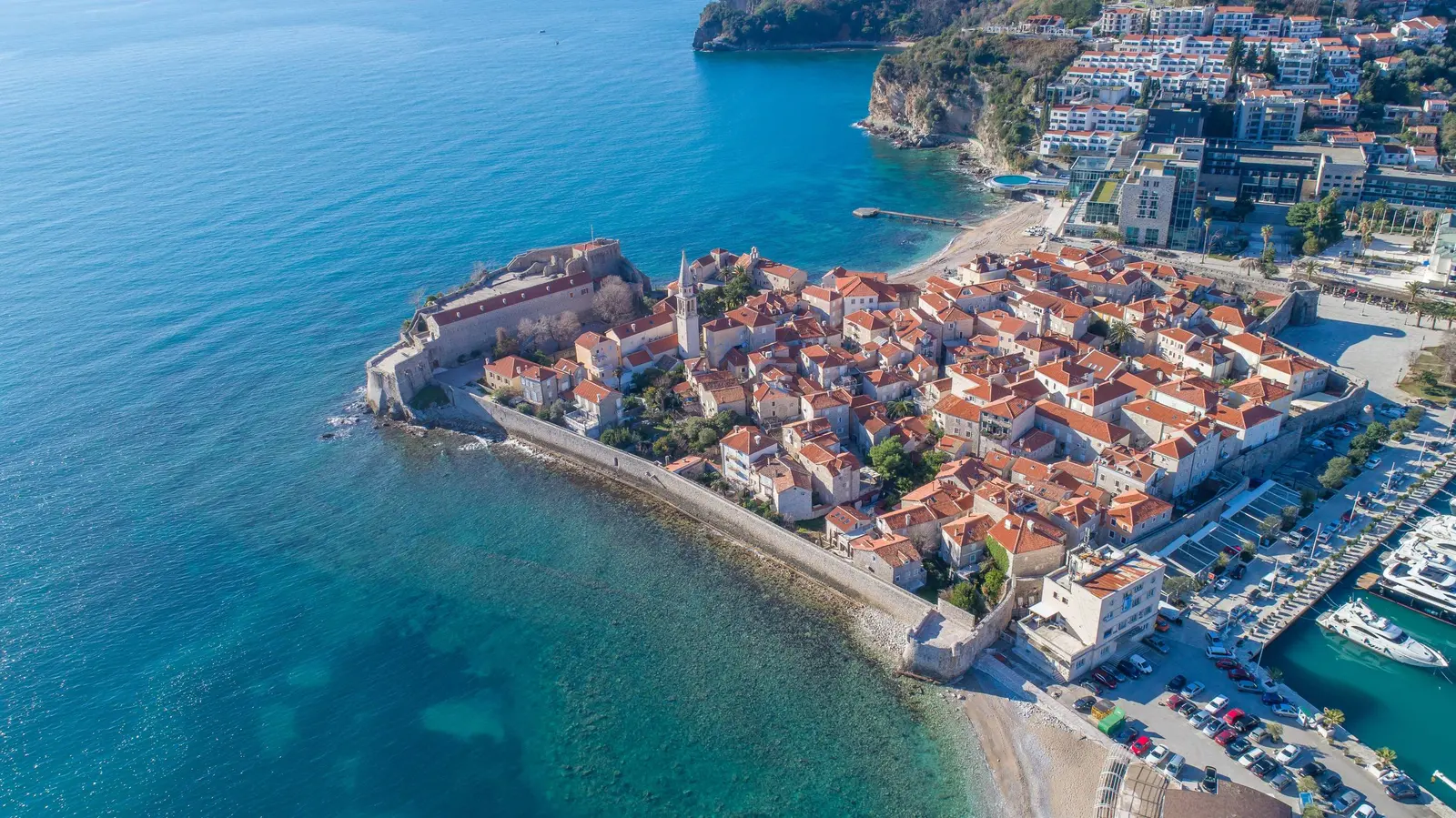
The walls are a palimpsest. Budva Museums says an earlier form is thought to have emerged in the early Byzantine period between the sixth and ninth centuries. Their present appearance is largely the result of Venetian interventions from the fifteenth through eighteenth centuries. The winged lions visible in relief belong to that later layer.
The Citadel is similarly cumulative. The tourism authority says the fort is first mentioned in 1425, not that today’s building was completed in the ninth century. Nineteenth-century expansion and reconstruction demolished the small Santa Maria de Castello church and adapted the fort for a military garrison. The Citadel is now privately owned with museum and hospitality functions.
That ownership matters practically. The public tourism page does not list current Citadel hours or a ticket price. Verify at the entrance; do not confuse access to public Old Town lanes with admission to a privately operated interior. For another way urban history and fortification differ across the coast, compare Kotor and Dubrovnik.
| Period | Building phase |
|---|---|
| 6th–9th c. | presumed early wall form |
| 15th–18th c. | major Venetian interventions |
| 19th c. | Citadel expansion + garrison use |
| after 1979 | restoration adds another conservation layer |
Source: muzejiigalerijebd.me, budva.travel
The church group: six dates, different meanings
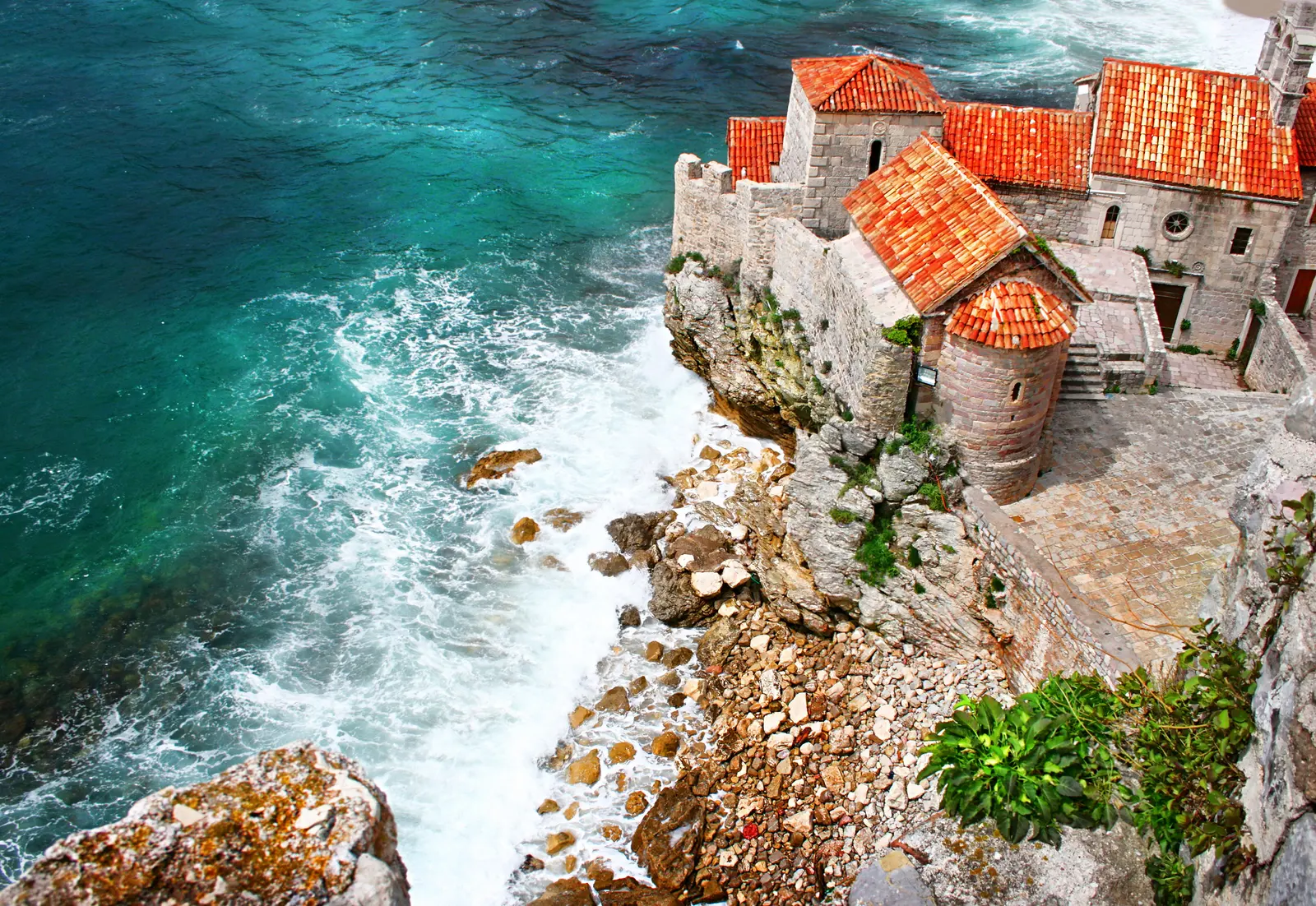
The church precinct near the Citadel compresses more than a millennium of sacred architecture. Budva Museums links the origins of St John to the seventh century; dates Santa Maria in Punta to 840; St Sava the Sanctified to the twelfth century; the surviving Santa Maria de Castello remains to the fourteenth; and Holy Trinity to 1804. The early Christian basilica nearby belongs to the end of the fifth or beginning of the sixth century.
These are origin or period labels, not guarantees that every wall, roof or furnishing survives unchanged. Santa Maria de Castello is an archaeological remain. The basilica was excavated in 1982–1983 after the earthquake opened the way for systematic research, and its floor mosaic entered a long conservation history. Holy Trinity is much later than the medieval fabric around it.
Enter active churches quietly, dress appropriately and ask before photographing interiors or services. Interior schedules vary and are not published as one unified timetable. The precinct remains visible from public space, but confirm entry locally rather than building a timed route around it.
| Site | Date / origin |
|---|---|
| Basilica | late 5th / early 6th c. |
| St John | origins linked to 7th c. |
| Santa Maria in Punta | 840 |
| St Sava | 12th c. |
| Maria de Castello | 14th-c. remains |
| Holy Trinity | 1804 |
Source: muzejiigalerijebd.me
Earthquakes changed both buildings and knowledge
Budva suffered severe damage in the 1667 earthquake and significant destruction again in 1979. The tourism authority says the latter was successfully repaired over the next decade. That recovery is part of the heritage story: the Old Town seen today is neither a replica nor an untouched medieval survivor, but historic fabric stabilized, repaired and reconstructed through conservation decisions.
The 1979 disaster also enabled systematic archaeological work. Excavations revealed the large necropolis and the early Christian basilica. This is not a reason to romanticize destruction; it is an example of documentation and conservation following loss.
Look for differences in masonry, roof work and repaired surfaces without assuming a new-looking stone is inauthentic. Conservation often preserves form, structural safety and legibility using intervention. For another city where walls and layered history dominate the visit, our Risan, Perast and Kotor route offers a useful comparison.
| Date | Event |
|---|---|
| 1667 | severe damage |
| 1979 | earthquake |
| 1980s | repair + research |
Source: budva.travel, muzejiigalerijebd.me
Practical 2026 route through the Old Town
1. Main land gate and ancient pylons. Begin outside the principal gate, where the necropolis extended west toward Spas hill. Find the interpretation for the ancient gate before entering. The city and museum installed bilingual signs at 18 buildings and squares, but condition can vary.
2. City Museum. At Petra I Petrovića 11, use the archaeology floors to establish the ancient sequence. On 30 August 2026, the official visitor page listed Monday closed; Tuesday–Friday 08:00–22:00; weekends 14:00–21:00. Adult admission was €5, groups of five or more €4, ages 12–18 €3 and under-12s free. Recheck before relying on these times.
3. Interior lanes and civic culture. Walk slowly through the small squares rather than following the shortest line to the Citadel. The Modern Gallery and Stefan Mitrov Ljubiša Memorial House provide later artistic and literary context. The official visitor page lists free entry and separate weekly schedules for these venues. This is the place to continue with our guide to Budva beyond beaches.
4. Church precinct and basilica. Read the six-site chronology, respect worship and treat archaeological remains as non-climbable. If an interior is closed, the urban relationship is still legible from the square.
5. Citadel and walls. Ask the Citadel for current access and price. The official walls page listed daily 10:00–20:00 from April through November and €2 admission including a history brochure. Weather, maintenance and events may alter access. Elevated wall routes involve stairs and exposed edges; no complete step-free route is published.
| Step | Stop |
|---|---|
| 1 | Gate + necropolis context |
| 2 | City Museum |
| 3 | Lanes + civic culture |
| 4 | Church precinct |
| 5 | Citadel + walls |
Source: muzejiigalerijebd.me, budva.travel
Access, crowds and respectful use
Old Town lanes are pedestrian, but “pedestrian” does not mean uniformly accessible. Expect stone paving, thresholds, stairs and narrow passages. Contact the City Museum on +382 33 453 308 if access to a particular floor is essential. The walls should be treated as a stair-and-height experience unless the operator confirms otherwise.
For a quieter visit, arrive outside peak evening dining hours, but do not rely on a universal “best time”: museum schedules, heat, events and cruise or excursion groups vary. Do not block resident doorways or church entrances for photographs. Keep drones grounded unless aviation, heritage, privacy and local rules all allow the exact flight.
The Old Town is not an open-air museum without residents and businesses. Interpretation is strongest when paired with living culture. The nearby Budva–Bečići tunnel gallery shows a modern public-art layer, while Drobni Pijesak and Paštrovići history extends the civic story down the coast.
Add the coast as a separate plan
Keep the history route focused enough to notice the ancient gate, museum objects, wall phases and church chronology. Beaches, monastery drives and boat trips depend on current access, weather, operators and sea conditions, so plan them separately and confirm the practical details.
If you want the coast after the Old Town, make a separate plan. Sveti Nikola island depends on current boat and sea conditions. Rafailovići offers a different relationship between historic settlement and tourism. Neither should be presented as automatic from Budva’s main gate.
Frequently asked questions
Is Budva the oldest city on the Adriatic?
Budva is one of the Adriatic’s oldest urban centres, with gate pylons dated to the seventh–sixth centuries BCE. A single oldest-city ranking depends on the definition of a city and the evidence used for comparison.
Did Cadmus found Budva?
Cadmus and Harmonia belong to the city’s foundation legend. The ancient gate, necropolis and artefacts are the material evidence for early settlement and exchange.
What happened in 1937 and 1938?
Budva Tourism records the necropolis discovery in 1937. The archaeological collection says Budva was recognized as a major archaeological site in 1938, the year after the find.
Are the walls Roman?
Not as one visible structure. Museums describe early Byzantine antecedents and say the present appearance largely reflects Venetian work from the fifteenth to eighteenth centuries, followed by later alteration and restoration.
When was the Citadel built?
The fort is first mentioned in 1425 and was altered repeatedly, including major nineteenth-century expansion and reconstruction.
How much is the City Museum?
The official page listed €5 adult admission on 30 August 2026, with reduced group and youth prices and free entry under age 12. Recheck before visiting.
Can wheelchair users do the whole route?
No complete step-free route covering the lanes, museum floors, churches, walls and Citadel is published. Contact each paid interior; expect stone paving, thresholds and stairs, and build a public-space fallback.
Budva’s history becomes clearest when visited layer by layer. Legend explains identity, archaeology reveals ancient life, architecture records repeated rule, and conservation explains why the city still reads as a whole. Together, these layers make the Old Town far more interesting than the postcard alone.