This is an archive of the 13th Guitar Art Summer Fest, held in Herceg Novi from 15 to 20 August 2018. It is not the current program or a ticket page. The six-night edition moved from baroque dialogue to Korean jazz, classical chamber music, fingerstyle guitar, electro-swing and a closing collaboration with young Montenegrin players. Seen from today, it also captures a festival midway through a longer story: founded in Herceg Novi in 2006, Guitar Art Summer Fest reached its twentieth edition in 2026.
2018 at a glance
The thirteenth edition was designed around contrast rather than a single school of guitar. Most concerts took place at Trg od muzike—Music Square—in the Old Town. One larger spectacle, the Swingrowers concert on 18 August, moved to Kanli Kula. Every listed performance began in the evening, allowing the city’s stone spaces to become part of the experience.
| Date | Time | Venue | Archived billing |
|---|---|---|---|
| 15 August | 21:00 | Trg od muzike | Peter Giran & Anima Musicae Chamber Orchestra |
| 16 August | 21:00 | Trg od muzike | Youn Woo Park Trio |
| 17 August | 21:00 | Trg od muzike | Linda Chatterton & Maja Radovanlija |
| 17 August | 22:00 | Trg od muzike | Dušan Bogdanović |
| 18 August | 21:00 | Kanli Kula | Swingrowers |
| 19 August | 21:00 | Trg od muzike | Bojan Ivanovski |
| 20 August | 21:00 | Trg od muzike | Guitar Integration |
| 20 August | 21:45 | Trg od muzike | Georgios Georgopoulos Quartet |
The spelling of artists’ names differs across older pages and transliterations. The table preserves the clearest forms supported by the organizer archive. It does not invent encore lists, attendance, ticket categories or weather conditions that night.
| Year | Milestone |
|---|---|
| 2006 | Festival begins |
| 2018 | 13th edition |
| 2026 | 20th edition |
Source: gasf.me, gaf.rs
How six evenings created “the magic of diversity”
The 2018 slogan was more than promotional language. The program tested how broadly a guitar festival could define its instrument. Guitar sometimes led, sometimes entered a duo or orchestra, and sometimes supplied rhythm, texture or amplified spectacle. The order of nights mattered: the edition opened with a trans-Adriatic classical idea, widened into jazz and chamber exchange, shifted into a fortress dance event, then returned to virtuoso acoustic playing and community collaboration.
15 August: Peter Giran and Anima Musicae
The opening paired guitarist Peter Giran with Hungary’s Anima Musicae Chamber Orchestra. The archived description invoked baroque music and Vivaldi, imagining Venice carried across the Adriatic to Herceg Novi. That framing suited Music Square: an intimate stone space where plucked strings and a chamber ensemble could create dialogue rather than compete with a massive stage production. It also placed the guitar in a European classical lineage at the beginning of a program that would soon leave it.
16 August: Youn Woo Park Trio
The second night introduced the Youn Woo Park Trio from Korea. Festival copy described a meeting between Asian musical atmosphere and jazz motifs. More important than that broad label was the programming decision: an international jazz trio immediately followed the chamber opening, telling the audience not to expect six variations on a classical recital. The appearance also widened the festival’s geographic field beyond its strong European and regional networks.
17 August: flute, guitar and Dušan Bogdanović
Herceg Novi Guitar Day contained two performances. Flutist Linda Chatterton and guitarist Maja Radovanlija presented the long-established flute-and-guitar chamber conversation. At 22:00, Dušan Bogdanović followed. Bogdanović’s work crosses classical composition, jazz language and Balkan rhythmic ideas, making him an apt hinge between the festival’s formal chamber identity and its exploratory side. The double bill also gave one ticketed evening—or one visit to the square, depending on the historical access arrangement—a miniature festival within the festival.
| Date | Programme |
|---|---|
| 15 Aug | Baroque and chamber orchestra |
| 16 Aug | Korean jazz trio |
| 17 Aug | Flute, guitar and cross-genre composition |
| 18 Aug | Electro-swing fortress show |
| 19 Aug | Fingerstyle and rock energy |
| 20 Aug | Youth integration and regional jazz |
Source: gaf.rs
18 August: Swingrowers at Kanli Kula
The Italian group Swingrowers supplied the edition’s most theatrical change of scale. Festival publicity invited the audience to dress for a Gatsby-style swing party, while the ensemble’s electro-swing vocabulary joined vintage references to electronic production. The concert moved from Music Square to Kanli Kula, the fortress above the Old Town that now functions as a summer stage.
The choice of venue was part of the artistic statement. Kanli Kula’s defensive walls and open sky can make a performance feel monumental, but its historic fabric also creates practical constraints. Our guide to Kanli Kula and Forte Mare explains the fortress context. Published official materials conflict on exact capacity, so this archive intentionally avoids repeating a number as settled fact.
19 August: Bojan Ivanovski
Bojan Ivanovski’s performance brought the focus back to the individual acoustic guitarist. The archive presented his fingerstyle technique alongside rock-and-roll energy. Fingerstyle allows one player to articulate bass, harmony, rhythm and melody at once; in a varied festival, it makes virtuosity immediately legible without requiring a large ensemble. Returning to Trg od muzike after Kanli Kula also restored a closer relationship between player and audience.
20 August: Guitar Integration and Georgios Georgopoulos Quartet
The final evening linked education, collaboration and regional exchange. Guitar Integration brought Dušan Bogdanović together with talented young Montenegrin guitarists. The Georgios Georgopoulos Quartet from Thessaloniki followed at 21:45. Rather than ending with the biggest imported spectacle, the festival closed by placing emerging local musicians inside an international program and then looking across the region. That structure made “integration” a curatorial act, not merely a concert title.
Two venues, two kinds of listening
Music Square and Kanli Kula are both in Herceg Novi’s historic centre, but they are not interchangeable. The square supports close listening, small ensembles and the everyday life of the Old Town. The fortress offers a separated event environment and a dramatic architectural envelope. Anyone exploring the setting beyond a concert can begin with our Herceg Novi Old Town guide.
| Venue | Nights | Setting | Format |
|---|---|---|---|
| Trg od muzike | 5 festival nights | Old Town square, intimate ensemble setting | Multiple double bills |
| Kanli Kula | 1 festival night | Historic fortress stage, steps and exposed seating | Larger show format |
Source: hercegfest.me, gaf.rs
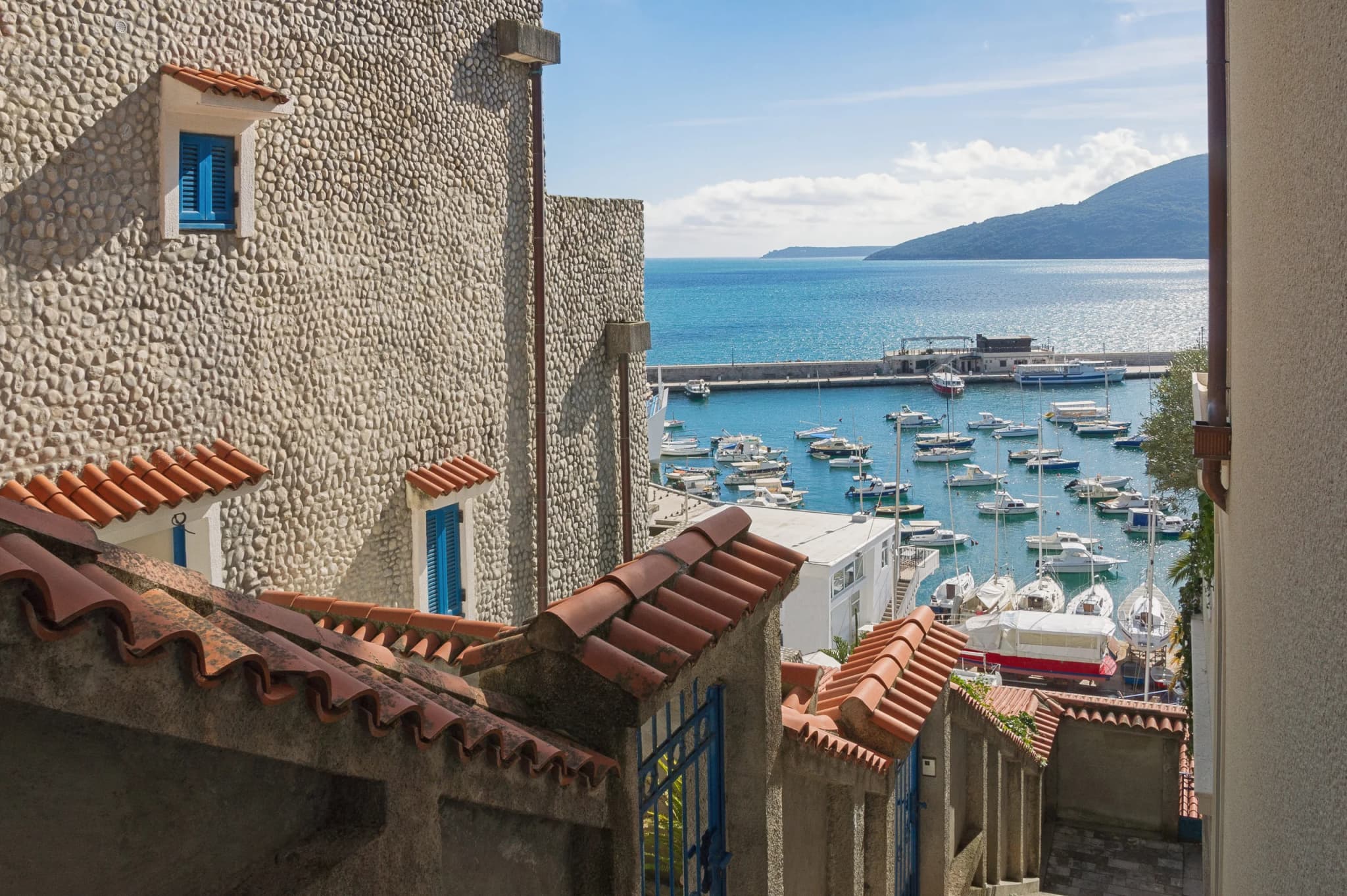
Herceg Novi is famously vertical. Reaching an Old Town venue can involve long staircases, sloping streets and historic surfaces. Kanli Kula in particular should not be assumed accessible simply because it operates as a contemporary stage. Visitors with mobility, seating or companion requirements should ask the current organizer about the exact entrance and event setup before buying.
From a 2006 beginning to a 2026 jubilee
The official festival history dates Guitar Art Summer Fest in Herceg Novi to 2006. The 2018 edition was the thirteenth; 2019 was the fourteenth, and official reporting identifies the 2024 event as the eighteenth. In 2026 the festival advertised its twentieth jubilee. Those points show continuity, but not a perfectly uniform format: dates, venues, workshops and concert structures evolve each year.
The festival belongs to a larger cultural calendar. Classical listeners can compare it with Herceg Novi’s Days of Music. Winter visitors encounter the city differently through the Mimosa Festival and its masquerade tradition. Together these events show how public spaces shift roles across the year, from everyday squares and fortresses to stages, parade routes and meeting points.

Practical guidance for attending a current edition
A current festival visit begins with date discipline. Search results often preserve old announcements after a new edition goes on sale, and an artist’s social post may omit a venue change. Match the year on every page, then retain the organizer’s confirmation or ticket receipt offline in case reception is weak near the old walls.
Do not use the 2018 table to plan a future night. Start with the festival’s official website and confirm the year, date, performer, venue, start time and ticket channel on the same listing. Then check again on the day: outdoor events can respond to weather, production needs or civic scheduling.
- Tickets: use the official organizer or its named seller. Historic access arrangements say nothing reliable about current prices or reserved seating.
- Venue: distinguish Trg od muzike from Kanli Kula and other possible locations. A city-level poster is not enough.
- Arrival: allow time for Old Town stairs, security and finding the correct entrance. Driving to the map pin is not the same as reaching a seat.
- Weather: bring water and a light layer, but follow venue rules on bottles and bags. Rain or wind may affect an outdoor setup.
- Accessibility: contact the organizer for the exact production, not just the heritage-site operator. Temporary stages and seating can alter the route.
- Conduct: arrive before the announced start, silence devices and wait for appropriate breaks before moving through a seated audience.
For broader context on the city’s writers and cultural identity, continue with Njegoš and Andrić in Topla. If you are building a coastal itinerary around a festival date, leave space for schedule changes rather than locking every transfer to a concert’s advertised finish.
Frequently asked questions
Is this the current Guitar Art Summer Fest program?
No. This page documents the 13th edition held 15–20 August 2018. Use the official festival portal for the current edition.
Where did the 2018 concerts take place?
Five nights were programmed at Trg od muzike in the Old Town. The 18 August Swingrowers concert took place at Kanli Kula.
Was the festival only classical guitar?
No. The archive shows chamber and baroque repertoire, jazz, flute-and-guitar music, cross-genre composition, electro-swing, fingerstyle playing and educational collaboration.
When did Guitar Art Summer Fest begin?
The official history says it has taken place in Herceg Novi since 2006. The festival marked its twentieth edition in 2026.
Is Kanli Kula easy to access?
It is a historic fortress in a steep city. Routes may involve stairs and uneven surfaces; current event infrastructure varies. Contact the organizer with specific mobility or seating needs.