Montenegro’s archaeological record is not one treasure room but a chain of evidence: sediment in a rock shelter, painted signs on limestone, Roman streets and mosaics, carved medieval stone, and museum collections that preserve what can no longer remain safely in the ground. The most rewarding way to explore it is to ask two questions at every stop: what is still in its original setting, and what has been moved, conserved or reinterpreted?
This guide follows that evidence from Crvena Stijena and Lipci to ancient Duklja, the Roman mosaics at Risan and the national collections in Cetinje. It also corrects two persistent claims. Lipci is not securely dated to the eighth century BCE; that is one published proposal within a genuine scholarly debate. Crvena Stijena does not prove that life “began” here; it preserves a long, scientifically valuable record of human activity.
How to read Montenegro’s archaeological landscape
An archaeological site and a museum answer different questions. At an in-situ site, topography, building alignment and stratigraphy show how people occupied a place. In a museum, selected objects can be stabilized, compared and interpreted across a much longer period. Neither is automatically “more authentic.” The setting preserves relationships; the collection protects fragile evidence and makes patterns visible.
| Place | What the evidence is | Best reason to include it | Access caution |
|---|---|---|---|
| Crvena Stijena | Deeply layered rock-shelter deposits and sampled sediments | Understand how archaeologists reconstruct repeated human occupation | Active research is not the same as a public attraction |
| Lipci | Painted hunting composition and symbols on rock | See why style alone cannot settle a date | Never wet, trace or touch the paintings |
| Duklja | Roman urban plan, buildings, necropolises and movable finds | Read a city through both ruins and museum objects | Protected parcels and excavation zones require respect |
| Risan | Conserved mosaic floors within a Roman villa | Study design, domestic space and conservation together | Check seasonal hours and closure dates |
| Cetinje | Archaeological, lapidary, historical and art collections | Connect objects from many sites without inventing a single linear story | Units have distinct displays and schedules |
A wider chronology is useful, but it should not flatten uncertainty. “Prehistoric,” “Roman” and “medieval” are analytical labels, not neat rooms through which every community passed at the same speed. The diagram below marks evidence types rather than claiming an uninterrupted national style.
| Period | Evidence | Note |
|---|---|---|
| Palaeolithic | layers and tools | |
| Lipci paintings | date debated | |
| Roman era | cities and mosaics | |
| medieval | stone and buildings | |
| today | research and museums |
Source: gov.me, ucg.ac.me, muzeji.podgorica.me, en.narodnimuzej.me
Crvena Stijena: archaeology as a sequence, not a trophy count
Crvena Stijena is a rock shelter near Petrovići in the Nikšić area. Its importance comes from accumulated layers, not from a dramatic foundation myth. In July 2025, Montenegro’s Cultural Property Protection Administration reported continuing systematic excavation, with sampling for FTIR, sedimentological, microbiological and microbotanical analyses. The authority emphasized the unusual concentration of Middle Palaeolithic layers and noted that research at the shelter has been known publicly since the 1950s.
That wording matters. A layer is meaningful because of its position relative to other layers and because objects, sediment, botanical traces and disturbance can be studied together. Removing an object without recording its context destroys much of its information. The 2025 permit authorized a defined research period, named the responsible institution and required professional reporting. It did not turn the shelter into an open dig where visitors may enter, handle soil or search for objects.
The old version of this article claimed that the site testified to “the beginnings of life … on the planet” and repeated an unsourced total of more than 26,000 finds. Neither claim is needed. Current official evidence supports something more precise and more interesting: a long, layered record that lets specialists test how human communities used the shelter and how its environment changed. For geographic context rather than excavation access, see our guide to the surrounding region.
What a responsible visitor can learn
Look for explanations of method: where a sample came from, how layers were distinguished, and which conclusions remain provisional. Do not expect exposed artefacts to be left in place for casual viewing. Excavated material normally enters documentation, conservation and research workflows. If no official visitor programme is announced, appreciate the site through institutional publications and museum displays rather than treating a map coordinate as permission to enter.
Lipci: an important painting with an uncertain date
The rock shelter at Lipci preserves a painted composition usually described as deer, mounted hunters, swastika-like symbols and a boat. Those motifs have encouraged bold interpretations, but they have not produced a secure archaeological date. A university-hosted paper by art historian Pavle Mijović is valuable precisely because it records the disagreement. It notes earlier Neolithic attribution, a developed Bronze Age proposal, an Iron Age possibility and a medieval interpretation. Mijović himself argued for the eighth century BCE, while also explaining that secure archaeological material and reliably dated local comparisons were lacking.
The defensible conclusion is therefore not “Lipci dates to 800 BCE.” It is that the site has generated competing chronologies and that the eighth-century date is a scholarly hypothesis, not settled consensus. Style, subject and comparison can narrow possibilities, but without stratified associated material they cannot manufacture certainty. Our focused Lipci guide gives the local setting, while the regional prehistory overview places the paintings beside other evidence without pretending that every date is equally secure.
How to visit rock art without damaging it
Do not touch, chalk, wet or trace painted lines to make them easier to photograph. Moisture, skin oils and abrasion can alter a fragile surface. Avoid flash or extra lighting if a posted rule prohibits it, stay outside any barrier, and never scrape lichen or vegetation. A faint original is more valuable than a temporarily “improved” image. If directions or access conditions are unclear, use an authorized local guide or request current information from the cultural-property authority.
Duklja: a Roman city still producing evidence
Duklja, also known by the Latin form Doclea, lies near Podgorica. The Archaeological Department of the city’s Museums and Galleries describes a Roman-period urban centre with a regular street scheme, forum and basilica, temples, triumphal architecture and baths. Finds from necropolises include jewellery and daily-use objects that point to connections across the empire. This institutional summary is useful because it links the ruins to material preserved by the museum rather than treating the city as empty masonry.
Research is continuing. A June 2026 notice from the Cultural Property Protection Administration authorized work at Building IX, identified as a temple. Excavation focused on a room northeast of the cella; a mosaic fragment found there during the 2019 campaign was scheduled to be lifted and conserved before further investigation. The notice calls Duklja a cultural property of national significance. That live research context means a visitor should expect some areas to be unavailable or visually quiet even when work is scientifically active.
Protection is not optional. In 2025 the Ministry of Culture and Media stated that the site requires a special regime of access, research and use regardless of land ownership, and that actions threatening the integrity or value of a cultural property are prohibited. In practical terms: follow barriers, do not hold events or fly equipment without authorization, do not climb walls, and leave every fragment in place. A potsherd moved “only for a photo” loses its exact relationship to the surface where it was found.
Site first, museum second
At the ruins, read axes and space: where a street crosses another, how public buildings face it, and where the city meets the surrounding plateau. At the Podgorica museum, ask how inscriptions, domestic objects and grave goods modify that plan. The museum’s currently published opening information belongs to the museum, not the outdoor site; check the institution directly rather than assuming one schedule covers both.
Risan: Roman mosaics conserved in place
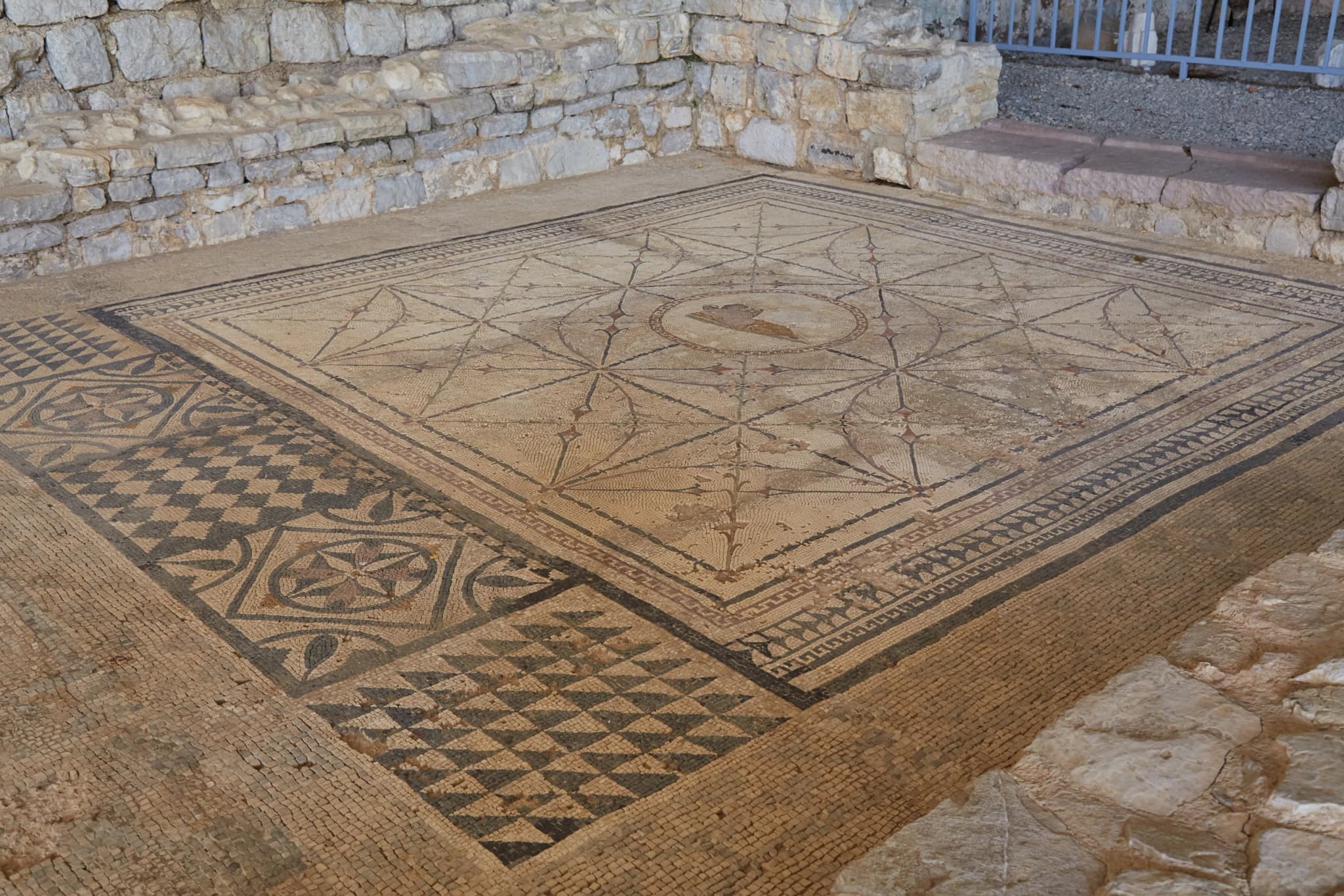
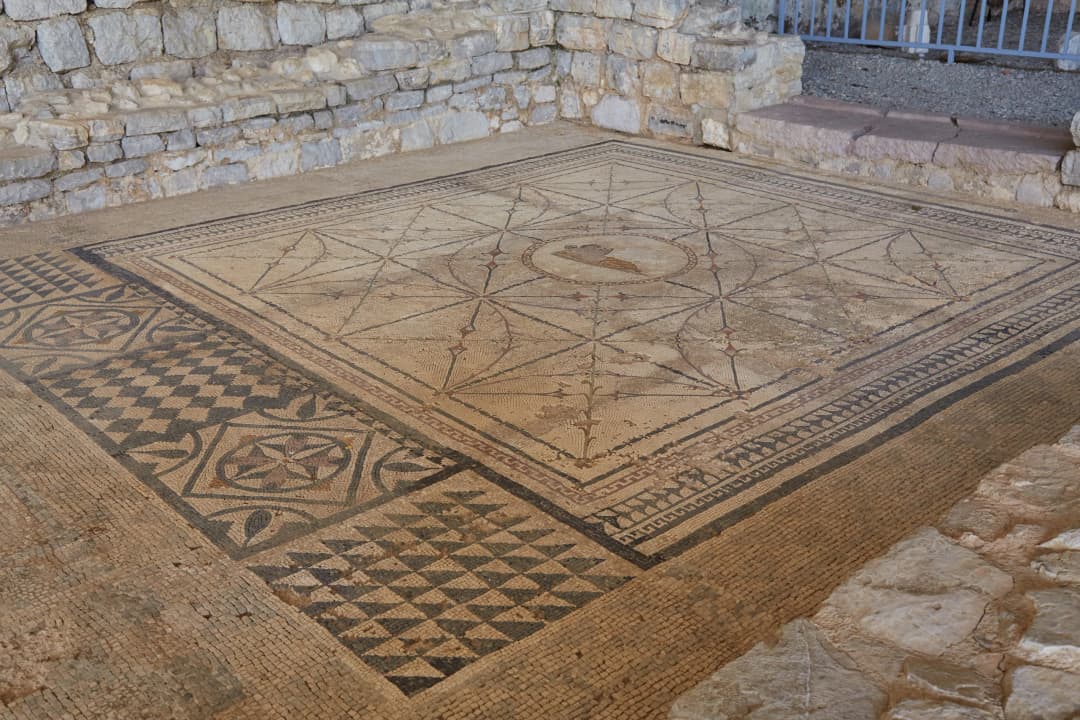
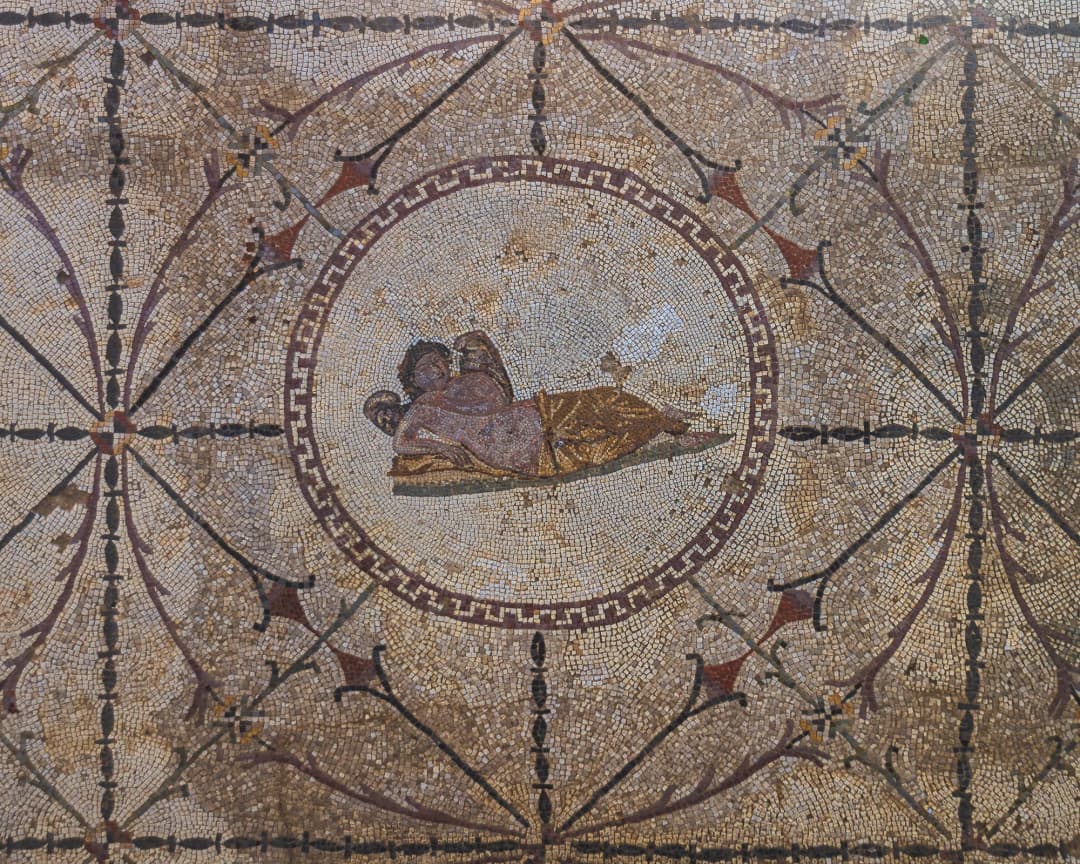
Risan offers the clearest visitor-ready bridge between archaeology and art. The conserved remains of a Roman villa retain geometric floor mosaics, including the celebrated medallion associated with Hypnos. A UNESCO mission report described the villa mosaics as exceptionally well preserved and carefully conserved within a modern protective building. That shelter is part of the experience: it shows that preservation sometimes requires controlling water, light, foot traffic and physical access rather than leaving a ruin exposed for atmosphere.
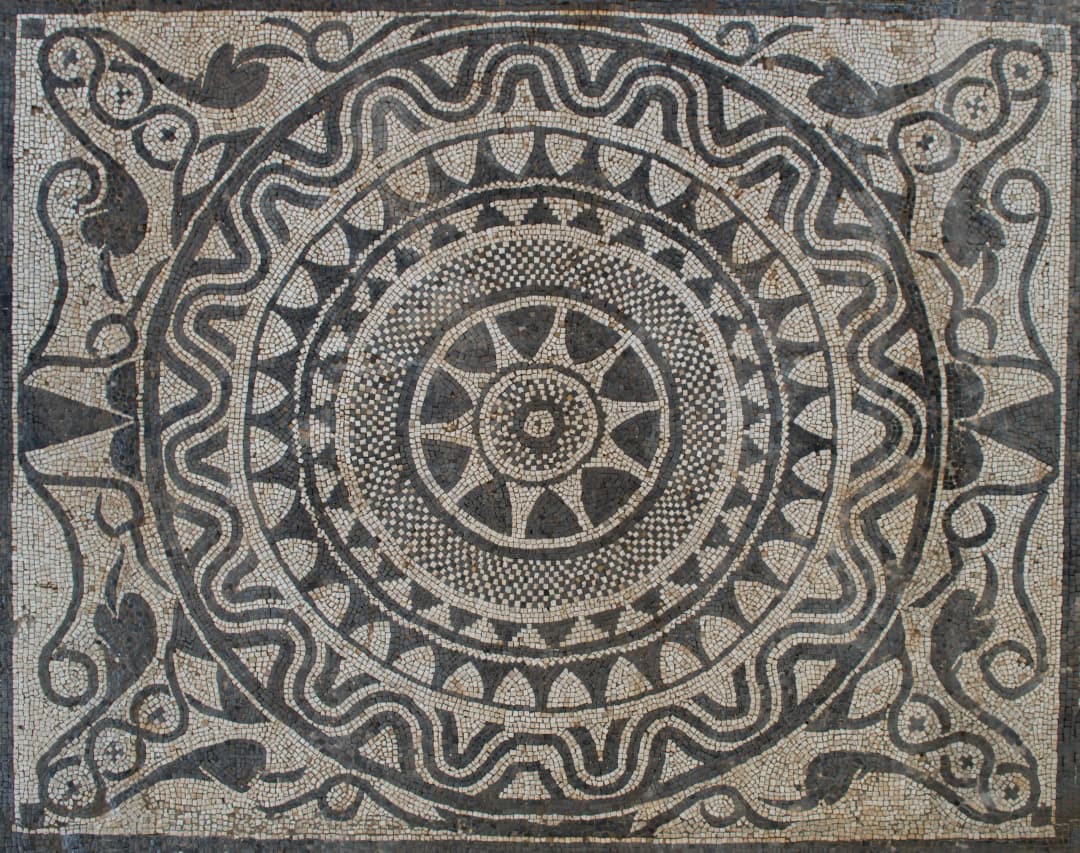
Look at the floors in relation to rooms. Borders control movement and mark thresholds; repeated geometry can unify separate spaces; a figural medallion creates a focal point. Conservation may make some edges, repairs or missing sections more visible. Those are not failures. A legible repair should help viewers distinguish surviving ancient fabric from modern support.
The official Kotor Museums page displayed a €6 individual ticket when researched and listed seasonal Tuesday–Sunday hours: 10:00–16:00 from 15 October to 15 April, and 08:00–20:00 from 15 April to 15 October. It also listed Monday closures, all of January and specified holidays. These details are time-sensitive. Recheck the official admissions page immediately before travel; do not rely on an old review or screenshot.
Cetinje: where movable evidence becomes a national collection
The National Museum’s Archaeological Museum is the essential indoor counterpart to the field sites. Its official page explains that research and conservation under the “Paths of Continuity” project covered prehistoric and ancient sites and fortifications from the sixth to fifteenth centuries. The movable material gathered through that work became the basis of a museum collection. In the courtyard lapidarium, the institution currently reports eleven stećci, the monumental medieval tombstones represented across the western Balkans.
This does not mean every important object from Montenegro is in one building or permanently on view. Archaeological material can be in study, conservation, storage, a regional museum or a temporary exhibition. Ask staff what is displayed that day and read labels for provenance. “Found in Montenegro” is not enough; the site, layer, context and acquisition history determine what an object can reliably tell us.
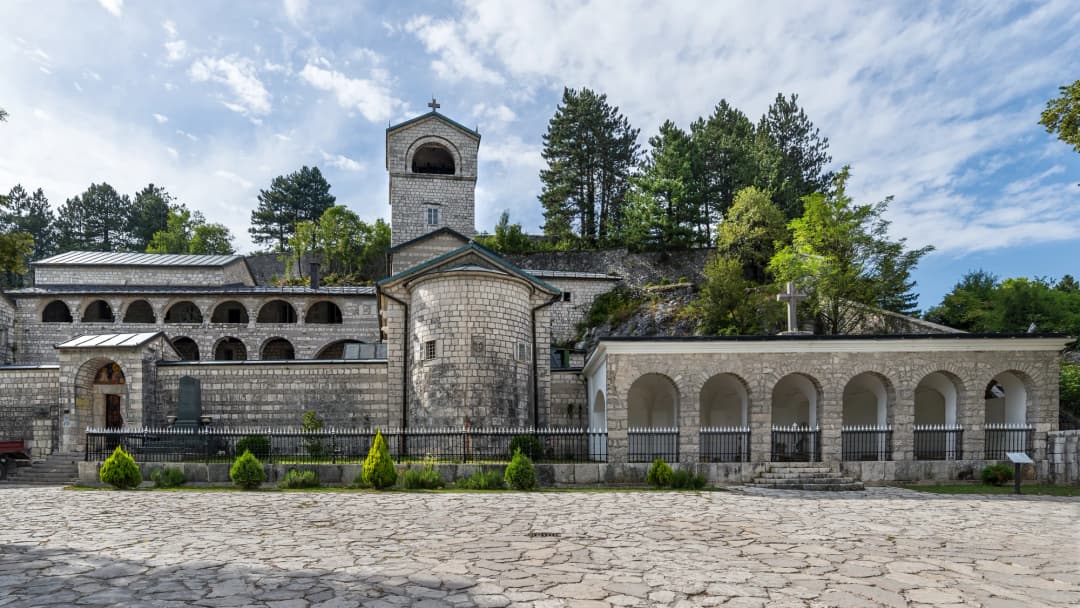
The official Archaeological Museum page displayed two seasonal schedules when researched: daily 09:00–17:00 from 11 April to 15 November, and Monday–Friday 09:00–15:00 from 16 November to 10 April. Because unit closures, exhibitions and public holidays can alter access, verify those hours on the museum site. Do not assume that a ticket or opening at one unit guarantees entry to every museum building.
From archaeology to art: continuity without a false straight line
Montenegro’s artistic heritage includes icon painting, metalwork, manuscript and printing traditions, stone carving, historic architecture and modern art. Archaeology contributes material evidence to that story, but it does not prove an unbroken national style from prehistory to the present. Political borders, religions, trade networks, patrons and workshop practices changed repeatedly.
The UNESCO World Heritage description of the Kotor region emphasizes the relationship among fortified and open towns, palaces, monastic ensembles and the cultivated landscape, as well as medieval schools of masonry and iconography. That is a stronger framework than a list of conquerors said to have “influenced” every wall. Buildings must be read by date, fabric, patronage and later alteration. For focused examples, compare the Baroque urban landscape, the two coastal fortresses and the dry-stone building tradition.
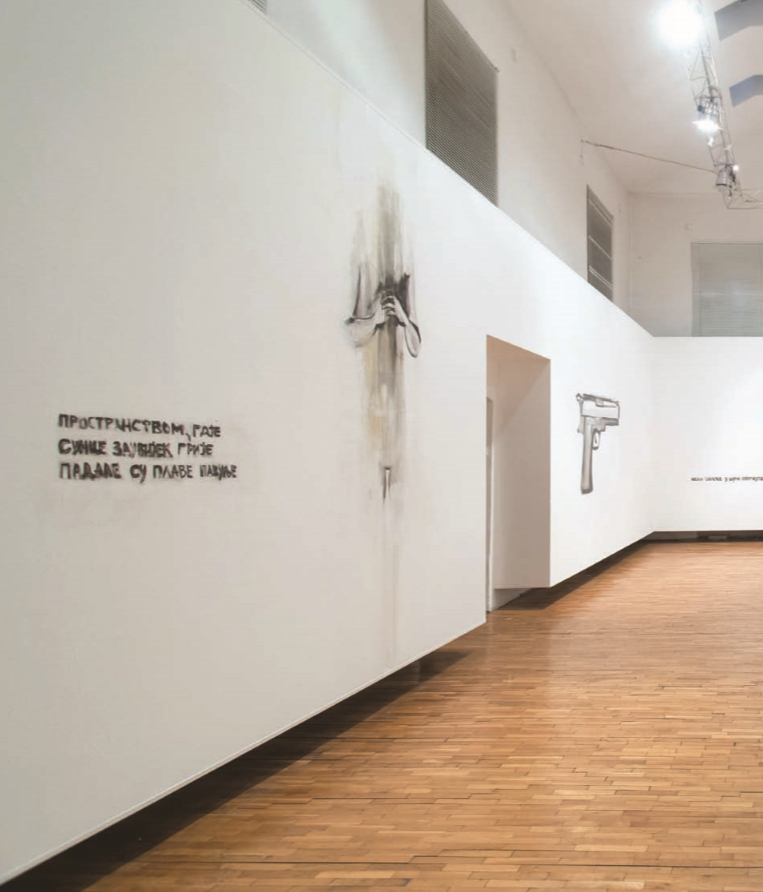
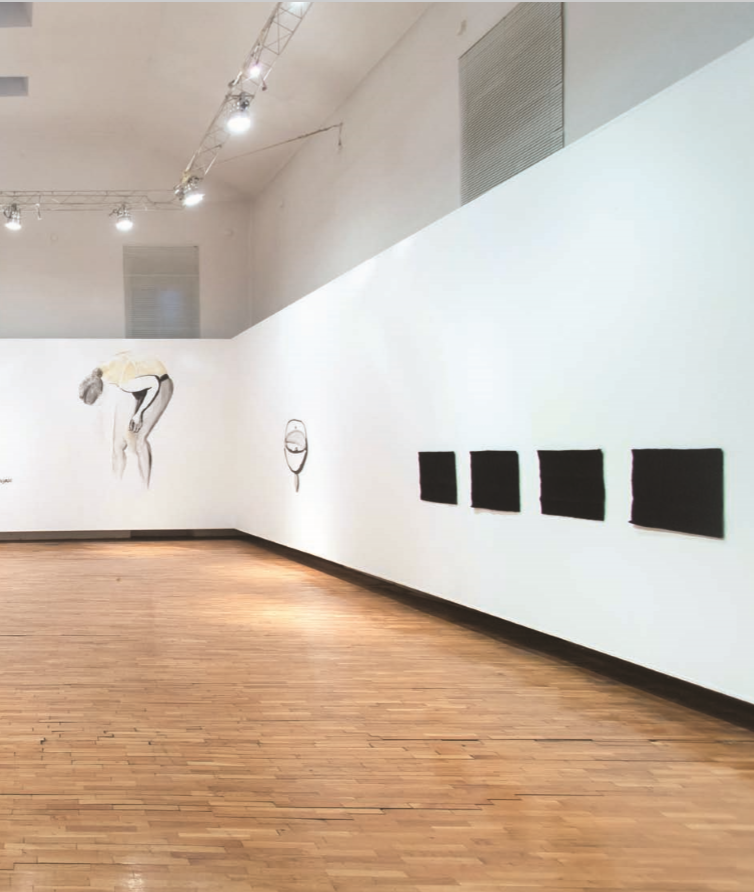
Museums also make contemporary arguments. The National Museum includes art as well as archaeological, historical and ethnographic units. Modern exhibition design can place works in dialogue, but the arrangement is curatorial, not an excavation context. Our Dado gallery archive and regional museum primer are useful next readings if your interest moves from ancient material to later visual culture.
Practical planning: choose the right kind of visit
For the clearest first encounter, choose one protected archaeological display and one museum. Risan plus a museum unit gives you both in-situ fabric and labelled objects without depending on access to an active excavation. If your main interest is research method, use the official Crvena Stijena publications before seeking any field visit. If you want urban archaeology, pair Duklja with the Podgorica Archaeological Department and confirm conditions with the institution.
Do not force all five stops into one day. They belong to different regions, institutions and access systems. A hurried itinerary replaces observation with transport. Spend enough time to read a plan, compare labels with visible fabric and record which claims are certain, probable or disputed.
Check three things on official pages: whether the site or museum is open, whether research or conservation limits access, and whether the listed ticket is current. Call or email when a long detour depends on the answer. Weather matters at outdoor ruins; museums may have seasonal or holiday closures.
| Site type | What you see | What to do |
|---|---|---|
| Museum | objects + labels | verify unit hours |
| Conserved site | fabric in place | stay behind barriers |
| Active research | read official reports | never enter a dig |
| Uncertain access | contact institution | use authorized guide |
Source: muzejikotor.me, en.narodnimuzej.me, gov.me
Field etiquette that protects the record
- Leave pottery, stone, bone, metal and glass exactly where found; photograph without moving them and notify the responsible institution if appropriate.
- Never use a metal detector, probe, chalk, water, wax, rubbing paper or cleaning tool at a cultural property.
- Do not climb walls, sit on mosaics or cross an excavation boundary, even when no guard is visible.
- Keep geotags private for vulnerable, unmanaged locations if publishing them could encourage looting or damage.
- Ask before using a tripod, flash or drone; museum rules and protected-site restrictions differ.
- Distinguish observation from interpretation in your notes: “red pigment is visible” is not the same as “the symbol represents the sun.”
A two-day evidence-led route
Day one: Roman city and museum collection. Begin with Duklja only after confirming current conditions. Read the street and public-building layout without entering restricted zones, then continue to the Podgorica Archaeological Department to see how movable finds add chronology, trade and daily life. If the outdoor site is inaccessible, the museum is not a consolation prize; it is the safer and often more informative half of the evidence.
Day two: conserved mosaic and national collections. Use the official seasonal schedule for Risan, then devote a separate block to the Archaeological Museum in Cetinje. The contrast is productive: one Roman domestic complex conserved in place versus a collection assembled from research across many periods and locations. Do not add Lipci merely because it appears close on a map. Include it only when current, responsible access and enough time for careful viewing are confirmed.
If architecture is your priority, substitute one museum stop with a focused historic-town walk. Read masonry, thresholds and later repairs rather than trying to label every façade by empire. The aim is not the largest checklist; it is the strongest chain from claim to observable evidence.
Frequently asked questions
Are the Lipci paintings definitely from the eighth century BCE?
No. Pavle Mijović proposed that date, but his paper also records Neolithic, Bronze Age, Iron Age and medieval interpretations and explains the lack of secure archaeological dating evidence. Treat the chronology as debated.
Can visitors enter Crvena Stijena?
Do not assume public access. Official notices document active, permitted archaeological research, not a conventional attraction. Seek current information from the responsible cultural or museum authority and never enter an excavation area without authorization.
Is Duklja an abandoned place where anything on the ground can be collected?
No. It is a protected cultural property of national significance. Objects and fragments must remain where they are, and access, research and use are regulated.
Where can I reliably see Roman mosaics?
The Risan Roman Mosaics are managed as a visitor site by Kotor Museums. Check the official page for current hours, prices and closure dates before travelling.
What is in Cetinje’s Archaeological Museum?
The institution describes movable material produced by archaeological and conservation research, with a lapidarium that currently includes eleven stećci. Displays can change, so ask what is on view rather than expecting every major find.
Can I photograph archaeological sites and museums?
Outdoor photography from permitted areas is generally less sensitive than touching or entering fabric, but protected sites, active digs and museums may impose specific rules. Ask before using flash, tripod or drone equipment.
How many days are enough?
Two days allow one Roman city-and-museum pairing and one mosaic-and-national-collection pairing. Lipci or an architecture route deserves additional time and current access verification.