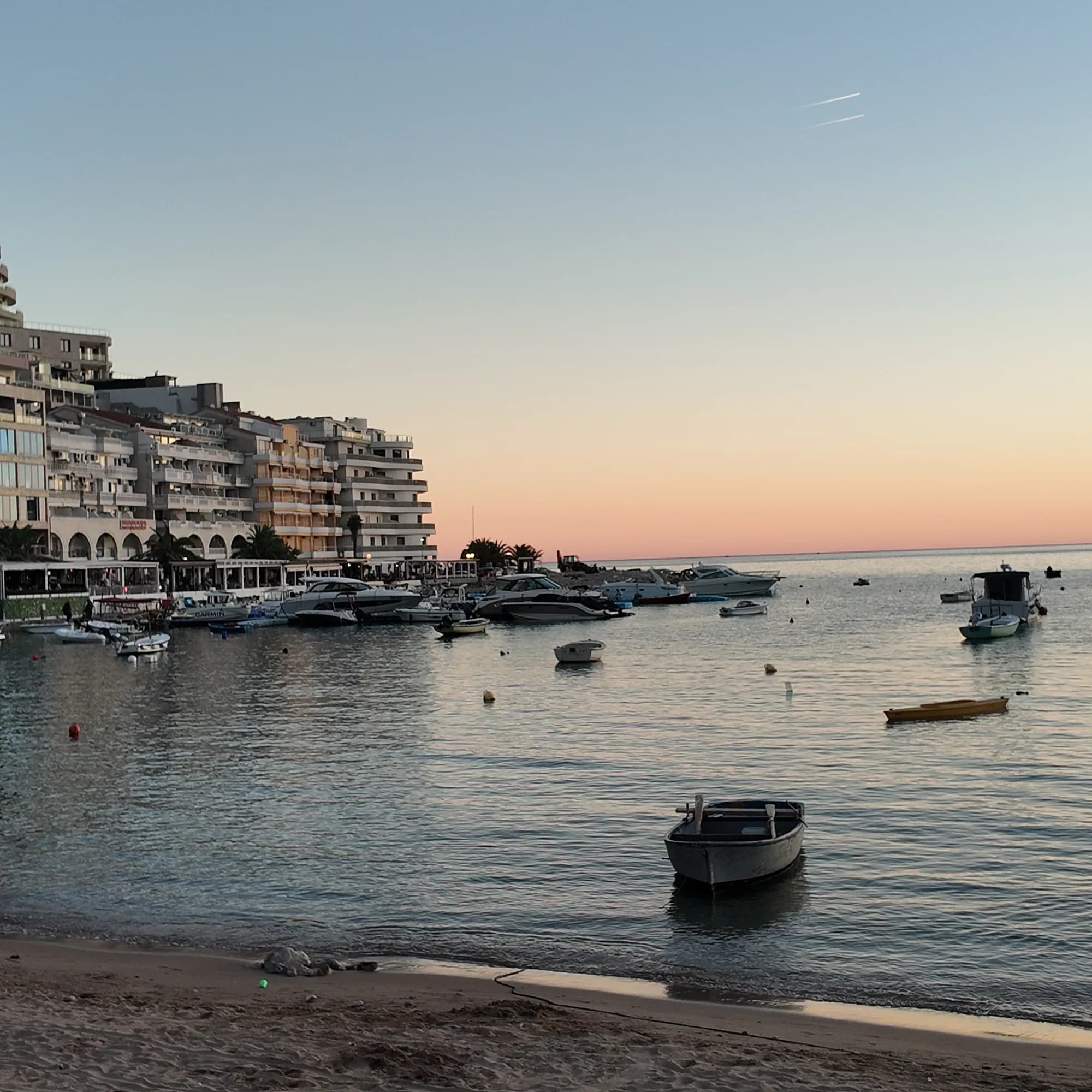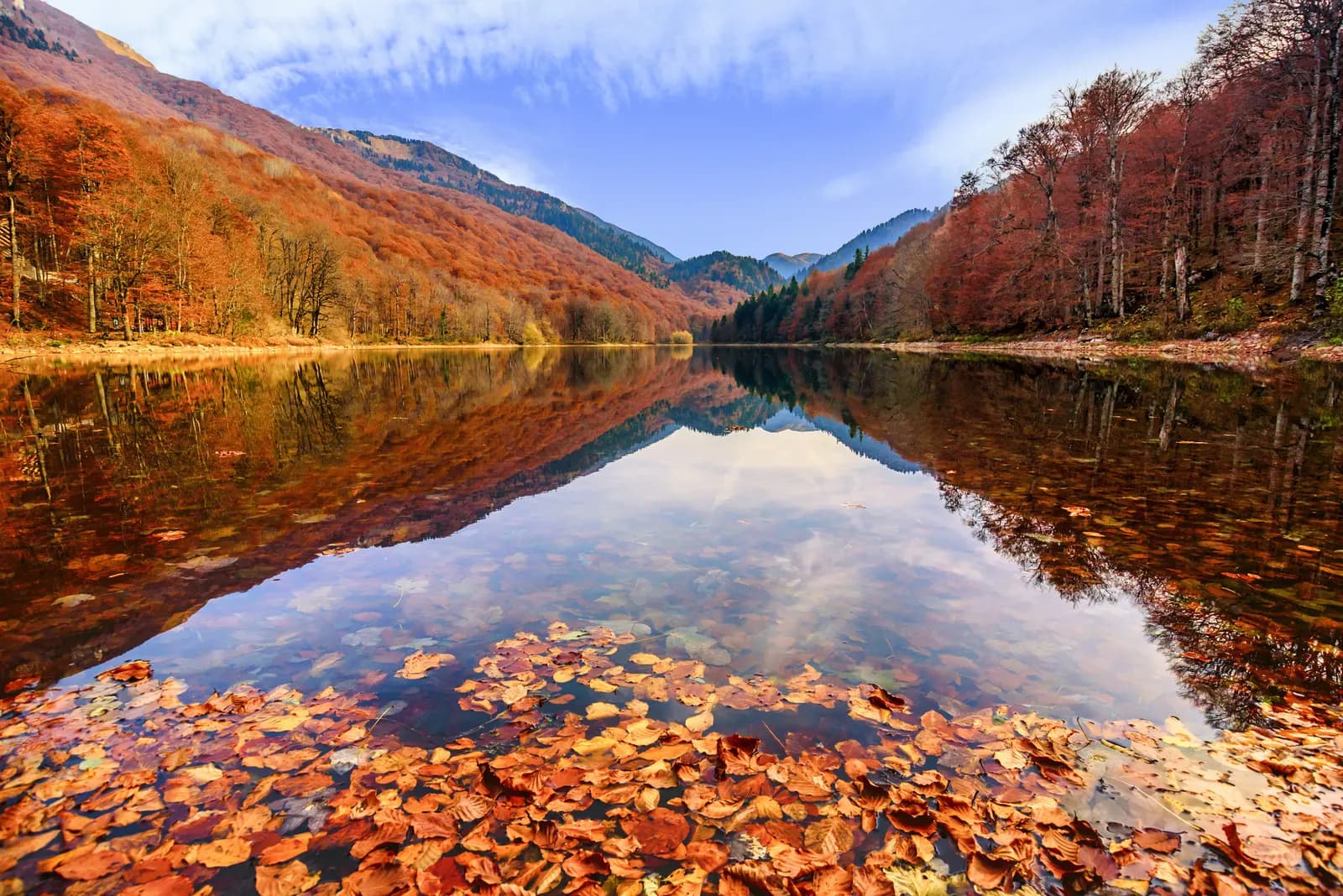
“Autumn in Montenegro” is not one dependable travel season. September can still support a coast-led trip; October is a genuine transition month; November is an off-season journey in which rain, early snow, shorter days and reduced services can change the plan. The useful question is therefore not whether autumn is “best”, but which month, elevation and activity fit your tolerance for uncertainty.
This guide was researched on 31 August 2026. It separates climate from forecast, visitor data from promises about crowds, and a road on a map from a road that is usable today. Begin with our Montenegro weather-by-month guide, then use the decision system below for the exact week.
Start with the climate gap, not a countrywide forecast
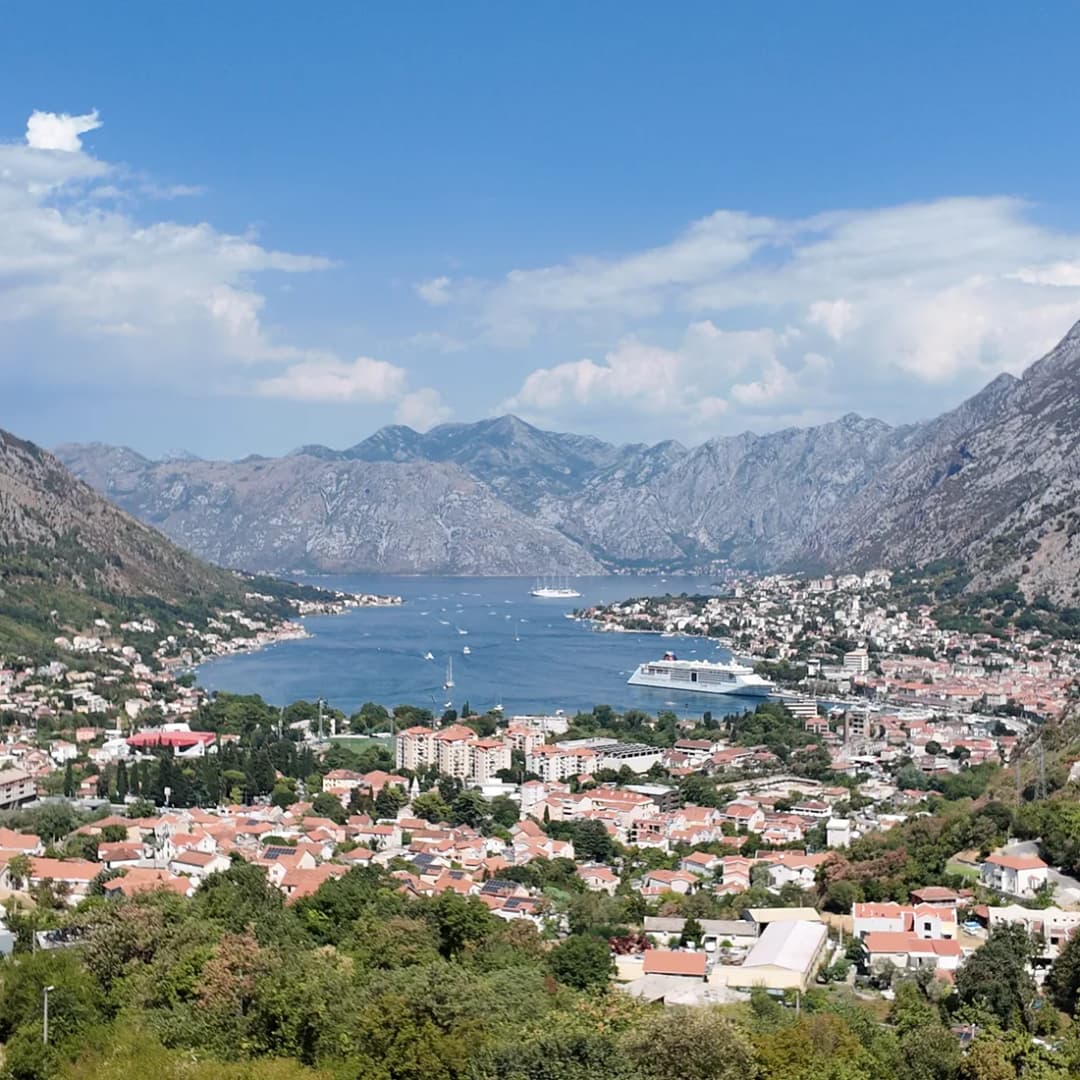
Montenegro compresses coast, interior basin and high mountain terrain into a small area, but that does not make their weather interchangeable. The national hydrometeorological service’s 1981–2010 climate evidence gives mean temperatures at Podgorica of 21.5°C in September, 16.3°C in October and 10.6°C in November. At Žabljak, 1,450 metres above sea level, the corresponding means were 10.5°C, 6.5°C and 1.3°C. Those are historical station means in Montenegro’s UNFCCC submission, not daily highs and not a 2026 prediction.
The practical lesson is more valuable than a packing-list temperature: a mild-looking coast forecast cannot be carried uphill. Nor should a cold mountain forecast cancel a city day automatically. Check the place and elevation you will actually visit, twice: once before committing money and again on the morning of travel. If ZHMS has issued a warning, treat the warning as the starting point, not a detail to work around.
September, October and November are different trips
| Month | Collective-accommodation nights | Share in seaside resorts | Best planning posture | Main fallback |
|---|---|---|---|---|
| September | 687,017 | 89.7% | Coast-led, with a current swim and wind check | Old towns, museums and inland city day |
| October | 374,223 | 85.7% | Choose a weather window; do not lock every outdoor day | Swap coast and lower-elevation days |
| November | 115,568 | 73.2% | Off-season, service-verified, short-day itinerary | Podgorica, Cetinje or a sheltered cultural day |
The figures come from three MONSTAT monthly releases and cover hotels and other collective accommodation, not privately rented rooms or apartments. They establish strong seasonality: recorded nights fell from 687,017 in September to 115,568 in November. They do not prove that your preferred hotel is open, that prices are lower, or that a particular street will feel empty.
September: coast first, mountains only with a separate check
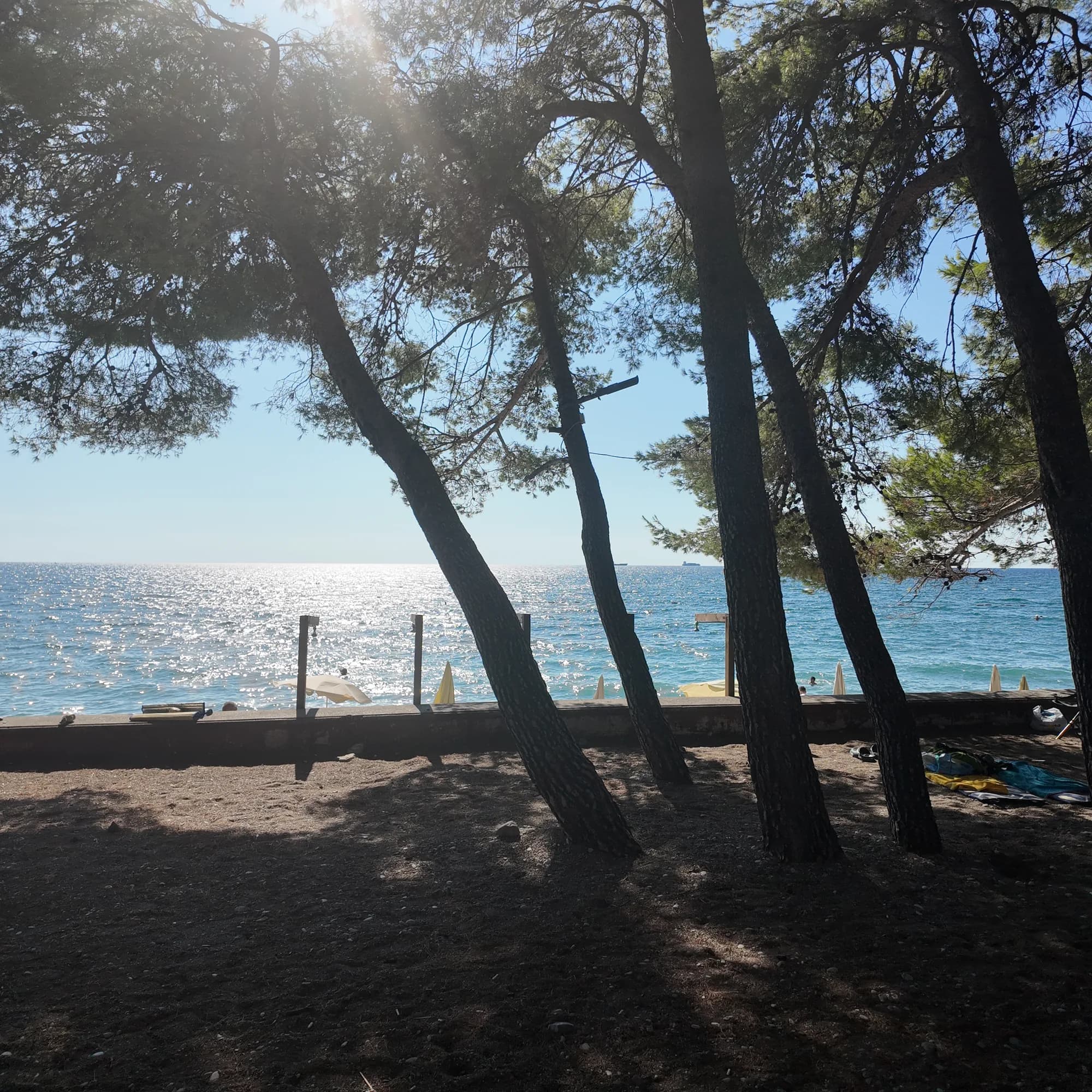
September is the closest of the three months to a summer operating pattern. The MONSTAT data show that seaside resorts still accounted for 89.7% of collective-accommodation nights in September 2025. That makes a coast base rational, but it does not make every beach day swimmable. On 22–24 September 2025, the coastal manager sampled 114 public bathing locations and classified 92.1% excellent, 2.6% good and 5.3% satisfactory. The result proves that formal monitoring continued late in that September; it cannot certify a different date or beach.
For a 2026 swim, open the site-level portal, choose the exact bathing area, read the newest sample date, then check the beach flag, wind, waves and any local restriction on arrival. A good sample is sanitary evidence, not a surf-safety certificate. On an exposed day at Velika Plaža, make the on-site flag decisive. If the water plan fails, an old-town walk or a sheltered city day is a successful fallback, not a lost day.
October: follow a forecast window, not a fixed itinerary
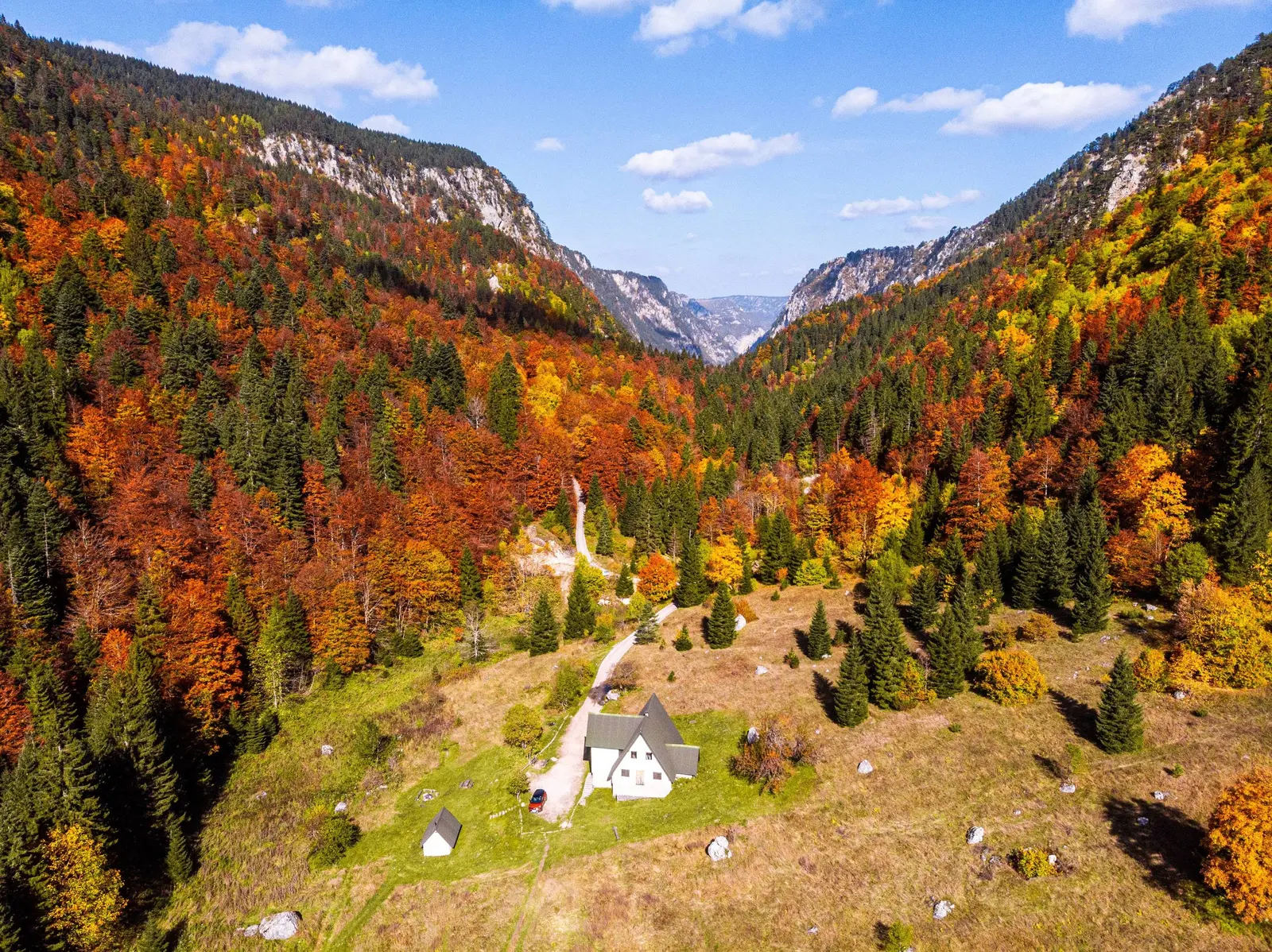
October can deliver clear walking weather, prolonged rain, strong wind or all three within one trip. It is the month to reserve flexible accommodation and decide outdoor days late. Put two weather-sensitive anchors in the plan—perhaps a lower mountain walk and one long coast day—but do not assign them to immovable dates before the short-range forecast is useful.
Historical climate context also warns against assuming that the coast is uniformly dry. The ZHMS national communication describes large spatial differences in precipitation, including exceptionally wet terrain around Orjen. If that area is in your plan, use the dedicated Orjen guide and require a clear local forecast rather than borrowing conditions from Podgorica or Budva.
October services are another live variable. Contact the exact hotel, park visitor centre, boat operator or restaurant directly and ask for the date and time you intend to use it. “Open in autumn” is too vague. Ask whether the kitchen, parking access, last return trip and card terminal are operating that day. Keep the answer in writing where possible.

November: treat it as off-season
By November, the correct model is the Montenegro off-season guide: verify opening, protect daylight, and maintain a low-elevation alternative. MONSTAT still recorded 115,568 collective-accommodation nights in November 2025, so travel did not stop. Yet that was only 16.8% of September’s total, and the capital’s share rose to 17.5%. A city-supported route is therefore more resilient than a chain of isolated seasonal stops.
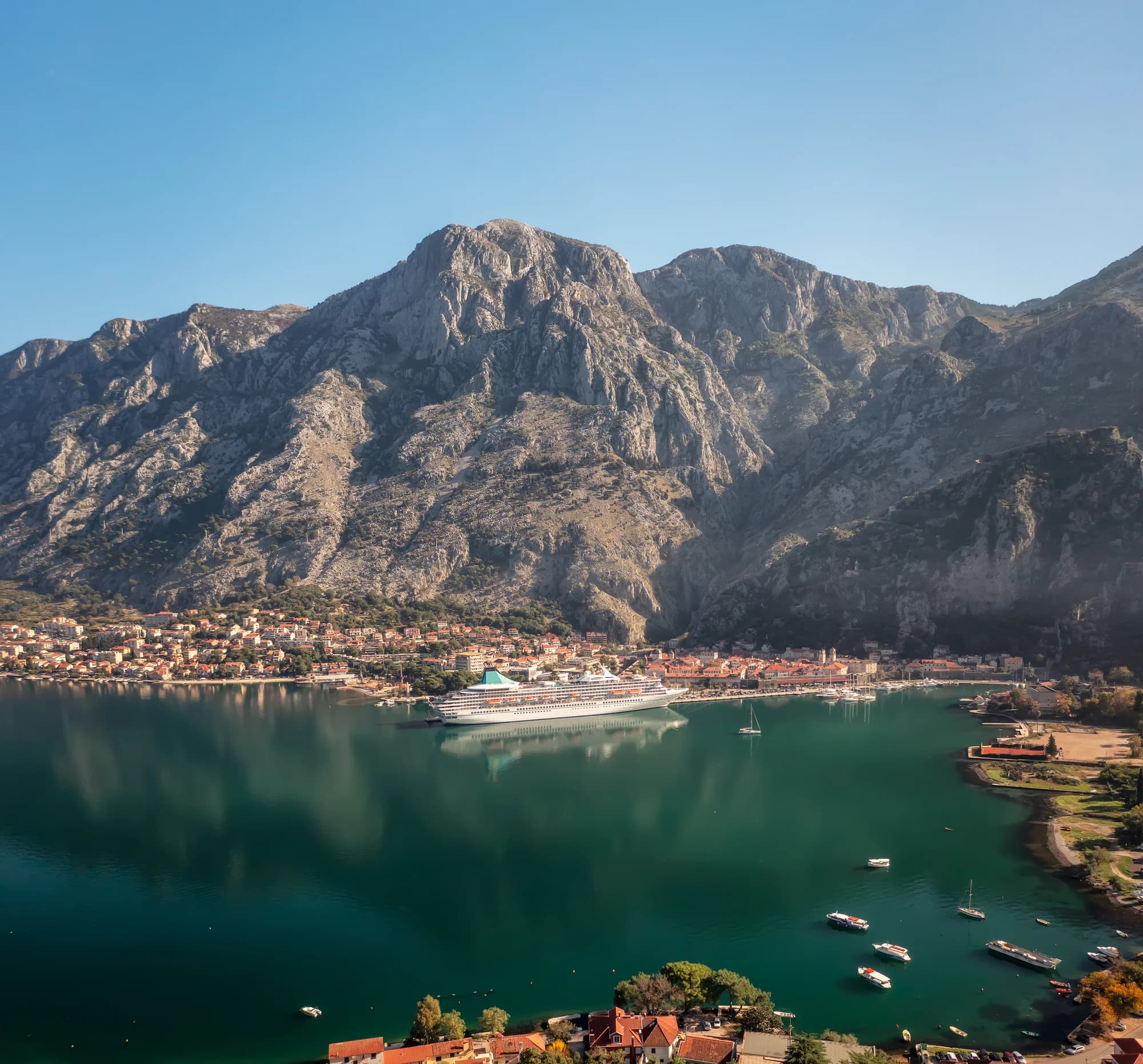
High terrain may already have snow or ice, while coastal and central areas can face heavy rain. Neither possibility has a universal start date. November is well suited to Kotor, Cetinje and Podgorica when museums and indoor stops are confirmed, with short outdoor segments selected each morning. It is poorly suited to an itinerary whose value depends on a single summit, boat ride or panoramic road.
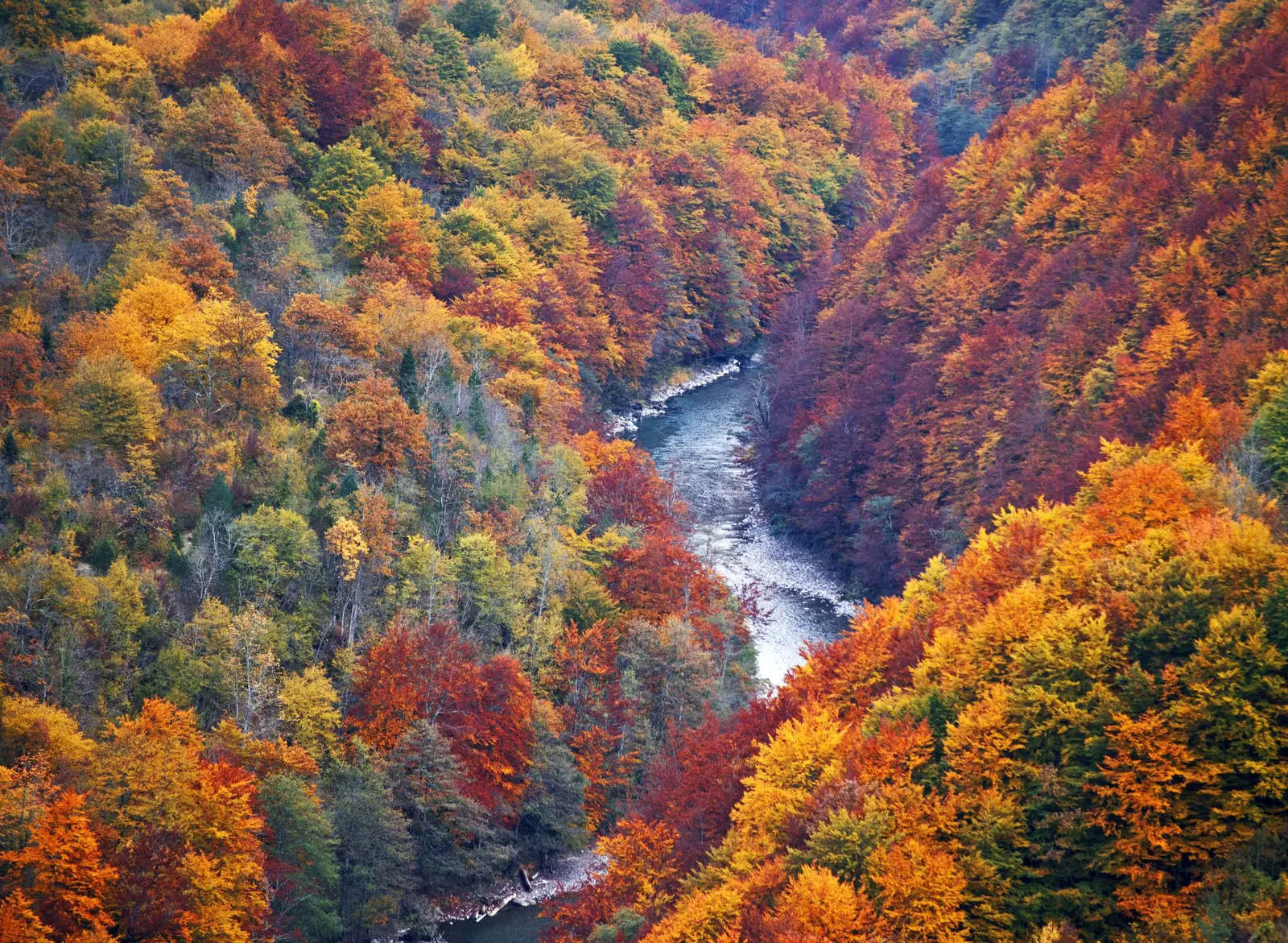
Choose coast or mountains each morning
Do not ask which region is “better” for the whole season. Make a daily choice from four inputs: the exact local forecast, any warning, the route’s live status, and the weakest member of the group. A coast day can still fail because of wind or intense rain. A mountain day can fail because of cloud, ice, wet leaves, early darkness or a closed access road even when the town forecast looks benign.
For the north, start with a realistic north Montenegro plan, not the assumption that fewer recorded visitors guarantee empty roads or full services. For woodland and lake scenery, the Biogradska Gora guide explains the park context. The park closed during snow and ice in January 2026, then reopened on 16 March after favourable conditions. Those dated notices show why access is condition-dependent; they do not create an automatic autumn closing date.
| Check | What to read |
|---|---|
| 1. Warning | ZHMS bulletin |
| 2. Exact place | Not nearest city |
| 3. Live status | Road, trail, flag |
| 4. Group | Skill + gear |
| All four acceptable? | Choose the outdoor plan |
| Any “no” | Use the named fallback |
Source: gov.me, nparkovi.me, monitoring.morskodobro.me
Mountain walking: the turnaround matters more than the summit
National Parks of Montenegro advises visitors to match a marked trail to experience, fitness and available time; check the weather repeatedly; start in the morning; return before dark; carry adequate food, water, clothing and footwear; tell someone the route; and avoid walking alone. That is the minimum framework for an autumn walk, not a promise that a named path is open.
Wet leaves can hide roots and stones. Frost can remain on shaded ground after a sunny start. Cloud can erase navigation cues, and a bridge or boardwalk can be slippery. Choose a turnaround time before starting and keep it even if the destination looks close. A broader Montenegro hiking guide can help select terrain, but the park manager, local forecast and what you see on the ground decide the day.
- Green light: no relevant warning, stable local forecast, route confirmed open, sufficient daylight and a group equipped for the conditions.
- Amber light: uncertain cloud base, recent rain, unconfirmed surface condition or a late start. Reduce elevation and distance.
- Red light: closure, thunder risk, strong wind, ice without the skill and equipment for it, rapidly rising water or a group member already uncomfortable. Use the fallback.
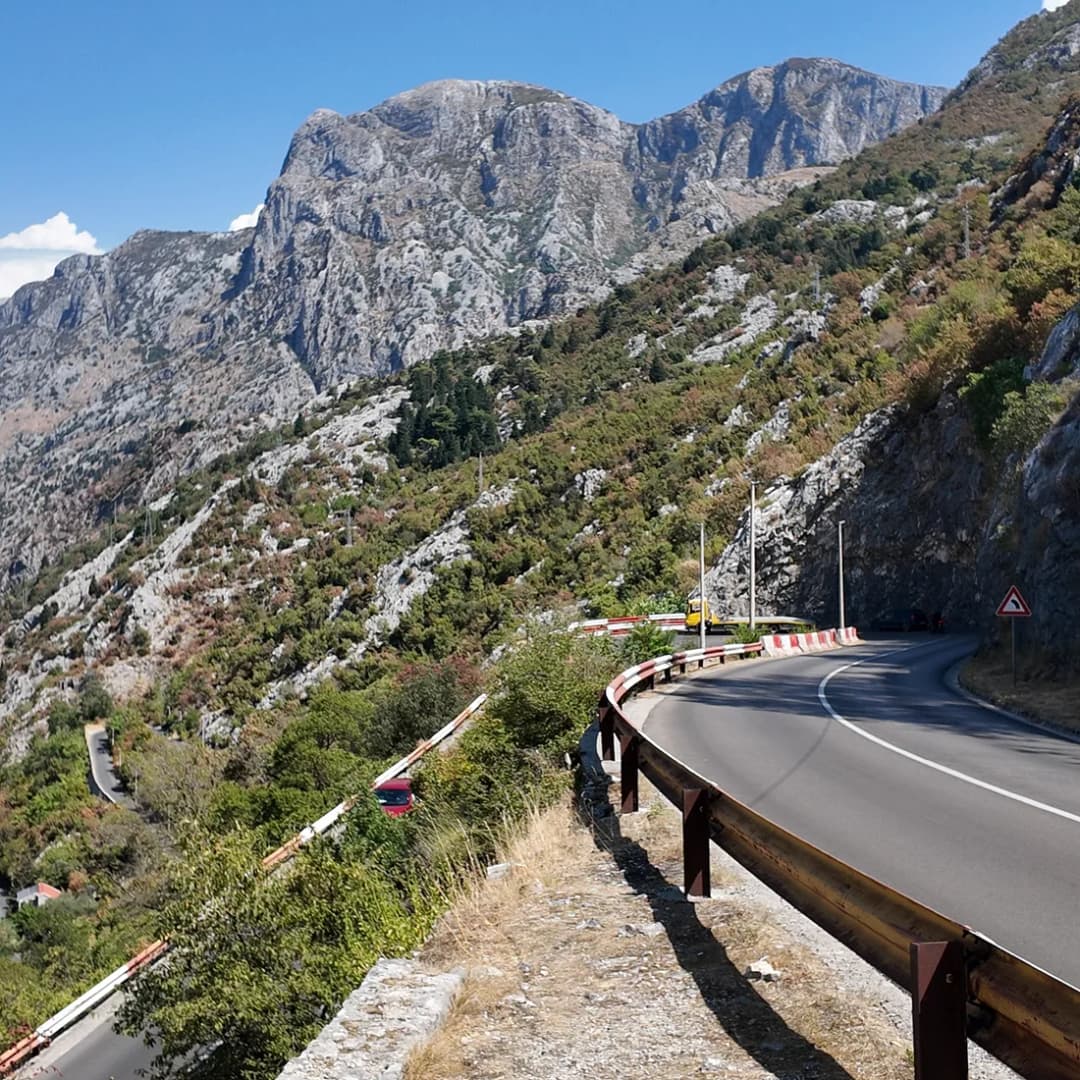
Roads and public transport: verify the actual leg
A rental car adds flexibility, but it is not mandatory for every autumn trip. It also transfers weather, parking and route decisions to the driver. The National Tourism Organisation directs road users to AMSCG for current conditions and rail users to the official operator. Check each long leg on the day, especially after heavy rain, wind or snow, and do not assume a panoramic road is an all-season shortcut.
Temporary rules are not hypothetical. A 2026 government order created date- and time-specific restrictions on several routes, including directional restrictions on the Kotor–Njeguši road through 15 October. That exact order may expire or be replaced, which is why the correct habit is to consult the official transport information page and its AMSCG link rather than copy an old timetable into the itinerary.
Without a car, choose one or two bases and build around confirmed intercity departures. The official railway timetable is useful for the Bar–Podgorica and Podgorica–Nikšić corridors, but search the exact date and preserve connection time. For buses, confirm at the operating station or carrier. A route shown by an aggregator is not proof that a seasonal departure will run.
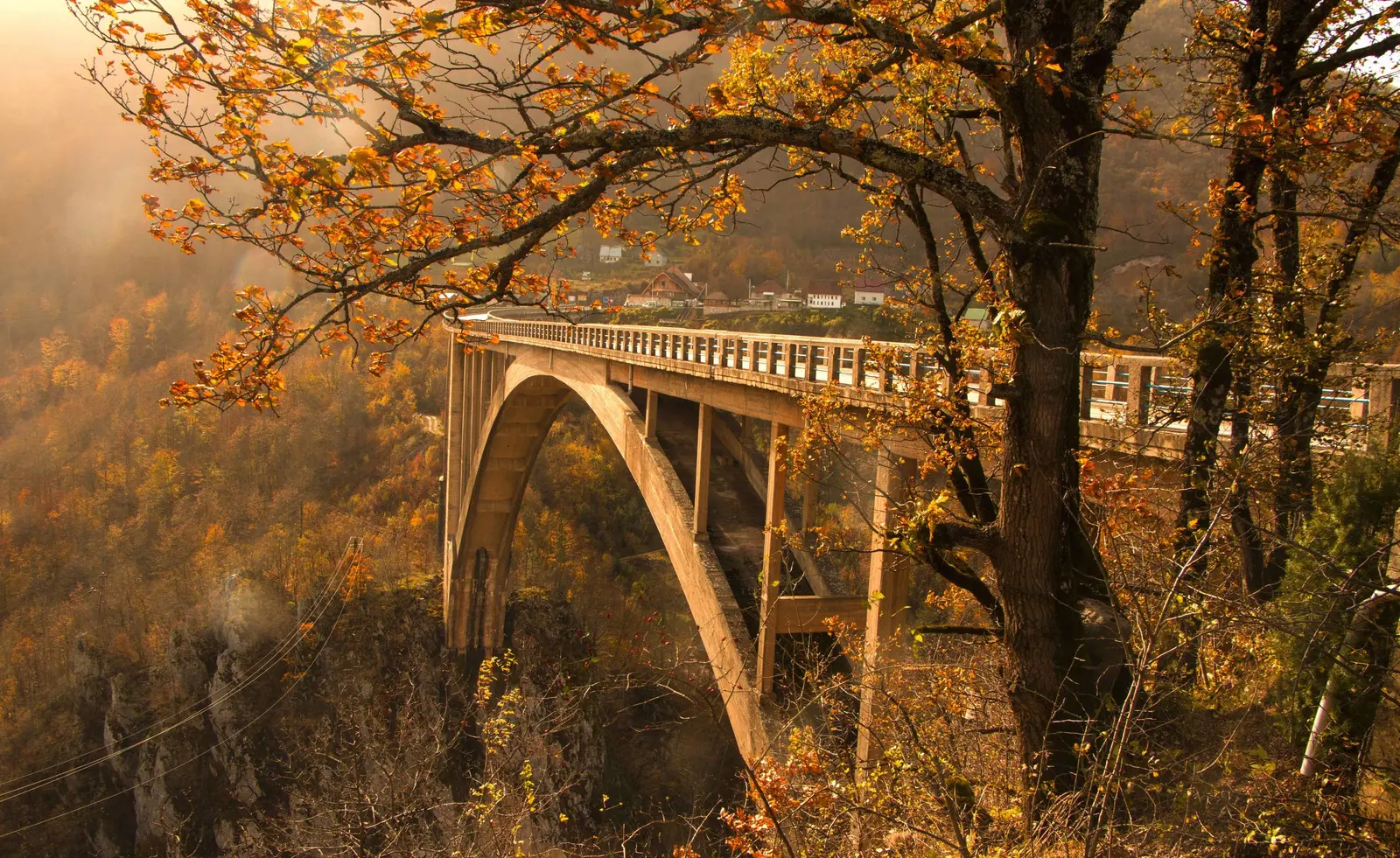
A resilient seven-day autumn plan
This sequence is deliberately modular. It is not a race through the country. Reserve two bases, leave one day unassigned and move the weather-sensitive day when the short-range forecast becomes clear. If you want a conventional route skeleton first, compare it with our seven-day Montenegro itinerary.
- Day 1 — arrive and verify: settle at the coast or Podgorica, save the official forecast, road, park and transport pages, and confirm the next two days directly.
- Day 2 — coast anchor: choose one compact bay or old-town area. Add swimming only after the exact water result and beach conditions pass.
- Day 3 — movable outdoor day: use the best forecast window for a marked lower-elevation walk or park visit. Keep a city fallback with confirmed hours.
- Day 4 — transfer: move base in daylight. Treat viewpoints as optional; never let a photo stop compromise the confirmed arrival.
- Day 5 — north or interior anchor: select a lake, forest or town according to current access, not a colour-calendar promise.
- Day 6 — weather buffer: deploy the activity displaced by rain, or use this as a slower cultural day if the original sequence worked.
- Day 7 — departure margin: avoid a remote morning commitment before a flight or border crossing. Recheck the exact road or rail leg.
| Day | Role | Note |
|---|---|---|
| 1 | Verify | |
| 2 | Coast | |
| 3 | Movable | Swap when the forecast changes |
| 4 | Transfer | |
| 5 | Interior | |
| 6 | Buffer | |
| 7 | Margin |
Montenegro.com editorial framework
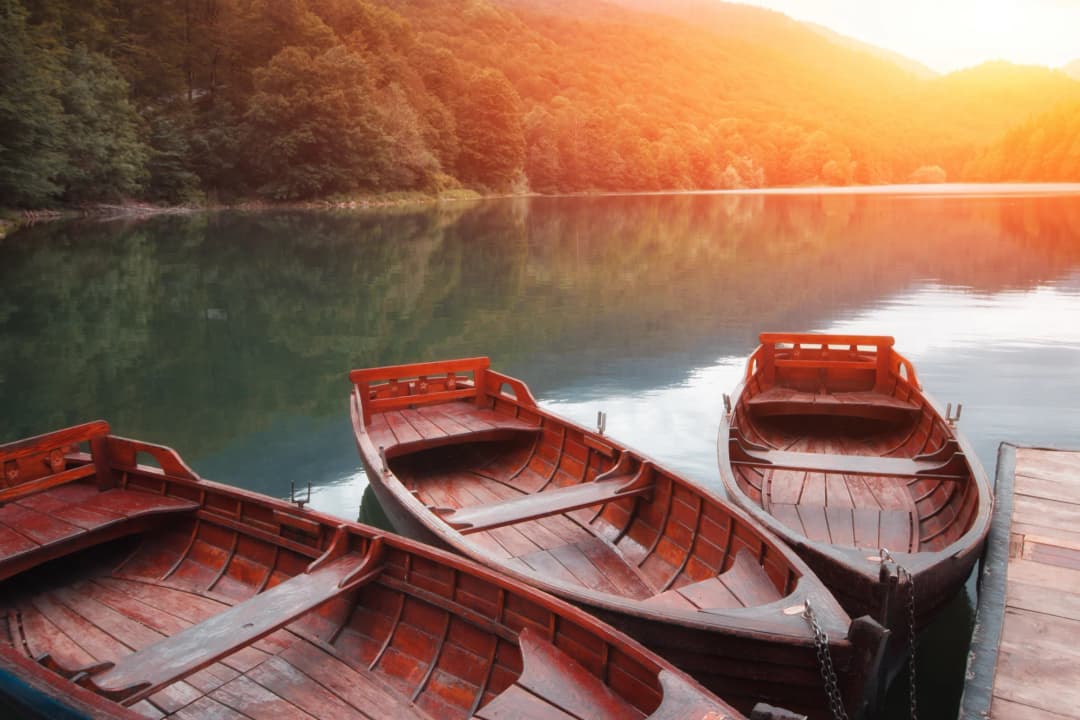
Practical checks before booking and each morning
Before paying: ask the accommodation for its exact operating dates, heating, parking or station transfer, cancellation terms and whether reception is staffed at your arrival time. Ask activity operators what weather cancels the trip and who makes that decision. Do not infer autumn discounts: compare the final refundable price for the same dates and terms.
Forty-eight hours before: review ZHMS forecasts and warnings for each exact location; confirm any park, road, boat and transport leg; download offline mapping; and name the fallback. If the forecast is unstable, reduce transfers rather than trying to outrun weather across the country.
Each morning: repeat the warning and route checks. For a beach, use the newest site-level sanitary result plus the flag and conditions you see. For a trail, confirm status with the park or local manager, set a turnaround time and tell someone the route. For a drive, check AMSCG and leave enough daylight for delays.
Carry for the decision, not the postcard: waterproof outer layer, warm mid-layer, shoes with suitable grip, water, food, charged phone and power bank. A swimsuit can still be rational in September, but it should not displace rain or warm layers. For emergencies anywhere in Montenegro, call 112; reception and response time cannot be guaranteed in remote terrain.
Frequently asked questions
Is September still beach season in Montenegro?
It can support a beach-led trip, but “season” is not a safety result. Check the exact beach’s newest sanitary sample, then obey the current flag, surf, wind and local restriction. Confirm showers, lifeguards, transport and food separately.
Can I swim in October?
Possibly, but no countrywide answer is responsible. Water and air conditions, wind exposure, current and personal ability matter. Never use a historic monthly average or another beach’s laboratory sample as permission to enter.
When does autumn colour peak?
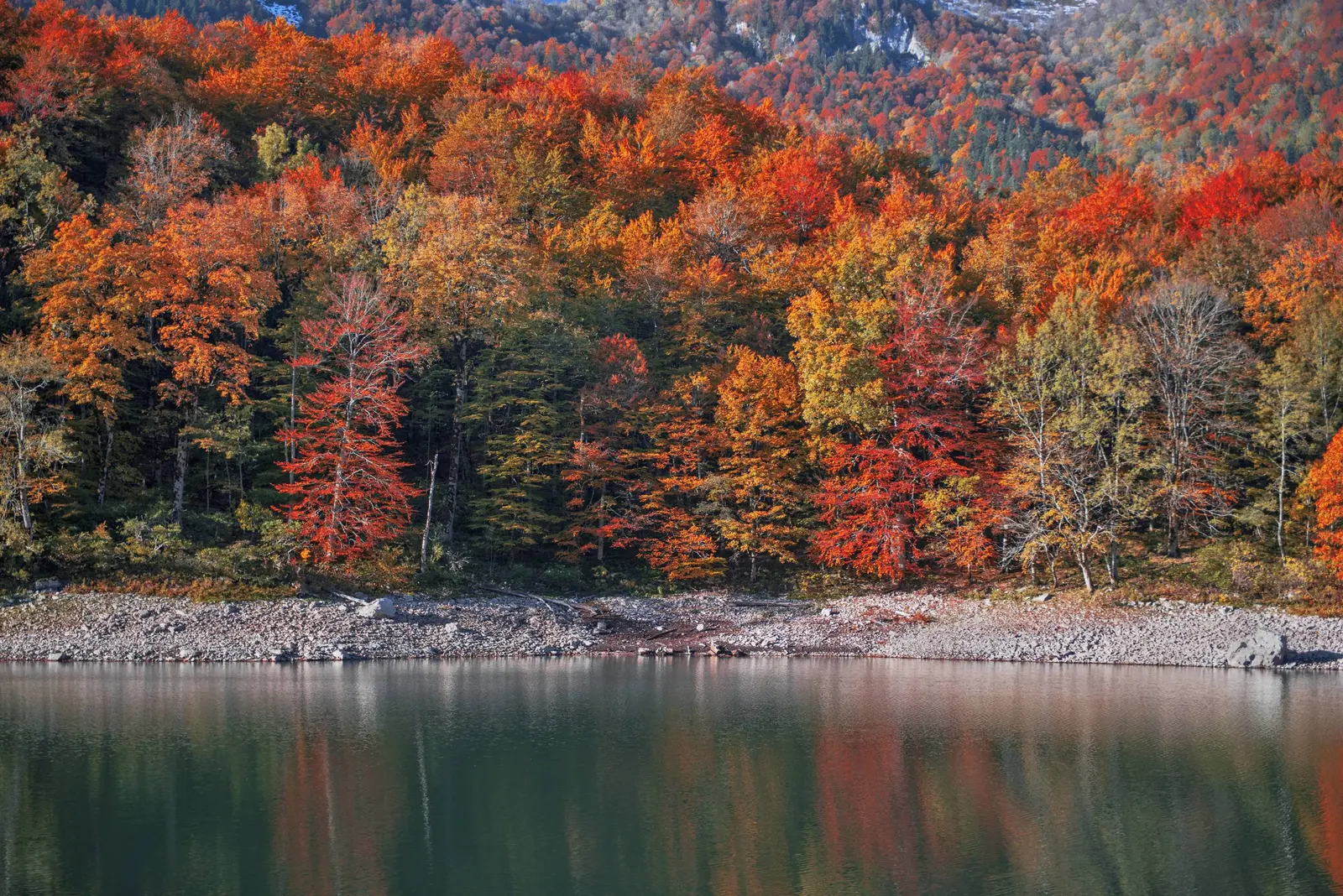
There is no reliable nationwide date. Elevation, aspect, tree species and the year’s weather produce different timing. Choose a region for its complete experience and treat peak colour as a bonus rather than a guarantee.
Are Durmitor and Biogradska Gora open all autumn?
Do not assume so. Park and road access can change after snow, ice, wind, flooding or maintenance. Check the park’s current notice and contact before leaving; a visitor centre being open does not mean every trail is suitable.
Do I need to rent a car?
No. A two-base itinerary using confirmed bus or rail legs can work well. A car adds flexibility for dispersed places but also adds road-condition, parking and driving responsibility. Choose according to the route and driver, not a blanket rule.
Is autumn cheaper and less crowded?
What the sources say
MONSTAT confirms a large decline in collective-accommodation nights from September to November 2025, but that does not prove a price or crowd level for your booking. Compare like-for-like refundable rates and current inventory. Reduced demand can coexist with reduced supply.
What is the safest month for mountain hiking?
No month is automatically safe. Route status, forecast, daylight, equipment and experience determine the day. In autumn, prefer marked terrain, start early, keep a hard turnaround time and use a lower-elevation fallback whenever one check fails.