Njeguši: The Gastronomic and Cultural Heart of Old Montenegro
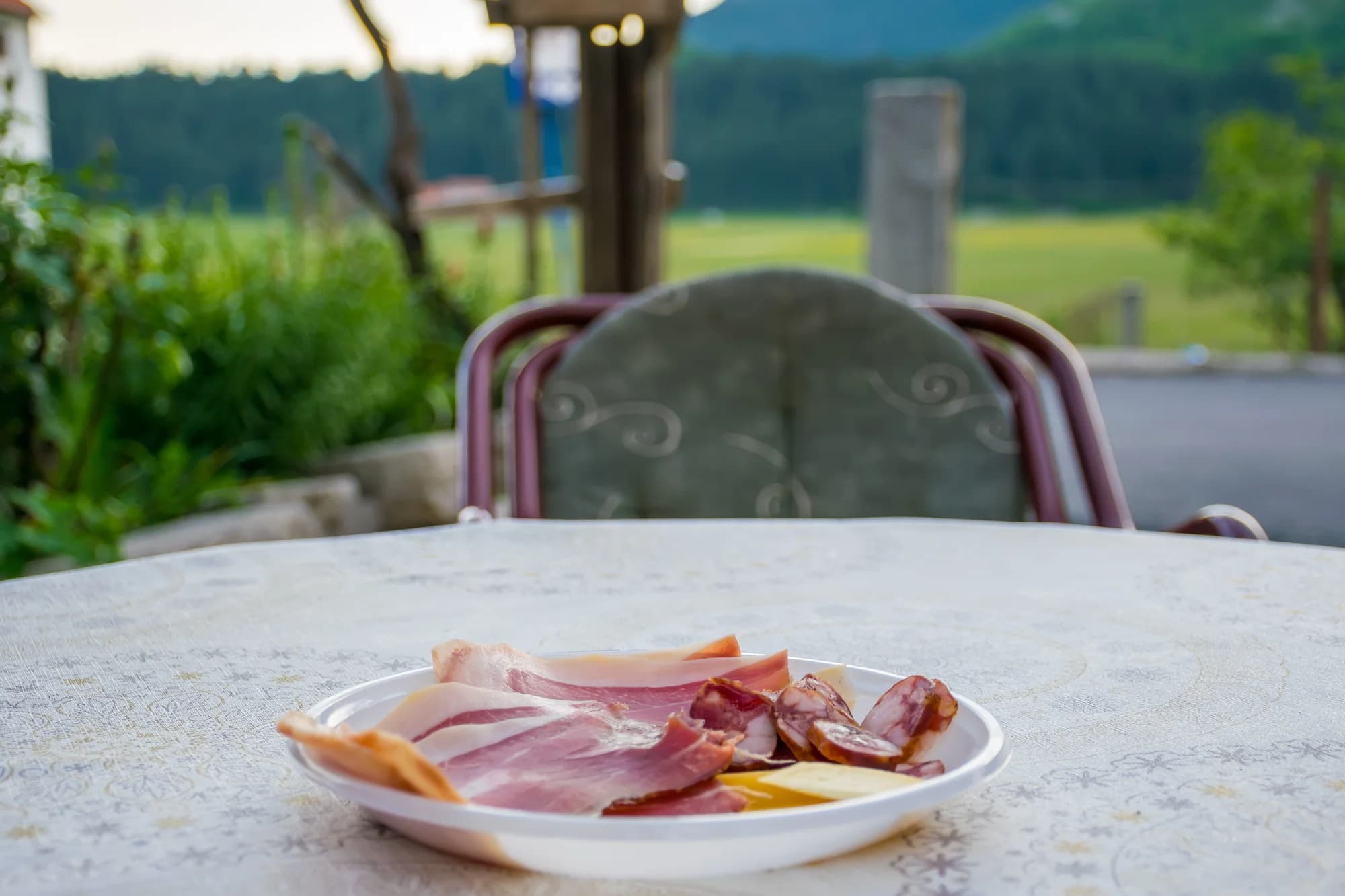
Njeguši is a small mountain village perched at around 900 metres altitude on the slopes of Mount Lovćen, halfway between Cetinje and Kotor. Despite its modest size — fewer than 200 permanent residents — Njeguši holds an outsized place in Montenegrin identity. This is the ancestral home of the Petrović-Njegoš dynasty, which ruled Montenegro for over 200 years and produced the country's greatest literary figure, Petar II Petrović-Njegoš, author of The Mountain Wreath. Njeguši is also the birthplace of Montenegro's two most celebrated food products: njeguški pršut, a dry-cured ham that rivals the finest prosciutto of Italy, and njeguški sir, a tangy sheep's cheese aged in mountain air. Taken together, the village is nothing less than the spiritual and gastronomic heartland of Montenegro.
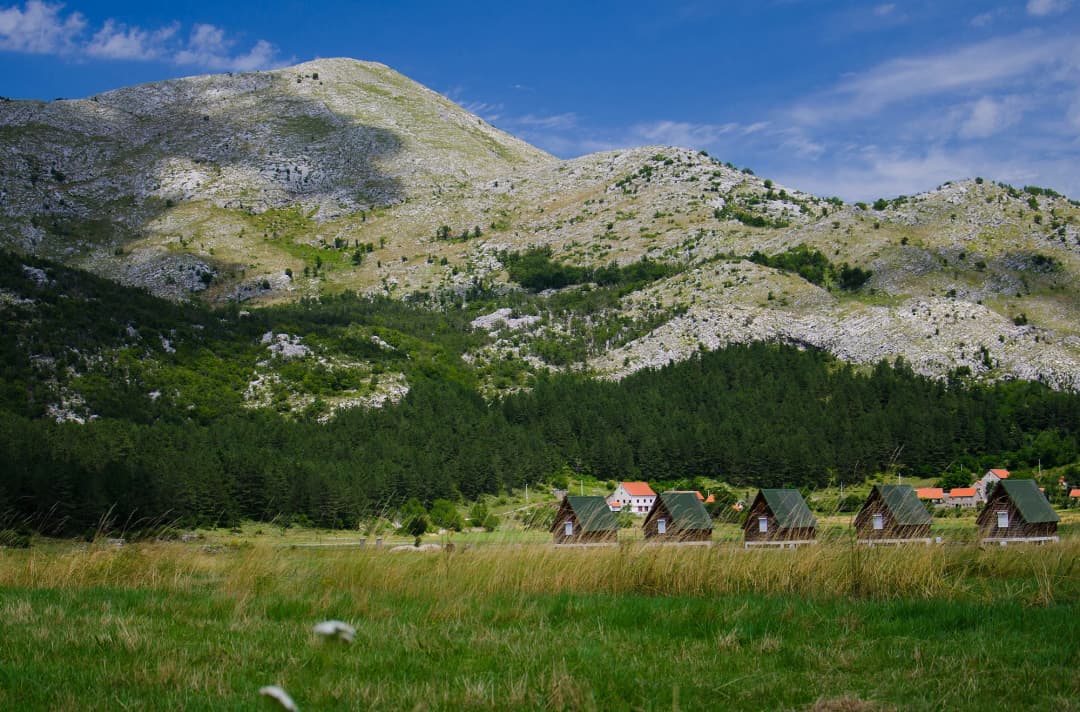
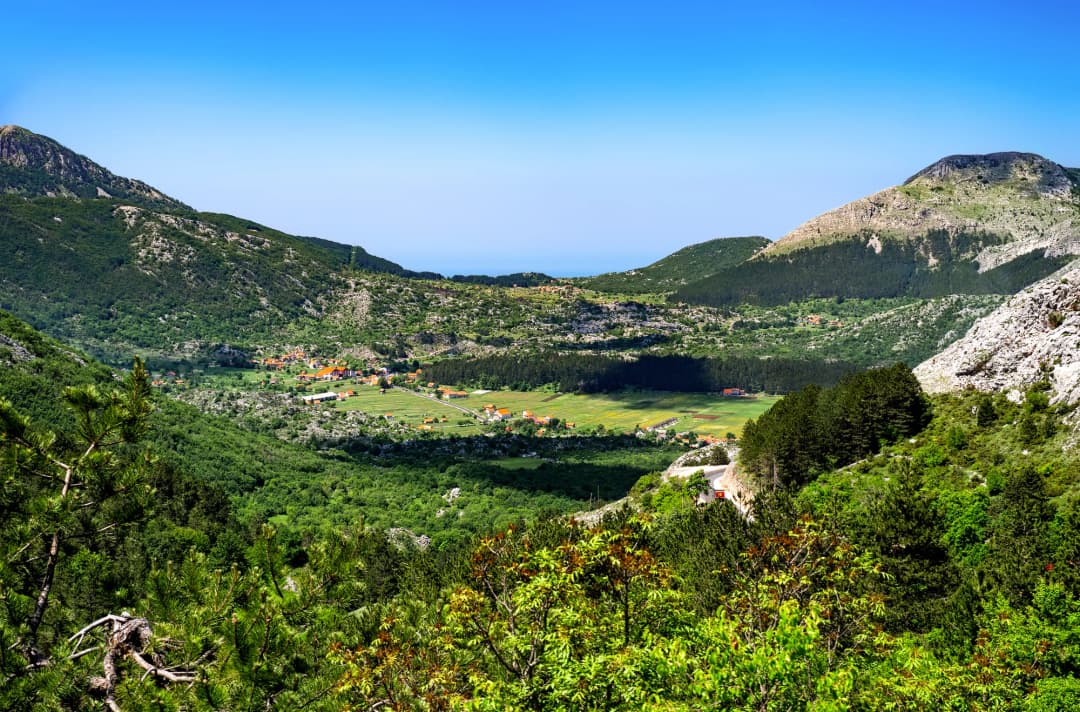
Visiting Njeguši today is an experience that combines spectacular mountain scenery, deeply rooted culinary traditions, and the quiet grandeur of a place that shaped a nation. The village is scattered across a high green valley — technically a polje, or karst field — encircled by the barren limestone peaks of Lovćen. The air is cool and clean even in the height of summer, scented with woodsmoke and drying meat from the smoking houses that dot nearly every yard. There is no mass tourism infrastructure here, no souvenir shops or bus parking lots — just stone houses, modest roadside stalls selling pršut and cheese, and the deep sense of a community still living as it has for centuries.
A Brief History of Njeguši
The Njeguši settlement has existed since at least the medieval period, serving as the home of the Petrović clan, one of the powerful tribes of Old Montenegro. In 1697, Danilo Petrović-Njeguš became the vladika (bishop-prince) of Montenegro, establishing a theocratic dynasty that would lead the country until 1918. Under the Petrović-Njegoš rulers, Montenegro gradually expanded from a tiny highland principality into an internationally recognised kingdom.
The most famous son of Njeguši is Petar II Petrović-Njegoš (1813–1851), vladika, poet, and philosopher. His epic poem Gorski vijenac (The Mountain Wreath), published in 1847, is considered the greatest work of Montenegrin and Serbian literature. Njegoš's birthplace in Njeguši is preserved as a museum — a modest stone house that reflects the austere highland life of the period, a striking contrast to the grandeur of the mausoleum built in his honour atop nearby Mount Lovćen.
King Nikola I, the last king of Montenegro (reigned 1860–1918), was also born in Njeguši. His reign saw Montenegro gain international recognition at the Congress of Berlin in 1878 and eventually become a kingdom in 1910. After World War I, Montenegro was absorbed into the new Kingdom of Serbs, Croats, and Slovenes (later Yugoslavia), and Nikola died in exile in France in 1921. The Petrović-Njegoš dynasty thus ended, but the village of Njeguši retained its status as the symbolic cradle of the Montenegrin nation.
How to Get to Njeguši
Njeguši is located on the old road between Cetinje and Kotor, a route that is itself one of the most spectacular drives in Montenegro.
From Cetinje: Drive west on the road toward Kotor via Lovćen. Njeguši is about 15 kilometres from Cetinje, a drive of 20–25 minutes through highland terrain. The road passes through open karst landscape with views of the Lovćen massif.
From Kotor: The famous serpentine road from Kotor climbs from sea level to 900 metres in a series of 25 hairpin bends, offering increasingly breathtaking views of the Bay of Kotor below. Njeguši is at the top of this climb, about 15 kilometres and 30–40 minutes from Kotor old town. This is one of the most scenic drives in Europe and an experience in its own right.
From Budva: Drive to Cetinje (about 30 minutes via the main road) and then continue to Njeguši. Alternatively, drive to Kotor and ascend the serpentine — a longer but far more dramatic approach.
From Podgorica: The drive takes about an hour. Head to Cetinje via the main highway and continue west to Njeguši.
There is no regular public bus service to Njeguši itself, though buses between Cetinje and Kotor pass through the area. Many visitors arrive on organised day tours from Kotor or Budva, which typically combine Njeguši with the Lovćen Mausoleum and Cetinje. A rental car provides the most flexibility.
Best Time to Visit
Njeguši is a year-round destination, though the experience changes with the seasons. Spring and early summer (May to June) are ideal — the highland meadows are covered in wildflowers, temperatures are pleasant (15–25°C), and the mountain air is fragrant. Summer (July and August) is warm but significantly cooler than the coast, making Njeguši a welcome escape from the coastal heat.