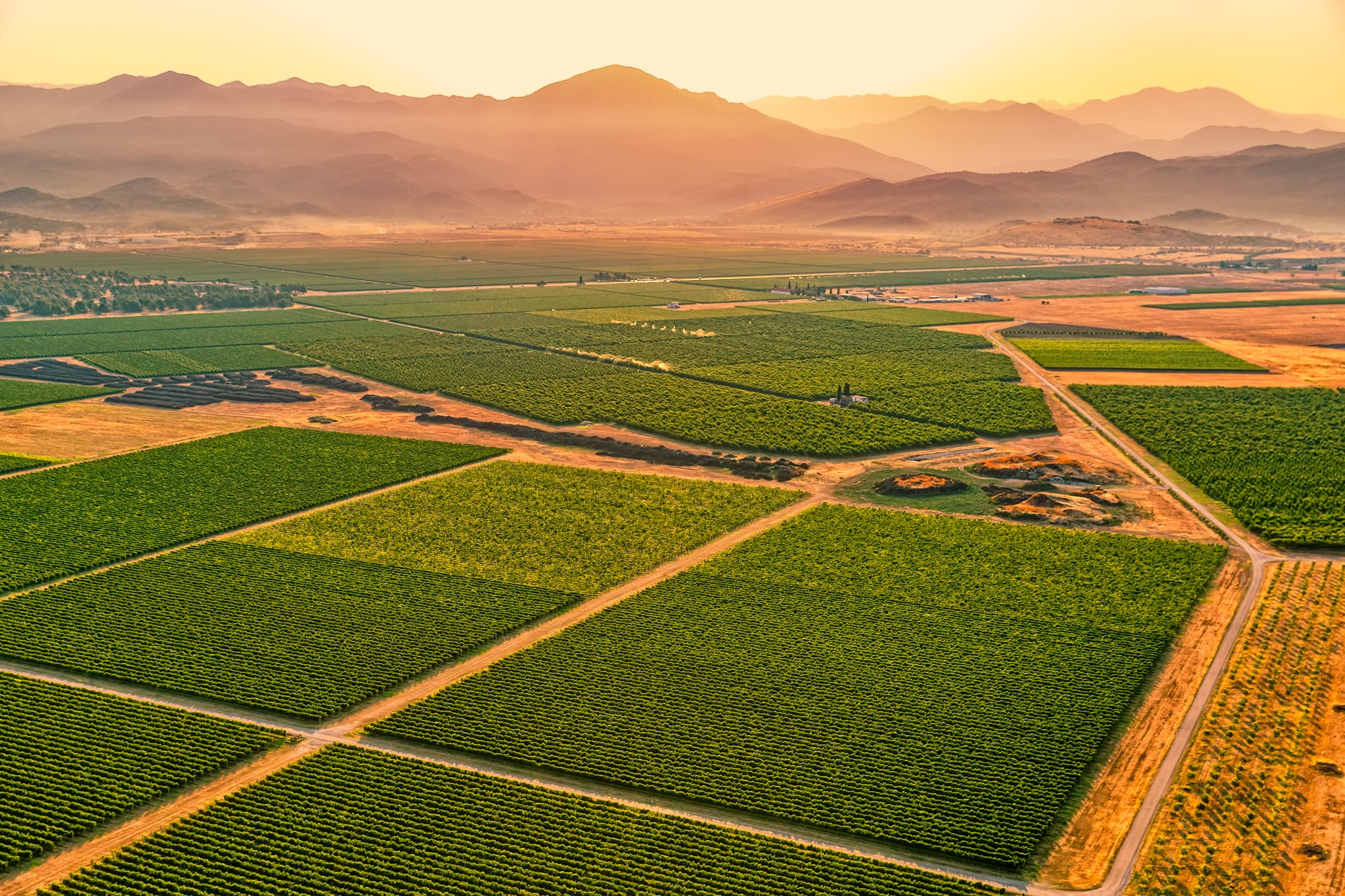
Montenegro's wine country is not one road. It is a network of growing regions, family cellars, a large-scale vineyard near Podgorica, Crmnica villages above Lake Skadar and a small coastal estate above Herceg Novi. A successful wine trip therefore begins with geography and reservations—not a list of bottles. This guide shows how to choose a coherent route, verify each visit and keep the driver completely sober.
First decide whether you want wine knowledge or a wine route
Wine knowledge starts with grapes, styles, labels and vintage. A wine route adds transport, appointments, food, walking surfaces, time between hosts and a plan for alcohol. Our Montenegro wine guide explains Vranac, Kratošija, Krstač and how to taste them. This page answers a different question: how should those bottles become a safe, geographically sensible day?
The central mistake is trying to connect too many regions. Crmnica, Podgorica and Boka may appear close on a national map, but each can fill a day. Winery visits are conversations rather than retail stops. A cellar tour, vineyard walk, food pairing and purchase take time; mountain and lake roads add uncertainty. Select one hub and no more than two confirmed producers.
Montenegro's four official wine-growing regions
A June 2026 Ministry of Agriculture note defines four production regions: the Montenegrin Basin of Lake Skadar, the Montenegrin Coastal region, Nudo, and Montenegrin North. The Lake Skadar basin is further divided into Kučki, Crmnički, Riječki, Podgorički, Piperski, Katunski and Bjelopavlićki subregions. The coastal region has Boka Kotorska, Budva–Bar, Ulcinj and Adriatic Hinterland subregions; the northern region includes Dragaljsko Polje, Nikšić, Šćepan Polje and Bijelo Polje.
This formal geography is more accurate than the old draft's loose list of “Crmnica, Nahije, Komani and Bjelopavlići.” Tourism language and legal origin language solve different problems. A village can be a useful visitor base without being a protected designation; a winery address does not automatically prove what origin statement may appear on each bottle.
| Region | Subregions | Note |
|---|---|---|
| Lake Skadar basin | 7 | largest vineyard area |
| Montenegrin coast | 4 | Boka to Adriatic hinterland |
| Nudo | — | standalone production region |
| Montenegrin north | 4 | subregions |
Source: gov.me
| Route model | Best base | What it reveals | Main constraint |
|---|---|---|---|
| Podgorica and Zeta | Podgorica | Large vineyard scale, Šipčanik and smaller Zeta producers | Advance tours and sober transfer |
| Crmnica and Lake Skadar | Virpazar or Crmnica | Small plots, Vranac traditions, village cellars and lake food | Narrow roads; appointments; overpacked lake add-ons |
| Riječka/Katunska nahija | Cetinje or Podgorica | Stone-house cellars and small rural households | Dispersed addresses and limited walk-in service |
| Boka coastal wine | Herceg Novi | Maritime climate, boutique scale and a vineyard above the bay | Steep access and separate transport |
| North or Nudo research trip | Nearest regional town | Emerging cooler-site production | Few visitor services; requires producer-led planning |
Route 1: Podgorica, Ćemovsko Polje and Šipčanik
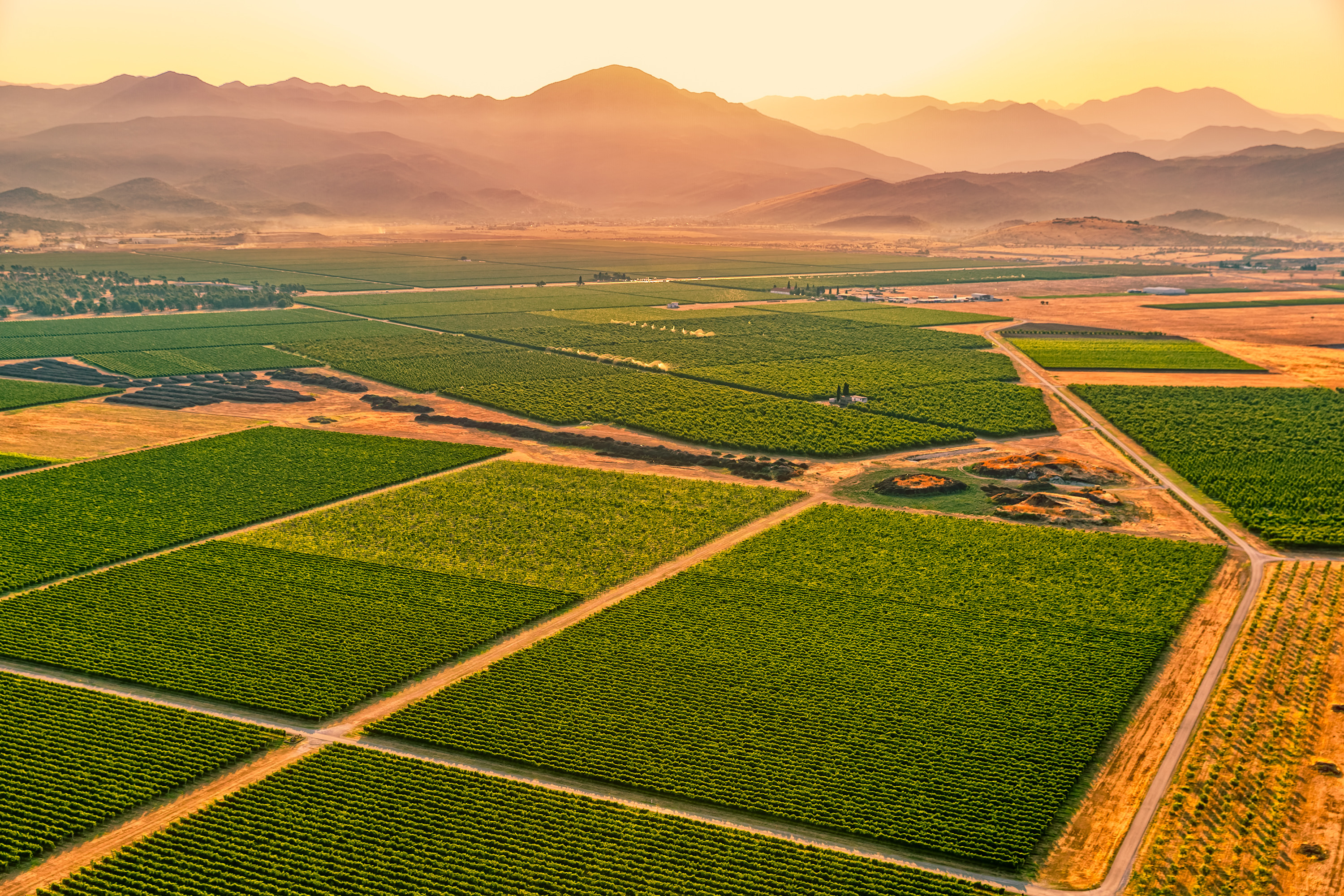
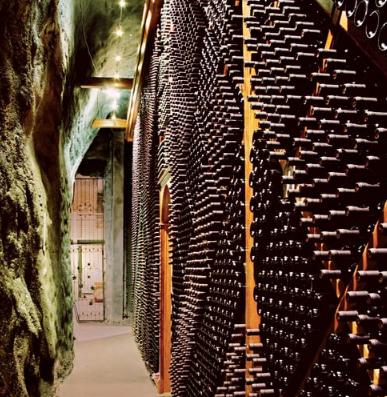
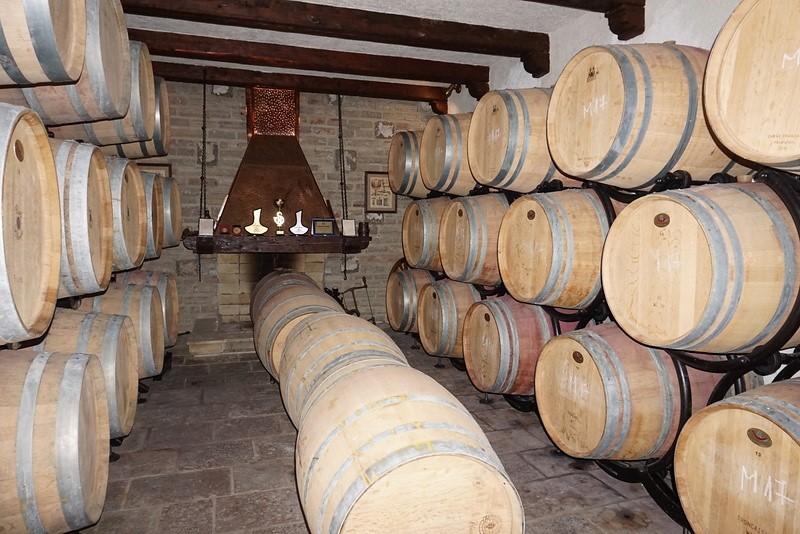
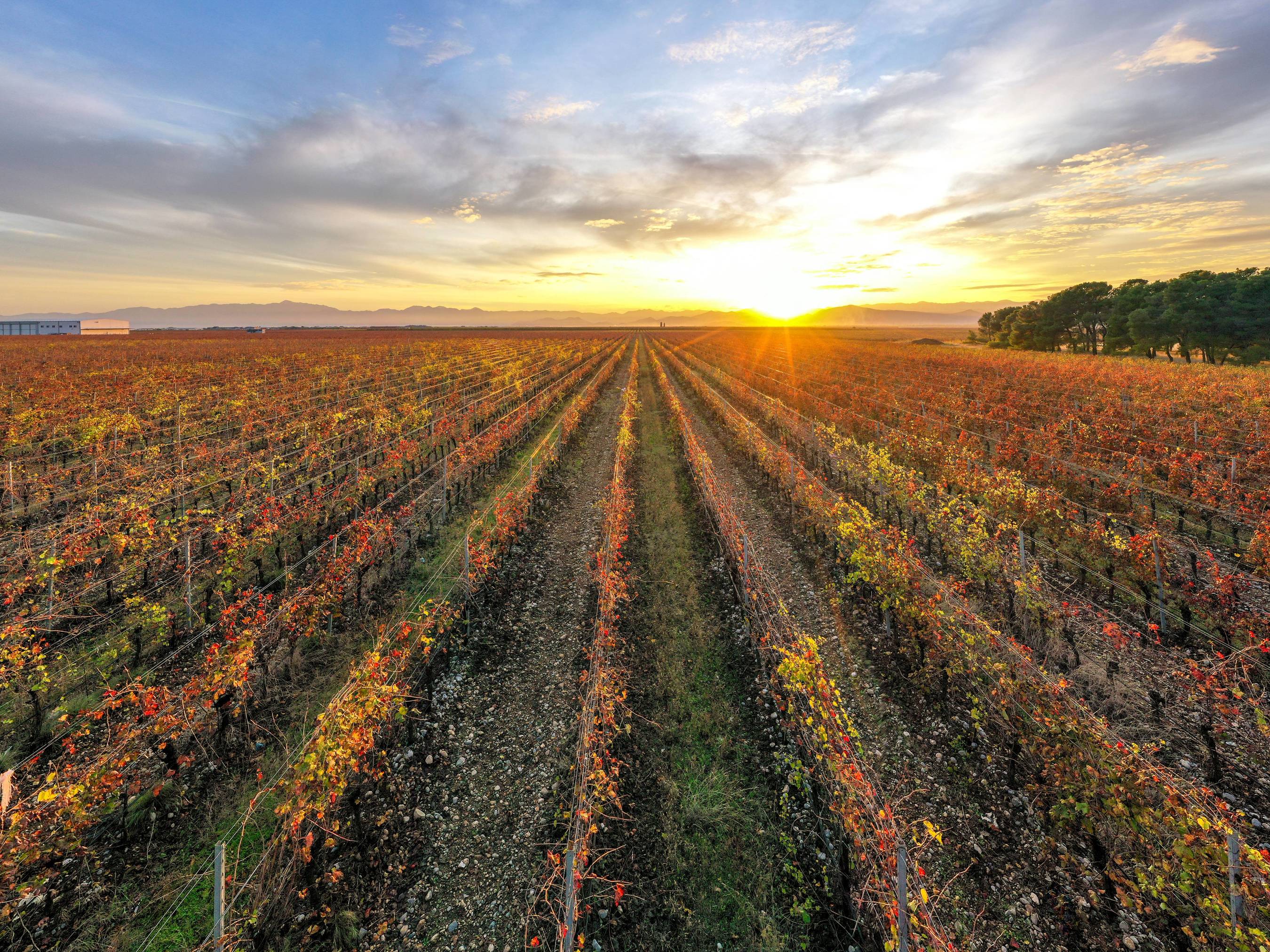
The National Tourism Organisation describes the Plantaže vineyard on Ćemovsko Polje at roughly 2,300 hectares and the Šipčanik cellar as a converted former military tunnel. The operator likewise describes an immense central-plain vineyard dominated by Vranac. These figures explain the scale contrast with a family cellar; they do not prove a “best” wine or guarantee a tour.
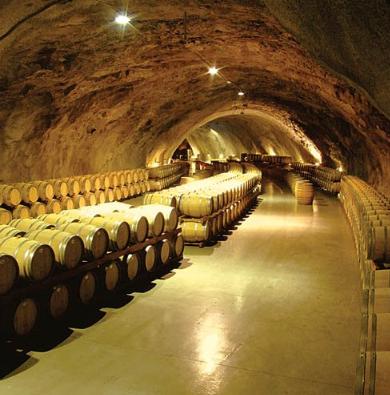
Make Podgorica the base. Request the current tour directly, wait for written confirmation and ask whether transport, cellar temperature, stairs, food, language and purchase collection are included. Pair one large producer with one confirmed small household in Zeta only if the travel time leaves a generous margin. The government's rural-tourism directory currently lists Kula Popovića in Mataguži, but directory presence is a lead, not a reservation.
Route 2: Crmnica and the Lake Skadar basin
Crmnica is the strongest choice for a landscape-led wine day. Small vineyards, stone cellars and villages sit above the Lake Skadar basin, with Virpazar as the practical gateway. Use our Virpazar guide for arrival and our Lake Skadar guide for boating and protected-area context.
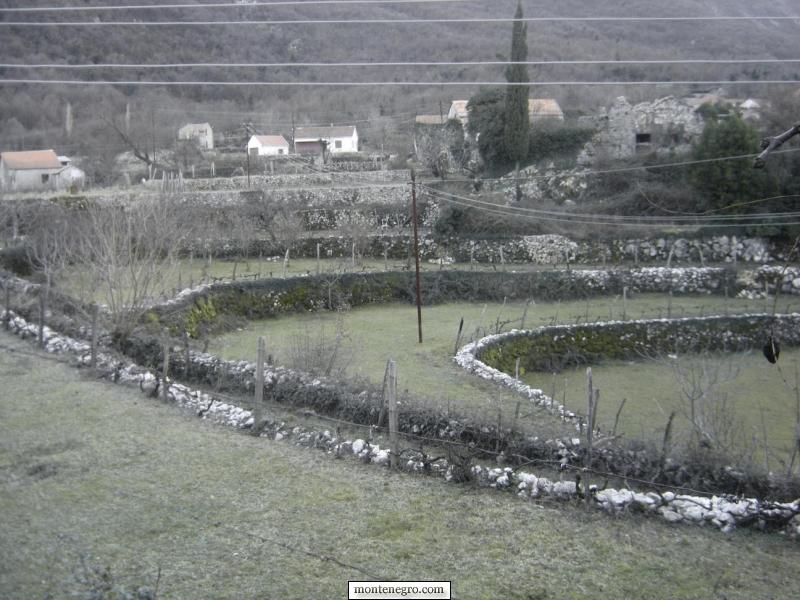
The official Village Explorer directory currently profiles Đukanović Winery in Mačuge with tasting, local food and possible vineyard or lake-linked experiences. Treat each element separately. Confirm whether the winery visit, meal and boat are actually available on your date; who operates the boat; where the transfer begins; and how weather cancellation works. Do not assume one host provides every advertised component every day.
One winery plus a meal is already a meaningful half-day. Two wineries can fill a day. Adding a long cruise, monastery, beach and sunset viewpoint turns it into transport. If the lake matters as much as wine, stay overnight and divide them. Visitors using rural accommodation should also review tourist registration requirements rather than assume a small household handles them invisibly.
Route 3: the nahije and small rural households
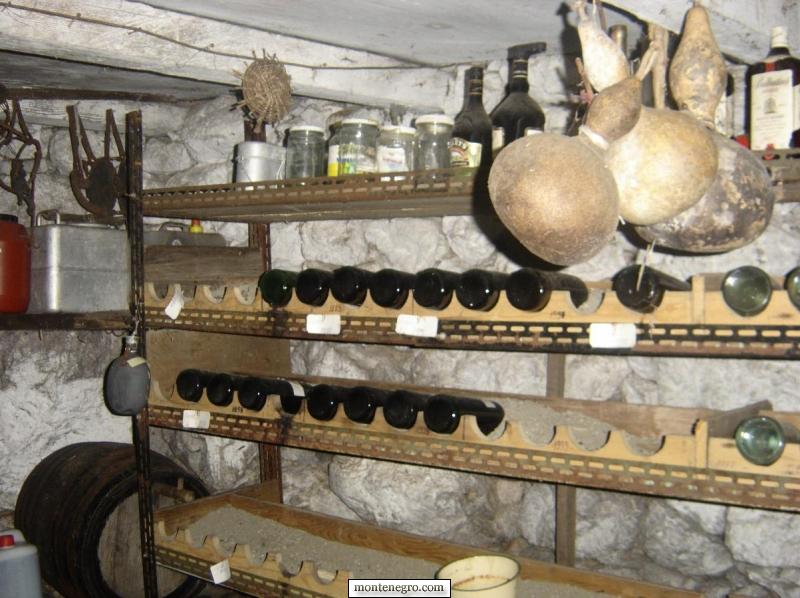
Riječka, Katunska, Piperska and Bjelopavlićka areas invite a different pace. Rather than following a branded road and expecting open doors, build a producer-led circuit. The public rural-household directory lists examples such as Kuća vina Bogojević in Lješanska nahija and wine-oriented households near Cetinje. Ask the host to send a location pin and arrival instructions; duplicate village names and unsurfaced final approaches can defeat ordinary map search.
Small does not automatically mean authentic, organic or unregulated. Montenegro requires rural hospitality operators to register and meet technical, food-safety and other conditions. Travelers are not inspectors, but they can choose businesses listed in current official directories, request receipts and ask factual questions about what was grown, fermented, distilled or purchased.
A good tasting compares one variable at a time: Vranac from two sites, Vranac and Kratošija, current release and older vintage, or white and red under the same producer. Spitting is normal and useful. Water and food should be part of the booking, not improvised after several pours.
Route 4: Castel Savina above Herceg Novi
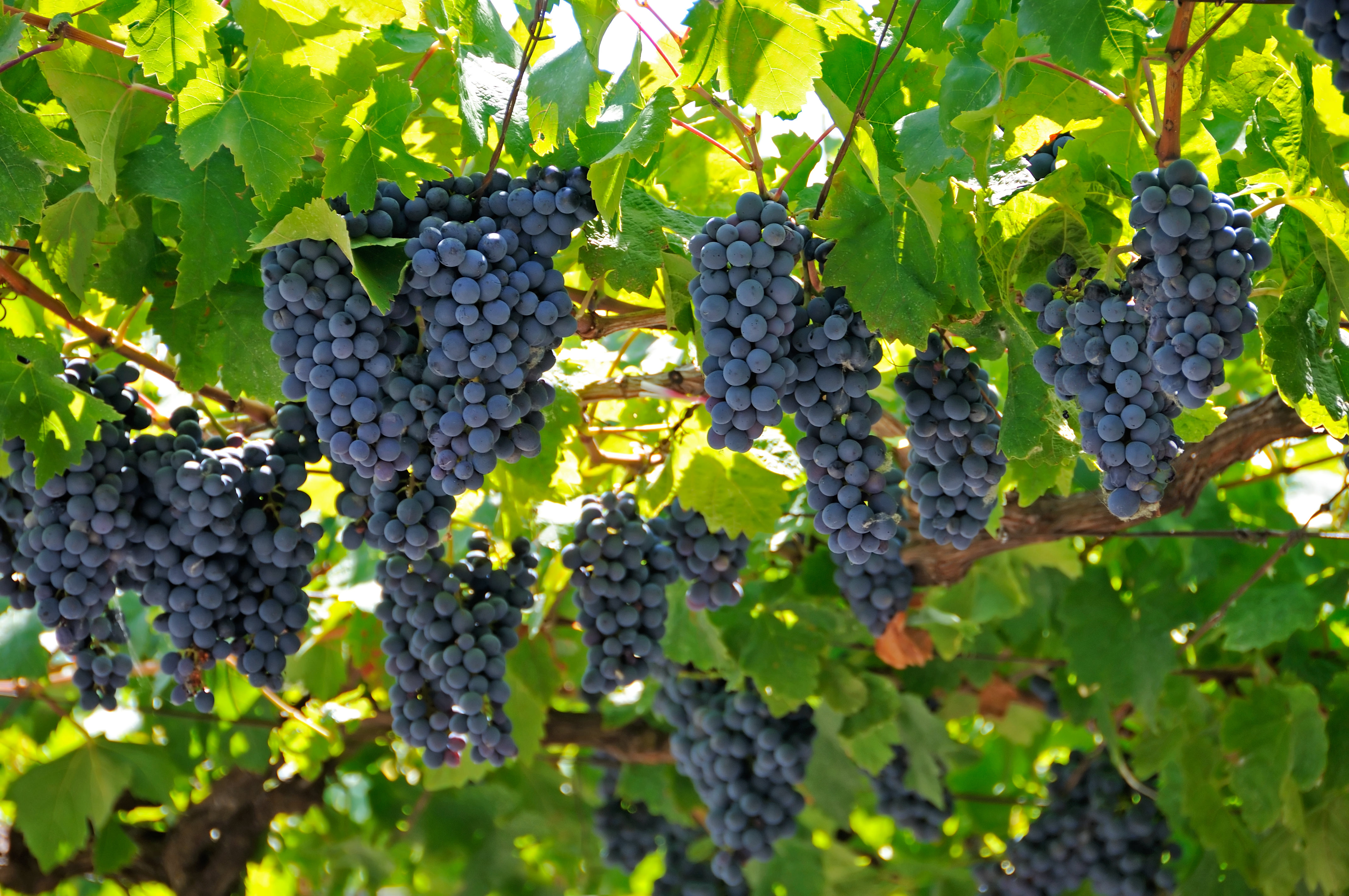
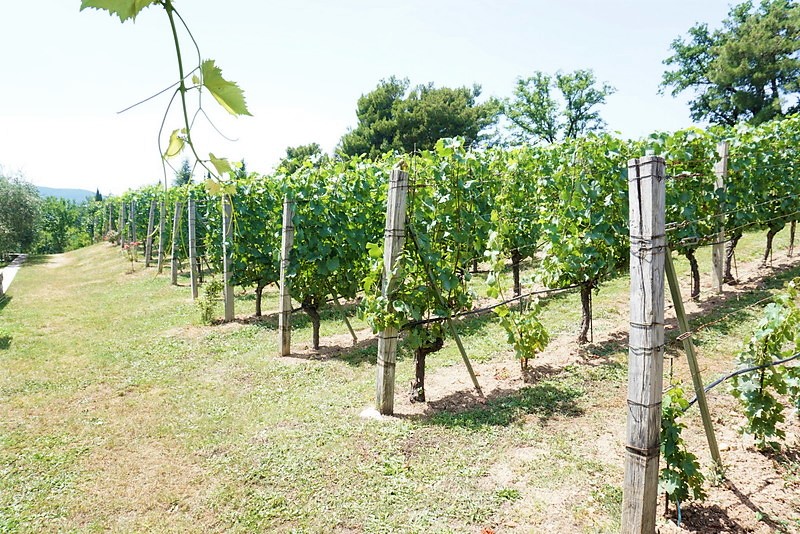
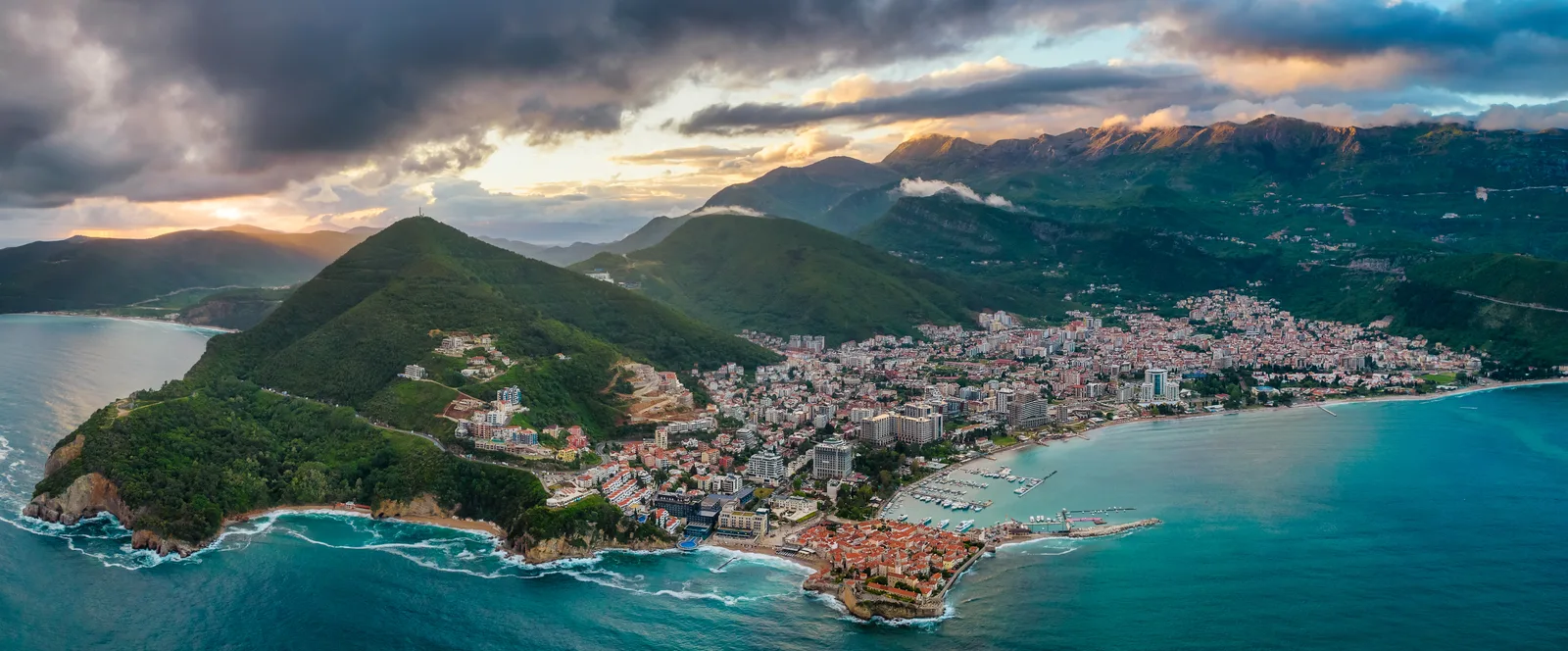
Boka is a separate wine day, not an add-on to Crmnica. Castel Savina's official booking page currently describes guided vineyard and cellar experiences with food and states that visits should be reserved. It also warns guests not to walk from the gate because the road is very steep and access is by car. That operational detail matters more than a generic promise of “sea views.”
Use a taxi or transfer in both directions, with pickup confirmed before tasting. Do not appoint a driver who plans to “have only one glass.” The Police Directorate's July 2026 road-safety advisory specifically highlighted alcohol-impaired driving among serious enforcement risks. Our standard is simpler than calculating a legal limit: the driver tastes no alcohol.
Read the legacy Savina winery tour as archive, then verify against the current producer page. Combine the tasting with our Herceg Novi guide, but visit nearby Savina Monastery sober and as an active religious site—not as wine-tour décor.
How to verify a winery before paying
| Question | Why it matters | Acceptable evidence |
|---|---|---|
| Is my date and time confirmed? | Many family wineries are request-only | Written reply with party size and arrival instructions |
| What exactly is poured? | “Tasting” can mean different quantities and vintages | Wine count, pour format and substitutions policy |
| Is food a snack or meal? | Dietary and timing consequences are substantial | Menu outline, allergy response and price inclusion |
| Who drives? | Rural roads and alcohol cannot be reconciled casually | Sober driver, booked transfer or overnight plan |
| What is accessible? | Cellars can have stairs, gravel, low light and cold | Route description for the named spaces |
| May children attend? | A farm visit and an alcohol tasting are not identical | Host confirmation, supervision and non-alcohol plan |
| Can bottles travel? | Heat, airline baggage and customs affect purchases | Packaging options and destination-specific allowance check |
| What cancels the visit? | Harvest, heat, illness and weather change operations | Written cancellation and refund terms |
Send one compact request containing date, group size, languages, food needs, mobility needs, children, transport and the wines you hope to understand. A “reservation request received” screen is not confirmation. Save the reply and location pin offline.
Use a tasting record, not a scorecard
Write down the sequence before the first pour. For each wine record grape or blend, vintage, stated origin, vessel, alcohol, serving temperature and food. Then add observations in plain language: fruit, herbs, earth, acidity, tannin, sweetness, finish and how the wine changed with food. A numerical score without context is less useful than a repeatable description.
Photograph labels only with permission and keep the bottle order intact. Ask whether a wine is filtered, whether oak is new or used, and whether “reserve” has a defined producer or legal meaning on that label. Compare answers without trying to catch the host out. The aim is to understand decisions from vineyard to bottle. If fatigue dulls attention, stop tasting; buying more wine does not rescue an overbooked itinerary.
Climate is now part of the wine story
The Agriculture Ministry reports rising temperatures, longer droughts, irregular rainfall, heat waves, fire risk and changing pest pressure. It says ripening can occur two to four weeks earlier than usual and that excessive heat may reduce aromatic complexity in Vranac even when colour and tannin concentration rise. These are sector risks, not a formula for declaring one vintage good or bad.
Ask producers what changed: harvest date, canopy shade, irrigation, ground cover, site elevation, yeast or acid management, and which practices are experimental. This produces a better conversation than asking whether a wine is “natural.” It also explains why a grape-harvest activity cannot be promised months in advance; phenology and staffing decide the real date.
Practical one-day and two-day plans
One day from Podgorica: book one major-cellar visit and one small producer or a long lunch, with a hired driver. Leave enough space between confirmations for rural roads and conversation. Return to the city without adding Lake Skadar at sunset simply because it looks close.
One day in Crmnica: stay in or near Virpazar, confirm two producers at most, eat where one tasting includes a real meal, and make lake activity optional. If using a boat, book a licensed operator separately and keep weather cancellation independent from the winery.
Two days: use day one for Podgorica/Zeta and day two for Crmnica, or base on the coast and keep Savina as the only wine appointment in a Herceg Novi day. Do not combine Boka and Crmnica tastings by driving between them after alcohol.
For every plan, carry water, eat before the first tasting, use sunscreen in vineyards and take a layer for cellars. Ask before entering vine rows: working vineyards contain machinery, treatments, irrigation lines and uneven ground. Never pick grapes unless the producer explicitly invites it.
Read the bottle after the landscape
Record producer, exact cuvée, vintage, grape statement, origin wording, alcohol, farming claim and lot if available. “Vranac from Montenegro” is not enough to compare sites. The Agriculture Ministry publishes vineyard and protected-origin registers; the bottle label and current register outrank a guide's assumption.
The most useful souvenir may be one bottle with a documented story, not a mixed case bought after the fifth pour. Ask how it should be stored, protect it from a hot car and check airline and destination customs rules before purchase. Montenegro.com cannot determine an import allowance without the traveler's destination and date.
Frequently asked questions
What is the best Montenegro wine region for a first visit?
Crmnica offers the clearest combination of small producers, vineyard landscape and a Virpazar base; Podgorica offers the contrast of very large production and easier city logistics. “Best” depends on transport, desired producer scale and whether Lake Skadar or cellar engineering matters more.
Can I visit wineries without a reservation?
Do not build a route on walk-ins. Official directories help discover producers, but current access, food and language require written confirmation. Even larger estates may run tours only at set times, while family producers may be working in vineyards or hosting another group.
Are Montenegro's wine roads fully signposted?
The legacy draft says marking was completed in 2010–2011, and the National Tourism Organisation still promotes wine maps. This review found no current comprehensive field audit of every sign. Obtain current pins from each producer and carry offline navigation.
May the designated driver taste a little?
No. The safest operational rule is zero alcohol for the driver. Use a confirmed taxi, private transfer, organised tour with clear licensing, or accommodation within a route that the host explicitly confirms is safe to reach without driving.
When is harvest?
There is no fixed tourism date. Variety, site, weather and producer decisions move harvest, and the Agriculture Ministry reports climate-driven earlier ripening in some conditions. Only a producer can confirm whether visitors may participate, on what date and under what safety rules.
Can children join a wine tour?
Some rural households combine farms, food and accommodation, but each producer sets access and supervision rules. Confirm children in writing, request non-alcoholic drinks and never assume a cellar, machinery area, pool or steep vineyard is designed for unsupervised play.