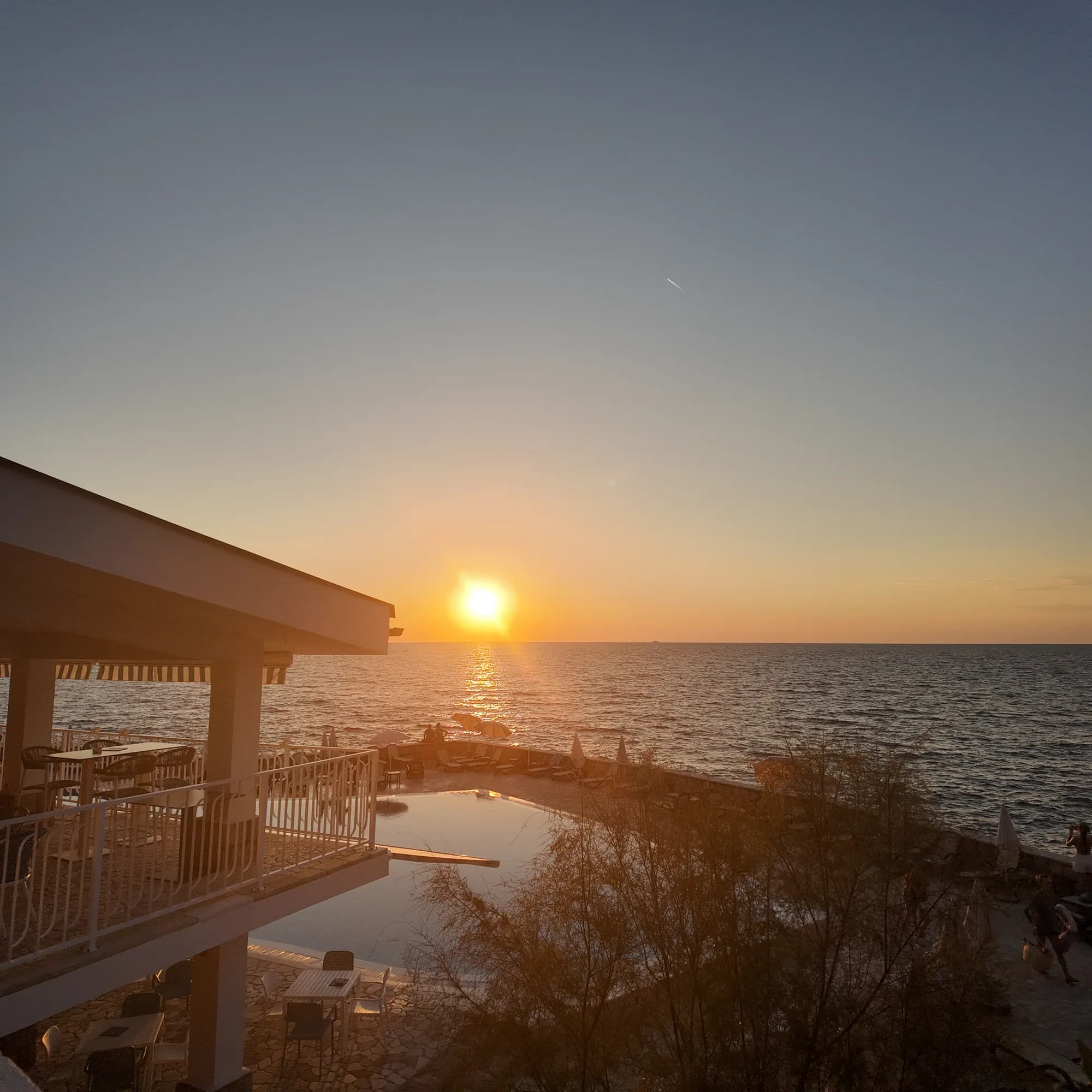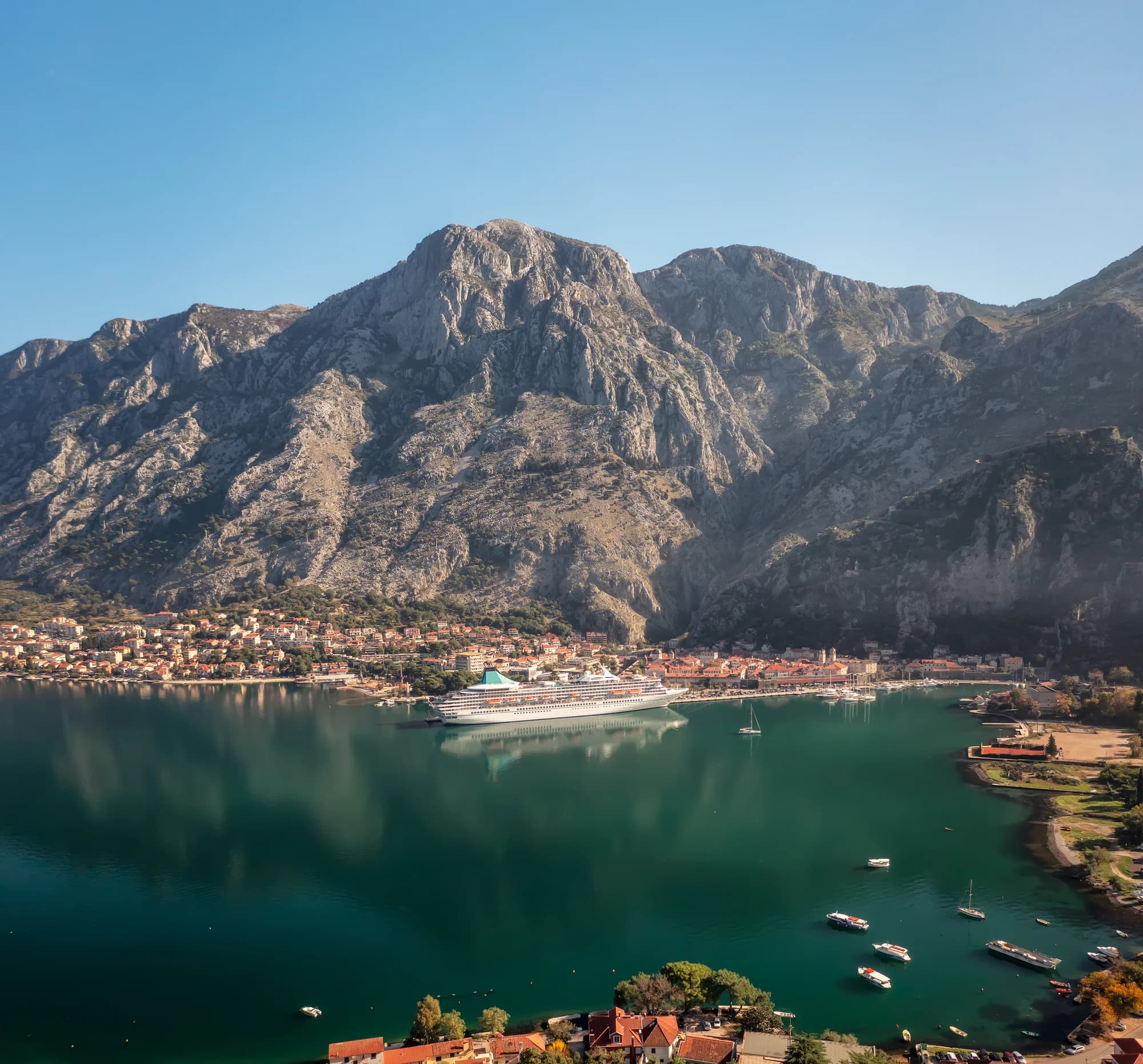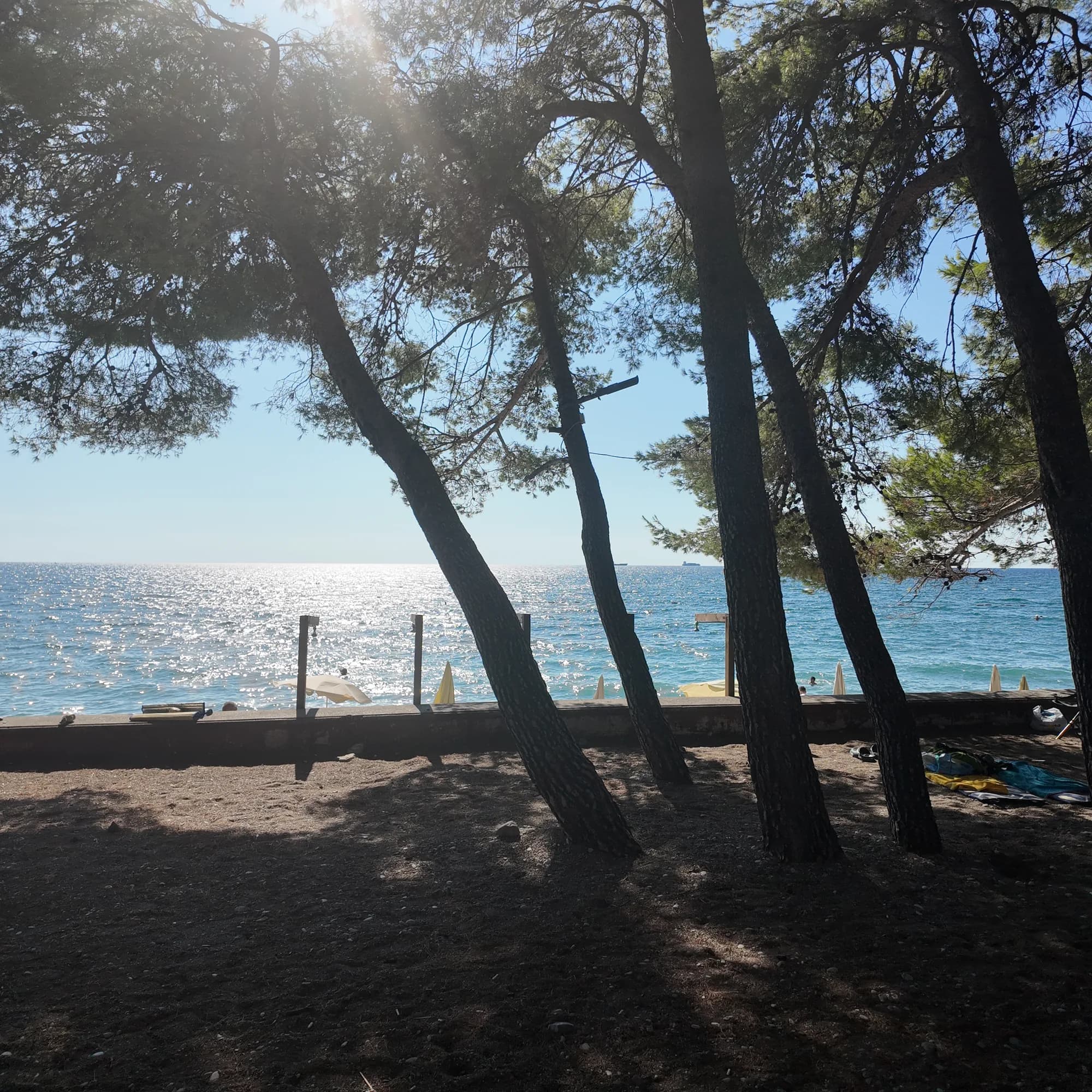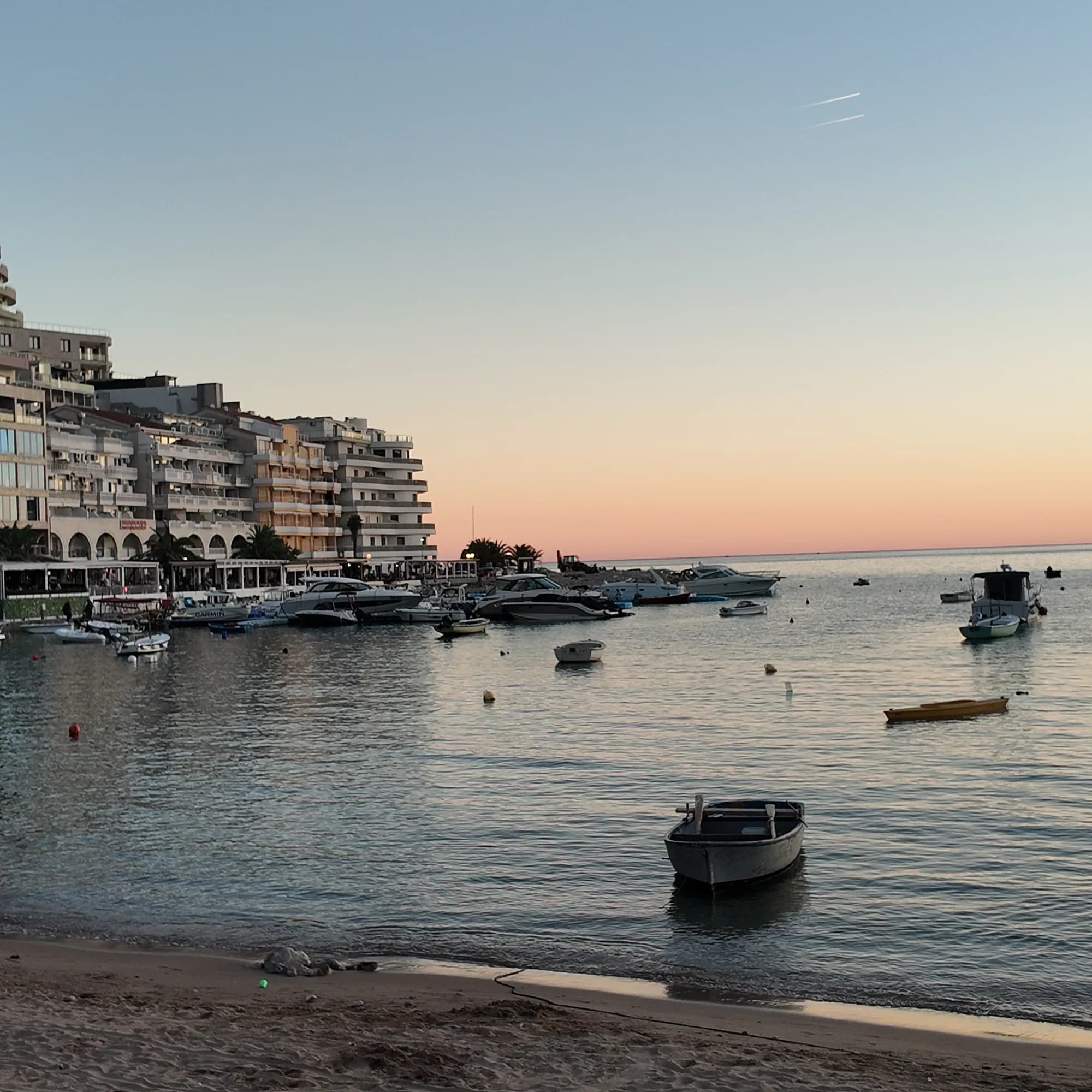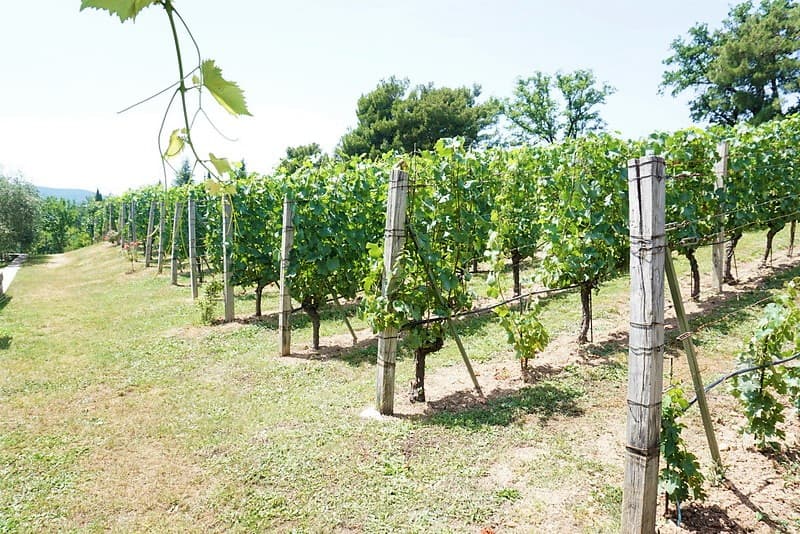
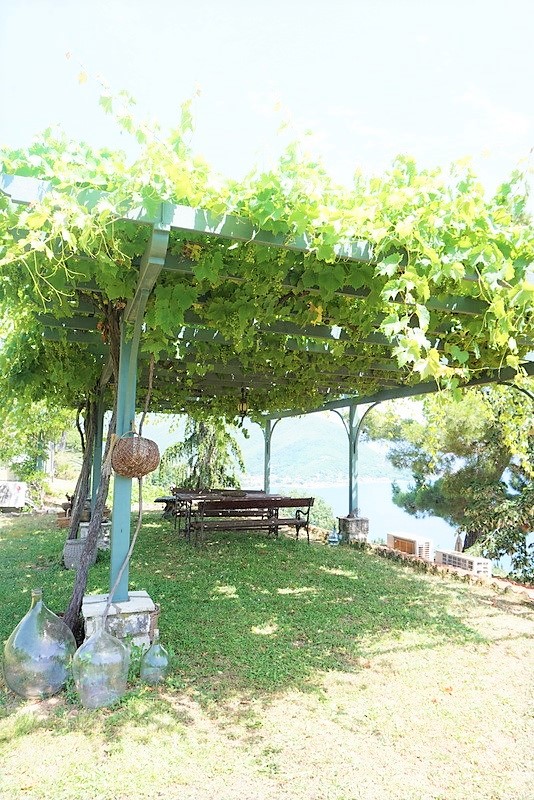
Castel Savina occupies an unusual place in Montenegro’s wine landscape: a small vineyard above the Bay of Kotor, within the cultural orbit of Herceg Novi and close to Savina Monastery. The setting can make a tasting look effortless—vines, stone, shade and sea in one frame. The practical reality is more specific. Visits are booked experiences, access is steep, the producer is small, and the monastery and winery are separate places with separate rules.
This guide replaces a 2018 Montenegro.com profile that contained valuable first-party photographs but an outdated booking email, an incorrect cadastral year and an old production figure. The official estate pages now provide a clearer record and explicit visitor instructions. We use them as producer evidence, distinguish marketing claims from law and independent context, and keep the original photographs as an archive of the place.
Castel Savina at a glance
| Decision | What the winery currently says | What you should confirm |
|---|---|---|
| Booking | Advance booking is recommended through the official request page | Date, start time, language, group size and written confirmation |
| Access | Arrive by car; the road is steep and visitors are told not to walk up from the gate | Driver, taxi return, pickup point and mobility needs |
| Format | Several tasting and meal-oriented packages are advertised | Current price, duration, wines, food, dietary needs and minimum group |
| Scale | The cellar page states a maximum of 25,000 bottles annually | Do not assume every label or vintage is available |
| Neighbourhood | The estate is on the Savina hillside near Herceg Novi | Treat the monastery as a separate visit, not part of the tasting |
The best first step is the winery’s own booking page, not a reseller’s old description. A request is not a reservation until the estate confirms it. Save that confirmation and ask for the exact arrival instructions; “near Savina Monastery” is cultural orientation, not sufficient navigation for the final steep approach.
A vineyard above the bay
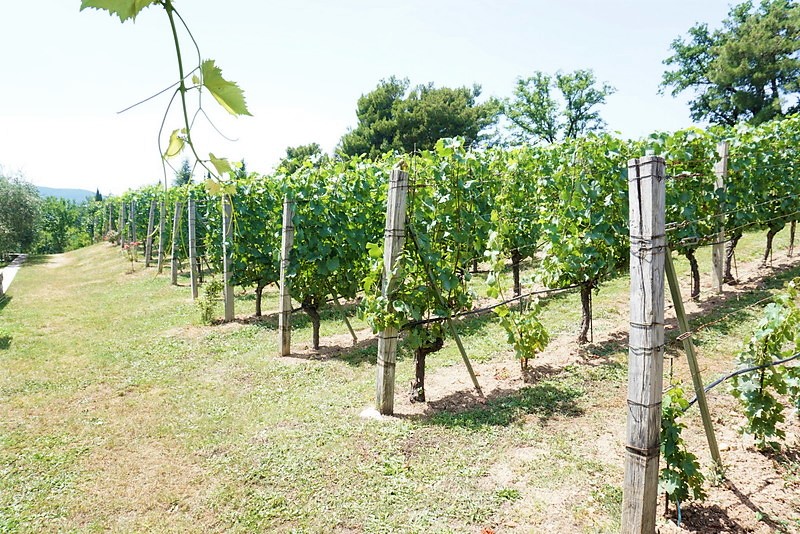
Castel Savina’s official story describes a two-hectare, south-facing vineyard between about 70 and 120 metres above sea level. That scale matters. This is not a coach-oriented industrial complex, and “boutique” should describe production and visit capacity rather than automatically imply luxury. The experience is strongest for travellers interested in the relationship between a small parcel, coastal exposure and cellar choices.
The National Tourism Organisation includes Castel Savina in its wine-road material, placing it within a country more often associated with the Lake Skadar basin and the Vranac grape. Our Montenegro wine-route guide compares those regions and makes a useful planning distinction: Savina is a Boka visit that can fit a Herceg Novi stay, while Crmnica wineries usually belong to a separate inland day.
The 1753 record: useful, but keep the attribution
The legacy article said a 1758 cadastral map marked local parcels as terra vignata. Castel Savina’s current official history instead cites the Venetian Land Register of 1753. We use the producer’s current year and attribute it to the estate. Without reproducing and independently analysing the original register, it would be too strong to present every modern parcel as continuously planted from that date.
The reliable conclusion is narrower and more interesting: viticulture belongs to the documented historical landscape around Savina, while the present winery is a modern family enterprise. Continuity of place is not the same as uninterrupted production, ownership or technique. This distinction protects the story from a common wine-tourism shortcut in which an old map is made to certify a modern bottle.
| Milestone | Date / figure | Evidence type |
|---|---|---|
| Venetian record | 1753 | producer-cited |
| Vineyard planting and family project | modern estate | |
| Commercial release in Montenegro.com archive | 2014 | |
| Bottles per year | 25,000 | current stated maximum |
Source: castelsavina.me
What grows here
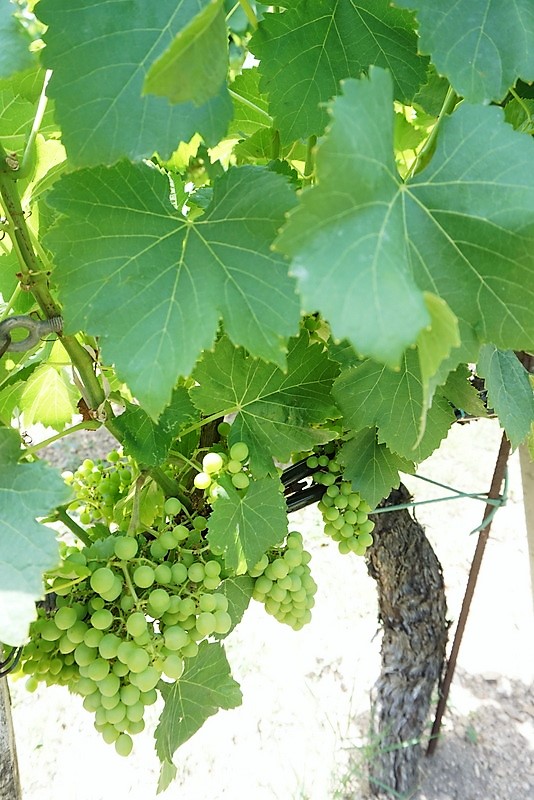
The 2018 interview recorded international varieties including Syrah, Merlot, Cabernet Sauvignon, Grenache and Chardonnay, plus the local white Žižak. A current tasting may not present all of them, and a variety planted in the vineyard does not guarantee a single-varietal wine. Ask what was grown on the estate, what was blended, what vintage is poured and whether any wine is unavailable.
Žižak deserves attention because local grapes give a visit specificity that imported international names cannot. Avoid reducing it to “similar to” another variety without current technical evidence. Let the host explain how the estate works with it, then distinguish that explanation from your sensory impression. Wine language is most useful when concrete: acidity, texture, aroma, oak and finish—not simply “premium” or “Mediterranean.”
Inside the cellar
The official cellar page describes temperature-controlled conditions, selected use of French oak and a maximum annual capacity of 25,000 bottles. Capacity is not output: it tells us the scale the cellar says it can support, not how many bottles were produced in a particular vintage. The legacy article’s 20,000-bottle ceiling is therefore retired rather than averaged with the newer figure.
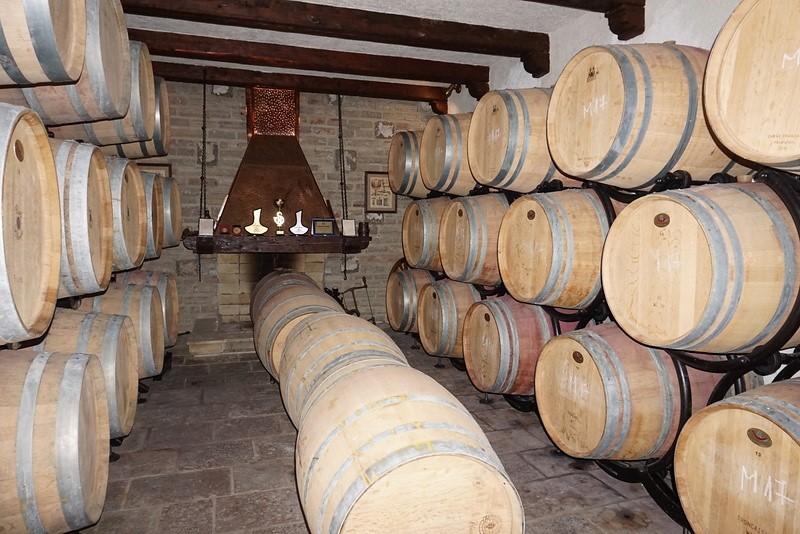
On a cellar visit, useful questions include: Which lots are fermented or aged in wood? Is the barrel new or previously used? How long does the wine remain there? Is temperature control used for fermentation, storage or both? These questions turn equipment into reporting. A row of barrels is visually persuasive; it does not by itself explain the wine.
Choosing the right tasting
The winery currently advertises several formats, from a shorter tasting to longer visits with expanded food and group meals. Exact prices and inclusions are time-sensitive, so read the official booking page as a dated offer, then obtain a written total. Compare formats by substance:
- Short tasting: best when wine is the focus and your schedule is fixed; confirm number and measure of pours.
- Cellar-focused visit: best for production questions; confirm whether the cellar and vineyard are both included.
- Food pairing: best when you want regional ingredients and more time; disclose allergies and dietary restrictions before confirmation.
- Group meal: best for a planned celebration; confirm minimum group, private/shared setting, deposit and cancellation terms.
Do not select only by price. A lower-cost package can be the more serious choice if it gives enough time to taste and ask questions. Conversely, a long meal may suit non-specialists better than a technical cellar tour. If someone in the party does not drink, ask whether a non-alcoholic option and adjusted charge are available rather than assuming.
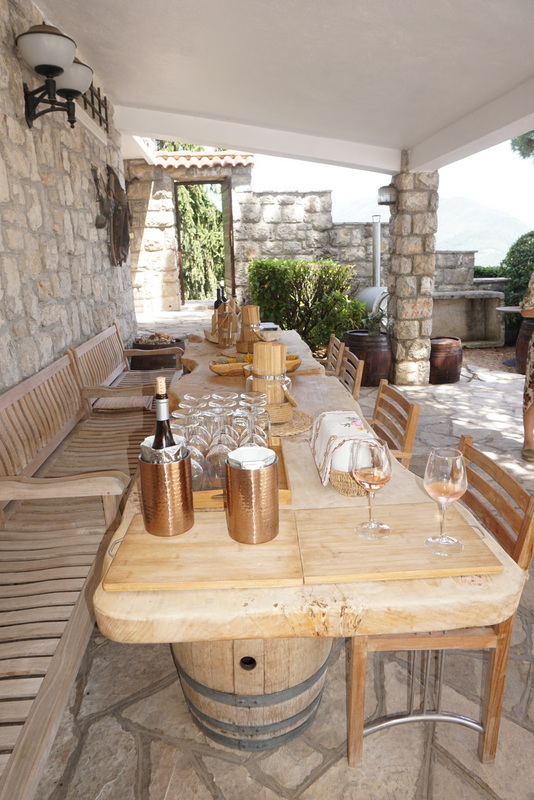
Practical access: the steep-road warning matters
Castel Savina’s booking page explicitly tells visitors to arrive by car, warns that the road is steep and says not to walk from the gate. Treat that as a safety and logistics instruction, not an inconvenience to improvise around. Arrange a taxi or sober driver for both directions and share the precise pickup point. Mobile signal, driver familiarity and nighttime visibility should be confirmed before tasting.
If anyone uses a wheelchair, walking aid or has limited balance, describe the required transfer and ask about surfaces, steps, toilet access and seating. “Accessible by car” does not mean step-free. Families should ask whether children can attend and how they will be supervised around working vineyard and cellar areas.
Montenegro’s tourism and hospitality law prohibits serving alcohol to people under 18. Adults should also plan consumption around driving, medication, heat and food. Spitting at a structured tasting is normal; accepting every pour is not required.
Winery and monastery: neighbours, not one attraction
Savina Monastery is a major religious and cultural site in the Herceg Novi landscape. The municipal culture programme places it within the area’s important heritage. Its proximity enriches the setting, but a winery reservation does not include monastery access, and a monastery visit should not be treated as a tasting prelude.
Plan the two separately. Dress and behave appropriately at the monastery, check worship or visitor conditions and avoid bringing an open tasting atmosphere into a religious complex. Our Savina Monastery guide covers that visit on its own terms. Nearby Meljine provides local orientation, while our Topla cultural guide offers a different Herceg Novi history stop.
A strong half-day sequence
- Confirm the winery first. Secure the date, format, language, total price and arrival instructions in writing.
- Arrange transport. Use a driver who understands both drop-off and pickup; do not make the steep road a post-tasting problem.
- Visit the monastery separately. Allow quiet time and follow current site guidance.
- Taste comparatively. Note grape, vintage, vineyard source, vessel and food pairing rather than ranking immediately.
- Leave buying until the end. Ask about storage, luggage, heat and current availability before purchasing bottles.
For another small Boka settlement that pairs well with a deliberate coastal day, see our guide to Rose. If you continue east along the bay, Zelenika provides working-waterfront context quite different from the estate.
How to prepare for a serious tasting
Arrive fed but not immediately after a heavily flavoured meal. Avoid perfume or strongly scented products, which interfere with your own perception and that of nearby guests. Bring a notebook or use a simple phone template with five fields: wine and vintage, grape or blend, aroma, structure and the question you still have. The goal is not to produce a score; it is to preserve enough detail to compare wines honestly after the setting’s charm has faded.
Ask the winery in advance whether the visit will be conducted in your preferred language and whether the host can discuss vineyard and cellar work in detail. A polished tasting may be led by an experienced hospitality team member rather than the winemaker. That is not a defect, but it should shape the questions you expect answered. If a technical answer is unavailable, record the gap instead of filling it with an assumption.
Season changes what can be observed. Budbreak, flowering, veraison, harvest and winter pruning are different working moments, and visitor access may contract around them. Do not enter rows or touch fruit without invitation. Vineyard disease, yield and harvest dates vary by vintage, so a host’s explanation should be dated to the year being discussed.
Questions that reveal more than a tasting note
- Which grapes in this glass come from the Savina hillside, and which—if any—come from elsewhere?
- What decision made this vintage different from the previous one?
- Was oak used for fermentation, ageing or neither, and for how long?
- What does the estate mean by “maximum production”: cellar capacity, target output or actual bottles made?
- How is Žižak being preserved or replanted, and in which wines can visitors taste it now?
- Which food is local to Boka, and which item is selected mainly for pairing?
These questions separate observable practice from brand language without making the visit adversarial. A host may reasonably keep exact production or sourcing information private. The editorial point is to know when an answer is producer testimony and when it is an independent legal, historical or scientific fact.
Food, allergies and the shape of the visit
Longer packages may include regional food or a meal. Confirm ingredients before arrival, especially for nuts, dairy, gluten, seafood and cured meat. “Traditional” is not an allergen statement, and a substitute arranged in advance will usually be better than an improvised plate. Ask whether food is a pairing portion or a full meal so the group can plan the rest of the day.
The food also deserves the same sourcing discipline as the wine. Ask what was made locally, what is seasonal and what comes from a named producer. A sea view does not establish that fish is local, and a rustic board does not establish that cheese was made nearby. For a wider comparison of dining settings, see our guide to restaurants with sea views.
Build the winery into a Herceg Novi stay
A confirmed tasting is easier to enjoy when the day is not overloaded. Stay near Herceg Novi, reserve a dedicated half-day and add only one cultural or waterfront walk. Our Herceg Novi accommodation guide compares bases; the Pet Danica promenade story offers a level coastal counterpoint to the steep estate.
Do not combine several wineries if one person must drive or if the group wants meaningful discussion. A single visit, water, food and a slow return along the bay generally produces better recall than a checklist. If moving east, nearby Baošići and Đenovići are settlement stops rather than extensions of the winery; consult our Baošići guide before deciding whether they fit.
How to taste without performing expertise
Start with observation. Look at colour against a neutral background, smell before swirling aggressively, take a small sip and notice structure over time. Water and plain food reset attention. Ask the host what they want the wine to express, then form your own response. There is no obligation to identify exotic aromas or agree with every tasting note.
Record the label and vintage if you want to buy later. Heat damages wine, so do not leave bottles in a parked summer car. Air travellers should check baggage and customs rules for the destination country. A small producer’s limited availability is a reason to ask, not a reason to pressure-buy.
Frequently asked questions
Can I walk to Castel Savina from the monastery?
The winery’s current booking page says access is by car, the road is steep and visitors should not walk up from the gate. Follow that instruction and arrange transport.
Do I need a reservation?
Advance booking is recommended. Submit the official request, but treat the visit as booked only after you receive confirmation with time and arrival details.
How much does a tasting cost?
The winery publishes current packages and prices on its booking page. Because offers change, confirm the total, inclusions, minimum group and cancellation terms directly.
Is the winery part of Savina Monastery?
No. They are neighbouring but separate sites. Respect the monastery as a religious and cultural place and plan its access independently.
How many bottles does Castel Savina make?
The official cellar page states a maximum annual production of 25,000 bottles. That is stated capacity, not proof of output in every year.
Can children attend?
Ask the winery before booking. Montenegro law prohibits serving alcohol to people under 18, and the estate may have additional supervision or group rules.