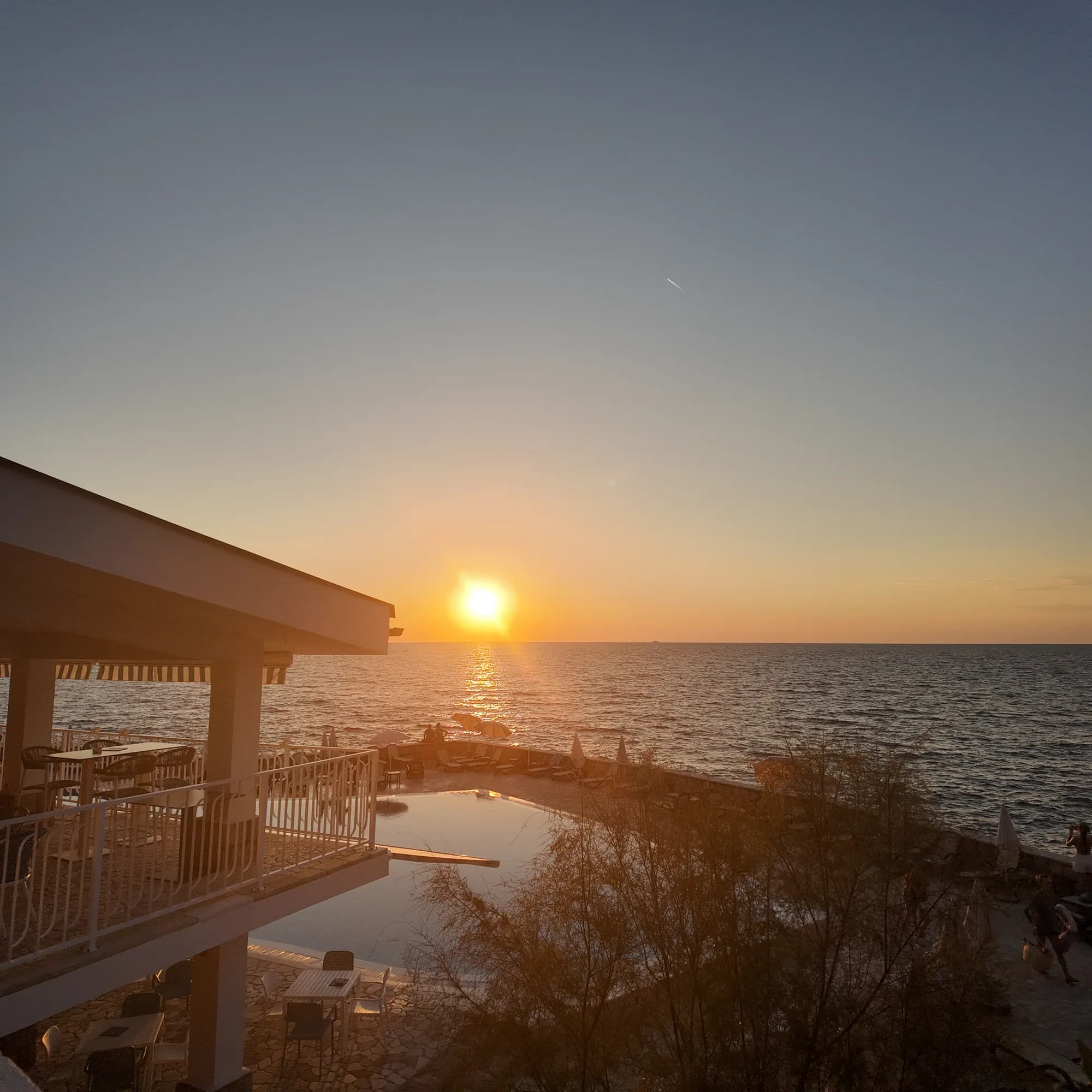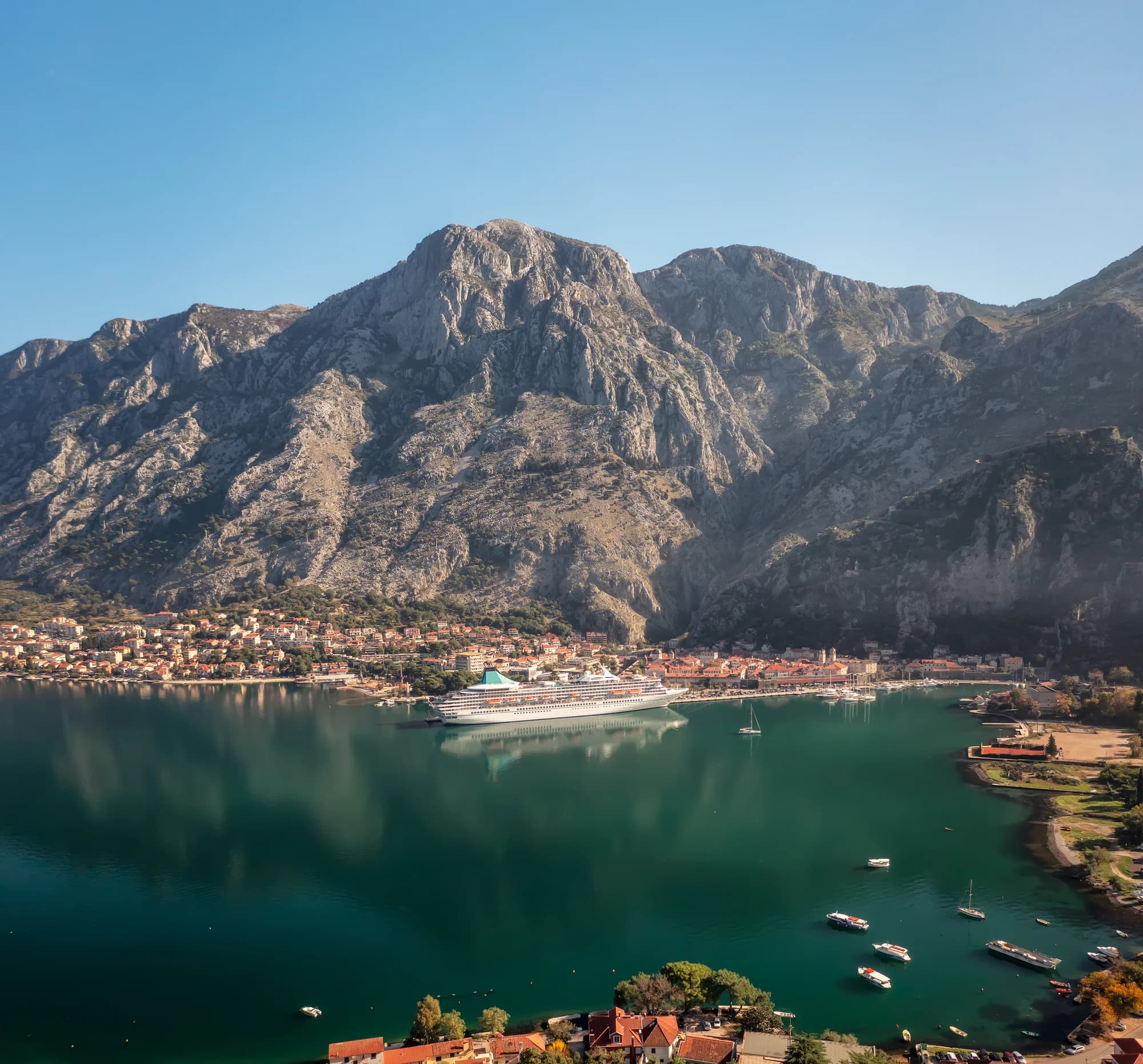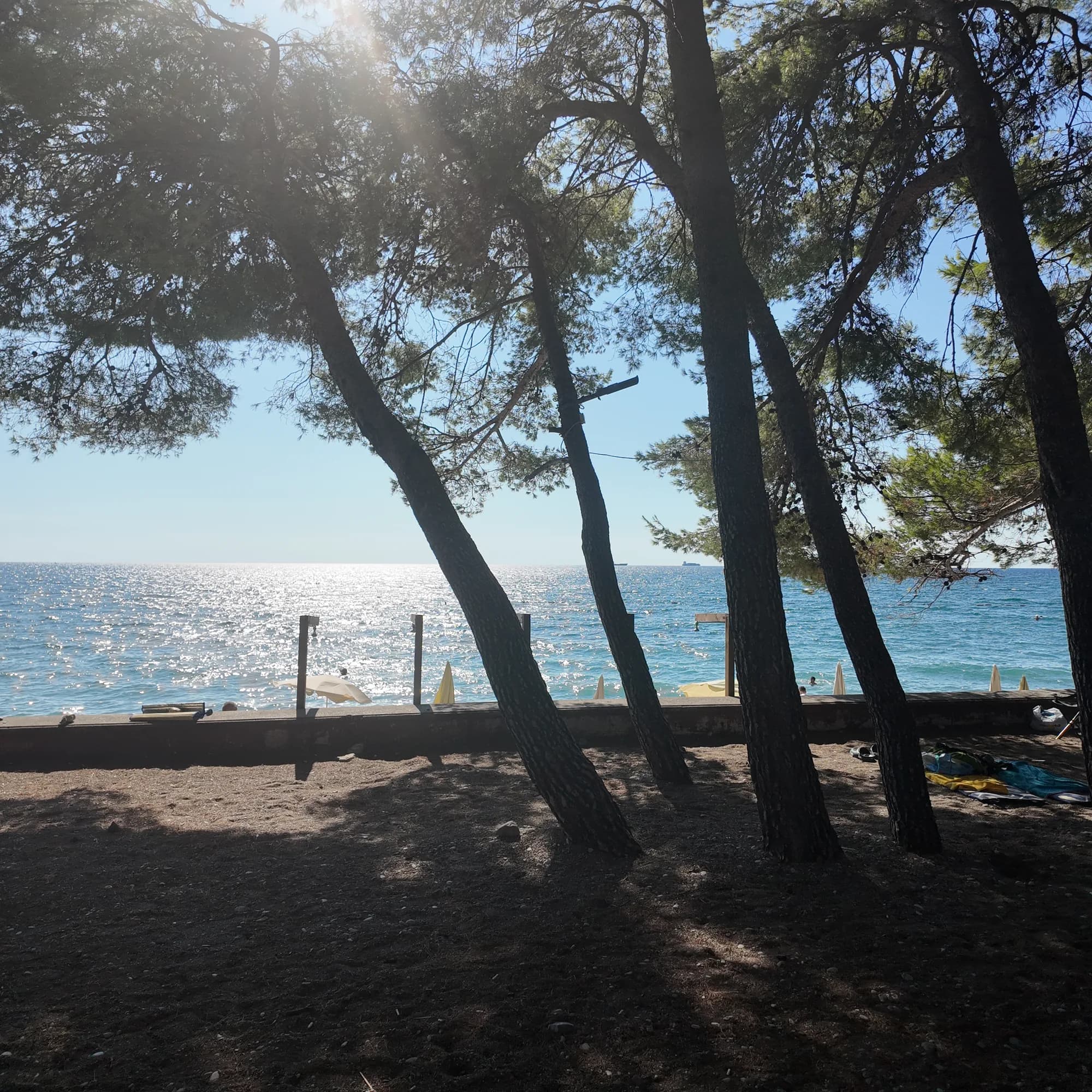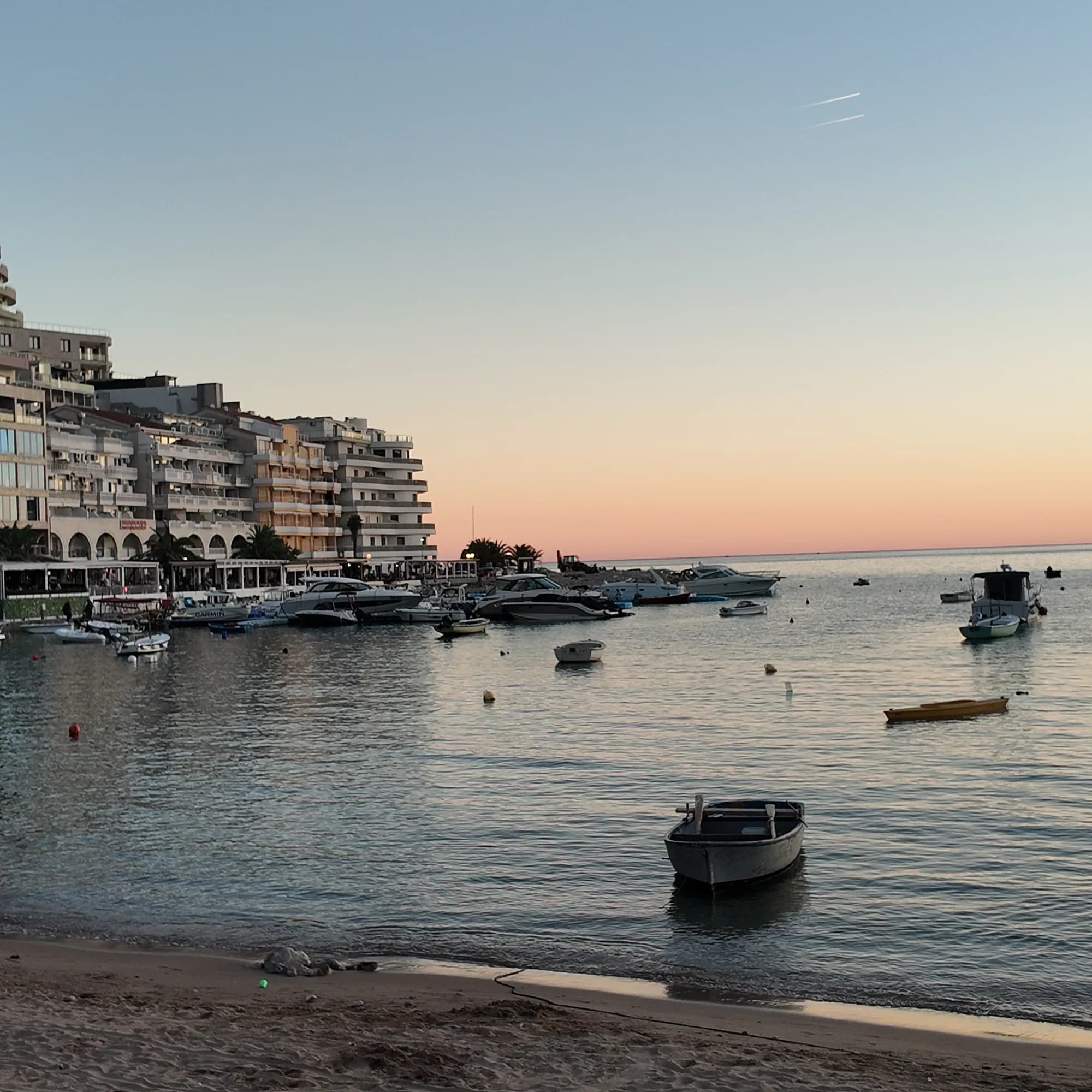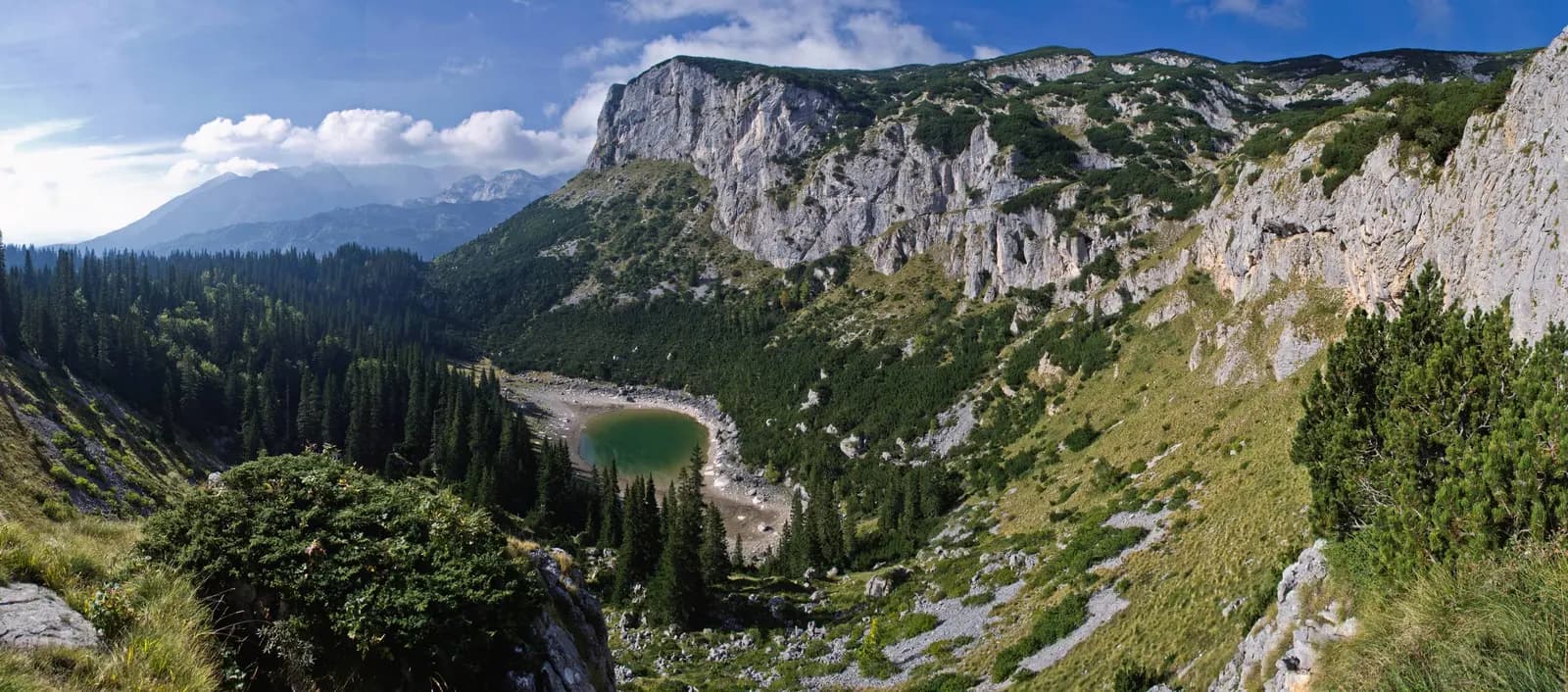
Montenegro’s strongest reason to visit is not that it is “undiscovered” or automatically cheap. It is the density of different landscapes and histories inside a country of 13,812 km²: a 293.5 km Adriatic coast, five national parks, four UNESCO World Heritage properties, glacial lakes, Ottoman and Venetian-era fortifications, and mountain roads that demand more time than the map suggests.
This 2026 guide tests seven popular reasons against current public evidence. It also explains the trade-offs: coastal tourism is intensely concentrated, highland access is seasonal, historic cores are not frictionless, and visa rules changed during 2026. The right question is not only “Why Montenegro?” but “Which Montenegro fits this trip?”
| Measure | Current evidence |
|---|---|
| Land area | 13,812 km² |
| Coastline | 293.5 km |
| National parks | 5, about 8% of territory |
| World Heritage properties | 4: 3 cultural, 1 natural |
| Tourist overnights in 2025 | 15,367,166 |
| Share in seaside resorts | 92.6% of 2025 overnights |
| Currency | Euro, used de facto outside the euro area |
| Integrated emergency number | 112 |
The short answer: who will value Montenegro most?
Choose Montenegro if you want to combine two or three distinct travel modes—old-town history, coast, lake or mountain—without crossing a national border. It particularly suits travellers who can change plans with weather, walk on uneven surfaces, and spend at least a week rather than racing between photo stops.
Think twice if your holiday depends on guaranteed low prices, step-free access everywhere, a dense rail network, exact mountain weather or an empty coast in July and August. Montenegro can still work, but those needs require property-by-property and route-by-route checks. The 2025 tourism record shows why the coast feels busy: MONSTAT recorded 92.6% of all overnights in seaside resorts.
| Measure | Value | What it covers |
|---|---|---|
| Land area | 13,812 km² | Small territory, concentrated choices |
| Coastline | 293.5 km | Seaside |
| Protected/listed sites | 5 + 4 | Parks + World Heritage |
| 2025 overnights | 92.6% | Seaside resorts |
Source: monstat.org, nparkovi.me, whc.unesco.org
Reason 1: coast and high mountains fit one itinerary
MONSTAT’s latest geographical overview gives the scale: 13,812 km² of land and 293.5 km of coastline. Within that space, the official panoramic-road programme marks a 283 km “Sea and Heights” route linking Herceg Novi, Kotor, Lovćen, Cetinje, Budva, Petrovac, Virpazar, Bar and Ulcinj. The route is evidence that coast and highland culture can form one journey—not a promise that they fit into one relaxed day.
This contrast is most valuable when you slow it down. Two nights around Boka, one around Cetinje or Lovćen, one around Lake Skadar and three in the northern mountains create different mornings, meals and walking conditions. A rushed coast-to-Durmitor transfer compresses the scenery but not the curves, stops, weather or fatigue.
The official panoramic-road programme also lists the 65 km Circle around Korita, 76 km Durmitor Ring and 800 km Crown of Montenegro. Distances are route facts, not duration estimates. Mountain snow, temporary works, livestock, narrow sections and seasonal closures can invalidate a copied schedule. Download the current route material, then verify conditions locally before departure.
Reason 2: five national parks cover genuinely different systems
Montenegro’s public park authority manages Durmitor, Biogradska Gora, Lovćen, Lake Skadar and Prokletije. Together they cover about 8% of the country. That list is more useful than a vague “wild beauty” slogan because each park answers a different travel question.
- Durmitor: limestone peaks, glacial lakes and the Tara canyon system; best for a mountain base with routes chosen by ability and conditions.
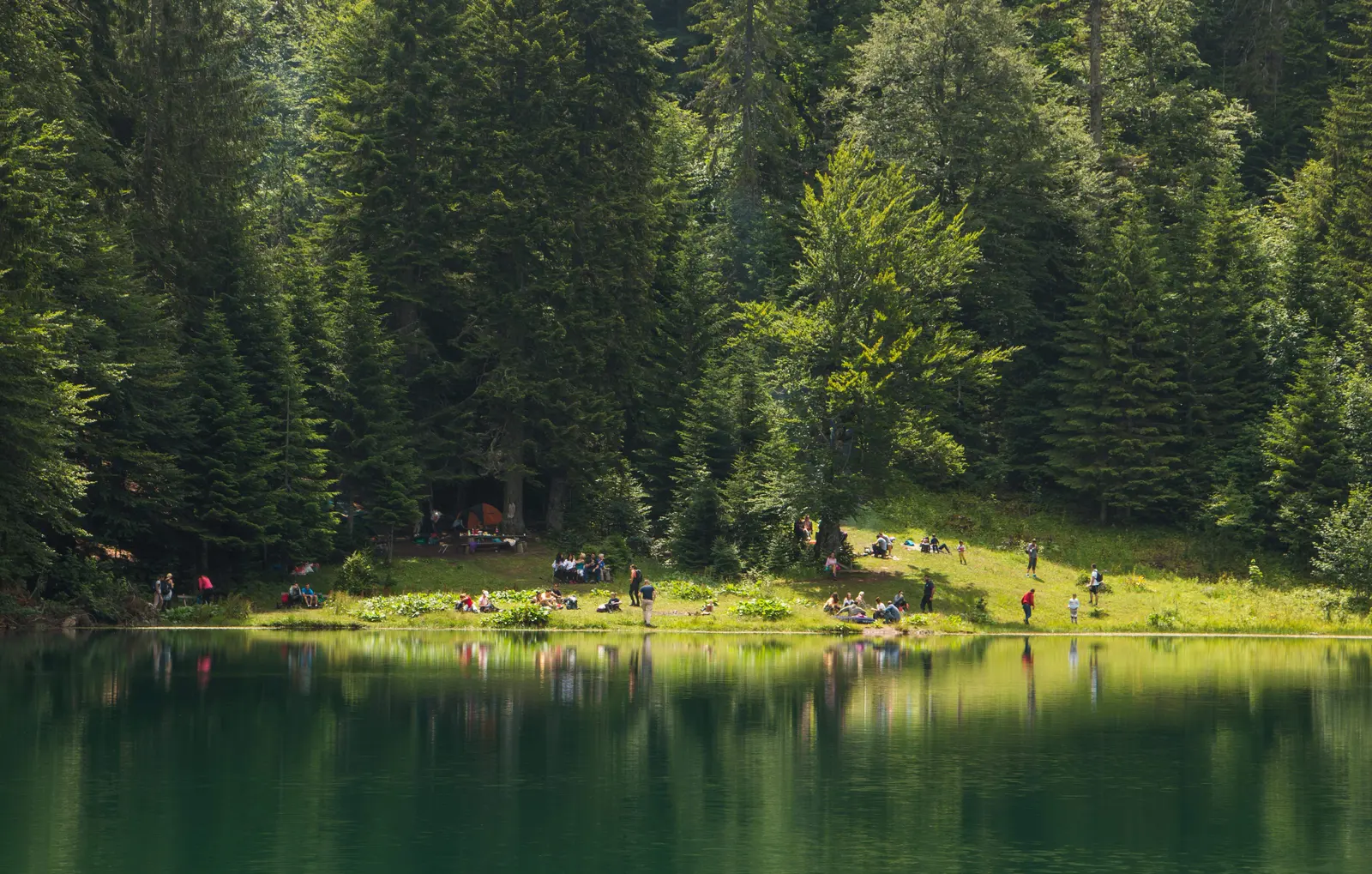
- Biogradska Gora: forest and lake landscapes; suitable for a shorter nature stop, but not evidence that every route is easy.
- Lovćen: mountain, national memory and views between Cetinje and Boka; road and monument access must be checked.
- Lake Skadar: wetland, bird habitat and cultural shoreline; boat choice and wildlife distance matter.
- Prokletije: the most alpine and planning-intensive option; route-finding, border proximity and weather deserve particular care.
What the sources say
The park authority now publishes management plans for 2026–2030 and annual 2026 programmes. Use its live notices, visitor centres and marked routes rather than treating a social-media track as permission. The National Tourism Organisation advises checking weather, using marked trails, carrying water, charged phones and lights, and wearing layered clothing with durable non-slip footwear.
| Park | Character | Planning focus |
|---|---|---|
| Durmitor | Peaks | Canyons |
| Biogradska Gora | Forest + lake | Current plan |
| Lovćen | Heritage | Viewpoints |
| Skadar | Wetland | Shore culture |
| Prokletije | Alpine | Route planning |
| Before any park | Marked route + forecast | Suitable equipment |
Source: nparkovi.me, montenegro.travel
Reason 3: four World Heritage properties tell different stories
UNESCO lists four World Heritage properties for Montenegro: three cultural and one natural. The number needs interpretation. Kotor’s inscription covers a natural and culturo-historical region, not merely the streets inside the walls. Durmitor is the natural property. The Stećci medieval tombstone graveyards and Venetian Works of Defence are transnational serial properties shared with other countries.
This makes a heritage trip unusually varied. Boka combines fortified towns, maritime settlements and a steep enclosing landscape. Durmitor is inscribed for natural values. Montenegro’s Stećci components connect it to a medieval funerary tradition across the region, while the Venetian defence property includes selected fortifications within a much larger Adriatic system.
World Heritage status is not a free pass to climb walls, enter closed buildings or treat inhabited towns as museum sets. UNESCO’s recent state-of-conservation record for Kotor shows that development, transport and protection remain active management questions. Stay on public routes, use licensed interpretation where required and respect homes and worship.
For the practical difference between a protected bay town and a much larger walled-city destination, use our Kotor versus Dubrovnik comparison. For a fortress pair outside the World Heritage core, continue to Kanli Kula and Forte Mare.
| Inscription | Type |
|---|---|
| Kotor region | Culture + landscape |
| Durmitor | Natural property |
| Stećci | Transnational serial |
| Venetian defences | Transnational serial |
Source: whc.unesco.org
Reason 4: the coast is several destinations, not one beach strip
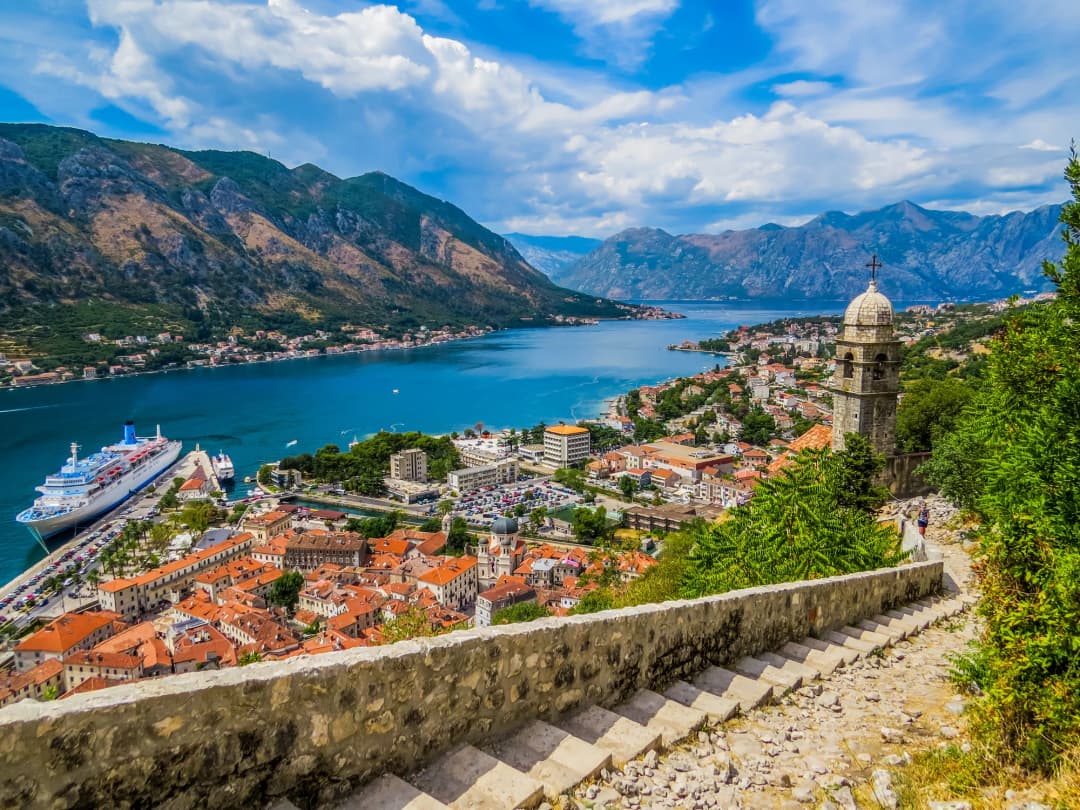
Montenegro’s 293.5 km coast changes character repeatedly. Boka is a deeply enclosed maritime landscape with historic settlements and steep mountain backdrops. The Budva Riviera mixes old-town walls, urban beaches and small coves. Farther south, Bar brings a working-port and old-town contrast, while Ulcinj opens toward long sandy systems and the Bojana delta.
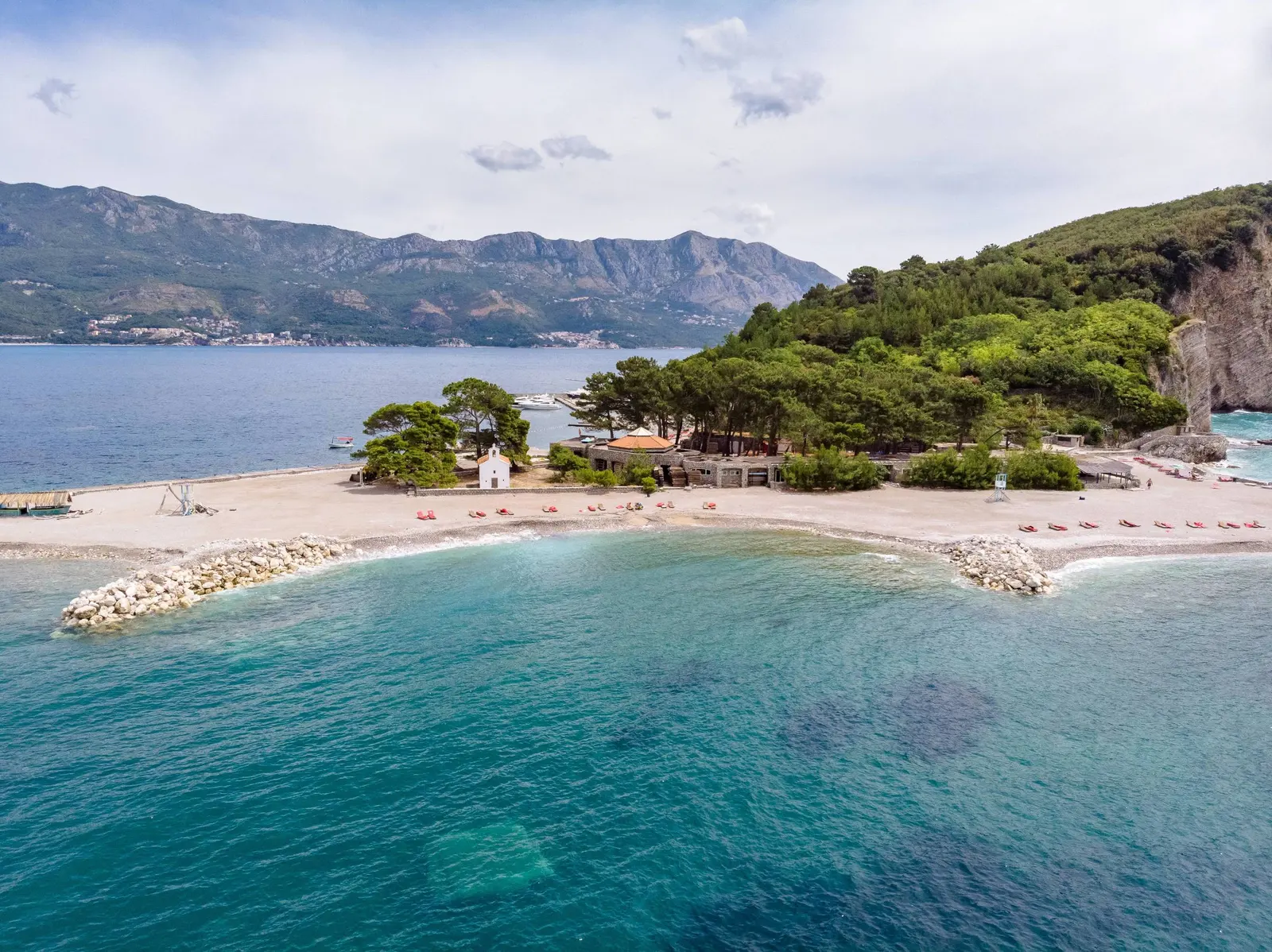
That variety lets a traveller choose a shore rather than accept a generic “Montenegro beach.” Mogren is a compact cliff-backed beach reached from Budva’s old-town side; Sveti Nikola is an island trip whose transport, landing and services must be verified. Drobni Pijesak, Buljarica and Long Beach solve entirely different access and surface questions.
The safety rule stays constant. Organized bathing areas should have information boards, marked sea boundaries, rescue equipment, licensed lifeguards and safety flags. Find the board and current flag before entering. A photograph, resort label or online review cannot establish today’s supervision or sea state.
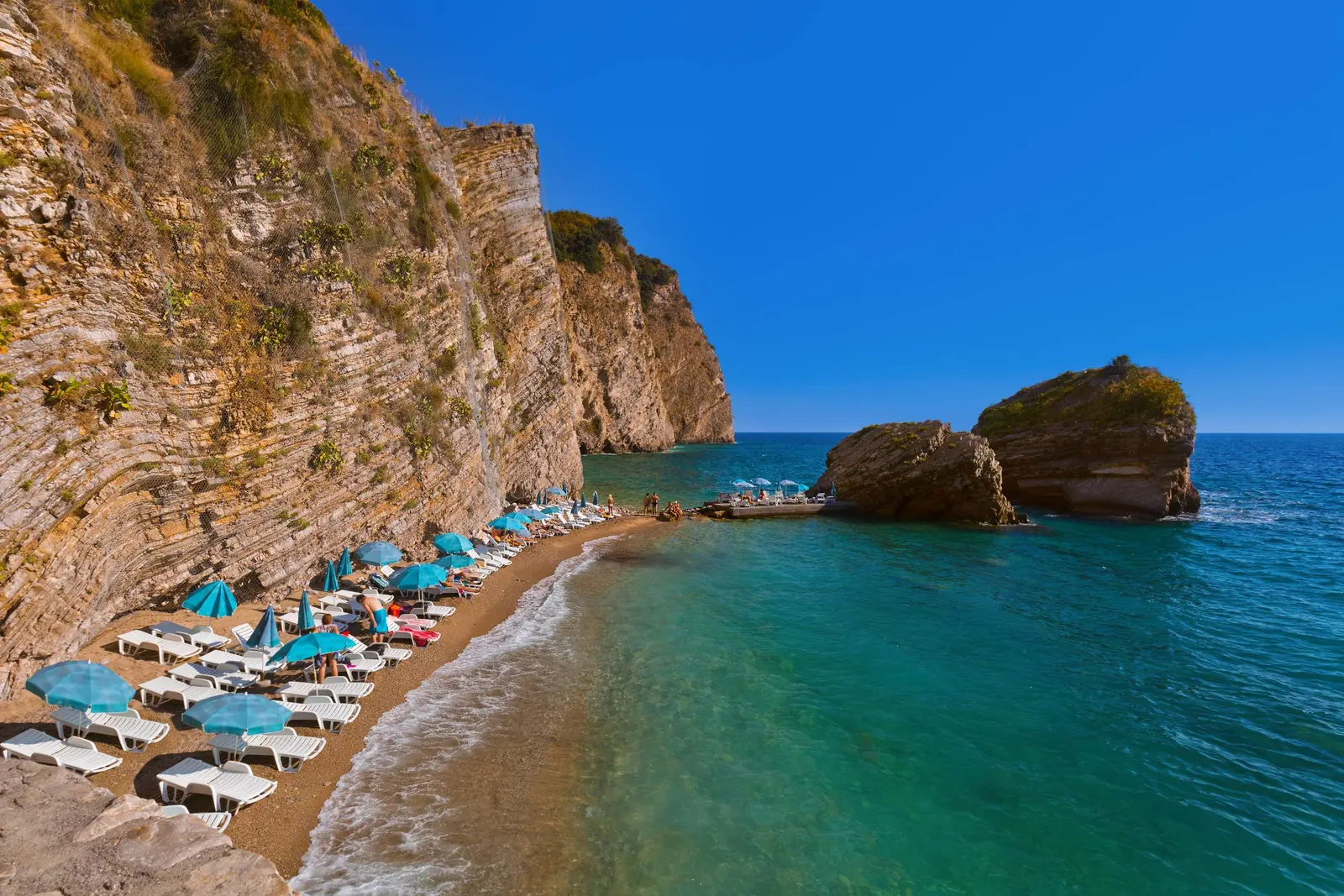
Use our current Mogren Beach guide before walking around the cliffs. If an island day appeals more, read the access and safety questions in the Sveti Nikola guide.
| Stretch | Setting | Shore type |
|---|---|---|
| Boka | Enclosed bay | Maritime towns |
| Budva | Cliffs + coves | Urban beaches |
| Bar | Port + old town | Mixed shores |
| Ulcinj | Open coast | Long sand systems |
Source: monstat.org, morskodobro.me
Reason 5: culture is visible beyond the headline old towns
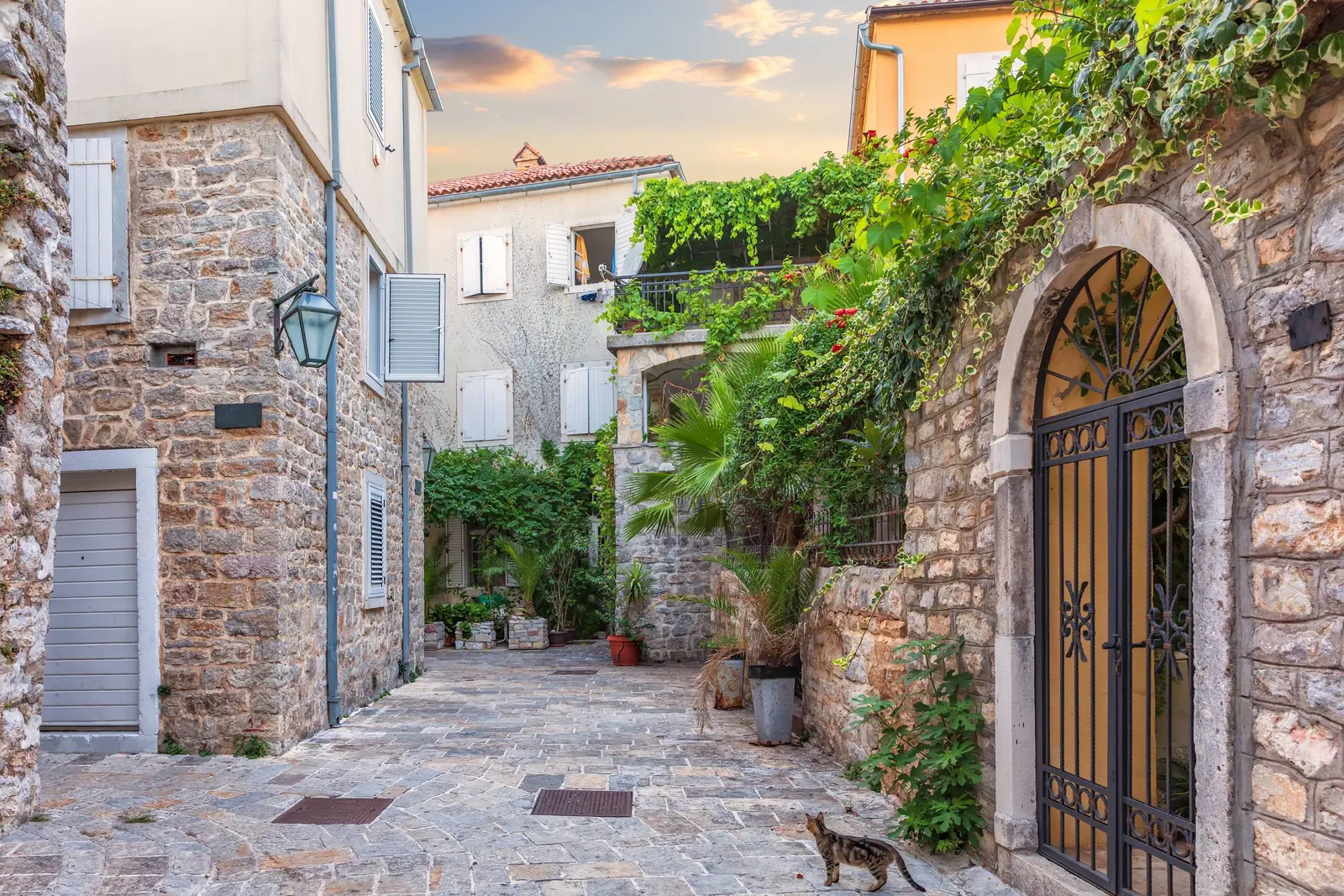
Kotor and Budva attract the camera, but Montenegro’s urban history is distributed. Cetinje concentrates state and royal memory; Stari Bar layers a fortified settlement above the modern port city; Ulcinj records Adriatic and Ottoman connections; Nikšić exposes Roman, Ottoman and planned nineteenth-century phases. Smaller monasteries, village churches and memorial institutions complicate any one-line national story.
The practical advantage is choice. A rainy or windy day does not have to be a lost beach day if you have identified a museum, historic core or documented fortress. The constraint is opening information: many small institutions and sacred sites do not maintain a dependable English-language schedule. Contact the institution and keep a public-space fallback.
For a city where the urban plan itself is part of the story, read Nikšić through time. For proof that global travel coverage has repeatedly rediscovered the same places and clichés, our 20-year press audit is a useful corrective.
| Step | Action |
|---|---|
| 1 | Choose one historic area, not a checklist |
| 2 | Verify one indoor fallback directly |
| 3 | Read access, worship and photography signs |
| 4 | Confirm this year’s event date before travel |
Source: whc.unesco.org, montenegro.travel
Reason 6: festivals and seasonal landscapes can shape the trip
The inherited article listed old editions of music festivals as if the programme were permanent. A better reason to visit is the seasonal relationship between place and event: winter mimosa on the Herceg Novi Riviera, carnivals around Boka and Budva, summer theatre and music, and harvest or food events elsewhere. Names, dates, venues and organizers change; the official tourism calendar and the event’s own current channel must agree before you book.
The National Tourism Organisation says the main coastal concentration is July–August and recommends late spring or early autumn for many travellers. It identifies May–October as the broad period for national-park visits while noting winter adventure from January to March. Those are planning ranges, not weather guarantees. High passes may remain wintry after the coast feels like spring, and autumn storms can close an exposed day.
The same caution applies to flowers. Camellias, mimosa and wisteria are visually associated with the coast, but flowering varies by microclimate and year. A flower festival can interpret local horticultural culture without guaranteeing peak bloom. Our Mimosa Festival evidence guide distinguishes the plant, the tradition and the live programme.

Reason 7: the euro simplifies comparison—but Montenegro is not the euro area
The European Commission says Montenegro uses the euro as its de facto domestic currency without a monetary agreement with the European Union. For travellers arriving with euros, that removes an exchange step. It does not mean Montenegro is an EU member, part of the euro area or universally inexpensive.
Reject the inherited “half the price of Europe” claim. Accommodation, boats, parking, beach services and restaurants vary sharply by place, date, cancellation terms and demand. Compare the exact dates and total: taxes, cleaning, breakfast, parking, transfers, equipment and payment method. A mountain household and a July seafront hotel are not one price market.
Use registered accommodation and ask how residence registration is handled. Montenegro’s Ministry of the Interior says the process differs depending on whether a foreign visitor uses an accommodation provider; registered providers have reporting duties. If staying privately without such a provider, check the current official procedure rather than assuming nothing is required.
| Decision | Check |
|---|---|
| Currency | Euro used de facto |
| Price | Date + place + total terms |
| Stay | Registered host + reporting |
Source: economy-finance.ec.europa.eu, gov.me
Practical entry, timing and a seven-day route
Check entry rules against your passport immediately before travel. The Government’s live visa page lists nationality-specific conditions, passport and ID-card allowances, and some recognition of third-country visas or residence permits. A major 2026 change illustrates why copied lists are risky: the Government announced that nationals of Belarus, China, Russia, Saudi Arabia and Türkiye will require visas from 1 November 2026. The rule applicable on your entry date controls.
| Date | Status |
|---|---|
| 27 July 2026 | Change announced |
| 1 November 2026 | Stated effective date |
| Before travel | Passport + document + entry date → live official rule |
Source: gov.me
| Period | Best fit | Do not assume |
|---|---|---|
| April–May | Coastal walks, towns, spring landscapes | High mountain roads and trails are summer-ready |
| June | Coast plus lower mountain activity | Every alpine route is snow-free |
| July–August | Swimming, long daylight, highlands | Quiet coast, low prices or easy parking |
| September–October | Mixed coast and park itinerary | Stable sea or mountain weather |
| November–March | Culture, winter landscapes, selected snow activity | Summer services or open panoramic roads |
A balanced first week can be structured without pretending every transfer is quick:
- Days 1–2: Boka. Choose one base and divide the Kotor region into waterfront, old-town and maritime-landscape time.
- Day 3: Cetinje or Lovćen. Pick culture or mountain access according to weather; do not force both if roads or queues consume the day.
- Day 4: Lake Skadar. Confirm the exact launch point, licensed operator, route, lifejackets and wildlife practice.
- Days 5–7: northern base. Choose Durmitor for canyon-and-lake geography or Plav/Gusinje for the Prokletije side, then select routes locally.
If you choose the eastern mountains, our Plav guide explains why a lake town is a base, not the entire Prokletije experience. Keep one uncommitted half-day for weather or transport disruption whichever route you take.
For emergencies, call 112 and provide the place name, nearest landmark and incident type. Carry offline details and do not assume signal in a canyon, on open water or behind a ridge.
Frequently asked questions
Is Montenegro worth visiting for one week?
Yes, if you choose two or three regions rather than attempting the whole country. Boka, Lake Skadar or Lovćen, and one northern base make a coherent first week with a weather buffer.
Is Montenegro cheap in 2026?
There is no defensible countrywide answer. Compare exact dates and full costs. July waterfront lodging and private boats can behave very differently from shoulder-season inland stays.
Does Montenegro use the euro?
Yes. The European Commission describes it as de facto euro use outside the euro area and without a monetary agreement with the EU.
Is Montenegro in the European Union?
No. The European Commission describes Montenegro as a candidate country in an active accession process. Do not infer membership from euro use; check Montenegro’s own visa and border rules for your passport and travel date.
How many UNESCO World Heritage sites does Montenegro have?
UNESCO lists four properties: Kotor, Durmitor, Stećci and Venetian Works of Defence. The last two are transnational serial properties, so “four sites” needs that qualification.
Can I visit the coast and Durmitor in the same trip?
Yes, but allow separate bases and flexible transfer time. A small map distance does not remove narrow roads, stops, weather or fatigue.
When is the best month?
Late spring and early autumn often balance coast, towns and lower-elevation activity. High-mountain readiness and sea conditions still require same-day checks. July–August best supports classic summer use but concentrates coastal demand.
Do I need a visa?
It depends on nationality, document and entry date. Use the Government’s live visa page. Travellers from several countries face a stated rule change from 1 November 2026.
Is Montenegro good without a car?
A coast-focused or single-base trip can work with current buses, transfers and boats, but a multi-park itinerary becomes more constrained. Verify each leg rather than assuming a national timetable connects trailheads.
Visit Montenegro for contrast, not completion. Its value is the ability to read coast, mountain, wetland and historical landscape within one journey. The best trip accepts that small does not mean effortless—and gives each region enough time to become more than a view through a windscreen.