Where to Eat in Montenegro: The Best Restaurants by City
Updated Originally published 25 min readby Mila Božić
City-by-city picks from Herceg Novi down to Ulcinj, where a three-course seafood dinner with wine stays under €35, and how to avoid the Old Town traps.
A comprehensive, city-by-city guide to the finest dining in Montenegro — from hidden konobas serving grandma's recipes to waterfront fine dining with Adriatic sunsets.
Montenegro is one of Europe's last under-discovered culinary destinations. While neighboring Croatia and Italy command Michelin stars and eye-watering prices, Montenegro offers cooking that is every bit as rooted in Mediterranean tradition — fresh-caught fish grilled over open flames, slow-braised lamb from mountain pastures, handmade pasta tossed with Dalmatian prosciutto — at prices that feel almost anachronistic. A three-course seafood dinner with local wine that would cost €80 in Dubrovnik or €120 in Positano regularly comes in under €35 on the Montenegrin coast.
€35
buys a three-course seafood dinner with wine that costs €80 in Dubrovnik or €120 in Positano
But knowing where to eat matters enormously. Tourist-trap restaurants cluster around Old Town gates and cruise ship docks, serving microwaved risotto at inflated prices. The places worth your time are often one alley deeper, one village further, or one local recommendation away. This guide is that recommendation — a city-by-city compendium of the restaurants, konobas, and cafes that locals actually love, visitors remember for years, and food writers quietly bookmark for return trips.
We have organized this guide geographically, moving along the coast from Herceg Novi in the north to Ulcinj in the south, then inland to the capital and the historic royal capital. Use the table of contents below to jump to your destination.
Understanding Montenegrin Dining
Before diving into specific restaurants, a few words on Montenegrin food culture will make your dining experience richer.
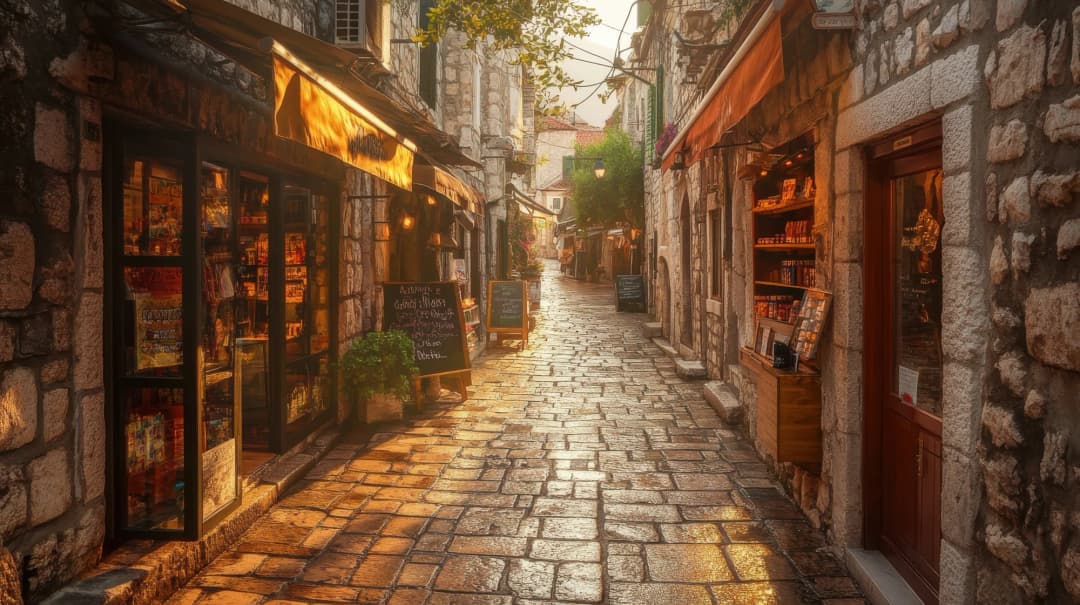
Konoba is the word you will see everywhere. It means a traditional tavern or family-run restaurant, typically small, often with stone walls, and nearly always serving the best food in town. When in doubt, choose the konoba over the sleek modern restaurant.
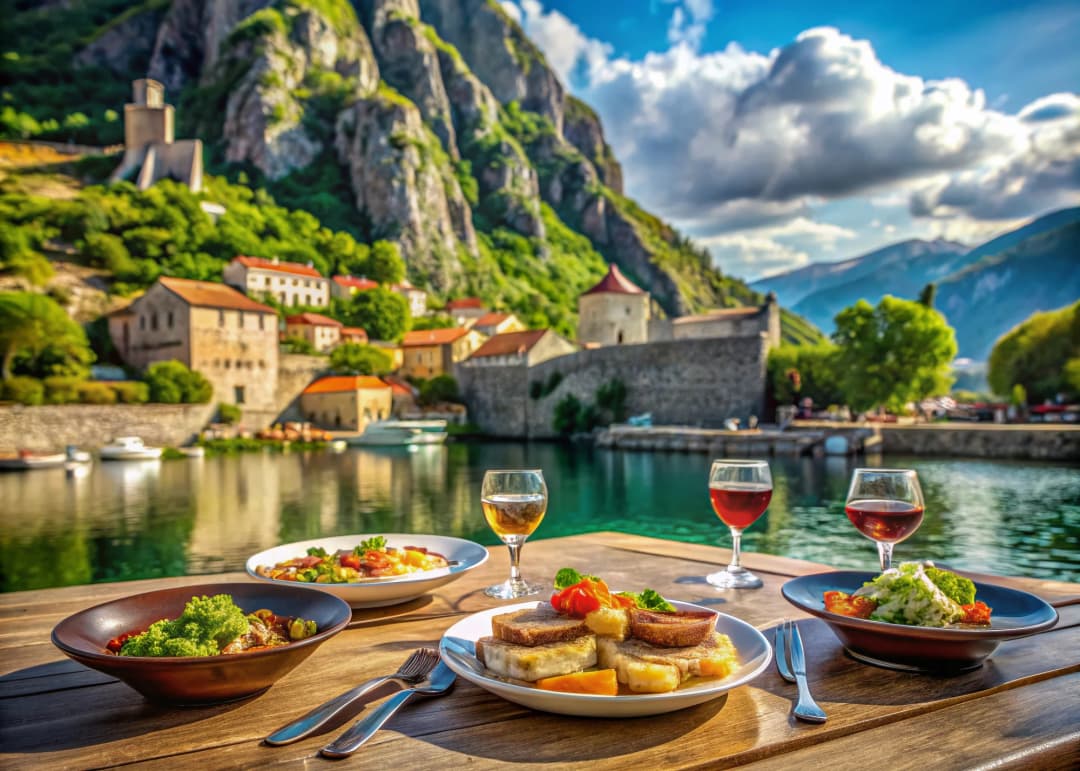
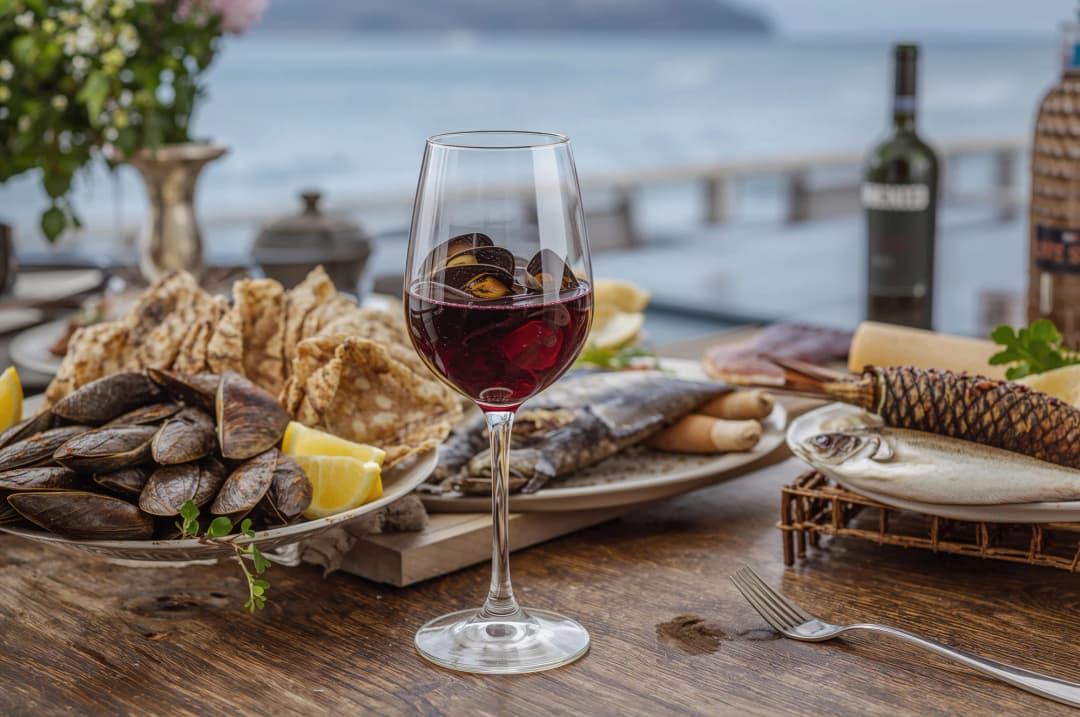
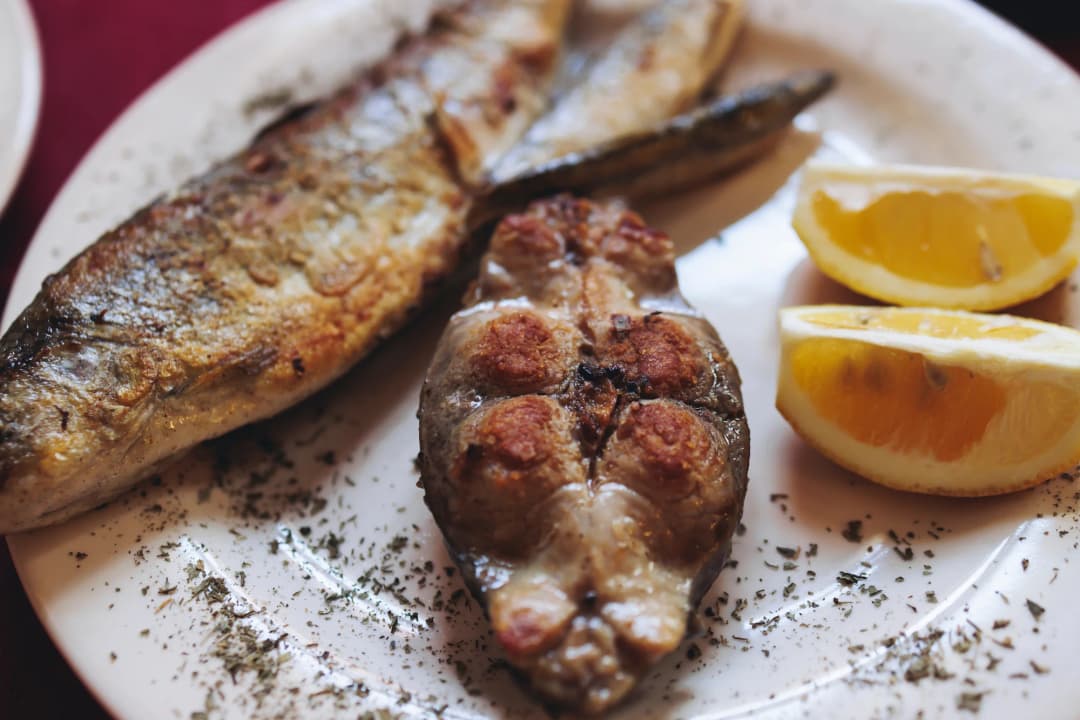
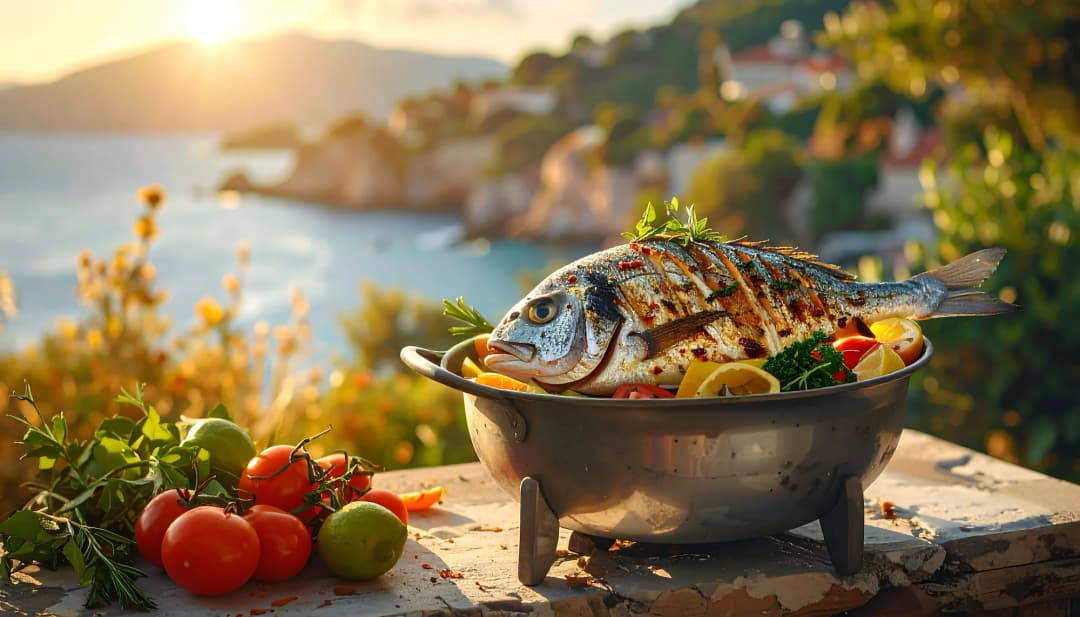
Montenegrin cuisine sits at the crossroads of Mediterranean, Ottoman, and Slavic traditions. On the coast, expect seafood — grilled brancin (sea bass), orada (sea bream), octopus salad, black risotto with cuttlefish ink, and buzara (shellfish in wine and garlic sauce). In the mountains, the fare shifts dramatically to roast lamb, veal under the sac (a domed metal lid buried in coals), kacamak (a cornmeal-and-cheese dish similar to polenta), and cicvara (a richer, butterier cousin). Everywhere you will encounter Njeguški pršut (dry-cured, beechwood-smoked ham from the village of Njeguši, 900 meters up on the flank of Mount Lovćen), Njeguški sir (the accompanying sheep cheese), and excellent local wines — Vranac (red) and Krstac (white) grapes are indigenous to the region.
Both the ham and the wine carry more history than their price tags suggest. In Njeguši's family smokehouses, pork legs are salted, cold-smoked for a month or more over smoldering beechwood, then aged the better part of a year in airy attics where currents off Lovćen's summit meet air rising from the Adriatic — the microclimate that gives Njeguški pršut its faint, sweet smokiness and distinguishes it from Italy's air-cured prosciutto.
Vranac — the name means "black stallion" — is just as particular to this ground. Most of it grows on Ćemovsko polje, a stony plain outside Podgorica that Plantaže planted from 1977 onward into a single vineyard of roughly 2,300 hectares and more than 11 million vines, one of the largest contiguous vineyards in Europe; about 70 percent of it is Vranac. Order it alongside the pršut and you are tasting the two poles of Montenegrin geography in one sitting.
Lunch is traditionally the main meal, served between 12:00 and 15:00. Many of the best restaurants along the coast do not open for dinner until 18:00 or 19:00, and last orders may be at 22:00 or 23:00 depending on the season. In July and August, dining extends well past midnight.
Price Guide and Tipping Culture
Throughout this guide, we use the following price categories per person for a main course, side, and one drink (excluding wine bottles):
Symbol
Range
What to Expect
€
Under €10/person
Bakeries, fast food, simple konobas, burek shops
€€
€10-25/person
Mid-range restaurants, most konobas, trattorias
€€€
€25+/person
Fine dining, waterfront seafood, tasting menus
Tipping: Montenegro does not have a rigid tipping culture. In casual konobas, rounding up the bill or leaving €1-2 is appreciated. In mid-range restaurants, 5-10% is generous and well-received. In fine dining establishments, 10% is standard for excellent service. Credit cards are widely accepted in tourist areas, but always carry some cash for smaller konobas in villages.
Reservations: In high season (July-August), reservations are essential at any restaurant rated €€€ and strongly recommended at popular €€ spots. From October to April, walk-ins are usually fine everywhere except in Podgorica, where business dining keeps popular restaurants busy year-round.
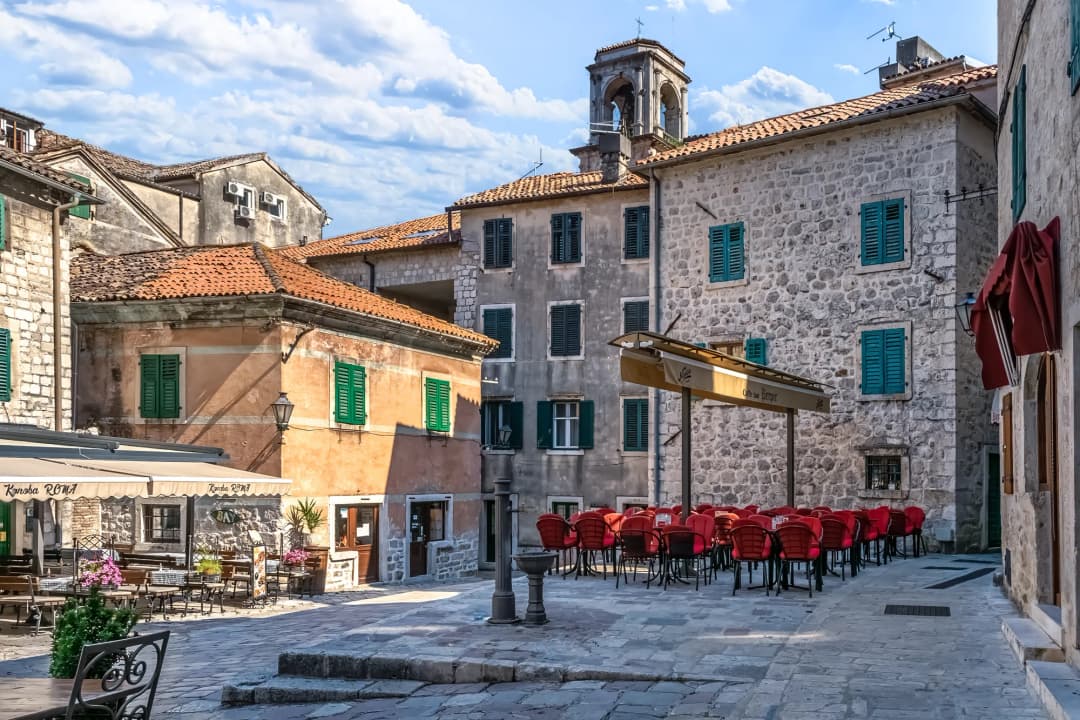
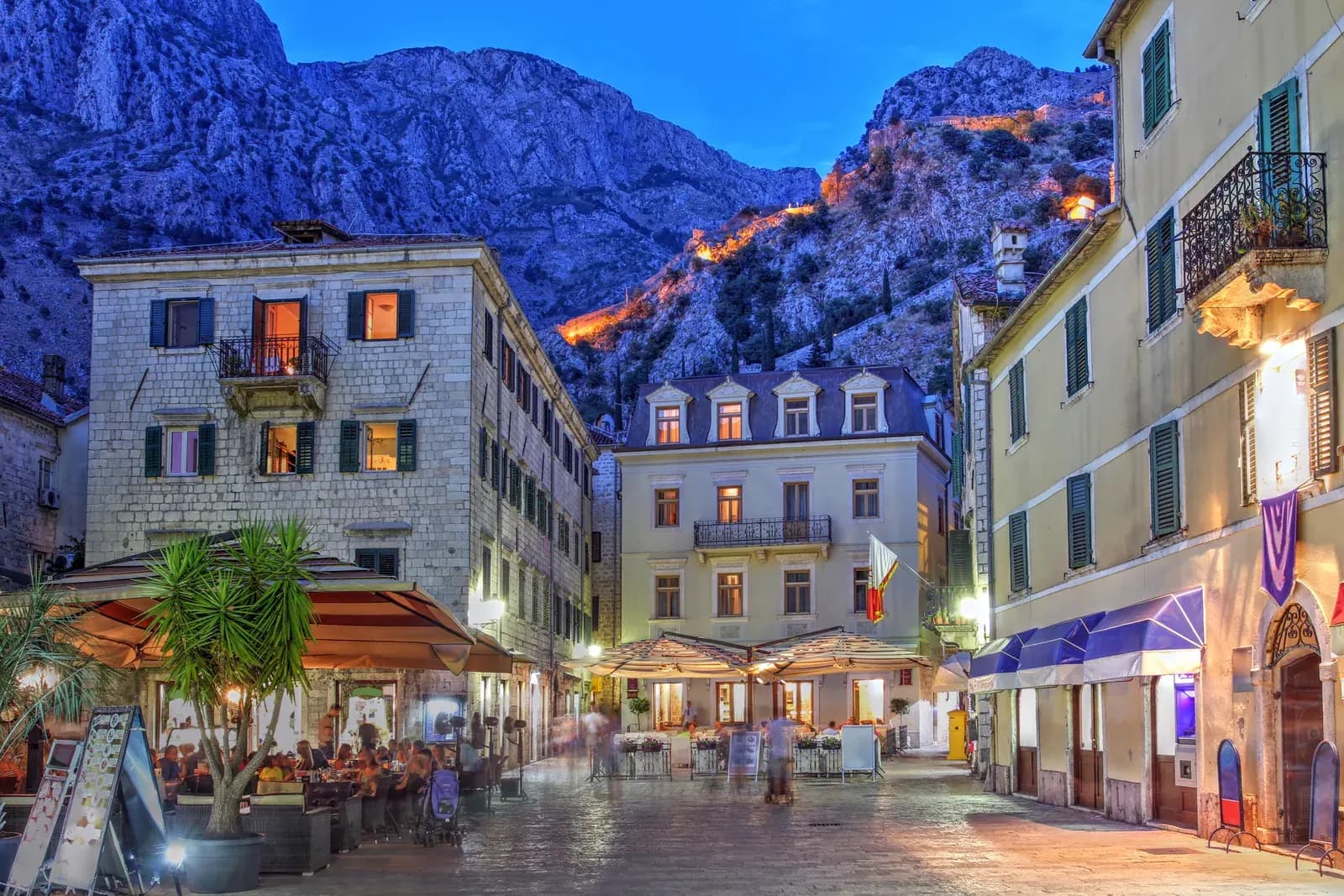
The jewel of the Bay of Kotor and a UNESCO World Heritage Site, Kotor offers the densest concentration of quality restaurants in Montenegro. The challenge here is avoiding the mediocre tourist restaurants that line the main squares and finding the gems tucked into side alleys and perched on the fortress walls.
Galion — €€€
Sitting directly on the waterfront outside Kotor's Old Town walls, Galion is the restaurant that every serious food traveler in Montenegro eventually finds their way to. The setting alone — a terrace extending over the water with the fortress walls rising behind you — would justify the visit. That the kitchen delivers some of the most precise seafood cooking on the Adriatic makes it essential.
Order the whole grilled fish (typically priced at €5-7 per 100 grams; expect a 400-500g fish to run €25-35) and the seafood risotto. The wine list leans heavily on Croatian and Montenegrin labels, with excellent pours from the Plantaze winery. Reservations are mandatory in summer; request the waterfront terrace when booking.
Hidden up a narrow staircase in the Old Town (look for the sign near St. Tryphon's Cathedral), Scala Santa serves a creative Italian-Montenegrin fusion menu in a medieval stone setting. The pasta is handmade daily — the truffle tagliatelle and seafood linguine are standouts — and the portions are generous by European fine-dining standards. A full dinner for two with wine rarely exceeds €60.
Address: Stari Grad 370, Kotor | Open: Daily 12:00-23:00 (Apr-Oct), weekends only in winter | Reservations: Recommended
Bokun Wine Bar — €€
Kotor's best wine bar doubles as an excellent light-dining destination. The charcuterie and cheese boards showcase Njeguski prsut and local cheeses, paired with a carefully curated list of Montenegrin, Croatian, and Slovenian wines. The staff are genuinely knowledgeable about wine — uncommon in a tourist town — and happy to guide you through a tasting flight (€12-18 for four pours). The outdoor seating on a quiet square is a lovely place to while away an afternoon.
Address: Stari Grad, near Clock Tower, Kotor | Open: Daily 10:00-01:00 (summer), reduced hours off-season
Bastion — €€€
Perched on the fortress walls with panoramic views of the bay, Bastion is Kotor's aspirational fine-dining address. The menu changes seasonally but always features locally sourced ingredients — wild-caught Adriatic fish, mountain lamb, foraged herbs. The tasting menu (€55-70 for 5 courses) is the way to experience the kitchen's ambition. Come for a sunset dinner and you will understand why people fall in love with this bay.
Address: Stari Grad, near North Gate, Kotor | Open: Daily 18:00-23:00 (May-Oct) | Reservations: Essential
Cesarica — €
The konoba that Kotor locals would prefer tourists did not discover. Tucked behind the Green Market in a residential alley, Cesarica serves generous portions of traditional Montenegrin food at prices that seem frozen in 2010. Grilled cevapi, stuffed peppers, lamb stew, and the house salad (tomatoes and onions with enough olive oil to float a boat) — nothing on the menu exceeds €9. Cash only.
Address: Near Pijaca (Green Market), Kotor | Open: Mon-Sat 08:00-20:00 | No reservations
Forza — €
When you want excellent pizza and nothing more complicated than that, Forza delivers. The wood-fired oven produces thin, properly charred Neapolitan-style pies, and the Margherita (€5-7) is as honest as pizza gets. The location inside the Old Town makes it a practical lunch stop between sightseeing. Also does a serviceable pasta and a decent house wine by the carafe.
Address: Stari Grad, Kotor | Open: Daily 10:00-23:00
Tanjga — €
The locals' canteen. Tanjga sits outside the tourist flow near the Gurdic Gate, serving the kind of home-cooked Montenegrin food that grandmothers make and restaurants rarely attempt. Daily specials might include pasulj (bean stew), djuvec (rice with vegetables and meat), or grilled meats with kajmak (clotted cream cheese). Portions are enormous, prices are tiny, and English may be limited — point at what looks good on someone else's plate.
Technically in the village of Morinj, a 20-minute drive from Kotor along the inner bay, but no Kotor dining guide is complete without it. Set in a 17th-century stone mill complex with a river running through the property, this is where Montenegrins bring guests they want to impress. The trout (pulled from the river that morning) and the lamb under the sac are legendary. The setting, with ancient stone arches, mill wheels, and the sound of rushing water, is genuinely magical.
Budva is Montenegro's busiest beach resort, which means both the highest concentration of tourist traps and, for those who know where to look, some very good restaurants sustained by the sheer volume of visitors. Stick to the Old Town and the upscale beach clubs, and avoid the neon-signed pizzerias along Slovenska Obala.
Jadran — €€€
An institution. Jadran — Jadran kod Krsta, in full — has occupied the same two-story seaside pavilion on the Slovenska Obala promenade since 1976, run by three generations of the Petrović family, and it remains the benchmark for seafood in the city. The grilled catch of the day (ask for the waiter's recommendation) and the lobster buzara are exceptional. The terrace, jutting out over the rocks with waves splashing below, is romantic in the truest sense. Expect to pay €30-50 per person with wine, but this is the real thing.
Address: Slovenska obala bb, Budva | Open: Daily 10:00-24:00 (Apr-Oct) | Reservations: Essential in summer
Porto — €€€
Located at the Budva marina with views of moored yachts and the mountains beyond, Porto serves upscale Mediterranean cuisine with a Montenegrin accent. The seared tuna, the seafood platter for two (€45), and the risottos are all reliable. Service is polished, the wine list extensive, and the sunset views from the terrace are worth the premium pricing.
A warm, family-run konoba in the heart of the Old Town that manages to feel local despite the tourist traffic outside its door. The menu is classically Montenegrin coastal — fish soup, octopus under the sac, grilled squid — and the prices are fair. The owner often circulates among tables, and if he offers you a glass of homemade rakija, accept it.
Address: Stari Grad, Budva | Open: Daily 11:00-23:00
Dukley Beach Lounge — €€€
Part of the Dukley Gardens complex south of Old Town, this beach club and restaurant occupies a privileged stretch of waterfront. The menu is contemporary Mediterranean — ceviche, sushi, wagyu burgers — aimed at a younger, style-conscious crowd. Come for lunch and a sun lounger (lounger €20-30/day) and stay for cocktails at sunset. The vibe skews Ibiza-lite, and the prices reflect it, but the setting is undeniably stunning.
A welcome change of pace from the seafood-heavy menus along the coast. Kuzina brings Greek influences to Montenegrin ingredients — think moussaka, souvlaki, and Greek salads alongside local grilled meats and fresh fish. The outdoor courtyard is pleasant, portions are generous, and two people can eat very well for under €40.
Address: Near Old Town, Budva | Open: Daily 11:00-23:00
Konoba Portun — €€
Just outside the Old Town walls near the Citadel, Portun is the sort of restaurant you walk past three times before noticing the small sign. The reward for persistence is superb grilled fish, an exceptional octopus salad, and a house white wine that tastes like it has never been more than ten kilometers from the sea. The owner-chef sources fish directly from local fishermen each morning.
Address: Near Citadel, Budva Old Town | Open: Daily 12:00-23:00 (seasonal)
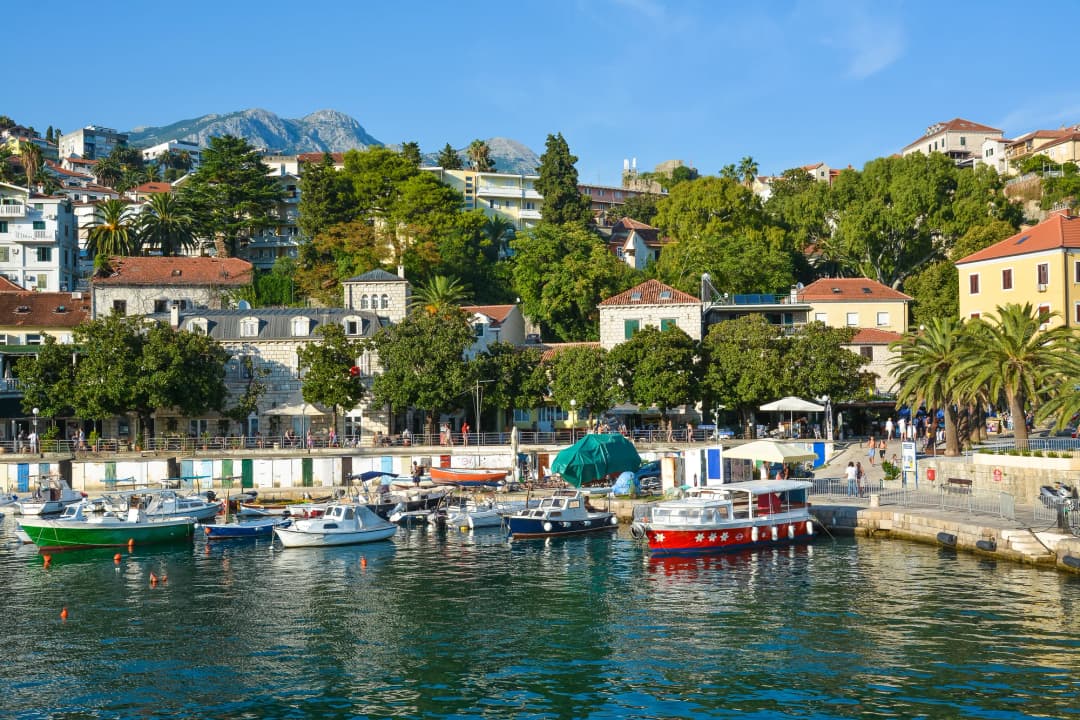
The "Botanic City" at the entrance to the Bay of Kotor has a dining scene that punches above its weight. The restaurant concentration is lower than Kotor or Budva, but the average quality is arguably higher, owing to a more discerning local clientele and fewer day-tripping cruise passengers.
Konoba Feral — €€
The kind of place that makes you want to cancel your onward travel plans and stay another week. Feral sits on a quiet backstreet away from the waterfront promenade, serving impeccably fresh seafood at prices that feel like a secret. The grilled squid, the mussels buzara, and the fish soup are all outstanding. The owner is a fisherman who brings in the morning's catch; when something runs out, it is gone — no frozen backups.
Address: Njegoševa, Herceg Novi | Open: Daily 12:00-22:00 (seasonal) | Cash preferred
Gradska Kafana — €
The "City Cafe," located on the main square (Trg Nikole Djurkovica), is less a restaurant than a social institution. This is where retirees play chess over morning espresso, where families gather for Sunday lunch, and where everyone passes through at least once a day. The food is simple — grilled meats, salads, traditional pies — but it is honest, cheap, and served with the kind of unhurried warmth that defines Montenegrin hospitality. Main courses €5-8.
Address: Trg Nikole Djurkovica, Herceg Novi | Open: Daily 07:00-23:00
Catovica Mlini — €€€
Yes, this appeared in the Kotor section too, because it sits in Morinj on the bay road between the two cities, and diners approach it from both directions. It earns a double mention because it is genuinely one of the best restaurants in the country. The riverside mill setting, the trout, the lamb — refer to the Kotor section for full details. From Herceg Novi, it is a 25-minute drive along the stunning inner bay road.
Konoba Kruso — €€
Sitting directly on the waterfront at the Meljine end of the seaside promenade (the "Pet Danica" walkway), Kruso serves fresh fish in a no-frills setting where the Adriatic laps at your feet. The grilled fish platters are generous and simply prepared — lemon, olive oil, garlic — and the house wine is perfectly drinkable. A full fish dinner for two with wine comes to around €40-50.
Address: Setaliste Pet Danica, Meljine, Herceg Novi | Open: Daily 11:00-22:00 (seasonal)
Stari Kapetan — €€
Located in the old captain's house near the Kanli Kula fortress, this restaurant specializes in slow-cooked meat dishes and traditional Montenegrin recipes. The lamb under the sac (order 2 hours ahead) is magnificent — falling-apart tender and perfumed with rosemary. The terrace offers views down to the bay. A good choice for those seeking mountain cuisine on the coast.
Address: Near Kanli Kula, Herceg Novi | Open: Daily 12:00-23:00 (seasonal) | Reservations: Recommended for lamb under sac
The Porto Montenegro marina development has transformed Tivat from a sleepy navy town into Montenegro's most glamorous address. Dining here skews upscale and international, but there are still local gems if you venture beyond the marina complex.
One — €€€
Porto Montenegro's longest-running restaurant — it anchors the Teuta building at the head of Jetty 1, the marina's main pier, and is not part of the Regent hotel, whose own dining flagship is Murano — One is arguably Montenegro's most polished dining experience. The kitchen produces refined Mediterranean cuisine with Japanese accents — think tuna tataki, lobster risotto with yuzu, and beautifully plated desserts. The terrace overlooks the superyacht marina, and the service is impeccable. Expect €50-80 per person with wine. Dress code applies (smart casual minimum).
A seafood restaurant on the Porto Montenegro marina boardwalk that manages to be both stylish and substantive. The raw bar (oysters, ceviche, tartare) is excellent, the grilled fish is sourced from Adriatic day-boats, and the pasta is made in-house. The people-watching from the terrace — superyacht crews, fashion-conscious visitors, the occasional celebrity — is part of the entertainment.
Address: Porto Montenegro Marina, Tivat | Open: Daily 11:00-24:00 (seasonal)
Al Posto Giusto — €€
This Italian trattoria, tucked into a side street behind the marina, serves the best pizza in Tivat and very good pasta at fair prices. The owner is Italian, the ingredients are imported from Italy where it matters (flour, San Marzano tomatoes, mozzarella), and the wood-fired oven does its job beautifully. A pizza and a beer for under €12 makes this an easy recommendation.
Address: Behind Porto Montenegro, Tivat | Open: Daily 11:00-23:00
Montenegrina — €€
When you want to escape the marina's international polish and eat like a Montenegrin, Montenegrina delivers. Located in the old part of Tivat, it serves generous portions of traditional dishes — grilled meats, stuffed peppers, bean stew in winter, fresh fish in summer. The terrace garden is pleasant, and the host family treats every table like honored guests. A full dinner with drinks for two will rarely exceed €35.
Address: Old Town area, Tivat | Open: Daily 11:00-22:00
This tiny baroque village (population: 269) on the Bay of Kotor contains more beauty per square meter than almost anywhere in Europe. The dining options are limited in number but uniformly good — the competition for a handful of waterfront tables keeps quality high.
269
residents of Perast — and more baroque beauty per square metre than almost anywhere in Europe
Conte — €€€
Part of the family-run Conte Hotel — housed in Perast's former House of Culture, a protected heritage building beside the main square, and not affiliated with the larger Iberostar Heritage Grand up the shore — Conte sets its tables at the water's edge, directly facing Our Lady of the Rocks island. The menu is refined Adriatic seafood — carpaccio, grilled langoustines, risotto with truffles — and the wine cellar is one of the best in the country. A special-occasion restaurant where the €40-60 per person price tag feels justified by the setting alone.
A more casual waterfront option where you can sit with your feet practically in the bay, watching the ferries cross and the light shift on the surrounding mountains. The menu covers the usual suspects — grilled fish, pasta, salads — but does them well and at reasonable prices. The cold Niksicko beer on the waterfront at golden hour is one of life's simple pleasures.
Set slightly back from the waterfront in a traditional stone building, Admiral serves honest Montenegrin food with less of the tourist premium that the waterfront restaurants command. The seafood soup, the lamb dishes, and the homemade bread are all reliable. A good choice for lunch before or after a boat trip to Our Lady of the Rocks (€5-10 return, plus a small church entry fee).
Address: Main road, Perast | Open: Daily 11:00-22:00 (seasonal)
The old royal capital of Montenegro sits at 670 meters elevation in a mountain-ringed polje (karst field), and its cuisine reflects the geography: heartier, meatier, and more rustic than the coast. Dining options are limited but improving, and prices are significantly lower than the coast.
Kole — €€
Widely regarded as the best restaurant in Cetinje, Kole serves a menu rooted in Montenegrin mountain tradition with enough contemporary flair to keep things interesting. The lamb under the sac is the signature dish (order ahead), and the kacamak (cornmeal with cheese and kajmak) is the best version in the region. The wine list focuses on Montenegrin producers, including several small-batch Vranac labels you will not find elsewhere. Main courses €8-15.
The "City House" occupies a historic building on the main boulevard and serves simple traditional food at local prices. Grilled meats, soups, salads, and Montenegrin pies — nothing surprising, everything satisfying. A filling lunch for under €8 is easy. This is where Cetinje locals eat, and the atmosphere is convivial and unpretentious.
A newer addition to Cetinje's dining scene, this wine bar and small-plates restaurant brings a more cosmopolitan sensibility to the old capital. The selection of Montenegrin wines is excellent, and the accompanying food — charcuterie boards, bruschetta, local cheeses — makes for a pleasant evening. The setting in a renovated historic building adds to the atmosphere.
Address: Central Cetinje | Open: Tue-Sun 16:00-23:00
Montenegro's capital is dismissed by many tourists, but that is a mistake — especially when it comes to food. Podgorica has the country's most diverse restaurant scene, driven by a year-round local population of 200,000, a university, a diplomatic community, and an increasingly cosmopolitan food culture. Prices are lower than the coast, and reservations matter here because restaurants fill with locals, not tourists.
Pod Volat — €€
If you eat at only one restaurant in Podgorica, make it Pod Volat. This traditional Montenegrin restaurant has been serving mountain cuisine since 1993, and it has become an institution. The lamb under the sac, the veal cutlets, and the cicvara are all exceptional. The rustic-elegant interior features stone walls and wood beams, and the atmosphere is always lively. Reservations recommended, especially on weekends.
A Mediterranean restaurant in the heart of Podgorica that feels like a transplant from the coast. The seafood is trucked in fresh daily from the Adriatic (90 minutes away), and the kitchen handles it with respect — simple grilling, quality olive oil, fresh herbs. The pasta is also noteworthy. A good choice for a lighter meal when mountain cuisine feels too heavy.
Podgorica's most ambitious restaurant, Hemera brings a fine-dining sensibility to Montenegrin ingredients. The tasting menus (€45-65 for 5-7 courses) showcase modern Balkan cuisine — deconstructed cevapi, sous-vide lamb with mountain herbs, desserts featuring local honey and nuts. The wine pairings are thoughtful, and the interior is sleek and contemporary. This is where Podgorica's diplomatic and business community entertains important guests.
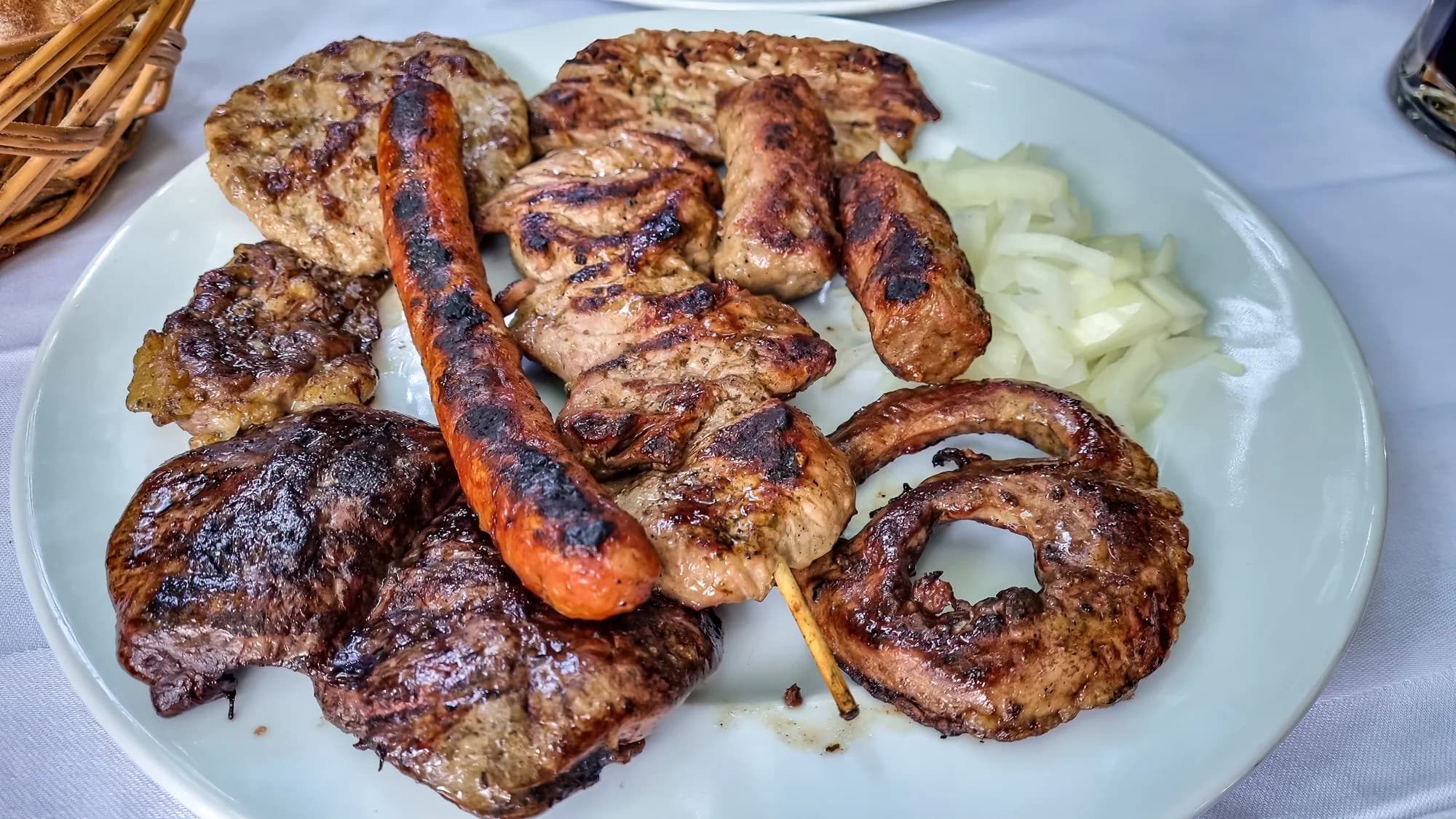
When you want the best grilled meat in the capital without any pretension, Grillmania is the answer. Pljeskavica (a Balkan meat patty, €3-5), cevapi (grilled minced meat fingers, €4-6), and chicken wings come off the grill in generous portions. Add a shopska salad and a draft beer, and you have one of the most satisfying meals in Podgorica for under €10.
The best Italian restaurant in the capital, Per Amore serves genuine Neapolitan pizza, handmade pasta, and imported Italian ingredients in a warm, rustic-chic setting. The tiramisu is made daily and is worth saving room for. A reliable date-night destination.
High Season (July-August): Coastal restaurants are at full capacity. Reserve 1-2 days ahead for any €€€ restaurant and at least the morning of for popular €€ spots. Many restaurants add extra terrace seating, which is pleasant but can stretch the kitchen. Dinner service often extends past midnight.
Shoulder Season (May-June, September-October): The sweet spot. Restaurants are open and fully staffed, but you can often walk in without a reservation. The weather is warm enough for outdoor dining, and the kitchens are not yet (or no longer) in survival mode. Seafood is arguably at its best — spring brings soft-shell crabs and excellent mussels; autumn brings the fat fish returning from summer spawning.
Off-Season (November-April): Many coastal restaurants close entirely, particularly in smaller towns like Perast and Sveti Stefan. In larger towns (Kotor, Budva, Herceg Novi), a core of year-round restaurants remains open with reduced hours. Podgorica restaurants operate normally year-round. This is the season for mountain cuisine — lamb, stews, and warming dishes.
Dietary Considerations: Vegetarian options are improving but remain limited in traditional konobas, where the menu assumes you eat meat and fish. Salads, grilled vegetables, pasta, and cheese dishes are always available. Vegan dining is challenging outside Podgorica and Budva. Gluten-free options are not widely labeled, but naturally gluten-free dishes (grilled fish, meat, salads) are abundant.
Where to Stay
Choosing accommodation near the best restaurants makes your dining experience seamless — no designated drivers needed, no navigating unfamiliar roads at night, just a pleasant stroll home after dinner.
For Kotor, look for apartments or boutique hotels inside or adjacent to the Old Town, putting you within walking distance of every restaurant on our list. Budva visitors should prioritize the Old Town or the area between Old Town and the Slovenska Obala promenade. In Tivat, staying near or within the Porto Montenegro complex gives you marina dining at your doorstep.
Browse verified accommodation listings on montenegro.com to find the perfect base for your Montenegrin food journey. Whether you prefer a luxury hotel with sea views or a cozy apartment in the Old Town, our curated listings include properties rated by real guests who have walked these same cobblestone streets to these same restaurants.
Frequently Asked Questions
Do I need to make reservations at restaurants in Montenegro?
In high season (July-August), reservations are essential at fine dining and popular waterfront restaurants, and strongly recommended elsewhere. During shoulder season (May-June, September-October), you can usually walk in at most places. In winter, reservations are rarely needed on the coast but remain advisable at popular Podgorica restaurants. When in doubt, a quick call or WhatsApp message to the restaurant (most now use WhatsApp for bookings) saves disappointment.
How much should I tip in Montenegro?
Tipping is appreciated but not obligatory. In casual konobas, rounding up the bill or leaving €1-2 per person is standard. In mid-range restaurants, 5-10% of the bill is generous. In fine dining, 10% is customary for good service. If paying by card, leave the tip in cash on the table, as some card tips do not always reach the staff.
Is Montenegrin food safe for people with food allergies?
Montenegrin restaurants are becoming more aware of food allergies, but labeling is not standardized. Always communicate allergies directly to your waiter and, if possible, to the kitchen. Seafood allergies are well understood on the coast. Nut allergies require extra vigilance, as ground walnuts appear in some traditional desserts and sauces without being listed. Celiac diners should note that many traditional dishes are naturally gluten-free (grilled meats, fish, salads), but cross-contamination in bread-heavy kitchens is possible.
What is the best restaurant in Montenegro overall?
This is, of course, subjective, but if pressed: Catovica Mlini in Morinj consistently earns the highest praise from both visitors and locals for its combination of extraordinary setting, superb traditional cooking, and warm hospitality. For fine dining, Bastion in Kotor and Hemera in Podgorica represent the best of Montenegro's contemporary culinary ambition. For value, Cesarica in Kotor and Gradska Kafana in Herceg Novi deliver remarkable quality at remarkably low prices.
Can I eat well in Montenegro on a budget?
Absolutely. A filling lunch of grilled cevapi, bread, and salad at a local konoba costs €5-7. Pizza from a wood-fired oven runs €5-8. The daily specials at traditional restaurants (often listed on a chalkboard or recited by the waiter) typically cost €6-10 for a generous plate. Even mid-range restaurants are affordable by Western European standards — a three-course seafood dinner with wine at a €€ restaurant rarely exceeds €25 per person.
Are credit cards widely accepted in Montenegrin restaurants?
In tourist areas (Kotor, Budva, Tivat, Perast), most restaurants accept Visa and Mastercard. However, smaller konobas, family-run restaurants, and establishments in less touristy towns (Cetinje, smaller villages) may be cash-only. We recommend always carrying €50-100 in cash as a backup. Montenegro uses the Euro as its official currency, so no currency exchange is needed for Euro-zone travelers.
···
Updated · Originally published
Montenegro Travel Newsletter
Get weekly stories, guides, and insider tips about Montenegro delivered to your inbox.