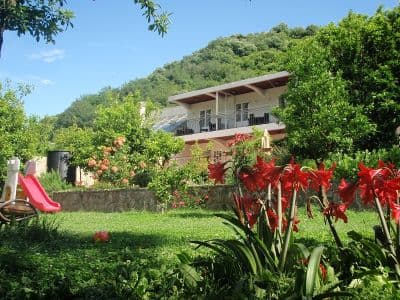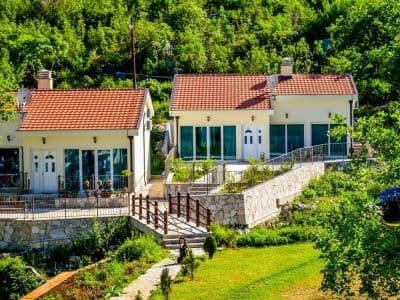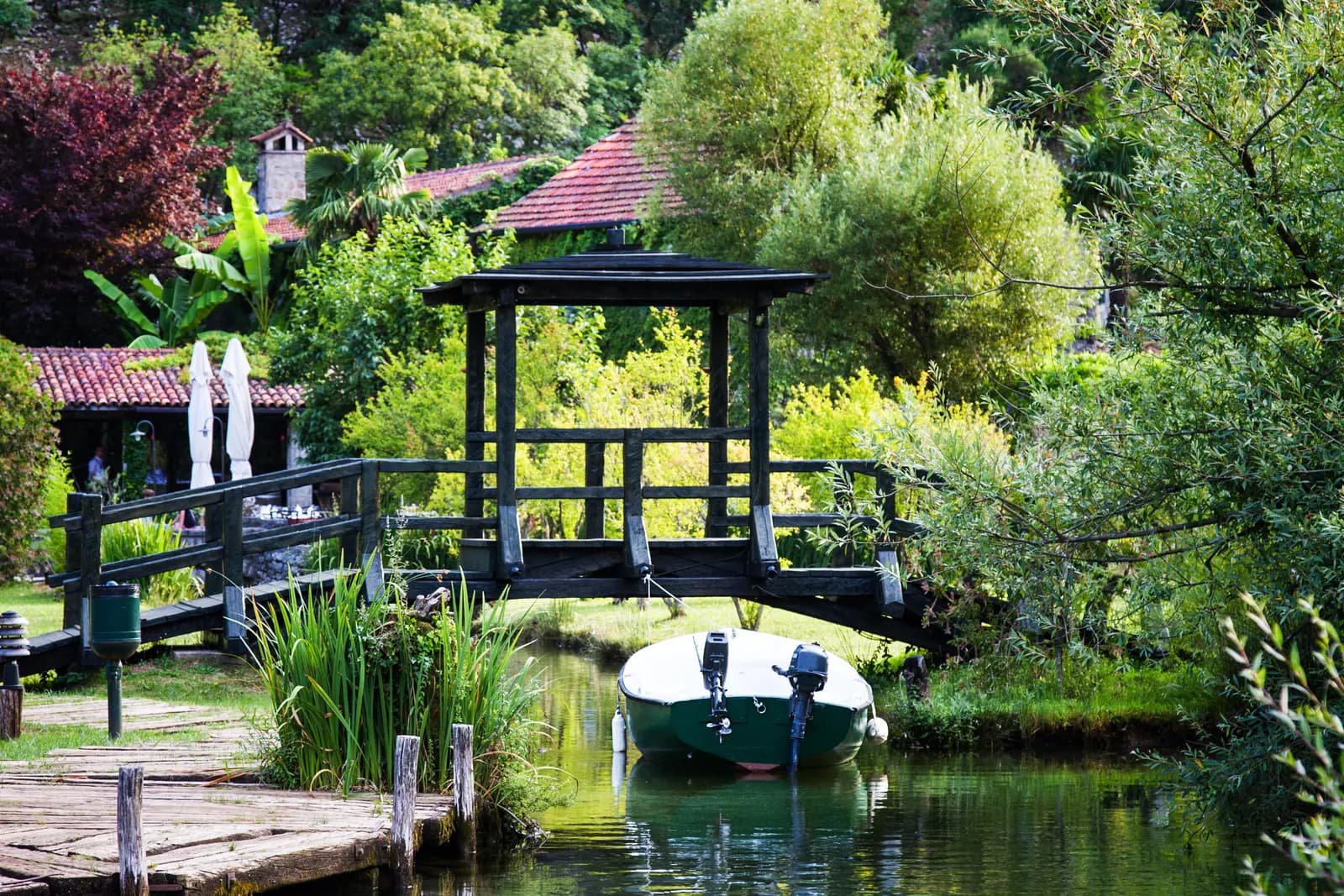
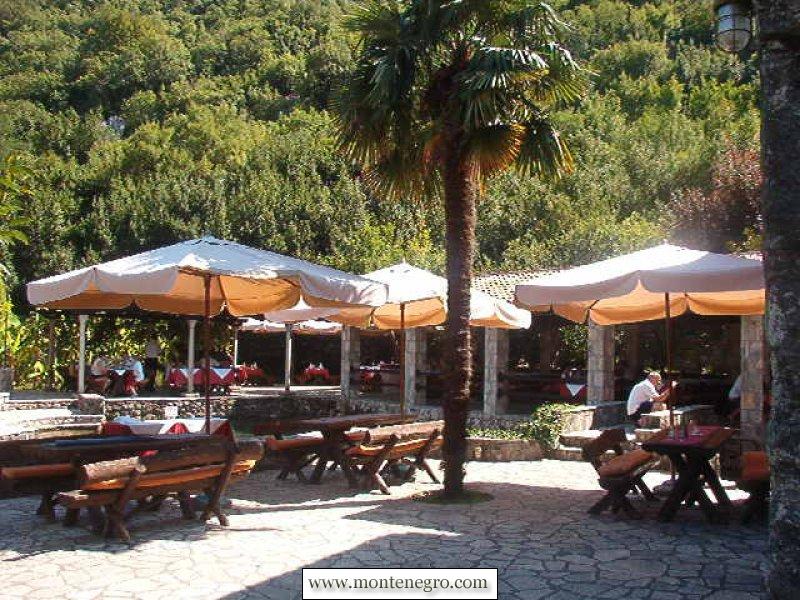
Ćatovića Mlini is both a working restaurant and a documented watermill complex at the Trn River source in Donji Morinj. The meal draws attention, but the place makes more sense in the opposite order: water first, mills second, hospitality third. Channels, millponds, stone buildings and surviving equipment explain why a restaurant could be inserted here without inventing the setting.
The distinction matters. UNESCO does not rate the food, a pre-1838 building is not wholly untouched, and an old interview cannot serve as a current menu. This guide separates the municipal heritage record from the operator’s story, then turns today’s official contact and reservation information into a practical plan.
The mill before the restaurant
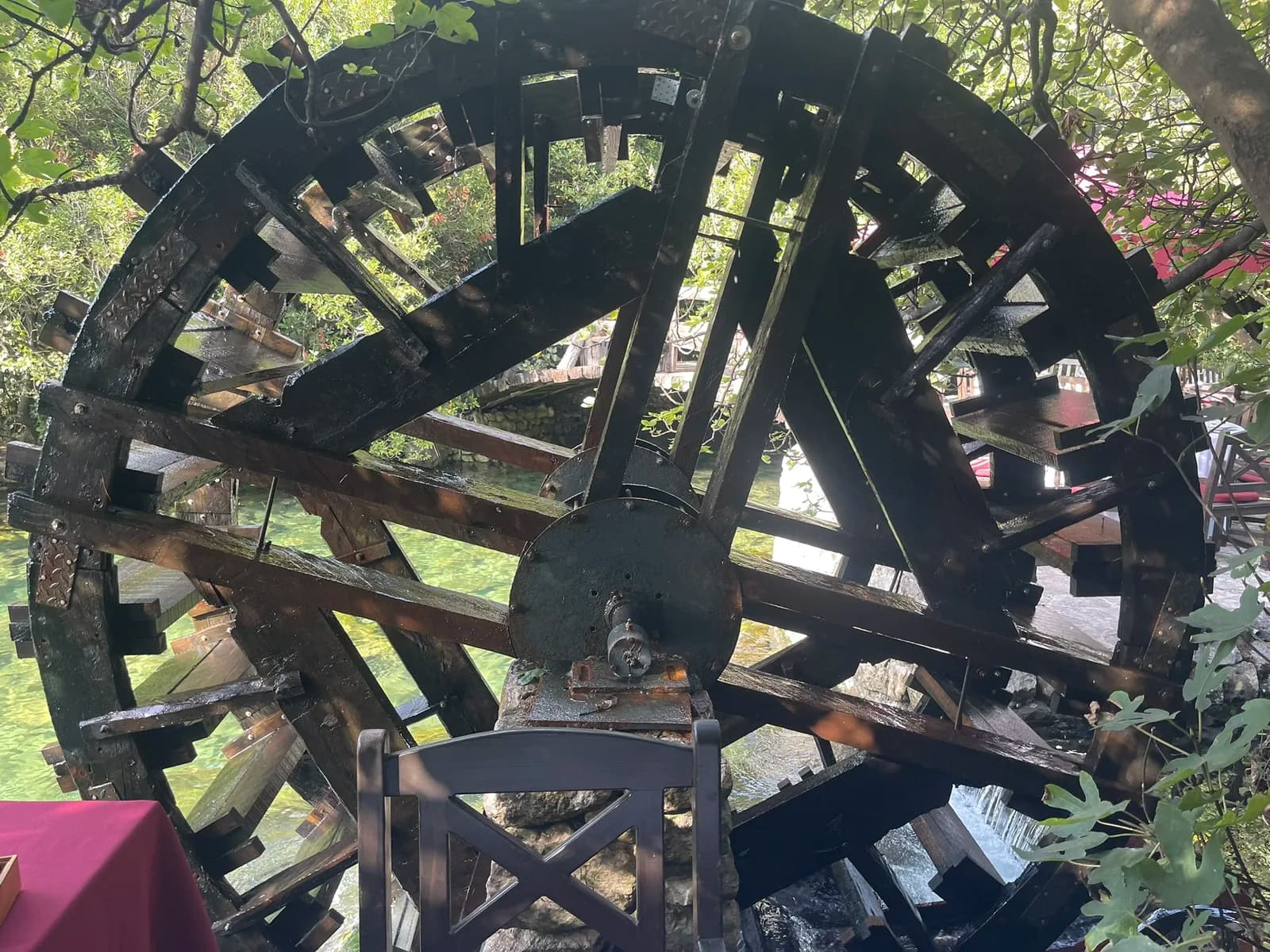
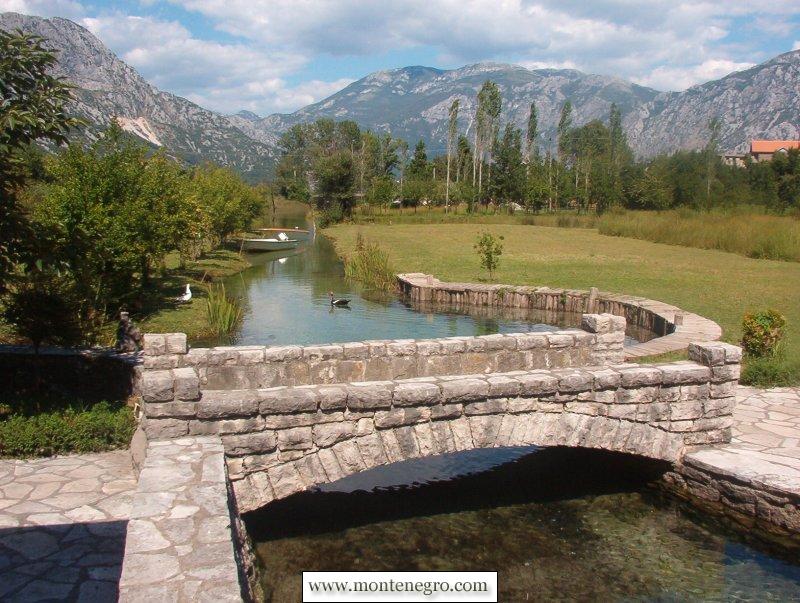
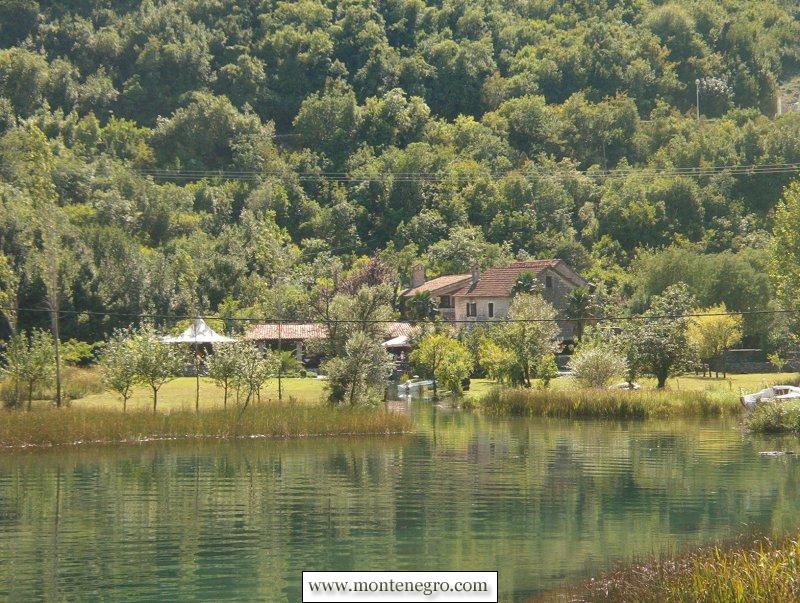
The Municipality of Kotor’s adopted Morinj plan inventories Ćatovića Mlini at the source of the Trn River. It describes two residential buildings with mills in their ground floors, auxiliary structures, millponds—locally called jaže—and channels. The shore road passed around the site, while a small boat connection once served transport along the bay.
The plan’s strongest date is deliberately modest: the buildings are older than the Austrian cadastral record of 1838. That does not establish an exact construction year. It does make “more than two centuries” plausible without asking visitors to accept restaurant marketing alone.
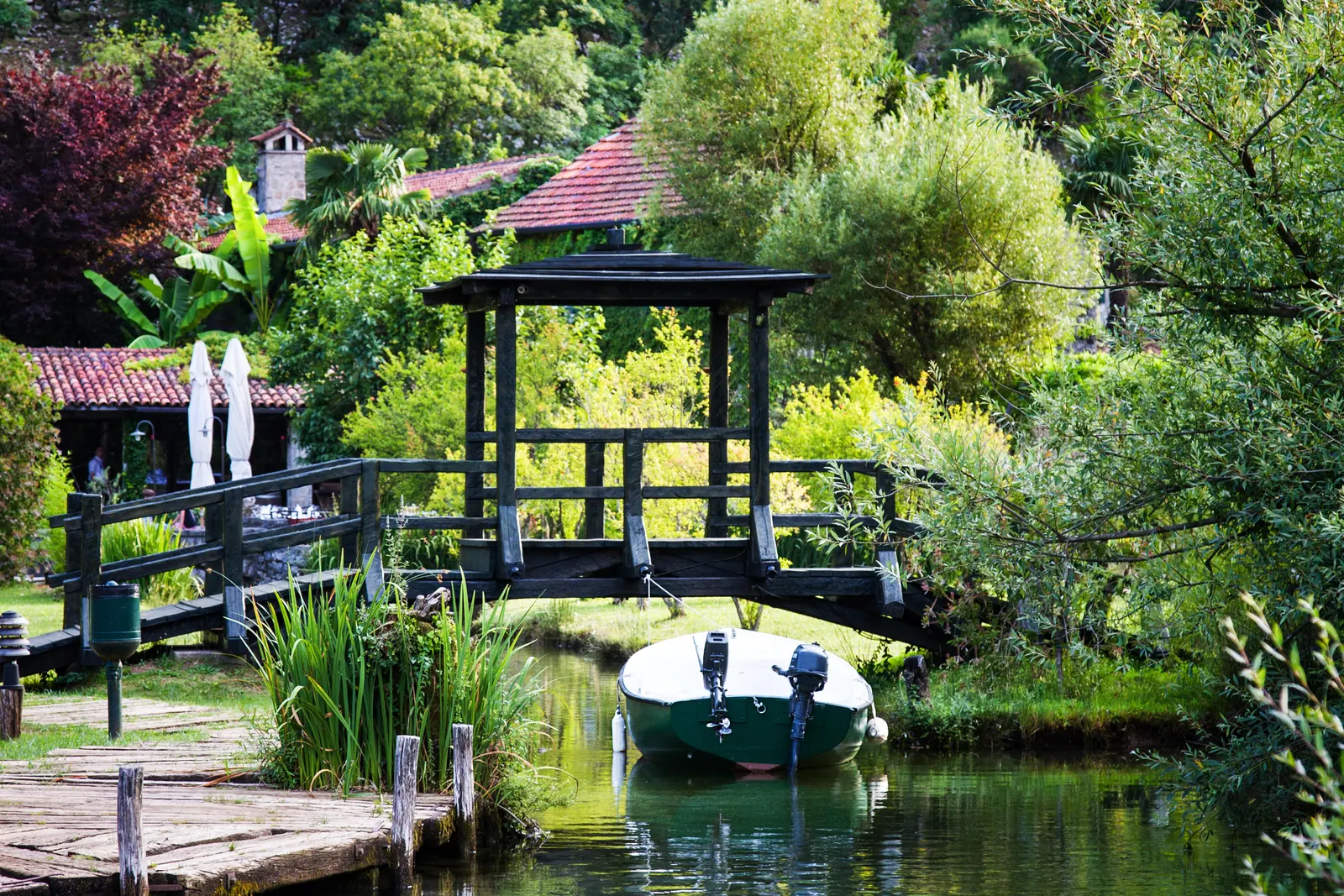
The operator says grain was milled into flour and olives into oil. The larger municipal account explains how Morinj’s southern mill systems were arranged around linked reservoirs and channels and associated with the families that owned them. Water was productive infrastructure. The restaurant’s bridges and flowing channels are legible remains of that landscape logic.
| Stage | Element | Function |
|---|---|---|
| 1 | TRN SOURCE | fresh water |
| 2 | JAŽE + CHANNELS | store + direct flow |
| 3 | GROUND-FLOOR MILLS | grain + olives |
| 4 | BAY | outflow |
Source: kotor.me
What is original—and what changed
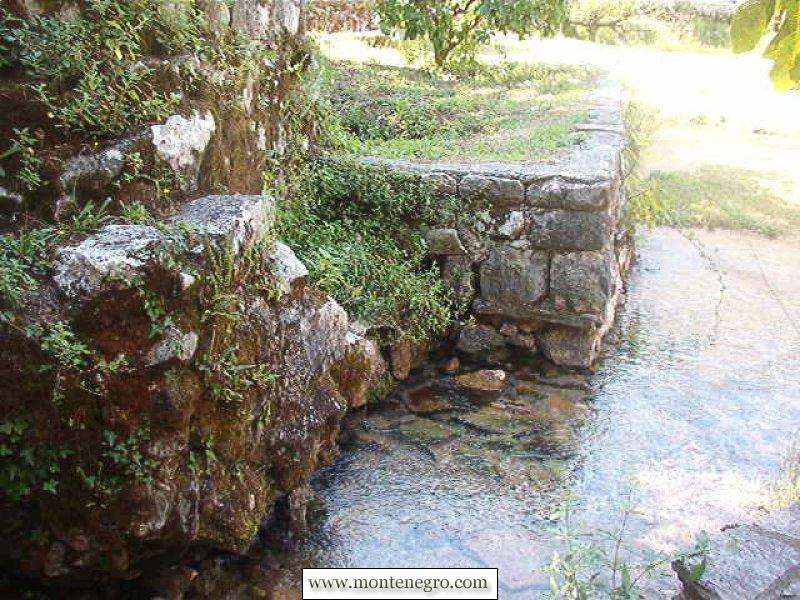
The inventory calls the ensemble one of the better-preserved examples of using Morinj’s natural conditions for milling. It also records change. The buildings underwent repairs after the 1979 earthquake. A residence was later added on the west side and a canopy on the south. The ground floor retains original interior elements and mill equipment, but “original elements survive” is not the same as “every visible surface is original.”
That layered reading is more interesting than a time-capsule myth. The plan cites a 1993 project to adapt the ground floor for hospitality. The operator describes Lazar Ćatović beginning the restaurant story in the mid-1990s and marked its thirtieth anniversary in 2024. Together, the records suggest a conversion sequence: documented mill fabric, a formal hospitality project, then three decades of restaurant use.
| Date | Evidence |
|---|---|
| before 1838 | buildings documented |
| after 1979 | earthquake repairs |
| 1993 | hospitality project |
| 2024 | tavern marks 30 years |
Source: kotor.me, catovica-mlini.com
Why the World Heritage context matters
The municipal inventory classifies Ćatovića Mlini as protected within the Natural and Culturo-Historical Region of Kotor. UNESCO’s own description defines that property through the integration of settlements, architecture, cultivated slopes, coast and steep mountain frame. The mill complex makes that idea tangible: economic architecture derives its form and position from water, terrain, cultivation and sea transport.
This is context, not a restaurant award. UNESCO does not recommend a table, inspect the kitchen or endorse the menu. Its concern is the integrity of a living cultural landscape. In 2014 the World Heritage Committee specifically called for controlled development in Morinj and heritage-impact assessment. Dining responsibly here therefore includes reading the site as more than a photogenic backdrop and not treating channels, stonework or vegetation as props to climb on or rearrange.
For the village-scale story—springs, mills, mosaics and the bay—continue with our Morinj guide. It helps place one famous restaurant within a settlement whose water history is larger than a single property.
| Scale | Level |
|---|---|
| KOTOR WORLD HERITAGE LANDSCAPE | 1 · widest |
| MORINJ WATER SYSTEM + SETTLEMENT | 2 |
| ĆATOVIĆ MILL ENSEMBLE | 3 |
| RESTAURANT USE | 4 · narrowest |
Source: whc.unesco.org, kotor.me
What the current menu page supports
The official food page remains seafood-led but broader than the old article’s fixed count of “about seventy” fish dishes. It currently illustrates cheese, prosciutto, fish pâté and broth, sea-bass carpaccio, octopus, prawns, fried fish, risotto, pasta, beef and desserts. Those are examples, not a promise that every item is available on every date.
The same page promotes a cellar of more than 500 wine varieties. That first-party figure is useful as a statement of emphasis, not an audited inventory. Ask for the current wine list and price before choosing. For wider vocabulary and regional context, use the Montenegro food guide; for the mountain tradition behind prosciutto and cheese, see Njeguši.
If a daily catch or another item is sold by weight, have the server state the weight, unit price and preparation before ordering. Ask whether side dishes and service are included rather than assuming. With allergies or coeliac disease, contact the restaurant before booking, name the allergen and cross-contact risk clearly, and repeat the discussion on arrival. A dish label or attractive photograph is not an allergen protocol.
Practical visit planning
The official contact page lists Polje bb, 85338 Morinj, coordinates 42°29′10.58″ N, 18°38′57.86″ E, landline +382 32 373 030, mobile +382 68 333 444 and [email protected]. It displays working hours of 12:00–22:30. Because it does not promise unchanged access for every date, confirm the day, kitchen service, last ordering time and any private closure.
The restaurant’s official reservation service was temporarily disabled when checked on 30 August 2026 because the operator said the local internet connection was not reliable enough to guarantee requests. It directs guests to the mobile number or email instead. Do not treat an unconfirmed form submission, social message or missed call as a reservation.
| Decision | What to confirm directly |
|---|---|
| Table | Date, arrival time, party size, indoor/outdoor preference and confirmation name |
| Menu | Current dishes, prices, items sold by weight and dietary requirements |
| Access | Drop-off point, steps, surfaces, narrow bridges, table route and toilet configuration |
| Transport | Exact pickup pin, return arrangement and a backup if the meal runs late |
| Payment | Accepted card network, terminal availability and cash backup |
| Timing | Opening, kitchen hours, last order and private-event closure for your date |
Car, taxi or bus?
Car: use the official coordinates and ask where guests should turn, unload and park. No current first-party parking capacity or price was found, so neither is promised. Taxi: agree the exact destination and return pickup in advance; do not assume cars wait nearby after dinner. Bus: the Municipality of Kotor’s public-transport page lists a Kostanjica-corridor document dated 8 July 2024. That supports the corridor but not a 2026 departure. Check the operator or Kotor bus station for your exact date, direction and last return, then confirm the walking route from the stop.
Allow more margin in high season, when the bay road can become slow; our high-season guide explains the wider traffic pattern. Visitors building their first itinerary can connect the meal to the first-time Montenegro guide. If approaching from the western bay, compare bases in the Herceg Novi neighbourhood guide.
| Step | Action |
|---|---|
| 1 | Call or email while online booking is suspended |
| 2 | Record the confirmation name, date, time and party size |
| 3 | Settle menu, allergy, access and table-location questions |
| 4 | Arrange arrival and return; do not solve only the first leg |
| 5 | Reconfirm current hours and conditions on the day |
Source: catovica-mlini.com, rezervacije.catovicamlini.net, kotor.me
Access and behaviour around a watermill
Archival and modern images show water edges, bridges, stone paving, lawns and routes that may be uneven. They do not establish a current step-free journey. If mobility access determines the visit, ask for the number and height of steps from drop-off to table, minimum bridge width, surface material, accessible toilet details and a recent photo or video of the proposed route.
Open water changes supervision. Keep children close, follow staff directions and do not feed or chase animals. Avoid leaning equipment on heritage stonework or entering service and mill areas without permission. The most respectful photographs explain how water, buildings and vegetation relate; they need not turn other diners into the subject.
FAQ
How old are Ćatovića Mlini?
The strongest municipal evidence says the existing mill buildings are older than the 1838 Austrian cadastre. That is a documentary threshold, not an exact construction date.
Is the whole restaurant original?
No. Original ground-floor mill elements and equipment survive, but the complex also underwent post-1979-earthquake repairs, later additions and a 1993 hospitality-adaptation project.
Does UNESCO recommend the restaurant?
No. The municipal inventory places the complex within the Kotor World Heritage area, while UNESCO describes and monitors the wider cultural landscape. Neither status is a restaurant rating.
What food is served?
The current official page is seafood-led and also shows cured meat, cheese, pasta, risotto, beef and desserts. Availability and prices can change; request the current menu and discuss dietary needs directly.
Can I book online?
Not reliably when checked on 30 August 2026. The official reservation page said online booking was temporarily disabled and directed guests to +382 68 333 444 or [email protected].
What are the opening hours?
The official site displays 12:00–22:30. Confirm your date, kitchen hours and last order because seasonal changes and private events are not ruled out.
Is it wheelchair accessible?
No reliable property-wide guarantee was found. Ask for a route audit covering drop-off, surfaces, bridges, steps, table and toilet before relying on access.
Methodology and sources
The heritage account is controlled by the Municipality of Kotor’s adopted plan, whose relevant inventory pages were rendered and visually checked. UNESCO sources control the World Heritage context and development concerns. The restaurant’s own pages control its stated operating history, food concept, contact details and current reservation status. Those first-party operational claims are dated to access on 30 August 2026 and are not treated as permanent.
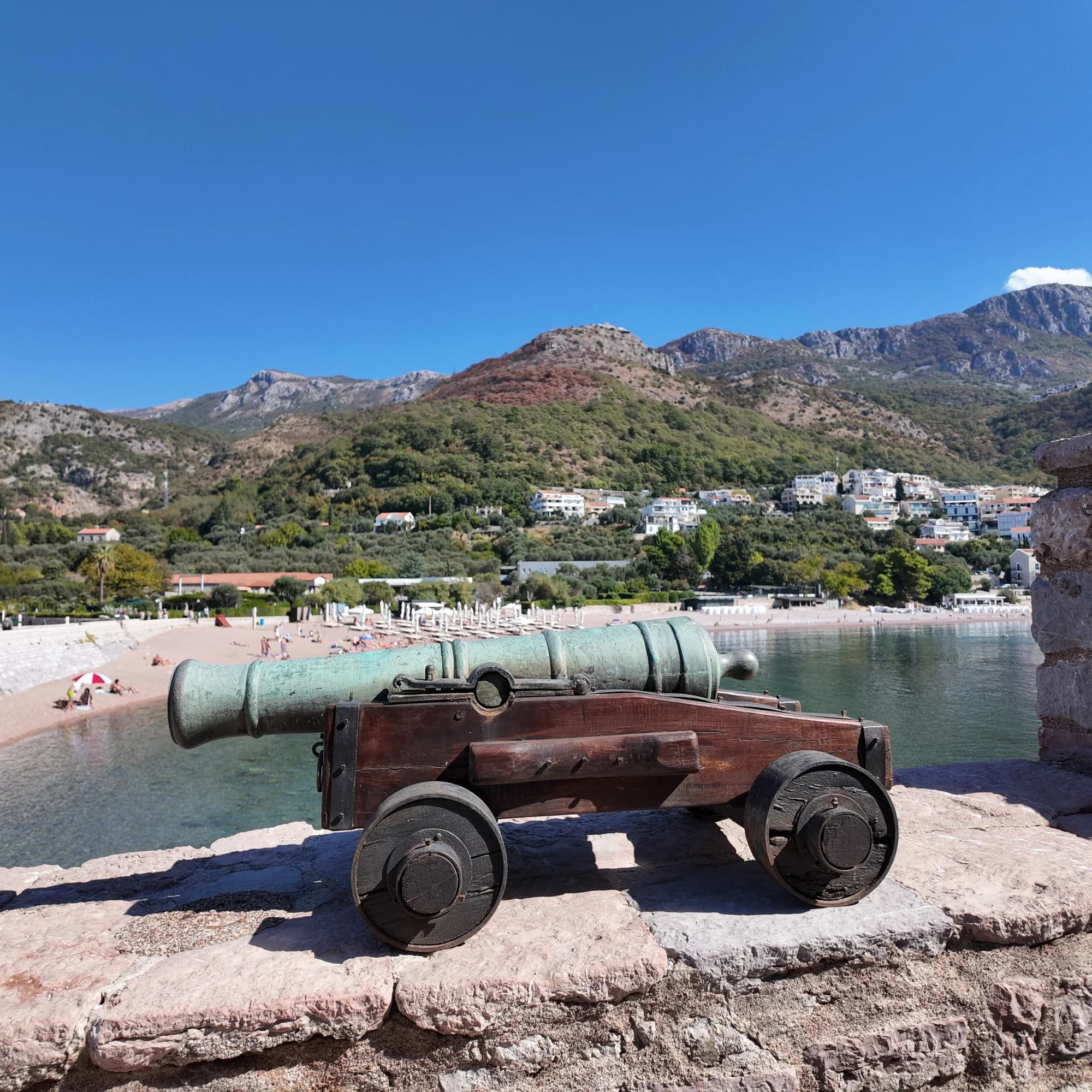
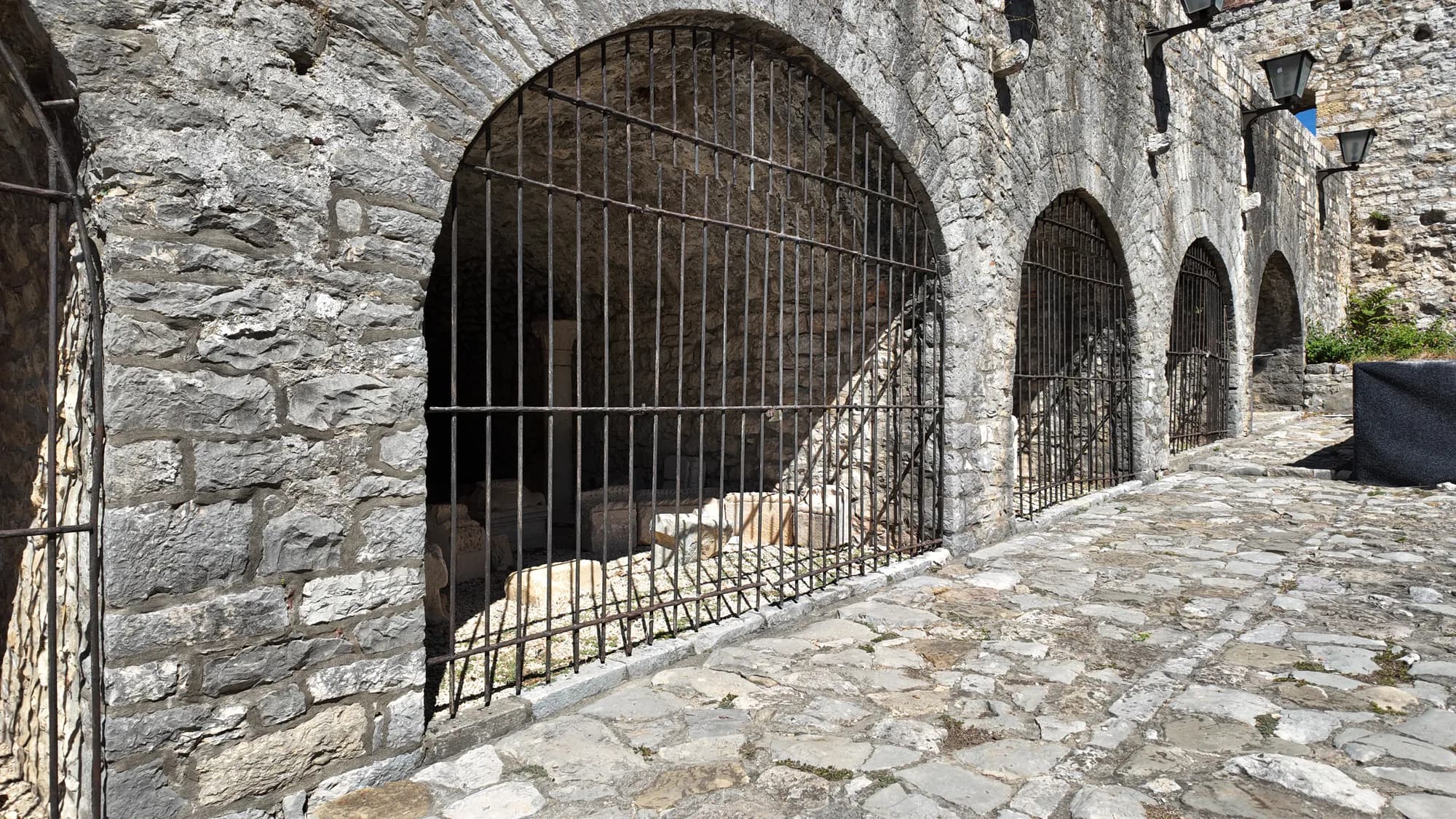
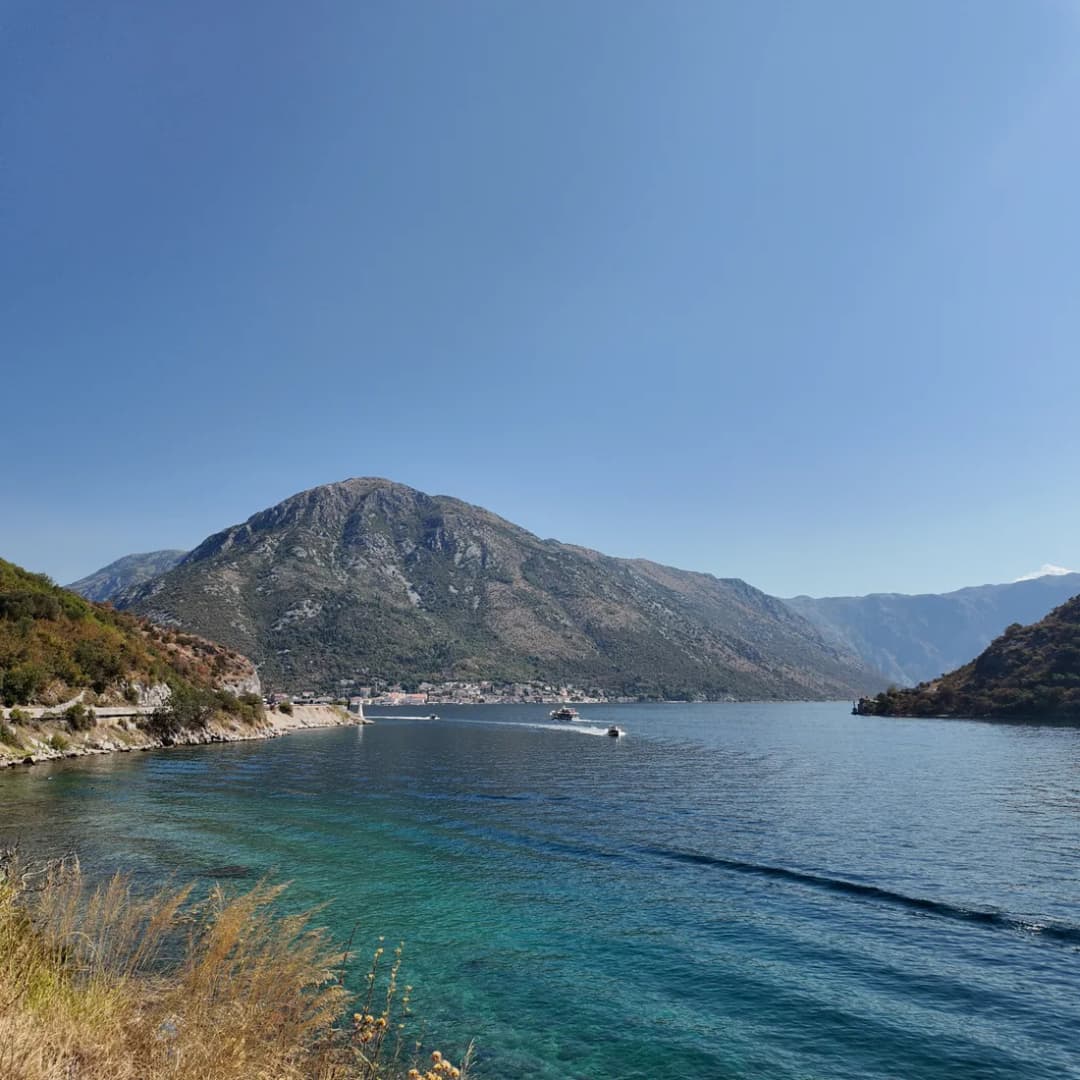
The replacement omits an unsupported forty-mill count, a permanent 6–8°C water-temperature claim, undated awards, old menu and wine counts, tame-wildlife claims, anonymous praise and unverified sourcing promises. Four selected archival images were inspected and captioned as undated; two newer licensed Morinj images provide place context without being mislabelled as current proof of service or access.