Tivat Bay and Porto Montenegro: Beaches, Islands, Food and Nightlife
The sunniest town on the Bay of Kotor, with about 2,450 hours of sun a year, a superyacht marina on an old naval yard, pine-backed sand and island monasteries.
350 mof beach
3offshore islets
4 kmto the airport
Jul–Augthe busy months
Updated Originally published 16 min readby Pavle Obradović
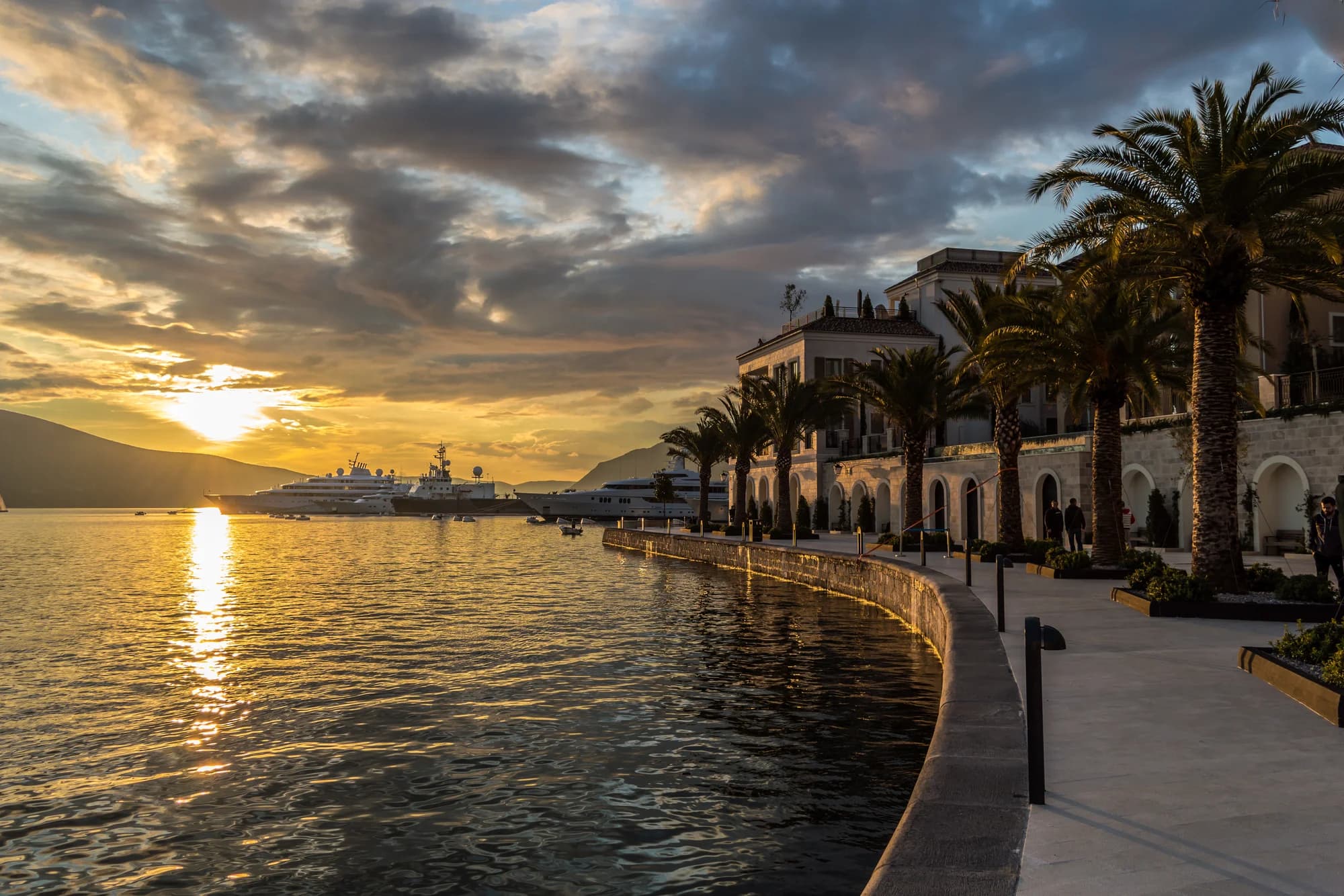
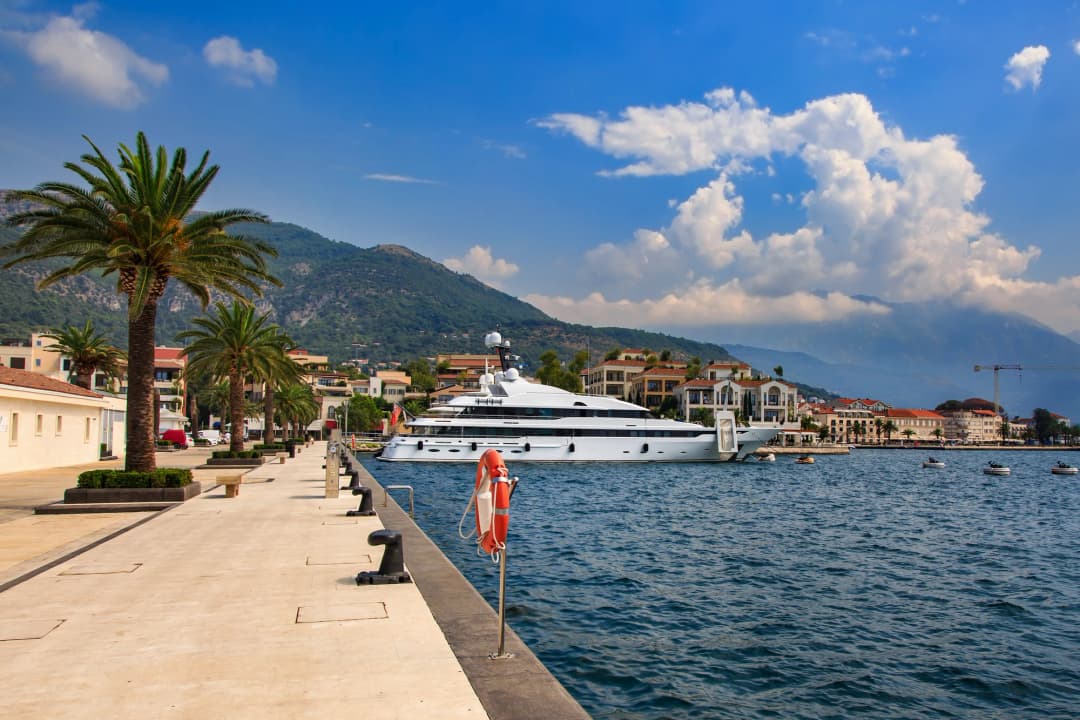
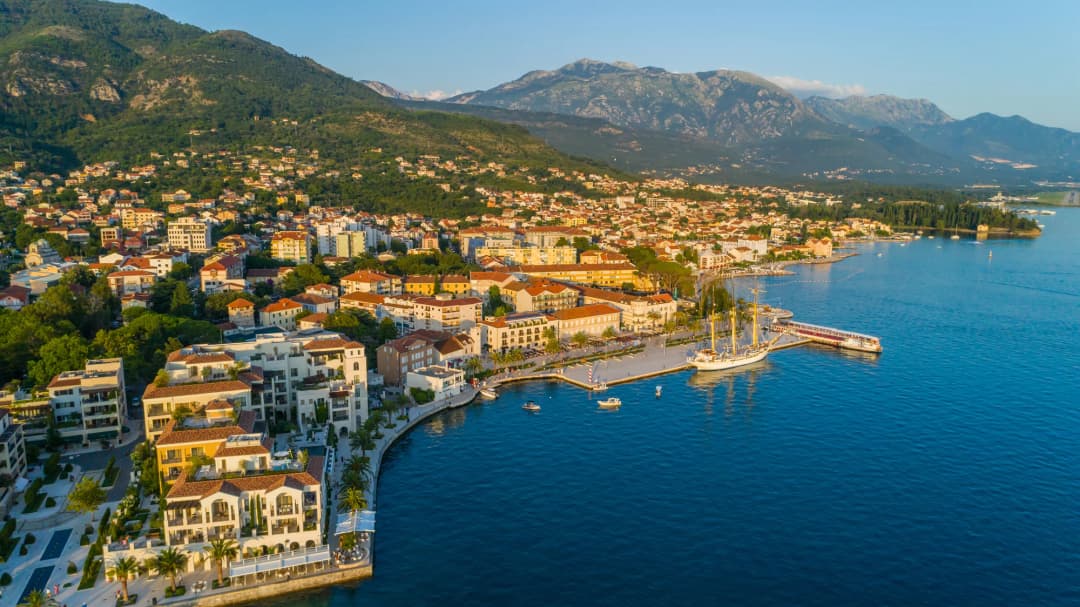
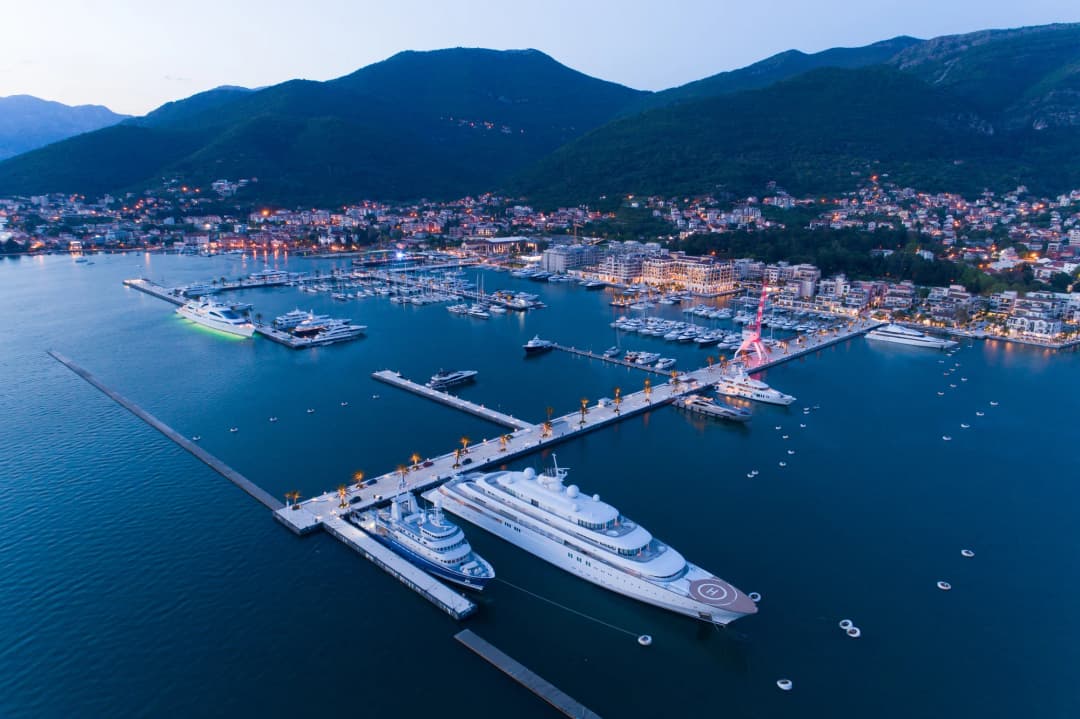
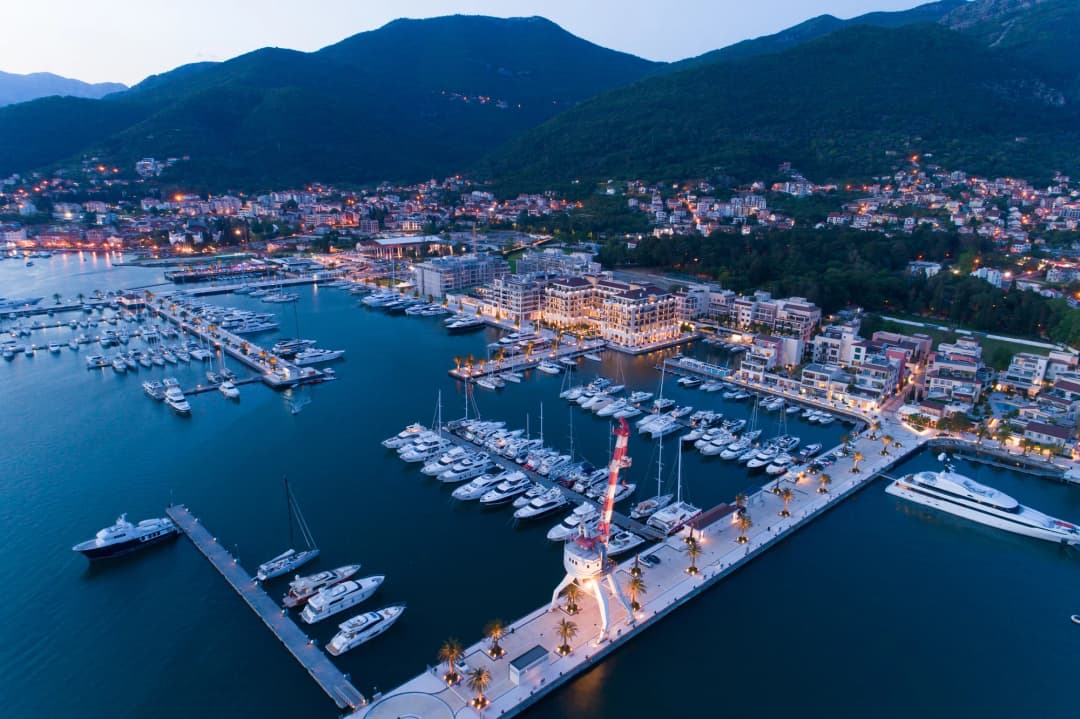
Tivat is a town that defies expectations. For decades, it was little more than a quiet stop on the Bay of Kotor, overshadowed by its medieval neighbor Kotor and the beach-party reputation of Budva. Then Porto Montenegro happened. A decommissioned naval shipyard transformed into one of the Mediterranean's most talked-about superyacht marinas, and Tivat found itself at the center of a new kind of Adriatic tourism — one that blends genuine Montenegrin character with polished international style.
This guide is for your days in Tivat: Porto Montenegro, the beaches, the islands, where to eat and where to go out. For the town's history, where to stay and the practical rules for a stay, from getting there to registration and tourist tax, see our Tivat town guide.
But here is what most guides get wrong about Tivat: it is not just about the yachts. Beyond the gleaming marina, you will find sandy beaches tucked behind pine forests, centuries-old island monasteries floating in the bay, a vibrant local food market, and one of Montenegro's prettiest coastal promenades. Tivat is also the sunniest town on the Bay of Kotor, with about 2,450 hours of sunshine a year, according to the Municipality of Tivat.
Day trips
How far a day reaches
20 min
30 min
30 min
45 min
90 min
Whether you are flying into Tivat Airport (just five minutes from the waterfront), using it as a base for the entire Boka Bay region, or drawn by the allure of a marina village that still feels refreshingly uncrowded, this guide covers everything you need to know.
Porto Montenegro in brief
Porto Montenegro is the engine that drives modern Tivat: a self-contained waterfront village on the bones of the 1889 naval arsenal, with 580 serviced berths, a lido, designer boutiques and the Naval Heritage Museum. Entry to the village is free and it is a 10-15 minute walk along the seafront from the town centre, which is why most trips to the beaches and islands below start or end here.
This page is about the wider bay. For the marina itself — getting there from the airport, the lido pools and day passes, the museum, and where to stay within walking distance — see our Porto Montenegro guide.
Tivat town centre in brief
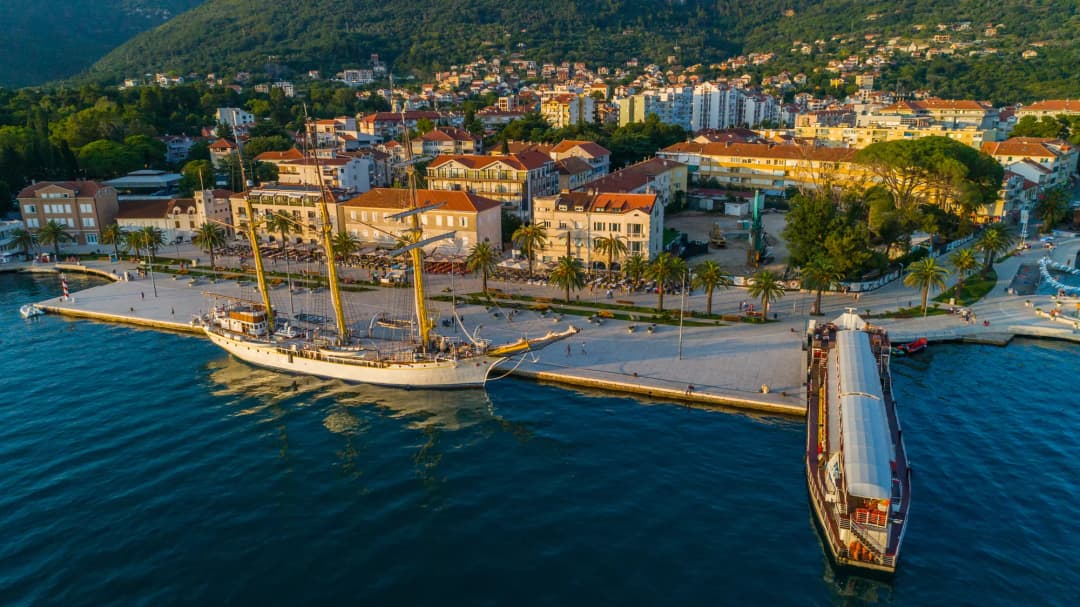
Away from the marina, Tivat is a working Montenegrin town. The Pine promenade runs along the water to Magnolia Square, with the Zelena pijaca green market trading beneath the square every day from 07:00 to 18:00 (Sundays until noon), and the Buca-Lukovic summer residence — its fortified tower dating from 1548 — holding the municipal museum and gallery. In summer the Purgatorije festival runs at Buca from mid-June to the end of August, with craft fairs in July and August; the Tivat Tourist Organisation keeps a festival calendar.
The town's history, its museums and the practical detail of staying there are the subject of our Tivat town guide. What follows here is the bay itself: the beaches, the islands, and where to eat, drink and shop.
Beaches
Tivat is not traditionally thought of as a beach destination — most visitors associate Montenegrin beaches with Budva or Ulcinj — but the municipality actually offers some excellent options, from the bay's calm pebble shores to a genuine Blue Flag sandy beach on the Lustica Peninsula.
Plavi Horizonti (Blue Horizons)
Plavi Horizonti is widely considered one of the finest beaches in the Bay of Kotor region. Located on the Lustica Peninsula about 30 minutes by car from Tivat center, this sandy beach, about 350 meters long by unofficial measurements, slopes gently into turquoise water, backed by olive groves and pine forest. It holds Blue Flag certification for water quality. The shallow entry makes it popular with families. Sunbeds and umbrellas are available for rent. Arrive early in July and August, as it fills up quickly.
Zupa Beach
Just before the entrance to Tivat on the southern approach, Zupa is a small, sandy beach about 70 meters long, bordered by a dense pine forest that provides welcome natural shade. It is quieter than many other options and has a more local, low-key feel. The shallow water and sandy bottom make it another good choice for families with small children.
Belane Beach
Belane is one of the most popular beaches in Tivat's town center, a pebble beach located near the port of Kalimanj at the beginning of the city promenade. It is convenient if you do not want to drive anywhere — just walk from your hotel or apartment. Sunbeds and umbrellas are available, and the beach bar Red Lobster serves food and drinks, with evening entertainment during summer months.
Donja Lastva Beaches
The charming village of Donja Lastva, just north of Tivat center and a short walk from Porto Montenegro, has several small swimming spots along its waterfront. These are not large organized beaches but rather intimate coves and concrete bathing platforms with ladders into crystal-clear water. The setting is lovely — old stone houses, a small church, and winding lanes right above the shore.
Seljanovo Beach (Ponta Seljanova)
Ponta Seljanova is a pebble beach stretching about 250 meters along the coast, popular with locals year-round — not just in summer. A small lighthouse stands at one end, and the beach has long been a favored spot for both swimming and casual waterfront walks. It sits in a pleasant residential area and feels less touristy than the central beaches.
Islands
Three small islands sit in the waters just off Tivat, each with its own distinct character and history. They are one of the most unique features of this part of the Bay of Kotor.
Sveti Marko (Stradioti Island)
Sveti Marko is the largest island in the Bay of Kotor at 34 hectares, blanketed in dense Mediterranean greenery. From 1962 to 1991, Club Med ran a holiday village of about 300 Polynesian-style reed huts here — rustic, with no running water or electricity. The concept was wildly popular until the Yugoslav wars of the 1990s. Since then, the island has been abandoned and the bungalows are slowly being reclaimed by vegetation — a fascinating, slightly eerie relic. Boat trips around the island are available from Tivat's waterfront.
Gospa od Milosti (Our Lady of Mercy)
About 800 meters from the Tivat coast, this small island has a pilgrimage church looked after by the local parish. A church and monastery were built here in the 15th century. Franciscan monks took over in 1524 and remained until 1800. Today, the church contains notable artworks and artifacts. To visit, go with a licensed boat operator and confirm beforehand that landing is permitted.
Ostrvo Cvijeca (Island of Flowers)
The Island of Flowers (Miholjska Prevlaka) is the most accessible of the three, connected to the mainland by a narrow sand spit and low bridge that you can walk across — but the sand strip can be covered at high tide, so don't cross when it is flooded. Its lush Mediterranean flora earned the poetic name, but the history runs deep: a monastic community has existed here since the 6th century. After Saint Sava organized the autocephalous Serbian Orthodox Church in 1219, the seat of the Zeta eparchy was established on Prevlaka, making this tiny island one of medieval Montenegro's most important religious sites. The 19th-century Church of the Holy Trinity still stands, along with ruins of earlier structures.
Lustica Peninsula Day Trips
The Lustica Peninsula stretches westward from Tivat toward the open Adriatic, and a day spent exploring it is one of the best things you can do during your stay. The peninsula is wilder and less developed than the inner bay, with hidden beaches, tiny fishing villages, and a rugged coastline pockmarked with sea caves.
Blue Caves
The Blue Cave (Plava Spilja) is the most famous of several sea caves along the Lustica coastline. Sunlight entering through underwater openings creates an extraordinary blue glow — an effect that must be seen in person. Motorboats from Zanjice Beach no longer take you inside: a 2026 navigation-safety rule bans motor-powered vessels from the cave, so boats stop outside, and you can enter only by swimming or in a craft without a motor, depending on sea state. See the note in our Tivat town guide. Go in the morning for the best light.
Zanjice Beach
At the far tip of the Lustica Peninsula, Zanjice is the main departure point for Blue Cave boat trips. The beach is a mix of pebble and concrete with exceptionally clear water. In summer, boats also ferry visitors here from Herceg Novi. A couple of beach restaurants complete the setting — facing the open sea with the Prevlaka headland visible in the distance.
Rose is believed to be one of the oldest settlements in the Bay of Kotor, a tiny stone village at the entrance to the bay where ships once stopped to take on supplies. Today, it is a quiet, photogenic hamlet with stone houses, a small waterfront, and a couple of restaurants serving fresh seafood. Sit with a glass of local wine, watch fishing boats bob in the harbor, and wonder why you ever thought you needed a plan.
Lustica Bay Development
On the peninsula's southern shore, the Lustica Bay development is a large-scale resort project developed by Orascom Development together with the Government of Montenegro. The complex features a marina village, a 2-kilometer waterfront promenade, a golf course under construction (its first three holes opened in April 2026), and a Chedi hotel. Still expanding, it already offers a polished alternative to Porto Montenegro with more of a resort atmosphere.
Where to Eat
Tivat's dining scene has evolved dramatically since Porto Montenegro arrived, and today the town offers everything from white-tablecloth marina dining to simple waterfront seafood spots where the fish was swimming that morning.
Porto Montenegro Restaurants
One — The first restaurant in Porto Montenegro, established in 2011 at the foot of Jetty 1. The menu is modern Adriatic with international influences — creative seafood preparations you will not find elsewhere on the coast. The terrace offers what many consider the most expensive view in Montenegro. Reservations are recommended in summer.
Town Center and Waterfront
Ponta Veranda — A local favorite on the Seljanovo shore, just past Porto Montenegro, with Montenegrin family-restaurant warmth. Expertly grilled meats and fresh fish at reasonable prices. The atmosphere is welcoming rather than pretentious — the kind of place where lunch stretches into late afternoon.
Prova — You cannot miss Prova on the central promenade. The building is shaped like a ship, jutting toward the bay with seating on multiple levels including a rooftop terrace. Contemporary Mediterranean cuisine — seafood, pasta, grilled meats — with the chocolate souffle earning a near-legendary reputation.
Beyond these standouts, the waterfront is lined with konobas (traditional Montenegrin taverns) serving grilled fish, black risotto, and Njeguski steak. For the freshest seafood, look for restaurants displaying the daily catch on ice — choose your fish, have it weighed and grilled to order. For budget meals, town center bakeries sell excellent burek and the pizzerias serve surprisingly good thin-crust pizza.
Nightlife
Tivat is not Budva. If you want thumping nightclubs, head 30 minutes down the coast. Tivat offers a more refined evening scene — cocktail bars with marina views, waterfront terraces with live music, and a social atmosphere that feels grown-up without being stuffy.
The Porto Montenegro promenade comes alive after dark in summer, with bars and lounges spilling onto the waterfront. The crowd is international — yacht crews, expats, and tourists. Several marina restaurants transition into cocktail venues after dinner, and you can easily bar-hop along the jetties.
Porto Montenegro and the municipality organize summer events including live music, DJ sets, wine festivals, sailing regattas, and cultural evenings. The atmosphere peaks in July and August when the warm evenings seem to go on forever.
The best word for Tivat's nightlife is convivial. People eat late, drink slowly, and conversation matters more than volume — you might find yourself sharing a bottle of Montenegrin Vranac with people you met an hour ago at the next table.
Shopping
Porto Montenegro Boutiques
Porto Montenegro's marina village houses international luxury brands alongside smaller Mediterranean fashion labels, jewelry designers, and home decor shops. The retail space is integrated into the waterfront promenade, so shopping feels more like a pleasant stroll. Nautical gear shops are well represented, and galleries sell art by local and regional artists.
Butiko Shopping Center
For more practical shopping needs, the nearest mall is Butiko Shopping Center in Radanovici, on the Adriatic Highway near the airport. For everyday groceries, there are supermarkets in the town center.
Local Finds
Do not overlook the Green Market for food souvenirs — local olive oil, dried herbs, lavender sachets, honey, and rakija (fruit brandy) make excellent gifts and are a fraction of what you would pay in a tourist shop. Several small shops in the town center also sell Montenegrin handicrafts, ceramics, and locally produced cosmetics.
Day Trips from Tivat
Tivat's central location in the Bay of Kotor makes it an ideal base for exploring the wider region. Every major attraction in southern Montenegro is within easy reach.
The medieval walled town of Kotor is a UNESCO World Heritage Site and one of Europe's most impressive fortified towns. The drive takes 20 minutes along the bay road. Climb the 1,350 steps to San Giovanni fortress for staggering views, wander the labyrinthine old town, and visit the Cathedral of Saint Tryphon (dating to 1166). Go early morning or late afternoon to avoid cruise-ship crowds.
Perast may be the most photogenic town in Montenegro — a single row of Baroque palaces set against mountains, with two islands floating just offshore. Our Lady of the Rocks is an artificial island built by locals over centuries who threw stones into the water each time a sailor returned safely. Drive through Kotor and continue along the bay.
A 30-minute drive south, Budva's walled old town is charming — a miniature Dubrovnik without the crowds or prices. The beaches are longer and more developed than around the bay, and the nightlife is Montenegro's most vibrant.
At the mouth of the bay, Herceg Novi has a subtropical microclimate supporting mimosa trees, palms, and lush gardens year-round. The old town blends Ottoman, Venetian, and Austro-Hungarian architecture, and the Kanli Kula fortress hosts summer concerts. Reach it by car or by the scenic Kamenari-Lepetane ferry.
Lovcen National Park (90 Minutes)
The mountain looming above the bay is accessible via the famous serpentine road from Kotor — 25 hairpin bends with progressively jaw-dropping views. At the summit, the Njegos Mausoleum sits at 1,657 meters with views stretching across Montenegro to the sea. Stop in Njeguši village for the country's best smoked ham and cheese.
Where to Stay
Stay in the centre, by the Pine promenade, for a first visit without a car; in Seljanovo and Porto Montenegro for the marina atmosphere; or in Donja Lastva for a quieter village stay. Our Tivat town guide compares six areas of the municipality, from Kalimanj to the Luštica shore, with a selection of places to stay.
Getting There
Tivat Airport (TIV) is about 4 km from the town centre, local and intercity buses run from the town's bus station, and the Kamenari–Lepetane ferry crosses the narrows of the bay. Journey times, bus routes and what to confirm on the day are in the practical section of our Tivat town guide.
Practical Tips
Best Time to Visit
Peak season is July and August, the warmest and busiest months. Sea temperatures reach 24-26 degrees Celsius.
For a more relaxed experience, the shoulder months of May–June and September–October are ideal — the sea is usually warm enough for swimming from June to early October, crowds are manageable, and accommodation prices drop noticeably.
Spring and autumn bring mild temperatures perfect for sightseeing and hiking. Winter is quiet but appealing — the bay has a moody beauty, hotel prices are at their lowest, and the mountains are occasionally dusted with snow.
How Many Days
Two to three days is ideal for Tivat itself — Porto Montenegro, the town center, islands, and a beach or two. Add day trips to Kotor, Perast, Lustica, and Budva, and plan for five to seven days. Many visitors use Tivat as a week-long base, taking advantage of its central location and easy airport access.
Budget vs. Luxury
Tivat accommodates both ends of the spectrum more gracefully than the Porto Montenegro gloss might suggest.
Budget travelers: Private apartments for 30-60 euros per night, meals at bakeries and konobas for under 15 euros, free promenade and beach access. Public buses are cheap for day trips.
Mid-range travelers: Three- or four-star hotels for 80-150 euros per night, waterfront restaurants for 20-35 euros per person, plus a rental car for flexibility.
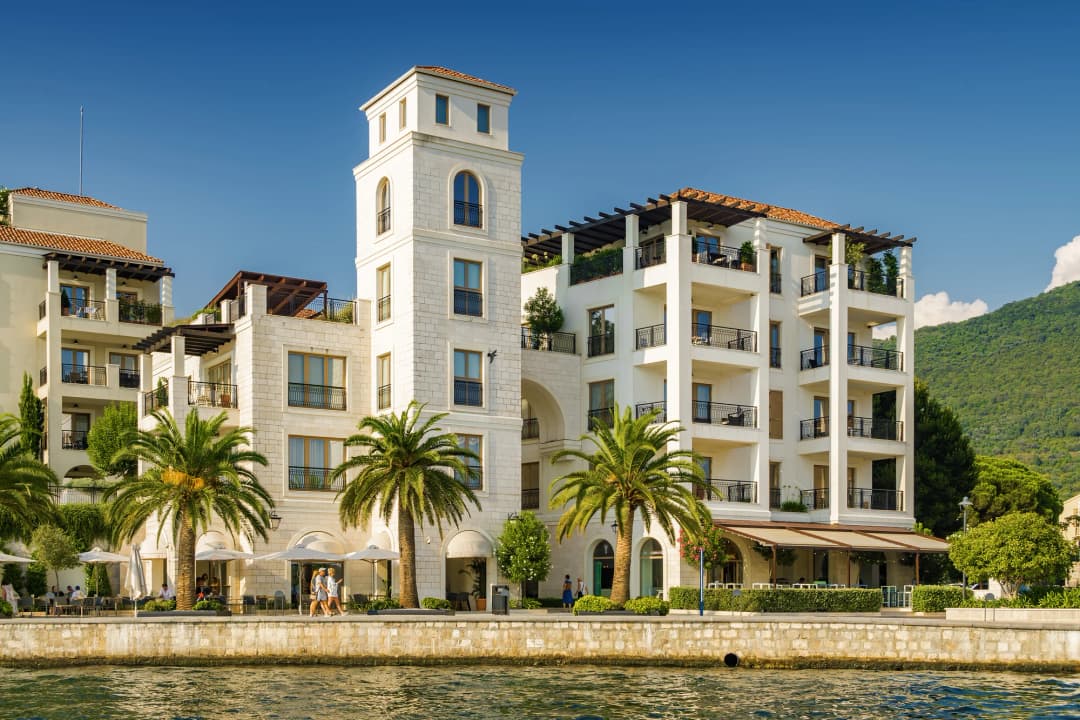
Luxury travelers: The Regent and marina residences range from 300-800 euros per night in high season. Dining, yacht charters, and spa treatments push daily spending above 500 euros — still significantly less than the South of France, Sardinia, or the Greek islands.
Currency and Payment
Montenegro uses the euro despite not being an EU member. Credit cards are widely accepted in Porto Montenegro, hotels, and restaurants; smaller shops and market stalls may prefer cash. ATMs are available throughout town.
Language
Montenegrin is the local language, but English is widely spoken in Porto Montenegro and tourist-facing businesses. A few basic phrases — "hvala" (thank you), "dobar dan" (good day) — go a long way with locals.
Safety
Tivat is very safe. Petty crime is rare and the atmosphere is relaxed and family-friendly. Standard precautions apply — do not leave valuables unattended on the beach.
Tivat is a town that rewards curiosity. Spend a morning at Porto Montenegro admiring the yachts, then duck into the Green Market to buy tomatoes from a farmer who has been selling there for 30 years. Swim at a Blue Flag beach in the morning and visit a 500-year-old island monastery in the afternoon. Have a sophisticated cocktail at a marina bar after sunset, then finish the night at a simple konoba with a plate of grilled squid and a carafe of house wine.
It is this duality — polished and authentic, international and deeply Montenegrin — that makes Tivat more than just a pretty marina. It is a town that has reinvented itself without losing itself, and that is something worth experiencing.
A Brief History of Tivat
Tivat became the town it is today after 1889, when the Austro-Hungarian navy built its arsenal on the shore. The shipyard stayed military through the Yugoslav period, and since 2006 it has been turned into the Porto Montenegro nautical district. For the longer story, from Illyrian and Roman traces to Venetian rule (1420–1797), see our Tivat town guide.
Quick answers
When is the best time to visit Tivat Bay And Porto Montenegro?+
Peak season is July and August, the warmest and busiest months. Sea temperatures reach 24-26 degrees Celsius. For a more relaxed experience, the shoulder months of May–June and September–October are ideal — the sea is usually warm enough for swimming from June to early October, crowds are manageable, and accommodation prices drop noticeably.
How do you get to Tivat Bay And Porto Montenegro?+
Tivat Airport (TIV) is about 4 km from the town centre, local and intercity buses run from the town's bus station, and the Kamenari –Lepetane ferry crosses the narrows of the bay. Journey times, bus routes and what to confirm on the day are in the practical section of our Tivat town guide .
What are the beaches in Tivat Bay And Porto Montenegro like?+
Tivat is not traditionally thought of as a beach destination — most visitors associate Montenegrin beaches with Budva or Ulcinj — but the municipality actually offers some excellent options, from the bay's calm pebble shores to a genuine Blue Flag sandy beach on the Lustica Peninsula.
Where should you eat in Tivat Bay And Porto Montenegro?+
Tivat's dining scene has evolved dramatically since Porto Montenegro arrived, and today the town offers everything from white-tablecloth marina dining to simple waterfront seafood spots where the fish was swimming that morning.
Where should you stay in Tivat Bay And Porto Montenegro?+
Stay in the centre, by the Pine promenade, for a first visit without a car; in Seljanovo and Porto Montenegro for the marina atmosphere; or in Donja Lastva for a quieter village stay. Our Tivat town guide compares six areas of the municipality, from Kalimanj to the Luštica shore, with a selection of places to stay.
What is the nightlife like in Tivat Bay And Porto Montenegro?+
If you want thumping nightclubs, head 30 minutes down the coast. Tivat offers a more refined evening scene — cocktail bars with marina views, waterfront terraces with live music, and a social atmosphere that feels grown-up without being stuffy.
What day trips can you take from Tivat Bay And Porto Montenegro?+
The Lustica Peninsula stretches westward from Tivat toward the open Adriatic, and a day spent exploring it is one of the best things you can do during your stay. The peninsula is wilder and less developed than the inner bay, with hidden beaches, tiny fishing villages, and a rugged coastline pockmarked with sea caves.
Pavle Obradović is from Herceg Novi. He was Manager of Montenegro.com, then Director of the Herceg Novi Tourism Organization, and is now Coordinator for Investment and Development Projects at the Municipality of Herceg Novi. He holds a BSc in International Hospitality and Service Management from the Rochester Institute of Technology (RIT).
···
Updated · Originally published
Montenegro Travel Newsletter
Get weekly stories, guides, and insider tips about Montenegro delivered to your inbox.