Cities
Landmarks
Dramatic mountain landscapes, national parks, and untouched wilderness perfect for adventure seekers.
Montenegro · Bjelasica
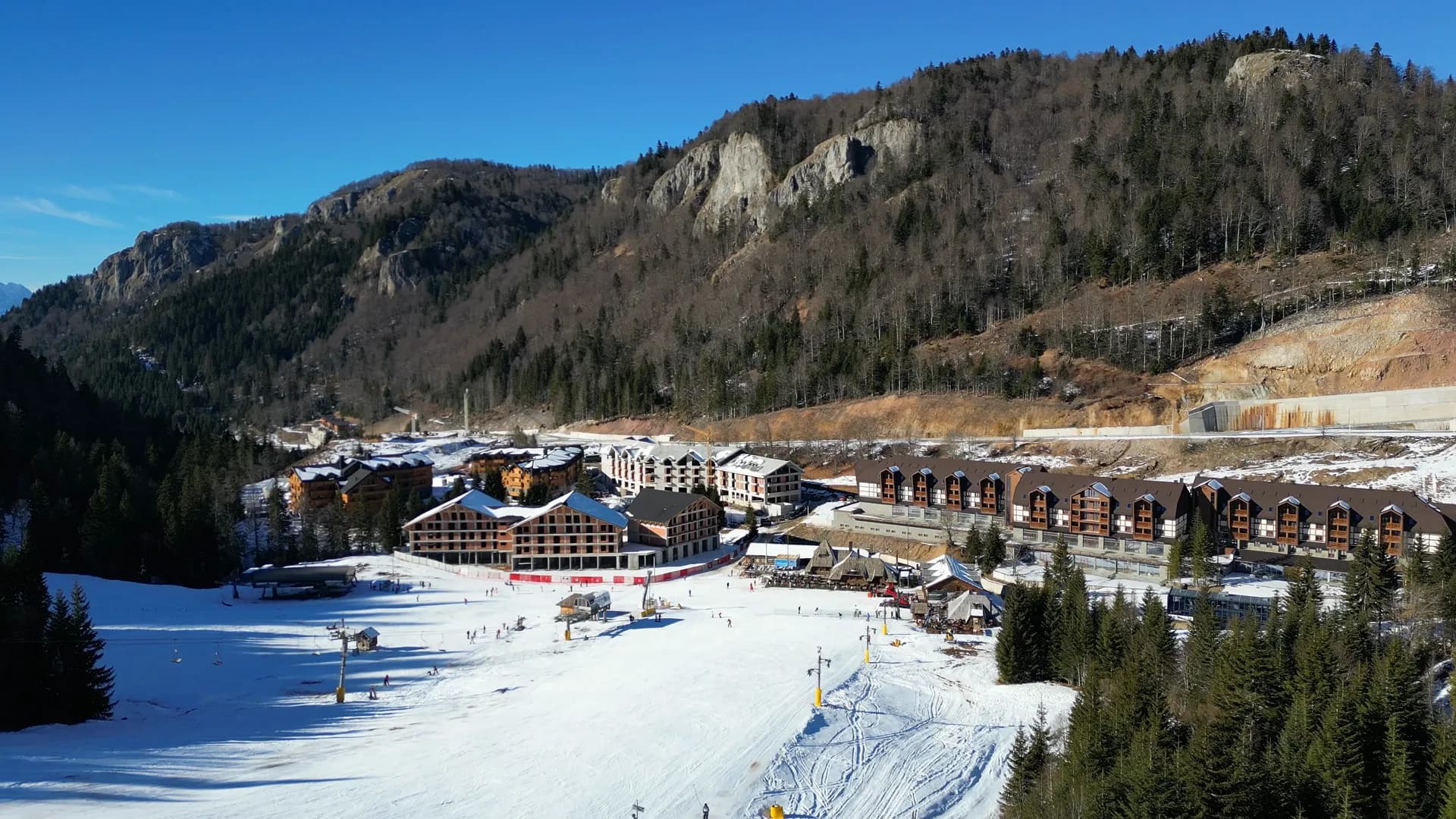
Kolašin
Montenegro’s mountain capital: an Ottoman border town that became the country’s ski address, with a primeval forest next door.
19 accommodations available
Montenegro · Durmitor
Žabljak
The Balkans’ highest town, doorman to Durmitor — eighteen glacial lakes, one UNESCO canyon, and 120 days of snow.
13 accommodations available
Montenegro · The Lim valley
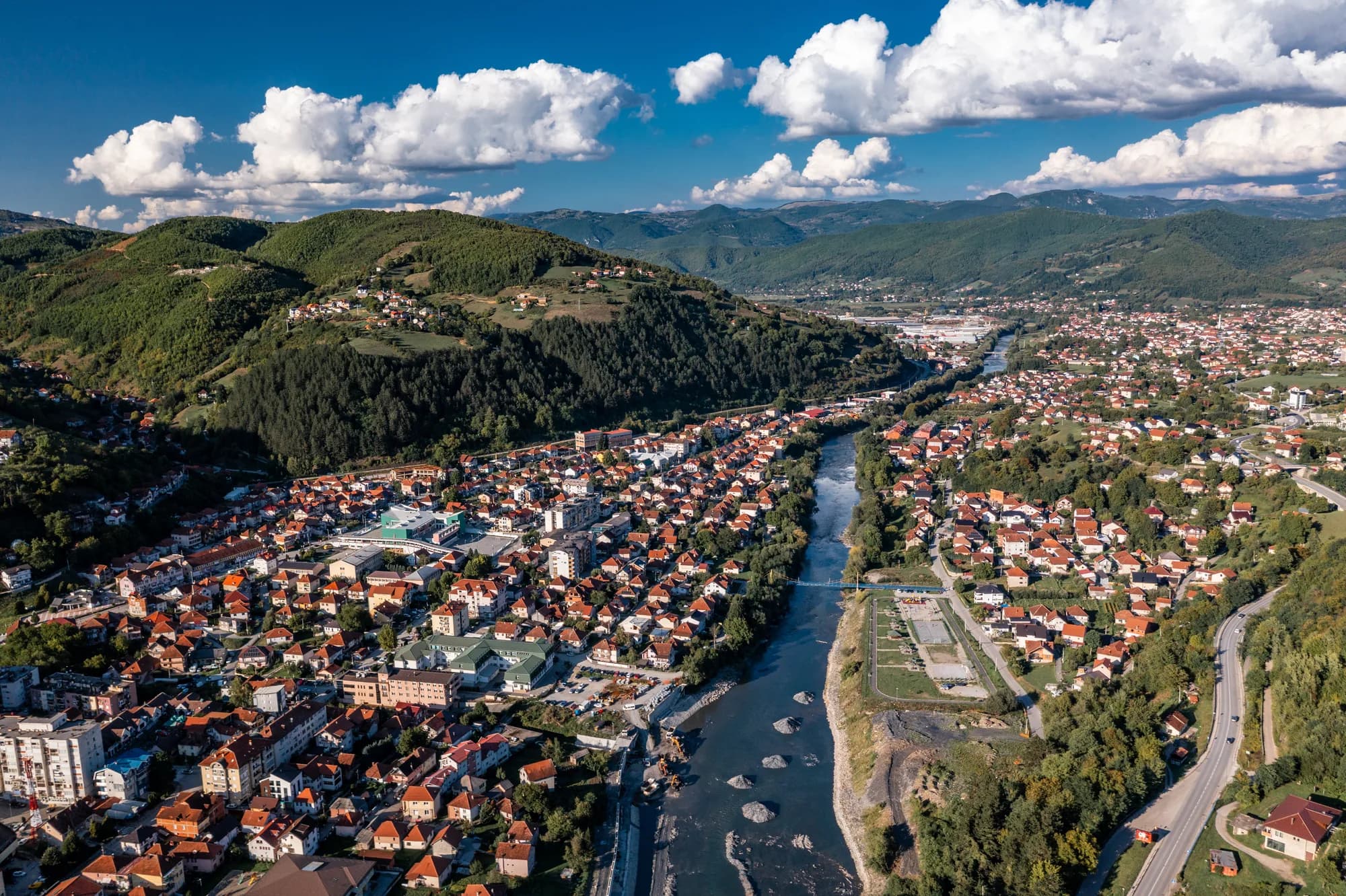
Berane
An Ottoman garrison town of 1862 that spent forty-three years called Ivangrad — with a thirteenth-century bishop’s seat two kilometres downriver at Budimlja and a 1,900-metre runway lying idle at its edge.
2 accommodations available
Montenegro · Komovi
Andrijevica
A town of 988 people where the Zlorečica ends in the Lim — urban only since 1853, and the road-head for the Komovi.
1 accommodation available
Montenegro · Tara valley
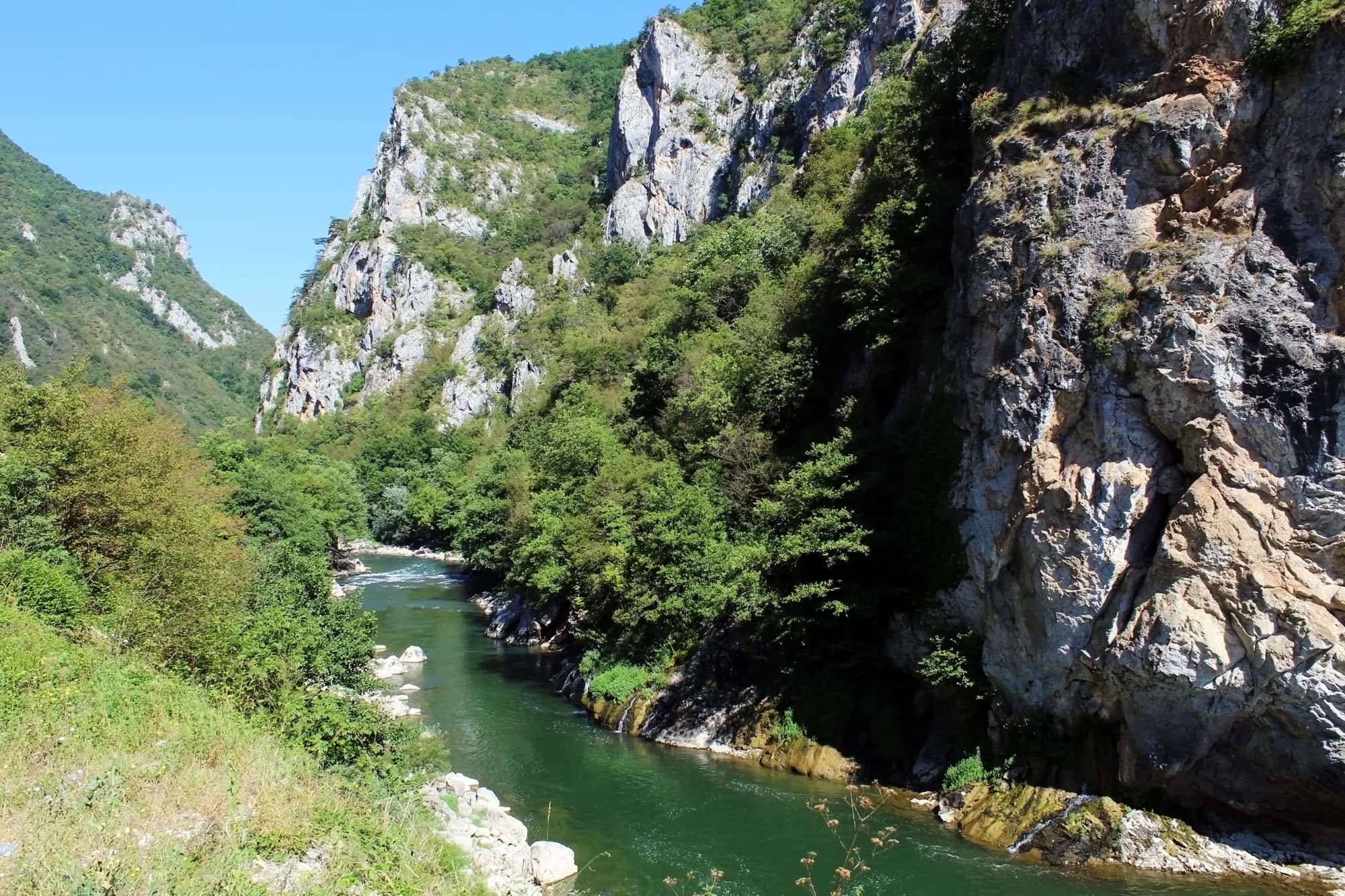
Mojkovac
The town at the head of the Tara canyon — a medieval silver mine, a 1916 battlefield, and the river everyone now comes to raft.
Montenegro · The high north
Pljevlja
Roman glass, an Ottoman masterpiece and the country’s power plant — the north’s most layered town, and its least visited.
Montenegro · Piva
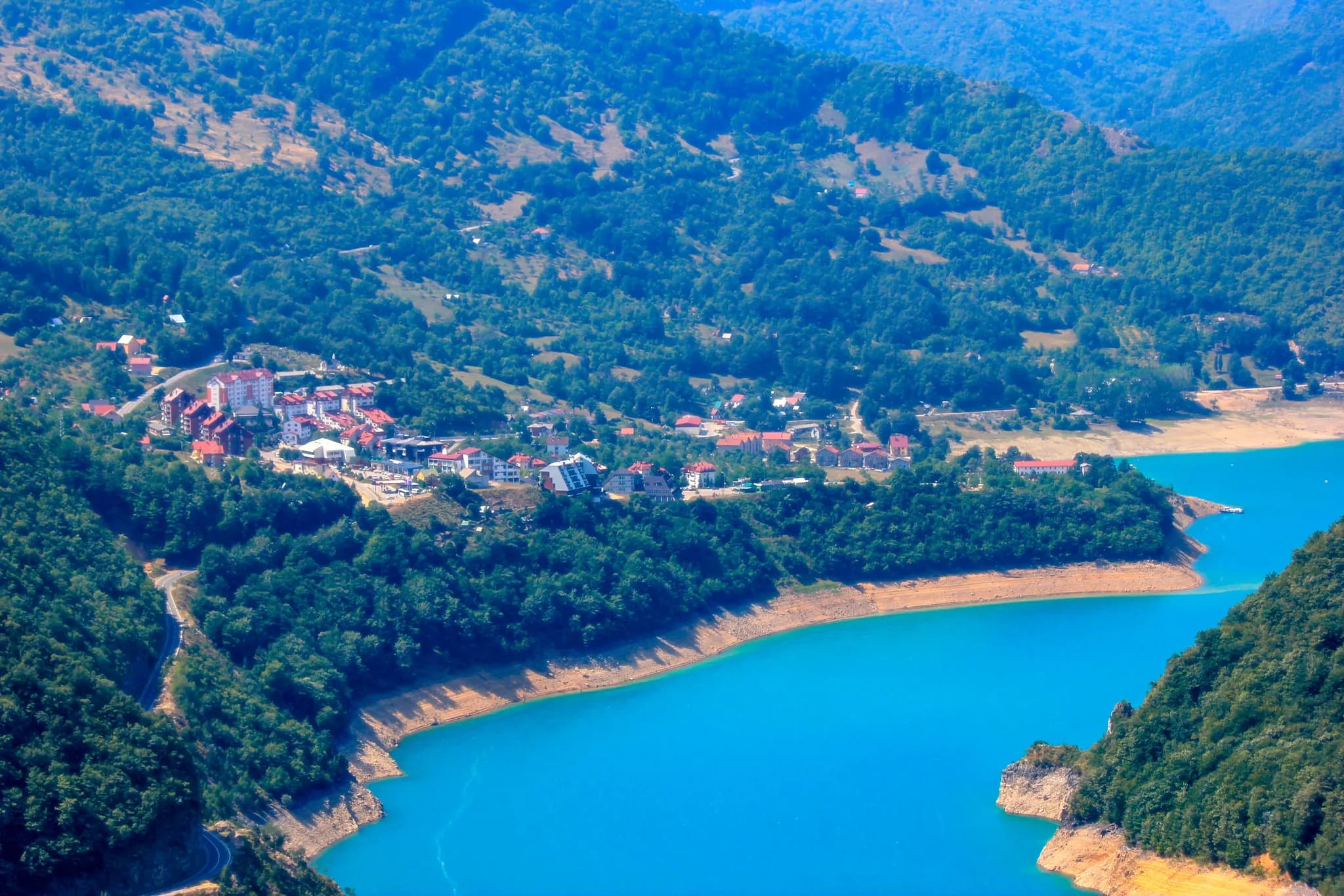
Plužine
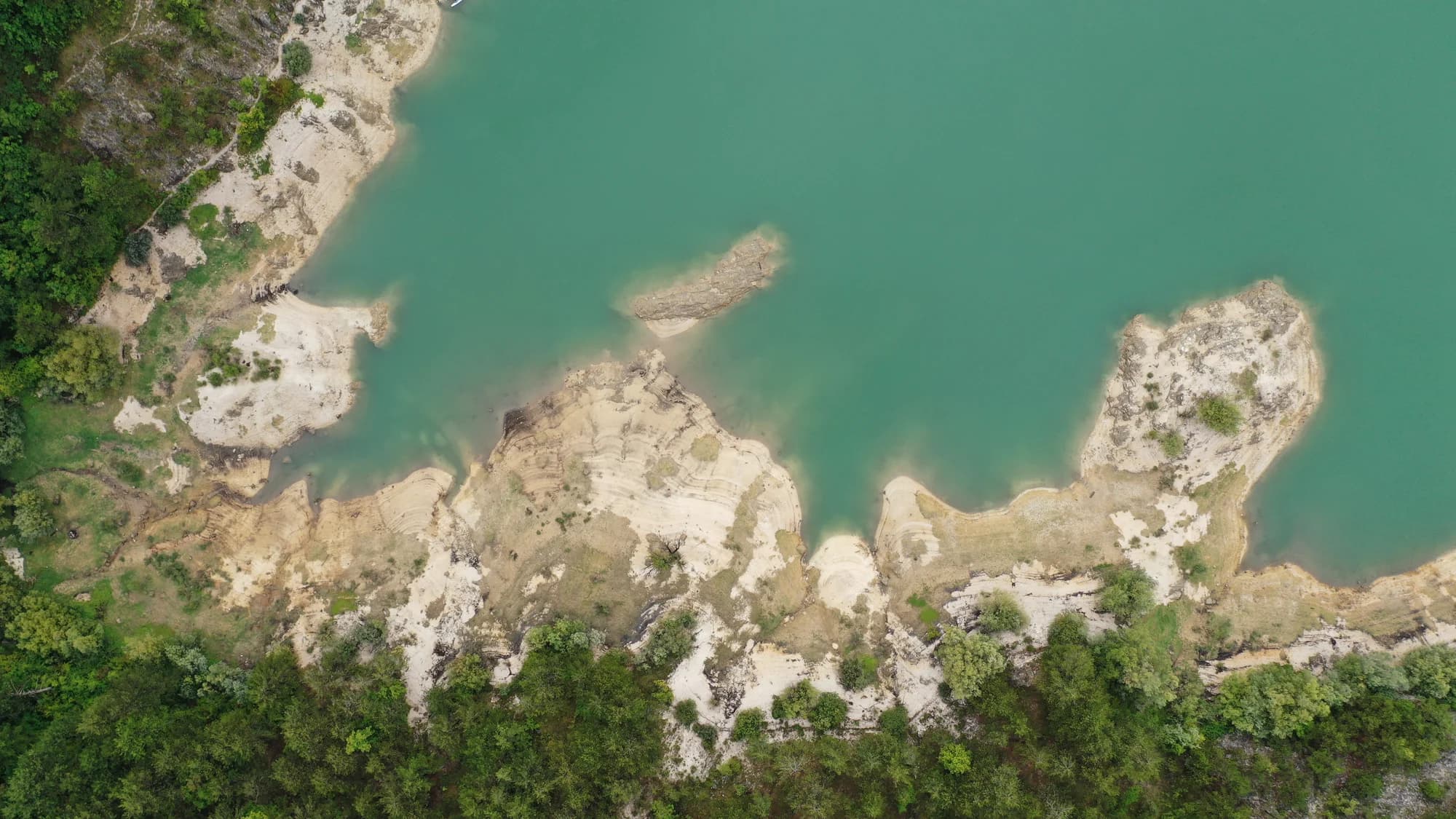
The town Montenegro built twice — old Plužine lies under Lake Piva, and its replacement steps down in terraces to the water that drowned it.
Montenegro · the Ibar valley
Rožaje
Montenegro’s last town before Kosovo and Serbia: an Ottoman market called Trgovište until 1912, at 1,000 metres on the Ibar, under the 2,403 m wall of Hajla.
Bijelo Polje
The market town of the Lim valley: a 12th-century church that commissioned the Miroslav Gospel, and the station on the Belgrade–Bar line where passports get stamped.
Biogradsko Jezero
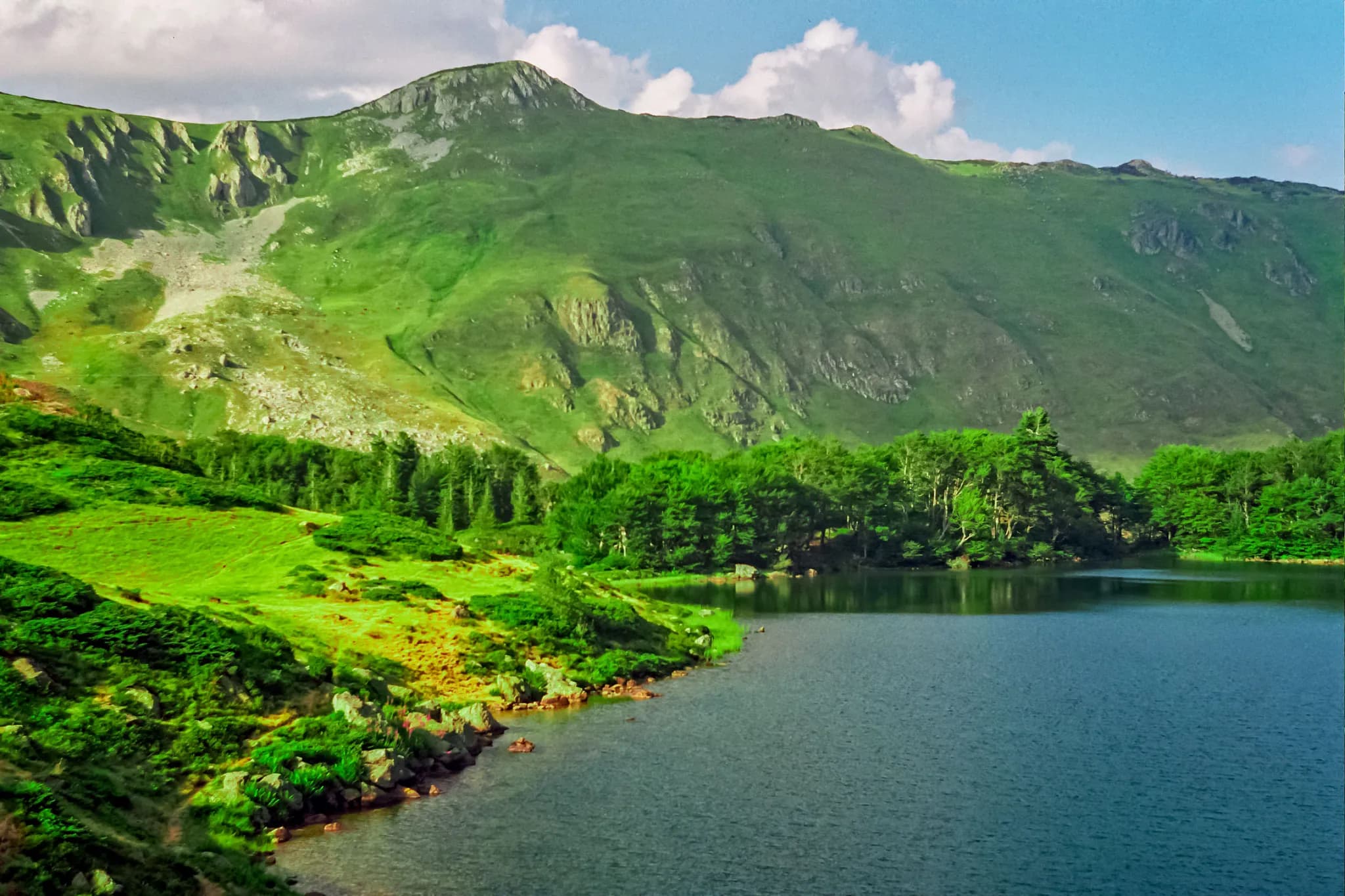
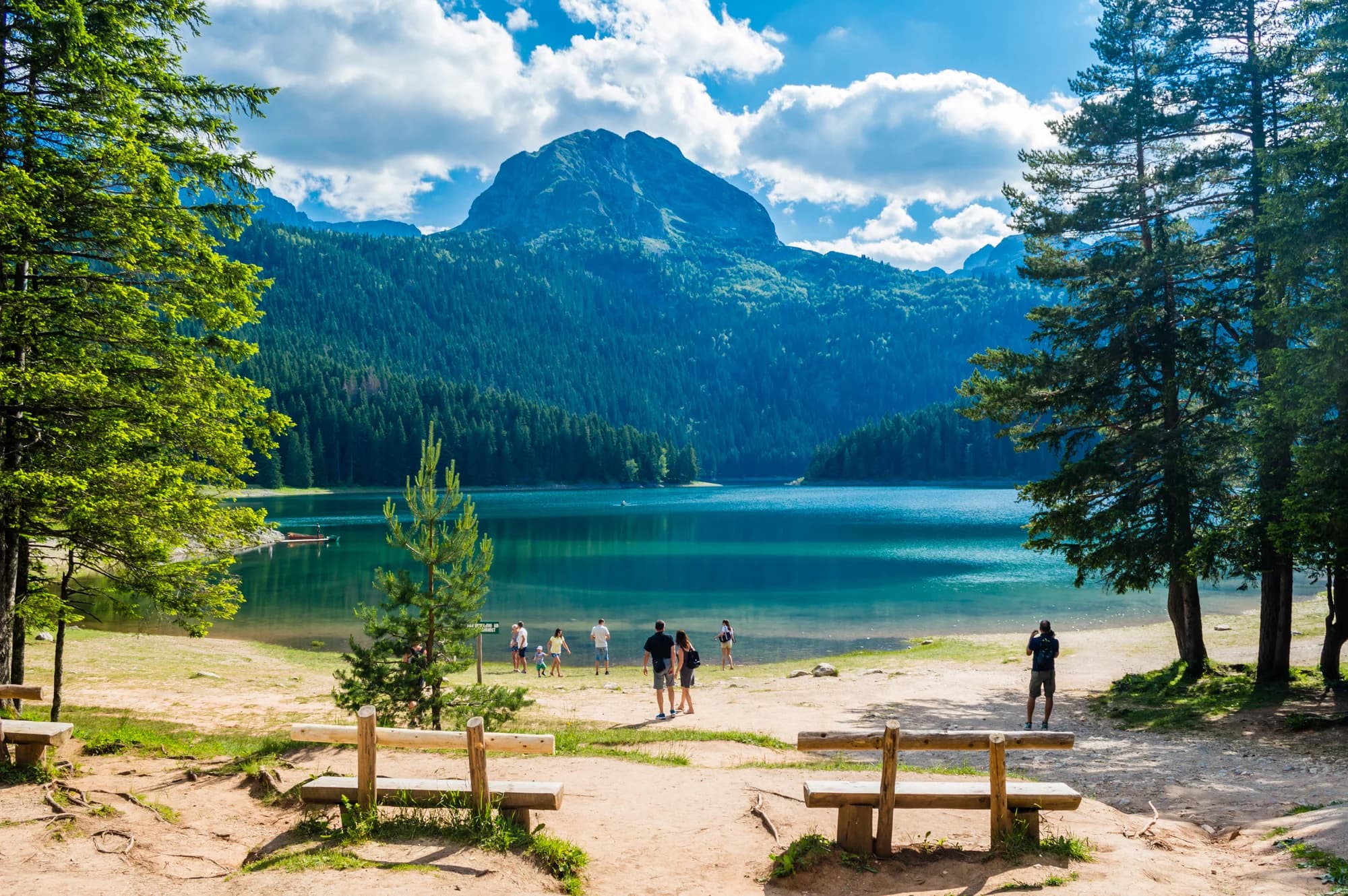
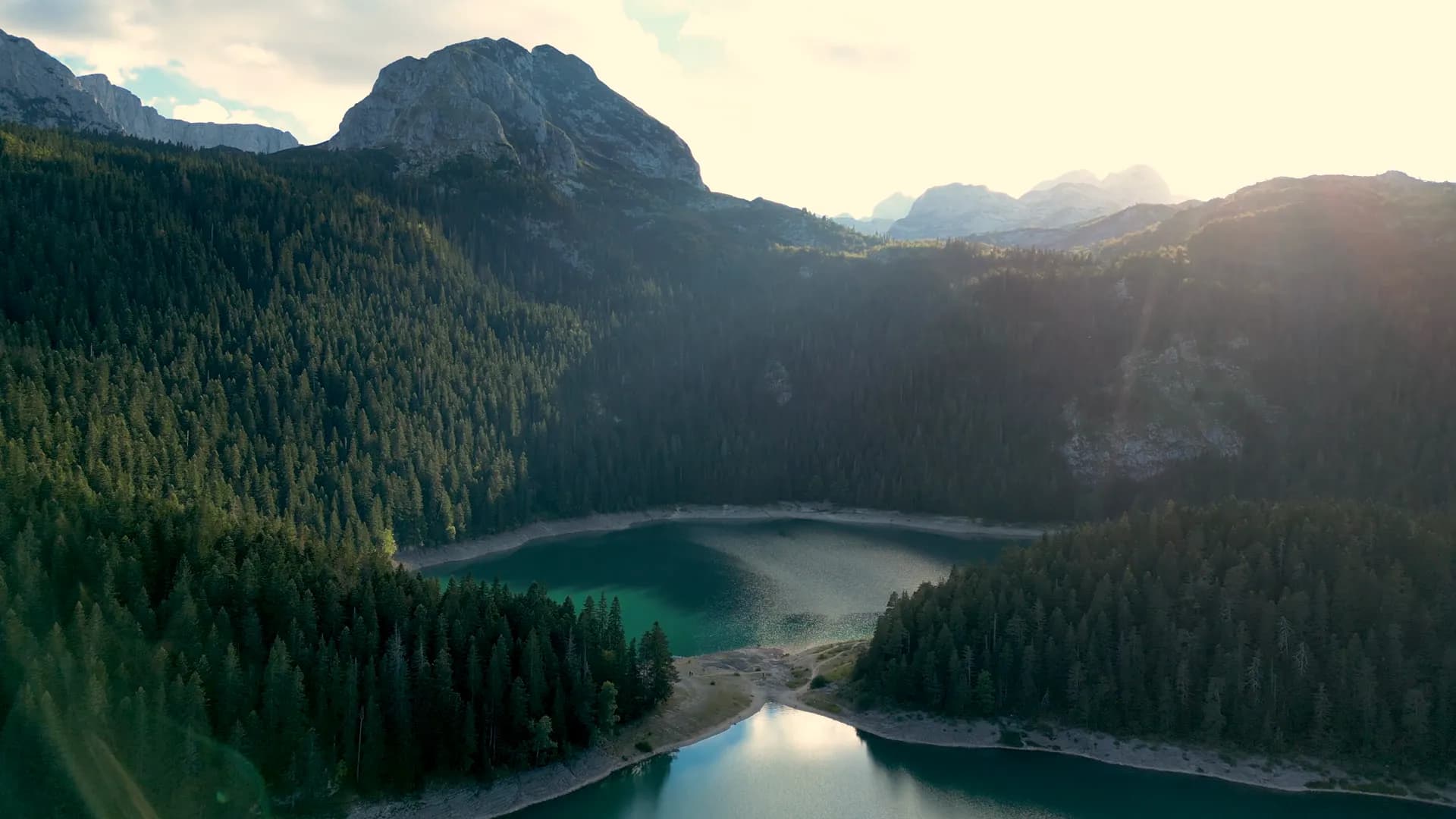
Biogradsko Lake sits at 1,094 metres in the heart of Biogradska Gora National Park, in the Bjelasica massif of northeastern Montenegro.
Montenegro · Đalovića klisura
Bistrica
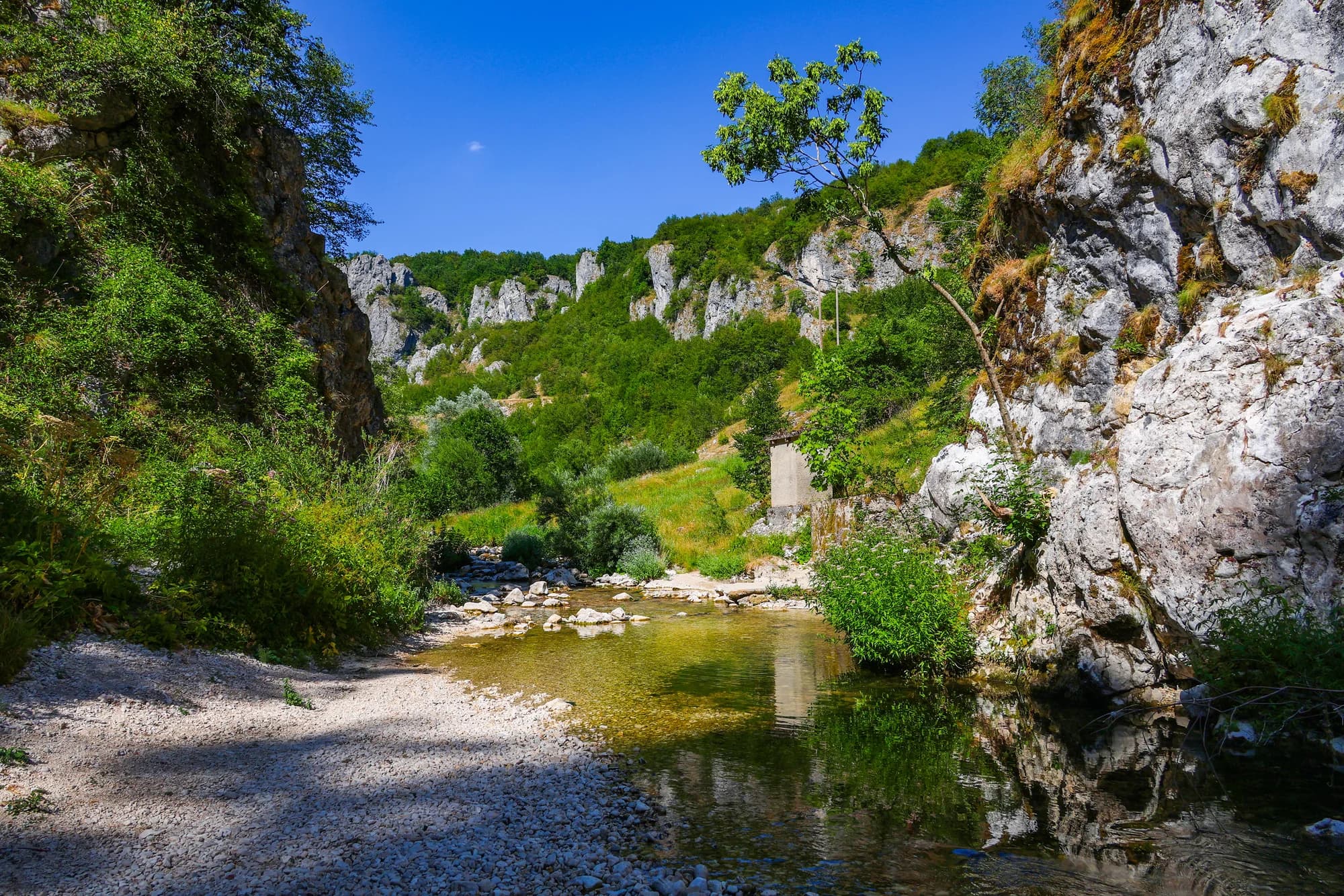
Thirty-four people in the Bistrica valley east of Bijelo Polje, at the road-head for the longest cave in Montenegro and a gorge the state has spent more than a decade trying to open.
Montenegro · Krivošije, Orjen
Crkvice
Four and a half metres of rain a year on a mountain with no springs — and the roofless town Austria-Hungary built here for seven thousand soldiers. The plateau around it is down to about a hundred people.
Djurdjevića Tara
The Đurđevića Tara Bridge carries the road across the Tara River Canyon at a height of 172 metres.
Durmitor
Durmitor National Park is a UNESCO World Heritage Site in northern Montenegro, a limestone massif of bare rock, pine forest and high pasture that glaciers carved into shape.
Montenegro · Grahovsko polje
Grahovo
A hundred and two people on a karst field seven kilometres long, and the ground where in 1858 Montenegro won the battle that made Europe draw its border.
Montenegro · Prokletije
Gusinje
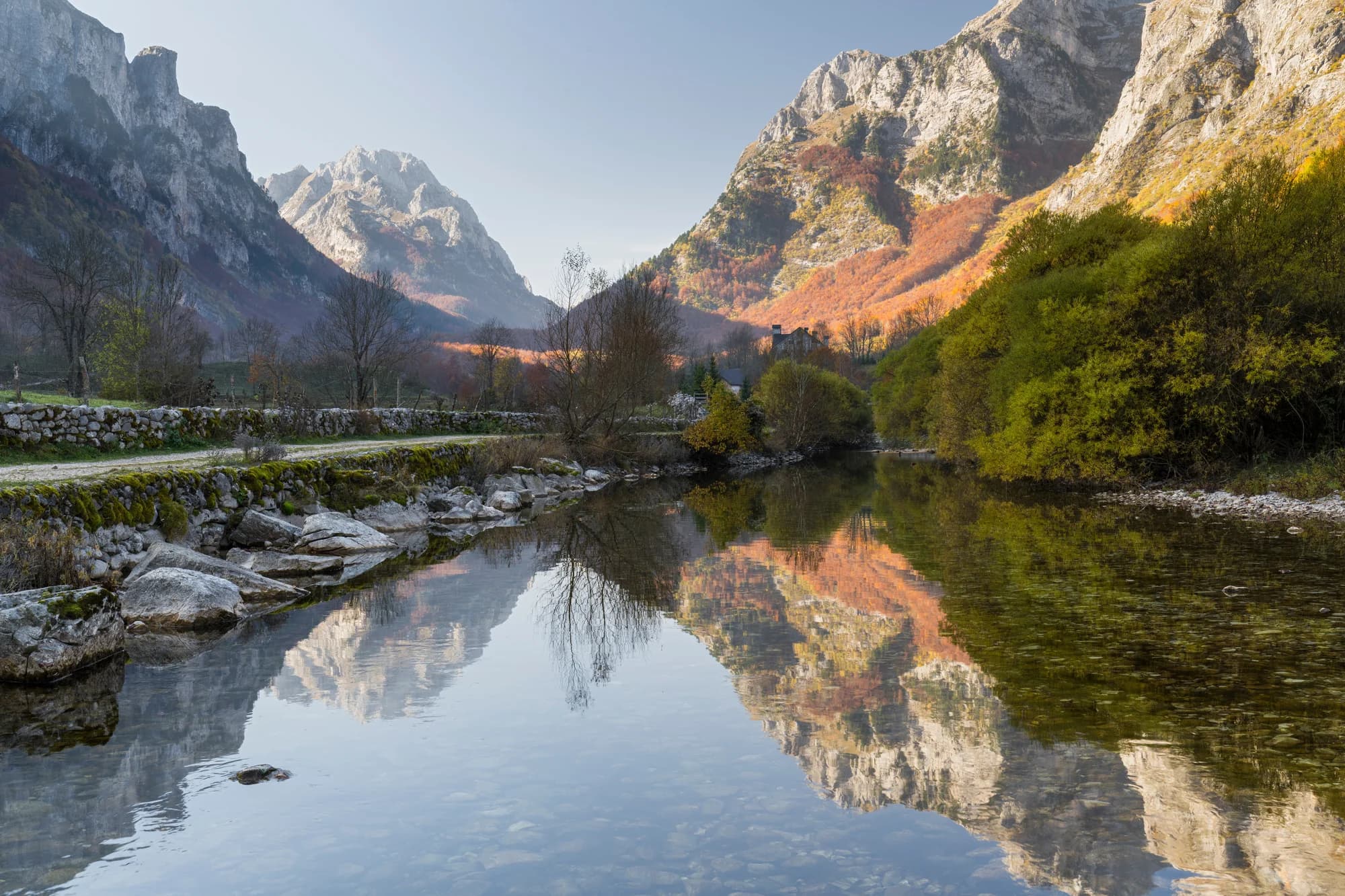
An Ottoman market town in the upper Lim valley, under the highest mountains in Montenegro — with about ten people abroad who call it home for every one still living in it.
Komovi
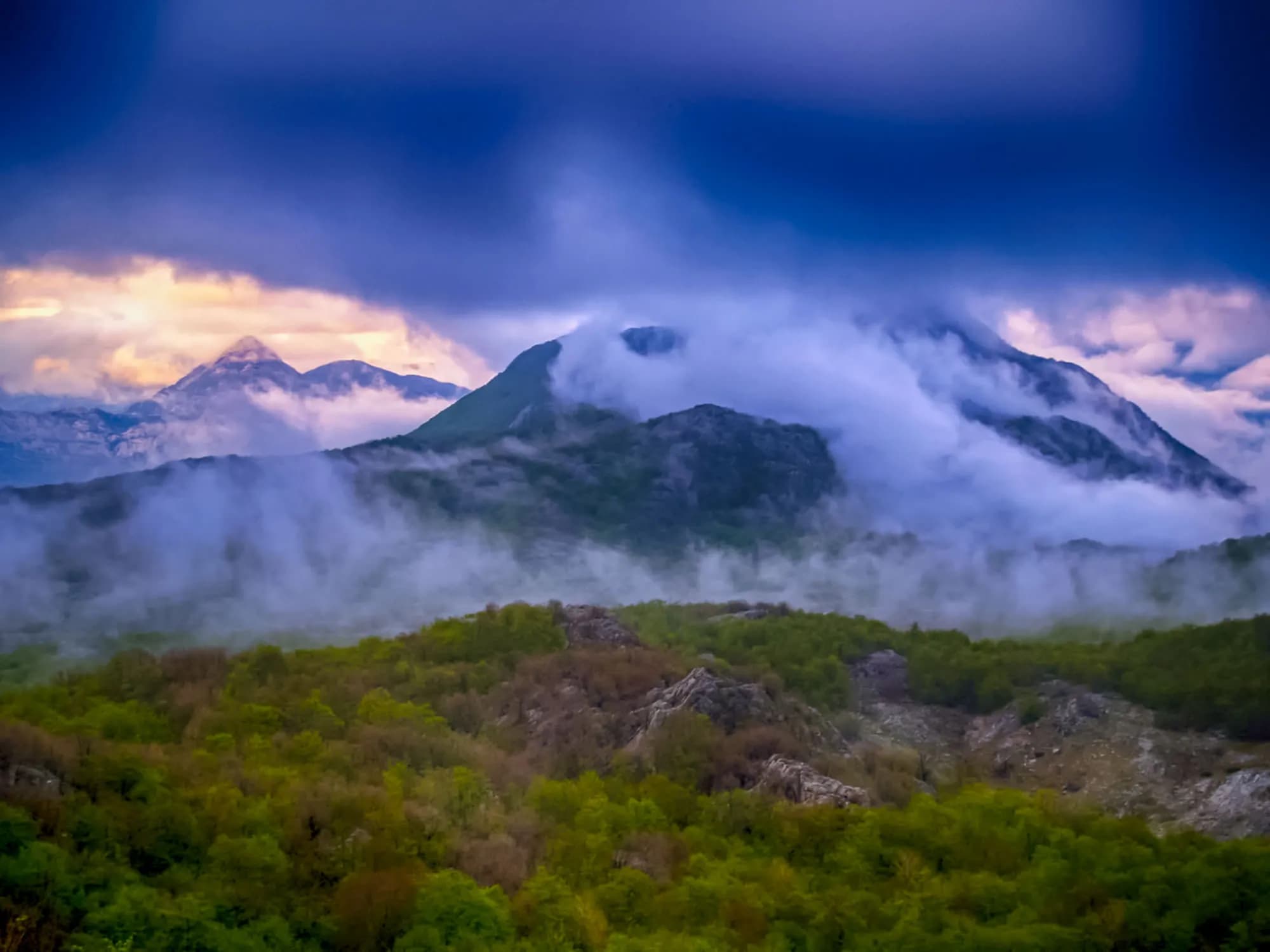
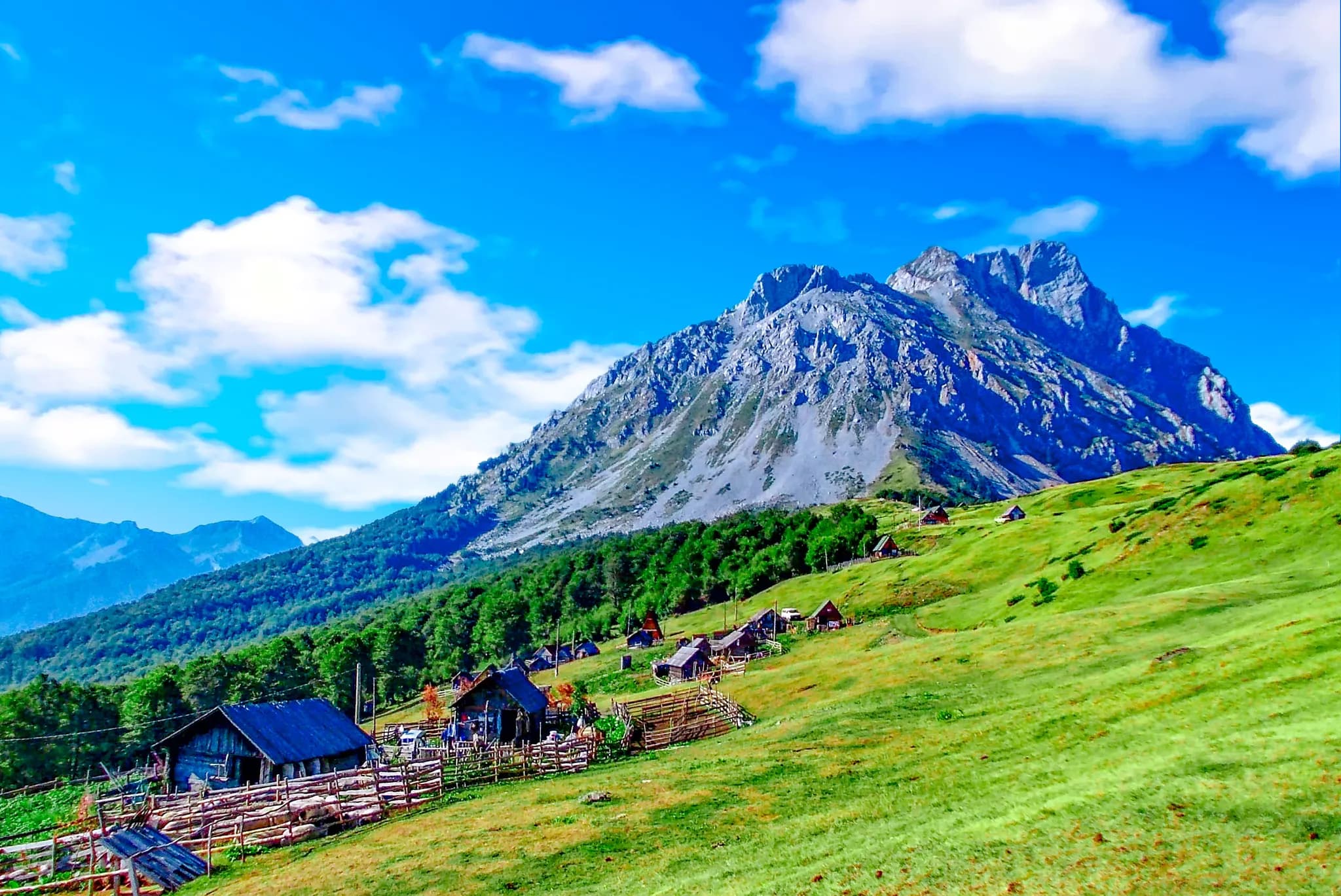
Komovi is a mountain massif in eastern Montenegro, standing between the pastures of Bjelasica and the deep valleys around Andrijevica and Kolašin.
Montenegro · The Nikšić plain
Nikšić
Montenegro’s second city: an Ottoman garrison town redrawn in 1883 as six streets running into one square, then made six times bigger by a steelworks.
Ostrog
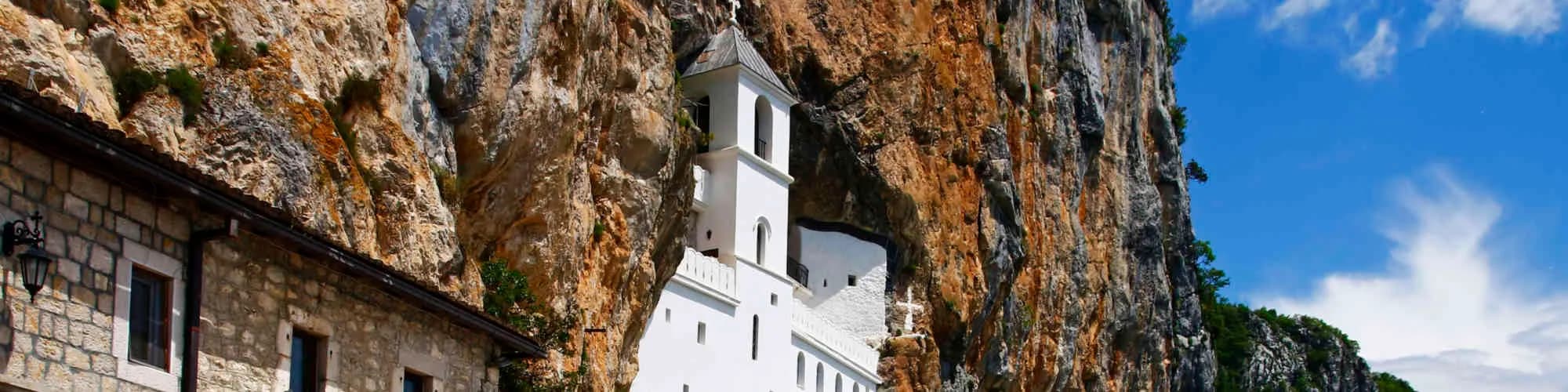
Ostrog Monastery stands in a white cliff above the Bjelopavlići plain in central Montenegro, roughly 900 metres up, its two small churches set into caves in the rock so that the whitewashed façade looks pressed flat against the mountain.
Montenegro · Prokletije and Lake Plav
Plav
Four-fifths Muslim and two-thirds Bosniak, at the head of the Lim: a timber mosque of 1471, a fortified tower nobody can date, and Montenegro’s largest glacial lake under the wall of Prokletije.
Rumija
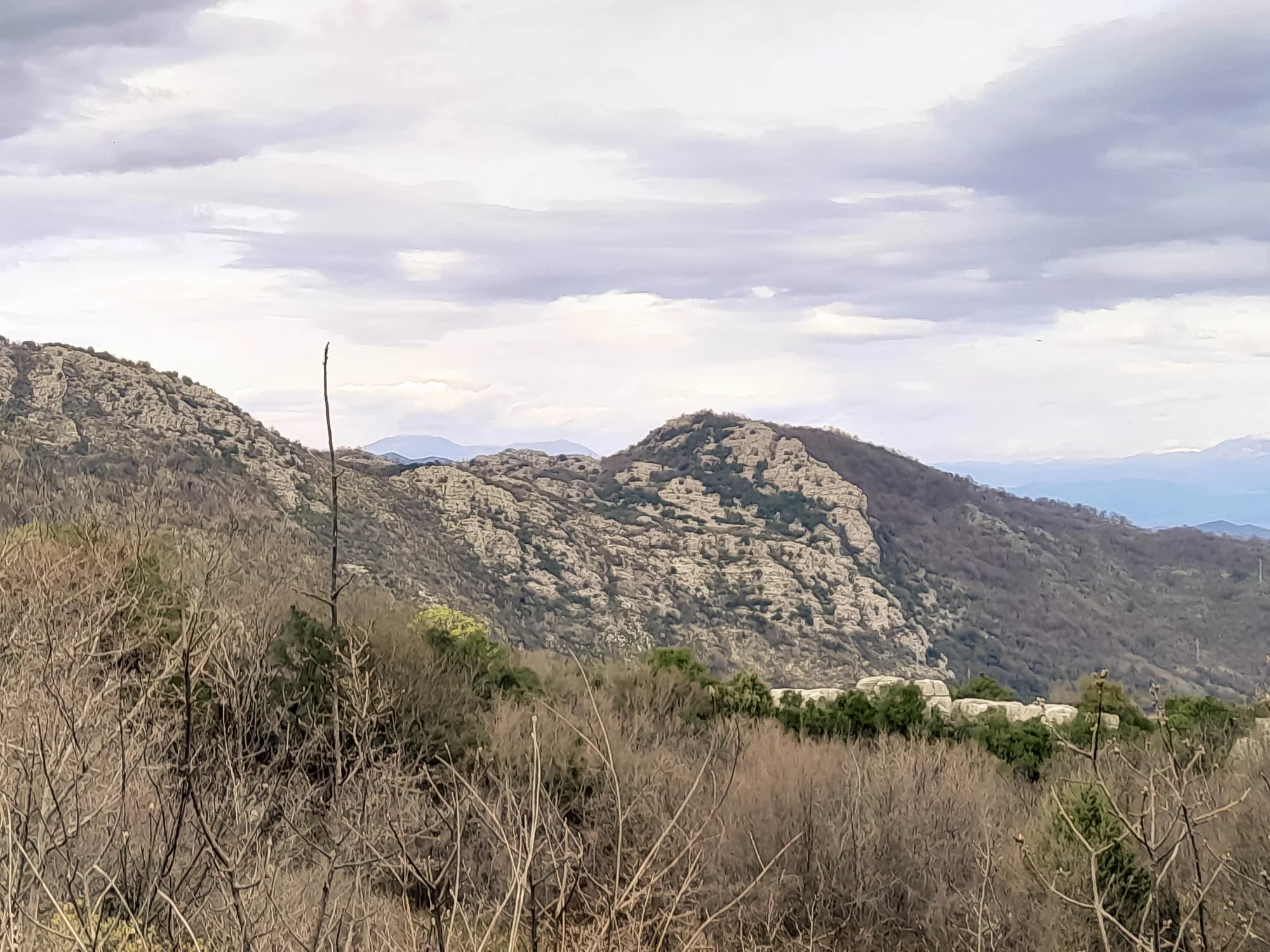
Rumija is the mountain that separates the Adriatic from Lake Skadar, a long limestone ridge running above Bar and Ulcinj and topping out at 1,595 metres.
Šavnik
Three rivers meet in the smallest municipal seat in Montenegro — 360 people, 553 square kilometres of mountain behind them, and Nevidio, first entered in 1965 and still enterable only with a guide, a few kilometres out of town.
Montenegro · The Drina headwaters
Šćepan Polje
Two rivers end here and a third begins — in a field named for the duke whose title gave Herzegovina its name.