0 accommodations available
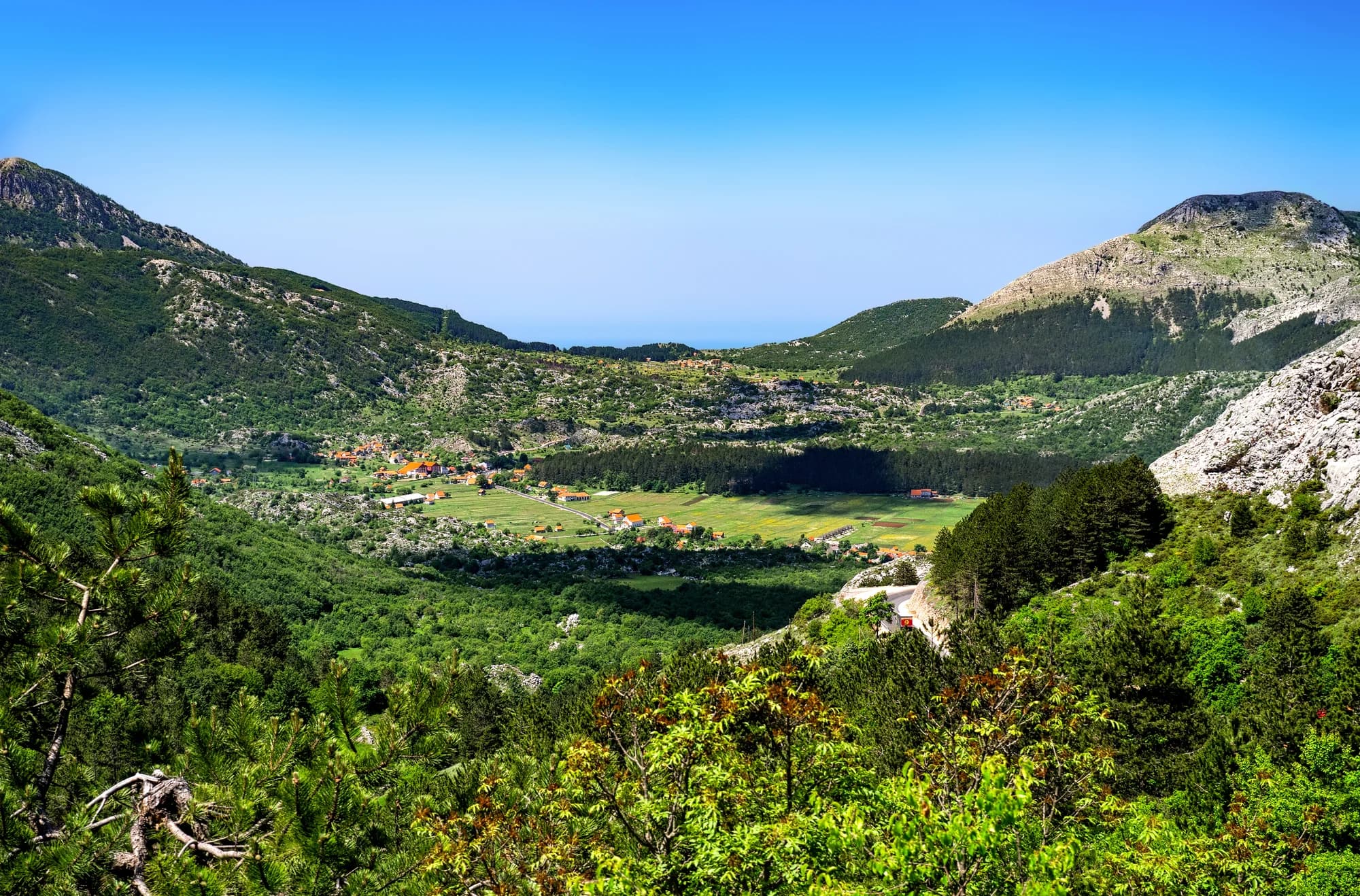
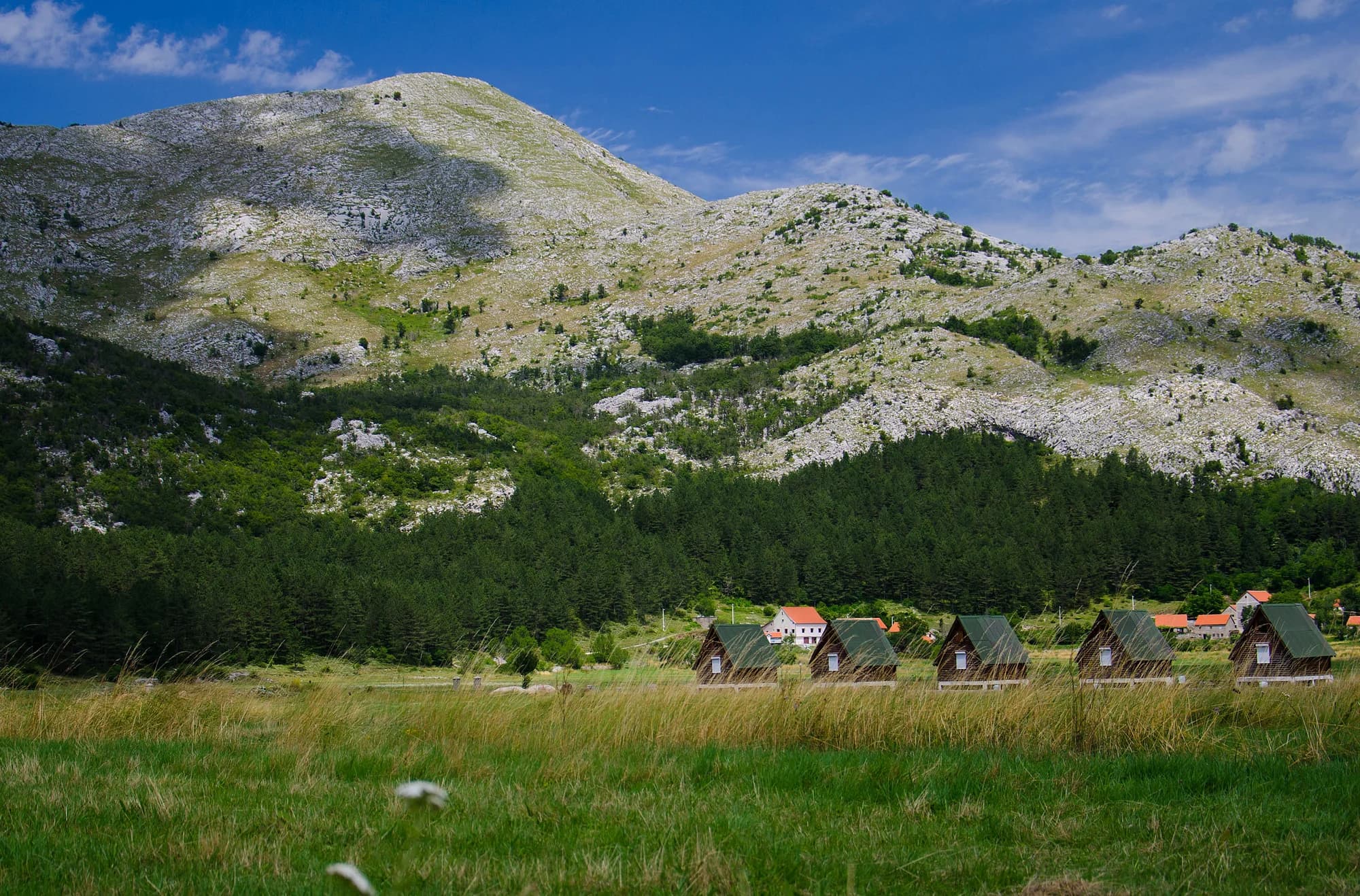
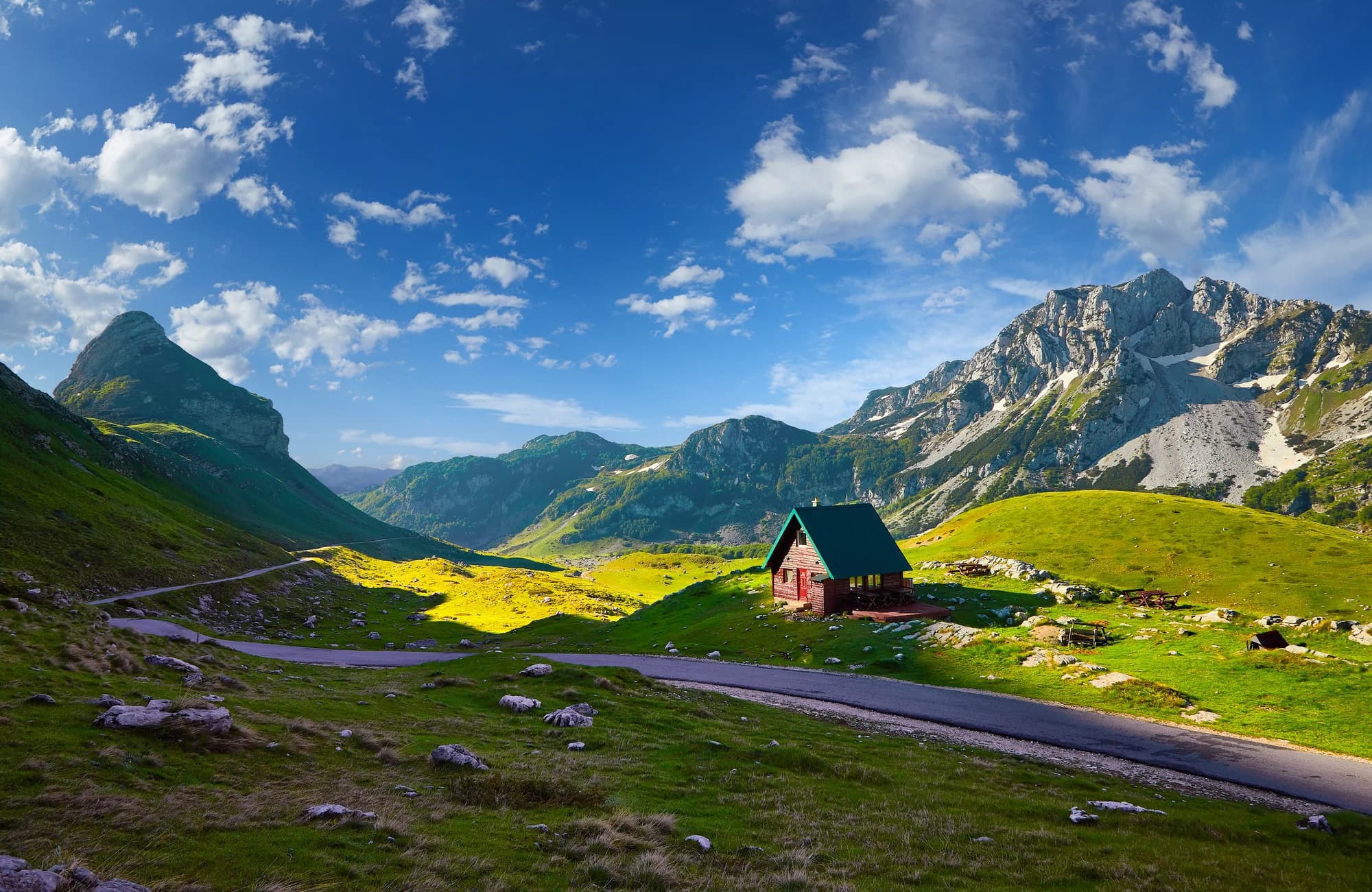
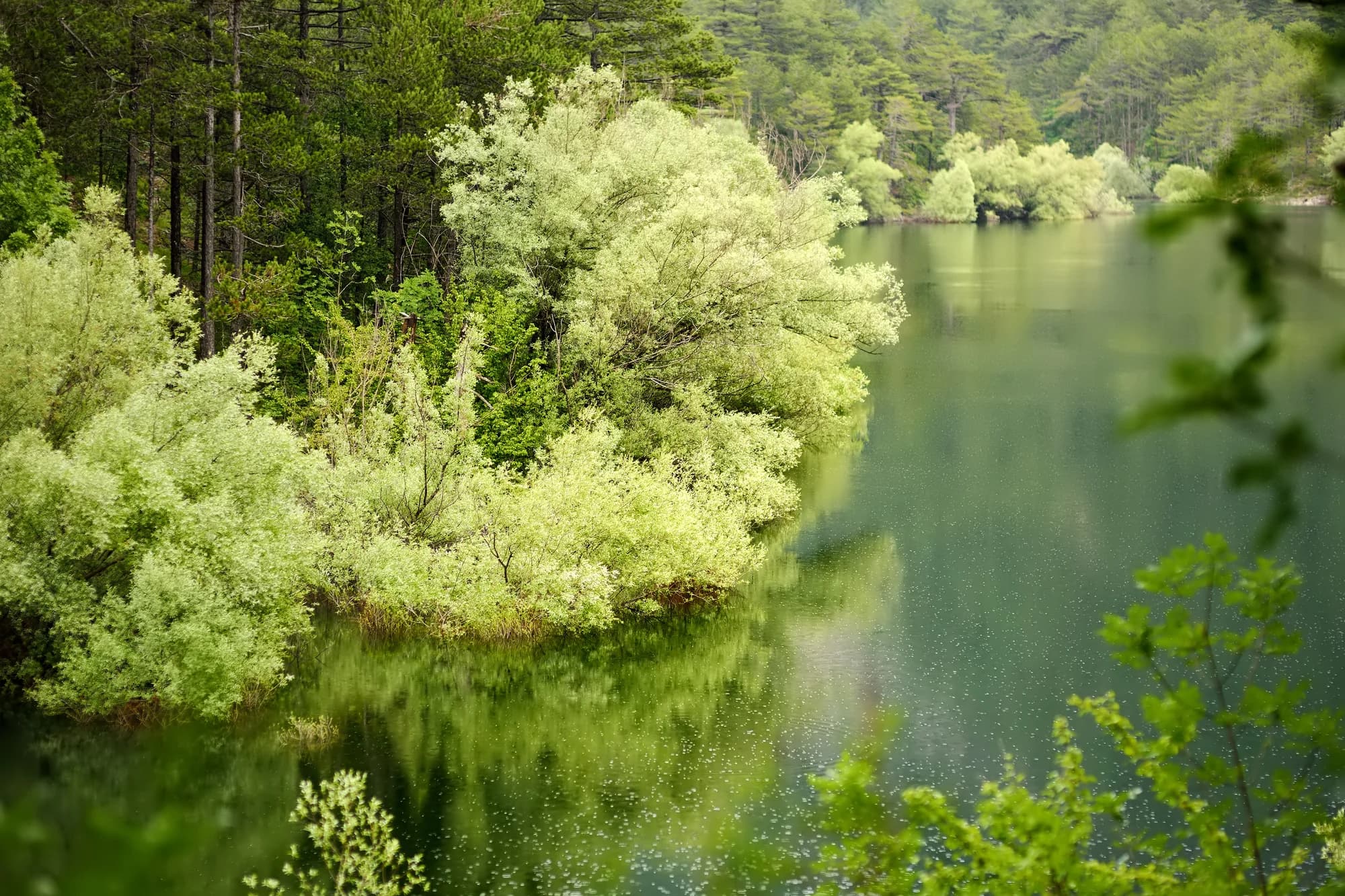
Rudine is a small village in the Montenegrin interior, its name taken from a word for open grassland, the meadows and rough pasture that give this kind of country its character. The setting is exactly that: gentle hills, thin soil over limestone, and wide clearings between stands of oak and hornbeam. Places called Rudine turn up across the region for the same reason, because the grass mattered more than anything else to the people who settled them. Grazing built the village and still explains its shape. Houses sit at the edge of the open ground rather than in the middle of it, keeping the best grass for hay and animals; stone walls divide plots that have stayed in the same families for generations; and the tracks between them were made for livestock rather than cars. Sheep and cattle are fewer than they were, and the meadows that are no longer cut fill slowly with juniper and scrub. For a visitor there is no monument and no service of any kind. The nearest fuel, shop and pharmacy are in the closest town, and the mobile signal comes and goes. What there is instead is space. The open ground makes for easy walking in almost any direction, the wildflowers in late spring are extraordinary, and the absence of light leaves one of the clearest night skies in Europe. Summer afternoons are hot and still, and the air cools sharply after sunset. Rudine suits travellers already exploring the interior by car who find abandoned terraces and working hay meadows more interesting than a checklist of sights. May and June, when the pasture is at its greenest, and September, when the light is low and the tracks are dry, are the times to come. Winter brings snow and a small, mostly older population who will nonetheless wave you down for coffee.
Search thousands of hotels and apartments with live prices.
We may earn a commission from partner links. This helps us keep Montenegro.com free for travelers.
Search hotels, apartments and guest houses with live availability.
We may earn a commission from partner links. This helps us keep Montenegro.com free for travelers.
It is taken from a word for open grassland — the meadows and rough pasture that give this kind of country its character. Places called Rudine turn up across the region for the same reason: the grass mattered more than anything else to the people who settled them.
Gentle hills, thin soil over limestone, and wide clearings between stands of oak and hornbeam. It is exactly the landscape the name describes.
It explains its shape entirely. Houses sit at the edge of the open ground rather than in the middle of it, keeping the best grass for hay and animals; stone walls divide plots that have stayed in the same families for generations; and the tracks between them were made for livestock rather than cars.
Less than it was. Sheep and cattle are fewer than they were, and the meadows that are no longer cut fill slowly with juniper and scrub.
No monument and no service of any kind — the nearest fuel, shop and pharmacy are in the closest town, and the mobile signal comes and goes. What there is instead is space: easy walking in almost any direction, extraordinary wildflowers in late spring, and one of the clearest night skies in Europe.
May and June, when the pasture is at its greenest, and September, when the light is low and the tracks are dry. Summer afternoons are hot and still, and the air cools sharply after sunset.
14.6 km by road, about 24 min by car.
The UK Foreign, Commonwealth & Development Office (FCDO) has no advisory against travel to Montenegro; it last reviewed its guidance on 13 August 2026. That is their assessment of the country as a whole, not ours and not a judgement about Rudine, so read it yourself before you travel. The emergency number in Montenegro is 112.
The nearest places to Rudine, at their true positions — Bogetići is about 22 km away in a straight line.
Schematic. Positions and straight-line distances from the coordinates we hold for each place; mountain roads make the drive longer. Coastline and Lake Skadar © OpenStreetMap contributors.
Best time: April · May · October
| Place | By road | Driving |
|---|---|---|
| Vilusi | 14.6 km | about 24 min |
| Nikšić | 23.5 km | about 31 min |
| Grahovo | 24.4 km | about 30 min |
| Dragalj | 29 km | about 37 min |
| Kotor | 72.7 km | about 1 h 35 min |
| Podgorica | 74.3 km | about 1 h 31 min |
| Budva | 84.1 km | about 1 h 48 min |
Routes marked ⛴ cross on the Kamenari–Lepetane ferry. Road distances routed over OpenStreetMap data, © OpenStreetMap contributors. Driving times are free-flow and take no account of summer traffic or a queue at the ferry ramp.