Things to Do in Kotor, Montenegro: Old Town, Fortress and Beyond
A UNESCO Old Town under vertical cliffs: the fortress climb and its free alternative route, where locals eat, and how to plan around 2026 cruise days.
1555first recorded
8 kmto the airport
Jul–Augthe busy months
Updated Originally published 38 min readby Pavle Obradović
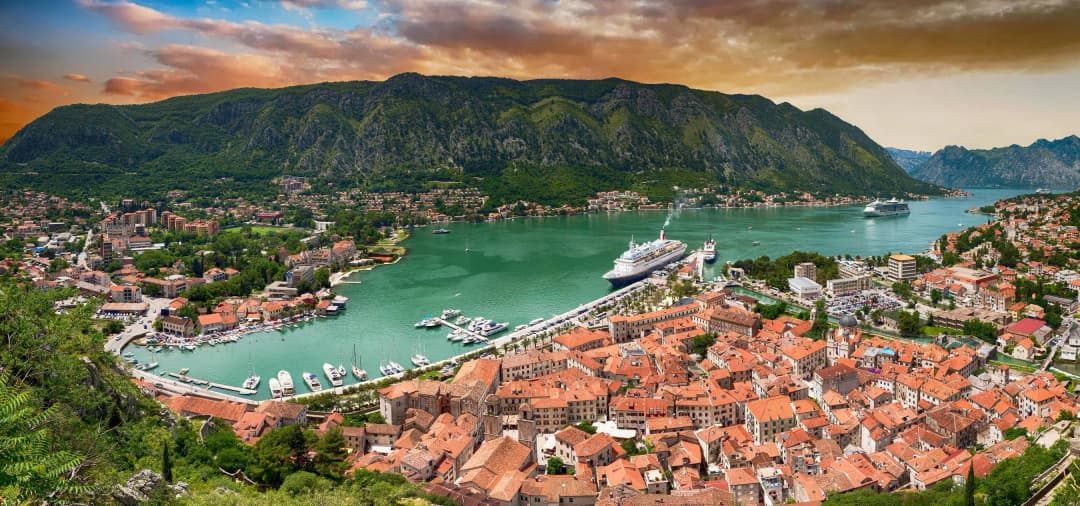
Few places in the Mediterranean can claim two millennia of continuous history, a UNESCO World Heritage designation, and a setting so dramatic it stops first-time visitors mid-sentence. Kotor is one of them. Tucked at the innermost tip of the Bay of Kotor — a serpentine inlet often called Europe's southernmost fjord — this fortified town sits where limestone cliffs rise almost vertically from the waterline, creating a natural amphitheater that has sheltered Illyrians, Romans, Byzantines, Venetians, Austrians, and now a growing wave of travelers who come for the ramparts and stay for the atmosphere.
But Kotor is more than its postcard-perfect Old Town. Beyond the medieval walls you will find quiet fishing villages with centuries-old palaces, hilltop fortresses with panoramic views that rival anything in the Adriatic, and a food scene that blends Venetian elegance with Montenegrin mountain heartiness. This guide covers it all — from the best time to climb the fortress steps (and the secret free route) to where locals actually eat, what to do when cruise ships flood the squares, and how to plan your accommodation for every budget.
Kotor Old Town: What to See
The Old Town (Stari Grad) is compact — you can walk from one end to the other in ten minutes — but dense with history. Every square, alley, and stone facade tells a story. Here are the essential landmarks.
The Sea Gate (Vrata od Mora)
The main entrance to the Old Town, built in the 16th century, opens directly onto the waterfront promenade. Above the archway you will find the Venetian winged lion of St. Mark and a relief of the Madonna and Child flanked by Saints Tryphon and Bernard. A stone tablet records the date of Yugoslavia's liberation from fascism: November 21, 1944. Pass through the gate and you enter the Arms Square (Trg od Oružja), the Old Town's main plaza.
Arms Square and the Clock Tower
The Clock Tower (Gradski Sat), dating to 1602, anchors the south side of Arms Square. At its base sits a medieval pillory where public punishments once took place. The tower has survived earthquakes, wars, and the particular indignity of leaning slightly — Kotor's modest answer to Pisa. The square itself is lined with cafes and serves as the town's central gathering point, especially lively during summer evenings when locals and visitors mingle under the plane trees.
St. Tryphon Cathedral (Katedrala Svetog Tripuna)
Kotor's most important religious monument and one of the finest Romanesque churches on the Adriatic coast. Originally built in 809 AD — making it older than most of Europe's great cathedrals — the current structure dates primarily to a 1166 reconstruction after an earthquake, with twin bell towers added in the 17th century. Inside, the cathedral houses a remarkable treasury of gold and silver reliquaries, including the head of St. Tryphon, the town's patron saint. Entry costs approximately €3, and the treasury alone justifies the visit.
The Feast of St. Tryphon on February 3rd is Kotor's biggest annual celebration, featuring a traditional sword dance (kolo) performed in the square — a tradition maintained for over 800 years.
Maritime Museum (Pomorski Muzej)
Housed in the 18th-century Grgurina Palace, this museum tells the story of Kotor's seafaring heritage through model ships, navigation instruments, portraits of sea captains, and original maritime documents. Kotor's Brotherhood of Sailors, founded in 809 AD, is one of the oldest maritime guilds in the world. Admission is around €4 and a visit takes about an hour. The museum beautifully contextualizes why Kotor was once one of the Adriatic's most important ports [2].
The Cats of Kotor
Cats are everywhere in Kotor's Old Town — lounging on windowsills, sprawled across warm cobblestones, perched on ancient walls. They have become an unofficial emblem of the town. The Cats Museum (Muzej Mačaka), a small private collection on the main street, sells cat-themed souvenirs and displays cat-related art and ephemera. It is charmingly eccentric rather than professionally curated, and the €1 entry goes to feeding the town's strays. You will find the highest concentration of cats around St. Mary's Square and in the quieter back alleys near the River Gate.
Other Notable Sites
St. Luke's Church (Crkva Svetog Luke): A 12th-century church on St. Luke's Square that uniquely served both Catholic and Orthodox congregations for centuries. The original floor is about one meter below current street level — a vivid illustration of how the town has risen over the centuries.
St. Nicholas Church (Crkva Svetog Nikole): The Serbian Orthodox church on St. Luke's Square, built in 1909, with a striking iconostasis.
The River Gate (Vrata od Rijeke): The northern entrance to the Old Town, where the Škurda River runs alongside the walls. Less crowded than the Sea Gate and a more atmospheric entry point.
Gurdić Gate: The southern entrance, the oldest of the three gates, where a drawbridge once spanned a natural moat.
Napoleon Theatre: A small theatre built during the French occupation, now used for performances during the summer festival season.
Fortress of San Giovanni: The Iconic Climb
No visit to Kotor is complete without climbing to the Fortress of San Giovanni (Tvrđava Svetog Ivana), perched 280 meters above the Old Town on the peak of the mountain. The fortress ruins date to the Venetian and Austro-Hungarian periods, but fortifications have crowned this summit since the 6th century.
The Main Route
The official path begins inside the Old Town, near St. Mary's Church. Follow the signs (they are impossible to miss) and start ascending the famous 1,350 stone steps. The path is steep, uneven, and relentless, but it is also magnificent — at every turn, the view over the terracotta rooftops and the glittering bay expands.
Entry fee: €15 per person as of 2026, up from €8 in recent seasons (collected roughly 07:00-20:00 in season at the ticket booth near the start of the climb; the booths close entirely from December through February)
Duration: 45 minutes to 1.5 hours up, depending on fitness and photo stops
Best time to climb: Early morning (before 9am) for cool temperatures and soft light, or late afternoon (after 5pm) for golden hour photography
Free entry tip: After approximately 8pm in summer (when the ticket booth closes), the path is unmonitored and effectively free. Many locals and savvy travelers make the climb at sunset or even after dark — bring a headlamp for the descent.
What You Will Find at the Top
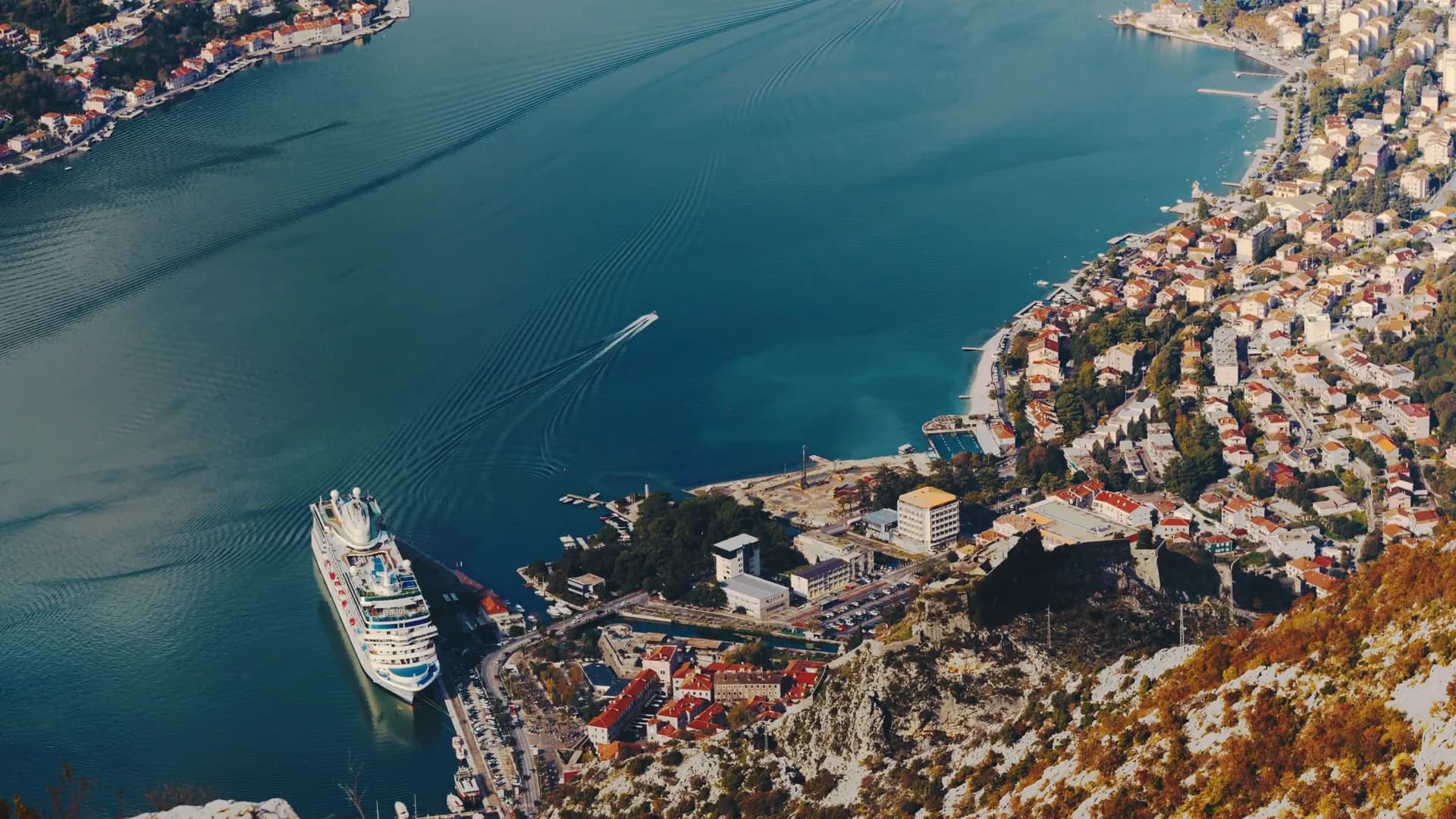
The fortress itself is a ruin — crumbling walls, empty chambers, no museum or exhibits. But the view is the reward: a 360-degree panorama encompassing the entire inner bay, the cruise port, the Old Town laid out like a scale model, and the mountain peaks rising behind you. On a clear day you can see all the way to the open Adriatic.
There is a small bar near the top selling water and cold drinks at predictably elevated prices (€3-4 for water). Bring your own supply — at least one liter per person on hot days.
Along the climb, you pass the Church of Our Lady of Remedy (Crkva Gospe od Zdravlja), a 15th-century chapel about two-thirds of the way up. This makes a reasonable turning point if the full climb is too ambitious.
Safety Notes
The path has no railings in many sections and the stone steps can be slippery, especially after rain. Wear proper footwear — this is not a flip-flop hike. In July and August, the heat can be brutal on the exposed sections; heatstroke is a real risk for unprepared climbers. Start early, carry water, and pace yourself.
The Ladder of Cattaro: The Alternative Route
For those who want to reach the fortress area without paying the entry fee — or who simply prefer a more adventurous and far less crowded route — the Ladder of Cattaro (Cattaro is the old Italian name for Kotor) is a superb alternative.
This historic zigzag trail was built by the Austro-Hungarians as a military supply route connecting Kotor to the fortifications above. It begins outside the Old Town, near the parking area by the Gurdić Bastion, and ascends the mountainside in dramatic switchbacks carved into the cliff face.
Key details:
Length: Approximately 2.5km to reach the fortress ridge
Elevation gain: Around 260 meters
Duration: 1 to 1.5 hours
Difficulty: Moderate — the grade is more gradual than the interior steps, but the path is longer
Best feature: Almost no other hikers. On a day when 500 people are grinding up the interior steps, you might encounter a dozen on the Ladder of Cattaro.
The trail joins the fortress wall system near the top, allowing you to enter the fortified area from above. From there you can either continue to the summit or descend via the interior steps to complete a satisfying loop.
Kotor Bay Waterfront and Surroundings
The waterfront promenade stretching north from the Old Town toward the suburb of Dobrota is one of Kotor's most pleasant walks. Lined with palm trees, benches, and the occasional gelato stand, it offers uninterrupted bay views and connects to several swimming spots.
The town walls themselves, viewed from outside, are best appreciated from the waterfront. The fortifications form a roughly triangular enclosure, with two sides defined by mountain walls and the third by the seafront. The engineering is remarkable — in places the walls are 20 meters high and 16 meters thick.
For swimming, the waterfront north of the Old Town has several concrete swimming platforms (this is the Adriatic — beaches in the bay are rare). The water in the inner bay is calm, relatively warm (24-26°C in summer), and generally clean, though clarity improves the farther you go from the cruise port.
Nearby Villages Worth Exploring
Some of Kotor's best experiences lie just outside the Old Town, in the villages that line the bay shore. All are accessible by car, bus, or even on foot along the waterfront.
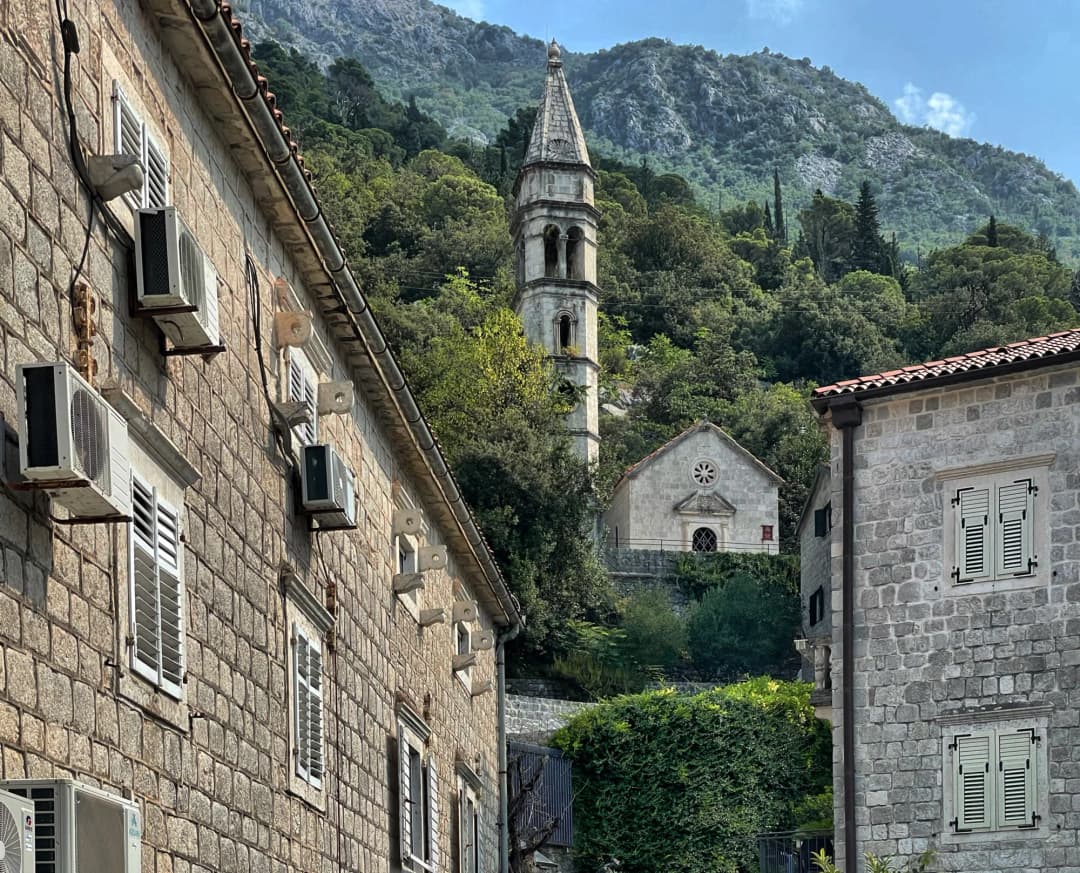
Immediately north of Kotor (essentially a suburb, 2km), Dobrota was historically the settlement of wealthy sea captains. The waterfront is lined with elegant 17th and 18th-century palaces, most now converted to apartments or small hotels. The Church of St. Eustace (Crkva Svetog Eustahija) has a notable art collection. Dobrota is popular with visitors who want to be close to the Old Town but prefer quieter, more residential surroundings with better swimming access.
Across the narrow inlet from the Old Town (1.5km south), Muo is a tiny village with a handful of waterfront restaurants that offer what is arguably the best view of the Kotor walls from sea level. It is a 20-minute walk or a 3-minute drive from the Old Town. Locals rate the restaurants here highly for fresh fish at prices lower than Old Town equivalents.
Five kilometers south of Kotor along the bay road, Prčanj was once the wealthiest settlement in the bay, its fortune built on maritime trade. The unfinished Church of the Birth of the Blessed Virgin Mary — intended to be the largest church on the eastern Adriatic — dominates the waterfront. Its construction began in 1789 but was never completed, and the roofless nave stands as a haunting monument to ambition and misfortune. Prčanj is quiet, residential, and strikingly beautiful.
Stoliv
Further along the bay (8km from Kotor), Stoliv is split between a lower waterfront village and an upper hillside settlement connected by a steep path. Upper Stoliv, partially abandoned, is atmospheric and eerily quiet, with views that justify the climb. The lower village has a few konobas (traditional restaurants) and a small beach.
Where to Eat in Kotor
Kotor's restaurant scene has evolved significantly in recent years, with a mix of traditional Montenegrin cuisine, seafood-focused Adriatic cooking, and a few ambitious newcomers pushing creative boundaries.
Fine Dining and Upscale
Galion — Positioned on the waterfront just outside the Old Town walls, with a terrace overlooking the bay and the fortress. Galion specializes in fresh seafood and Montenegrin wines. The black risotto and grilled whole fish are standouts. Expect to pay €25-40 per person for a full meal with wine. Reservations recommended in summer.
Bastion — Set against the town walls themselves, Bastion offers modern Mediterranean cuisine in an elegantly restored space. The tasting menu (around €50) is one of Kotor's most refined dining experiences. The wine list emphasizes Montenegrin labels — ask for a Vranac recommendation.
Mid-Range and Traditional
Scala Santa — Named for the holy steps nearby, this restaurant occupies a converted palazzo on one of the Old Town's quieter squares. The menu emphasizes seasonal Montenegrin ingredients: Njeguški steak, lamb under the bell (ispod sača), and a superb selection of local cheeses. Mains €12-20.
Bokun — A reliable choice for well-prepared Adriatic seafood at reasonable prices. The grilled squid and seafood pasta are popular. Located on one of the main Old Town streets, it gets busy, so arrive before 8pm or after 10pm. Mains €10-18.
Old Winery (Stari Vinski Podrum) — Wine-focused dining in a stone cellar. The menu pairs local wines with dishes designed to complement them. It is an excellent introduction to Montenegrin wine, especially the indigenous Vranac (red) and Krstač (white) varieties. Mains €12-22.
Casual and Budget
Forza — A perennial favorite for pizza and pasta in the Old Town. It is always crowded, the service is brisk, and the wood-fired pizzas (€7-10) are consistently good. The narrow alley setting is quintessentially Kotor.
For budget eats, the bakeries along the main Old Town street sell burek (filled phyllo pastry, €1.50-2.50) and other savory pastries. The market just outside the River Gate sells fresh produce, cheese, and smoked meats for self-catering.
Nightlife and After-Dark Kotor
Kotor is not Budva — the nightlife is more intimate, centered on atmospheric bars rather than mega-clubs. But the Old Town after dark, with its lantern-lit alleys and warm stone, is undeniably magical.
Maximus — The closest thing Kotor has to a proper club, located just inside the Old Town walls near the Sea Gate. Open-air in summer, with DJs spinning until late. It draws a young, international crowd, especially on cruise ship evenings and weekends. Cover varies, drinks €5-8.
Old Town Bars — The squares of the Old Town fill with bar tables in summer, and the atmosphere is wonderfully convivial. Try the small bars on St. Luke's Square for a quieter, more local vibe, or the establishments along the main thoroughfare for people-watching. A large local beer (Nikšićko) costs €2.50-3.50, a cocktail €6-10.
Letteratura — A wine and cocktail bar with an intellectual bent, tucked into one of the Old Town's quieter alleys. Good wine selection, dim lighting, and a crowd that skews slightly older than the Maximus set.
Culture and Events
The Boka Navy (Bokeljska Mornarica)
Founded in 809 AD – the same year Saint Tryphon’s relics arrived in Kotor – the Bokeljska Mornarica (Boka Navy) is the world’s oldest continuously operating seafaring organization. Originally established as a brotherhood of sailors, the institution has preserved maritime traditions, cultural practices, and civic identity in the Bay of Kotor for over 1,200 years [18].
809 AD
the founding of the Boka Navy — the world’s oldest continuously operating seafaring organization
In recognition of its extraordinary cultural significance, the Boka Navy and its traditional practices have been inscribed on the UNESCO Representative List of the Intangible Cultural Heritage of Humanity [18].
Kotor Carnival
The Kotor Carnival has been celebrated for over five centuries, centred around the traditions of the Boka Navy. Every February and March, the historic Old Town transforms into a vibrant street carnival. The most iconic element is the kolo – a circle dance performed by Boka Navy members in traditional uniform, considered one of the most beautiful medieval city dances in Europe. The celebrations also feature an impressive maritime procession, with local boats adorned with colourful lights sailing along the bay [18][19].
KotorArt International Festival
Founded in 2002 by Don Branko Sbutega and Ratimir Martinovic, KotorArt has grown into one of the most important cultural festivals in Montenegro and the wider region. Held under the patronage of UNESCO each summer, the festival presents over 200 programmes across numerous venues in Kotor and throughout the Bay, attracting tens of thousands of visitors [19].
The festival operates through four programme segments: the Festival of KlapaPerast (traditional Dalmatian a cappella singing), the Festival of Theatre for Children, Don Branko’s Music Days (classical, jazz, pop, and rock), and the Philosophers’ Square (lectures and debates). Performances take place against the atmospheric backdrop of Venetian architecture, medieval churches, and the bay’s extraordinary natural scenery [19].
Traditional Cuisine
Kotor’s culinary identity is rooted in the Mediterranean, drawing on centuries of Adriatic fishing tradition blended with Balkan mountain influences. Fresh seafood dominates – grilled sea bass, octopus salad, black risotto with cuttlefish ink, fish soup, and locally harvested mussels and squid are staple dishes. Olive oil, garlic, rosemary, and thyme form the flavour foundation [21].
Notable local specialities include: - Crni rizot (black risotto): Arborio rice cooked with cuttlefish or squid ink - Buzara: Prawns or mussels in a wine, garlic, and breadcrumb sauce - Njeguski steak: Stuffed with smoked ham and cheese from the nearby village of Njegusis - Priganice: Fried dough balls, often served with honey or cheese
Traditional restaurants (known as konobe) are found throughout the Old Town and along the waterfront, offering intimate settings in centuries-old stone buildings [21].
Day Trips from Kotor
Kotor's location at the heart of the bay makes it an ideal base for exploring the surrounding region.
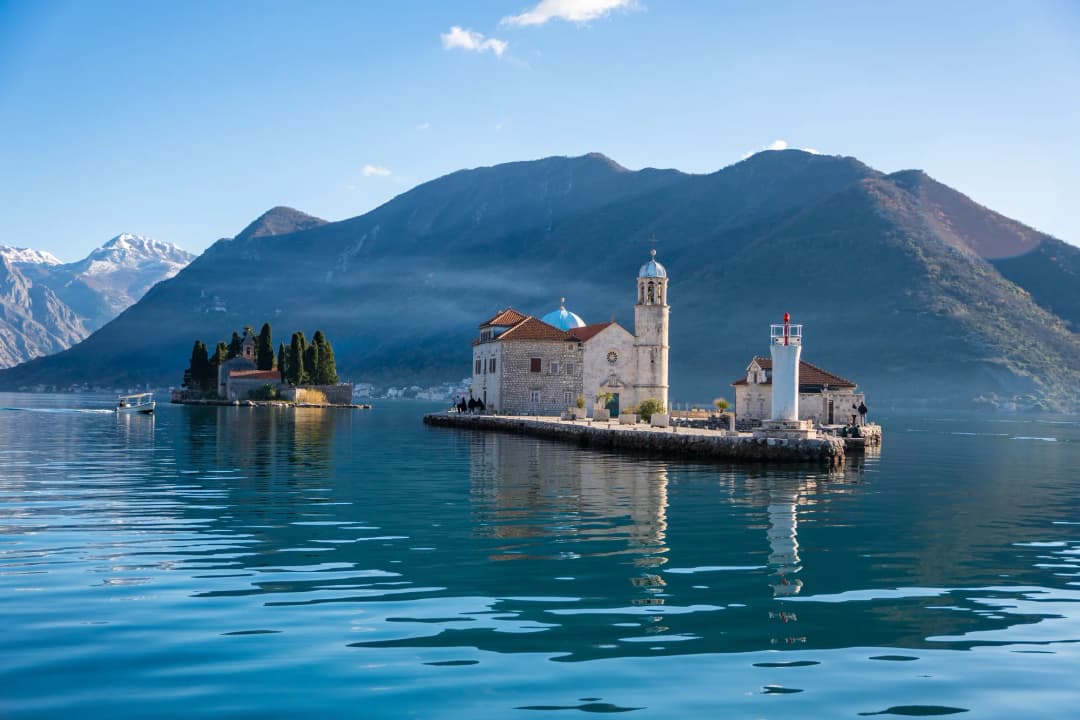
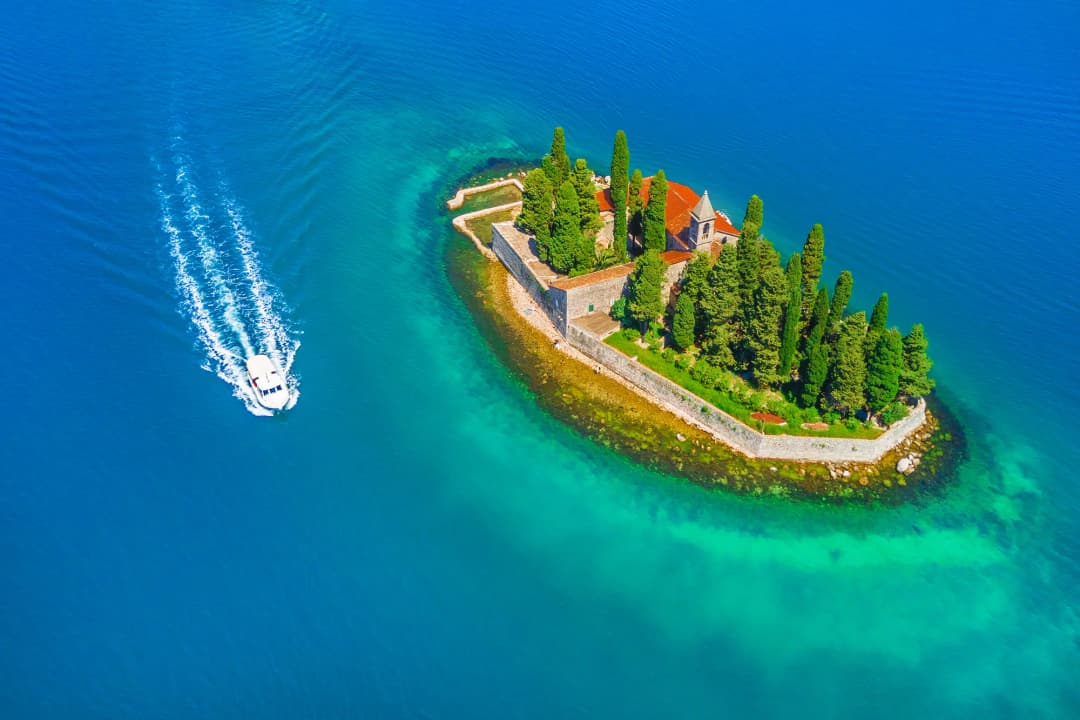
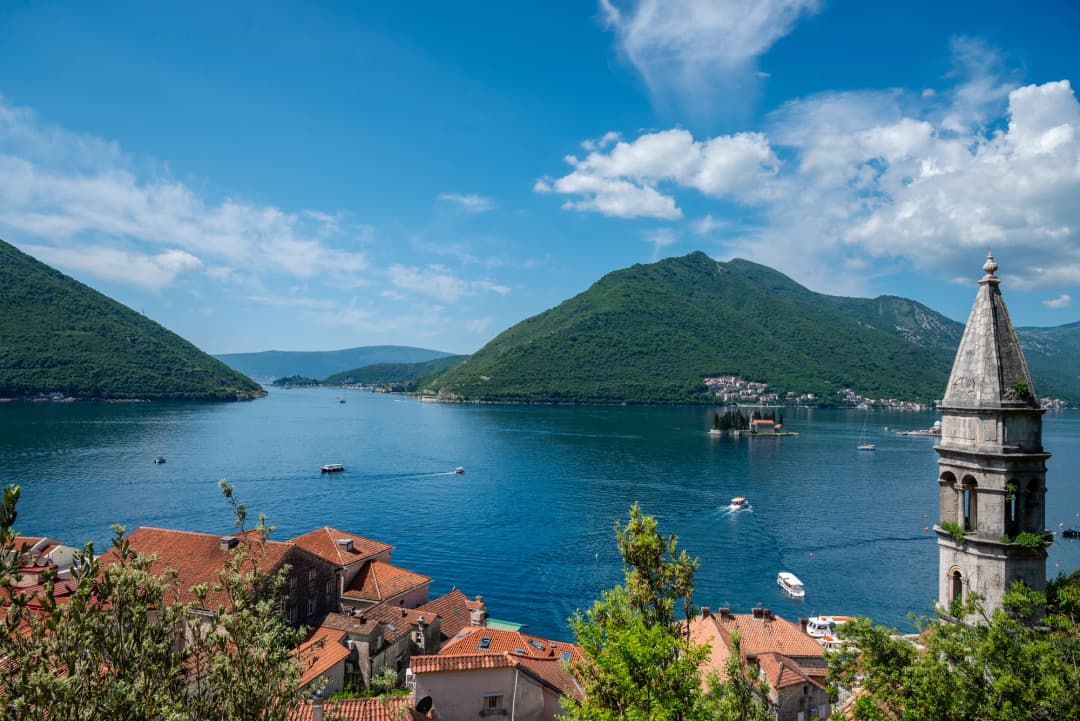
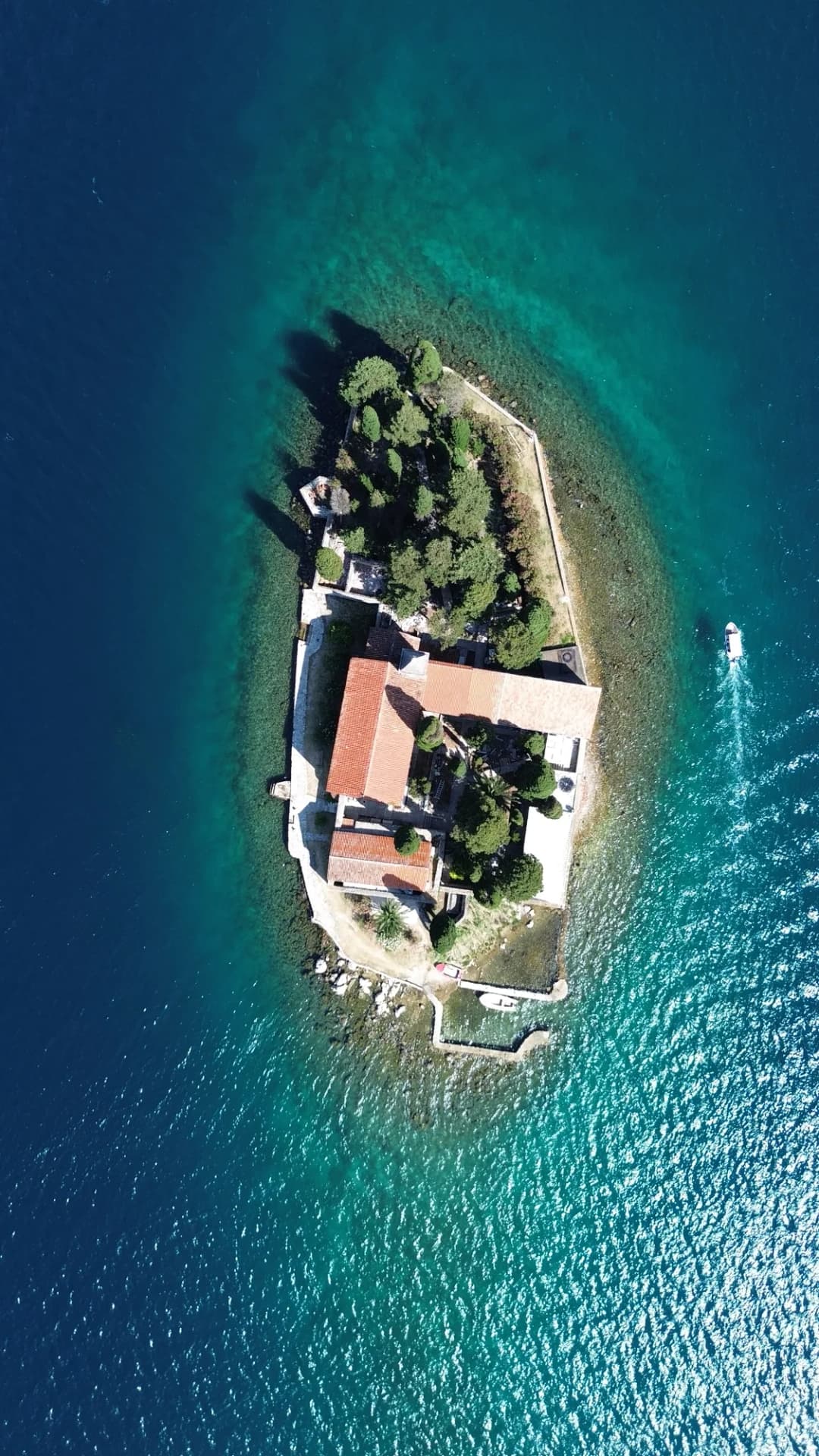
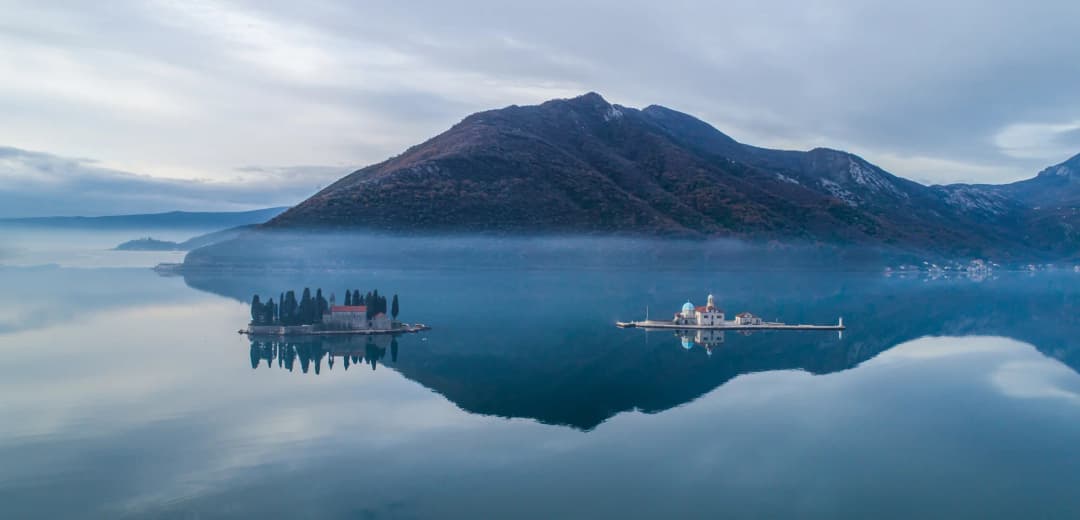
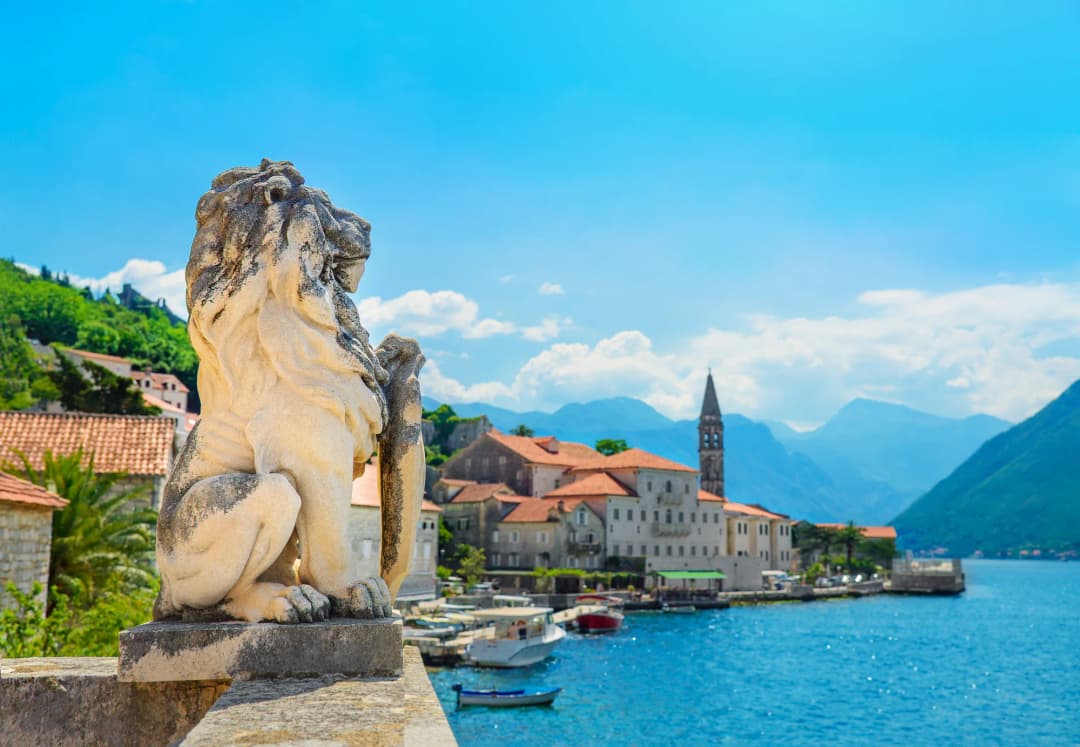
The jewel of the Bay of Kotor: a tiny baroque town of stone palaces, 16 churches, and barely 300 permanent residents. The main attraction is Our Lady of the Rocks (Gospa od Škrpjela), an artificial island built by local sailors over centuries by dropping stones into the bay. A water taxi from Perast's waterfront costs €5-10 return depending on the operator and takes five minutes; the church charges a small separate entry fee. The island's church contains a remarkable collection of votive paintings and a stunning 17th-century icon by Tripo Kokolja. Allow half a day for Perast, including a waterfront lunch.
The island itself is still being built. Every July 22 at sunset, Perast holds the Fašinada: townspeople lash their boats together, row out in procession, and tip loads of stone into the water around the islet — renewing a vow made after two fishermen reportedly found an icon of the Madonna on a sea rock here in 1452. More than five centuries of accumulated stone, along with the hulls of old ships scuttled around the original reef, are what hold the church above the waterline today.
Lovćen National Park (40km, 1 hour)
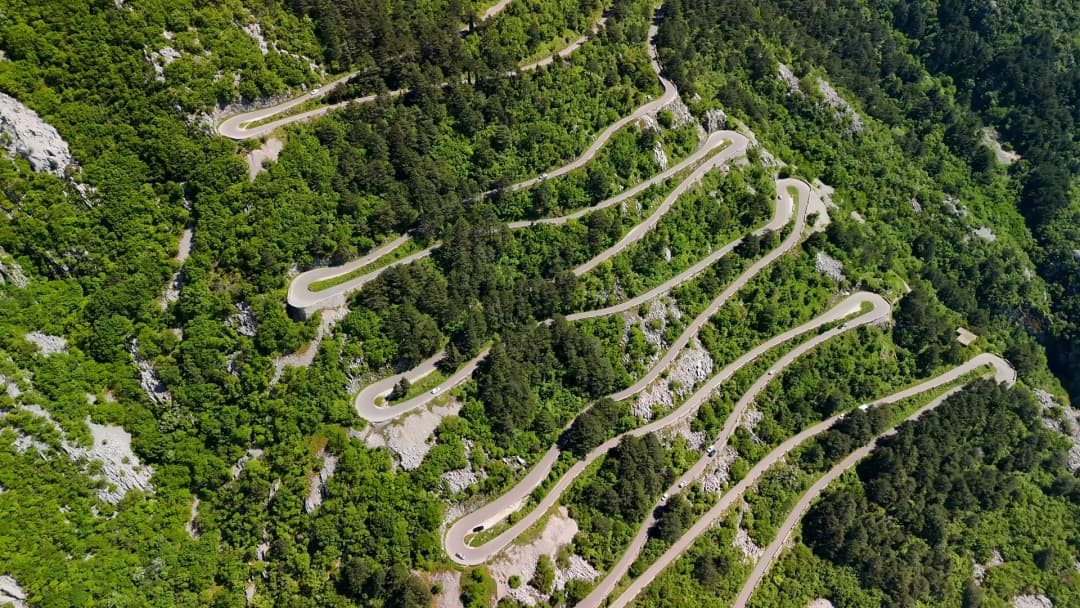
The serpentine road from Kotor to Lovćen is one of Montenegro's most spectacular drives — 25 hairpin turns climbing from sea level to 1,000 meters, with views at each switchback that defy description. At the summit of Mount Jezerski Vrh (1,657m) sits the Mausoleum of Petar II Petrović Njegoš, Montenegro's greatest poet and philosopher-king. The mausoleum (€8 entry, on top of the €3 Lovćen park ticket) is a masterpiece of Yugoslav-era architecture, carved into the mountain peak. From Lovćen you can continue to the historic mountain village of Njeguši, birthplace of the Montenegrin royal dynasty and home to the country's finest prosciutto and cheese [3].
Since summer 2023 there has been a third way up besides the hairpins and the hiking trails: the Kotor cable car climbs 3.9 kilometers from Dub, just outside town, to the rim of the Lovćen plateau in about 11 minutes, the whole bay unspooling beneath the cabin. One-way tickets start around €13 and returns around €20-23 depending on season; the lift typically closes for winter, so check before building a day around it.
The peninsula forming the southern shore of the bay's entrance offers excellent beaches (Žanjic and Mirišta are the best), the Blue Cave (Plava Špilja, accessible by boat from Herceg Novi), and the atmospheric ruins of Mamula, a 19th-century island fortress currently being converted to a luxury resort. Luštica is where Kotor locals go to escape the summer crowds.
Shopping and Souvenirs
Kotor's Old Town is small enough that you will stumble across most shops organically. A few recommendations:
Cats Museum Shop: The best selection of cat-themed souvenirs (magnets, prints, ceramics), with proceeds supporting local strays.
Local Craft Shops: Look for handmade jewelry (silver filigree is a Montenegrin tradition), olive wood products, and local lavender products along the main streets.
Wine Shops: Several Old Town shops specialize in Montenegrin wines. Bottles of quality Vranac or Krstač start at €8-12. Plantaže is the best-known producer, but look for boutique labels like Šipčanik and Sjekloća.
Market: The small open-air market outside the River Gate sells honey, olive oil, dried herbs, and smoked meats — all excellent, portable souvenirs.
Navigating Cruise Ship Days
Kotor is one of the Adriatic's fastest-growing cruise ports, and on peak days (typically Tuesday, Wednesday, and Thursday from May to October), two or three ships routinely share the bay — one alongside the port's single pier, the others sending tenders in from anchorage — disgorging several thousand passengers into an Old Town designed for a few hundred.
How to Check the Schedule
The Kotor port authority publishes a monthly cruise schedule on its website. The season runs roughly from April to November, with the heaviest concentration in July, August, and September.
Strategies for Cruise Ship Days
Time your Old Town visit: Ships typically arrive between 7am and 9am, and passengers are mostly ashore by 10am. They return between 4pm and 6pm. The worst congestion is 10am to 4pm. Visit the Old Town early morning, at sunset, or in the evening.
Climb the fortress early: Start the climb by 8am and you will have the steps largely to yourself. By 10am the path becomes a traffic jam.
Head to nearby villages: Spend the middle of the day in Perast, Dobrota, Prčanj, or on the Vrmac ridge, then return to Kotor when the ships depart.
Use the River or Gurdić gates: Cruise passengers funnel overwhelmingly through the Sea Gate. The other two entrances remain comparatively quiet.
Check the schedule before booking: If you have flexibility, plan your Kotor stay to include at least one cruise-free day.
Best Viewpoints
Kotor and its surroundings offer viewpoints that range from easily accessible to earned-by-sweat.
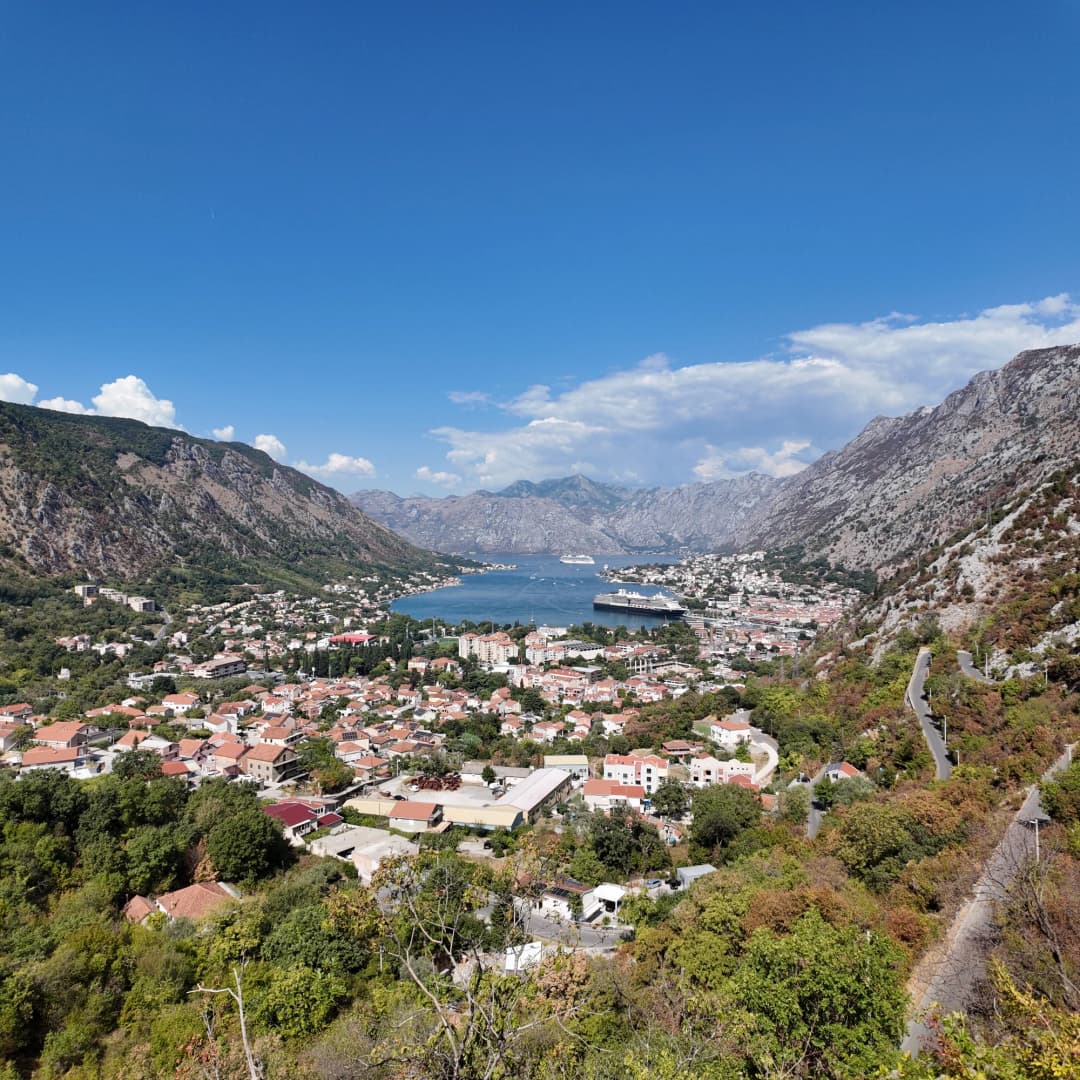
From the serpentine road above the town on 20 September 2026: the old town, the bay, a cruise ship at the quay and Dobrota running up the far shore. The same frame is offered as a free RAW file on the Kotor page.Seventeen seconds from the first hairpins of the Kotor–Cetinje road. Our own footage.
San Giovanni Fortress — The classic: 280m above the Old Town, 1,350 steps. The definitive Kotor panorama.
Ladder of Cattaro switchbacks — Less famous but arguably more dramatic, as the view is more lateral, taking in both the Old Town and the bay stretching toward Perast.
Lovćen Road hairpins — Pull over at any of the switchbacks above Kotor for a bird's-eye view from 500-1,000m elevation. The best is around the 15th hairpin.
Vrmac Ridge — The mountain between the Kotor and Tivat arms of the bay. A trail runs along the top, offering views of both sides simultaneously. Accessible from a trailhead above Muo.
Krstac viewpoint — On the road to Cetinje via the old mountain road, this viewpoint (marked, with parking) looks straight down into the entire inner bay.
Muo waterfront — The best sea-level viewpoint of the Old Town and fortress walls, especially magical at sunset when the walls turn gold.
Nature and Activities
Bay of Kotor (Boka Kotorska)
The Bay of Kotor is commonly described as Europe’s southernmost fjord, though geologically it is technically a ria – a submerged river valley. The bay consists of four interconnected bays forming a butterfly-shaped inlet that stretches inland from the Adriatic coast, with a jagged coastline extending approximately 100 km and a surface area of 87 square kilometres [4].
Dramatic limestone cliffs plunge directly into deep blue-green waters, creating a landscape of extraordinary beauty. The bay’s microclimate, formed by the interaction of Mediterranean and mountain climatic systems, supports a unique sub-Mediterranean environment [4].
The Boka region has harboured a powerful fleet since the Middle Ages, peaking at 300 ships in the 18th century, when it rivalled both Dubrovnik and Venice as a maritime power [4][7].
Hiking to San Giovanni Fortress
The primary hike begins at the Old Town’s north gate and ascends 1,350 stone steps along the ancient city walls. The well-marked path winds through switchbacks, with multiple rest points offering increasingly spectacular views. Allow 45-60 minutes for the ascent and bring water – there is no shade on much of the route [13][14].
The Ladder of Kotor
For more ambitious hikers, the Ladder of Kotor (Skalje od Kotora) extends beyond the fortress, following a centuries-old Austrian-built zigzag trail up the mountainside to approximately 940 metres above sea level, with panoramic viewpoints overlooking the entire bay [14].
Vrmac Peninsula
The Vrmac is the long limestone ridge that divides the Bay of Kotor into its inner and outer sections. The peninsula offers excellent hiking with trails leading through mountain villages and past abandoned Austro-Hungarian fortresses (including Fort Vrmac at 480 metres elevation) to sweeping views of both sides of the bay [20].
Lovcen Serpentine Road
One of the most famous drives in the Balkans, the Kotor Serpentine Road (also called the Ladder of Cattaro) was built by the Austrians in the 19th century to connect Kotor with Njegusis and the former royal capital of Cetinje. The road features 25 hairpin turns that climb steeply from sea level, with each switchback revealing an ever more dramatic panorama of the bay below. The road continues to Lovcen National Park, home to the mausoleum of Montenegro’s great poet-ruler, Petar II Petrovic-Njegos [20].
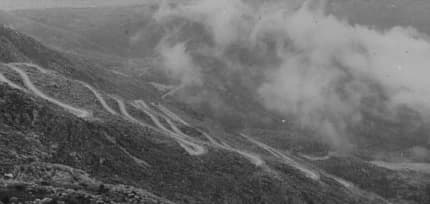
The serpentines, a century and a quarter apart: on a glass slide from around 1900 the hairpins climb bare karst; by 2026 the forest has closed over the mountainside. The bends themselves have not moved.
Boat Tours
Boat excursions are among the most popular activities. Standard tours (approximately EUR 15 for 1.5 hours) visit the island of Our Lady of the Rocks and the town of Perast. Extended three-hour tours include the Blue Cave on the Lustica Peninsula, where visitors can swim in crystal-clear turquoise waters [22].
Kayaking and stand-up paddleboarding on the bay are also widely available and offer a unique perspective on the town’s walls and mountain setting [22].
Where to Stay in Kotor
Kotor offers accommodation for every budget, from restored stone apartments inside the Old Town walls to modern hotels in surrounding suburbs. Your choice of area significantly affects your experience.
Inside the Old Town
Best for: Atmosphere, convenience, romance, and the experience of living inside a medieval walled town.
Drawbacks: Noise (bar music echoes off stone walls until late), no car access, luggage must be carried on foot, and summer heat can be intense in stone buildings without modern air conditioning.
Price range: €80-200/night for apartments and boutique hotels.
Our pick: Look for restored stone apartments on the quieter squares near St. Luke's Church or the River Gate end of town.
Dobrota
Best for: Families, longer stays, those who want space and waterfront access with a 15-minute walk to the Old Town.
Drawbacks: Less atmospheric, requires a walk or short drive to restaurants and nightlife.
Price range: €50-120/night for apartments and small hotels.
Our pick: Waterfront apartments with sea views and swimming platform access.
Kotor Suburbs (Škaljari, Rakite)
Best for: Budget travelers, those with a car, visitors who want modern amenities.
Drawbacks: Further from the bay atmosphere, requires driving or walking 20-30 minutes to the Old Town.
Price range: €35-80/night.
Our pick: Apartments with parking and mountain views.
Browse all Kotor-area accommodations on montenegro.com to find properties suited to your travel style, from stone apartments in the heart of the Old Town to seaside retreats in Dobrota and beyond.
What Travellers Say
Kotor consistently ranks among the top-rated destinations on the Adriatic coast. Travellers praise:
The setting: “Mountains dropping straight into the bay, soft light in the evening, and a calm pace that makes you want to linger.”
Historical depth: “A living Romanesque and Baroque time capsule” – frequently cited as more atmospheric and authentic than neighbouring Dubrovnik.
The fortress hike: Described as challenging but unanimously worth it for the panoramic views.
Our Lady of the Rocks: Called “a church like no other” for its extraordinary origin story and artistic treasures.
The cats: An endlessly charming and photogenic quirk of the city [22][24].
Common advice from experienced visitors: arrive early, skip the main tourist restaurants immediately inside the Sea Gate, explore the upper streets, and allow at least a full day – Kotor rewards those who linger beyond a cruise stop [24].
Practical Kotor plan at a glance
Five decisions that change an Old Town visit
Decision
Stable fact
Check live
Which entrance?
Sea, northern and southern gates enter the walled town
Approach route and temporary works
Which museum?
Maritime Museum and municipal museum venues are separate institutions
Seasonal hours, ticket and closure day
Climb the walls?
St John Fortress stands about 260 m above sea level
Heat, rain, wind, daylight and paid access
Avoid peak pressure?
The port publishes a dated 2026 cruise-call calendar
Actual arrival, excursion timing and events
Need fewer barriers?
The lower town contains the principal gates, squares and monuments
Cobble condition, thresholds and venue access
Before arrival, separate the walled town from the wider coast. The four-region coastal guide explains why Kotor is one component of a larger shore, while the mountain-route guide shows how quickly elevation changes above the bay. If archaeology is the priority, the Roman mosaics evidence guide may deserve a separate visit instead of being squeezed into an Old Town day. That distinction prevents an overloaded route and keeps the lower-town plan useful for people who are not climbing.
Three gates • one lower-town network
Gate
Approach
Leads to
Sea Gate
Waterfront
Main square
North Gate
River edge
Church quarter
South Gate
Spring edge
Bastion sequence
Choosing
By approach
Not by a "must-enter" rule
Source: kotor.me
What UNESCO status actually covers
The Natural and Culturo-Historical Region of Kotor was inscribed in 1979, but it is not simply a badge attached to the walled town. UNESCO defines a 14,600-hectare property encompassing the best-preserved inner southeastern part of Boka and a separate 36,491-hectare buffer zone. The values include fortified towns, maritime settlements, palaces, churches, cultivated slopes and their exceptional integration with the bay and mountains.
This distinction corrects two common shortcuts. First, the whole bay is not the inscribed property. Second, conservation did not end with post-earthquake rebuilding. UNESCO notes that the principal monuments and historic urban areas retained authenticity after restoration following the 1979 earthquake, while also warning that urbanisation, tourism development and infrastructure threaten the wider landscape.
The 2025 World Heritage Committee decision is unusually serious: it asks for stronger planning, cumulative-impact assessment, sustainable tourism management and alternatives to cruise ships docking in the bay, and says urgent conservation needs could lead to consideration of the List of World Heritage in Danger. A visitor does not solve those policy problems, but can avoid treating a lived cultural landscape as an unlimited stage set. The walls and conservation guide explains the two UNESCO systems affecting the fortifications.
A lower Old Town walk that works without a climb
Enter through whichever gate matches your approach. From the Sea Gate, the Square of Arms gives immediate orientation through the Clock Tower and long civic facades. Do not rush to label every building. The municipality’s monument inventory shows layered construction: the present Sea Gate dates to 1555, while palaces altered after earthquakes can combine Gothic, Renaissance and Baroque elements.
Continue to the Cathedral of Saint Tryphon, consecrated in 1166. It remains a place of worship as well as a monument, so a liturgy, religious observance or local closure outranks a sightseeing plan. From the cathedral quarter, move toward Grgurina Palace and the Maritime Museum, then the squares around Saint Luke and Saint Nicholas, and finish at the northern gate. This creates a coherent civic–sacred–maritime sequence without pretending there is one correct labyrinth route.
The municipal Old Town map identifies fourteen anchor points, including the ramparts, three entrances, cathedral, Maritime Museum, Karampana fountain, churches and Duke’s Palace. Use it to recover orientation rather than to collect all fourteen. The current bay guide supplies the landscape context, while the maritime-settlement guide shows why Kotor’s culture cannot be reduced to one enclosed centre.
A gate is both architecture and circulation: pause only where people can continue to pass.
Five anchors are enough to understand the street plan
Step
Anchor
1
Gate
2
Square
3
Cathedral
4
One deep interior
5
Exit by another gate if safe and useful
Source: kotor.me
Choose museums deliberately
“The museum” is ambiguous in Kotor. The Maritime Museum of Montenegro occupies Grgurina Palace and traces its collection to the Boka Marine Fraternity around 1880, with public display from 1900. The Municipal Public Institution Museums of Kotor separately operates the Lapidarium in Saint Michael’s Church, Saint Paul’s Church and the Gallery of Solidarity in the Old Town, plus sites elsewhere.
The institutions do not share one ticket or schedule. Municipal Museums publishes a combined Old Town ticket and notes seasonal closures: for example, the Lapidarium and Saint Paul’s Church may be closed in winter except by arrangement. Confirm the Maritime Museum separately rather than borrowing those municipal hours. Check the exact venue on the day; a search result copied from another museum can easily send you to a closed door.
Choose by question. For seafaring, navigation, ship models and the Grgurina Palace setting, use the Maritime Museum. For carved stone, building fragments and the long material chronology of the town, consider the Lapidarium. For contemporary art linked to post-1979 solidarity, choose the Gallery. One focused interior often explains more than three rushed admissions.
Different institutions answer different questions
Museum
Focus
Also covers
Maritime Museum
Ships • navigation
Captains • palace
Lapidarium
Stone • fragments
Layered chronology
Gallery
Art • solidarity
Post-earthquake story
Booking
Open the official page for the exact venue
Not a generic "Kotor museum" listing
Source: portofkotor.com, muzejikotor.me
The walls are a separate visit
The municipality describes the entire fortification system as approximately 4.5 kilometres long, up to 20 metres high and 2–15 metres wide. Those figures do not mean a visitor walks 4.5 level kilometres. The mountain route climbs toward St John Fortress at about 260 metres elevation, with stone steps, exposed sections and no promise of shade.
Paid access began officially on 1 March 2025 through two points: Parilo behind the Church of Blessed Osanna and Špiljari beside the former industrial zone. The current Kotor City Walls channel says gate and toll-booth operation is seasonal. Check the live price, access point and hours; do not rely on an old blog screenshot. A 2026 municipal notice documents works including washing, vegetation removal and jointing on sea and river ramparts; it specifically dates the start of washing to 27 July. Temporary work areas are normal rather than evidence of neglect.
Decide at the entrance, not at breakfast. Skip or shorten the climb in strong heat, rain, thunder, high wind, poor visibility, inadequate footwear or limited daylight. Carry water and keep hands free. Descending wet polished stone can be harder than ascending. The day-trip guide helps prevent stacking a wall climb onto an already overfilled day.
The lower town and mountain walls are connected historically but demand different mobility, weather and time decisions.
Historic dimensions do not grade today's climb
Type
Item
Detail
Published system facts
≈4.5 km
Fortifications overall
Published system facts
Fortress ≈260 m elevation
St John Fortress
Decide at the entrance
Heat + rain + wind
Live weather
Decide at the entrance
Daylight + footwear
Personal readiness
Decide at the entrance
Hours + fee + works
Access and maintenance
Decide at the entrance
Your descent reserve
A safe lower-town visit is complete even when the climb is not
Source: kotor.me, kotorcitywalls.me
Use the cruise calendar as a signal, not a prophecy
The Port of Kotor publishes a 2026 call calendar with dates, vessels and scheduled arrival/departure information. It is the best first check for potential pressure near the Sea Gate and waterfront. It does not tell you exactly how many passengers will enter the Old Town, when excursions will move, whether a call will change, or how an event will affect streets.
Use the calendar comparatively. Multiple or long calls suggest considering an earlier lower-town walk, a later museum visit, or entering through another gate. A blank or light schedule does not guarantee quiet; coaches, independent visitors, festivals and local life still matter. Never plan around a fixed “cruise crowds disappear at” time.
Calendar → pressure signal → live observation
Stage
Read
Then
Calendar
Date + vessel
Scheduled times
Signal
Possible pressure
Choose sequence
Live check
Actual call
Events + streets
Limit
A ship listing is not a passenger count
No guaranteed crowd forecast
Source: portofkotor.com
Lower-barrier alternatives
Compact does not mean step-free. Cobblestones can be uneven or slippery, historic thresholds are common, and a route that looks level on a map may include channels, kerbs or temporary obstacles. For a lower-barrier visit, stay in the lower town, choose one gate-to-gate line, minimise backtracking and contact the exact museum or church about entrance conditions. The Tourist Organisation’s information centre is at the Sea Gate and publishes a phone number and email.
A companion can scout thresholds without blocking circulation. Use seating where it is intended, keep emergency and service routes clear, and do not treat church steps or private doorways as rest areas. If sensory load matters, the cruise calendar and event listings help choose a potentially calmer window, but neither guarantees it.
Build a complete visit below the mountain walls
Element
Action
One line
Gate to gate
One venue
Call ahead
Exit plan
Rest + return
Walls
Optional
Montenegro.com editorial framework; confirm individual access with each venue.
Frequently Asked Questions
How many days do you need in Kotor?
Two full days is the sweet spot. Day one for the Old Town, fortress climb, and waterfront. Day two for a day trip to Perast and Our Lady of the Rocks, or Lovćen National Park. If you have three days, you can comfortably add both day trips plus time to explore Dobrota and Muo at a relaxed pace.
Is Kotor safe for tourists?
Yes. Kotor is one of the safest destinations in the Mediterranean. Violent crime is extremely rare and petty theft is uncommon, though standard precautions apply in crowded tourist areas. The main safety concern is the fortress climb — the steep, unrailed steps require caution, especially in wet conditions or with children.
Can you swim in Kotor?
Yes, though there are no sandy beaches in the immediate Old Town area. Concrete swimming platforms along the Dobrota waterfront and at the town beach north of the Old Town provide access to the bay. The water is calm, warm (22-26°C from June to September), and generally clean. For proper beaches, head to Luštica Peninsula (30 minutes) or Jaz Beach near Budva (20 minutes).
Is Kotor too touristy?
On peak cruise ship days (July-September), the Old Town can feel overwhelmingly crowded between 10am and 4pm. However, cruise passengers leave by evening, and mornings are relatively quiet. Outside of June-September, Kotor retains a genuinely local character. The key is timing: visit the Old Town early, late, or on ship-free days, and explore the surrounding villages during peak hours.
When is the best time to visit Kotor?
May and September-October offer the ideal combination of warm weather (20-27°C), manageable crowds, and lower accommodation prices. June is excellent too. July and August are hot (often 35°C+) and crowded. The shoulder seasons of April and November are pleasant but some restaurants and attractions operate on reduced schedules. Winter (December-February) is quiet and atmospheric, with mild temperatures (8-12°C) but frequent rain.
How do you get to Kotor?
Tivat Airport (TIV) is 8km away (15 minutes by taxi, approximately €15). Dubrovnik Airport (DBV) in Croatia is 90km away (about 2 hours including the border crossing at Debeli Brijeg). Regular buses connect Kotor to Podgorica (2.5 hours, €8-10), Budva (30 minutes, €3-4), and Dubrovnik (2.5 hours, €15-18). Driving from Dubrovnik is scenic and straightforward, following the coastal highway E65 south.
A Brief History of Kotor
Kotor's story begins long before the stone walls that define it today. Archaeological evidence places the earliest settlements in this sheltered bay around the 3rd century BC, when the Illyrian tribe of the Ardiaei recognized the strategic advantage of the site — protected from open sea by the narrow bay, shielded from land invasion by sheer mountain walls.
The Romans arrived in 168 BC, naming the settlement Acruvium and incorporating it into the province of Dalmatia. When the Roman Empire split, Kotor fell under Byzantine rule, and it was during this period that the town began to take on its medieval character. The fortification walls started creeping up the mountain of St. John (Sveti Ivan), eventually growing into a circuit of roughly 4.5 kilometers that climbs to 280 meters above sea level.
The most defining era came with Venetian rule, which lasted from 1420 to 1797 — nearly four centuries that gave Kotor much of its architectural character. The Venetians expanded the fortifications, built elegant palaces, established the maritime tradition that would make Kotor one of the Adriatic's great seafaring towns, and left behind the winged lion of St. Mark that still adorns the Sea Gate entrance.
After Venice fell to Napoleon in 1797, Kotor passed through a dizzying succession of rulers: a brief period under the Austrian Habsburgs, then France (as part of Napoleon's Illyrian Provinces), then back to Austria-Hungary from 1814 until World War I. The Austro-Hungarians strengthened the fortifications yet again and built the military infrastructure that still dots the hillsides.
The 20th century brought Kotor into the Kingdom of Yugoslavia, then Tito's socialist Yugoslavia, and finally — after a devastating 1979 earthquake that damaged much of the Old Town — into the independent Montenegro of 2006. The earthquake proved a turning point: the subsequent restoration, carried out with UNESCO guidance, brought Kotor to international attention. In 1979, the "Natural and Culturo-Historical Region of Kotor" was inscribed on the UNESCO World Heritage List [1], recognizing not just the town but the entire bay landscape as a site of outstanding universal value.
Today, Kotor is Montenegro's most visited destination, welcoming roughly half a million cruise passengers a year — 523 ship calls are scheduled for 2026 alone — alongside independent travelers drawn by its unique combination of Venetian architecture, mountain drama, and authentic Adriatic character.
523
cruise-ship calls scheduled at Kotor for 2026 — roughly half a million passengers a year
Written by
Pavle Obradović
Pavle Obradović is from Herceg Novi. He was Manager of Montenegro.com, then Director of the Herceg Novi Tourism Organization, and is now Coordinator for Investment and Development Projects at the Municipality of Herceg Novi. He holds a BSc in International Hospitality and Service Management from the Rochester Institute of Technology (RIT).
···
Updated · Originally published
Montenegro Travel Newsletter
Get weekly stories, guides, and insider tips about Montenegro delivered to your inbox.