Cities
Landmarks
The capital region blending urban energy with river canyons and lush valleys.
Montenegro · The capital
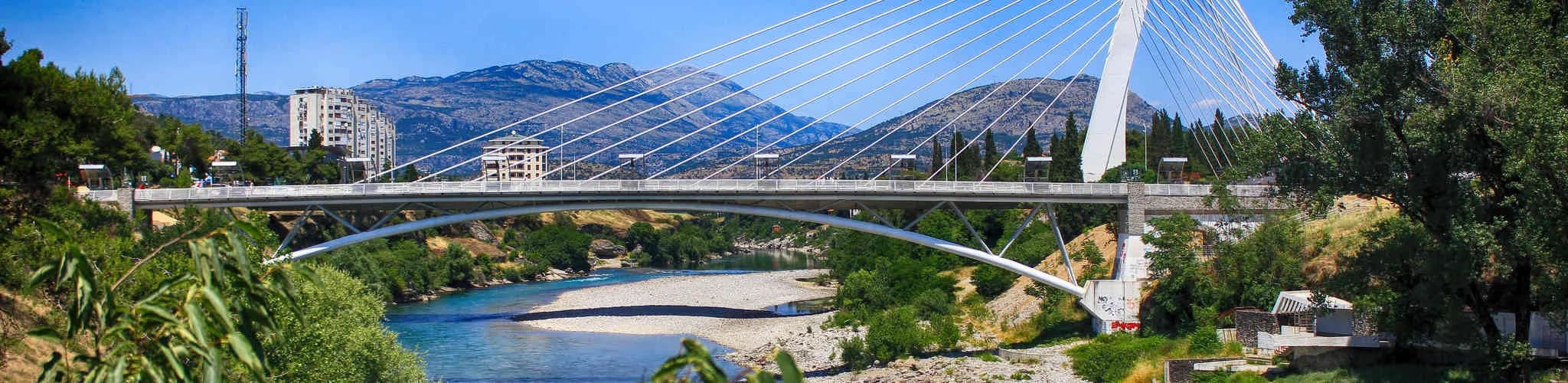
Podgorica
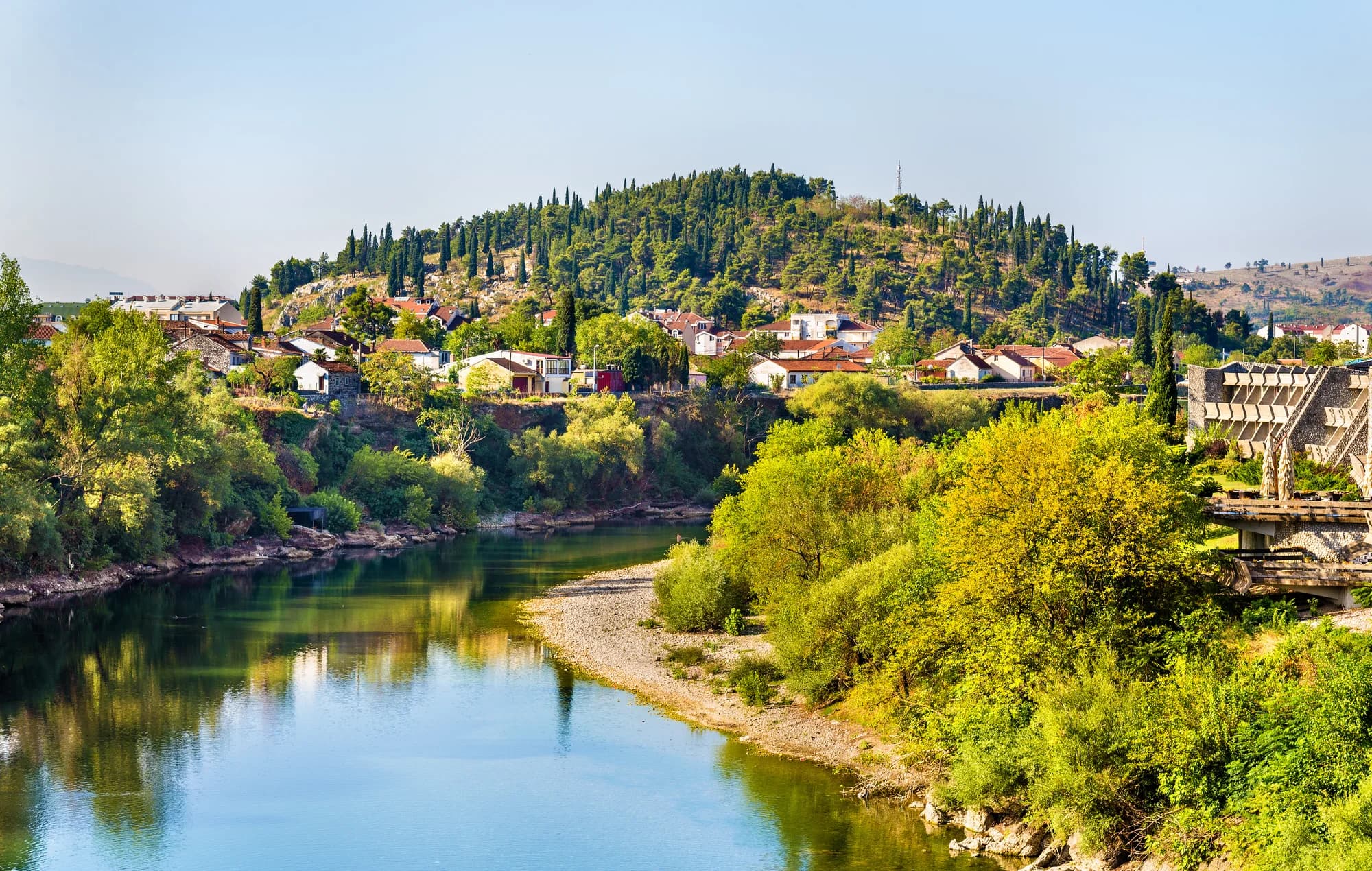
A capital bombed flat and rebuilt twice over — the youngest-feeling city in the Balkans, with Roman ruins at the edge of town.
15 accommodations available
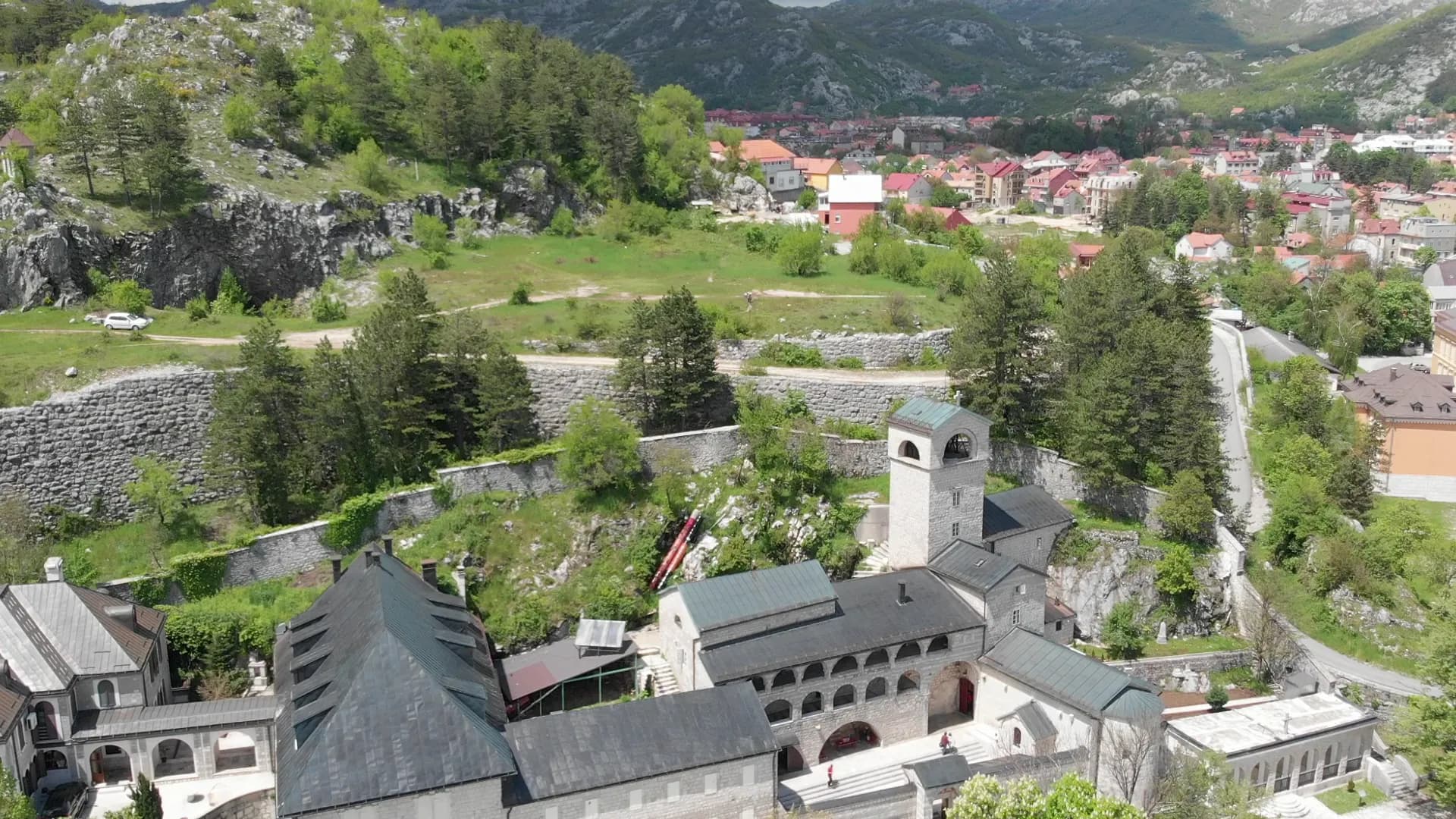
Cetinje
The old royal capital in a mountain hollow — a town of museums, embassies-turned-faculties and stubborn identity.
3 accommodations available
Montenegro · Bjelopavlići
Danilovgrad
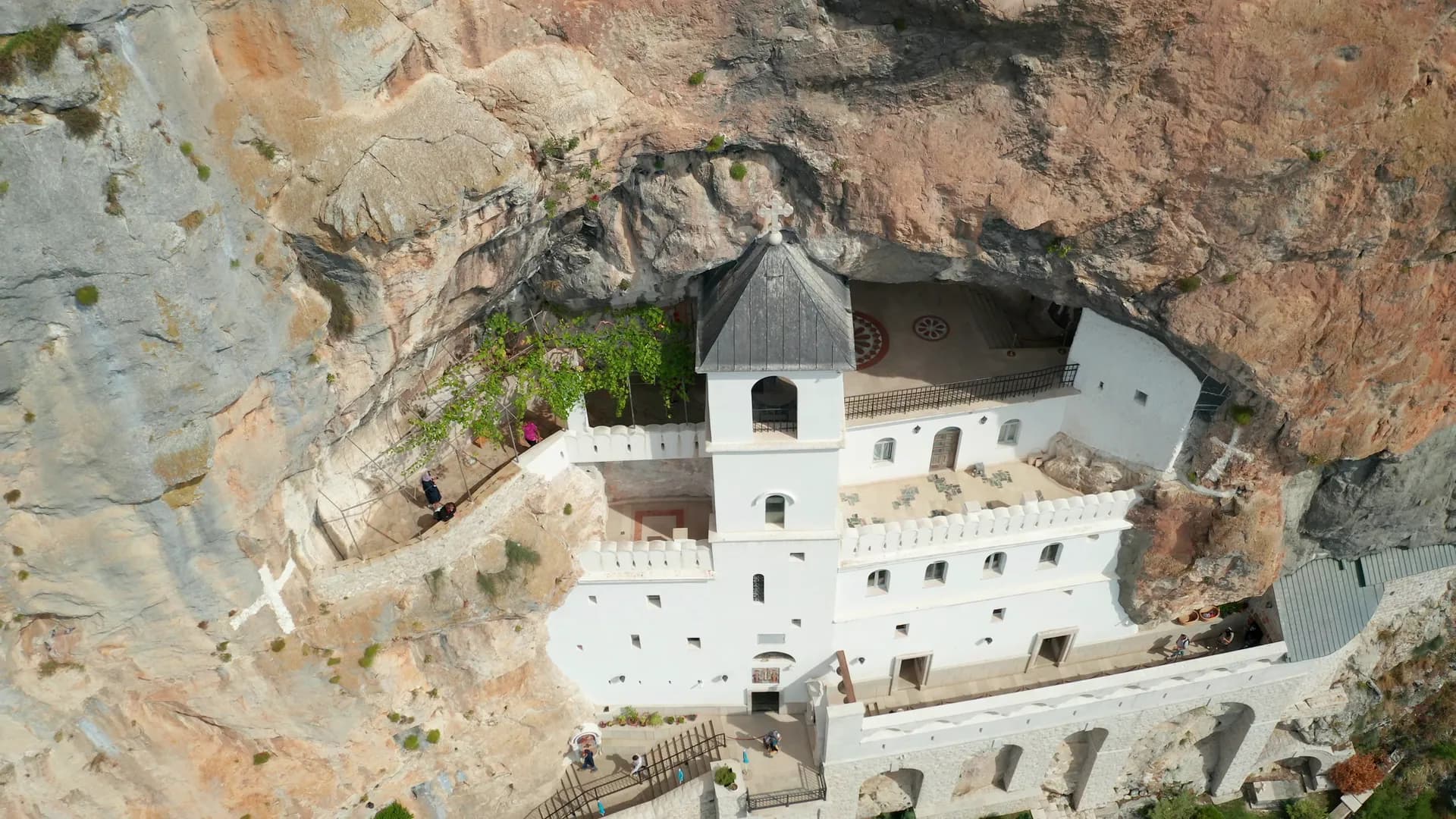
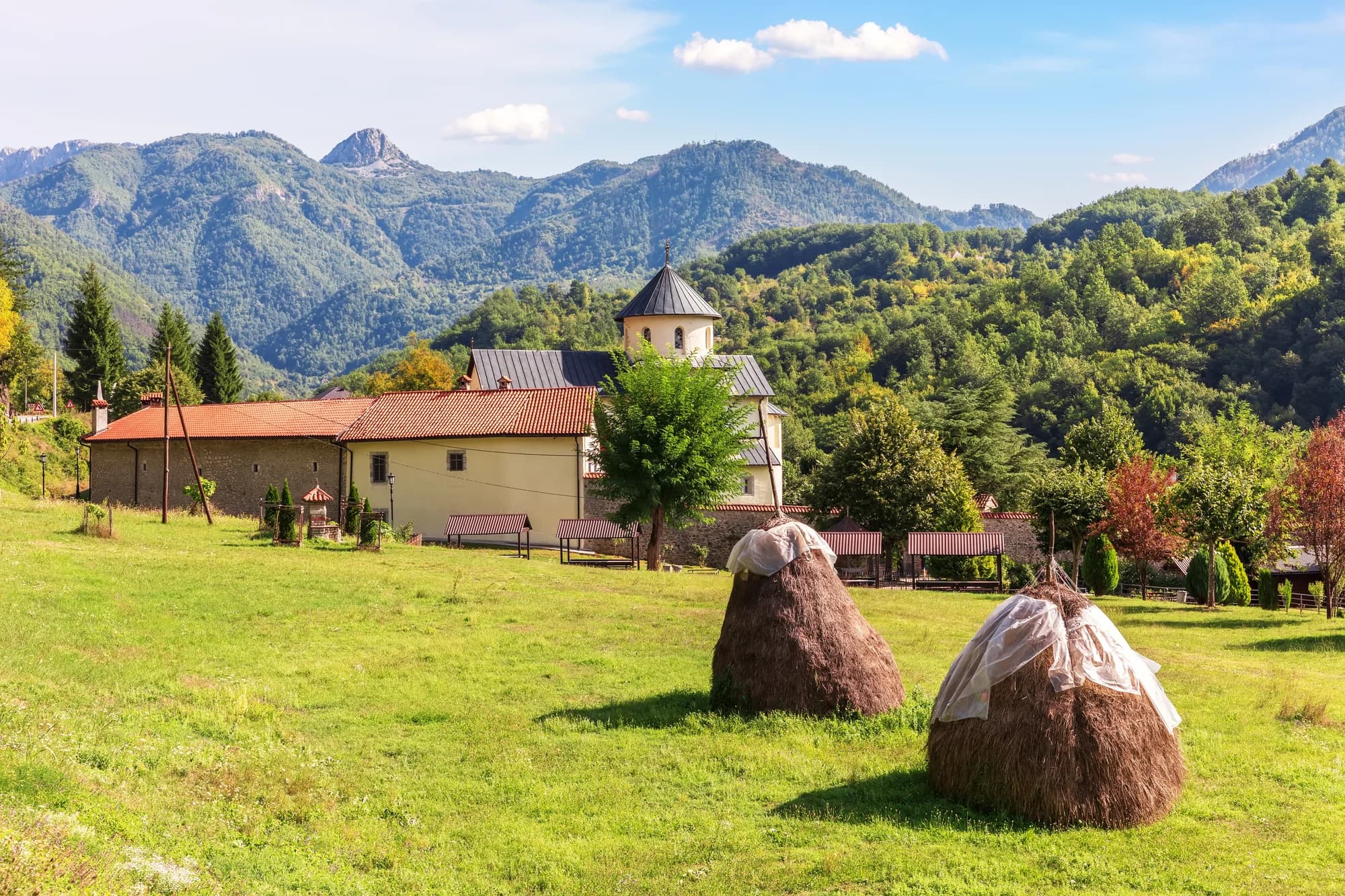
A capital that never was, guarding a monastery in a cliff — Montenegro’s holiest mile starts in this plain.
1 accommodation available
Bioča
Bioča is a small village in the Podgorica municipality, in the transitional country where the flat Zeta plain gives way to the low hills of the interior.
Bioče
Bioče is a village in the Podgorica municipality, strung along the road and railway a little north of the capital at the point where the Morača valley narrows into a proper canyon.
Bogetići
Bogetići is a village in the Nikšić municipality of central Montenegro, on the main road between Podgorica and Nikšić where the Bjelopavlići valley narrows and the ground begins to climb toward the Ostroška Greda ridge.
Montenegro · Katunska nahija
Čevo
Ten people live in the village Njegoš called a nest of heroes — the Ozrinići seat in the Katunska nahija, a third of the way along the road from Cetinje to Nikšić.
Dragalj
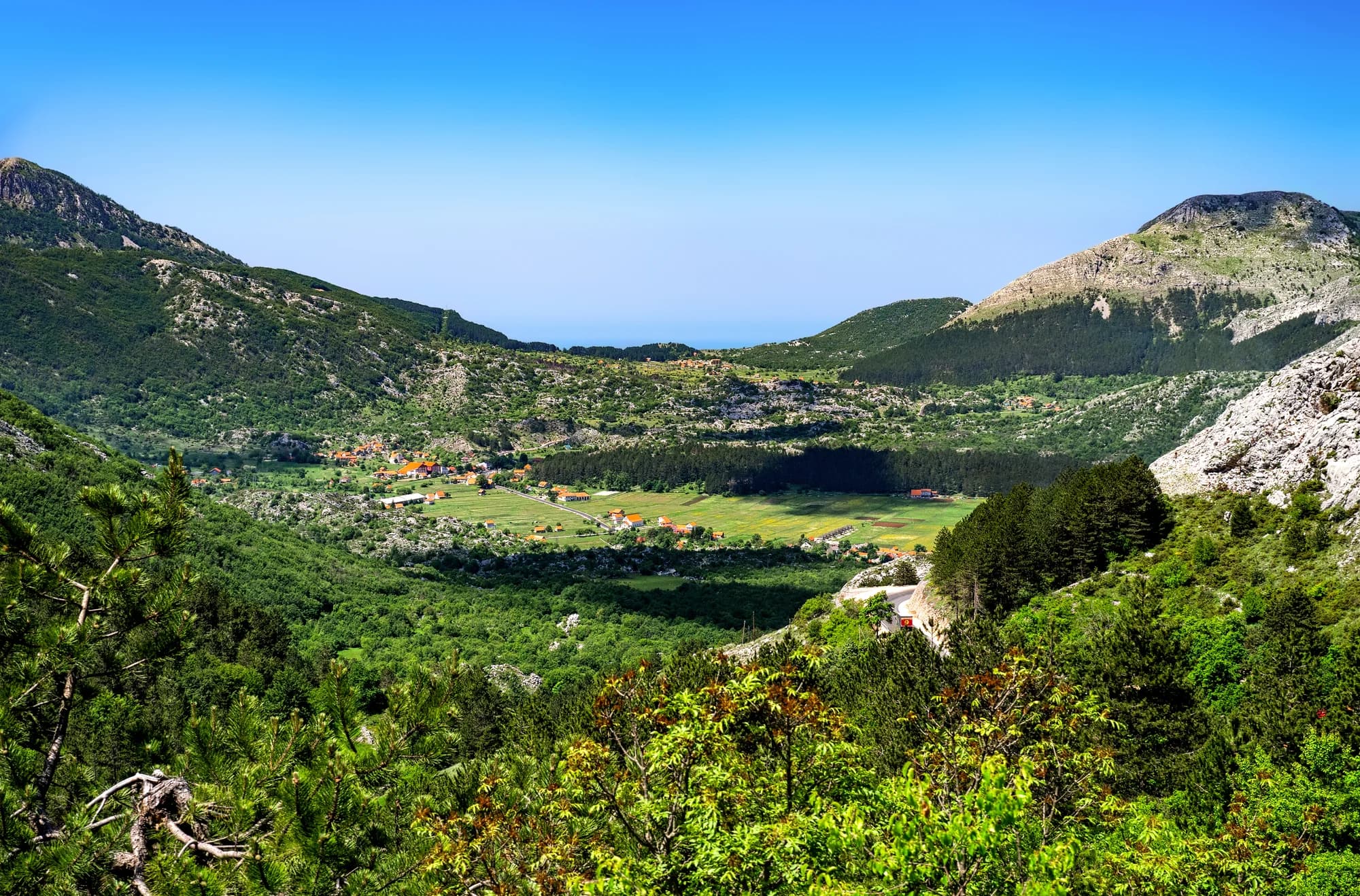
A karst plain at 640 m behind the mountain from Risan, with 46 people and 14 households left on it — and the winter it made Vienna drop conscription.
Montenegro · Zeta plain
Golubovci
Two and a half thousand residents, Montenegro’s busiest airport inside the village boundary, and Plantaže’s two thousand hectares of vines up the same plain — the largest settlement on the Zeta plain got a town hall of its own in 2022.
Gradac
Gradac is a small settlement in central Montenegro, one of several places bearing this common South Slavic name.
Klicevo
Kličevo is a settlement on the edge of Nikšić, in the broad inland basin at the centre of Montenegro.
Lovćen
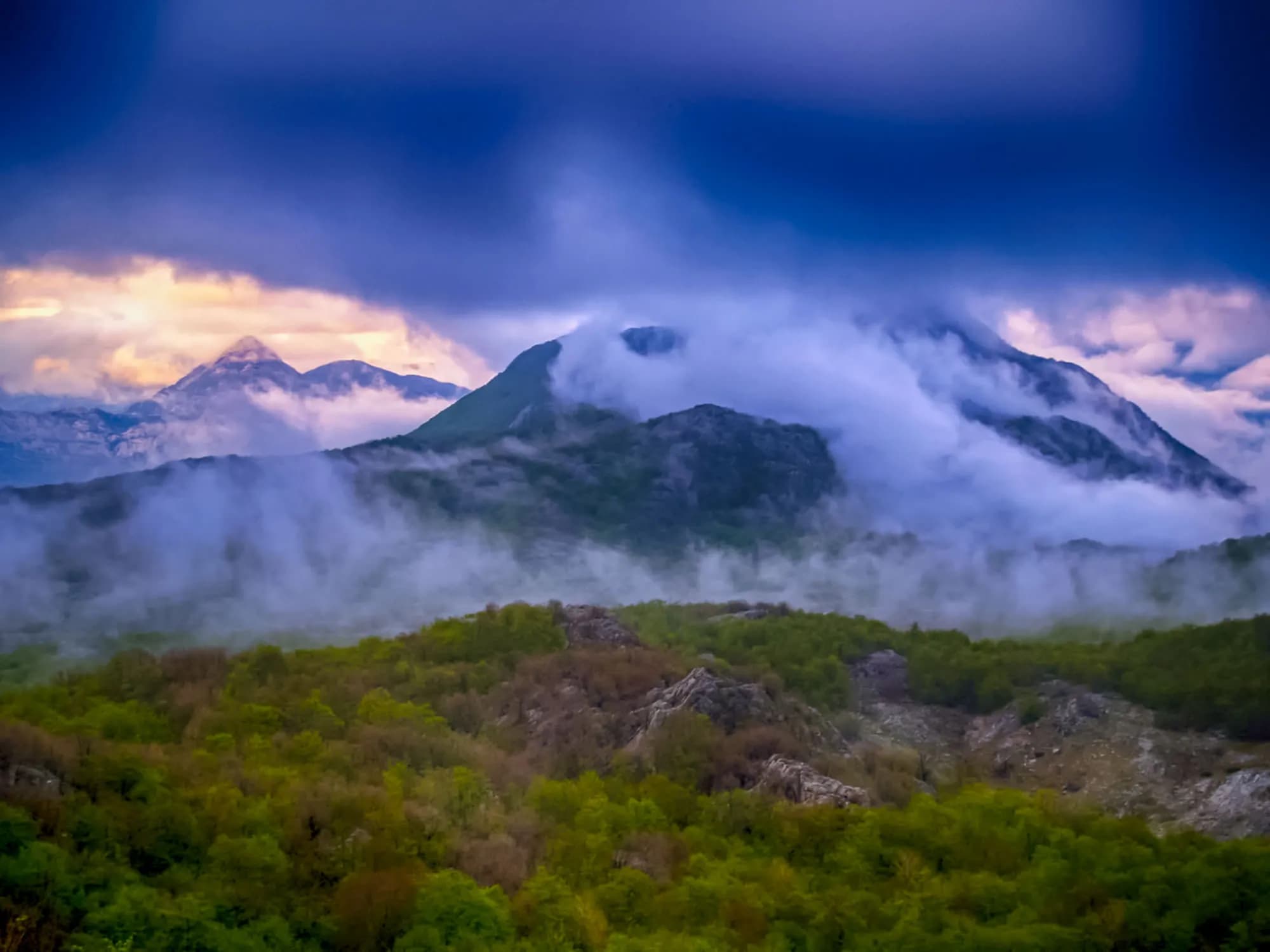
Mount Lovćen rises directly behind the Bay of Kotor, a dark limestone massif that gave Montenegro its name and much of its idea of itself.
Montenegro · Upper Tara valley
Mateševo
Forty-eight people at the end of Montenegro’s only motorway — the junction in the upper Tara valley where the road splits for Kolašin and for the Komovi.
Montenegro · The upper Lim
Murino
A hundred and seventy-one people at a crossroads on the upper Lim — one road for Plav and Gusinje, one climbing to the Čakor pass and Peć — and the place Montenegro means when it talks about 1999.
Montenegro · Lovćen
Njeguši
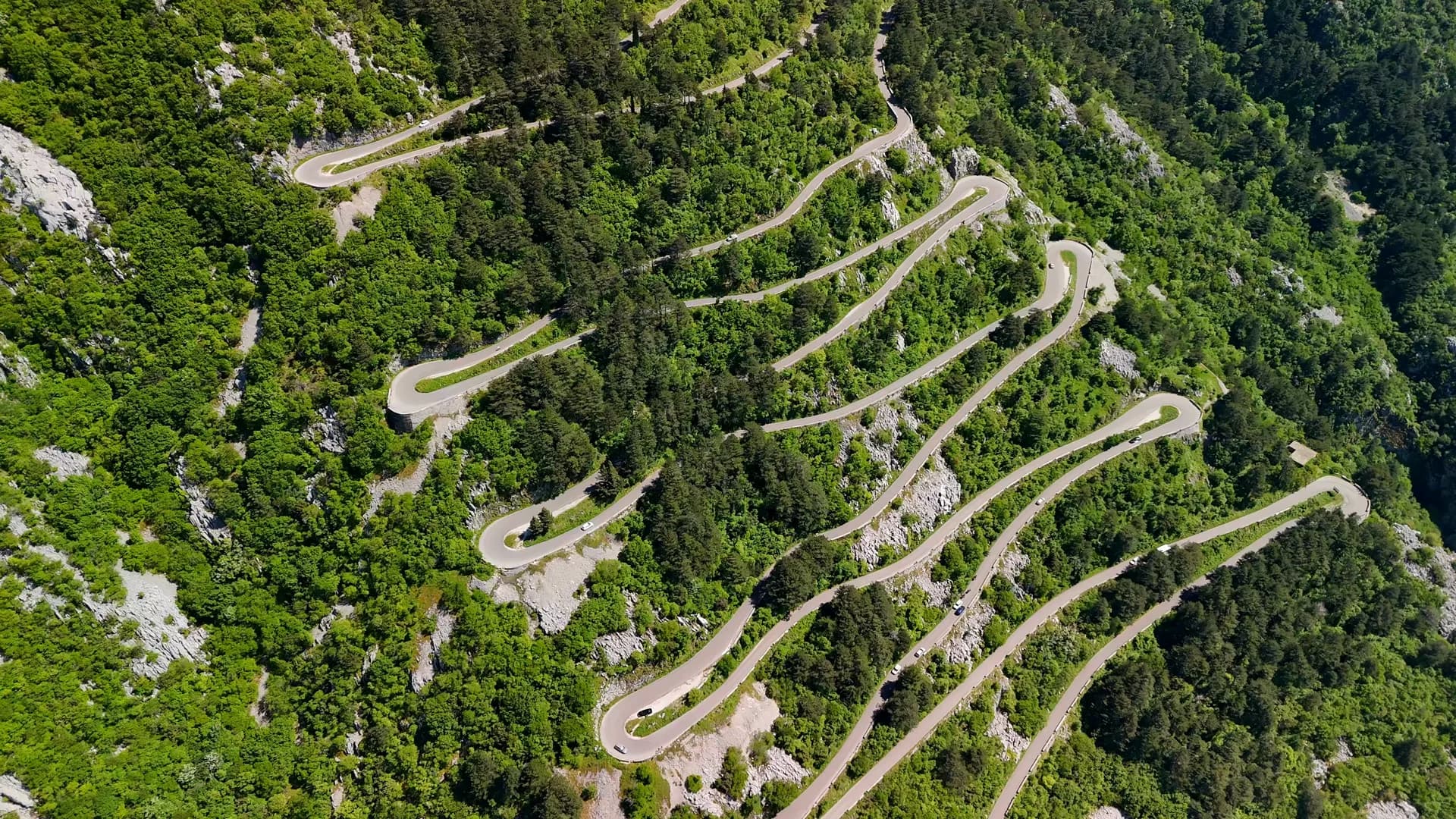
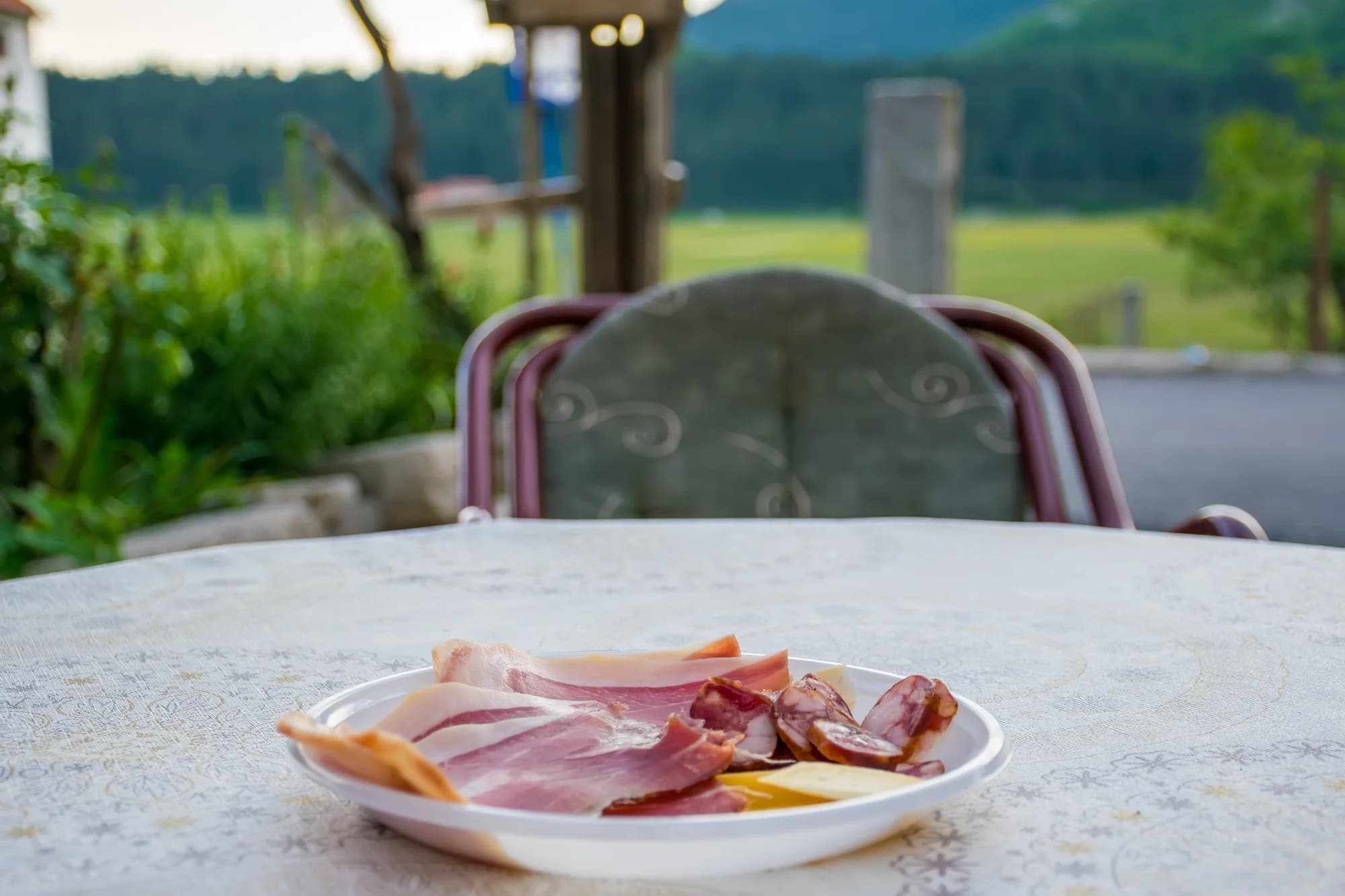
Thirty-three people live in Njeguši. The field around it gave Montenegro its dynasty and its protected ham — twenty-five hairpins above the Bay of Kotor.
Pelev Brijeg
Pelev Brijeg lies on the edge of Podgorica, where the flat ground of the Zeta plain begins to lift into low hills.
Montenegro · Lake Skadar
Rijeka Crnojevića
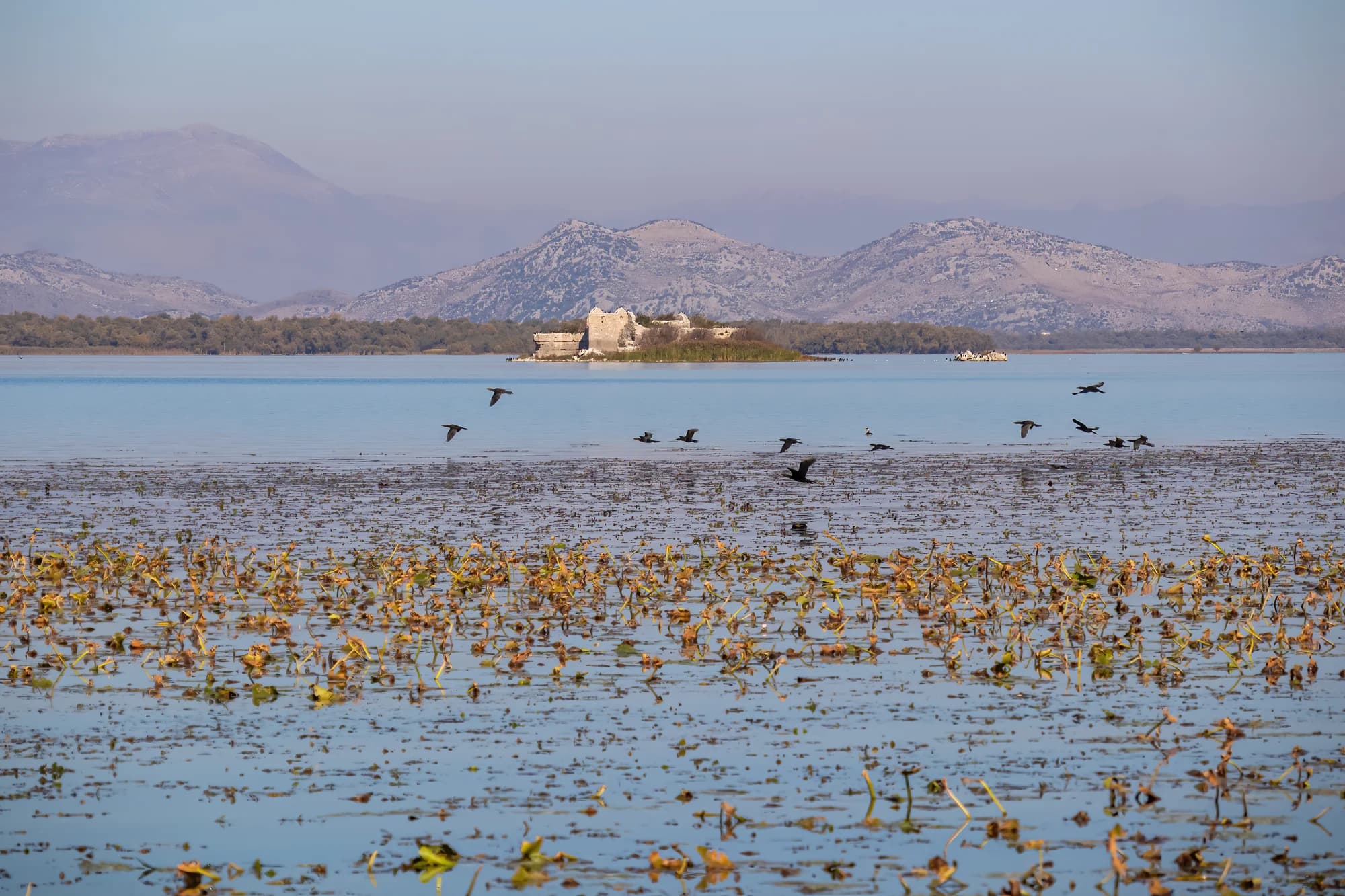
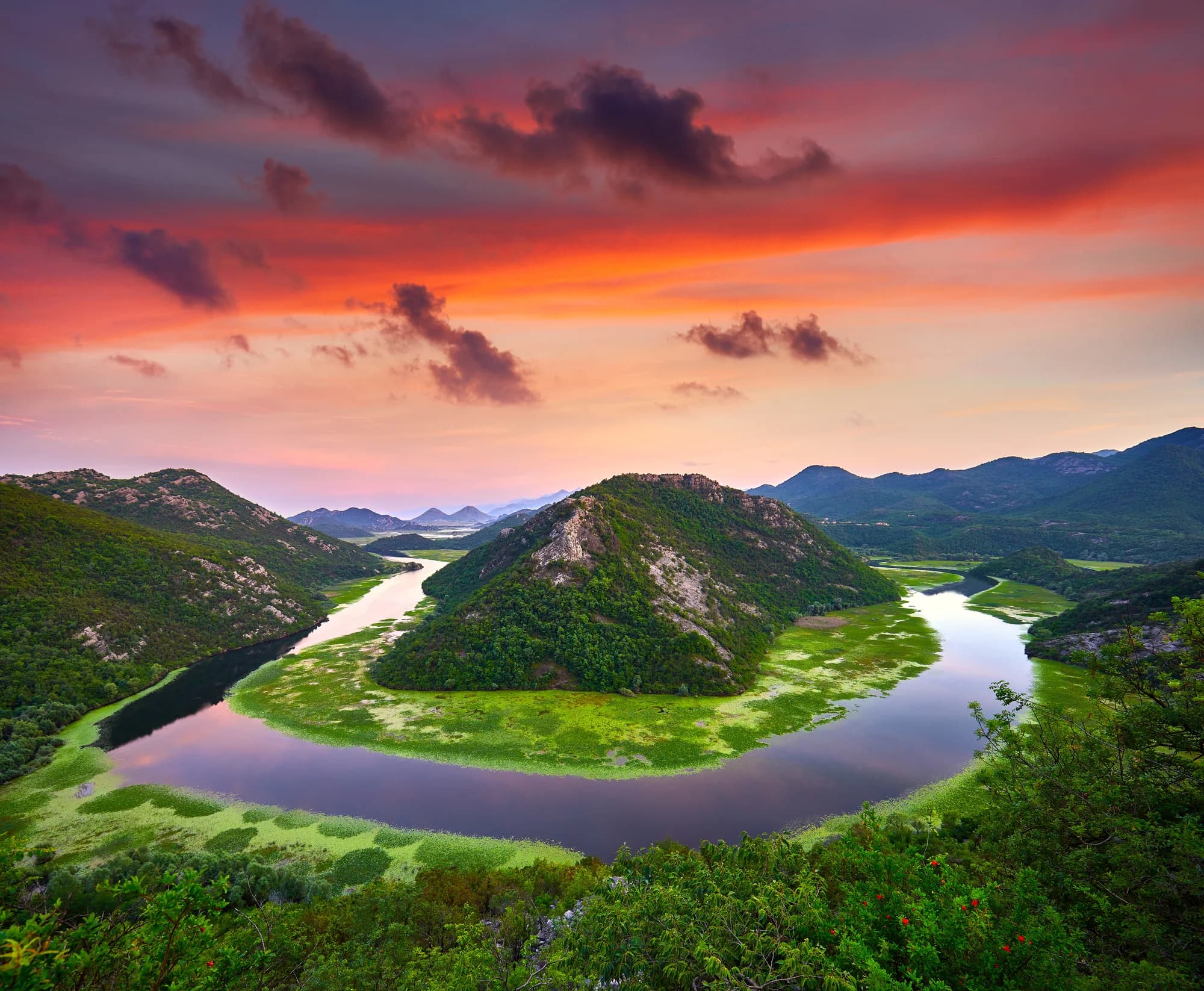
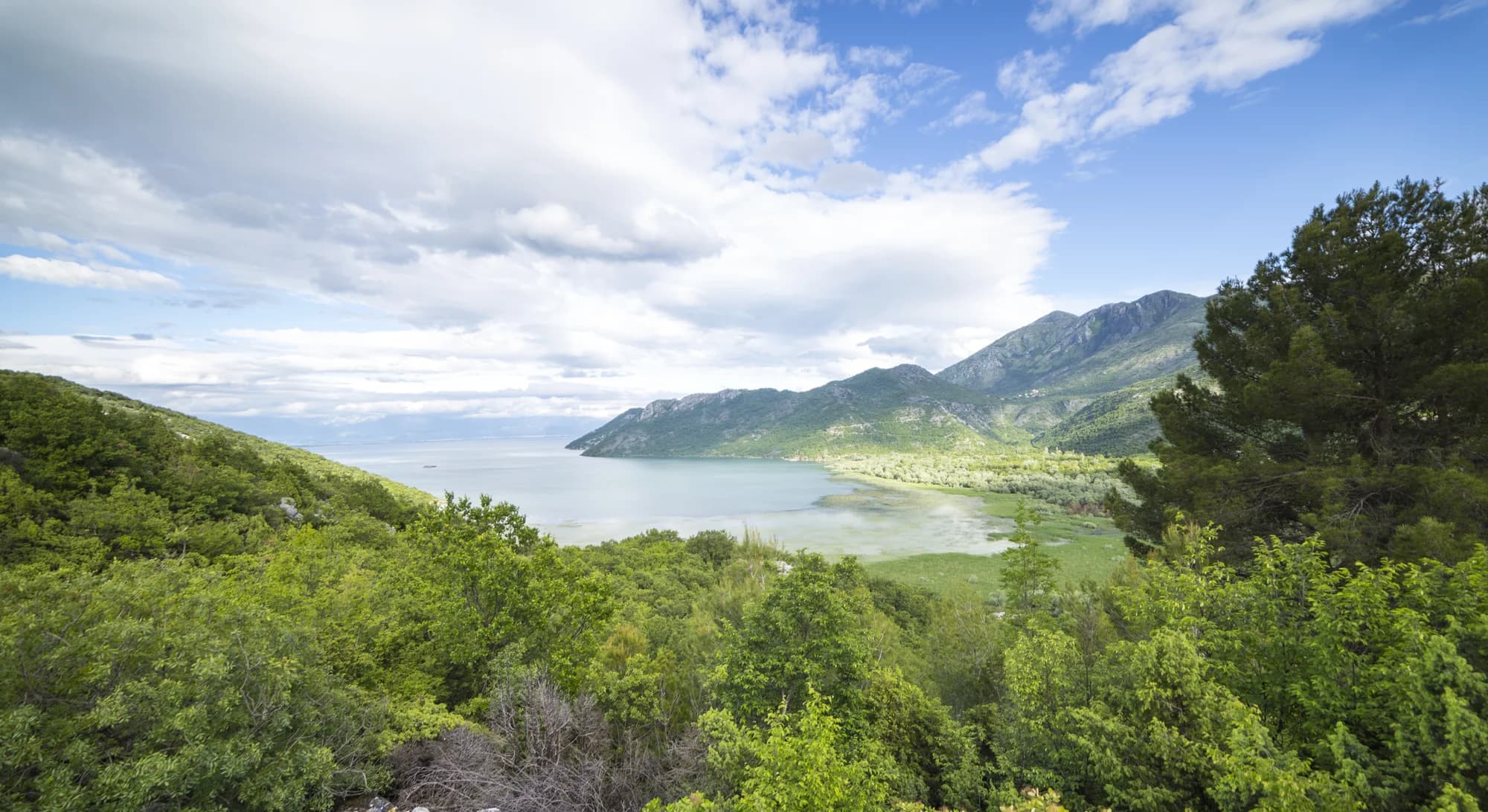
Eighty-four people live in what was once Montenegro’s largest port: two limestone arches, a ruined capital on the hill above them, and a green river leaving for Lake Skadar.
Rudine
Rudine is a small village in the Montenegrin interior, its name taken from a word for open grassland, the meadows and rough pasture that give this kind of country its character.
Montenegro · Bjelopavlići valley
Spuž
A fortress hill the Ottomans held for four centuries, halfway between Podgorica and Danilovgrad — and, since 1951, the address of Montenegro’s prison.
Sveti Nikola
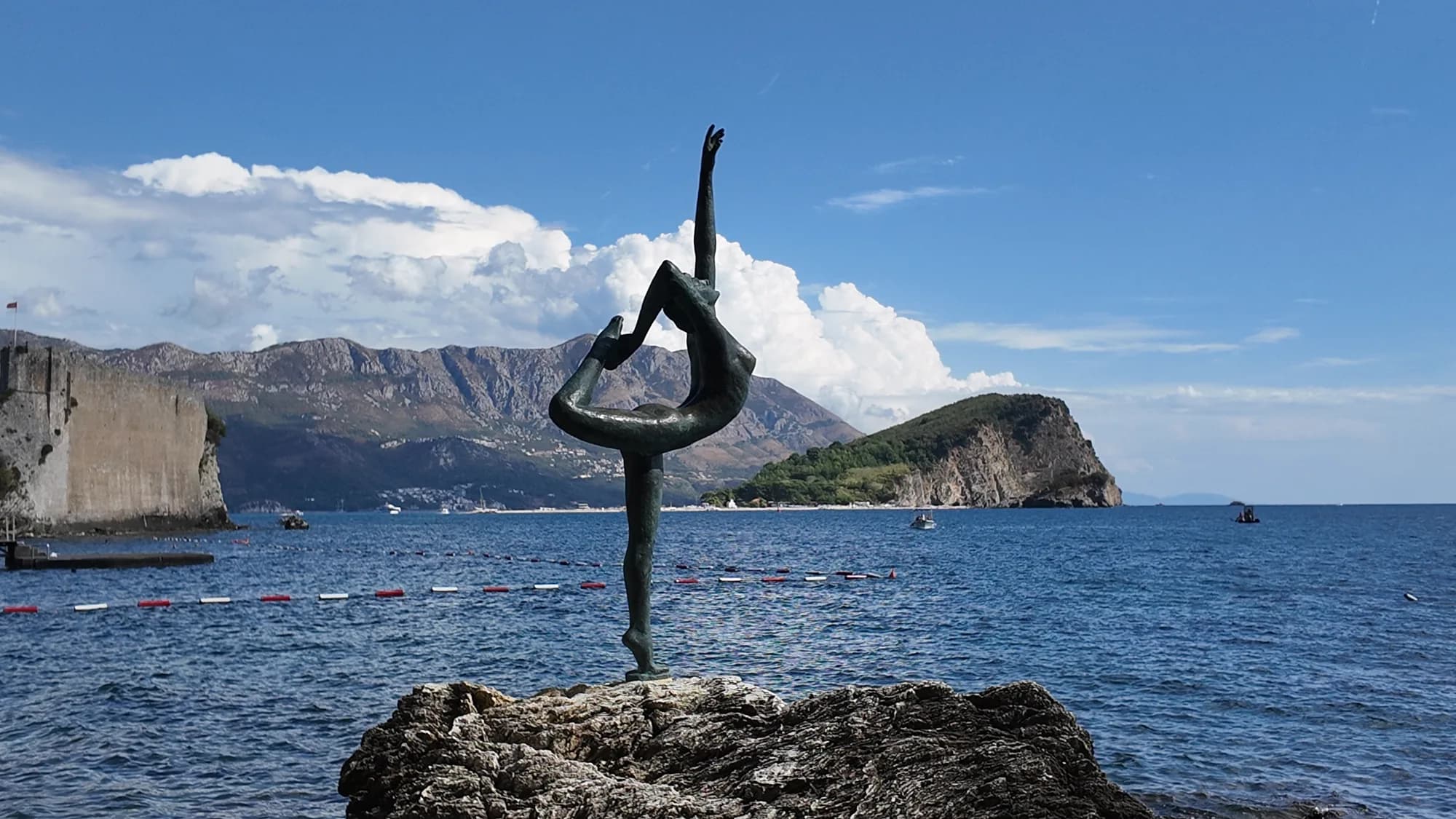
Sveti Nikola is the largest island off Montenegro's coast, a wooded ridge of rock about a kilometre off the Budva shore and in view from every terrace on the town's waterfront.
Tomaševo
Tomaševo is a small village in inland Montenegro, spread over quiet hills away from the main tourist routes.
Montenegro · Malesija
Tuzi
Montenegro’s second-newest municipality, split from Podgorica in 2018 and majority Albanian: a town on the plain below Malesija where the trunk road to Albania doubles as the high street, and the Cijevna cuts a 903-metre canyon into the border behind it.
Montenegro · Nikšić municipality
Vilusi
Three trunk roads and two border crossings meet at a village of 132 people — and it wrote and directed the most expensive film Yugoslavia ever made.
Virpazar
Three stone bridges, a reed channel out to the largest lake in southern Europe, and a fort on the hill — Crmnica’s market town, and the garrison the 1941 uprising took on its opening day.